Key Takeaways
-
Drone-assisted solar irrigation systems are a game-changer for efficient water management in farming.
-
Using solar energy to power drones is cost-effective and environmentally friendly.
-
Drones provide precise irrigation, reduce water waste, and help monitor crop health.
-
Setting up a drone solar irrigation system involves selecting the right equipment and understanding the installation process.
-
Adopting this technology can lead to higher crop yields and sustainability in farming practices.
The Dawn of Drone-Assisted Solar Irrigation in Farming
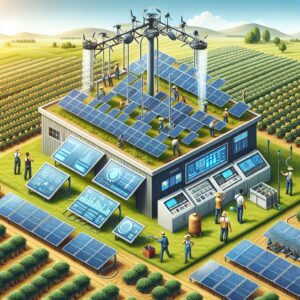
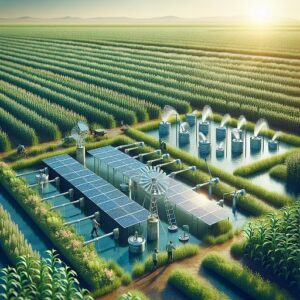
Let’s talk about revolutionizing the way we farm. Imagine a farm where drones buzz overhead, not just taking pictures, but actually helping plants grow. That’s right, we’re entering an era where technology meets tradition, and it’s transforming agriculture into a high-efficiency, sustainable operation. I’m here to guide you through this exciting journey of drone-assisted solar irrigation – a solution that’s not just smart but also kind to your wallet and the planet.
The Rationale Behind Drone-Assisted Solar Irrigation
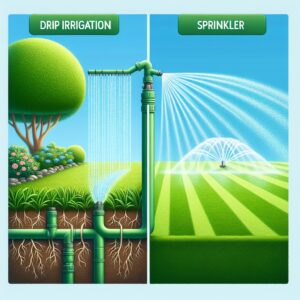
First off, why combine drones with solar power for irrigation? It’s simple. Water is precious, and as farmers, we need to make every drop count. Traditional irrigation methods can be wasteful, but with drones, we can deliver water precisely where it’s needed. And why solar? Because it’s clean, renewable, and increasingly affordable. This combination means you can irrigate your crops efficiently without leaving a heavy carbon footprint.
Most importantly, this tech empowers you to make informed decisions. You’ll know exactly when and where your crops need water, and you can act on it immediately. This isn’t just about saving water; it’s about optimizing your entire farming operation to be as productive as possible.
A Glimpse into the Tech Transforming Agriculture
So, what’s the magic behind this technology? Drones equipped with advanced sensors can scan your fields, analyze crop health, and even detect soil moisture levels. This data is gold. It tells you the exact water needs of different parts of your field, which means you can tailor your irrigation schedule down to the last detail.
Besides that, the drones we’re talking about aren’t just any drones. They’re specially designed for agricultural use, with features that make them perfect for the job. They’re durable, can fly on autopilot, and come with software that makes sense of all the data they collect. This is high-tech farming at its best.
Solar Power Meets Precision Agriculture
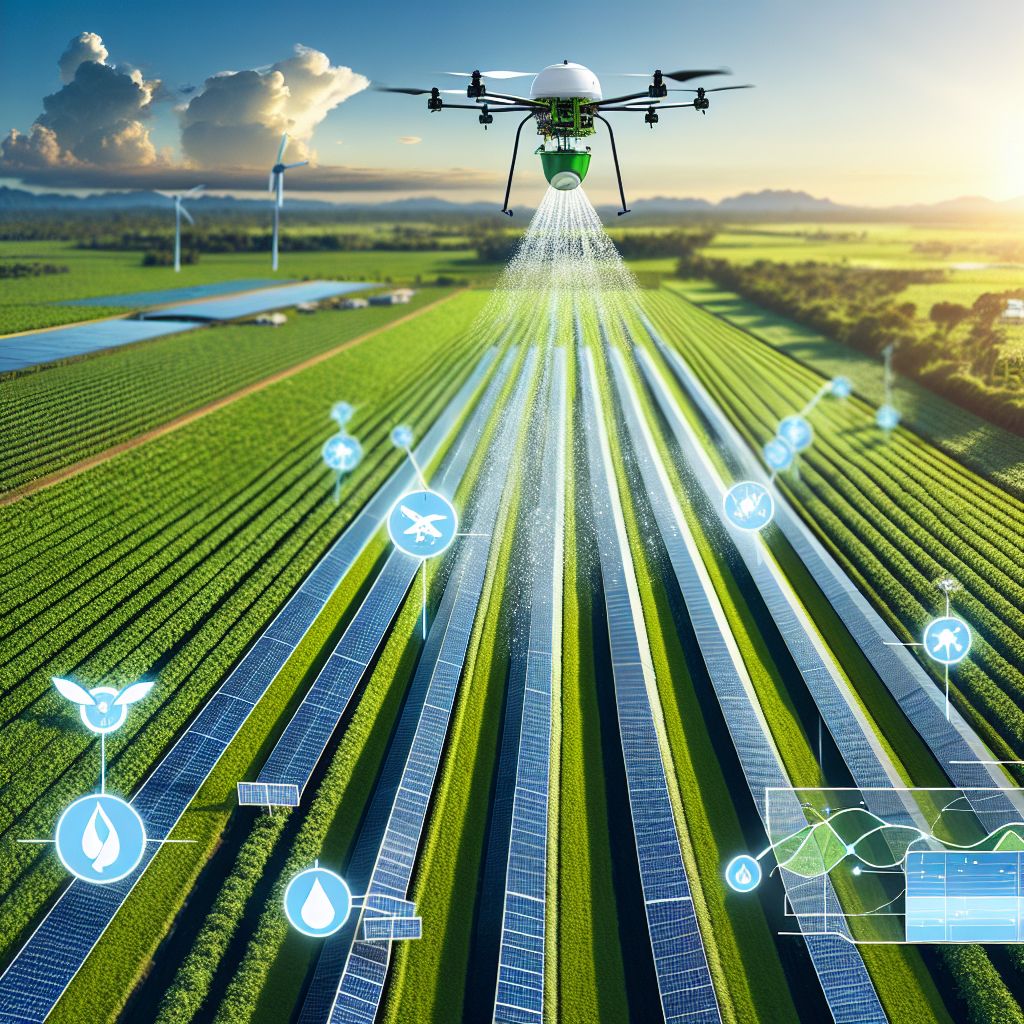
In recent years, the agriculture industry has seen a significant shift towards precision agriculture – the use of technology and data to optimize farming practices and increase efficiency. One of the latest advancements in this field is the combination of solar power irrigation systems and drones. This innovative approach is not only environmentally friendly but also has the potential to revolutionize the way we grow crops.
Solar Energy Basics for Crop Irrigation
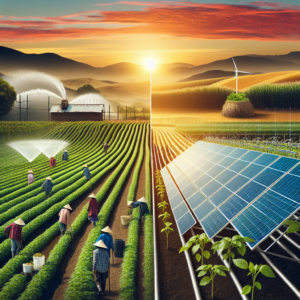
Now, let’s break it down. Solar panels convert sunlight into electricity, which can then power various devices – including drones. By harnessing the sun’s energy, you can charge your drones during the day and use them for irrigation whenever you need to. This is great for two reasons: you’re using a free energy source, and you’re reducing your reliance on fossil fuels.
Think about it. Solar energy is abundant, especially in those wide-open farming areas. By tapping into this resource, you’re turning your farm into a self-sufficient powerhouse that operates smoothly and sustainably. And the best part? Once you’ve set up your solar panels, the energy they produce is practically free.
Advantages of Using a Drone with a Solar-Powered Irrigation Systems
| Advantages of Using a Drone with a Solar-Powered Irrigation Systems |
| 1. Enhanced Efficiency: Drones can inspect vast areas more accurately and rapidly than humans, saving time and money on solar installation and maintenance. 2, 4 |
| 2. Safety: Drones reduce the risk of accidents and fatalities by performing tasks like inspections and maintenance that would typically require human workers to work at heights or ascend. 2, 4 |
| 3. Cost-effectiveness: Using drones for solar maintenance can lower labor costs since fewer employees are needed to complete installation and maintenance tasks. 2, 4 |
| 4. Improved Data Collection: Drones enable early detection of potential issues through routine checks, leading to more efficient and economical solar energy systems. With the data collected by the drones, water will be directed to the areas that need it, which means no more overwatering or underwatering. 2, 4 |
| 5. Future Prospects: Drone technology in solar energy is expected to advance further, potentially allowing drones to independently carry out maintenance and installation tasks, enhancing overall system performance. 4 |
Therefore, it’s clear that drone-assisted solar irrigation systems are not just a futuristic concept; they’re a practical solution for today’s challenges in agriculture. They enable you to save time, conserve resources, and ultimately, produce more with less. In the next sections, we’ll delve into how these systems work and how you can set one up on your farm.
Drone Technology for Efficient Water Management
When it comes to water management, drones are a game-changer. They can be equipped with multispectral cameras and sensors that assess plant health and water needs with precision. This means that instead of flooding your fields on a set schedule, you irrigate only when and where it’s necessary. The result? Every plant gets just the right amount of water, and not a drop is wasted.
The Mechanics of Drone-Assisted Irrigation Systems
Here’s how it works: Drones fly over your crops, collecting data and taking images. This information is processed in real-time, creating a detailed map of your field’s moisture levels. With this map, an automated irrigation system can be activated, delivering water to the exact locations identified by the drone. It’s like having a high-tech assistant who’s always on watch, ensuring that your crops are thriving.

Setting Up Your Drone Solar Irrigation System
Ready to get started? Setting up a drone solar irrigation system is straightforward if you follow these steps. You’ll need to gather the right equipment, understand the installation process, and prepare to manage the system. But don’t worry, I’ll walk you through each step.
Essential Equipment for a Solar-Powered Drone System
Before you begin, make sure you have the following: a reliable agricultural drone capable of solar charging, appropriate software for flight planning and data analysis, and a robust solar panel system to ensure uninterrupted power supply. This table below will show you the essential equipment needed to have a drone work with a solar irrigation system on a farm.
| Essential Equipment for a Drone Working with a Solar-Powered Irrigation System on a Farm |
| 1. Photovoltaic Modules: Crucial for converting solar energy into electricity to power the drone and irrigation system. This will enable the drone to extend its flight times without frequent recharging. 1, 3 |
| 2. Lightweight Materials: Drones made of lightweight materials enhance flight efficiency and endurance, essential for prolonged operations in agricultural settings. 2, 3 |
| 3. GPS System: Equipped with GPS technology for navigation and precise location tracking during irrigation operations on the farm. 2, 3 |
| 4. Sensors: Drones with sensors can gather data on environmental factors like soil moisture levels, plant health, and irrigation system performance, aiding in efficient farm management. 3 |
| 5. Cameras: Integrated cameras allow drones to capture high-resolution images and videos for monitoring crop health, detecting irrigation issues, and planning farm activities. 2, 3 |
With these components your farm is equipped for success. With the right tools, you’ll be ready to take control of your irrigation like never before. It’s time to install them.
Step-by-Step Guide to Installation
-
Install solar panels in a location with maximum sun exposure.
-
Connect the solar panels to a battery system to store excess energy.
-
Set up the drone with the necessary sensors and calibrate them according to your crop’s specific needs.
-
Integrate the drone’s software with your irrigation system, ensuring they can communicate effectively.
-
Conduct a test flight to ensure everything is working correctly and make adjustments as needed.
Remember, the goal is to create a system that works seamlessly, providing you with accurate data and efficient irrigation.
For example, a farmer in California used a drone equipped with thermal imaging to detect irrigation leaks in his vineyard. The drone identified several areas where water was being wasted, allowing the farmer to fix the leaks and reduce his water usage by 30%.
With your system in place, you’ll be ready to start saving water and boosting your crop yields.
Troubleshooting Common Challenges
Even the best systems encounter hiccups. Here are some common challenges you might face:
-
Battery Life: Ensure your solar panels provide enough power to keep your drone’s batteries charged.
-
Data Overload: You might get more information than you know what to do with. Focus on key metrics like soil moisture and plant health.
-
Weather Dependence: Solar power requires sunlight. Have a backup plan for cloudy days to ensure your drone can still operate.
-
Technical Glitches: Be prepared to update software and troubleshoot connectivity issues between your drone and irrigation system.
By anticipating these challenges, you can address them quickly and keep your system running smoothly.
Success Stories: Drones in Action
Don’t just take my word for it; let’s look at real-world success stories. Farmers across the globe are already reaping the benefits of drone-assisted solar irrigation systems.
Case Study: Boosting Crop Yields with Precision Irrigation
In the arid regions of Africa, a small-scale farmer used a drone to monitor his fields. The drone’s data helped him reduce his water usage by 25% while increasing his crop yield by 20%. This wasn’t just a win for his business; it was a win for the environment and his community.
Interview: Farmers Reap Benefits of Solar-Drone Technology
I spoke with a farmer in the Midwest who told me, “This technology has transformed the way I farm. I’m saving water, my plants are healthier, and I’m spending less time worrying about irrigation. It’s a game-changer.”

The Future of Smart Farming
The potential for drone-assisted solar irrigation is vast. As technology advances, we’ll see even more capabilities, such as drones that can plant seeds or apply fertilizers with pinpoint accuracy. This isn’t just the future; it’s happening now, and it’s helping farmers become more sustainable and efficient than ever before.
By embracing this technology, you’re not just staying ahead of the curve; you’re shaping a more sustainable future for farming. It’s an exciting time to be a farmer, and the sky’s the limit.
Potential Upgrades and Innovations in Drone Irrigation
The potential upgrades to drone irrigation systems are boundless. We’re talking about drones that can analyze plant health through hyperspectral imaging, predict weather patterns to optimize irrigation schedules, and even use AI to make real-time decisions on water distribution. Innovations like these will further refine water usage, reduce costs, and enhance crop yields.
Sustainable Practices and Long-Term Impacts
Adopting drone-assisted solar irrigation is not just a short-term investment in efficiency; it’s a commitment to long-term sustainability. These practices reduce the dependency on non-renewable energy sources, minimize water waste, and help maintain the delicate balance of our ecosystems. As farmers, embracing these technologies means we’re taking an active role in protecting the environment for future generations.
Moreover, this shift to smarter farming practices can have profound economic benefits. By reducing input costs and improving crop yields, farms can become more profitable and resilient against the challenges posed by climate change and resource scarcity.
FAQ
What Makes Drone-Assisted Irrigation More Efficient than Traditional Methods?
Drone-assisted irrigation surpasses traditional methods in efficiency by using precise data to target specific areas of a field that need water. This precision reduces water waste and ensures that crops receive exactly what they need to thrive. It’s the difference between watering with a fire hose and using a watering can with a purpose.
Can Solar Drones Also Apply Fertilizers or Pesticides?
Yes, solar drones can be equipped to apply fertilizers or pesticides. This ability to perform multiple tasks makes them an even more valuable asset on the farm. By applying inputs with precision, drones help minimize runoff and the environmental impact of farming.
Are There Any Legal Restrictions on Using Drones for Irrigation?
While drones offer many benefits, there are legal considerations to keep in mind. Regulations vary by country and region, but they often include restrictions on drone size, flight altitude, and proximity to populated areas. Always check local laws and regulations before implementing a drone irrigation system.
How Cost-Effective is Drone-Assisted Solar Irrigation for Small Farms?
Drone-assisted solar irrigation can be highly cost-effective for small farms. The initial investment may be significant, but the long-term savings on water, labor, and energy can outweigh these costs. Plus, with the potential for increased crop yields, the return on investment can be substantial.
What is the Learning Curve for Operating a Drone Irrigation System?
The learning curve for operating a drone irrigation system can vary. Modern systems are designed to be user-friendly, with automated features and intuitive software. However, it’s essential to invest time in training to ensure you’re getting the most out of your system.
Conclusion: Will Using a Drone Help the Farmer with the Overall Efficiency of the Farm?
Without a doubt, integrating a drone-assisted solar irrigation system can significantly enhance the overall efficiency of a farm. This technology enables farmers to make informed decisions, conserve resources, and increase crop productivity. It’s a powerful tool in the quest for a sustainable and prosperous farming future.