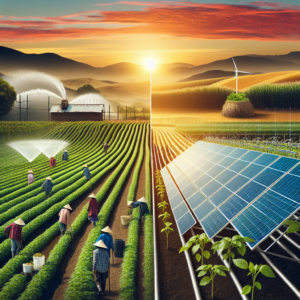
Article-at-a-Glance: Harnessing the Wind and Sun
-
Discover how solar panels and wind turbines convert natural energy into electricity.
-
Explore the initial investment and ongoing costs of solar and wind power.
-
Understand the efficiency and energy output differences between solar and wind.
-
Learn about the geographical factors that influence the effectiveness of solar and wind energy.
-
Find out the long-term financial benefits and environmental impacts of both renewable sources.

The Race for Clean Energy: Understanding Solar and Wind Power
When we talk about renewable energy, solar and wind power are often at the forefront of the conversation. They’re not just trendy; they’re powerful forces in the fight against climate change. Both harness natural resources and convert them into electricity, but they do so in very different ways. Let’s take a closer look at how these two titans of clean energy stack up against each other.
Renewable Energy Basics
Renewable energy comes from sources that are naturally replenished, like the sun and wind. Unlike fossil fuels, which can take millions of years to form, solar and wind power offer an endless supply of energy. They’re also cleaner, meaning they produce little to no greenhouse gases or pollutants. This is crucial for protecting our planet and ensuring a sustainable future.
How Solar Panels and Wind Turbines Work
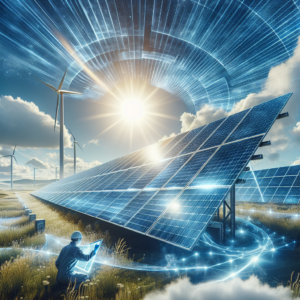
Solar panels, also known as photovoltaic (PV) systems, capture sunlight and convert it directly into electricity. They’re made of semiconductor materials that create an electric current when exposed to light. Wind turbines, on the other hand, use the kinetic energy from wind to turn large blades connected to a generator, which then produces electricity.
Both systems have their unique benefits. Solar panels can be installed on rooftops or in large fields, and they’re silent operators. Wind turbines, while requiring more space and sometimes causing a bit of noise, can generate electricity even when the sun isn’t shining, as long as there’s wind.

Cost Analysis: Investment and Long-term Savings
One of the biggest questions people have about renewable energy is the cost. How much do you need to invest upfront, and what are the long-term savings? We’ll break down the numbers and give you a clear picture of what to expect when you decide to go green.
Initial Setup and Installation Costs
The initial cost of solar or wind energy systems can be a significant investment. Solar panels have become more affordable over the years, and there are various sizes and types to fit different budgets and energy needs. Wind turbines tend to be more expensive and are usually more viable for larger properties or community projects.
However, don’t let the initial cost deter you. There are often incentives, rebates, and financing options available to help offset the expense. It’s also important to consider the long-term energy savings and the potential increase in property value.
Long-term Financial Benefits
Switching to solar or wind power isn’t just about making an eco-friendly choice; it’s a smart financial move too. After the initial setup, the ongoing costs are relatively low. Solar panels require little maintenance, and wind turbines, while needing some upkeep, have long lifespans.
Additionally, both solar and wind energy systems can significantly reduce your electricity bills. In some cases, you can even sell excess energy back to the grid. Over time, these savings can more than make up for the upfront costs, making renewable energy a wise investment for your wallet and the planet.

Efficiency Showdown: Solar vs Wind Output
When it comes to renewable energy, efficiency is key. How much bang for your buck are you getting with solar panels compared to wind turbines? It’s not just about the amount of energy they produce, but how effectively they convert natural resources into usable power.
Assessing Energy Conversion Rates
Solar panels generally have a conversion efficiency of 15-20%, meaning they convert that percentage of sunlight hitting them into electricity. On the other hand, wind turbines can convert up to 50% of the wind’s kinetic energy under ideal conditions. But remember, these rates can vary based on technology and conditions.
It’s also about consistency. Solar panels need sunlight to produce energy, which means their output dips on cloudy days and drops to zero at night. Wind turbines can keep spinning as long as there’s wind, regardless of the time of day or weather conditions. This makes wind a more consistent energy source, but it’s also more variable because wind speeds can fluctuate.
Consistency and Dependability of Energy Supply
Consistency is crucial for a reliable energy supply. Solar energy is predictable — sunrise and sunset times don’t change drastically — but its daily output is affected by weather and seasonal changes. Wind energy can be less predictable since it depends on wind patterns, which can change rapidly.
However, advancements in battery storage technology are improving the reliability of both solar and wind power, allowing excess energy to be stored and used when production dips. This means that even on calm or cloudy days, homes and businesses can still use clean energy.

Geographical Suitability: Which Reigns Supreme?
Not all locations are created equal for harnessing solar and wind energy. The effectiveness of these renewable energy sources can be heavily influenced by geographic location. Let’s see how they fare in different environments.
Solar Energy in Diverse Climates
Solar panels can be effective almost anywhere there’s sunlight, but they’re particularly well-suited to regions with high solar irradiance. This means that sunny states like Arizona and California are solar hotspots. However, solar technology has advanced to the point where even places with less intense sunlight, like Germany, are successfully using solar energy.
What’s more, solar panels can still generate power on overcast days, albeit at reduced efficiency. This versatility makes solar energy a viable option for a wide range of climates and locations.
Wind Power’s Dependence on Topography and Weather
Wind energy thrives in open, flat areas where wind flows unobstructed, and on coastlines or hilltops where wind speeds are higher. The Great Plains in the United States, known as the “wind corridor,” is an excellent example of an ideal location for wind farms.
However, wind turbines are not suitable for all locations. Urban areas with lots of buildings can disrupt wind patterns, and some regions simply don’t experience enough wind to justify the investment. This is why careful site selection is critical for wind power projects.

Impact Assessment: Environmental Footprints Explored
While both solar and wind power are much cleaner than fossil fuels, they still have environmental footprints. Let’s look at the impact of these renewable energy sources on our planet.
Solar panels require significant amounts of materials and energy to manufacture, and there’s the question of how to recycle them at the end of their life. Wind turbines, while having a smaller material footprint, can affect wildlife, particularly birds and bats, and their construction can disrupt local ecosystems.
However, the environmental impacts of solar and wind energy are minimal compared to the pollution and habitat destruction caused by fossil fuels. And as technology advances, the footprints of solar and wind power are becoming even smaller. For instance, newer solar panels use less material and are more efficient, and wind turbine designs are improving to be less disruptive to wildlife.
In the grand scheme of things, the benefits of transitioning to solar and wind energy far outweigh the downsides, especially when considering the urgent need to reduce greenhouse gas emissions and combat climate change.
Resource Consumption and Habitat Disruption
It’s important to consider the materials and land needed for solar panels and wind turbines. Solar panels require metals like silicon, silver, and aluminum, while wind turbines need steel, copper, and rare earth elements. Mining these materials can have environmental impacts, but the key is that renewable energy requires far less resource extraction over time compared to fossil fuels.
Regarding land use, solar farms can take up significant space, but they can also coexist with agriculture or be placed on buildings. Wind turbines have a larger footprint per unit of energy generated. However, they’re often in rural or offshore areas where they can be spaced out to minimize habitat disruption.
Emissions and Pollution Reduction
The shift to solar and wind energy has a profound impact on reducing emissions and pollution. Solar panels produce electricity without any emissions, and while the manufacturing process does involve some emissions, these are minuscule compared to the lifetime output of clean energy. Wind turbines are similar; once erected, they generate power with virtually no emissions.
By replacing fossil fuels, solar and wind power help to reduce air and water pollution, leading to cleaner cities and healthier ecosystems. They also significantly cut down on carbon emissions, directly combating climate change and its devastating effects.

Global Influence: Solar and Wind Energy Around the World
Solar and wind energy are not just local solutions; they’re global powerhouses. Countries around the world are harnessing these renewable sources to reduce their carbon footprints and become more energy independent. Let’s take a look at how solar and wind are making waves on the international stage.
Case Studies of Successful Regional Implementations
In Denmark, wind power meets around 40% of the country’s electricity demand, thanks to its favorable geography and early investment in the technology. China, meanwhile, leads the world in both solar and wind capacity, aggressively expanding its renewable infrastructure to curb pollution and greenhouse gas emissions.
Germany’s Energiewende policy has transformed its energy system, with a significant portion of its power now coming from solar and wind. In the sunny Atacama Desert, Chile is capitalizing on its natural resources to become a solar energy powerhouse.
Barriers to Entry in Developing Nations
While the potential for solar and wind energy in developing countries is enormous, several barriers can hinder their adoption. These include limited access to financing, lack of technical expertise, and inadequate infrastructure. Additionally, the upfront costs, though decreasing, can still be prohibitive without international support or favorable government policies.
However, many developing nations are leapfrogging traditional energy infrastructure and going straight to renewables, recognizing the long-term economic and environmental benefits. With the right support, these countries can overcome barriers and harness the power of the sun and wind to fuel their growth sustainably.

Future Projections: Innovations and Market Trends
The renewable energy sector is dynamic, with continuous advancements and shifting market trends. Let’s look ahead to see what the future holds for solar and wind energy.
Advancements in Energy Storage Solutions
Energy storage is a game-changer for renewables, and the technology is advancing rapidly. Batteries are becoming more efficient, affordable, and capable of storing larger amounts of energy. This means that the intermittent nature of solar and wind power is becoming less of an issue, as excess energy can be stored for use when production is low.
Innovations like lithium-ion batteries, flow batteries, and even mechanical storage solutions like pumped hydro or compressed air are paving the way for a future where renewable energy can provide stable, around-the-clock power.
As we continue to push the boundaries of what’s possible with renewable energy, one thing is clear: the future is bright for solar and wind power. With ongoing innovation, supportive policies, and a growing awareness of the need for sustainable energy solutions, we can look forward to a cleaner, greener world.
Legislative Changes and Their Impact on Green Energy
Laws and regulations can make or break the renewable energy industry. In recent years, we’ve seen a wave of legislative changes aimed at promoting green energy. Governments are offering tax credits, subsidies, and rebates to encourage individuals and businesses to invest in renewable energy. These incentives not only make solar and wind power more accessible but also spur innovation and job creation in the sector.
Moreover, policies like renewable portfolio standards (RPS) require utilities to generate a certain percentage of their power from renewable sources. These mandates ensure that renewable energy has a secure place in our electricity mix, driving demand for solar and wind installations.
It’s crucial to stay informed about the legislative landscape in your area as it can significantly influence the cost and feasibility of going green. Proactive policies can help you save money and make a positive impact on the environment.

Personal Application: Bringing Renewable Energy Home
Renewable energy isn’t just for big corporations or utilities; it’s for everyone. You can bring the power of the sun and wind right to your doorstep. Whether you’re considering solar panels for your home or participating in a community wind project, you have the power to make a difference. Let’s explore how you can take action.
Residential Solar Systems
Installing solar panels on your home is a smart way to reduce your carbon footprint and save on electricity bills. With residential solar systems, you can generate your own clean energy and even earn credits for any excess power you send back to the grid. The process is simpler than you might think:
-
Assess your home’s solar potential and energy needs.
-
Explore financing options, including loans, leases, and power purchase agreements (PPAs).
-
Take advantage of federal, state, and local incentives to reduce the cost.
-
Choose a reputable solar installer to ensure a smooth and efficient installation.
-
Enjoy clean, renewable energy for years to come!
Remember, every kilowatt-hour of solar power you use is one less kilowatt-hour from fossil fuels. That’s a win for your wallet and the planet.
Community Wind Projects
Wind power isn’t just for sprawling wind farms; it can be harnessed by communities as well. Community wind projects allow multiple individuals to benefit from a single wind turbine or small wind farm. These projects can power local homes, schools, and businesses, providing clean energy and keeping the economic benefits within the community.
Getting involved in a community wind project might involve:
-
Joining a local energy cooperative or starting one with your neighbors.
-
Working with local governments and organizations to plan and fund the project.
-
Engaging with the community to share the benefits and responsibilities of wind energy.
Community wind projects not only provide clean power but also strengthen local bonds and create a sense of shared purpose.
FAQ: Finding Answers to Common Renewable Energy Questions
What is the average lifespan of solar panels and wind turbines?
Solar panels and wind turbines are long-term investments in clean energy. On average, solar panels can last between 25 to 30 years before their efficiency starts to significantly decline. Wind turbines have a similar lifespan, typically 20 to 25 years, depending on the make and model as well as maintenance practices.
It’s worth noting that while the efficiency of these systems may decrease over time, they don’t stop producing energy altogether. With proper care, your renewable energy system will continue to generate power and provide value for many years.
Can solar and wind power be combined for better efficiency?
Absolutely! Combining solar and wind power can create a more balanced and reliable energy system. Solar panels produce the most energy during the day, especially during sunny periods, while wind turbines can generate power day and night, provided there’s enough wind.
By harnessing both sources, you can offset the natural variability of each and enjoy a steadier supply of clean energy. Hybrid systems are particularly useful in areas where the sun doesn’t always shine, and the wind doesn’t always blow. Plus, with advancements in energy storage, you can capture excess energy and keep your lights on even when nature takes a break.
How do maintenance needs compare between solar and wind systems?
When it comes to keeping things running smoothly, both solar and wind energy systems require some TLC, but not equally. Solar panels are pretty low-maintenance. Once installed, you’ll just need to keep them clean and check for any damage after severe weather. They have no moving parts, which means less wear and tear over time.
Wind turbines, though, are a different story. They have moving parts like gears and bearings, which can wear out or break. They’ll need regular inspections, lubrication, and part replacements. It’s a bit more work, but with a routine maintenance plan, wind turbines can keep spinning for decades.
Do solar panels work on cloudy days and wind turbines in calm weather?
It’s a common concern: what happens when the sun hides or the wind stops? Well, solar panels do still work on cloudy days, just not as efficiently. They can produce about 10-25% of their usual output, depending on how thick the cloud cover is. So, even on a grey day, you’re still powering up.
As for wind turbines, they need the wind to be blowing at a certain speed to generate electricity. If it’s too calm, they won’t produce power. But, wind patterns are often predictable, and turbines can be placed in strategic locations to maximize wind exposure. Plus, if you’re using a grid-connected system, you can draw from the grid when your own production is down.
What are the best resources to learn more about installing renewable energy solutions?
If you’re ready to dive into renewable energy, you’re in luck. There’s a sea of resources out there. Start with the U.S. Department of Energy’s website for comprehensive guides on solar and wind power. The Database of State Incentives for Renewables & Efficiency (DSIRE) is a gold mine for finding financial incentives in your area.
For a more personal touch, local renewable energy companies can provide on-the-ground advice and quotes. Don’t forget about community workshops or online forums where you can learn from others’ experiences. Knowledge is power, especially when it comes to powering your home with renewables.
Conclusion: Which is the Better Source of Energy, Solar or Wind?
So, we’ve journeyed through the ins and outs of solar and wind energy, and now you’re wondering: which one takes the crown? The truth is, it’s not a one-size-fits-all answer. Solar shines with its low maintenance and versatility, while wind blows strong with its impressive efficiency and constant energy potential.
Renewable energy is about making choices that are good for the planet and for you. Whether you go with solar, wind, or a mix of both, you’re taking a powerful step towards a cleaner, greener future. So, harness the wind, catch the sun, and let’s power up a sustainable world together.