Key Takeaways
-
Solar-powered irrigation systems can significantly reduce energy costs and environmental impact for farmers.
-
Assessing water needs and sunlight exposure is crucial for planning an effective solar irrigation setup.
-
Choosing the right solar panels and pumps, and calculating battery storage needs are key steps in building a solar power setup.
-
Detailed instructions are provided for DIY installation, including site preparation and system assembly.
-
Maintaining the solar panels and monitoring system performance ensures long-term efficiency and sustainability.

Empowering Farms with Solar Energy
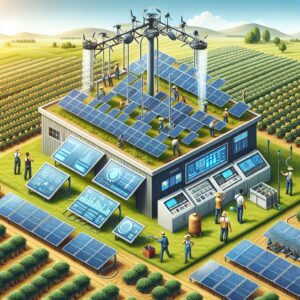
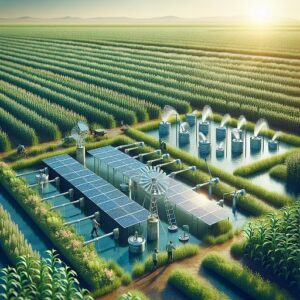
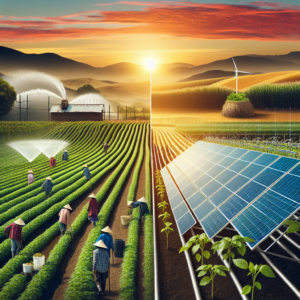
Imagine harnessing the sun’s boundless energy to power your farm’s irrigation needs. Solar-powered farm irrigation isn’t just a vision for the future; it’s a practical, accessible solution for today’s farms. It represents a step towards energy independence, cost savings, and a lighter footprint on our planet.
Why Solar Irrigation is a Game Changer
For too long, traditional irrigation methods have relied on grid power or diesel generators. These are not only costly but also contribute to greenhouse gas emissions. Solar irrigation systems, on the other hand, tap into a clean, renewable resource. This shift is not just about being eco-friendly; it’s about practical, long-term savings and efficiency gains for your farm.
Key Benefits: Efficiency and Sustainability
Most importantly, solar-powered irrigation systems offer a slew of advantages:
-
Cost-Effectiveness: After the initial setup, the energy provided by the sun is free, which means lower operating costs in the long run.
-
Low Maintenance: Solar systems have fewer moving parts than traditional systems, resulting in less wear and tear and reduced maintenance costs.
-
Reliability: Solar panels provide consistent power during sunny weather, which is when irrigation is often most needed.
-
Environmental Impact: By reducing reliance on fossil fuels, solar irrigation systems contribute to a healthier environment.
-
Scalability: Solar systems can be expanded as your farm grows, ensuring that your investment continues to pay off over time.
Therefore, it’s clear that solar-powered farm irrigation is not just a viable option, but a smart choice for the modern farmer.

Planning Your Solar Irrigation Project
Evaluating Your Water Needs
Before diving into the world of solar irrigation, you need to understand your farm’s water requirements. How much water do your crops need? How often? Answering these questions will help you determine the size and capacity of the solar irrigation system required to meet your farm’s unique needs.
Here’s a simple process to follow:
-
Identify the water needs of your crops in gallons per week.
-
Calculate the flow rate necessary to meet these needs within your irrigation schedule.
-
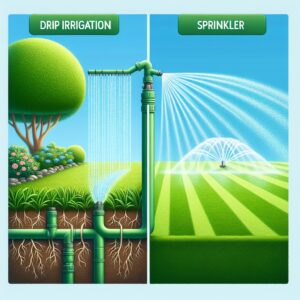
Consider the efficiency of different irrigation methods, such as drip or sprinkler systems, and how they might influence your water usage.
Understanding Your Sunlight Exposure
Next, assess the solar potential of your farm. How many hours of sunlight does your location receive on average? This will determine the amount of solar energy available to power your irrigation system.
-
Use online solar maps or local weather data to gauge the average daily sunlight in your area.
-
Consider any obstructions like trees or buildings that might shade your solar panels.
-
Remember that the angle and orientation of your panels will affect their ability to capture sunlight, so plan accordingly.
With a clear understanding of your water needs and solar potential, you’re well on your way to designing a solar irrigation system that’s both efficient and sustainable.
Choosing Solar-Compatible Pumps
The heart of your solar irrigation system is the pump. Selecting a pump that is compatible with solar power is essential. You’ll need a pump that can operate efficiently with the variable power output that solar panels provide throughout the day.
-
Opt for a DC (direct current) pump specifically designed for solar applications.
-
Consider the head height (the vertical distance the water needs to be lifted) and the flow rate when selecting your pump.
-
Check for pumps with built-in MPPT (Maximum Power Point Tracking) technology, which maximizes the efficiency of the solar panels.
Calculating Battery Storage Needs
Battery storage is a crucial component of your solar irrigation system, ensuring that you have a consistent water supply, even when the sun isn’t shining. To calculate your battery storage needs:
-
Determine the total energy consumption of your pump in a day.
-
Factor in the number of sunlight hours to calculate the size of the battery bank you’ll need.
-
Choose deep-cycle batteries, which are designed for the regular charging and discharging associated with solar systems.
DIY Installation Walkthrough
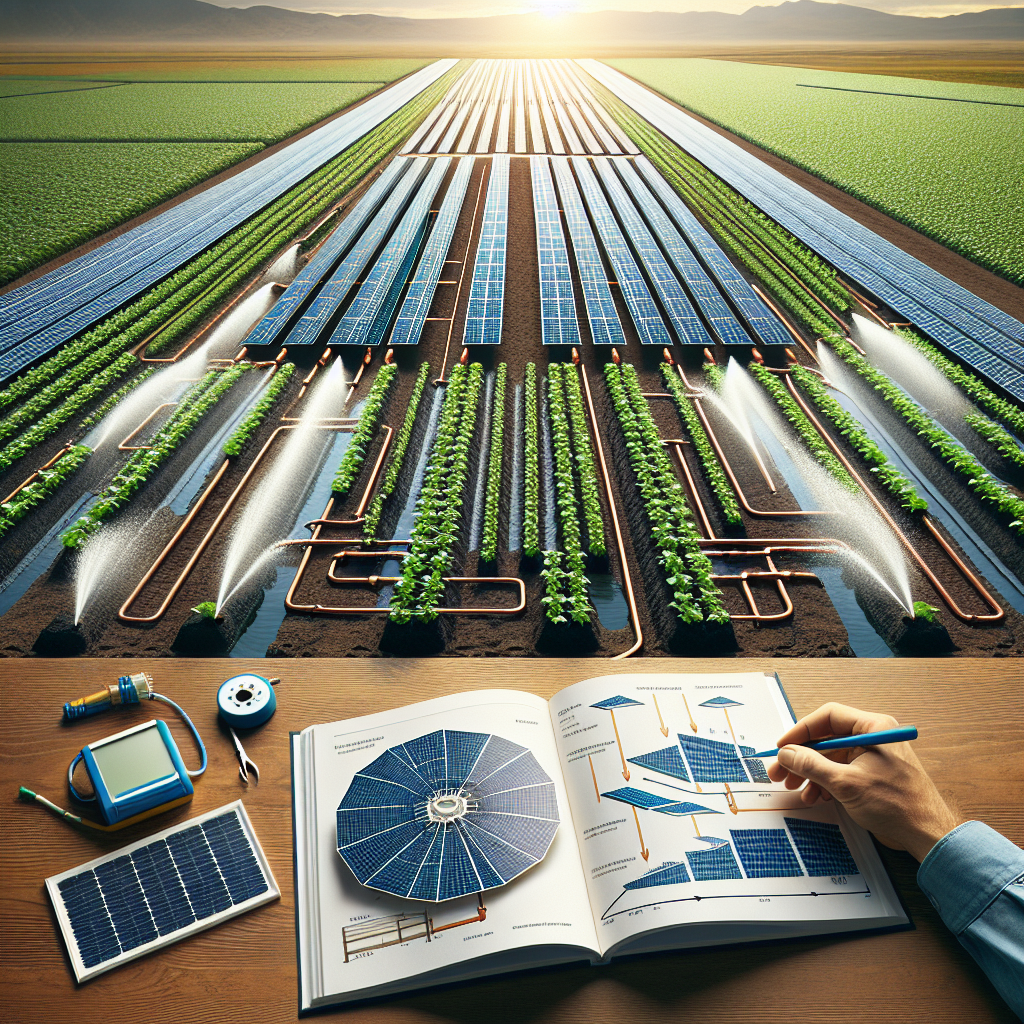
Installing a solar irrigation system may seem daunting, but with careful planning and attention to detail, it can be a rewarding DIY project. Let’s walk through the key steps.
Preparing the Site for Solar Panels
Choosing the right location for your solar panels is crucial. You want a spot that gets maximum sunlight with minimal obstructions. Prepare the site by:
-
Clearing the area of debris and vegetation to avoid shading.
-
Leveling the ground if necessary to provide a stable base for the panels.
-
Considering the proximity to the water source and crops for efficient wiring and water distribution.
Assembling the Solar Panel System
With the site prepared, it’s time to assemble the solar panel system. This involves:
-
Mounting the solar panels on a rack or frame that is angled to capture the most sunlight.
-
Securely fastening the panels to withstand weather conditions like wind and rain.
-
Wiring the solar panels to the charge controller and batteries, following the manufacturer’s instructions and safety guidelines.
Remember, the angle at which the panels are installed can greatly affect their efficiency. Adjust the angle based on your latitude and the time of year to optimize sunlight absorption.
Connecting the Pumps and Storage
Once the solar panels are in place, it’s time to connect the water pump and battery storage. Ensure all connections are watertight and protected from the elements. Use the following steps:
-
Connect the pump to the solar panel system using appropriate gauge wires.
-
Install a water level switch or float valve to automatically turn the pump on and off, conserving water and energy.
-
Set up the battery bank in a location that is sheltered from extreme temperatures to prolong its life.
System Testing and Troubleshooting
After installation, thoroughly test your system to ensure everything is functioning correctly. Look out for:
-
Leaks in the water distribution system.
-
Proper charging of the battery bank by the solar panels.
-
Efficient operation of the pump at different times of the day.
If any issues arise, consult the equipment manuals or seek advice from professionals who specialize in solar power systems.

Optimizing Your System for Peak Performance
Maintaining Your Solar Panels
Regular maintenance of your solar panels is vital to ensure they operate at peak efficiency. This includes:
-
Cleaning the panels periodically to remove dust, dirt, and other debris that can block sunlight.
-
Inspecting the panels and mounting hardware for damage or corrosion.
-
Monitoring the system’s energy output to identify any potential issues early on.
Monitoring Water Usage and Solar Efficiency
Monitoring is key to understanding how well your solar irrigation system is performing. Use water meters and energy monitors to track:
-
The amount of water being used for irrigation.
-
The efficiency of your solar panels throughout the day and across different seasons.
-
Any discrepancies that could indicate leaks or inefficiencies in the system.
Automating for Enhanced Control
Automation can take your solar irrigation system to the next level. By integrating timers or smart controllers, you can:
-
Program the system to water at the most beneficial times for your crops.
-
Adjust the watering schedule based on weather forecasts to conserve water.
-
Remotely monitor and control the system for added convenience and efficiency.
By following these steps and keeping a close eye on your system’s performance, you’ll ensure your solar-powered irrigation system remains a reliable and efficient asset for your farm.
Monitoring Water Usage and Solar Efficiency
Keeping a vigilant eye on your water usage and the efficiency of your solar setup is not just good practice—it’s essential for the longevity and effectiveness of your irrigation system. With the use of water meters, you can accurately measure the volume of water your system uses, ensuring that your crops receive just what they need, no more, no less. Solar efficiency can be tracked through energy monitors, which help you understand the output of your panels and make necessary adjustments. Regular monitoring can lead to early detection of leaks or inefficiencies, saving you water, energy, and ultimately, money.
Automating for Enhanced Control
Automation is the bridge between modern technology and traditional farming, bringing unparalleled control and efficiency to your irrigation practices. By incorporating timers or smart controllers into your solar irrigation system, you’re not only optimizing water usage but also adapting to the ever-changing needs of your crops. This level of control allows you to respond to real-time data, like weather changes, and adjust your irrigation schedule accordingly. It’s a smart investment that pays dividends in the health of your crops and the conservation of resources.

Culminating Thoughts
The Long-term Impact on Agriculture
The adoption of solar-powered farm irrigation systems has the potential to revolutionize agriculture. It offers a sustainable path forward, reducing dependency on non-renewable energy sources and minimizing the carbon footprint of farming operations. The long-term impact includes not just economic benefits for farmers, but also environmental benefits for the planet. As we embrace these technologies, we are contributing to a more sustainable agricultural industry and a healthier world for future generations.
Making the Sustainable Leap Forward
Moving towards solar-powered irrigation systems is more than just a trend; it’s a commitment to sustainability and innovation in agriculture. It’s about making a conscious choice to invest in the health of your farm and the environment. With the right approach, the transition to solar irrigation can be smooth and rewarding, offering you independence from the grid and the satisfaction of contributing to a greener future.
FAQ
What size solar panel do I need for my irrigation system?
The size of the solar panel you need depends on several factors, including the power requirements of your pump, the amount of sunlight your location receives, and the duration of your irrigation cycles. As a rule of thumb, you’ll want to calculate the total wattage used by your pump during operation and factor in the efficiency losses in the system. From there, you can determine the wattage of solar panels required to meet your irrigation demands. It’s always best to consult with a solar expert to ensure you’re getting the right size for your specific needs.
Conclusion
In conclusion, solar-powered farm irrigation is an attainable and intelligent choice for farmers looking to modernize their operations and embrace sustainability. From evaluating water needs and sunlight exposure to selecting the right equipment and performing a DIY installation, every step brings you closer to a more efficient and eco-friendly farm. Remember, the success of your solar irrigation system hinges on careful planning, regular maintenance, and a willingness to adapt and innovate. Embrace the power of the sun, and watch as your farm flourishes under its sustainable embrace.