Key Takeaways
-
Perovskite solar panels are highly efficient, potentially surpassing traditional silicon panels in energy conversion.
-
They offer a cost-effective solution, possibly reducing the upfront investment for farmers.
-
Perovskite panels are lightweight and flexible, making them suitable for a variety of farming structures.
-
The durability of perovskite panels under farming conditions is still under study, but advancements are promising.
-
Grants and incentives may be available to offset the costs of integrating solar technology into irrigation systems.
Revolutionizing Irrigation with Perovskite Solar Panels
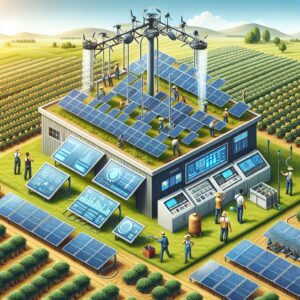
As we face the challenge of sustainable farming, we’ve got to think smart about how we power our operations. Water is the lifeblood of agriculture, and irrigation systems are thirsty for energy. So, what if we could harness the sun’s power more efficiently to keep our crops hydrated? That’s where perovskite solar panels come into play. They’re not just another alternative; they could be the key to more sustainable and cost-effective farming.
What’s Sparking Interest in Perovskite?
Imagine a solar panel that’s not only cheaper to produce but also beats the pants off traditional panels when it comes to efficiency. That’s what’s got everyone excited about perovskite. These panels are made from a crystal structure that’s really good at turning sunlight into electricity. And the best part? They can be printed using simple techniques, like inkjet printing, which might just slash production costs and change the game for farmers everywhere.
The Nitty-Gritty: Will Perovskites Outshine Traditional Panels?
Now, let’s get down to brass tacks. Traditional silicon solar panels have been the workhorses of solar energy for years. They’re durable and reliable. But perovskite panels? They’ve got a few tricks up their sleeves. They’re super efficient, especially when the sun isn’t at its brightest, which is great news for those early mornings and late afternoons on the farm.
But it’s not just about efficiency. Perovskites might be the featherweight champions of the solar world. They’re light and can be made flexible, which means you could put them in places you’d never dream of with traditional panels. Think about draping them over the curves of a greenhouse or sticking them to the side of a barn. This flexibility could open up new possibilities for positioning solar panels in ways that make the most sense for farming operations.
But before you go slapping these panels on every surface, it’s important to note that perovskite technology is still relatively young. While they’ve been proven in the lab, the real-world farm is a whole different ballgame. We’ve got dust, rain, and all kinds of weather that can be tough on equipment. The question on every farmer’s mind is, “Will these panels stand up to the test of time and elements?” Research is ongoing, and while early signs are promising, we’re still waiting for that definitive “yes.”
Breaking Down the Benefits of Using Perovskite Solar Panels with an Irrigation System
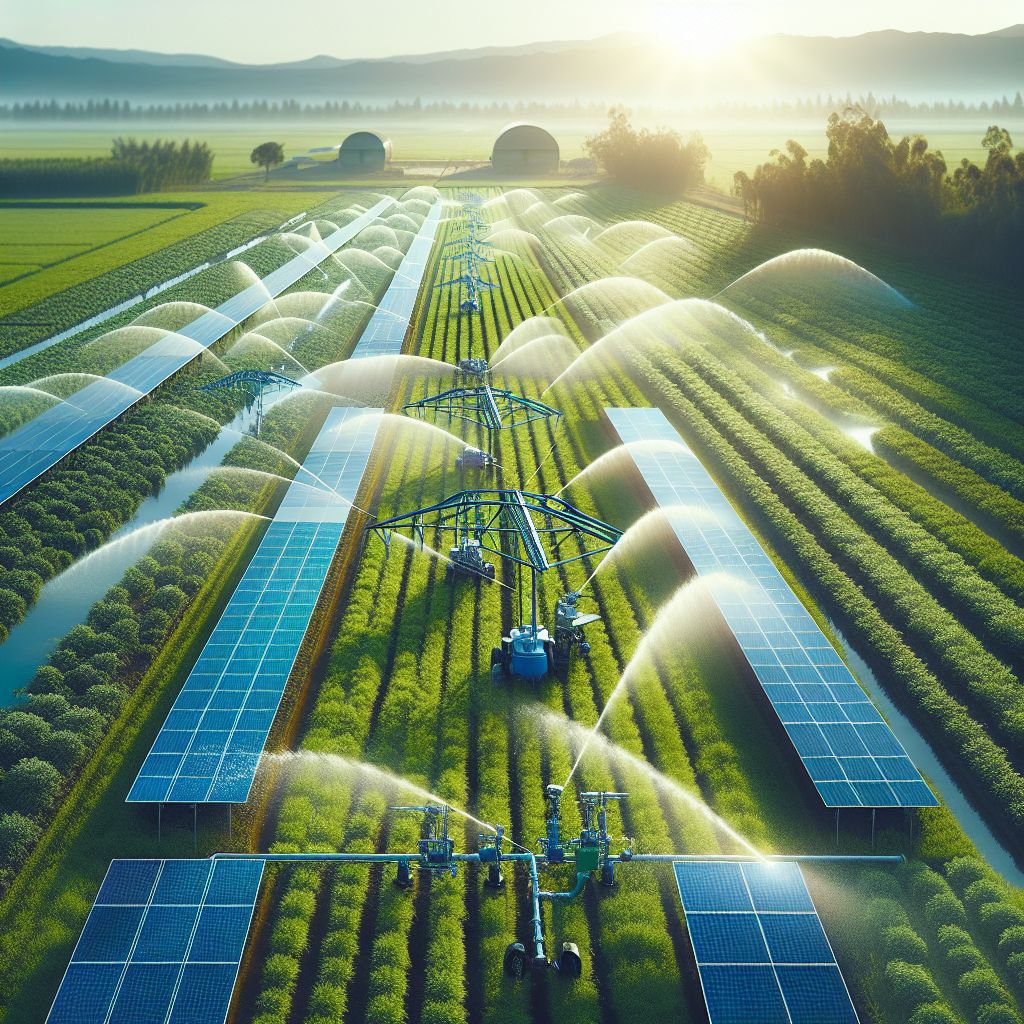
The use of perovskite solar panels with an irrigation system has numerous benefits for both the agriculture and renewable energy industry. From increased energy efficiency and water conservation to cost savings and easy integration, perovskite solar panels have the potential to revolutionize the way we power and manage irrigation systems. As more research and developments are made in this field, we can expect to see even more benefits and applications of perovskite solar panels in the agricultural sector.
Efficiency on a Budget: The Cost-Effective Nature of Perovskite
Here’s the scoop: Let’s delve into the benefits of using perovskite solar panels with an irrigation system. One of the main advantages of using Perovskite Solar Panels with an Irrigation System is the potential for increased energy efficiency. These solar panels can generate a higher amount of electricity, which can be used to power irrigation systems. This means that farmers can rely less on traditional energy sources, such as fossil fuels, and instead use clean and renewable energy to power their irrigation systems. This not only reduces the carbon footprint but also saves on energy costs in the long run.
Cropping up Energy: How Perovskites Can Meet Farm Power Demands
So, we know these panels are promising, but can they really meet the demands of a working farm? The answer is looking like a solid “probably.” With their ability to perform well in low light, perovskite panels could keep the energy flowing from dawn till dusk, which is exactly what you need when you’re running irrigation systems that don’t quit.
|
Aspect |
Benefits |
|---|---|
|
Energy Efficiency |
Perovskite solar panels have higher efficiency levels compared to traditional silicon solar panels, allowing for greater energy production per unit area, making them a better option for powering irrigation systems. |
|
Cost Savings |
Lower production costs due to the use of less expensive materials and simpler manufacturing processes, potentially leading to lower overall system costs |
|
Flexibility |
Perovskite solar panels are made of inexpensive materials, making them a cost-effective option for farmers and irrigation system owners. The reduced cost of installation and maintenance can lead to significant savings in the long run. |
|
Low-Light Performance |
Unlike traditional solar panels, perovskite solar panels have shown to have a high performance even in low light conditions. This means they can still produce energy on cloudy days or in shaded areas, making them a reliable energy source for irrigation systems. |
|
Rapid Advancements |
Perovskite technology is still evolving rapidly, with ongoing research leading to continuous improvements in efficiency and stability |
|
Environmental Impact |
Production of perovskite solar panels typically requires less energy and generates fewer emissions compared to silicon panels, contributing to a lower carbon footprint |
|
Potential for Higher Efficiency |
Perovskite solar panels have shown to have a higher efficiency compared to traditional silicon solar panels. This means they can produce more energy per unit area, making them a better option for powering irrigation systems |
Considering the Challenges of Using of Using Perovskite Solar Panels with an Irrigation System
Perovskite solar panels have gained a lot of attention in recent years due to their high efficiency and low cost compared to traditional silicon solar panels. They are made from a compound called perovskite, which is a mineral that has the ability to absorb light and convert it into electricity. This makes them a promising solution for renewable energy production. However, when it comes to using these solar panels with irrigation systems, there are several challenges that need to be addressed.
Weathering the Farm: Durability of Perovskite Panels
Now, I won’t sugarcoat it. Durability is the big question mark hanging over perovskite panels. Farming is tough work, and it takes tough gear to keep up. The panels need to handle the heat of summer, the chill of winter, and everything in between. Researchers are working hard to make perovskite panels that can take a beating and keep on ticking. We’re not there yet, but we’re getting closer every day.
Technical Match-up: Integrating Perovskites with Current Systems
Compatibility is key. You’ve got to make sure that these new panels will play nice with your existing irrigation system. That means checking inverters, batteries, and all the other bits and bobs that make up your setup. The good news is that perovskite panels work similarly to traditional ones, so the leap might not be as big as you think.
|
Aspect |
Challenges |
|---|---|
|
Stability |
Perovskite solar panels are currently less stable and more prone to degradation over time compared to silicon panels, which can affect long-term performance and reliability |
|
Durability |
Perovskite materials are sensitive to moisture, oxygen, and light, requiring robust encapsulation and protection measures to prevent degradation |
|
Manufacturing Scale-Up |
Large-scale production of high-quality perovskite solar panels is still challenging, with scalability issues and inconsistent performance across batches |
|
Toxicity |
Some perovskite materials contain toxic elements such as lead, raising concerns about environmental and health hazards during production, use, and disposal |
|
Standardization |
Lack of standardized manufacturing processes and quality control measures can lead to variations in performance and reliability among different manufacturers |
|
Lifespan |
Limited long-term data on the lifespan of perovskite solar panels makes it difficult to assess their durability and predict maintenance requirements accurately |
|
Maintenance Requirements |
Regular maintenance and cleaning are necessary to ensure optimal panel performance |
|
Market Adoption |
Perovskite solar panels are still relatively new and less widely adopted compared to silicon panels, leading to uncertainty regarding their market acceptance and availability |
The use of Perovskite solar panels with an irrigation system presents a range of challenges that need to be addressed. The sensitivity of these panels to moisture, the need for regular maintenance and cleaning, and the limited space for installation are some of the challenges that need to be overcome. However, with further research and development, these challenges can be addressed, and the combination of Perovskite solar panels and irrigation systems can provide a sustainable and efficient solution for both energy and water needs in farming and agriculture.
Real-Life Applications
Stories from the Fields: Successes and Stumbles
-
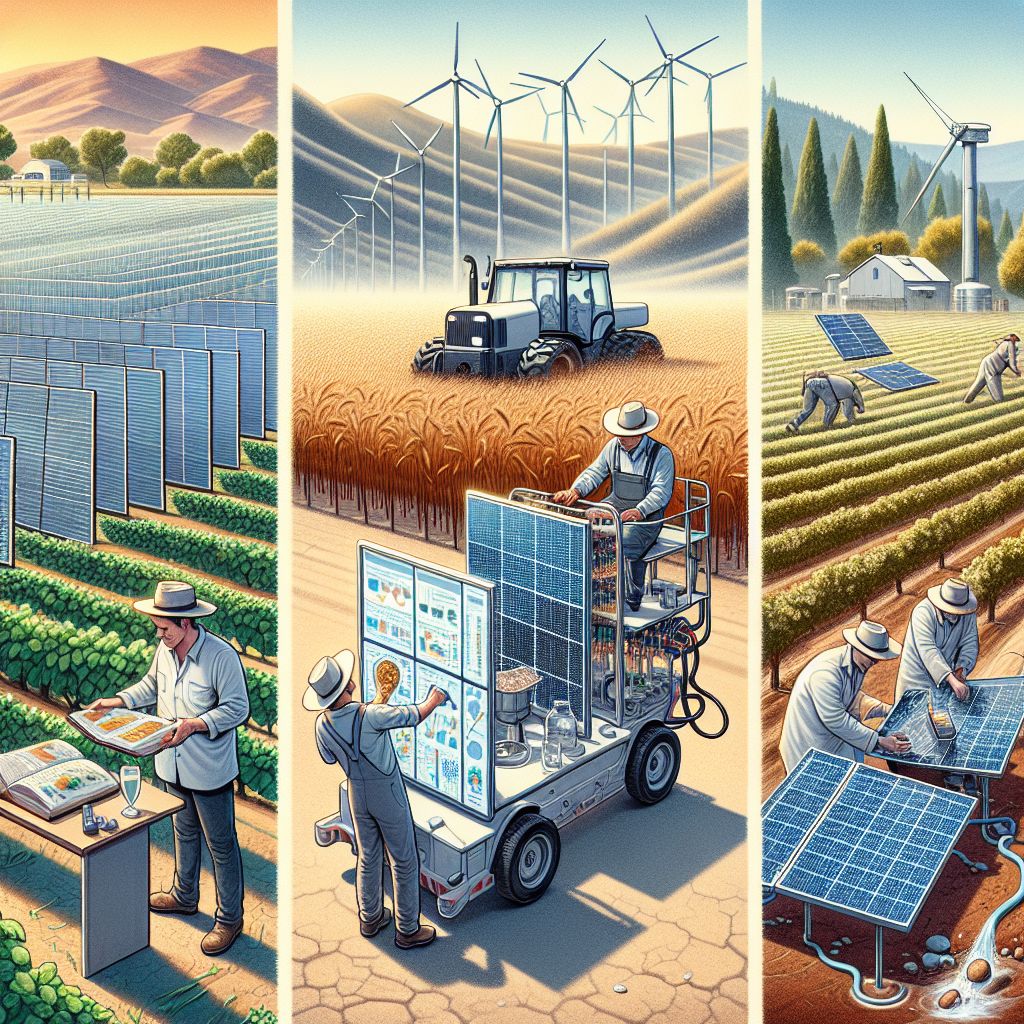
A farmer in California replaced a section of his aging silicon panels with perovskite ones and saw his energy output jump.
-
In Australia, a wheat farmer found that the lightweight perovskite panels were perfect for his mobile irrigation system, making it easier to move and set up.
-
However, a vineyard in France experienced teething problems with the durability of their perovskite panels, indicating there’s room for improvement in panel robustness.
These stories show that while the technology has incredible potential, it’s not without its growing pains. It’s like any new tool in farming – it takes time to learn the best way to use it and work out the kinks.
Forward-Thinking: Innovations in Perovskite Research
Research is moving at a brisk pace, with scientists working on making perovskite panels that last longer and can stand up to the harsh realities of farm life. There’s talk of coatings and encapsulations that could protect the panels from moisture and UV damage. It’s this kind of innovation that could take perovskites from the lab to the land.
This Isn’t Science Fiction: Perovskites in Action
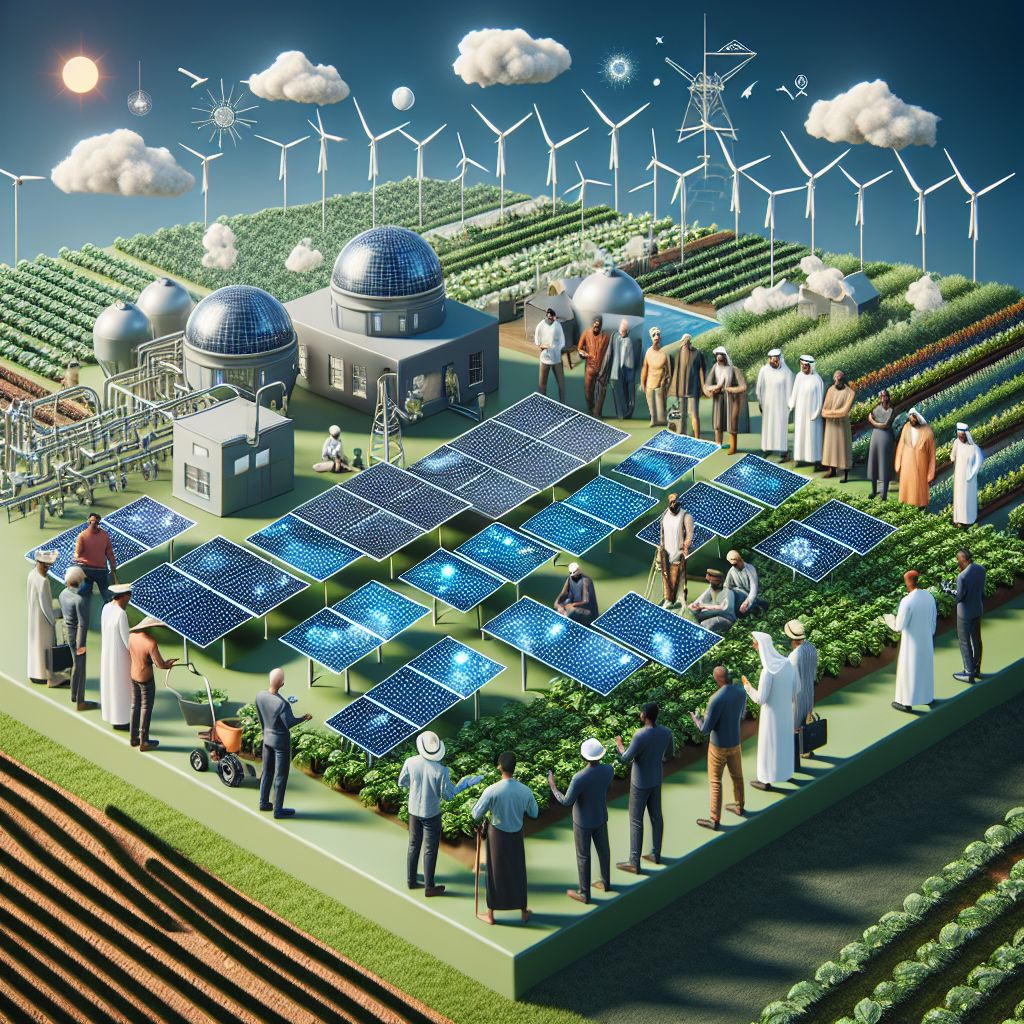
It’s easy to get lost in the “what-ifs,” but the truth is, perovskite panels are already out there doing their thing. They’re powering homes and businesses and, yes, even farms. And as they get better and more robust, we’re going to see them popping up in more places, making clean energy more accessible for everyone.
-
Small-scale trials on farms are showing that perovskite panels can indeed provide the necessary power for irrigation systems.
-
Innovative companies are rolling out perovskite-silicon tandem panels that combine the strengths of both technologies, offering even higher efficiencies.
Sowing the Seeds: Setting up Your Perovskite System
Thinking about giving perovskite panels a go? Here’s what you need to do: first, assess your energy needs. How much power does your irrigation system require? Then, check out the space you’ve got available. Remember, these panels are versatile – they don’t need a traditional setup. Next, get in touch with a reputable supplier who can help you understand the specifics of integrating perovskite panels into your system. They can walk you through the installation process and make sure you’re set up for success.
Long-Term Forecast: Predicting Perovskite Panel Performance
While we can’t say for certain how perovskite panels will perform in the long run, the outlook is sunny. As the technology matures, we can expect to see panels that are not only more efficient but also more durable. That means better performance, less maintenance, and a brighter future for farms everywhere.
What This Means for Farmers
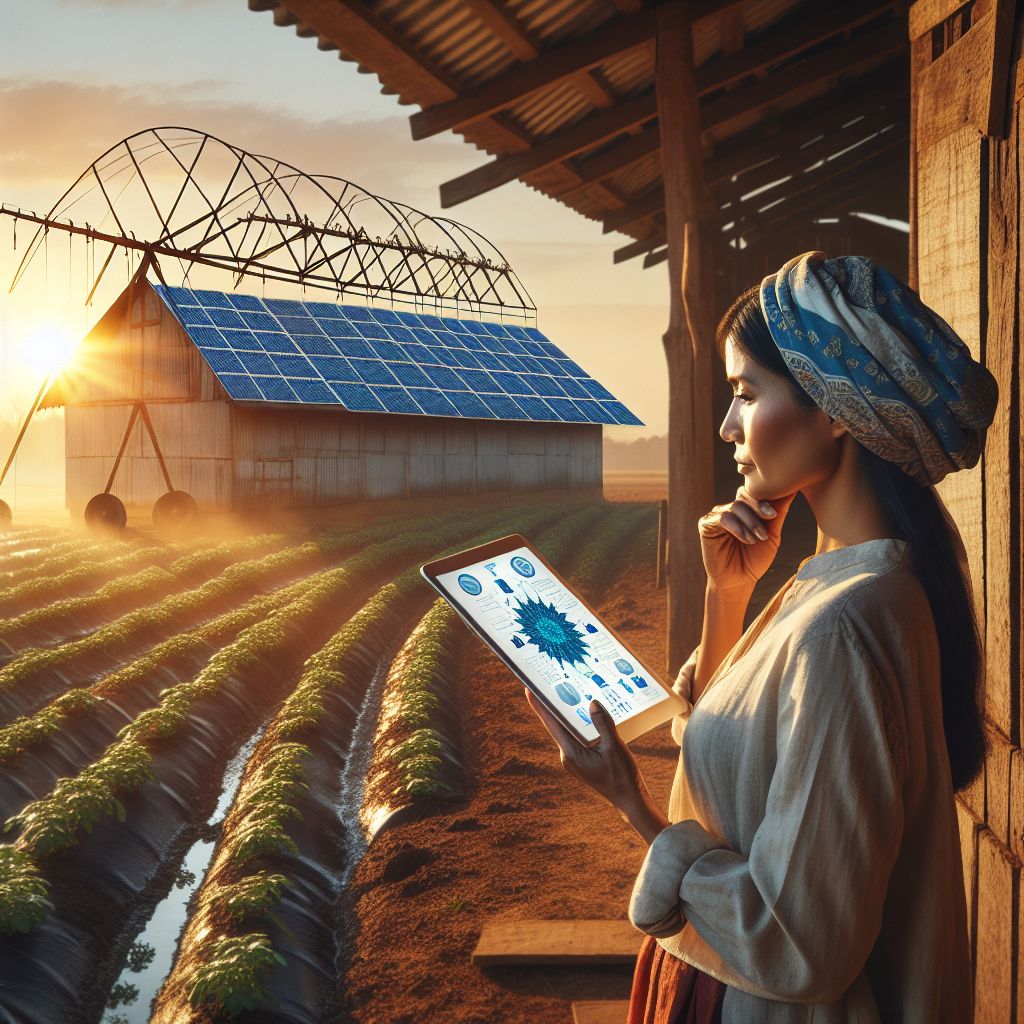
So, what’s the bottom line for farmers thinking about perovskite solar panels? They’re a promising technology that could lower costs and increase efficiency. But, like any investment, they come with risks. It’s about weighing those risks against the potential rewards. And remember, farming is all about the long game. The decisions you make today will shape your farm for years to come. Choose wisely, and you could be reaping the benefits of clean, cost-effective energy long into the future.
So, what’s the bottom line for farmers thinking about perovskite solar panels? They’re a promising technology that could lower costs and increase efficiency. But, like any investment, they come with risks. It’s about weighing those risks against the potential rewards. And remember, farming is all about the long game. The decisions you make today will shape your farm for years to come. Choose wisely, and you could be reaping the benefits of clean, cost-effective energy long into the future.
Ploughing Through: Making the Smart Choice
Choosing the right type of solar panel for your irrigation system boils down to a few key points. You want something that’s going to give you the most energy for your money, be easy to install, and last through the seasons. Perovskite solar panels might just tick all those boxes. They’re showing a lot of promise in the efficiency department, they could be cheaper than traditional panels, and they’re versatile. But don’t forget to consider the maturity of the technology. Perovskites are still new kids on the block, and we’re learning more about their long-term performance every day.
Most importantly, think about the future. We’re all trying to do our part to leave the land better than we found it. By investing in emerging technologies like perovskite solar panels, you’re not just saving money, you’re investing in a more sustainable form of energy. And that’s something that will pay off for generations to come.
Frequently Asked Questions (FAQ)
How do Perovskite Solar Panels Improve Irrigation Systems?
Perovskite solar panels can improve irrigation systems by providing a more efficient and potentially less expensive source of power. Their lightweight and flexible nature allows for innovative setups that can integrate seamlessly with existing irrigation infrastructure. This means you could be pumping water to your crops using the power of the sun, reducing reliance on the grid and cutting down on energy costs.
What’s the Return on Investment for Perovskite Solar Panels in Agriculture?
The return on investment for perovskite solar panels in agriculture is promising. While the upfront costs might be similar to or slightly less than traditional panels, the increased efficiency could mean more energy production and, therefore, greater savings over time. However, it’s essential to consider the long-term durability and potential maintenance costs, which are still being evaluated as the technology develops.
Can Perovskite Solar Panels Withstand Harsh Farming Conditions?
Perovskite solar panels are still undergoing testing to determine their longevity and durability in harsh farming conditions. While they have shown high efficiency in laboratory settings, the real test is their performance over time in the field. Advances in protective coatings and encapsulation techniques are underway to improve their resilience against environmental factors.
Are There Any Subsidies Available for Implementing Solar Irrigation?
Yes, there are often subsidies and incentives available for farmers who wish to implement solar irrigation systems. These can vary by region and country, but they typically aim to reduce the initial investment and encourage the adoption of renewable energy. It’s worth researching local programs and grants that could help offset the cost of installing perovskite solar panels on your farm.
How Do Perovskites Impact the Environment Compared to Traditional Panels?
Perovskite solar panels have the potential to be more environmentally friendly than traditional silicon panels. They use less energy and fewer raw materials in production, which can lead to a lower carbon footprint. Additionally, the possibility of using non-toxic materials in perovskite panel manufacturing is being explored, which could further reduce their environmental impact.
Conclusion: Is Using a Perovskite Solar Panels with an Irrigation System a Good Investment for a Farmer?
In conclusion, investing in a perovskite solar panel with an irrigation system can greatly benefit a farmer. Not only does it provide a sustainable and renewable source of energy, but it also helps to improve crop yields and reduce water usage. The efficiency and cost-effectiveness of perovskite solar panels make them a highly attractive option for farmers, as they can generate electricity at a lower cost than traditional solar panels. Additionally, the ability to integrate an irrigation system with the solar panel allows for a more efficient and precise use of water, which is crucial for agricultural production. This investment also has long-term benefits, as the perovskite solar panel has a longer lifespan compared to other solar technologies. Furthermore, the use of renewable energy can also lead to a reduction in carbon emissions, contributing to a more sustainable and environmentally friendly farming practice. While there may be some initial costs involved in installing the system, the long-term benefits, both financially and environmentally, make it a worthwhile investment for any farmer looking to improve their operations. Therefore, it can be concluded that using a perovskite solar panel with an irrigation system is indeed a good investment for any farmer.