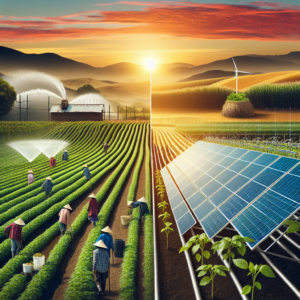
When it comes to farming, every bit of efficiency and cost-saving counts. That’s where PERC solar panels come in. PERC, which stands for Passivated Emitter and Rear Cell, is a technology that makes solar panels more efficient by adding a layer to the back of traditional solar cells. This layer reflects light back into the cell, giving it a second chance to convert it into electricity. For farmers, this means more energy from the same amount of sunlight, which is a game-changer.
Key Takeaways
-
PERC solar panels offer higher efficiency than traditional panels, meaning more energy and cost savings for farmers.
-
They are particularly beneficial for space-constrained farms, as fewer panels are needed to generate the same amount of power.
-
Investing in PERC technology can reduce energy bills significantly, providing a quicker return on investment.
-
PERC panels can enhance farm productivity by extending the hours of effective sunlight for energy generation.
-
Switching to PERC panels contributes to sustainable farming practices, aligning with environmental stewardship.
Shining a Light on PERC Solar Panels in Agriculture
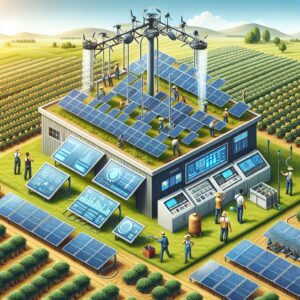
Imagine harnessing the sun’s power more effectively to run your farm’s operations. That’s what PERC solar panels promise. With their advanced design, they capture sunlight more efficiently, converting it into the energy that powers everything from irrigation systems to grain dryers.
What PERC Means for Farmers
For those of you tilling the soil day in and day out, PERC solar panels could be your ally in cutting costs and pushing the boundaries of what your farm can achieve. These panels are not just solar cells; they are a testament to innovation, designed to get you the most bang for your buck when it comes to solar energy.
The Edge of Efficiency
The beauty of PERC solar panels lies in their ability to absorb more light. They achieve this with a special layer that captures the sunlight that traditional panels would simply let pass through. This means that even on cloudy days, your farm can still generate a significant amount of power. It’s like having a supercharged solar engine that works tirelessly for your farm’s energy needs. Right below, is a chart that shows the efficiency of PERC solar panels compared to other solar panels.
| Solar Panel Type | Efficiency | Cost-effectiveness |
|---|---|---|
| PERC | Up to around 23% 3 | Cost-effective due to higher efficiency and increased energy production 3 |
| Traditional c-Si | About 21% 3 | Less cost-effective compared to PERC due to lower efficiency and energy production 3 |
| Monocrystalline Silicon | Over 20% 4 | Moderately cost-effective, higher efficiency than traditional c-Si panels 4 |
| N-type Solar Cells | Varies 1 | Generally, more cost-effective than traditional c-Si panels due to higher efficiency 1 |
Space Economy on the Farm
Space is a precious commodity on any farm. PERC solar panels understand that. They require less space to generate the same amount of power as traditional panels. This is incredibly important when you need to maximize your land for crops, not solar panels. With PERC, you can have the best of both worlds.
Solar Savings: Cutting Costs on the Farm
Let’s talk numbers. Switching to PERC solar panels means you could see a decrease in your energy bills. Because of their efficiency, these panels ensure that you get more energy per square foot, leading to long-term savings that can make a significant difference in your bottom line.
Reducing Energy Bills with PERC
Energy bills can take a big bite out of your farm’s profits. PERC solar panels can help you bite back. By generating more power from the same amount of sunlight, you’re looking at savings that can help you invest back into your farm, maybe even in ways you’ve only dreamed of.
From Sun to Savings: Calculating the Return
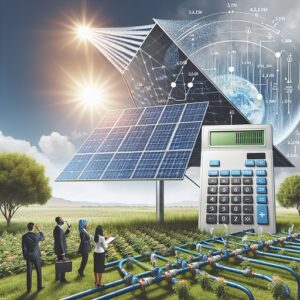
Investing in PERC technology is not just about going green; it’s about the green that stays in your pocket. The return on investment for these panels can be impressive. Because they generate more power, you’ll need fewer panels, which means lower installation costs and more savings over time.

Boosting Farm Productivity with PERC Technology
As a farmer, you know the importance of making the most of your resources. PERC panels can play a pivotal role in boosting your farm’s productivity. With the ability to generate more power in less space and even during low light conditions, these panels ensure that your farm’s energy needs are met consistently.
Longer Hours: How PERC Maximizes Daylight
PERC solar panels are like early risers and late workers; they start generating power from the first light of dawn and continue until the last rays of dusk. This extended window of energy generation means that your farm doesn’t miss out on any potential power, even during the shorter days of the year.
Longer Hours: How PERC Maximizes Daylight
It’s not just about the total hours of sunlight a day can offer; it’s about making each of those hours count. PERC panels have an exceptional ability to perform even in low-light conditions, such as early morning or late afternoon. This means that your solar system doesn’t take a break until the sun is well past the horizon.
Additionally, these panels are less susceptible to the effects of shading. A small shadow cast on a traditional panel can significantly reduce its output, but with PERC technology, the impact is lessened, ensuring that your farm’s energy production keeps chugging along.
Because of these features, you can expect a more consistent and prolonged energy generation, which is crucial for farms where operations often start at dawn and end after dusk. More energy throughout the day translates to more power for your farm’s needs without interruption.
-
Enhanced energy production in low-light conditions
-
Reduced impact of shading on solar output
-
Consistent and extended daily power generation
Harvesting the Sun: Yield Enhancements with PERC
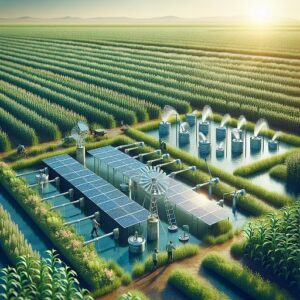
Imagine your farm not just growing crops, but also harvesting sunlight with incredible efficiency. PERC solar panels, with their advanced light-capturing technology, can significantly enhance the yield of your solar harvest. This means that for every square foot of solar panel, you get more energy as compared to traditional panels. It’s like planting a high-yield crop that consistently delivers more with the same resources.

The Green Advantage: Sustainability with PERC Panels
Embracing PERC solar technology is more than a financial decision; it’s a commitment to sustainable farming. By producing more power with fewer resources, you’re reducing your carbon footprint and contributing to a healthier planet. This is a powerful message to share with your community and customers, who increasingly value environmental responsibility.
Environmental Benefits of Switching to PERC
Switching to PERC solar panels has a direct and positive impact on the environment. Here’s how:
-
Reduced reliance on fossil fuels: By generating more solar power, you’ll depend less on non-renewable energy sources, which helps reduce greenhouse gas emissions.
-
Lower water usage: Solar energy production requires minimal water, unlike other forms of energy generation, conserving this precious resource.
-
Energy independence: Producing your own energy means less strain on the electrical grid and a move towards self-sufficiency.
Contributing to a Greener Future in Farming
As a farmer, you play a vital role in stewarding the land. By integrating PERC solar panels into your operations, you’re not just cutting costs; you’re also leading the charge towards a more sustainable future in agriculture. Your commitment to renewable energy is a testament to responsible farming practices that benefit the earth and future generations.
Moreover, the adoption of green technology like PERC can open doors to new markets and customers who prioritize sustainability. It’s a win-win for your business and the environment.
Here is a chart showing the pros and cons of PERC solar panels.
| Pros of PERC Solar Panels | Cons of PERC Solar Panels |
|---|---|
| Up to 1% more efficiency than traditional c-Si solar panels 5 | Slightly more expensive compared to conventional silicon panels 4 |
| Reduced heating absorption, allowing PV systems to perform better at high temperatures 5 | Don’t produce as much power compared to N-type cells 4 |
| Operation on a wider light spectrum 5 | More negatively influenced by high temperatures than N-type cells 4 |
| Better usage of available space 5 | Higher purchasing cost compared to other traditional solar panels 1 |
| Cost-effective technology 5 | |
| Prices will reduce as the technology becomes more popular 5 | |
| Can be combined with IBC or Bifacial technology 5 |
Implementing PERC Panels: A Step-by-Step Guide
Adopting PERC solar technology may seem daunting, but with a clear plan, it’s a smooth and rewarding process. The first step is to assess your farm’s solar potential and then select the right panels for your specific needs. Here’s how to get started:
Assessing Your Farm’s Solar Potential
“Before investing in solar technology, it’s crucial to understand your farm’s unique energy needs and solar capabilities. This means evaluating factors like geographic location, average sunlight hours, and energy consumption patterns.”
To accurately assess your farm’s solar potential, consider consulting with a solar energy expert. They can provide a detailed analysis of your site and recommend the best solar solutions to maximize your investment.
Keep in mind the orientation of your land, local climate, and any obstructions that may impact solar panel efficiency. All these factors will influence the type and number of panels you’ll need.
Don’t forget to explore local incentives and rebates that can make the transition to solar more affordable. Many regions offer financial support for farms adopting renewable energy technologies.
Choosing the Right PERC Panels for Your Needs
Not all PERC panels are created equal. When selecting the best option for your farm, consider the panel’s efficiency rating, warranty, and manufacturer’s reputation. It’s also important to choose a solar installer with experience in agricultural projects to ensure proper installation and maximization of your solar investment.
Right below is a table outlining factors to consider when choosing the right PERC (Passivated Emitter and Rear Cell) solar panels for your needs:
| Factor | Description |
|---|---|
| Efficiency | Higher efficiency panels generate more electricity per square meter, maximizing energy production. |
| Power Output | Consider the wattage rating of panels to ensure they meet your energy needs. |
| Durability | Look for panels with robust construction and warranties against wear, tear, and weather damage. |
| Cost | Balance upfront costs with long-term savings from energy production to find the best value. |
| Brand Reputation | Choose reputable manufacturers known for quality products and reliable performance. |
| Temperature Coefficient | Panels with lower temperature coefficients maintain higher efficiency in hot climates. |
| Warranty | Verify the warranty coverage for both product defects and performance guarantees over time. |
| Aesthetics | Consider panel appearance if aesthetics are important, especially for residential installations. |
| Installation Flexibility | Some panels may be better suited for certain mounting configurations or space constraints. |
| Environmental Impact | Assess the environmental footprint of panel manufacturing and disposal/recycling options. |
Real Farmers, Real Results: Case Studies of PERC in Action
Across the country, farmers are seeing real benefits from switching to PERC solar panels. These case studies showcase the tangible impacts of this technology on farming operations.
Success Stories: Farmers Who Made the Switch
One such story comes from a dairy farm in California that replaced its aging solar array with new PERC panels. The result was a 20% increase in energy production, which allowed the farm to run its milking equipment entirely on solar power, slashing its energy bills and carbon footprint.
Comparing Before and After: The Impact of PERC
Another example is a family-owned orchard in Oregon. After installing PERC panels, the orchard reported not only reduced energy costs but also an unexpected benefit: the solar array provided shade for some of their heat-sensitive crops, improving yield and quality. It’s clear that the benefits of PERC solar panels extend beyond energy savings, enhancing overall farm productivity and sustainability.
Making the Investment: Incentives and Financing for Solar
Investing in solar technology, especially PERC solar panels, can be a significant upfront cost. But it’s not without its perks. There are numerous government incentives, tax breaks, and rebates designed to encourage the adoption of renewable energy. These can substantially offset the initial investment, making solar upgrades more accessible for farmers.
Navigating Government Incentives and Rebates
For instance, the federal solar investment tax credit (ITC) allows you to deduct a portion of the solar system’s cost from your federal taxes. There might also be state-specific incentives and utility programs that offer additional financial benefits. It’s essential to research and take advantage of these opportunities to make the switch to solar more economical.
Creative Financing Solutions for Solar Upgrades
Beyond incentives, there are innovative financing solutions available to farmers. Solar leases, power purchase agreements (PPAs), and solar loans can provide flexible payment options that align with your farm’s financial situation. These options can minimize or even eliminate the need for a large initial investment, spreading the cost over time as your solar system pays for itself through energy savings.
Frequently Asked Questions (FAQ)
As we explore the benefits of PERC solar panels for farming, it’s natural to have questions. Here are some of the most common queries answered to help you make an informed decision about incorporating this technology into your farm.
-
How do PERC solar panels work?
-
What makes PERC panels more efficient than traditional solar panels?
-
Can PERC solar panels work in areas with less sunlight?
-
Are there any government incentives for PERC solar panels on farms?
-
How long does it take to see a return on investment with PERC panels?
How Do PERC Solar Panels Work?
PERC solar panels enhance the efficiency of traditional solar cells by including a passivation layer that reflects light back into the cell for a second chance at conversion. This results in higher energy output from the same amount of sunlight.
What Makes PERC Panels More Efficient Than Traditional Solar Panels?
PERC panels’ increased efficiency comes from their design, which reduces the amount of sunlight lost as heat and captures more light at different angles. This means they perform better in a variety of lighting conditions, from direct sunlight to overcast days.
Can PERC Solar Panels Work in Areas with Less Sunlight?
Yes, PERC solar panels are particularly effective in low-light conditions. Their advanced technology allows them to generate more electricity even when the sunlight is not at its peak, making them suitable for regions with less intense sunlight.
Are There Any Government Incentives for PERC Solar Panels on Farms?
Many governments offer incentives for renewable energy installations, including PERC solar panels. These can include tax credits, rebates, and grants. It’s worth investigating what incentives are available in your area to reduce the cost of installation.
How Long Does It Take to See a Return on Investment with PERC Panels?
The return on investment for PERC panels can vary depending on several factors, including the cost of installation, the amount of sunlight your location receives, and the local cost of electricity. However, with their increased efficiency and potential incentives, PERC panels often have a faster payback period compared to traditional solar panels.
Conclusion: Are PERC Solar Panels Good for Farming?
In conclusion, PERC solar panels offer a myriad of benefits for the agricultural sector. Their enhanced efficiency, ability to operate in diverse lighting conditions, space-saving design, and the potential for cost savings make them an excellent investment for farmers looking to reduce their carbon footprint and energy bills.
With the right approach to installation and utilization of available incentives, PERC solar technology can provide a sustainable and economically sound solution for energy needs on the farm. As the solar industry continues to innovate, PERC panels stand out as a leading choice for those in agriculture who are ready to embrace renewable energy.
Ultimately, the decision to integrate PERC solar panels into your farming operations is one that can yield significant benefits, both financially and environmentally, cementing your role as a steward of the land and a pioneer in the adoption of clean energy.