When it comes to nurturing crops, water is the lifeblood of the farm. But in a world where resources are limited, efficiency is key. That’s where solar-powered water pumps for irrigation come into play. They’re not just eco-friendly; they’re also cost-effective in the long run. Let’s dive into the world of solar irrigation and pinpoint the best water pump for your needs.
Imagine a hot, dry day on the farm, the sun beating down relentlessly. Now picture a solar water pump quietly working away, drawing water without burning a drop of fuel. It’s not just a dream; it’s a reality that’s helping farmers across the globe save money and resources. But how do you choose the best one for your farm?
Optimizing Crop Irrigation: Choosing the Best Water Pump for Solar Systems
Choosing the right water pump for your solar irrigation system is crucial. It’s not just about buying the first pump you come across; it’s about finding the perfect match for your irrigation needs and solar capacity. A well-chosen pump can mean the difference between a bountiful harvest and a failed crop.
So, let’s talk about solar water pumps. They’re a brilliant solution for remote areas where power lines don’t reach, and they’re also great for reducing your carbon footprint. But with so many options out there, it can be overwhelming to choose the right one.
Key Takeaways: A Snapshot of Solar Pump Advantages
Before we get into the nitty-gritty, here’s a quick overview of why solar water pumps are the way to go:
-
Eco-friendly: Solar pumps use renewable energy, reducing your carbon footprint.
-
Cost-effective: After the initial investment, the running costs are minimal.
-
Reliable: They work as long as the sun shines, which is pretty reliable in most farming regions.
-
Low maintenance: With fewer moving parts than traditional pumps, solar pumps often require less upkeep.
-
Accessible: Solar pumps can bring water to remote areas, making them ideal for off-grid farming.
Now that you’ve got a taste of the benefits, let’s get down to business and find the best solar water pump for your farm.
Solar Efficiency and Water Pump Compatibility
First things first, your solar panels and water pump need to be best friends. If they’re not compatible, you’ll be throwing money away. You need a pump that can handle the power your solar panels produce. Too little, and your pump won’t work. Too much, and you’re wasting potential.
It’s all about balance. Think Goldilocks – not too big, not too small, but just right. And remember, the sun’s power isn’t constant. Clouds, the time of day, and the seasons all play a role. Your system should be able to handle these fluctuations.
Matching Pump Power with Irrigation Demands
Next, consider your farm’s watering needs. A small vegetable patch won’t need the same firepower as a vast field of crops. Calculate the amount of water you need to move and how fast you need to move it. This will help you determine the power and size of the pump you need.
And don’t forget the distance. If your water source is a mile away from your crops, you’ll need a pump that can handle that pressure. A good rule of thumb is to check the pump’s maximum head – that’s the highest point it can push water. If your terrain is hilly, this is especially important.
Also, think about the future. If you’re planning to expand your farm, you might want to invest in a pump that can grow with you. It’s better to have a little extra power than to be caught short when you need it most.

Understanding Solar Pump Technology
Solar pump technology might seem like magic, but it’s really just science. Solar panels convert sunlight into electricity, which then powers your pump. The key is efficiency – how well your pump converts that power into water flow.
Now, not all solar pumps are created equal. Some are more efficient than others. This is where the technical specs come into play. You’ll want to look at the wattage, the voltage, and the amps. These numbers tell you how much power the pump needs and how much it can handle.
Types of Solar Water Pumps
There are two main types of solar water pumps – submersible and surface. Submersible pumps sit underwater, making them great for wells and boreholes. Surface pumps, on the other hand, stay above ground and are ideal for streams or lakes.
But which one is right for you? Here’s a quick breakdown:
-
Submersible pumps are out of sight and protected from the elements.
-
Surface pumps are easier to access for maintenance but can be more vulnerable to weather.
-
Submersible pumps typically handle higher head heights.
-
Surface pumps are often better for larger volumes of water at lower head heights.
Think about your water source and what you’re comfortable with. If you don’t mind a bit of diving, a submersible pump might be your best bet. If you prefer to keep things on dry land, go with a surface pump.
The Role of Photovoltaic Cells in Pump Efficiency
Photovoltaic cells are the heart of your solar panels. They’re what convert sunlight into electricity. The more efficient they are, the better your pump will work. Look for panels with a high conversion rate – that’s the percentage of sunlight they turn into power.
But efficiency isn’t just about the cells. It’s also about how they’re arranged. Panels with cells that are closely packed can capture more sunlight, especially when the sun’s at an angle. This means more power for your pump.
And let’s not forget about the weather. Some panels are better at handling heat than others. When it gets hot, efficiency can drop. Make sure your panels can take the heat, especially if you’re farming in a warm climate.
Advancements in Solar Pump Inverters
Inverters are like translators. They take the DC electricity from your solar panels and turn it into AC electricity for your pump. The latest inverters are smarter than ever. They can adjust to changing sunlight conditions and make sure your pump gets a steady flow of power.
Modern inverters also come with all sorts of bells and whistles. Some can connect to your smartphone, so you can monitor your system from anywhere. Others have built-in protections against things like overvoltage or dry running.
When choosing an inverter, look for one that’s compatible with your pump and has a good track record. Reliability is key – you don’t want your inverter to be the weak link in your solar irrigation system.

Key Features to Consider When Choosing a Solar Pump
Now, let’s get into the specifics. When you’re picking out a solar water pump, there are a few key features to keep in mind:
First, the flow rate. This is how much water the pump can move in a given time. It’s usually measured in gallons per minute (GPM). Make sure the flow rate matches your irrigation needs.
Second, the head height. This is the maximum vertical distance the pump can move water. If you’ve got a steep farm, you’ll need a pump with a high head height.
And third, the power consumption. You want a pump that’s efficient, so it doesn’t drain your solar panels. Look for a pump with a low wattage that still meets your flow rate and head height requirements.
Here’s a quick checklist of features to consider:
-
Flow rate – does it match your irrigation needs?
-
Head height – can it handle the elevation of your farm?
-
Power consumption – is it efficient?
-
Material – is it durable enough for your environment?
-
Warranty – does it come with protection against defects?
Keep this checklist handy when you’re shopping around. It’ll help you zero in on the best pump for your solar irrigation system.
Efficiency Metrics and Real-World Performance
Efficiency metrics are important, but they’re not the whole story. You also need to think about how the pump performs in the real world. That’s where reviews and case studies come in. Look for stories from other farmers who have used the pump you’re considering. How did it hold up over time? Did it meet their expectations?
And don’t be afraid to ask questions. Reach out to the manufacturer or seller and get the details. How does the pump handle debris? What’s the expected lifespan? The more you know, the better your decision will be.
Remember, a solar water pump is an investment. You want something that’s going to last and keep your crops watered for years to come. So take your time, do your research, and choose wisely.
-
Read reviews from other farmers.
-
Ask the manufacturer about performance in different conditions.
-
Consider the pump’s lifespan and durability.
-
Think about maintenance – how easy is it to service the pump?
-
Check for compatibility with your existing irrigation system.
Armed with this information, you’re well on your way to finding the best water pump for your solar irrigation system. Stay tuned for more insights and tips to help you make the right choice.
Materials and Longevity: Ensuring Lasting Operation
The materials your solar water pump is made of can make a huge difference in its lifespan. Stainless steel pumps, for example, resist corrosion better than most, making them ideal for use in water with high mineral content. Plastic components might not hold up as well, especially under the harsh sun.
But materials aren’t just about durability. They also affect the pump’s performance. A well-designed pump uses materials that maximize flow and minimize friction. This means more water for your crops with the same amount of solar power.
So, when you’re comparing pumps, don’t just look at the price tag. Consider what’s on the inside. A pump that’s built to last with quality materials is worth the extra investment.
-
Choose corrosion-resistant materials like stainless steel.
-
Look for designs that reduce friction and increase flow.
-
Consider the environmental conditions your pump will face.
-
Check the warranty – it can give you an idea of how long the manufacturer expects the pump to last.
Water Flow and Pressure Specifications
Water flow and pressure are the bread and butter of irrigation. If your pump can’t deliver the right flow at the right pressure, your crops will suffer. The key is to match your pump’s specifications with your irrigation system’s requirements.
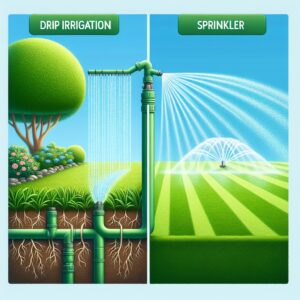
Take a close look at the pump’s maximum flow rate and compare it to your irrigation needs. Do you have a drip system that needs a steady, low-pressure flow? Or do you use sprinklers that require more pressure to operate effectively?
Remember, it’s not just about the pump. Your solar panels need to provide enough power to achieve the desired flow and pressure. It’s a balancing act, but when you get it right, your crops will thrive.
-
Match the pump’s flow rate with your irrigation requirements.
-
Consider the type of irrigation system you have – drip or sprinkler.
-
Ensure your solar panels can support the pump’s power needs.
-
Adjust your system as needed to maintain the right pressure.
Ease of Installation and Maintenance
Even the best solar water pump won’t do you any good if it’s a nightmare to install and maintain. You want a pump that’s user-friendly, with clear instructions and a straightforward setup. And when it comes to maintenance, simplicity is key. Look for pumps with easy-to-replace parts and minimal upkeep requirements.
Don’t forget to consider the support offered by the manufacturer. A good support team can make all the difference if you run into trouble. They can help you troubleshoot issues and keep your system running smoothly.
So, before you buy, ask yourself: Can I install this myself, or will I need to hire help? How often will I need to service the pump? The answers to these questions will guide you to the right choice.
-
Look for pumps with simple installation and clear instructions.
-
Choose a pump with easily replaceable parts.
-
Consider the level of maintenance required.
-
Check the availability and responsiveness of the manufacturer’s support team.

Top Performing Water Pumps for Solar Irrigation Systems
Now, let’s talk specifics. There are a few solar water pumps out there that consistently get top marks from farmers. These pumps have proven themselves in the field, delivering reliable performance and durability.
Some of the top performers include brands like Grundfos, Lorentz, and Shakti. These pumps are known for their high efficiency, robust construction, and excellent support. They come in a variety of sizes and configurations, so you can find the perfect fit for your farm.
But don’t just take my word for it. Let’s look at what other farmers have to say. In the next section, we’ll compare these market leaders and share insights from users who have put these pumps to the test.
-
Grundfos offers a range of solar pumps with a reputation for reliability and efficiency.
-
Lorentz specializes in solar pumps and has a strong track record in the agricultural sector.
-
Shakti pumps are known for their cost-effectiveness and wide range of applications.
With this information in hand, you’re well-equipped to make an informed decision about the best water pump for your solar irrigation system. Remember to consider efficiency, materials, flow and pressure specifications, ease of installation, and maintenance when making your choice. And always look for real-world reviews and experiences to ensure you’re getting a pump that will stand the test of time and keep your crops flourishing.
Comparison of Market Leaders
When it comes to solar water pumps, there are a few names that stand out. Grundfos, Lorentz, and Shakti are the heavyweights in this arena, each with their own strengths. Grundfos pumps are known for their long-term reliability and advanced technology. Lorentz excels with their highly efficient pump systems designed specifically for solar applications. Shakti, on the other hand, offers cost-effective solutions that don’t skimp on quality or performance.
But how do you decide which is right for you? Let’s break it down:
-
Grundfos shines in scenarios where durability and performance over time are critical.
-
Lorentz pumps are often the go-to for those prioritizing energy efficiency and specialized solar solutions.
-
Shakti pumps are perfect for farmers who need a balance between cost and functionality.
Consider your specific needs and environment. Are you in a remote location with limited access to technical support? Do you have a complex irrigation system requiring a highly customizable pump solution? Answers to these questions will guide you toward the right brand.
User Reviews: Insights from the Field
There’s no substitute for real-world experience. User reviews offer invaluable insights that can’t be gleaned from product specs alone. Farmers who’ve already taken the plunge with these solar pumps can tell you about their day-to-day performance, durability under various conditions, and the responsiveness of customer support.
-
Look for reviews that mention long-term use and how the pumps handle different seasons.
-
Take note of any recurring issues or maintenance needs that are mentioned by multiple users.
-
Pay attention to comments on installation – was it as straightforward as promised?
-
Check what users say about the pump’s performance during cloudy or rainy days.
These real-life testimonials can be the tiebreaker between two seemingly similar pumps. Remember, the best pump on paper might not be the best pump in the field.
Best Practices for Pump Selection
Selecting the right solar water pump is a critical decision that can affect your farm’s productivity for years to come. Here are some best practices to ensure you make the best choice:
-
Match the pump’s specifications to your irrigation needs, not the other way around.
-
Consider your future plans for expansion and choose a pump that can scale with your farm.
-
Opt for pumps from reputable manufacturers with a proven track record in solar irrigation.
-
Factor in the total cost of ownership, including installation, maintenance, and potential energy savings.
-
Seek advice from other farmers or professionals who have experience with solar irrigation systems.
By following these guidelines, you’ll be well on your way to finding a solar water pump that’s efficient, reliable, and a perfect fit for your farm.

Installation Insights: Setting Up Your Solar Pump
Installing a solar water pump is a big step towards a more sustainable and cost-effective farm. While it might seem daunting, with the right preparation and knowledge, you can set up your system with confidence.
Step by Step Setup Guide
Here’s a basic guide to get you started on the installation process:
-
Choose the location for your solar panels. They should get maximum sunlight, away from any shade.
-
Mount the solar panels securely, making sure they’re angled to capture the most sun throughout the day.
-
Connect the solar panels to the pump controller or inverter. This converts the solar energy into a form the pump can use.
-
Install the pump itself, whether it’s a submersible pump in a well or a surface pump near a water source.
-
Connect the pump to your irrigation system, ensuring all fittings are tight and leak-free.
-
Test the system to make sure everything is working correctly. Check for any leaks or technical issues.
Remember, this is just a basic outline. Your system’s specific needs may require additional steps or considerations.
Troubleshooting Common Installation Issues
Even with careful planning, you might encounter issues during installation. Here are some common problems and how to address them:
-
If the pump isn’t working, check all electrical connections to ensure they’re secure and correct.
-
Low water flow could mean there’s a blockage or air in the system. Check the pipes and valves.
-
If the pump is frequently cycling on and off, it could be an issue with the pressure switch or tank.
-
Unexpected noises from the pump may indicate a problem with the motor or bearings.
When in doubt, consult the pump’s manual or reach out to the manufacturer’s support team for assistance.

Maintenance and Upkeep of Solar Pumps
Maintaining your solar water pump is essential for ensuring its longevity and performance. Regular checks and upkeep can prevent small issues from becoming big problems.
Here are some maintenance tips:
-
Keep solar panels clean and free of debris to ensure they’re operating at peak efficiency.
-
Check the pump and its components regularly for signs of wear or damage.
-
Lubricate any moving parts as recommended by the manufacturer.
-
Monitor the system’s performance and keep an eye out for any changes in flow rate or pressure.
-
Have a professional inspect and service the pump periodically, especially if you notice any issues.
By staying on top of maintenance, you can extend the life of your solar water pump and keep your irrigation system running smoothly. With these insights and tips, you’re now better equipped to select, install, and maintain the best water pump for your solar irrigation system, ensuring your crops receive the care they need to flourish.
Regular Maintenance Schedule and Checklist
Keeping your solar water pump in tip-top shape is not rocket science, but it does require regular attention. Here’s a simple checklist to keep you on track:
-
Monthly: Clean solar panels to remove dust and dirt that can block sunlight.
-
Quarterly: Inspect all electrical connections for signs of corrosion or wear.
-
Biannually: Check the pump’s intake screen and clean it to prevent blockages.
-
Annually: Have a professional service the pump to ensure all components are functioning properly.
Sticking to this schedule will help maintain the efficiency of your pump and prevent unexpected breakdowns.
Long-Term Performance: Tips and Tricks
For long-term performance, it’s all about being proactive. Here are some tips to keep your solar water pump running smoothly:
-
Use a surge protector to shield your pump from electrical spikes.
-
Install a water filter to prevent sediment from clogging the system.
-
Consider a backup power source, like a battery, for days when sunlight is scarce.
-
Keep spare parts on hand for quick repairs to minimize downtime.
These strategies will help you avoid common pitfalls and ensure your pump stays operational for years to come.

Cost-Benefit Analysis: Is the Investment Worth It?
Investing in a solar water pump is a significant decision. Let’s weigh the costs against the benefits to see if it’s the right move for your farm.
Breaking Down the Initial Investment
The upfront cost of a solar water pump includes the pump itself, solar panels, controller, and installation. Prices vary, but you can expect to spend a few thousand dollars. However, remember this is a one-time investment that will pay off in the long run.
Here’s what you’re paying for:
-
The pump: The heart of your irrigation system.
-
Solar panels: Your power source, with zero fuel costs.
-
Controller/inverter: The brains behind the operation, ensuring efficient energy use.
-
Installation: Done right, it’s a hassle-free setup that lasts.
While the initial cost might seem steep, the long-term savings are significant.
Long-term Savings: Operational Costs Compared to Traditional Pumps
Compared to traditional fuel-powered pumps, solar pumps have minimal operational costs. There’s no need to buy fuel, and maintenance expenses are lower. Plus, solar energy is free, so once you’re set up, the cost of running your pump is virtually zero.
Here’s a quick comparison:
-
Fuel-powered pumps: Ongoing fuel costs, higher maintenance, and environmental impact.
-
Solar pumps: No fuel costs, lower maintenance, and eco-friendly operation.
Over time, the savings from a solar pump can more than offset the initial investment.
Frequently Asked Questions
What is the maximum efficiency one can expect from the best solar water pump?
The efficiency of solar water pumps can vary, but the best models operate at efficiencies of around 85% to 90%. This means they’re converting a high percentage of solar energy into pumping power. It’s a level of efficiency that’s hard to beat with traditional pumps.
Keep in mind that the efficiency of your pump will also depend on factors like the quality of your solar panels and the installation itself. Proper sizing and setup are crucial to getting the most out of your pump.
With the right equipment and maintenance, your solar water pump can be a powerhouse of efficiency, delivering water to your crops without wasting energy or resources.
By now, you should have a solid understanding of what it takes to choose, install, and maintain the best water pump for your solar irrigation system. From the initial investment to the long-term savings, it’s clear that solar pumps offer a sustainable and cost-effective solution for farmers. Keep up with regular maintenance, and your solar water pump will be a reliable ally in the pursuit of a bountiful harvest.
How do solar water pumps perform in overcast conditions?
It’s a valid concern – the sun isn’t always shining. But here’s the good news: modern solar panels are quite efficient, even on cloudy days. They can still generate electricity, albeit at a reduced rate. As for the pumps, they are designed to work with the power available, which means they’ll pump water, just at a slower pace.
Many systems also include batteries or capacitors to store energy for these exact scenarios. So, even when the sun ducks behind the clouds, your pump can keep chugging along, ensuring your crops don’t go thirsty. It’s all about planning and having the right setup to handle the occasional gloomy day.
Can solar water pumps be integrated with existing irrigation systems?
Absolutely! Solar water pumps can be a seamless addition to your current setup. Whether you have a drip, sprinkler, or surface irrigation system, a solar pump can often be connected without major overhauls. The key is to ensure that the pump’s output matches your system’s requirements.
It might require some adjustments, like adding a controller to manage the flow rate or pressure, but it’s definitely doable. And the best part? You’ll be cutting down on operational costs by harnessing the power of the sun. It’s a win-win for you and the environment.
What are the most common maintenance issues with solar water pumps?
Maintenance is part and parcel of any mechanical system, and solar water pumps are no exception. The most common issues tend to be related to the solar panels and the pump itself. For the panels, it’s usually about keeping them clean and free of debris. Dirty panels can significantly reduce efficiency.