Key Takeaways: Solar Power Supercharges Farming Efficiency With Drip Line Irrigation
-
Solar drip line irrigation is a cost-effective method that uses the sun’s energy to water crops, leading to significant savings on electricity bills.
-
With precise water delivery, this system reduces waste, conserves water, and promotes healthy crop growth.
-
Installation of solar drip line systems can lead to energy independence, reducing reliance on the traditional power grid.
-
Maintenance is minimal, allowing farmers to focus more on other aspects of their work.
-
Government incentives may be available to help offset the initial costs of going solar.
Soak Up the Sun: Harnessing Solar Power for Drip Line Irrigation
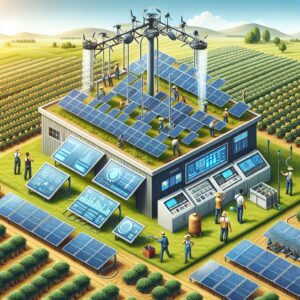
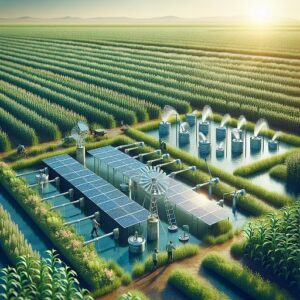
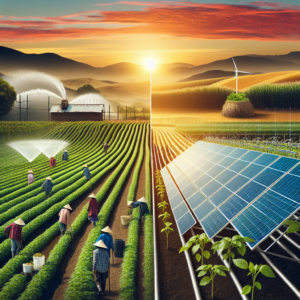
Imagine a farm where the sun not only nourishes the crops but also powers the very system that waters them. This isn’t a scene from the future; it’s a reality that farmers worldwide are embracing today through solar drip line irrigation. This system combines the efficiency of drip irrigation with the renewable energy of the sun, creating a harmonious cycle that is both economically and environmentally sustainable.
What Is Drip Line Solar Irrigation?
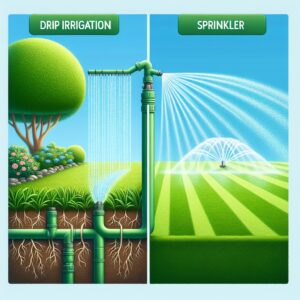
Drip line solar irrigation is a method that uses solar panels to capture sunlight and convert it into electricity. This electricity then powers a pump that delivers water directly to the roots of plants through a network of tubes, hoses, and emitters. It’s precise, it’s efficient, and most importantly, it taps into the endless supply of solar energy.
The Benefits of Using a Solar-Powered Drip Irrigation System
Switching to drip line solar irrigation comes with a plethora of advantages:
-
Water Conservation: By delivering water directly to the plant’s base, you significantly reduce evaporation and runoff.
-
Energy Savings: Solar power means saying goodbye to hefty electricity bills that come with traditional irrigation systems.
-
Enhanced Crop Growth: Plants get the exact amount of water they need, which can lead to improved yields and quality.
-
Low Maintenance: Once set up, solar drip systems require less attention, freeing you up to focus on other farm duties.
-
Environmental Impact: By using renewable energy and conserving water, you’re contributing to a healthier planet.
This table below make it easy to see the benefits of using solar-powered drip irrigation system in farming.
| Benefit | Description |
|---|---|
| Reduced water use | Drip irrigation systems deliver precise amounts of water directly to the roots of crops, reducing water waste and increasing crop yields 3. |
| Energy cost savings | Solar energy can be used to power irrigation systems, potentially reducing energy costs for irrigation 4. |
| Environmental impact | Using solar energy for irrigation can help reduce greenhouse gas emissions and promote sustainable agriculture 3. |
| Improved crop yields | Drip irrigation minimizes water contact with the above-ground portion of the plant, resulting in better plant health and potentially increasing crop yields 1. |
| Remote and off-grid use | Solar-powered drip irrigation systems can be used in remote or off-grid locations, where access to electricity is limited or non-existent 3. |
These benefits make solar irrigation drip lines a sustainable and practical option for crop production, offering cost savings, environmental advantages, and improved water efficiency.
Are There Any Disadvantages of Using Drip Line Irrigation?
While the benefits are numerous, it’s also fair to consider potential drawbacks:
-
Initial setup costs can be higher than traditional systems, though this is often offset by long-term savings and potential subsidies.
-
It requires a sunny location to maximize the solar panels’ effectiveness, which might not be available in all regions.
Here is a table outlining More drawbacks of using a solar irrigation drip line.
| Drawback | Description |
|---|---|
| High initial cost | The cost for materials and installation of a solar irrigation system can be relatively high, which may be a barrier for some farmers 5. |
| Technical complexity | Farmers require some level of technical knowledge to manage and regulate the system effectively. Improper management may lead to unsustainable water use 5. |
| Variable water pressure | The pressure and flow rate of a solar pump can vary with solar insolation, making the direct connection of the drip system to the pump problematic without additional equipment like solar trackers or elevated tanks3. |
| Additional expenses | Components such as solar trackers to maintain power output or elevated tanks to achieve the required pressure can add to the cost and complexity of the system 3. |
| Dependence on weather | Solar irrigation systems rely on sunlight, which can be inconsistent due to weather conditions, potentially affecting the reliability of the water supply 3. |
These drawbacks highlight some of the challenges and considerations that need to be addressed when implementing a solar-powered drip irrigation system.

Quenching Crops, Conserving Resources
Conservation is key in modern agriculture. With drip line solar irrigation, farmers can precisely manage water usage, ensuring that every drop is put to good use. This method not only conserves water but also the energy needed to distribute it, representing a significant step towards sustainable farming practices.
-
Targeted irrigation reduces water consumption by up to 70% compared to traditional methods.
-
Solar panels can last for 20-25 years, making solar drip systems a long-term investment in sustainability.
Targeted Watering: Less Waste, More Growth with Drip Lines
Drip line irrigation is not a one-size-fits-all solution; it can be tailored to the unique needs of each crop. By delivering water and nutrients directly to the root zone, plants can absorb them more efficiently, which leads to healthier, more robust growth.
Eco-Friendly Farming: Minimizing Your Environmental Footprint with Drip Lines
By adopting solar drip line irrigation, farmers make a positive impact on the environment. This system reduces the carbon footprint associated with farming by cutting down on fossil fuel usage and conserving water, a precious global resource.
Cutting Costs Not Corners: Saving Money with Solar Drip Line
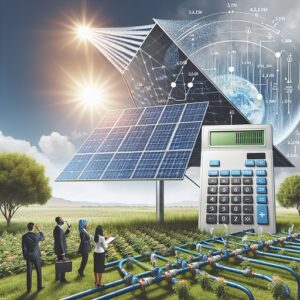
One of the most significant advantages of solar drip line irrigation is the potential for cost savings. By harnessing the sun’s power, farmers can dramatically reduce or even eliminate their electricity bills for irrigation. Over time, the initial investment in solar technology pays for itself through these savings, making it a smart financial decision in the long run. Plus, the targeted watering approach of drip lines means less water use and lower water bills, too.
Energy Independence: Removing the Tether to the Electric Grid
With solar drip line irrigation, farmers gain a level of energy independence that wasn’t possible before. No longer tied to the fluctuations of energy prices and the reliability of the grid, they can produce their own power to run their irrigation systems. This not only provides peace of mind but also contributes to the resilience of the farm, especially in remote areas where grid access can be unreliable or non-existent.

Cultivating Crops and Convenience
The integration of solar power into drip line irrigation systems has revolutionized the way farmers manage their crops. This combination leads to a more streamlined, efficient farming process, allowing more time to be devoted to other critical tasks that require a farmer’s attention.
Automated Agriculture: The Ease of Solar-Powered Systems
Automation is a game-changer in agriculture. Solar drip line systems can be set up to run autonomously, with timers or moisture sensors ensuring that crops receive the perfect amount of water at the right times. This level of automation reduces the need for manual intervention, making the irrigation process more efficient and less labor-intensive.
Upkeep Made Easy: Low Maintenance Means More Time for Farming
The beauty of solar drip line systems lies in their simplicity. Once installed, they require minimal maintenance, which might include periodic checks of the solar panels and cleaning of filters and emitters in the drip lines. This ease of upkeep means that farmers can invest their time and energy into other areas of their operation, secure in the knowledge that their irrigation system is running smoothly.

Maximizing Yield with Minimal Effort
Every farmer’s goal is to maximize crop yield, and solar drip line irrigation is a powerful tool in achieving that objective. The precision and efficiency of drip irrigation can lead to healthier plants and, as a result, more abundant and better-quality harvests.
Boosting Plant Health: Direct Nutrients Where Needed
Drip line systems do more than just provide water; they can also be used to deliver fertilizers and nutrients directly to the root zone of plants. This targeted fertigation ensures that nutrients are used optimally, promoting strong and healthy growth, and ultimately leading to higher yields.
Bountiful Harvests: How Solar Drip Lines Improve Crop Production
By providing consistent and reliable watering, solar drip lines help to create an ideal growing environment. Crops no longer suffer from the stress of under or overwatering, which can inhibit growth and reduce yield. Instead, they thrive, leading to larger and more bountiful harvests that can make a significant difference in a farm’s profitability.
Plotting Your Solar Path: Implementing Drip Line Irrigation
Transitioning to solar drip line irrigation is a significant step, but with careful planning, it can be a smooth and rewarding process. The key is to start with a clear understanding of your farm’s specific needs and the local climate conditions, which will influence the design and efficiency of your solar irrigation system.
First Steps to Solar: Planning Your Solar Drip Line System
Begin by assessing your water requirements and the layout of your land. Consider factors such as the types of crops you grow, the size of your fields, and the amount of sunlight your farm receives. Consulting with experts can help ensure that you choose the right components and design a system that will meet your needs effectively.
The table below shows you the step-by-step guide to setting up a solar drip line.
| Step | Description |
|---|---|
| 1 | Plan the layout of your drip irrigation system: Identify where you want the drip lines to be placed in your garden. The emitters on the drip lines should be spaced according to the needs of your plants. For example, if the emitters are 12 inches apart, you might want to stagger the lines so that there are emitters every 6 inches 4. |
| 2 | Assemble the faucet assembly: This is the heart of the drip system. It turns the irrigation on and off, controls the water pressure, filters debris from the water before it’s distributed, and prevents backflow contamination 4. |
| 3 | Install the mainline tubing and micro tubing: These carry water from the faucet assembly to the emitters 4. |
| 4 | Attach the soaker dripline to the mainline tubing: Insert a goof plug to one end of the dripline to seal it, then insert a transfer barb to the other end and connect it to the mainline tubing 4. |
| 5 | Install the emitters: These are the points where water will drip out onto your plants. Once your drippers are installed, stake the line to the ground 1. |
| 6 | Set up the solar power system: This includes installing the solar panels, connecting them to a charge controller, and connecting the charge controller to a battery. Make sure not to cross-connect the + and – MC4 connectors as this will damage your system 1, 3. |
| 7 | Connect the pump to the solar power system: The pump will be powered by the solar energy stored in the battery. It’s recommended to give the battery one good day of charging before running the pump 1. |
| 8 | Set up a timer (optional): This will make the task of garden watering fully autonomous. The timer can be set to turn the pump on and off at specific times 1. |
Please note that the specifics of each step can vary depending on the exact components you are using. Always refer to the manufacturer’s instructions when setting up your system.
Soaking in the Benefits: Maintaining Your Solar Irrigation System
Like any farming equipment, your solar drip line system will need some TLC to keep it running smoothly. Regular maintenance tasks include cleaning solar panels to prevent dust and dirt from reducing their efficiency and checking the drip lines for any signs of wear or blockage.
Monitoring the system’s sensors and timers is also crucial. They should be adjusted according to the changing seasons and crop cycles to ensure optimal watering. With these simple steps, your solar irrigation system will continue to provide value for years to come.
Frequently Asked Questions (FAQ)
Now, let’s address some common questions you might have about solar drip line irrigation systems.
How Do Drip Line Solar Irrigation Systems Work?
Solar panels capture sunlight and convert it into electricity. This powers a pump that pushes water through a network of pipes and out through drip emitters placed near each plant. It’s a seamless cycle powered by nature itself.
Because the system is modular, it can be expanded or modified as your farm grows. This adaptability makes solar drip irrigation a smart choice for farms of all sizes.
Can Drip Line Solar Irrigation Systems Save Me Money?
Absolutely! By using free solar energy, you’re able to cut down on your reliance on grid power, which can lead to substantial savings. In addition, the efficiency of drip irrigation means you’re using less water, which can lower your water bill.
And let’s not forget the potential increase in yield and crop quality. Healthier plants typically mean a more abundant harvest, which can translate to higher profits for your farm.
-
Reduced electricity costs thanks to solar power
-
Lower water bills due to efficient use
-
Potential for higher crop yields and quality
Together, these factors make solar drip irrigation a financially savvy investment.
Is Solar Irrigation Complicated to Install and Maintain?
Installing a solar drip irrigation system is straightforward, especially with the guidance of an experienced professional. The system’s modular design allows for easy expansion or modification, and maintenance is typically minimal. Regular checks and cleanings are all that’s needed to keep your system operating at peak performance.
What Types of Crops Benefit Most from Solar Drip Irrigation?
While all crops can benefit from the efficient watering provided by drip irrigation, certain types of plants are particularly well-suited to this method:
Vegetables and fruits that require consistent moisture levels will thrive with the precise delivery of water. Similarly, high-value crops like berries or orchids can see improved quality and yield, thanks to the targeted watering and fertilization that drip systems provide.
Are There Government Incentives to Help Farmers Go Solar?
Many governments offer incentives for farmers to adopt renewable energy solutions, including tax breaks, grants, and rebates. These can significantly reduce the upfront costs of installing a solar drip irrigation system. Check with your local agriculture extension office or a renewable energy consultant to learn what incentives are available in your area.
Conclusion: Are Solar Power Irrigation Drip Lines a Good Choice For Farmers?
In conclusion, solar drip line irrigation systems represent a convergence of efficiency, sustainability, and cost-effectiveness that can benefit farmers in numerous ways. From reduced utility bills and water conservation to improved crop yields and minimal maintenance, the advantages are clear.
While the initial investment may be higher than traditional systems, the long-term savings and environmental benefits make solar drip lines a wise choice for the forward-thinking farmer. With the added potential for government incentives, there’s never been a better time to explore the sunny side of irrigation.