Key Takeaways
-
Fixed-wing drones paired with solar irrigation systems can significantly reduce water waste and increase crop yields.
-
Using solar power for drones is cost-effective, sustainable, and lessens the environmental footprint of farming operations.
-
Drones provide data for precision agriculture, allowing farmers to make informed decisions about water and resource management.
-
While there are many benefits, farmers must also consider the initial investment and training required for drone technology.
-
Adopting fixed-wing drones for solar irrigation can lead to long-term savings and a positive return on investment.
Revolutionizing Farm Water Management with Fixed-Wing Drones
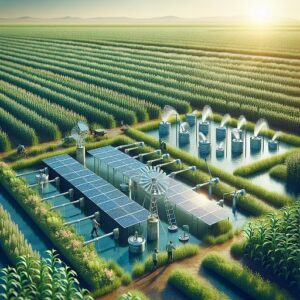
Imagine flying over your fields, not in a plane, but with the help of a fixed-wing drone. This isn’t science fiction—it’s the reality of modern farming. Fixed-wing drones are transforming how we manage water on farms, ensuring every drop counts. They’re the allies we need in a world where water is precious and efficiency is key. With these drones, we’re not just saving water; we’re boosting crop yields and embracing a sustainable future.
The Shift to Solar-Powered Agriculture with help from Fixed-Wing Drones
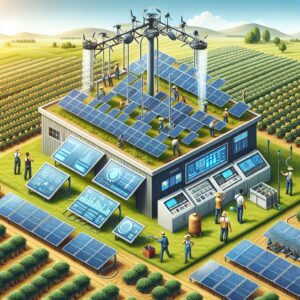
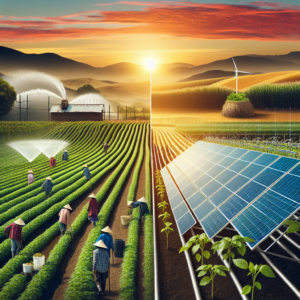
Most importantly, solar power is reshaping the agricultural landscape. When we harness the sun’s energy to power our drones, we’re tapping into a well of unlimited, clean energy. This shift to solar-powered agriculture means we’re reducing our reliance on fossil fuels and cutting down on greenhouse gas emissions. It’s a win-win for both farmers and the environment.
Therefore, by combining the endurance and efficiency of fixed-wing drones with the sustainability of solar power, we’re creating a powerful tool for farmers everywhere. These drones can cover large tracts of land, flying for longer periods and gathering critical data without the frequent need to recharge.
Precision Irrigation: Saving Water and Increasing Yields with the use of Fixed-Wing Drones
-
Assessing field conditions: Drones can quickly survey your land, identifying areas that need water and those that don’t.
-
Targeted irrigation: By pinpointing the exact locations, you can deliver water precisely where it’s needed, avoiding over or under-watering.
-
Monitoring crop health: Besides irrigation, drones equipped with special sensors can detect plant stress, disease, and other issues early on.
By integrating these practices, farmers can not only conserve water but also improve the health and yield of their crops. It’s a smarter way to farm, driven by data and powered by the sun. For more insights, explore our detailed guide on solar irrigation systems.
And remember, the goal isn’t just to water plants; it’s to nurture them in the most efficient way possible. That’s where the precision of drone technology really shines. With the insights gathered from above, you can adjust your watering schedule and technique to meet the specific needs of your crops. This tailored approach leads to healthier plants and better harvests.
Advantages and Disadvantages of using Fixed-Wing Drones for a Farm
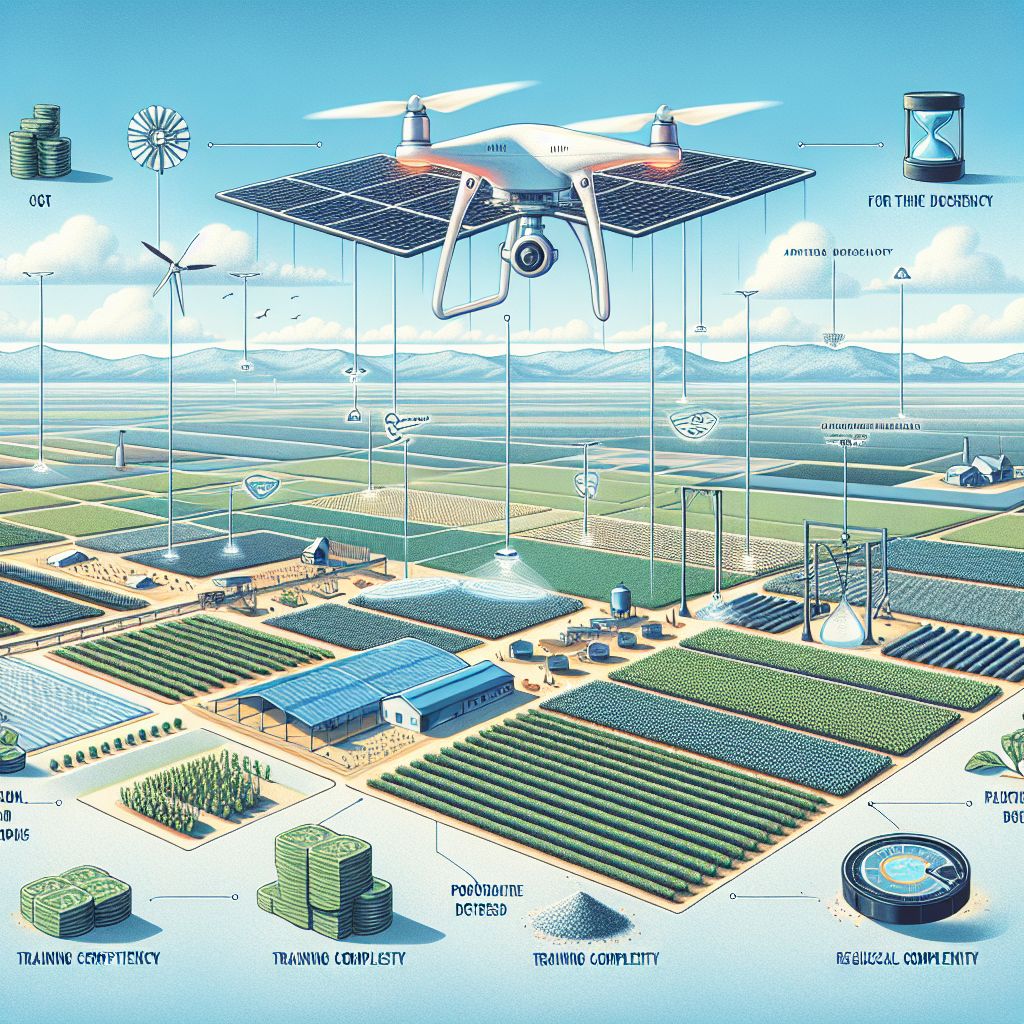
The use of fixed-wing drones with a solar irrigation system has several advantages, such as cost-effectiveness, efficient irrigation, increased productivity, and versatility. However, there are also some disadvantages, such as initial cost, maintenance, terrain limitations, and legal regulations. It is essential for farmers to carefully consider these factors before incorporating this technology into their farming practices. With proper planning and implementation, the use of fixed-wing drones with a solar irrigation system can greatly benefit farmers and contribute to sustainable agriculture practices
Advantages for Using Fixed-Wing Drones with a Solar Irrigation System on a Farm
Fixed-wing drones offer a suite of benefits that can make a real difference on your farm. This table below will explore some of the advantages:
| Advantage | Description |
| Increased Efficiency | Fixed-wing drones can cover large areas quickly and efficiently, allowing farmers to monitor their crops more frequently and make informed decisions about irrigation and other management practices. 2, 4 |
| Reduced Labor Costs | Fixed-wing drones can perform tasks like crop monitoring and spraying without the need for manual labor, leading to significant cost savings for farmers. 2, 4 |
| Improved Crop Yield | By using drones to monitor crop health and optimize irrigation, farmers can improve crop yields and overall productivity. 1, 4, 5 |
| Reduced Environmental Impact | Fixed-wing drones are generally more energy-efficient than traditional manned aircraft, and when paired with a solar-powered irrigation system, they can further reduce the environmental impact of agricultural operations. 4 |
| Real-Time Data Collection | Fixed-wing drones can capture high-resolution, georeferenced imagery and other data in real-time, allowing farmers to make timely decisions about their crops. 2 |
| Increased Precision | The ability of fixed-wing drones to precisely target specific areas of a field for irrigation or other treatments can lead to more efficient use of resources and reduced waste. 1, 2, 5 |
| Improved Crop Monitoring | Fixed-wing drones can be used to detect early signs of crop stress, pests, or disease, enabling farmers to address issues before they become more severe. 1, 2, 3, 5 |
By adopting this technology, you’re not just improving your current operations; you’re investing in the future of your farm. It’s a proactive step towards more sustainable and profitable farming practices.
“Embracing fixed-wing drones for solar irrigation systems is not just about keeping up with technology; it’s about leading the way in sustainable agriculture.”
Disadvantages for Using Fixed-Wing Drones with a Solar Irrigation System on a Farm
However, it’s crucial to acknowledge that every silver lining has a cloud. The disadvantages are part of the equation, and as a farmer, you need to weigh them carefully:
| Disadvantage | Description |
| Limited Maneuverability | Fixed-wing drones have less maneuverability compared to rotary-wing drones, which can make it more challenging to inspect specific areas of a field or perform tasks that require precise positioning. 3 |
| Complexity of Operation | Fixed-wing drones can be more complex to operate than rotary-wing drones, especially during takeoff and landing, which may require more training and skill from the operator. 3 |
| Higher Initial Cost | Fixed-wing drones tend to be more expensive than their rotary-wing counterparts, which may be a barrier for some farmers, especially those with smaller operations. 3 |
| Regulatory Challenges | The use of fixed-wing drones for agricultural applications may face more regulatory hurdles compared to rotary-wing drones, as they may require additional certifications or waivers from aviation authorities. 3 |
| Limited Payload Capacity | Fixed-wing drones generally have a lower payload capacity compared to larger, more specialized agricultural drones, which may limit their ability to carry heavier sensors or equipment. 2, 3 |
While these challenges exist, they are not insurmountable. With careful planning and the right support, the advantages can far outweigh the disadvantages.
Mastering the Use of Fixed-Wing Drones for a Solar Irrigation System
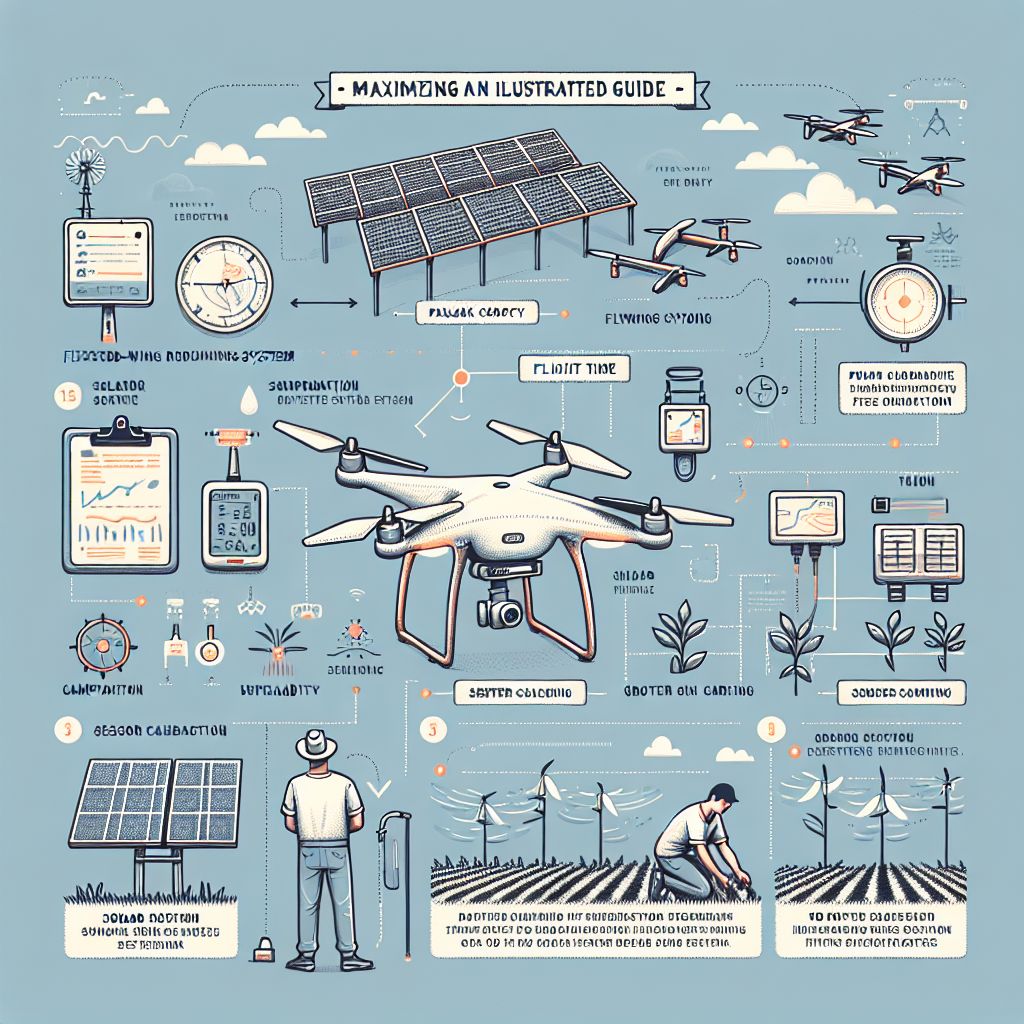
Getting the most out of a fixed-wing drone for your solar irrigation system is all about understanding the hows and whys of drone technology. It’s not just about flying a drone; it’s about integrating this tool into your daily farm management to improve efficiency and sustainability.
For starters, let’s dive into selecting the right type of drone, setting it up for its maiden voyage, and using the data collected to optimize your irrigation practices. This is the kind of knowledge that can turn a good farming operation into a great one.
Selecting the Right Drone for Your Farm
Choosing the right fixed-wing drone is like picking the perfect tractor. It has to be suited to the size of your farm and the specific tasks you need it to perform. Look for a drone that offers:
-
A balance between payload capacity and flight time.
-
Robust construction to withstand regular use.
-
Easy integration with solar charging systems.
It’s essential to consider the types of sensors and cameras that come with the drone. These will be your eyes in the sky, so make sure they’re sharp.
Setting Up Your Fixed-Wing Drone for First Flight
Before your drone takes to the skies, there are a few key steps to ensure a successful launch:
-
Check the weather conditions – high winds or rain can affect your drone’s performance.
-
Make sure the batteries are fully charged, preferably with your solar charging station.
-
Calibrate the drone’s sensors and test all controls on the ground.
Once everything checks out, find a clear, open space for takeoff and let your drone do what it was built to do.
Creating an Efficient Irrigation Schedule with the Data You collected with the Fixed-Wing Drone
With the data your drone gathers, you can craft an irrigation schedule that’s tailored to the unique needs of your crops. This is where precision agriculture really takes shape. Analyze the drone’s data to:
-
Identify dry spots that need more attention.
-
Adjust watering times based on the evaporation rates your drone detects.
-
Monitor the effectiveness of your irrigation over time and make necessary adjustments.
It’s all about using information to make smarter, more resource-efficient decisions.
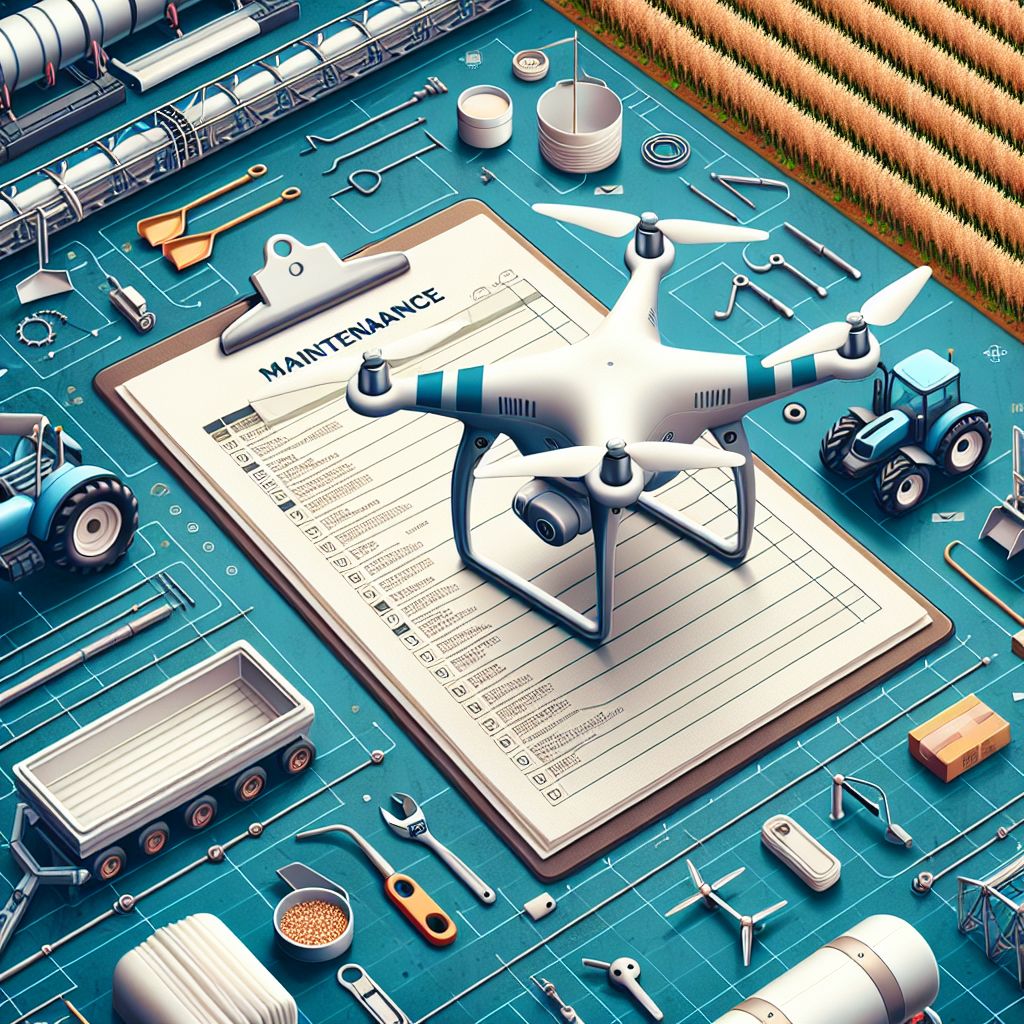
Monitoring and Maintenance: Keeping Your Drone at Peak Performance
Your drone is a critical component of your farming operation, and just like any piece of essential equipment, it needs regular care to function at its best. That means setting up a maintenance schedule and sticking to it, without fail.
Regular check-ups will help you catch potential issues before they become major problems, and that can save you time and money in the long run. Let’s talk about what those check-ups should include and how to keep your drone’s software and components up to date.
Regular Check-Up Routines for Your Fixed-Wing Drone
A well-maintained drone is a reliable drone. Here’s a simple routine to keep your flying helper in top condition:
-
Inspect the body and wings for any signs of damage or wear after each flight.
-
Clean the sensors and cameras to ensure they provide clear, accurate data.
-
Check the battery connections and the integrity of the solar panels if you’re using them for charging.
These small steps can lead to a long and productive life for your drone.
Upgrading Drone Software and Components
Keeping your drone’s software up to date is just as important as its physical maintenance. Software updates can improve flight stability, data accuracy, and even expand the capabilities of your drone. Check for updates regularly and install them promptly.
As for hardware, technology moves fast, and newer, more efficient components can make a big difference. Consider upgrading parts like:
-
Higher resolution cameras for more detailed imaging.
-
More efficient motors that extend flight time.
-
Lighter, more durable materials for the drone’s body.
These upgrades can enhance your drone’s performance and extend its service life.
From Theory to Practice: Farmers Who Lead the Change
It’s one thing to talk about the potential of fixed-wing drones in agriculture, but it’s another to see them in action. Farmers across the globe are already seeing the benefits of integrating drone technology with solar irrigation systems.
Case Studies: Farmers Maximizing Profits with Drone Irrigation
Let me tell you about a farmer in California who used a fixed-wing drone to manage his almond orchards. With precise irrigation, he saw a 20% increase in yield while reducing his water usage by 30%. The drone’s data helped him target just the right amount of water at the right time, leading to healthier trees and a bigger harvest.
And there’s more:
-
A vineyard owner in France used a drone to detect early signs of disease in his grapes, allowing for timely treatment that saved his crop.
-
In Australia, a wheat farmer utilized drone mapping to optimize his fertilizer application, resulting in a more uniform crop and higher quality grain.
These stories are just the beginning. With each flight, farmers are writing new success stories, proving the value of this technology.
Interviews: Real Experiences Shared by Early Adopters
Besides that, the real-world experiences of early adopters can provide invaluable insights. For instance, I spoke with a soybean farmer from Iowa who shared how his fixed-wing drone had become indispensable. He said, “It’s like having a bird’s-eye view of my entire operation. I can see things I’d never notice from the ground, and that’s made all the difference.”
He’s not alone. Many farmers are finding that the perspective gained from above is changing the way they farm, making it more efficient, more sustainable, and more profitable.
As we continue to delve into the world of fixed-wing drones and their integration into solar irrigation systems, let’s explore some frequently asked questions that can shed further light on the practicalities and benefits of this innovative approach to farming.
Frequently Asked Questions
Why Should a Farmer Consider Fixed-Wing Drones Over Other Types?
Choosing the right drone is crucial, and fixed-wing models offer distinct advantages. Their aerodynamic design allows for longer flight times and larger area coverage, making them ideal for monitoring extensive farm lands. They are also generally more stable in flight and can carry heavier payloads, such as advanced sensors and cameras, which are essential for detailed field analysis.
“Fixed-wing drones stand out for their efficiency and durability, capable of withstanding the rigors of daily farm use while providing extensive coverage and detailed data.”
How Do Fixed-Wing Solar Drones Save Water Compared to Conventional Methods?
Fixed-wing solar drones save water by providing precise data for targeted irrigation. This means water is only used where it’s needed, reducing runoff and evaporation. They can also detect moisture levels across different parts of a field, allowing for more accurate water distribution which is particularly beneficial in areas with water scarcity.
Additionally, these drones can monitor crop health and identify issues like under-watering or drought stress before they become widespread, enabling proactive management and further water conservation.
Can Fixed-Wing Drones Be Used in All Types of Agricultural Environments?
Yes, fixed-wing drones are versatile and can be used in various agricultural settings. Whether it’s flat, expansive fields or rolling hills, these drones can adapt to different landscapes. They are particularly useful for large-scale operations where monitoring vast areas for irrigation efficiency is critical. However, it’s important to consider local regulations and weather conditions that may affect drone operations.
What is the Typical Return on Investment for Implementing Drone Irrigation?
The return on investment (ROI) for drone irrigation can be significant. While the initial cost may be high, the long-term savings on water, labor, and increased crop yields can quickly offset the initial investment. For instance, a study showed that precision irrigation could lead to a 15-35% reduction in water usage, translating to substantial cost savings over time.
Are There Any Government Incentives for Farmers Going Solar?
Many governments offer incentives for adopting renewable energy technologies, including solar-powered systems. These can come in the form of tax credits, grants, or subsidized loans. For example, in the United States, the federal government provides a tax credit for solar energy systems, which includes solar-powered irrigation systems.
“Farmers can often take advantage of government incentives to help offset the costs of transitioning to solar-powered technologies, making the switch more financially viable.”
Conclusion: Using a Fixed-Wing Drone will help with the Farms Efficiency
In conclusion, integrating fixed-wing drones into solar irrigation systems represents a significant step forward in sustainable agriculture. These drones offer a level of precision and efficiency that traditional methods simply cannot match. By reducing water waste, increasing crop yields, and cutting down on labor costs, the benefits of drone technology are clear.
Moreover, the long-term savings and potential government incentives make this an investment worth considering for any forward-thinking farmer. As we embrace these advancements, we’re not just improving our own operations; we’re contributing to a more sustainable and food-secure future for everyone.