Key Takeaways
-
Solar irrigation drones are revolutionizing the way we farm, offering precise water management and crop monitoring.
-
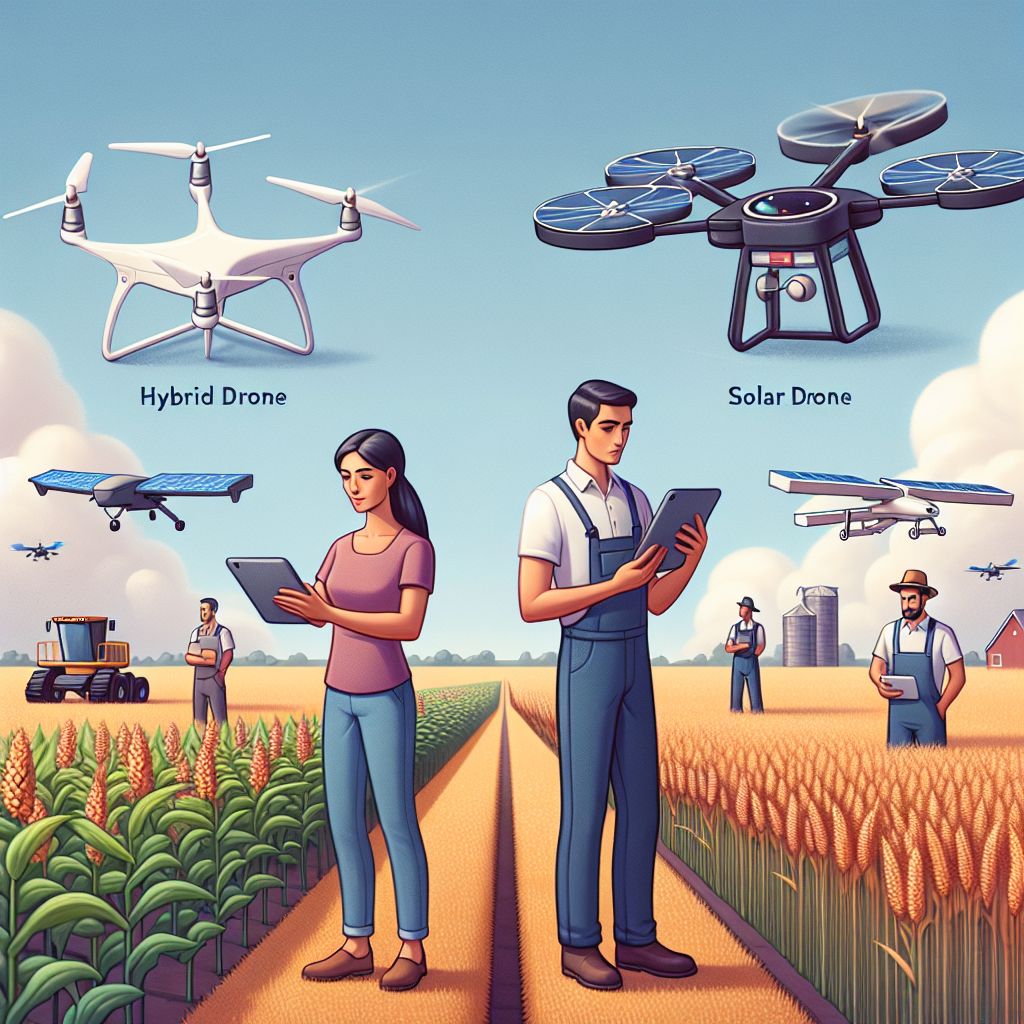
Hybrid drones combine the endurance of fixed-wing aircraft with the agility of rotary drones, while solar drones run solely on solar energy.
-
Using drones for irrigation can lead to significant water savings and increased crop yields.
-
Choosing the right type of drone depends on farm size, local weather conditions, and specific crop needs.
-
Implementing drone technology requires careful planning but can be highly cost-effective and environmentally sustainable in the long run.
The Dawn of a New Era in Farming with Hybrid and Solar Drones
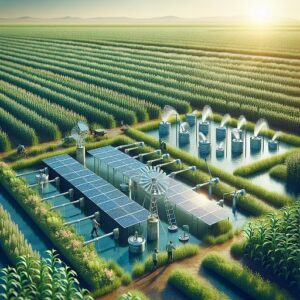
Farming is no longer just about tilling the earth and waiting for rain. We’re in an age where technology meets tradition, and nothing exemplifies this more than the use of hybrid and solar drones in agriculture. These high-flying helpers are equipped with cameras and sensors to give us a bird’s-eye view of our crops, allowing for smarter, more efficient farming practices.
How Drones are Changing the Game
Think about it: drones can fly over your fields, capturing detailed images that reveal much more than the human eye can see. They can spot thirsty crops, target pest infestations, and even determine soil health. This isn’t just fancy tech – it’s a game-changer for managing our most precious resource: water.
Example: A farmer in California uses a drone to monitor his almond trees. The drone’s data shows that some areas need less water, while others need more. By adjusting his irrigation system accordingly, he saves water and ensures each tree gets exactly what it needs to thrive.
Why Solar Power Makes a Difference
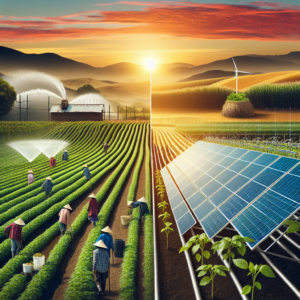
Why add solar to the mix? Because it’s all about sustainability. Solar-powered drones can fly longer and more frequently, which means more data and better insights. They harness the power of the sun, reducing the need for batteries or fuel that harm the environment.
Most importantly, this isn’t just about today’s yield – it’s about ensuring that our land can continue to produce food for generations to come.
Hybrid vs Solar Drones: A Closer Look
Defining Hybrid Drones
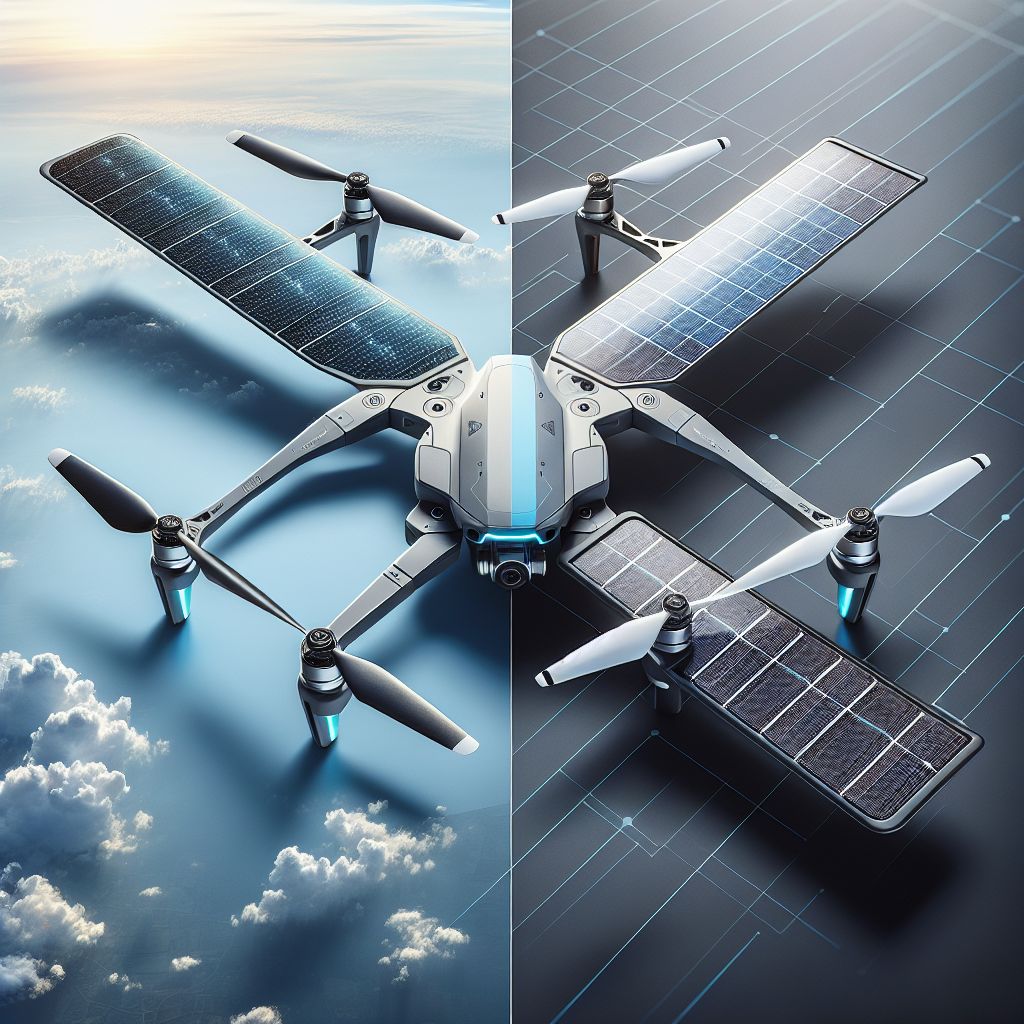
Hybrid drones are the multitaskers of the sky. They can take off and land vertically like a helicopter but transition to forward flight like a plane. This means they can cover large areas quickly and still hover to collect detailed data or deliver precise water to crops.
Understanding Solar Drones
On the other side, we have solar drones, which are usually lighter and designed to maximize the surface area for solar panels. These panels power the drone’s flight, making it possible to stay airborne for the duration of the sunlight and sometimes even store energy for a short time after sunset.
Comparing Flight Capabilities and Efficiency
When deciding between hybrid and solar drones, consider their flight capabilities. Hybrid drones might have shorter flight times compared to solar drones, but they’re more versatile in their movements. Solar drones, while more limited in maneuverability, can often stay in the air for longer, collecting vast amounts of data without needing to recharge.
Advantages and Disadvantages of using a Hybrid Drone on a Farm
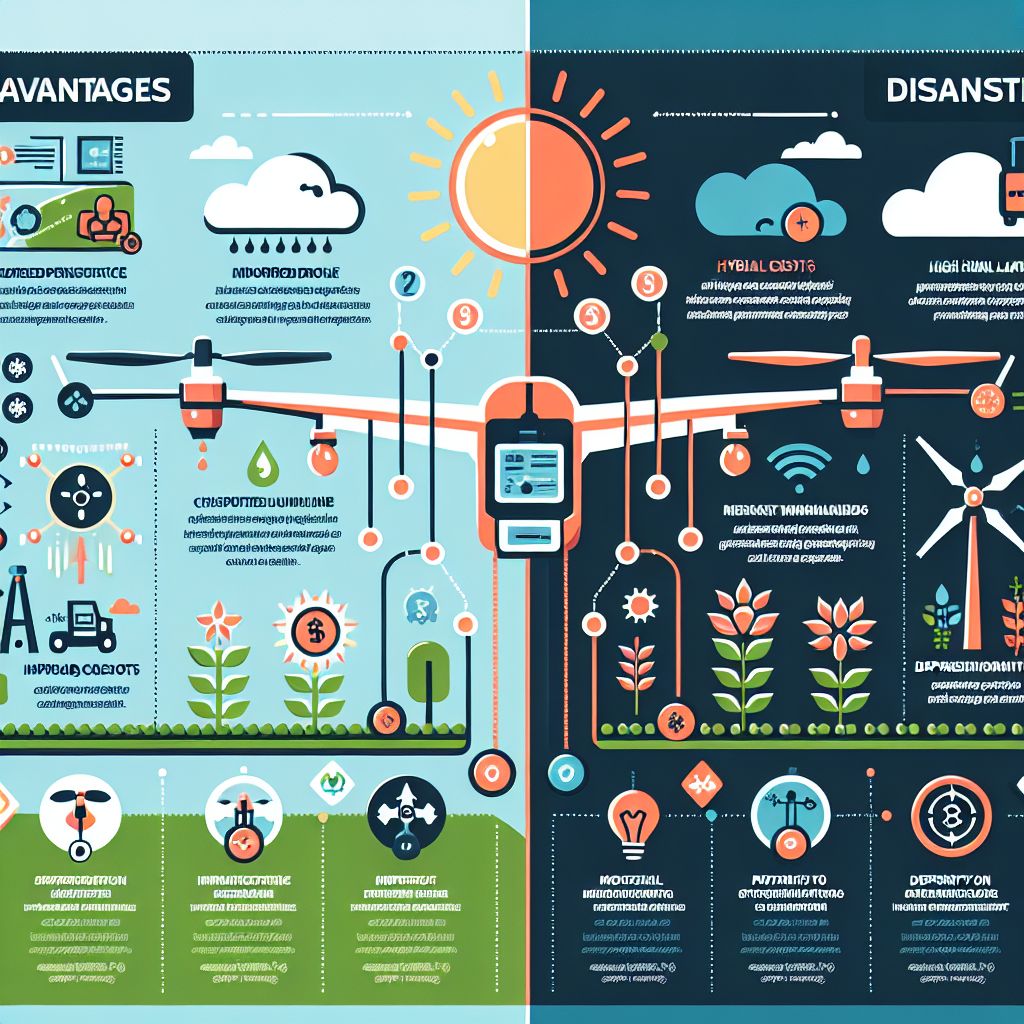
Hybrid drones have their advantages and disadvantages when it comes to farming. Hybrid drones offer longer flight time, higher payload capacity, and better performance in adverse weather conditions. However, they are more expensive and can be noisy during operation.
The Advantages of using a Hybrid Drone
The use of a hybrid drone with a solar irrigation system offers numerous advantages for farmers. From improved efficiency and precision in irrigation to cost savings, increased crop yield, and environmental benefits, this technology is revolutionizing the way farming is done. With the ever-growing demand for sustainable and efficient agricultural practices, the use of a hybrid drone and solar irrigation system is a step towards a more sustainable and profitable future for farmers.
The Disadvantages of using a Hybrid Drone
While hybrid drones are versatile, they do have drawbacks. They often rely on a combination of battery power and solar energy, which means they can be heavier and less efficient than pure solar drones. The additional weight affects their flight time and maneuverability. Moreover, the complexity of their design can make maintenance more challenging and costly.
This below table will show you the Advantages and Disadvantages of Using a Hybrid Drone on a Farm.
| Advantages | Disadvantages |
| Can take off and land vertically like a multi-rotor drone, allowing for more precise maneuvering and inspection of crops. 2, 4, 5 | More complex and expensive than single-rotor or multi-rotor drones. 2, 4 |
| Can transition to fixed-wing flight for longer range and endurance, covering larger areas of farmland efficiently. 4, 5 | Requires more training and skill to operate compared to simpler drone types. 2, 4 |
| Able to carry heavier payloads like multispectral cameras for advanced crop monitoring and analysis. 2, 5 | Maintenance and repairs may be more involved due to the hybrid design. 2, 4, 5 |
| Provides the benefits of both multi-rotor and fixed-wing capabilities in a single platform. 4 | Regulatory restrictions may be more stringent for hybrid drones compared to simpler models. 3 |
| Can be used for a wider range of agricultural applications, from crop scouting to precision spraying. 2, 4, 5 | Battery life may be reduced compared to dedicated fixed-wing drones due to the need for vertical takeoff and landing. 2 |
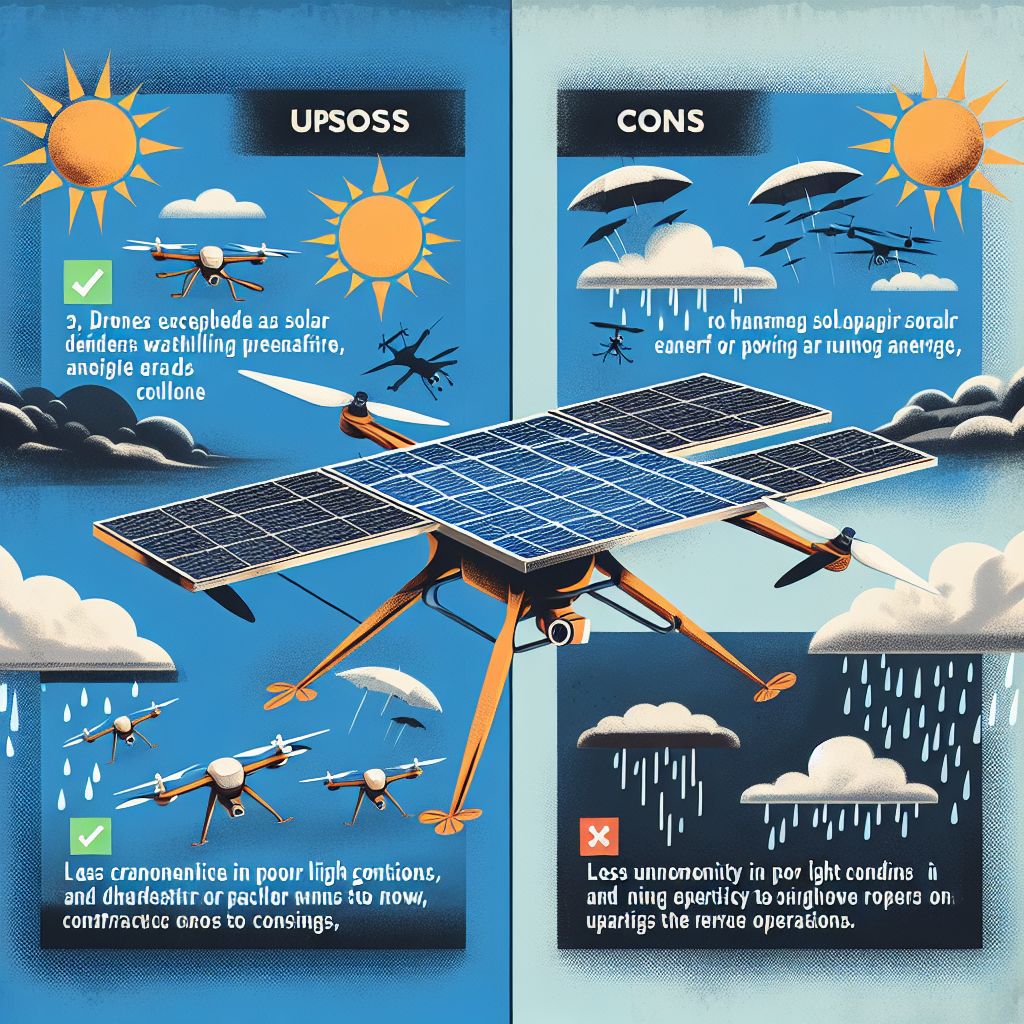
The Upside and Downside of Using the Sun to Power Solar Drones
Using the sun to power drones has a clear upside: it’s a renewable energy source that’s both clean and abundant. But it’s not all sunny skies. The downside is that solar energy availability fluctuates – it’s not an option at night, and cloudy days can severely limit a drone’s operational time. Additionally, the regions with less intense sunlight may find solar drones less reliable.
Benefits of Using the Sun to power the drone.
Solar drones are silent crusaders of the sky, not contributing to noise pollution, and they emit no greenhouse gases during flight. The ability to harness solar power also means these drones can potentially stay airborne for hours or even days, as long as the sun is shining. This extended flight time is invaluable for continuous monitoring of vast farmlands and for collecting comprehensive data on crop health and soil moisture levels.
The Dark Side of Using Solar Power to Run a Drone
But let’s face it, relying solely on solar power can be limiting. If your farm is in a region that’s prone to overcast days, you might find your solar drone grounded when you need it most. And even though solar technology is advancing, the current solar panels aren’t efficient enough to store large amounts of energy for nighttime use.
This below table will show you the Advantages and Disadvantages of Using a Power Solar Drones on a Farm.
| Advantages | Disadvantages |
| Solar-powered drones can operate for extended periods without the need for frequent battery charging or refueling, allowing for more efficient and continuous monitoring of farmland. 2, 4 | Solar panels on drones may add significant weight, reducing the drone’s payload capacity and flight time compared to battery-powered drones. 2, 5 |
| The renewable energy source of solar power reduces the environmental impact and operating costs associated with traditional fuel-powered drones. 4, 5 | Solar-powered drones may have lower maximum flight speeds and reduced maneuverability compared to battery-powered models, limiting their ability to respond quickly to changing conditions. 2, 5 |
| Solar-powered drones can be used for a wide range of agricultural applications, such as crop monitoring, precision spraying, and surveying, without the need for frequent battery swaps or recharging. 2, 4 | The efficiency of solar panels on drones may be affected by factors such as cloud cover, time of day, and orientation, potentially reducing the drone’s power output and flight time. 5 |
| The use of solar energy reduces the farm’s reliance on grid-supplied electricity or fuel, contributing to the overall sustainability and self-sufficiency of the agricultural operation. 4, 5 | Solar-powered drones may have a higher initial cost compared to battery-powered models, due to the added complexity of the solar power system. 2, 4, 5 |
| Solar-powered drones can be equipped with advanced sensors and cameras to provide detailed, real-time data on crop health, soil conditions, and other farm-related metrics, enabling more informed decision-making. 2, 4, 5 | Regulatory restrictions and safety concerns may be more stringent for solar-powered drones, as they may be perceived as posing a greater risk due to their extended flight times and potential for interference with other aircraft. 3 |
Choosing the Right Drone for Your Farm
When it comes to selecting a drone, one size does not fit all. You need to consider the unique characteristics of your farm. Let’s break down what you need to think about before making a decision.
Considering the Size of the Farm
-
Small to medium-sized farms might benefit more from the agility of a hybrid drone, capable of detailed monitoring.
-
For larger farms, a solar drone’s ability to cover vast distances without needing to recharge could be a game-changer.
Weather Conditions and Their Impact
Your local weather plays a huge role in your choice. Frequent cloudy days? A hybrid drone might be more reliable. But if you’re blessed with abundant sunshine, a solar drone could be your workhorse, keeping operational costs down.
Analyzing Crop Types
Not all crops are created equal, and neither are drones. If you’re growing crops that require precise water management, such as grapes for wine, you’ll need a drone that can provide detailed data and perform targeted irrigation.
For crops like wheat or soy, which cover large areas and have more general water needs, a solar drone’s broad overviews can be sufficient and more cost-effective.
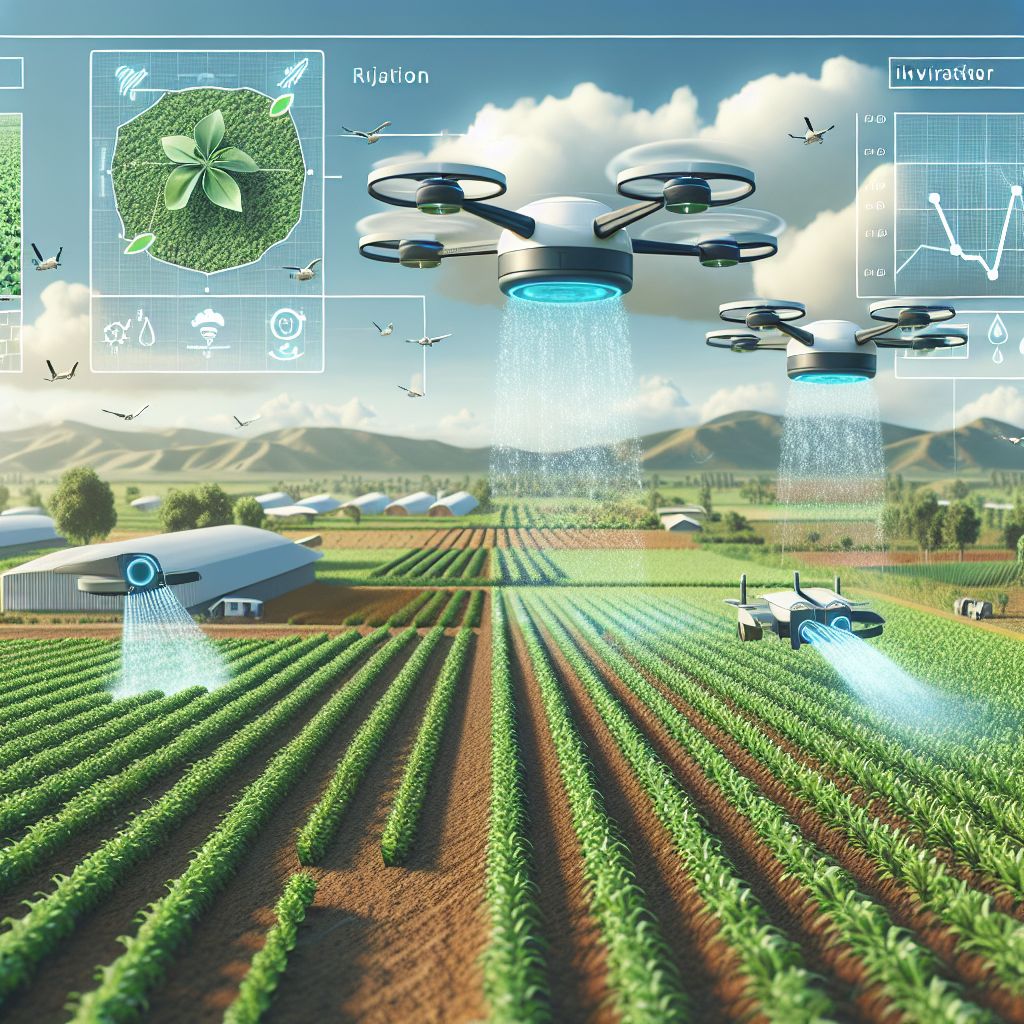
Maximizing Efficiency in Irrigation with Hybrid or Solar Drones
So, you’ve got a drone. Great! But it’s not just about having the tech; it’s about using it effectively. Let’s dive into how you can maximize efficiency in irrigation with your drone.
Introduction to Smart Irrigation Techniques
Smart irrigation is all about giving your crops exactly what they need, exactly when they need it. Drones play a critical role in this by providing data that helps you make informed decisions on water distribution. This means less waste and more growth.
Optimizing Water Resources with Drone Data
By analyzing the data collected by drones, you can identify which parts of your farm are too dry or too wet and adjust your irrigation accordingly. This precision prevents overwatering and underwatering, promoting healthier crops and conserving water—a win-win for you and the environment.
Step-by-Step: Setting Up Your Solar Irrigation System
Getting your solar irrigation system up and running is straightforward if you follow these steps:
-
Map your farm using the drone to get an accurate layout of the land.
-
Analyze the collected data to understand the water needs of different areas.
-
Set up your irrigation system to target specific zones based on the drone’s insights.
-
Regularly fly your drone to monitor the system’s effectiveness and make adjustments as needed.
Case Studies: Success Stories from the Field
Let’s look at some real-life examples of how hybrid and solar drones are making a difference in the world of farming.
Hybrid Drones: Achievements in Diverse Environments
In the rolling hills of Tuscany, a vineyard uses hybrid drones to monitor the health of grapevines. The drones’ precise data allows for targeted irrigation, which is crucial for producing high-quality grapes. The result? A better harvest and a superior vintage.
Solar Drones: Long-term Sustainability Wins
Across the ocean, in the sun-drenched fields of Arizona, a solar drone helps a cotton farmer conserve water in an area plagued by drought. The drone’s consistent monitoring ensures that not a drop of water is wasted, leading to a sustainable and profitable cotton yield.
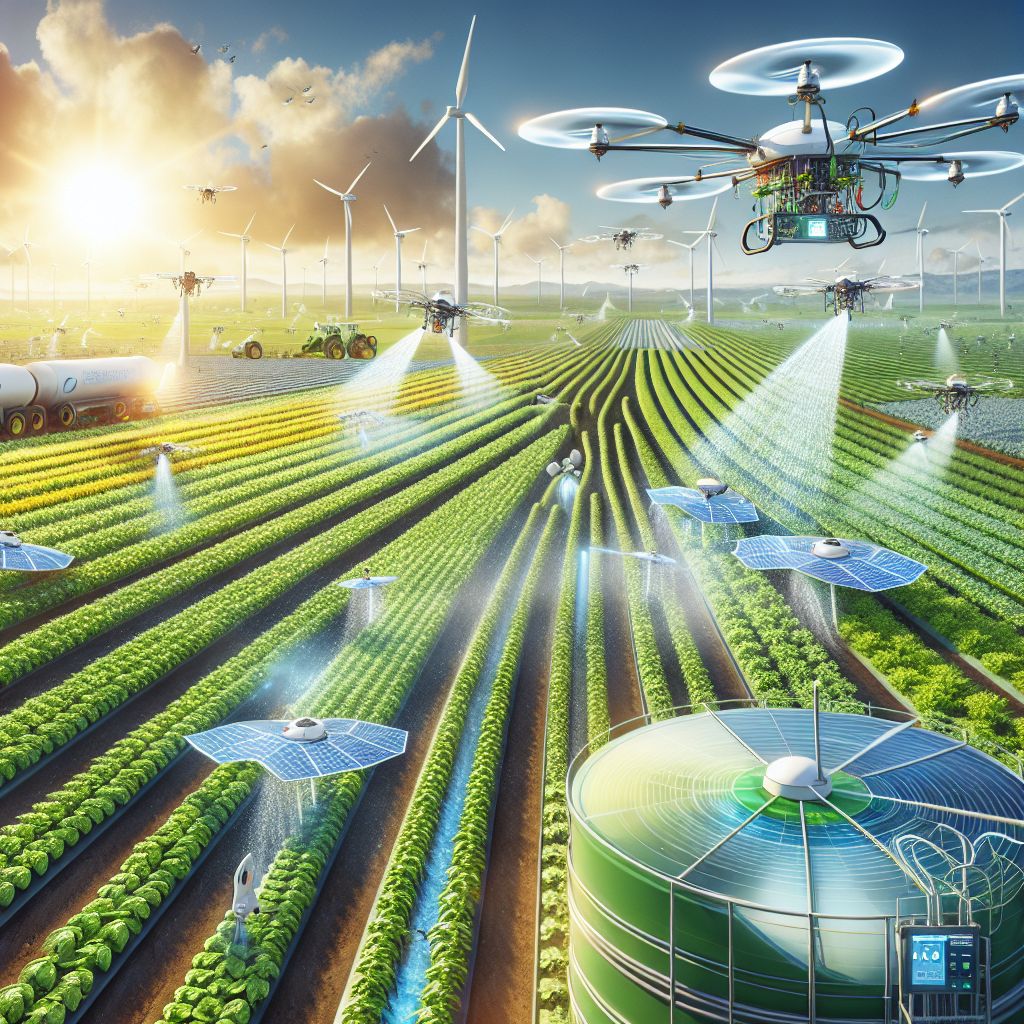
Sustainable Farming: The Long-Term Vision
Adopting drone technology isn’t just about short-term gains. It’s a commitment to sustainable farming practices that benefit not only your own farm but the broader environment as well. By using hybrid or solar drones, you’re taking a step towards a future where agriculture works in harmony with nature, rather than against it.
Economic Benefits of Going Green
The economic benefits of using drones for sustainable farming are clear. By reducing water waste, you’re also reducing your water bill. More efficient water use means healthier crops and potentially higher yields. And let’s not forget about the potential for reduced labor costs. Drones can cover large areas much faster than manual methods, freeing up your time and resources for other tasks.
Moreover, sustainable practices can open up new markets for your produce. Consumers are increasingly looking for environmentally friendly products, and they’re willing to pay a premium for them. By marketing your farm as sustainable and technologically advanced, you can tap into this growing demand.
Boosting Crop Yields While Conserving Resources
By using drones to monitor and manage irrigation, you’re not just saving water; you’re also ensuring that your crops get the right amount of moisture at the right time. This can lead to significant increases in crop yields. Healthier plants are more resistant to pests and diseases, which means you might also save on pesticides and other treatments.
Frequently Asked Questions (FAQ)
As you consider integrating drones into your farming operations, you might have some questions. Here are the answers to some common queries:
Can Drones Really Improve the Efficiency of Irrigation Systems?
Absolutely. Drones equipped with the right sensors can detect variations in soil moisture across your fields. This information allows you to tailor your irrigation schedule to the specific needs of different areas, cutting down on water waste and ensuring optimal plant growth.
Are Solar Drones More Cost-Effective Than Hybrid Drones?
It depends on various factors, including the size of your farm, the local climate, and the specific tasks you need the drone for. Solar drones have lower operating costs because they rely on free solar energy, but they may require more initial investment. Hybrid drones, while potentially less expensive upfront, may incur higher costs over time due to fuel or electricity usage for charging.
What are the Limitations of Using Drones in Agriculture?
While drones offer many benefits, there are limitations. Regulatory restrictions can limit how and where you can fly drones. Weather conditions can also impact drone operations, particularly for solar-powered models. Additionally, there is a learning curve associated with using drones and analyzing the data they collect.
How Do I Get Started with Drone Irrigation Technology?
Starting with drone irrigation technology involves a few key steps:
-
Research and purchase a drone that suits the needs of your farm.
-
Learn how to operate the drone and understand the data it provides.
-
Integrate the drone’s data into your existing irrigation management system.
-
Regularly maintain the drone to ensure it operates efficiently.
What is the Environmental Impact of Solar and Hybrid Drones?
The environmental impact of using drones in agriculture is overwhelmingly positive. Solar drones, in particular, help reduce the carbon footprint of farming operations by using clean energy. Hybrid drones also offer a more environmentally friendly alternative to traditional methods, though they may not be as green as their solar counterparts.
Conclusion: Which Will Help with the Farms Efficacy more, the Hybrid Drone or the Solar Drones?
Ultimately, the decision between hybrid and solar drones comes down to your specific circumstances. If you need flexibility and maneuverability and your farm is not in a consistently sunny area, a hybrid drone might be the way to go. However, if you have ample sunlight and are looking for the most environmentally friendly option, solar drones are a compelling choice.