

When we talk about amping up agricultural productivity, one of the brightest ideas—literally—is to turn to the sun for answers. That’s where polycrystalline solar panels come in, transforming farms with a splash of modern technology. So let’s dive in and discover how these panels are not just good for the planet but great for your crops too.
Key Takeaways
-
Polycrystalline solar panels are cost-effective and efficient, making them a smart choice for farms.
-
They convert sunlight into electricity, reducing reliance on conventional power sources and cutting costs.
-
With the right setup, solar energy can power irrigation systems, lighting, and other farm operations.
-
Investing in solar technology may be offset by government incentives, leading to long-term savings.
-
Adopting solar energy in agriculture enhances environmental sustainability and farm productivity.
The Sunshine Revolution: Polycrystalline Solar Panels
What Are Polycrystalline Solar Panels?
Let’s start with the basics. Polycrystalline solar panels are made from multiple silicon crystals melted together. They’re recognizable by their blue hue and speckled look. But why should you care? Because these panels are the workhorses of solar energy on farms. They’re durable, they handle heat well, and most importantly, they don’t require a king’s ransom to get started.
“Harnessing solar energy is no longer a futuristic idea; it’s a present-day solution to energy needs in agriculture.”
Now, you might be wondering why polycrystalline and not some other type? They strike a balance between efficiency and affordability, making them an ideal choice for agricultural settings where covering large areas without breaking the bank is key.
|
Aspect |
Polycrystalline Solar Panels |
Source |
|---|---|---|
|
Benefits |
– Lower price compared to monocrystalline panels. | |
|
– Good cost-effectiveness, making them a popular choice for many. | ||
|
– Suitable for residential installations. | ||
|
Problems |
– Sensitive to high temperatures. | |
|
– Lower lifespan compared to monocrystalline panels. | ||
|
– Slightly less space efficiency. |
The Edge Over Traditional Power Sources
So, why go solar and not stick with traditional energy? The answer is threefold: cost, consistency, and care for the environment. Traditional energy can be pricey and unpredictable, whereas solar panels give you more control over your energy bills. And let’s not forget, using clean energy means you’re taking care of the land that takes care of us.
Imagine cutting down on those hefty electricity bills. That’s money back in your pocket that can go towards seeds, equipment, or even a well-deserved break. Besides that, by going green, you’re not just saving cash; you’re also becoming part of the solution to global energy challenges.

Turning Sunlight into Green Growth
How Solar Energy Drives Crop Yields
Solar panels do more than just light up your farm. They power irrigation systems, which is a big deal. Consistent water supply means consistent crop growth. And when you can rely on the sun to keep your plants hydrated, you’re on track for a bountiful harvest. It’s like having a sunny sidekick for your farm’s energy needs.
Integrating Panels with Farm Operations
But how do you make the leap from traditional to solar-powered farming? It’s all about integration. Solar panels can be installed on rooftops, in open fields, or even as part of agrovoltaic systems, where crops and solar panels share the same space. This isn’t just a patchwork solution; it’s about creating a seamless energy flow that powers your entire operation.
And here’s the kicker: solar energy isn’t just for daytime use. With battery storage systems, you can capture that sunny goodness during the day and use it when the sun clocks out. That means you can keep your farm humming along, even after dark.

Solar Savings: Crunching the Numbers
When it comes to polycrystalline solar panels, we’re not just talking about a one-time expense; we’re talking about an investment in the future of your farm. Sure, the initial setup might seem a bit steep, but let’s break it down to see the real picture of solar savings.
Think about it this way: every kilowatt of solar energy you produce is a kilowatt you don’t have to buy from the grid. Over time, those savings add up. And we’re not just talking about a few dollars here and there. We’re talking about potentially slashing your energy bills by half, if not more, depending on the size of your solar array and your energy usage.
Initial Investment vs. Long-Term Savings
Here’s the deal: the upfront cost for a decent-sized solar panel system for a farm might range from $10,000 to $50,000 or more. But before you balk at the price, remember that this is an investment that pays back. How so? Reduced energy bills, for starters. Over time, the savings on your energy costs can completely offset the initial price tag of the solar panels. Plus, these panels have a lifespan of around 25 to 30 years, which means you’ll be reaping the benefits for decades.
Gaining Tax Credits and Other Incentives
And let’s sweeten the pot a bit. Many governments offer tax credits, rebates, and other incentives for going solar. For instance, in the United States, there’s the Federal Solar Investment Tax Credit (ITC), which can reduce the cost of your solar system by 26% through a tax credit. That’s a hefty chunk of change staying in your pocket.
-
Investment Tax Credits (ITC) can significantly reduce the upfront cost of solar panel installation.
-
Various state incentives, such as rebates and performance-based incentives, can also help.
-
USDA grants are available for rural businesses, including farms, to assist in solar panel installations.
Remember, these incentives won’t last forever, so it’s wise to take advantage of them while they’re still around. Doing so can make the difference between an okay investment and a great one.
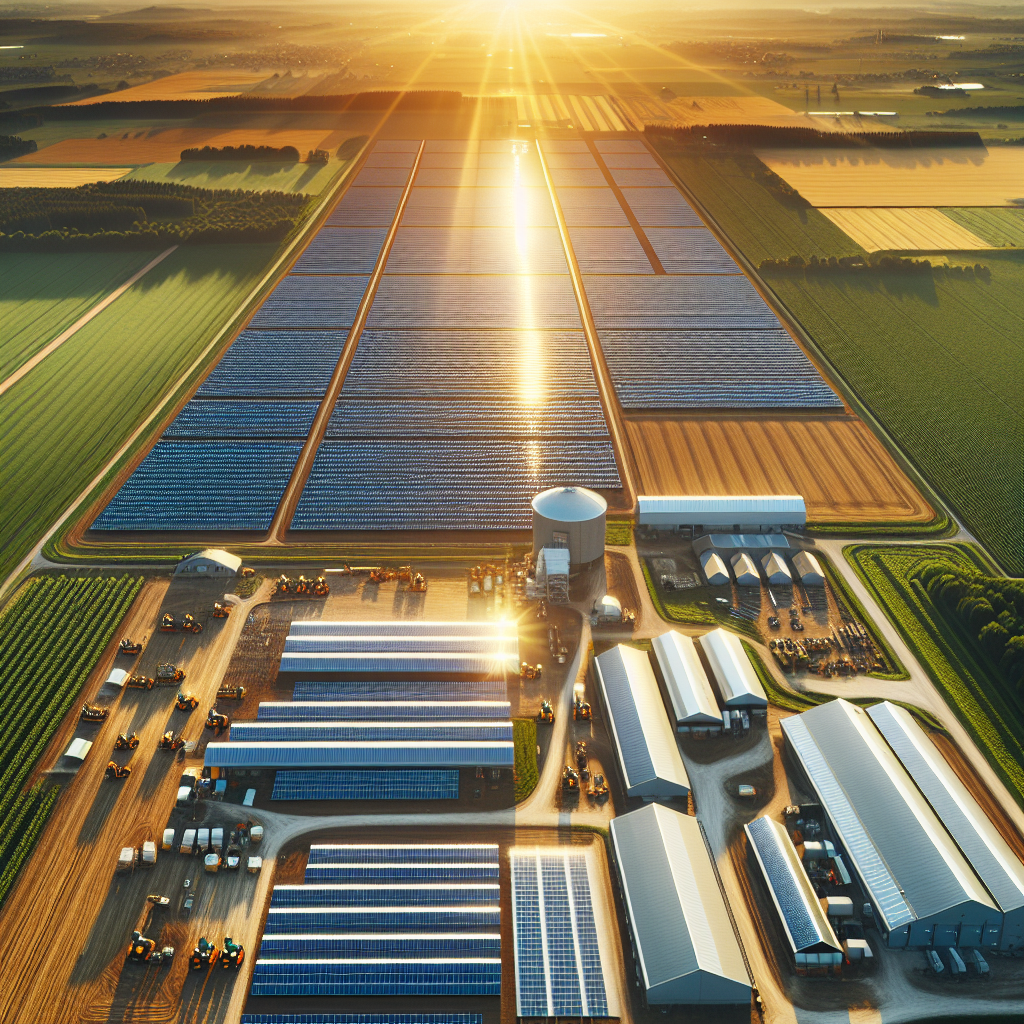
Case Studies: Success Stories Across the Globe
Now, you don’t have to take my word for it. Let’s look at some real-world examples where polycrystalline solar panels have made a significant impact on farms just like yours.
Small Farms Harnessing the Sun
Consider the story of a small family farm in the Midwest. With just a modest investment in solar panels, they were able to power their entire operation, including the irrigation systems and the farm’s machinery. Not only did they cut their energy bills by 60%, but they also increased their crop yields thanks to more consistent irrigation.
And it’s not just about the numbers. The family noticed that their farm’s carbon footprint was dramatically reduced, making them a local leader in sustainable farming practices.
Large-Scale Operations Going Solar
On the other end of the spectrum, let’s look at a large agricultural enterprise in California. By covering unused land with solar panels, they created a dual land-use system that didn’t interfere with crop production. This move not only provided them with excess energy to sell back to the grid but also allowed them to operate completely off-grid during peak sunlight hours.

Panel Performance: Ensuring High Efficiency
It’s not just about slapping some panels on your land and calling it a day. To really get the most out of your solar investment, you need to ensure that your panels are performing at peak efficiency.
And that means taking care of them. Regular cleaning, proper installation, and monitoring systems can help your panels capture every precious ray of sunshine. Think of it as giving your panels a little TLC to make sure they’re always at their best.
Optimal Placement for Maximum Sun Exposure
-
South-facing installations (in the Northern Hemisphere) catch the most sunlight throughout the day.
-
The tilt of your panels should match your latitude for optimal sun exposure.
-
Consider tracking systems that follow the sun’s path to maximize energy absorption.
But it’s not just about direction and tilt. You also need to consider shading from trees, buildings, or other structures. Even a small amount of shade can significantly reduce the output of your panels.
And remember, the more sunlight your panels catch, the more energy they produce, and the more savings you’ll see on those energy bills.
So, take the time to plan your installation carefully. A little effort upfront can lead to big gains down the line.
Mitigating Weather and Climate Challenges
Weather can be unpredictable, but your energy supply shouldn’t be. That’s why it’s crucial to understand how different weather conditions can affect your solar panels. Snow, dust, and heavy rain can all impact performance, but with the right maintenance plan, you can minimize these effects and keep your panels humming along, no matter what Mother Nature throws at them.
Expanding Possibilities: Innovations in Solar Farming
The world of solar farming is ever-evolving, and staying on top of the latest advancements can give you an edge.
New Technologies on the Horizon
From bifacial panels that capture sunlight from both sides to advancements in battery storage, the future is bright for solar tech. These innovations mean more efficiency, more reliability, and ultimately, more savings for you.
Combining Solar with Other Sustainable Practices
But why stop at solar? Integrating other sustainable practices like water conservation and organic farming can amplify the benefits of your solar panels. It’s all about creating a synergy between technology and traditional farming wisdom.

Navigating Challenges and Obstacles
Transitioning to solar isn’t without its hurdles. But don’t worry, with a bit of knowledge and preparation, you can clear them with ease.
Dealing with Zoning and Regulatory Hurdles
Before you start, you’ll need to navigate the maze of zoning laws and regulations. This can be daunting, but it’s a necessary step to ensure your solar project is up to code and ready to go.
Overcoming Technological Limitations
And let’s not forget about the tech side of things. Understanding the limitations and capabilities of your solar panels can help you make informed decisions about your energy system. It’s all about finding the right balance for your specific needs.
Dealing with Zoning and Regulatory Hurdles
Before laying the first panel, you’ll need to get acquainted with local zoning laws and building codes. Each area has its own set of rules when it comes to solar installations. You might need permits or have to adhere to specific guidelines that dictate where and how you can install your panels. It’s essential to get this step right to avoid costly mistakes and delays. Reach out to local authorities or a solar installation company familiar with the area’s regulations to guide you through this process.
Overcoming Technological Limitations
Like any technology, solar panels have their limits. The efficiency of polycrystalline panels can be affected by temperature, orientation, and shading. However, with proper planning and installation, these issues can be mitigated. For example, installing panels at the correct angle ensures they capture the maximum amount of sunlight, and placing them in an area with minimal shading avoids loss of output. Keep in mind that as technology advances, these limitations are constantly being addressed, making solar power more efficient and accessible.
Your Next Steps Towards an Illuminated Future
Adopting solar energy is a significant step towards sustainability and increased productivity for your farm. It’s an investment not just in your operation, but in the future of agriculture. The transition may seem daunting, but with careful planning and the right support, it can be a smooth and rewarding process.
Planning Your Transition to Solar Power
To start your solar journey, assess your farm’s energy needs and research the best solar panel options. Consult with solar energy experts and other farmers who have made the switch to understand the challenges and best practices. Then, calculate the financial aspects, including initial costs, potential savings, and available incentives. Once you have a plan in place, you can begin the installation process, keeping in mind the importance of maintenance for long-term performance.
Join a Community of Solar-Powered Farms
You’re not alone in this venture. There’s a growing community of solar-powered farms, and joining forces can provide support, advice, and even better purchasing power for solar technology. Local agricultural groups, online forums, and renewable energy fairs are great places to connect with other solar farmers. Sharing experiences and knowledge can help you navigate the solar landscape more effectively and make the most of your investment.
FAQ – Harnessing the Power of Polycrystalline Solar Panels in Agriculture
How Do Polycrystalline Panels Compare to Other Types of Solar Panels?
Polycrystalline panels are known for their blue hue and are a cost-effective option compared to monocrystalline panels. While they may have slightly lower efficiency rates, their lower price point makes them a popular choice for large-scale installations like farms. Thin-film panels, another type, are more flexible and lightweight but generally less efficient and durable than crystalline-based panels.
What Is the Average Payback Period for Solar Panel Investment?
The payback period for solar panels can vary widely based on factors like energy usage, the size of the installation, and local electricity rates. Generally, the average payback period can range from 5 to 15 years. After this period, the savings on energy bills translate to pure profit, not to mention the increase in property value.
Can Solar Panels Be Installed on Any Type of Agricultural Land?
Solar panels are versatile, but their installation depends on several factors, such as land topography, soil condition, and local climate. Flat, open spaces are ideal, but solar technology can also be adapted to less conventional landscapes. It’s crucial to conduct a thorough site assessment before installation to ensure the land is suitable.
How Does Weather Affect Polycrystalline Solar Panel Performance?
Weather conditions can impact the efficiency of solar panels. Polycrystalline panels perform well in a range of conditions but can experience reduced output on cloudy days and during extreme heat. However, they are designed to withstand weather variations, and with proper maintenance, they can continue to provide reliable energy over time.
Are There Any Government Incentives to Help Offset Installation Costs?
Yes, many governments offer incentives to encourage the adoption of solar energy. These can include tax credits, rebates, and grants. In the United States, the Federal Solar Investment Tax Credit (ITC) is a significant incentive that can reduce the cost of installation. State-specific incentives and USDA grants can also provide financial support.
Conclusion: Do Polycrystalline Solar Panels Boost Agricultural Productivity?
In conclusion, polycrystalline solar panels are not just a nod to environmental stewardship; they are a solid investment in the efficiency and productivity of your agricultural operation. With the ability to generate clean energy, reduce operating costs, and improve crop yields, solar panels are a powerful tool in the modern farmer’s arsenal. By embracing this technology, you’re not only securing a sustainable future for your farm but also joining the ranks of forward-thinking growers who are setting a new standard for agriculture worldwide.






