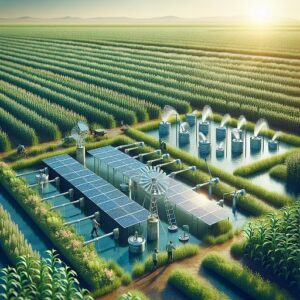
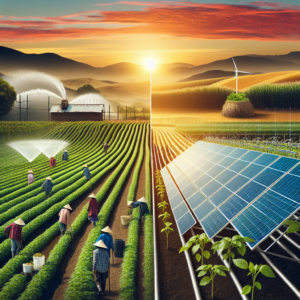
Harvesting Sunlight: Choosing the Right Solar Irrigation System
Imagine your farm soaking in the sun’s energy, not just to grow crops but also to power the very systems that water them. It’s a double win for sustainability and efficiency. But when it comes to solar irrigation systems, you’re faced with a choice: on-grid or off-grid. Each has its unique set of benefits tailored to different farming needs. Making the right choice could mean the difference between an average harvest and a bumper crop season.
Article-at-a-Glance: Key Points to Guide Your Decision
-
Understand the basic differences between on-grid and off-grid solar irrigation systems.
-
Explore the advantages of a seamless connection with on-grid solar systems.
-
Discover the independence and reliability of off-grid solar systems.
-
Consider financial incentives and net metering as part of your decision.
-
Factor in your farm’s location, energy needs, and long-term goals.

Powering Your Farm: On-Grid vs Off-Grid Solar Solutions
When you’re standing in the middle of your fields, the last thing you want to worry about is whether your crops are getting enough water. Solar power can be a game-changer for irrigation, but the choice between on-grid and off-grid systems can be as complex as farming itself. Let’s break it down, so you can make an informed decision that’s right for your land.
Defining On-Grid Solar Irrigation
An on-grid solar irrigation system is like a team player. It works with the local utility grid to ensure you have all the power you need when you need it. If your system generates more electricity than your farm uses, the excess can often be sold back to the grid, potentially reducing your utility bills. It’s a smart choice if your farm is already connected to the power grid and you’re looking to reduce costs and maintain a backup power source.
Defining Off-Grid Solar Irrigation
Going off-grid means your farm’s irrigation system is the master of its domain, independent of any external power grid. This system relies on solar panels and battery storage to keep your crops watered, come rain or shine. It’s ideal for remote locations where connecting to the grid is difficult or too expensive. With an off-grid system, you’re creating a self-sufficient oasis that doesn’t blink at power outages.

The Sunny Side of On-Grid Irrigation
There’s a lot to love about on-grid solar irrigation systems. They’re modern, efficient, and can even make you some money. Let’s look at the sunny side of going on-grid and why it might just be the boost your farm needs.
Seamless Integration with Utility
-
**Ease of Use**: Hooking up to the grid is straightforward, especially if your farm is already grid-tied.
-
**Backup Power**: You’re never left dry. The grid steps in if your solar system doesn’t produce enough power.
-
**Excess Energy Profit**: Generate more power than you need? Sell it back to the grid and watch your utility bills shrink.
Choosing an on-grid system means you’re never alone. You’ve got the grid’s vast resources at your back, ready to support your farm’s growth. It’s like having a safety net that not only catches you but can also bounce you higher towards your goals.
Financial Incentives and Net Metering
Money matters, especially when you’re running a farm. On-grid solar systems can be kind to your wallet, thanks to financial incentives like tax credits, rebates, and grants. And then there’s net metering – it’s like rollover minutes for your solar power. You can actually see your meter spin backward as you feed excess electricity back to the grid, earning credits that reduce your future utility bills. It’s a smart way to maximize your investment and keep your farm’s operating costs down.
Scalability and Flexibility
As your farm grows, so can your solar system. On-grid systems are wonderfully scalable. Starting with a modest setup? No problem. You can add more panels as your needs increase. This flexibility means you’re never over-investing or stuck with an outdated system. Your solar setup can evolve alongside your farm, ensuring you have the power you need to thrive in every season.

Off-Grid Independence: Is It For Your Farm?
Off-grid solar systems are like the rugged individualists of the farming world. They don’t rely on the utility grid, giving you complete control over your farm’s energy. This independence is powerful, particularly in remote areas or where grid power is unreliable. But it’s not just about location; it’s about a mindset. Are you ready to be the master of your energy destiny? If so, off-grid could be your path to energy autonomy.
Ensuring Uninterrupted Water Supply
Water is life, especially on a farm. An off-grid solar system ensures that your crops get the hydration they need, no matter what. With a robust battery storage system, you can store solar power for cloudy days or nighttime use, keeping your irrigation system running smoothly around the clock. It’s peace of mind, knowing that your water supply is as constant as the sun itself.
A Closer Look at Off-Grid System Components
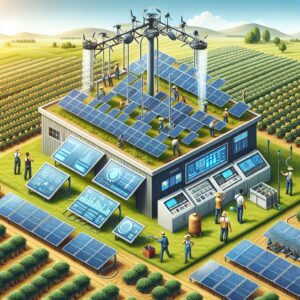
Off-grid systems have a few key players: solar panels, batteries, charge controllers, and inverters. Each component is crucial. The panels capture the sun’s rays, the batteries store this energy, the charge controller manages the flow to prevent overcharging, and the inverter converts the stored energy into usable power for your irrigation system. It’s a well-oiled machine, each part working in harmony to keep your farm flourishing.
Cost Implications and Long-term Investments
Going off-grid is an investment in your farm’s future. The upfront costs can be higher due to the need for batteries and additional equipment. But think long-term – over time, these systems can significantly reduce your energy bills and increase your self-sufficiency. Plus, they’re built to last, often with warranties of 25 years or more. It’s a one-time investment that pays dividends for decades.

Solar Irrigation In-Depth: A Systematic Comparison
Let’s roll up our sleeves and dig into the nitty-gritty. Comparing on-grid and off-grid solar irrigation systems isn’t just about the cost. It’s about how they fit with your farm’s daily rhythms, the reliability of your water supply, and the long-term vision you have for your land. We’ll weigh the pros and cons, helping you to choose a system that aligns with your farm’s unique heartbeat.
Installation Costs and Efficiencies
Let’s talk turkey. The initial price tag for setting up a solar irrigation system can make you gulp, but it’s not the whole story. On-grid systems may have lower upfront costs since they don’t require batteries or other storage solutions. They’re also often eligible for more rebates and incentives, which can sweeten the deal. Off-grid systems, on the other hand, require a heftier initial investment due to the batteries and additional equipment needed to ensure a constant power supply. But remember, efficiency is key. Off-grid systems can be more efficient in the long run, as all the power you generate is used on your farm, with no transmission losses to the grid.
Operational Considerations
Running a farm is no small feat, and the solar irrigation system you choose needs to work as hard as you do. On-grid systems offer the convenience of a continuous power supply, with the grid filling in the gaps when solar production is low. This means you can operate high-power equipment without a hitch. Off-grid systems require a bit more planning, as you’ll need to manage your energy use according to what your system and storage can handle. But with a well-designed system, you can achieve a smooth, reliable operation that keeps your irrigation running without a hiccup.
Maintenance and Upkeep
Maintenance is like weeding – it’s got to be done to keep things running smoothly. Both on-grid and off-grid systems need regular check-ups to ensure they’re performing at their best. On-grid systems are generally lower maintenance, as the grid connection offers a kind of safety net. Off-grid systems, with their batteries and additional components, may require more attention to keep everything in tip-top shape. But don’t let that scare you off; with a solid maintenance routine, off-grid systems can be just as reliable as their on-grid counterparts.
Real-World Scenarios: Making the Informed Choice
Every farm has its own story, with twists and turns that affect energy needs. Let’s look at some real-world scenarios to help you visualize how solar irrigation could play out on your land. Whether you’re running a small organic operation or a large-scale agribusiness, these stories will help you see the potential for solar to revolutionize the way you water your crops.
Assessing Your Farm’s Energy and Water Needs
Before you dive into solar, you need to know what you’re jumping into. Start by evaluating how much water your crops need and when they need it. This will help you determine the size and type of solar irrigation system that’s right for you. For instance, a farm with high water demands during peak sunlight hours might thrive with an on-grid system, while a farm with consistent, round-the-clock needs might be better off with an off-grid setup.
Considering Environmental Conditions and Geographic Location
Your farm’s location whispers secrets about which solar system might suit you best. If you’re blessed with abundant sunshine year-round, you might have more flexibility in choosing between on-grid and off-grid systems. But if you’re farming in an area with less predictable sun, an on-grid system with its grid backup could be a lifesaver. And let’s not forget topography – if your farm is nestled in a remote valley, an off-grid system might be just the ticket to water independence.
Long-term Planning: Futureproofing Your Investment
Choosing a solar irrigation system isn’t just about today’s needs; it’s about tomorrow’s dreams. As you plan for the future, consider how your farm might grow and change. An on-grid system might be perfect for now, but if you’re eyeing expansion into areas beyond the grid’s reach, an off-grid system could offer the scalability you need. Think about your long-term goals and how your choice of solar irrigation can support them, ensuring your farm continues to thrive for generations.
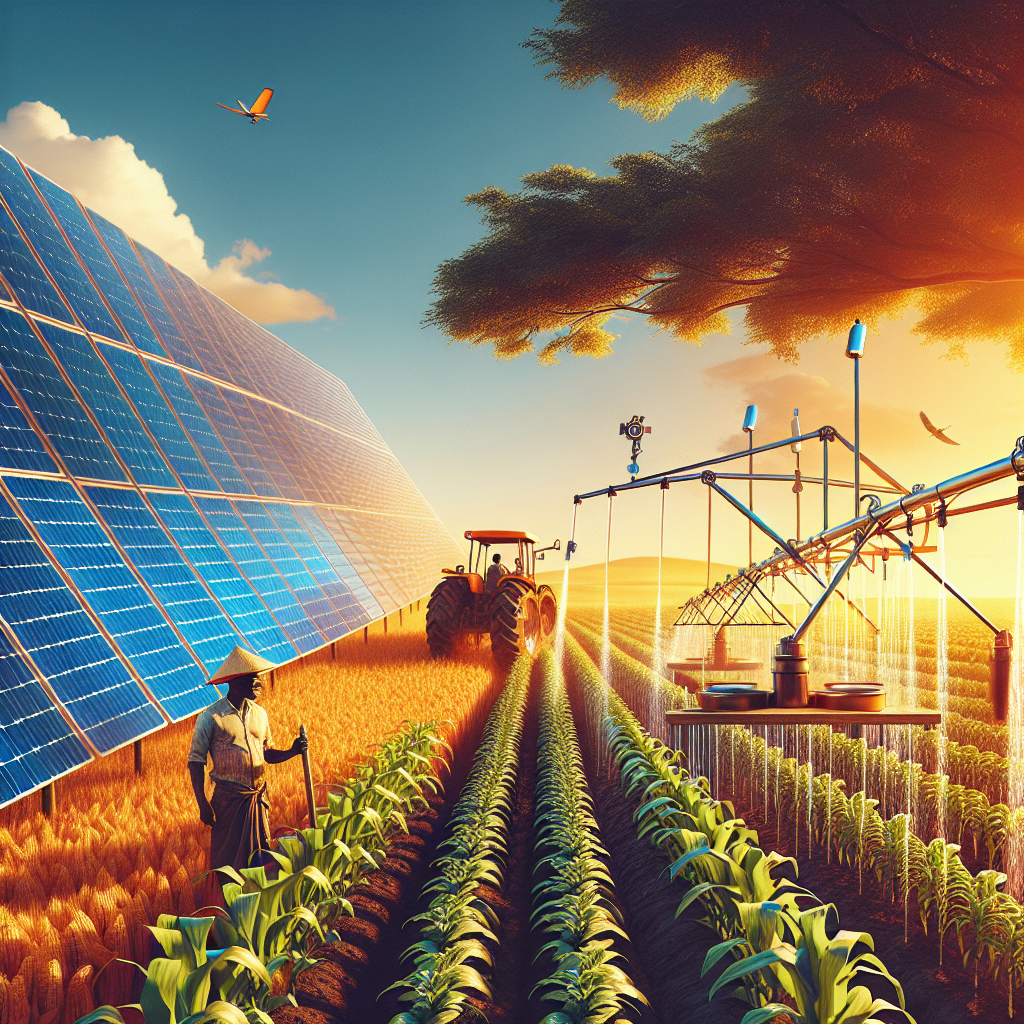
Elevating Farm Productivity with Solar Irrigation
Switching to solar irrigation isn’t just about going green; it’s about growing green – more efficiently and productively. Embracing solar technology for irrigation can revolutionize the way you farm, from the ground up.
Impact on Crop Yields and Farm Efficiency
Here’s the scoop: solar irrigation can lead to more consistent water delivery, which can help increase crop yields. Plants love routine, and with a reliable solar system, you can give them exactly that. Plus, efficient water use means less waste and lower operating costs. It’s a win-win – your crops get the hydration they need, and you get to keep more green in your pocket.
Environmental Benefits and Sustainable Farming Practices
But it’s not just about profit; it’s about the planet. Solar irrigation slashes your carbon footprint, making your farm a beacon of sustainability. By harnessing the sun’s power, you’re reducing reliance on fossil fuels and conserving water. And let’s not forget the feel-good factor – knowing you’re doing your part for the earth while feeding your community is as nourishing to the soul as it is to the soil.

Turning a New Leaf: Embracing Solar Evolution in Agriculture
The world of farming is as dynamic as the weather, and staying ahead means keeping up with technology. Solar irrigation is at the forefront of agricultural innovation, and it’s reshaping the landscape of farming.
Staying Ahead with Technological Advancements
Today’s solar tech is smarter, more efficient, and more affordable than ever. With advancements like high-efficiency panels and AI-driven irrigation systems, solar is not just an alternative; it’s becoming the standard. By adopting these technologies, you’re not just keeping up; you’re setting the pace, ensuring your farm remains competitive and future-ready.
Community and Government Support for Solar Initiatives
And guess what? You’re not alone. Communities and governments worldwide are rooting for renewable energy, offering support through incentives, grants, and educational programs. This support can make the transition to solar irrigation smoother and more affordable, opening doors to a community of like-minded farmers who are ready to share their experiences and knowledge.

The Bright Path Forward: Your Next Steps
Now that you’re armed with knowledge about solar irrigation systems, it’s time to take action. Begin by assessing your farm’s specific needs and resources. Reach out to local solar providers, investigate financial incentives, and start planning your transition to solar power. Remember, every step you take towards solar irrigation is a step towards a more sustainable and profitable farming future. Embrace the change, and watch your farm thrive under the sun’s generous rays.
FAQ: Harnessed Sunshine and Water Flow
Still have questions? No worries. Let’s tackle some of the most common queries farmers have when considering the leap to solar-powered irrigation.
What’s the difference between on-grid and off-grid solar farm irrigation systems?
On-grid systems are connected to the public electricity grid and can offset costs through net metering, while off-grid systems operate independently with battery storage and are perfect for remote locations. The choice depends on your farm’s location, energy needs, and your personal preferences for independence and reliability.
How does net metering work with on-grid systems?
Net metering is like a give-and-take with your utility company. When your solar panels produce more electricity than you need, the excess is sent to the grid, and you get credits on your electricity bill. When your system isn’t producing enough, you can use those credits to draw power from the grid without extra cost.
What are the initial costs for setting up an off-grid solar irrigation system?
Off-grid systems typically require a larger upfront investment due to the cost of solar panels, batteries, and additional equipment. However, the exact cost varies based on system size and your specific farm needs. It’s best to get a customized quote from a solar provider who understands agricultural demands.
Can I upgrade from an on-grid to an off-grid system, or vice versa?
Yes, it’s possible to switch between systems. Upgrading to off-grid might involve adding batteries and a charge controller, while moving to on-grid could mean removing those and ensuring your system is compatible with utility requirements. It’s a significant change either way, so professional guidance is essential.
What are the long-term benefits of solar farm irrigation systems?
Solar irrigation systems can offer numerous long-term benefits, including reduced energy bills, increased energy independence, and a smaller carbon footprint. They also provide a reliable water source for your crops, which can lead to improved yields and more predictable farming outcomes. Plus, you’re investing in technology that aligns with a global shift towards sustainable practices.
Conclusion: Which Solar Irrigation System is Right for Your Farm
So, you’ve got the facts, weighed the benefits, and pictured the future. Now it’s decision time. Whether on-grid or off-grid, the right solar irrigation system for your farm hinges on your unique circumstances – your location, energy needs, and long-term goals. Consider the financials, sure, but also consider the legacy you’re building. Your choice today will shape your farm for years to come, so choose the path that aligns with your vision of a thriving, sustainable farm. The future is bright, and it’s powered by the sun.
In conclusion, whether you opt for an on-grid or off-grid solar irrigation system, you’re making a wise choice for the future of your farm. Solar power offers an environmentally friendly, cost-effective way to ensure your crops are well-watered and thriving. By harnessing the sun’s energy, you’re not just cultivating your land; you’re cultivating a legacy of sustainability and resilience. So, take the next step, reach out to solar experts, and begin your journey to a brighter, greener farming future.