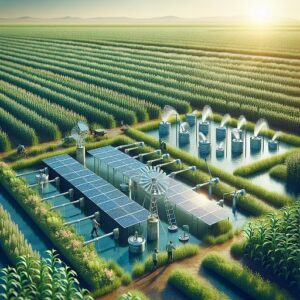
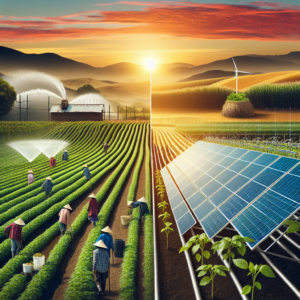
As we dive into the world of sustainable farming and specifically the impact of solar panels on farm profitability, it’s crucial to grasp the cost-benefit analysis and potential return on investment (ROI) that solar technology can bring to the agricultural sector. Harnessing the power of the sun isn’t just about being eco-friendly; it’s a strategic financial decision that can significantly cut costs and increase earnings for farms.
Key Takeaways
-
Solar panels can dramatically reduce a farm’s electricity expenses, leading to substantial savings.
-
Initial investments in solar technology can be offset by grants, incentives, and long-term energy savings.
-
The profitability of a solar farm hinges on careful planning and taking advantage of funding opportunities.
-
Understanding the break-even point and long-term gains is essential for assessing the viability of solar panels on a farm.
-
Environmental benefits such as reduced carbon footprint can also lead to government credits and additional savings.

Shedding Light on Solar: An Economic Opportunity for Farmers
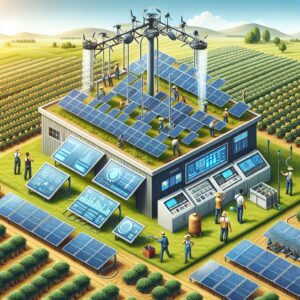
When we talk about solar power on farms, we’re looking at a game-changer in how farmers manage their energy needs and expenses. Think about it: the sun is a powerful, free energy source, and with the right setup, you can tap into this resource to power your farm’s operations. This isn’t just about being green; it’s about keeping more green in your pocket.
Understanding the Use of Solar Power for the Farms Energy Needs
Modern farms are energy-intensive operations. From irrigation pumps to automated feeders and coolers, energy consumption can take a big bite out of your profits. But imagine if you could drastically cut your electricity bills or even eliminate them. That’s where solar panels come in. They’re like your personal power station, churning out electricity whenever the sun’s shining.
Now, you might wonder about cloudy days or shorter winter daylight hours. Here’s the thing: solar panels still work under indirect sunlight, and excess energy can be stored in batteries or sold back to the grid in some regions. This means you’re not just saving money; you could also be making money.
Estimating Your Solar Savings
Let’s break it down. To estimate your potential savings, you’ll need to look at a few factors:
-
Current energy usage: How much power does your farm use?
-
Electricity rates: What’s the cost of your current electricity supply?
-
Solar potential: How much sun does your location get?
-
System size: How many panels will you need to meet your energy needs?
By crunching these numbers, you can get a rough idea of the savings you’re looking at. But remember, this is a ballpark figure. For a precise estimate, it’s best to consult with a solar energy expert who can assess your specific situation.
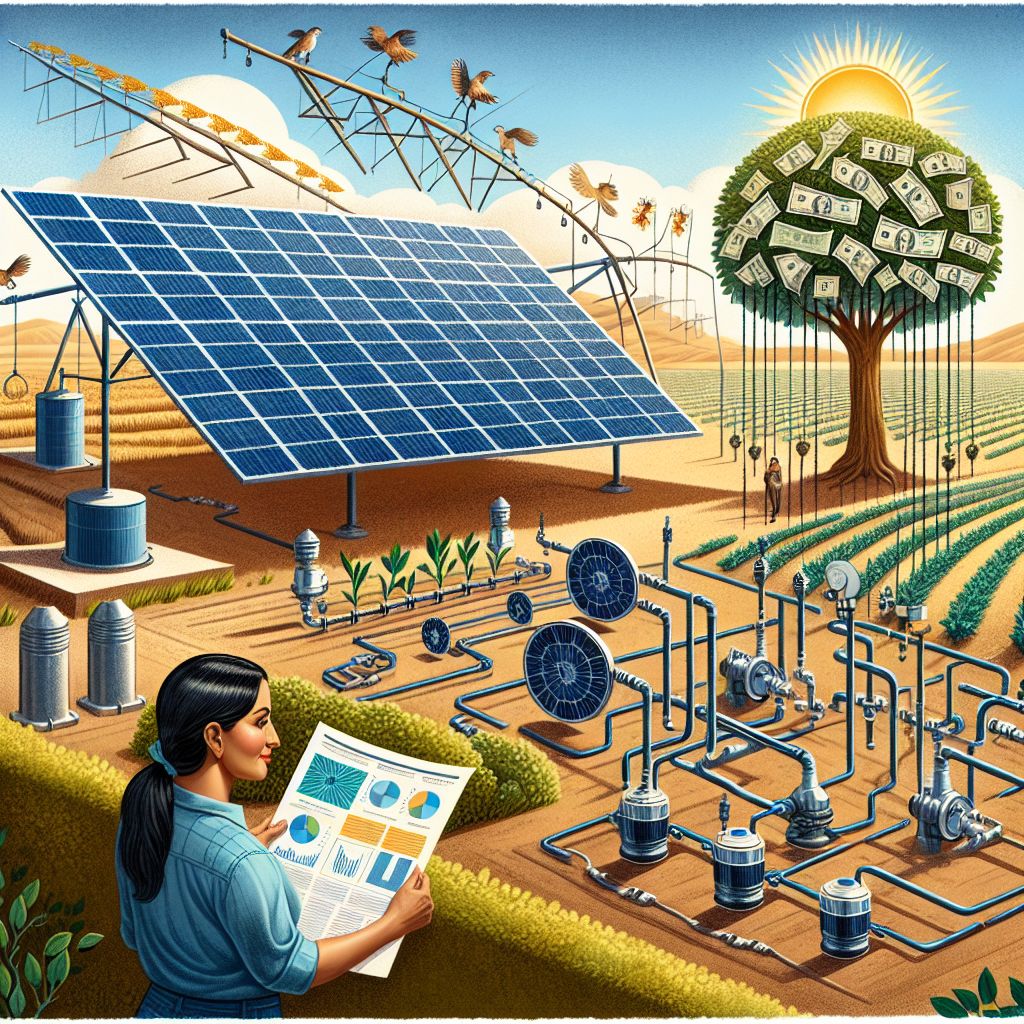
Calculating Costs: Investing in Solar Panels
With the rising cost of electricity and the increasing awareness of the impact of traditional energy sources on the environment, many farmers are turning to solar energy as a sustainable and cost-effective alternative for powering their irrigation systems. The initial cost of installing a solar panel system for irrigation can be significant, but the long-term benefits far outweigh the upfront investment. The cost of a solar panel system will depend on several factors such as the size of the system, the type and quality of panels, and the location of the farm.
Upfront Investment and Long-term Benefits
Yes, there’s an upfront cost to solar panels, but let’s put this into perspective. Investing in solar is like planting a seed that grows into a money tree. Initially, you’ll need to shell out some cash for the equipment and installation. However, once that’s done, you’re looking at very low maintenance costs and a long lifespan for your panels – often 25 years or more.
Most importantly, after the initial payback period for solar panels, which can vary but often ranges from 5 to 10 years, you’re essentially getting free electricity for the remainder of your system’s life. That’s decades of savings on your energy bills, which can be a significant amount.
This below table outlines the costs associated with investing in solar panels for an irrigation system on a farm:
|
Cost Item |
Description |
Cost (USD) |
|---|---|---|
|
Solar Panels |
Purchase and installation of solar panels |
$10,000 – $50,000 (depending on size and capacity) |
|
Mounting Equipment |
Mounting racks or frames for solar panels |
$500 – $2,000 |
|
Inverter |
Converts DC electricity from solar panels to AC |
$1,000 – $3,000 |
|
Battery Bank |
Optional for energy storage |
$2,000 – $10,000 (depending on capacity) |
|
Charge Controller |
Regulates the voltage and current from solar panels |
$500 – $1,500 |
|
Wiring and Installation |
Electrical wiring and labor costs |
$1,000 – $5,000 (depending on complexity) |
|
Permitting and Inspections |
Fees for permits and inspections |
$500 – $2,000 |
|
Maintenance |
Regular maintenance and cleaning |
$200 – $500/year (estimated) |
|
Total Initial Investment |
Sum of all the above costs |
$15,700 – $73,000 (estimated range) |
It’s important to note that these costs can vary greatly depending on factors such as the size of the system, location, local regulations, and any additional features or customization required. Additionally, there may be potential savings from government incentives or rebates for renewable energy installations.
Grants and Incentives: Funding Your Solar Journey
Now, let’s sweeten the pot. Governments and various organizations offer grants, incentives, and rebates to encourage the adoption of solar energy. These can cover a substantial portion of your initial costs, making solar more affordable than ever. It’s worth exploring options like the Rural Energy for America Program (REAP) which provides financial assistance for renewable energy systems on farms.
Keep an eye out for:
-
Federal and state tax credits
-
Grants from the government or agricultural organizations
-
Net metering programs that pay you for excess energy produced
With these incentives, the cost of going solar becomes much more manageable, and the ROI becomes even more attractive.
Moving forward, let’s talk numbers and see how investing in solar panels really pays off. The return on investment (ROI) for solar energy can be impressive, but it’s crucial to consider the whole picture. The ROI will depend on several factors, including the cost of the system, the amount of electricity generated, savings on utility bills, and any additional incentives or income from selling excess power.
Reaping Returns: Profitability of Solar Farms
Let’s look at how solar panels can be used in irrigation systems on farms. Traditionally, irrigation systems were powered by electricity, diesel, or gasoline generators. These methods not only require a constant supply of fuel but also contribute to air pollution. On the other hand, solar panels provide a clean and renewable source of energy to power irrigation systems. By using solar panels, farmers can reduce their reliance on fossil fuels and decrease their carbon footprint.
One of the main advantages of using solar panels for irrigation systems is the cost savings. Although the initial investment in purchasing and installing solar panels may seem high, it can lead to significant long-term savings. Solar panels have a lifespan of 25-30 years, and the cost of maintenance is relatively low. This means that farmers can save on electricity costs for decades to come.
Analyzing Return on Investment (ROI)
To calculate ROI, you’ll subtract the initial investment from the total gains, then divide that number by the initial investment. Here’s the kicker: the gains from solar panels aren’t just from direct savings on your energy bills. If your local regulations allow, you can also earn by feeding surplus energy back into the power grid. Plus, solar panels often increase property value, adding another layer to your investment’s profitability.
Break-even Point and Beyond: Long-term Financial Gains
The break-even point is when the savings from your solar panels cover the initial setup costs. This is a pivotal moment in your solar journey. After this point, you’re essentially making money every time the sun shines. And since solar panels have a long lifespan, you can expect to see substantial financial gains for many years post break-even.
For example, if your solar setup costs $20,000 and you save $2,000 annually on energy bills, your break-even point would be in 10 years. But since panels often last 25 years or more, you could enjoy 15+ years of pure profit. That’s a compelling argument for solar energy as a wise financial move for farmers.

Operational Factors: Maximizing Solar Efficiency
It’s not just about having solar panels; it’s about making them work hard for you. To maximize the efficiency of your solar setup, you need to consider several operational factors. This includes everything from the placement and angle of your panels to the type of technology you choose.
Site Selection: Sunlight and Land Usage
Where you place your solar panels is critical. You want to capture as much sunlight as possible. This means considering the direction and angle of your panels, as well as any potential shading from trees or buildings. Additionally, think about dual land use. Agrivoltaics, combining agriculture and solar farming, can be a smart way to maximize land use. For example, certain crops can thrive under the partial shade of solar panels, creating a symbiotic relationship between energy and agriculture.
Maintenance and Upkeep: Ensuring Peak Performance
Maintenance is key to keeping your solar panels at peak performance. Thankfully, solar panels are low-maintenance. Regular cleaning to remove dirt, leaves, and snow, and occasional checks for damage or wear and tear are usually all that’s needed. This small investment in time can ensure your panels are generating as much power as possible, which directly translates to more savings or income for you.
Remember, dusty or dirty panels can reduce efficiency by up to 25%. So, keeping them clean is not just about aesthetics; it’s about economics.
Now, let’s consider the broader impact of your choice to go solar. Not only are you saving money, but you’re also contributing to a healthier planet. The environmental benefits of solar energy are significant and should be part of your decision-making process.
Right below is table outlining operational factors to consider for maximizing the efficiency of a solar setup for an irrigation system on a farm:
|
Operational Factor |
Description |
|---|---|
|
Location |
Ensure optimal placement of solar panels for maximum sunlight exposure. Consider local weather patterns and shading from nearby structures or vegetation. |
|
Panel Orientation |
Orient solar panels to maximize sunlight exposure throughout the day, typically facing south in the Northern Hemisphere and north in the Southern Hemisphere. Adjust tilt angle based on latitude for seasonal variation. |
|
Panel Efficiency |
Choose high-efficiency solar panels to maximize energy production per unit area. Consider factors such as temperature coefficient, degradation rate, and manufacturer warranties. |
|
Battery Storage |
Incorporate battery storage to store excess energy generated during sunny periods for use during cloudy days or at night, ensuring continuous operation of the irrigation system. |
|
Pump Efficiency |
Select an efficient water pump matched to the solar system’s output to minimize energy wastage and ensure optimal water delivery to crops. Consider factors such as flow rate, head pressure, and pump type. |
|
Irrigation Schedule |
Implement an irrigation schedule aligned with peak sunlight hours to maximize water absorption by plants and minimize evaporation losses. Utilize smart irrigation controllers for efficient water usage based on soil moisture levels and weather forecasts. |
|
Monitoring & Maintenance |
Regularly monitor system performance and conduct maintenance to ensure optimal efficiency. This includes cleaning solar panels, inspecting wiring connections, and troubleshooting any issues promptly to prevent downtime. |
|
Scalability |
Design the solar irrigation system with scalability in mind to accommodate future expansion of the farm or additional irrigation needs. Ensure compatibility with modular components for easy integration and upgrades. |
The Environmental Dividend: Solar Farms as Sustainable Practice
By switching to solar power, you’re reducing your farm’s carbon footprint. This means less greenhouse gas emissions and a smaller contribution to global warming. It’s a win-win: you’re saving money and helping save the environment.
Carbon Footprint Reduction Benefits
Every kilowatt-hour (kWh) of solar power significantly reduces carbon dioxide (CO2) emissions compared to traditional fossil fuels. This is a big deal because CO2 is a major contributor to climate change. By going solar, you’re making a direct impact on reducing these emissions.
It’s also worth noting that solar farms can improve local air quality by reducing pollutants released by burning fossil fuels. This can have a positive effect on public health and the health of your crops and livestock.
Government Policies and Environmental Credits
Besides the tangible financial returns, there’s another aspect of solar farming that can benefit your wallet: environmental credits. Governments around the world are offering various schemes to reward the use of clean energy. These can include carbon credits, renewable energy certificates, or direct subsidies for using renewable resources.
For instance, under the right program, every unit of clean energy you produce could be earning you credits that can be sold or traded, providing an additional revenue stream. This is not just about doing good; it’s about getting rewarded for it.
Frequently Asked Questions (FAQ)
What is the average cost of setting up a solar farm?
The cost of setting up a solar farm can vary widely based on factors like location, the scale of the operation, and the type of solar panels used. However, to give you a ballpark figure:
-
Small-scale installations might start around $20,000.
-
Commercial-scale solar farms can cost upwards of $1 million.
These figures include the cost of solar panels, inverters, mounting equipment, wiring, and installation. Remember, financial incentives can significantly reduce the net cost.
How long does it take for a solar farm to become profitable?
The profitability timeline for a solar farm depends on various factors, including initial costs, financing terms, incentives, and the cost of electricity in your area. Generally, solar farms reach their break-even point within 5 to 10 years. With a lifespan of 25 years or more for most solar panels, the following years can be highly profitable.
Can solar farming be combined with traditional agriculture?
Absolutely! Agrivoltaics, the co-development of land for both solar photovoltaic power as well as for agriculture, is a growing trend. For instance, certain crops that prefer partial shade can benefit from being grown under solar panels, while the panels can benefit from the cooler microclimate created by the plants.
What maintenance is required for a solar farm?
Solar farms require minimal maintenance, which typically includes:
-
Regular cleaning of panels to remove dust, dirt, and other debris.
-
Inspections for damage or wear and tear, especially after extreme weather events.
-
Monitoring system performance to ensure everything is operating efficiently.
Staying on top of these tasks ensures your solar farm operates at peak efficiency.
Are there any risks associated with investing in solar farm infrastructure?
As with any investment, there are risks to consider with solar farms:
-
Technological advancements could make current systems obsolete more quickly than anticipated.
-
Unexpected maintenance issues or system failures could affect profitability.
-
Changes in government policies or incentives could impact the financial returns.
However, careful planning and risk management can mitigate many of these concerns.
Conclusion: Is Using Solar Panels on a Farm a good Investment for Farmers?
So, is jumping on the solar bandwagon a wise move for farmers? Based on everything we’ve covered, it’s clear that solar panels can be a fantastic investment for those in the agricultural sector. With the right setup and conditions, solar energy can slash electricity bills, provide a new income stream, and even increase property value. Not to mention, it’s a step forward in sustainable farming practices.
But remember, every farm is unique, and what works for one may not work for another. It’s essential to do your homework, crunch the numbers, and perhaps most importantly, seek advice from experts in the field. With careful planning and consideration, solar panels can indeed be a shining beacon of profitability on your farm.