
Article-at-a-Glance
-
Lead-acid batteries are cost-effective and reliable, ideal for solar irrigation systems, especially in off-grid setups.
-
They offer a balance between initial investment and long-term savings, with a lower upfront cost compared to other battery types.
-
Understanding the lifespan and maintenance requirements is key to maximizing the efficiency of lead-acid batteries in solar systems.
-
Environmental benefits include recyclability, but it’s important to be aware of potential drawbacks such as lower energy density.
-
Proper system integration and maintenance can ensure that lead-acid batteries provide a sustainable solution for solar-powered irrigation.
Shining a Light on Solar Irrigation Systems
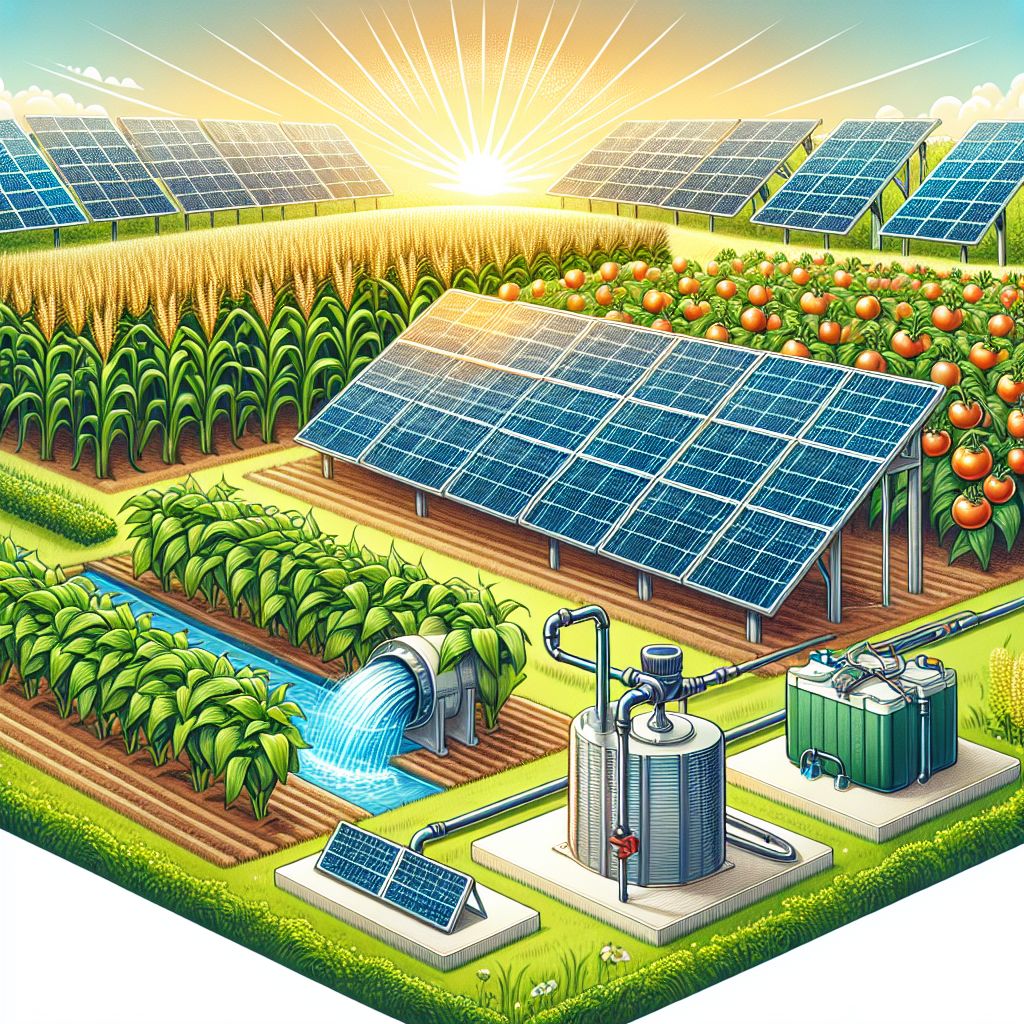
Imagine a farm where the sun not only nourishes the crops but also powers the very system that waters them. This is the reality for those using solar irrigation systems, a sustainable solution that harnesses renewable energy to facilitate agriculture. Solar irrigation systems are changing the game for farmers, enabling them to cultivate land with minimal environmental impact.
Now, let’s delve into the heart of these systems—the batteries. They’re the silent powerhouses storing the sun’s energy for when the clouds roll in or night falls. And when it comes to choosing the right type of battery, farmers need a solution that’s not only effective but also economical.
What Powers Your Farm: The Role of Batteries in Solar Energy
The key to a successful solar irrigation system lies in the ability to store energy. Without this, the pumps would only operate when the sun is shining directly on the solar panels. That’s where batteries come in. They store excess energy produced during sunny periods so that the irrigation system can keep running through the night or during cloudy weather. The right battery can make or break the efficiency of your solar irrigation system.
Lead-Acid Batteries: The Unsung Heroes of Solar Systems
Among the different types of batteries, lead-acid batteries have stood the test of time. They’ve been used for over a century, and their technology is well-understood and reliable. When it comes to solar irrigation, these batteries bring a lot to the table. They are particularly appealing to farmers who need a dependable system without breaking the bank.
Storing Sunshine: Why Lead-Acid Batteries Fit the Bill
Lead-acid batteries are like the workhorses of the energy storage world. They’re robust, they’ve been around for a long time, and most importantly, they’re affordable. These batteries are particularly suitable for solar irrigation systems because they can handle the cyclic charge and discharge that comes with the daily rhythm of the sun.
But, it’s not just about being able to store energy. It’s about doing so efficiently and cost-effectively. Here’s where lead-acid batteries shine. They offer a lower cost per kilowatt-hour stored compared to newer technologies like lithium-ion. This makes them a solid choice for farmers who need to balance the books while also looking after their crops.
The Price is Right: Cost-Effectiveness of Lead-Acid Batteries
When we talk about cost-effectiveness, we’re looking at more than just the sticker price. Sure, lead-acid batteries have a lower upfront cost. But what really matters is the total cost of ownership. This includes the initial investment, maintenance costs, lifespan, and eventual disposal or recycling. For many farmers, the numbers add up in favor of lead-acid batteries.
Going the Distance: Understanding Battery Lifespan and Reliability
Reliability is another cornerstone of a successful solar irrigation system. Lead-acid batteries have a proven track record of reliability, which is why they’re often the go-to choice for off-grid solar systems. While they may not last as long as some modern alternatives, with proper care, lead-acid batteries can serve your irrigation needs for years to come.
Keep It Green: Environmental Benefits of Lead-Acid Batteries
One of the main reasons farmers turn to solar irrigation is to reduce their environmental footprint. Lead-acid batteries complement this goal nicely. They’re highly recyclable, with the majority of the battery’s components being reusable. This means that when a battery reaches the end of its life, it doesn’t have to end up in a landfill.
Besides that, the production process of lead-acid batteries is well-established and has been optimized over the years to minimize waste and environmental impact. This makes them a green choice for an eco-conscious farmer looking to harness solar power for irrigation.
This below table will show advantages of using lead-acid batteries in solar irrigation systems:
|
Advantages of Using Lead-Acid Batteries on Solar Irrigation Systems |
|---|
|
1. Cost-Effectiveness: Lead-acid batteries are relatively inexpensive compared to other types of batteries, making them a cost-effective choice for powering solar irrigation systems. |
|
2. Well-Established Technology: Lead-acid batteries have been widely used for decades and their technology is well understood, making them a reliable option for solar irrigation systems. |
|
3. Deep Discharge Tolerance: Lead-acid batteries can withstand deep discharges without significantly affecting their lifespan, making them suitable for applications with fluctuating energy demands like solar irrigation systems. |
|
4. Maintenance-Friendly: Lead-acid batteries are relatively easy to maintain and troubleshoot, with simple maintenance tasks such as regular topping up of electrolyte levels. |
|
5. Recyclability: Lead-acid batteries are highly recyclable, with most components being reusable or reclaimable, reducing environmental impact and promoting sustainability. |
|
6. Wide Availability: Lead-acid batteries are widely available globally, making them accessible for procurement and replacement in remote locations where solar irrigation systems are often deployed. |
|
7. Adequate Performance in Wide Temperature Ranges: Lead-acid batteries perform well across a wide range of temperatures, which is beneficial for solar irrigation systems operating in diverse climates. |
|
8. Overcharge Tolerance: Lead-acid batteries can tolerate overcharging to some extent without significant damage, which helps protect them from potential damage due to variations in solar energy input. |
|
9. Compatibility: Lead-acid batteries are compatible with many types of solar charge controllers and inverters commonly used in solar irrigation systems, simplifying system integration and maintenance. |
These advantages demonstrate the suitability of lead-acid batteries for powering solar irrigation systems, particularly in off-grid and remote agricultural settings.
Are There Any Drawbacks on Using Lead-Acid Batteries on a Solar Irrigation Systems
While lead-acid batteries have many advantages, it’s important to acknowledge that they’re not perfect. One of the main drawbacks is their lower energy density compared to newer battery technologies. This means they’re bigger and heavier for the same amount of energy storage.
This below table will show disadvantages of using lead-acid batteries in solar irrigation systems:
|
Disadvantages of Using Lead-Acid Batteries on Solar Irrigation Systems |
|---|
|
1. Limited Cycle Life: Lead-acid batteries have a limited number of charge-discharge cycles compared to other battery technologies, resulting in shorter overall lifespan. |
|
2. Weight and Size: Lead-acid batteries are heavy and bulky, which may pose challenges for transportation, installation, and handling, especially in remote or off-grid locations. |
|
3. Environmental Impact: Lead-acid batteries contain lead and sulfuric acid, which are hazardous materials and require careful disposal or recycling processes to prevent environmental pollution. |
|
4. Sensitive to Temperature Extremes: Lead-acid batteries’ performance can be significantly affected by temperature extremes, leading to reduced efficiency and lifespan in harsh environmental conditions. |
|
5. Self-Discharge Rate: Lead-acid batteries have a relatively high self-discharge rate compared to some other battery types, leading to energy loss over time, especially in long-term storage or infrequently used systems. |
|
6. Limited Depth of Discharge: For optimal lifespan, lead-acid batteries should not be discharged beyond a certain depth, which may limit the usable capacity of the battery and require oversizing to meet energy requirements. |
|
7. Potential for Sulfation: If not properly maintained or charged, lead-acid batteries can experience sulfation, which reduces capacity and performance over time, necessitating replacement or costly restoration procedures. |
|
8. Charging Efficiency: Lead-acid batteries have lower charging efficiency compared to some other battery chemistries, resulting in longer charging times and potentially higher energy losses during charging. |
|
9. Performance Degradation Over Time: Like all batteries, lead-acid batteries experience performance degradation over time, with reduced capacity and efficiency occurring as the battery ages, requiring periodic replacement. |
Despite these limitations, lead-acid batteries remain a popular choice for solar irrigation systems due to their affordability and reliability. With the right setup and maintenance, they can be a valuable component of a sustainable agricultural practice.

Connecting the Dots: Integrating Lead-Acid Batteries with Solar Irrigation
Integrating lead-acid batteries into a solar irrigation system requires careful planning and design. The capacity of the battery should match the energy demands of the irrigation system, ensuring that there’s enough power to run the pumps when sunlight isn’t available. The system should also be designed to charge the batteries efficiently during peak sunlight hours.
-
Calculate the energy requirements of your irrigation system.
-
Select a battery with sufficient capacity to meet these demands.
-
Design the system to maximize charging during sunlight hours.
With thoughtful integration, lead-acid batteries can provide a reliable and cost-effective energy storage solution for solar-powered irrigation systems, ensuring that crops receive the water they need, whenever they need it.
Wiring for Efficiency: Setting Up Your Solar Battery System
To set up your solar battery system for maximum efficiency, it’s crucial to use the right wiring and components. This ensures minimal energy loss and protects the system from potential damage. Use thick, high-quality cables to reduce resistance, and make sure all connections are secure and corrosion-free. Properly sized charge controllers and inverters are also essential to manage the energy flow and protect the batteries from overcharging or deep discharging.
Remember, the efficiency of your solar battery system is only as good as its weakest link, so don’t skimp on quality. Investing in the right components now can save you time and money in the long run.
Maintenance Matters: Caring for Your Lead-Acid Battery
Maintenance is crucial for prolonging the life of lead-acid batteries. Regularly check the electrolyte levels and top up with distilled water if necessary. Keep the terminals clean and tight to ensure efficient energy transfer and prevent power loss. It’s also important to monitor the battery’s state of charge and avoid letting it fall below 50%, as deep discharges can significantly shorten its lifespan.
By staying on top of maintenance, you can ensure that your lead-acid batteries remain a reliable and effective component of your solar irrigation system for years to come.
Smart Systems: Automating Irrigation for Optimal Water Usage
Combining solar power with smart irrigation technology can lead to significant water savings and increased efficiency. Automated systems can be programmed to water at the most effective times, reducing evaporation and ensuring that water is delivered directly to the roots where it’s needed most. Sensors can monitor soil moisture and adjust watering schedules based on real-time conditions, preventing both overwatering and underwatering.
By integrating smart technology into your solar irrigation system, you can optimize water usage, save energy, and boost crop yields, all while minimizing your environmental footprint.
Farm Success Stories: Lead-Acid Batteries in Action
Lead-acid batteries have been at the heart of many successful solar irrigation projects around the world. In arid regions, where water is scarce and sunlight is abundant, these systems have transformed barren landscapes into productive agricultural land. For example, a community in a desert region was able to establish a thriving farm by using a solar-powered irrigation system with lead-acid batteries, providing fresh produce and a source of income.
Oasis in the Desert: Lead-Acid and Solar Irrigation at Scale
In a remote desert community, the introduction of a solar irrigation system powered by lead-acid batteries has created an oasis where none seemed possible. The system pumps water from deep wells during the day, storing energy in the batteries, and continues to irrigate crops throughout the night. This continuous supply of water has allowed the community to grow a variety of crops, turning a once-barren land into a lush garden.
Small Plot, Big Yield: Urban Gardening with Solar Power
Urban gardeners are also reaping the benefits of solar irrigation systems with lead-acid batteries. In a small rooftop garden, a compact solar setup powers a drip irrigation system, conserving water and space. The lead-acid batteries store enough energy to maintain the garden, even on cloudy days, ensuring that the plants receive a consistent water supply. This sustainable approach has yielded an impressive harvest in a limited space, demonstrating the versatility of solar irrigation systems.
In conclusion, while lead-acid batteries have some limitations, their advantages in terms of cost, reliability, and environmental benefits make them a solid choice for solar irrigation systems. With careful integration, maintenance, and the use of smart technology, these batteries can play a pivotal role in creating sustainable and productive agricultural practices.
Why Lead-Acid Batteries Make Sense for Your Solar Irrigation System
Lead-acid batteries are the workhorses of solar irrigation system. They’ve been around for a long time, and there’s a good reason for that. They’re reliable, they’re cost-effective, and they do the job well. On a farm, you need a battery that can handle the cyclic nature of solar energy – and lead-acid batteries are up to the task. They store the energy when the sun’s beaming and deliver power when your plants are thirsty, day or night.
Frequently Asked Questions
How do solar irrigation systems save water and energy?
Solar irrigation systems are smart – they use the sun’s energy, which is free and abundant, to power irrigation pumps. This means no reliance on the grid, no burning of fossil fuels, and no monthly energy bills. But the savings don’t stop at energy. These systems can be coupled with timers or moisture sensors to deliver water precisely when and where it’s needed, which means less waste, less runoff, and more savings on your water bill.
Moreover, solar irrigation systems often use drip irrigation, which is a method that slowly drips water directly to the plant’s roots. This reduces evaporation and ensures that every drop of water is used efficiently.
Can lead-acid batteries withstand extreme outdoor conditions?
Yes, lead-acid batteries are designed to withstand the rigors of outdoor conditions. They’re built tough to handle temperature fluctuations, and with proper housing, they can resist moisture and dust. However, extreme cold or heat can affect their performance and lifespan, so it’s important to protect them as much as possible from severe weather.
Remember to check on them periodically and perform any necessary maintenance to ensure they continue to operate efficiently.
Are there government incentives for using solar irrigation systems?
Yes, in many places, there are government incentives for using renewable energy sources like solar power. These can come in the form of tax credits, rebates, or grants. They’re designed to encourage the adoption of sustainable practices by offsetting some of the initial investment costs. It’s worth looking into local programs because they can make a big difference in the affordability of a solar irrigation system.
How often do lead-acid batteries need to be replaced in solar setups?
With proper maintenance, lead-acid batteries in solar setups can last between 3 to 5 years. It’s important to keep them at the right charge level and ensure they’re not subjected to extreme temperatures to maximize their lifespan. Regular checks and maintenance can extend their life even further.
What is the best way to dispose of old lead-acid batteries?
When it’s time to say goodbye to your old lead-acid batteries, it’s important to do it responsibly. Lead-acid batteries are recyclable, and most of the battery’s components can be reclaimed. You should take them to a recycling facility or return them to the supplier. Never throw them in the trash, as they contain materials that can be harmful to the environment.
Conclusion: Is a Lead-Acid Battery a Good Investment for a Farmer’s Solar Irrigation System?
Absolutely. For farmers looking to invest in solar irrigation, lead-acid batteries are a solid choice. They offer the right mix of affordability, reliability, and environmental benefits. While they do have some drawbacks, such as size and maintenance requirements, their proven track record makes them a dependable choice for those looking to integrate solar power into their irrigation practices.






