

Farmer knows that sunlight and water are the lifeblood of their crops. That’s why solar-powered irrigation systems are making such a big splash in the agricultural industry. These systems don’t just offer a renewable source of power for irrigation, they also increase efficiency, which can lead to healthier crops and higher yields. In this article, we’re going to take a closer look at solar irrigation systems, with a special focus on the top models that are changing the face of commercial farming.
Key Points
Solar irrigation systems offer a sustainable way to deliver water to crops on commercial farms, using the power of the sun.
By adopting solar irrigation, farmers can save a significant amount of water and decrease their dependence on non-renewable energy sources.
Top models of solar irrigation systems include solar drip systems, center pivot systems, and micro-sprinkler systems, each of which is suited to different types of crops and sizes of farms.
For solar irrigation systems to remain efficient and effective in the long term, they must be properly installed and maintained.
Farmers who are considering a switch to solar-powered irrigation may be able to take advantage of financial incentives and grants.
Soaking Up the Sun: A New Era of Irrigation in Commercial Farming
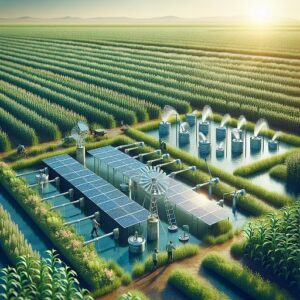
Picture a farm where the irrigation system is powered by the sun’s clean, limitless energy. This isn’t a glimpse into the future—it’s a reality that is already helping farmers to reduce their energy costs, save water, and grow healthier crops. Solar irrigation systems work by using photovoltaic panels to harness solar energy, which is then converted into electricity that powers the water pumps on the farm. This smooth integration of solar power into farming practices is not just sustainable—it’s also a smart financial move.
Farming and Solar Power: A Match Made in Heaven
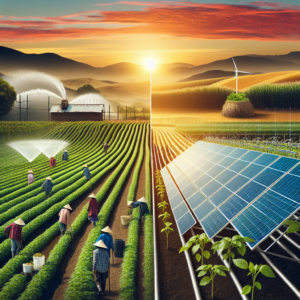
Farming and solar power make a perfect match. The sun that feeds the crops can also power the irrigation systems. By using this combination, farmers can decrease their use of fossil fuels, cut down on greenhouse gas emissions, and reduce their carbon footprint. It’s a victory for both the farm and the environment.
High-Efficiency Systems: A New Era of Irrigation
Efficiency is the name of the game when it comes to modern irrigation. High-efficiency solar irrigation systems are designed to deliver water precisely where and when it’s needed, using the least amount of energy possible. This precision not only saves water but also ensures that crops receive optimal hydration to thrive.

Commercial Solar Irrigation 101: The Basics
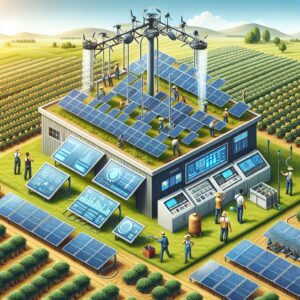
Before we delve into the various types of solar irrigation systems, let’s start with the basics. These systems are made up of a few key parts: solar panels, a controller, pumps, and the irrigation infrastructure itself, like pipes and sprinklers. The solar panels gather sunlight and turn it into electricity, which is then used to power the pumps. The controller handles the flow of electricity and water, making sure the system runs smoothly and efficiently.
The Role of Solar Irrigation in Today’s Farming Industry
For farmers, solar irrigation isn’t just about being environmentally conscious—it’s also a savvy business decision. By incorporating solar power into their operations, farmers can lower their energy costs and insulate themselves from fluctuations in fuel prices. Plus, in remote areas where electricity may not be readily available, these systems can be a game changer.
How Solar-Powered Irrigation Systems Work
Solar-powered irrigation systems are beautifully simple and automated. They require very little human intervention once they’re installed. You can program the controller to water your crops at certain times, taking into account things like humidity, temperature, and soil moisture levels. This gives you a lot of control and helps prevent both overwatering and underwatering, which can harm your crops.

Top Irrigation Systems in the Field
The use of solar irrigation systems in commercial farming is a game-changer in terms of sustainability and cost-effectiveness. These top models are just a few examples of the many innovative solutions available in the market. With the increasing demand for sustainable farming practices, we can expect to see more advancements in this field in the future.
1. Solar Drip Irrigation System
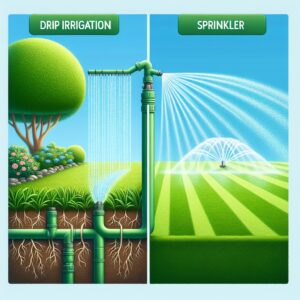
Solar drip irrigation system is designed to deliver water directly to the roots of the plants in a slow and steady manner. Vegetables, Fruits, Nuts, Berries are the perfect crops for this system. It is perfect for areas with limited water resources as it reduces water wastage by up to 50%. The solar drip irrigation system works by using a network of pipes and tubes to deliver water to individual plants, ensuring that each plant receives the required amount of water. This system also comes with a solar-powered pump, making it a self-sufficient and eco-friendly option.
2. Center Pivot Irrigation Systems
Center pivot irrigation system is a popular choice for large-scale commercial farming operations. This system is perfect for row crops (e.g. Corn, Cotton, Potatoes). It works by rotating a circular arm around a central pivot point, delivering water to the crops in a circular motion. The water is pumped from a central source and distributed through sprinklers attached to the arm. The system is controlled by a computer, which adjusts the speed and direction of the arm, ensuring that all crops receive the required amount of water.
3. Micro-Sprinkler Irrigation System
Micro-sprinkler systems are designed to deliver water in a fine mist, similar to rain. It is ideal for farms with high-value crops that require precise and gentle irrigation like orchards and vineyards. The micro-sprinklers are attached to a network of pipes and can be easily adjusted to control the amount and direction of water flow. This system is also suitable for areas with low water pressure, making it a popular choice for commercial farming in remote locations.
Just below is a table showing the top irrigation systems for commercial farmers and the type of crops best for them.
|
Crop Type |
Best Irrigation System |
|---|---|
|
Vegetables, Fruits, Nuts, Berries | |
|
Row Crops (e.g. Corn, Cotton, Potatoes) | |
|
Orchards, Vineyards | |
|
Forage Crops (e.g. Alfalfa, Hay) | |
|
Rice |
Flood/Surface Irrigation 5 |

Making Solar Irrigation Part of Your Commercial Farm
When you bring solar irrigation into your farming business, you’re on the path to being more sustainable and efficient. But it’s crucial to do it right. You need to think about what you’re doing now and what you want to do in the future. So, let’s go over the steps to make sure you can easily switch to solar irrigation.
How to Set Up Your Solar Irrigation System: A Step-by-Step Guide
Firstly, it’s important to evaluate your water requirements and choose the most suitable solar irrigation system for your agricultural needs. This choice depends on several factors, such as the size of your farm, the crops you’re growing, and the climate in your area. After you’ve made your selection, you can start the installation process.
Assess the irrigation needs of your farm.
Select the appropriate type of solar irrigation system.
Seek advice from a solar irrigation specialist for your specific location.
Set up solar panels and link them to the irrigation system.
Set the controller for the best watering times and volumes.
Once the setup is complete, let the sun take over. The panels will produce electricity, the pumps will distribute water, and your crops will thrive, all thanks to clean, renewable energy.
Essential Maintenance for Ongoing Efficiency
Regular maintenance is key to keeping your solar irrigation system functioning at its best. Cleaning solar panels on a regular basis ensures they absorb the maximum amount of sunlight. Inspecting pipes, sprinklers, and pumps for signs of wear and tear can prevent leaks and system failures. Being proactive about maintenance can help you avoid interruptions to your irrigation schedule.
Keep solar panels clean on a regular basis to ensure they are working at their best.
Check for and repair any leaks or damages in the pipes and pumps.
Keep an eye on how the system is performing and make any necessary changes.

How to Tell if It’s Working: The Effect of Solar Irrigation on Yield and Resources
How can you tell if your solar irrigation investment is worth it? The answer is in the numbers. By keeping track of how much water you use, how much energy you save, and how much your crops yield before and after you switch to solar, you can see the difference the system makes. Many farmers find that solar irrigation saves them a lot of resources and gives them better crops.
Success Stories: Thriving Farmers Who Have Gone Solar
Consider the case of John, a vineyard owner in California, who made the switch to solar irrigation two years ago. His water usage has decreased by 30%, and his grape yield has increased, resulting in a more robust and flavorful wine that is flying off the shelves.
Then there’s Maria, who operates a small organic vegetable farm in Texas. She noticed her vegetables were more vibrant and the overall health of her soil improved after she installed a solar drip irrigation system. On top of that, her energy bill is the lowest it’s ever been.
Deep Dive into the Data: Savings and Crop Results
When we analyze the data, the advantages of solar irrigation become clear. On average, farms can expect to use 20-30% less water and see a similar reduction in energy costs. Depending on the type of crop and the efficiency of the irrigation system, crop yields can improve by as much as 25%.
However, the immediate savings are not the only advantage. The long-term environmental benefits include reducing dependence on non-renewable energy sources and saving water, which helps create a healthier planet for future generations.
20-30% less water usage
20-30% lower energy costs
Up to 25% boost in crop yields

Planning Your Solar Journey: Next Steps for Commercial Farmers
Are you ready to dive into solar irrigation? The road ahead is promising. Start by doing your due diligence—research the best systems for your unique needs and seek advice from experts. Look into grants and financial incentives that can help reduce the initial investment. And most importantly, keep your focus on the long-term benefits: a sustainable farm that’s not only more profitable but also better for the planet.
Personalization: Adapting Solar Solutions to Your Land
Every commercial farm is different, and every solar irrigation system is different. Personalization is key to making sure that the system you choose is a perfect match for your land. This could involve tweaking the spacing of drip lines or picking the right sprinkler heads for your micro-sprinkler system. It’s all about finding the perfect balance for your soil and crops.
The below table is talking about personalizing your solar irrigation system for commercial farms:
|
Personalization Factor |
Considerations |
|---|---|
|
Field Size and Shape |
– Adapt layout and coverage of center pivot, linear, or solid set sprinkler systems. 1, 3 |
|
Crop Type |
– Select appropriate sprinkler heads, nozzle sizes, and flow rates for the crop water needs. 1, 3 |
|
Soil Type |
– Modify application rates to match soil intake capacity and prevent runoff or deep percolation. 1, 3 |
|
Water Source |
– Size the solar pump and panels to match the flow rate and pressure requirements of the water source. 2, 4, 5 |
|
Existing Infrastructure |
– Integrate the solar irrigation system with any existing wells, pumps, or piping. 2, 3 |
|
Management Capabilities |
– Select control features like remote access, weather-based scheduling, and expansion capabilities to match the farmer’s needs. 2, 5 |
With the correct arrangement, you’ll be well on your way to a more effective, fruitful, and sustainable farm. Harness the sun’s energy, and let solar irrigation light the way to a more prosperous future for your commercial farming business.
Monetary Motivations: Financing Your Solar Conversion
Moving to solar irrigation can be a substantial commitment, but there are monetary motivations available to help ease the burden. Numerous governments provide grants, tax reductions, and other subsidies to promote the use of renewable energy technologies in farming. These motivations can pay for a part of the initial costs, making solar irrigation systems more economical and appealing to farmers.
In the United States, for example, farmers interested in solar energy can turn to the USDA’s Renewable Energy Systems and Energy Efficiency Improvement Loans and Grants program. The federal Investment Tax Credit (ITC) also offers a tax credit that covers a percentage of the cost of a solar energy system installation. However, it’s important to look into the specific incentives offered in your area, as they can differ greatly from one place to another.
Keep in mind, these incentives aren’t just helpful for getting started, they also play a big role in the ongoing success and profitability of your farm. So, don’t forget to use them to get the most bang for your buck.
Final Thoughts:
Adopting solar irrigation systems is a progressive step for commercial farmers. These systems provide a sustainable and efficient method for using water and energy, both of which are crucial to the success of contemporary agriculture. By selecting the appropriate system, maintaining it correctly, and taking advantage of financial incentives, you can increase your farm’s productivity while also contributing to environmental preservation. Solar irrigation is not just a trend; it’s a practical answer to the problems confronting today’s farmers.
Common Questions
Is Solar Irrigation Effective in Cloudy Climates?
Indeed, solar irrigation can still work well even in climates with less sunshine. Solar panels are now more efficient than ever and can still produce enough power even on overcast days. Additionally, many models come with battery storage to ensure a consistent power source. The key is to have the right system design and make the most out of whatever sunlight is available.
Can Solar Irrigation Systems Work for Small Farms?
Solar irrigation systems are quite flexible and can be adjusted to fit any size farm. Small farms can take advantage of simpler, cheaper solar setups that still greatly decrease water and energy expenses. As a matter of fact, small farms frequently discover that solar irrigation systems provide a fast return on investment because of their lower operating costs.
What is the effect of solar irrigation systems on water conservation?
Solar irrigation systems can improve water conservation. These systems use solar energy to power irrigation pumps, delivering water more efficiently and precisely, which reduces waste. In addition, many solar irrigation systems use smart technology to monitor soil moisture and weather conditions, which further improves water usage.
Delivering water efficiently and precisely can decrease waste.
Intelligent technology can fine-tune water use based on the soil and weather information.
Using solar irrigation can result in a 20-30% decrease in water usage.
How Much Does a High-Efficiency Solar Irrigation Model Usually Cost?
The price of a high-efficiency solar irrigation system can vary, depending on the size of the system and the specific needs of the farm. Generally, the initial investment can range from a few thousand dollars for smaller systems to tens of thousands for larger, more complicated setups. However, when considering the potential savings in energy and water, along with available financial incentives, the long-term benefits often outweigh the upfront costs.
Which Crops are Most Benefitted by Solar Irrigation?
While most crops can gain advantages from solar irrigation, it is especially beneficial for high-value crops such as fruits, vegetables, and nuts. This is because precision irrigation can improve the quality and increase the yield of these crops. Moreover, crops that are grown in dry or drought-prone areas can greatly benefit from the efficient water usage provided by solar irrigation systems.

Leave a Reply