Key Takeaways
-
Solar irrigation systems harness the sun’s energy to water crops, which is both cost-effective and environmentally friendly.
-
The core components of these systems include solar panels, a battery, a pump, and a water level sensor.
-
Installing a solar irrigation system involves selecting the right location and understanding the step-by-step setup process.
-
By reducing reliance on fossil fuels, solar irrigation systems help in lowering the carbon footprint of agricultural practices.
-
These systems are empowering farmers worldwide, especially in areas with limited access to electricity.
Solar Irrigation System Fundamentals
Imagine a farm where the fields are lush and green, the crops are thriving, and the energy to sustain this growth comes directly from the sun. This isn’t a vision of the future; it’s happening right now with solar irrigation systems. These systems are a game-changer for sustainable agriculture, allowing us to water our crops using the most abundant energy source we have—the sun.
What is a Solar Irrigation System?
A solar irrigation system is a setup that uses solar power to operate water pumps for agricultural irrigation. Unlike traditional systems that rely on electricity from the grid or diesel generators, these solar systems use clean, renewable energy, which makes them incredibly eco-friendly. Besides that, they’re also cost-effective in the long run, as they significantly reduce the energy bills associated with running irrigation pumps.
The Science Behind Solar-Powered Water Pumps
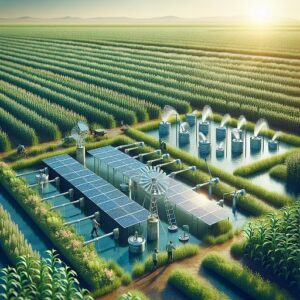
At the heart of a solar irrigation system is the solar-powered water pump. It’s pretty simple when you break it down: solar panels convert sunlight into electricity, which then powers a pump. This pump pulls water from a source—like a well, pond, or stream—and delivers it to the fields. Because the system is powered by the sun, it works best in regions that receive ample sunlight, but with the right setup, it can be efficient even on cloudy days.

The Heart of the System: Solar Irrigation Components
Solar irrigation components are the heart of the farming system, providing a sustainable and efficient way of irrigating crops. They have not only made farming more cost-effective but also reduced the impact on the environment. With the rise in climate change and water scarcity, solar irrigation systems offer a glimmer of hope for the future of farming. It is time for farmers to embrace this technology and reap its benefits.
Solar Panels Power Up the System
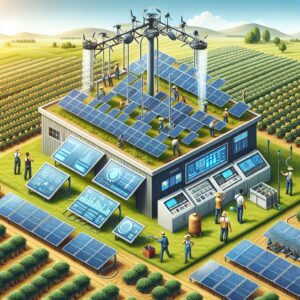
The solar panels are the workhorses of the solar irrigation system. They capture the sun’s energy and convert it into electricity. The efficiency of these panels is crucial because they determine how much water can be pumped. Therefore, they need to be strategically placed to capture maximum sunlight such as a pole or a rooftop. The energy produced by the solar panels is then used to power the other components of the irrigation system.
Battery’s Role in Supporting the Power During the Dark
The battery is the system’s energy storage unit. It ensures that the pump can still operate when the sun isn’t shining, like on cloudy days or at night. It’s like a reservoir of power, keeping the system running smoothly around the clock.
-
Choose batteries with high storage capacity to ensure a consistent water supply.
-
Regular maintenance of batteries is crucial for the longevity of the system.
Most importantly, the integration of batteries into the system provides peace of mind, knowing that the crops will receive water even when the sun takes a break.
Pumps Move the Water
The pump is where the magic happens. It’s the component that moves water from its source to where it’s needed most—the roots of thirsty plants. But it’s not just about moving water; it’s about doing it efficiently. The best solar pumps are designed to maximize water flow while minimizing energy use.
Water Sensor Controls the Water Flow
Last but not least, the water sensor is the system’s smart manager. These components monitor and regulate the amount of water being delivered to the crops. The sensors measure the moisture level in the soil, and the controller adjusts the water flow accordingly. This ensures that the plants are not over or under-watered, resulting in better crop yields.
This below table shows a more detailed list of key components of a solar-powered irrigation system for a farm:
| Component | Description |
|---|---|
| Solar Panels | Photovoltaic panels that convert sunlight into electrical energy to power the irrigation system. The size and number of panels depends on the water requirements and pump size. 1, 3, 4 |
| Charge Controller | Regulates the voltage and current from the solar panels to the battery bank, preventing overcharging and ensuring optimal performance. 1, 3, 4 |
| Battery Bank | Stores the electrical energy generated by the solar panels for use when there is no sunlight, allowing the system to operate at night or on cloudy days. 1, 3, 4 |
| Inverter | Converts the DC electricity from the solar panels/batteries into AC electricity to power the irrigation pump motor. 1, 3, 4 |
| Pump | The electric motor-driven pump that draws water from the source (well, pond, etc.) and distributes it through the irrigation system. Can be surface-mounted or submersible. 1, 3, 4 |
| Irrigation System | The network of pipes, valves, and sprinklers/drip emitters that distributes the water to the crops. Proper design is crucial for efficient water usage. 1, 3, 4 |
| Mounting Structure | The frame that holds the solar panels in the optimal orientation to maximize solar energy capture. Can be fixed or include tracking mechanisms. 1, 3, 4 |
| Control System | Automated controls and sensors that monitor and optimize the irrigation schedule based on factors like soil moisture, weather, and crop water needs. 2, 4 |

Pumping Water Using Solar Power
Now that we’ve covered the basics, let’s dive deeper into how we can use this fantastic technology to keep our fields watered and our conscience clear. After all, watering with the sun isn’t just smart farming; it’s farming with a heart for our planet.
Maximizing Water Flow with the Sun
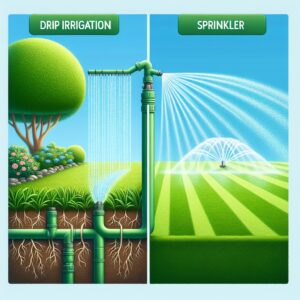
Maximizing water flow is crucial for the efficiency of solar irrigation systems. The trick is to align the water demand of your crops with the energy supply from the sun. This means using water-saving techniques like drip irrigation, which delivers water directly to the plant’s roots, reducing evaporation and runoff. It’s all about smart water management—using what you need, when you need it, without wasting a single drop.
To ensure you’re getting the most out of your solar-powered system, you’ll want to keep the water paths clear and the pumps in tip-top shape. Regular checks and maintenance will prevent blockages and breakdowns that could disrupt the water flow. It’s like keeping the arteries of your irrigation system clear for a healthy, hydrated crop.

Installation Guide
Installing a solar irrigation system is a step towards sustainability, but it needs to be done right. This section will guide you through the process, ensuring your system is set up for success from day one.
Choosing the Right Location
Choosing the right location for your solar panels is the first step. You’ll want a spot that gets plenty of sunlight throughout the day. Avoid areas shaded by trees or buildings, as shadows can significantly reduce the efficiency of your panels. The angle and orientation of the panels also matter—typically, facing them true south in the Northern Hemisphere maximizes sun exposure.
Remember, the closer your water source is to your solar panels and pump, the less energy you’ll lose in transferring the water. Think of it as a short commute for water—it’s quicker, easier, and saves a lot of energy.
Step-by-Step Process
Installing a solar irrigation system isn’t rocket science, but it does require careful planning and execution. Here’s a step-by-step guide to get you started:
-
Assess your water needs: How much water do your crops need, and how often?
-
Calculate the pump size: This depends on the water requirement and the distance it needs to travel.
-
Select the solar panel capacity: Ensure it can generate enough power for the pump, even on less sunny days.
-
Install the solar panels: Secure them in a location that gets maximum sunlight.
-
Set up the pump and water level sensor: Place them near your water source for efficiency.
-
Connect the system: Wire the solar panels to the pump and battery, making sure all connections are secure.
-
Test the system: Run it for a day or two to ensure everything is working as it should.
With these steps, you’ll have a fully operational solar irrigation system that’s ready to bring life to your crops.

The Ecological Impact
Switching to solar irrigation isn’t just good for your wallet; it’s a boon for the planet too. By relying on the sun’s power, we’re cutting down on fossil fuel use and the greenhouse gas emissions that come with it. In other words, we’re giving the Earth a much-needed breather.
But it’s not just about emissions. Solar irrigation systems are also champions of water conservation. They encourage the use of water-efficient irrigation methods and reduce the over-extraction of water resources, ensuring that our rivers, lakes, and aquifers can sustain us for generations to come.
Reducing the Carbon Footprint in Agriculture
Traditional irrigation systems are often powered by diesel generators, which are notorious for their carbon emissions. By switching to solar irrigation solutions, we’re not only reducing the carbon footprint of our farms, but we’re also setting an example for other industries to follow. It’s a powerful statement: we can meet our needs without compromising the health of our planet.
“For every drop of water saved, we save a piece of our future. And for every kilowatt-hour of solar energy used, we step further away from a fossil-fueled past.”
This mindset shift is crucial for the long-term sustainability of agriculture and the well-being of our environment.
Water Conservation Techniques in Solar Irrigation
Conserving water is a big part of the solar irrigation equation. Techniques like drip irrigation, as mentioned earlier, are just the start. There’s also rainwater harvesting, where we collect rain to use for irrigation, and soil moisture sensors that tell us exactly when—and how much—water our crops need. It’s all about precision and efficiency.
These techniques not only save water but also ensure that every drop is used to its fullest potential. And when we use water wisely, we’re also protecting our local ecosystems, keeping our waterways clean, and supporting biodiversity.
Real-World Applications and Success Stories
Solar irrigation systems are more than just a concept; they’re making a tangible difference in the lives of farmers around the world. Let’s take a look at some real-world success stories that illustrate the impact of this technology.
Case Studies: Solar Irrigation Boosting Crop Yields
In regions where electricity is scarce or expensive, solar irrigation has revolutionized farming. For example, farmers in sub-Saharan Africa have seen their crop yields soar thanks to the reliable water supply provided by solar pumps. With the sun as their ally, they’re growing more food, feeding more people, and building stronger communities.
Solar Irrigation Empowering Small-Scale Farmers
It’s not just about the big farms; small-scale farmers are reaping the benefits too. Solar irrigation systems are scalable, meaning they can be tailored to fit the needs of any size operation. This flexibility has allowed smallholders to grow crops year-round, increasing their income and resilience against climate variability.
Take Maria, a smallholder farmer in Nicaragua, who used to struggle with erratic rainfall patterns. After installing a solar irrigation system, she’s been able to grow vegetables throughout the year, boosting her family’s income and nutrition. It’s stories like Maria’s that show us the transformative power of solar irrigation.
“Thanks to solar irrigation, I can grow food for my family and sell the surplus at the market. It’s changed our lives.” – Maria, Nicaraguan Farmer
These stories are just a glimpse of what’s possible when we harness the sun’s power for sustainable agriculture. They remind us that with the right technology and a bit of sunshine, we can grow a brighter future for everyone.
Evaluating Costs vs. Benefits
When considering a solar irrigation system, it’s crucial to weigh the initial investment against the long-term savings. Here’s a quick breakdown:
-
Initial costs: Solar panels, batteries, pumps, and installation can range from a few thousand dollars to tens of thousands, depending on the system’s size and complexity.
-
Ongoing savings: Reduced electricity bills, minimal maintenance costs, and the potential for government incentives.
-
Long-term benefits: Increased crop yields, improved resilience to power outages and fuel shortages, and a boost in property value.
While the upfront cost may seem steep, the return on investment is typically realized within a few years, thanks to the savings on energy and water bills. Additionally, solar irrigation systems often have a lifespan of 20 years or more, ensuring that the benefits continue long after the initial costs are recouped.
Financial Aid and Incentives
Thankfully, transitioning to solar irrigation doesn’t have to be a financial burden. Many governments and organizations offer grants, low-interest loans, and tax incentives to encourage the adoption of renewable energy technologies. These financial aids can significantly offset the initial investment and accelerate the payback period.
For instance, the USDA’s Renewable Energy Systems and Energy Efficiency Improvement Loans and Grants provide funding for agricultural producers in the United States. Similar programs exist worldwide, so it’s worth researching what’s available in your area.
FAQs
Let’s address some frequently asked questions to clear up any doubts about solar irrigation systems.
How Much Area Can a Solar Irrigation System Cover?
A solar irrigation system’s coverage depends on the pump’s capacity and the amount of water available. Systems can range from small setups for a backyard garden to large-scale operations covering several acres. It’s all about matching the system’s size to your specific needs.
Can Solar Irrigation Systems Work on Cloudy Days?
Yes, they can! While solar panels are most effective in direct sunlight, they can still generate electricity on cloudy days, albeit at a reduced rate. Plus, with a battery backup, the system can draw on stored energy when the sun’s not shining, ensuring a continuous water supply.
What is the Lifespan of a Solar Irrigation System?
A well-maintained solar irrigation system can last upwards of 20 years. The solar panels themselves often come with a 25-year warranty, while the pumps and batteries may need replacing every 5 to 10 years, depending on usage and maintenance.
Are Solar Irrigation Systems Suitable for all Types of Crops?
Solar irrigation systems are versatile and can be adapted to a wide range of crops and climates. The key is to design the system to meet the specific water requirements of the crops you’re growing. With the right setup, anything from vegetables to orchards can thrive under solar irrigation.
How to Handle Maintenance and Repairs?
Maintenance for solar irrigation systems is generally low-key. Regularly cleaning the solar panels, checking the batteries, and ensuring the pump is free of debris will keep the system running smoothly. If repairs are needed, it’s best to consult with a professional who has experience with solar-powered systems.
-
Clean solar panels every few months to maintain efficiency.
-
Inspect batteries for signs of wear and replace as needed.
-
Keep an eye on the pump’s performance and address any issues promptly.
Conclusion:
Watering with the sun through solar irrigation systems is a smart, sustainable choice that benefits both farmers and the environment. By embracing this technology, we’re taking a significant step towards eco-friendly farming practices that can sustain us well into the future.
As we’ve seen, the advantages of solar irrigation are numerous—from cost savings and water conservation to a reduced carbon footprint and increased crop yields. And with financial aid and incentives available, there’s never been a better time to make the switch.
Remember, every step towards sustainable agriculture is a step towards a healthier planet. So, let’s harness the power of the sun and watch as our crops—and our future—flourish.
“With solar irrigation, we’re not just growing crops; we’re cultivating a legacy of sustainability for generations to come.”