Key Takeaways
-
Rotary-wing drones paired with solar irrigation systems can drastically improve the efficiency of farming operations.
-
These drones offer the ability to collect detailed data on crop health, moisture levels, and nutrient deficiencies.
-
Targeted irrigation based on drone data conserves water and ensures crops receive exactly what they need.
-
Understanding the pros and cons of rotary-wing drones helps farmers make informed decisions about integrating this technology.
-
Regulatory knowledge and proper drone maintenance are crucial for safe and legal drone operations in agriculture.
Soaring Above Fields: How Rotary-Wing Drones Upgrade Farming
Farming is not just about planting seeds and waiting for them to grow. It’s a complex dance of science and technology where every move counts. And when it comes to making smart moves, rotary-wing drones working alongside solar irrigation systems are changing the game. They’re not just flying cameras; they’re data collection powerhouses that provide actionable insights to boost crop health and yields.
Defining Rotary-Wing Drones and Their Role in Precision Agriculture
Let’s break it down: rotary-wing drones are essentially flying robots equipped with propellers that allow them to hover and maneuver with precision. This ability to stay still in the air makes them perfect for capturing high-resolution images and data over specific areas of a farm.
In precision agriculture, these drones are the eyes in the sky, gathering information that’s too detailed for the human eye to catch and too labor-intensive for manual methods. They collect data on plant health, soil conditions, and even water distribution, which leads to smarter farming decisions.
And when you combine these agile flyers with solar irrigation systems, you’re looking at a sustainable solution that uses the power of the sun to water crops. The synergy between these technologies means you can irrigate your fields based on real-time data, ensuring that every drop of water is used efficiently.
Maximizing Crop Yields: What Rotary-Wing Drones Can Do for You
Imagine knowing exactly where, when, and how much to water your crops. That’s the power of data-driven irrigation. With a rotary-wing drone, you can:
-
Map your entire farm in high resolution to understand crop variation across different areas.
-
Identify dry spots or areas with excess moisture and adjust your irrigation accordingly.
-
Monitor crop health regularly to catch issues early, before they affect yield.
These actions lead to healthier plants and, ultimately, more bountiful harvests. It’s about getting the most out of your land and your water.

Boosting Crop Health with Drone Technology
Thriving crops are the heart of a profitable farm, and rotary-wing drones are the stethoscope. By hovering over fields, these drones can spot signs of distress in plants that might otherwise go unnoticed. They can detect variations in color, temperature, and size – all indicators of plant health – that provide critical information for farmers.
Identifying Nutrient Deficiencies from the Sky with Rotary-Wing Drones
Plants speak a silent language that drones understand. Through aerial imagery, drones can identify nutrient deficiencies by analyzing the color and vigor of the plants. This is crucial because catching a deficiency early can be the difference between a bumper crop and a failed harvest. By addressing these deficiencies quickly, farmers can prevent crop loss and maintain high productivity.
Spotting Pests and Diseases with Rotary-Wing Drones Before They Spread
When pests or disease strike, speed is essential. Rotary-wing drones excel at quick, targeted inspections that can reveal the early signs of infestation or sickness. With their help, farmers can act swiftly to isolate and treat affected areas, protecting the rest of their crops from harm.

Water Management: Precision Irrigation with Drones
Water is a precious resource, and agriculture consumes a significant portion of it. Using drones for precision irrigation isn’t just about saving water; it’s about nurturing crops in the most effective way possible.
Conserving Water with Targeted Irrigation Tactics with Data gathered by Rotary-Wing Drones
Rotary-wing drones collect data that can be used to create detailed moisture maps. These maps show exactly where water is needed and where it’s not, allowing farmers to tailor their irrigation practices. This targeted approach not only conserves water but also promotes healthy crop growth by preventing over- or under-watering.
Monitoring Moisture Levels for Healthy Crop Growth with Rotary-Wing Drones
Moisture levels can make or break a harvest. Too little water and crops wilt; too much and they can succumb to root rot or fungal diseases. Drones help monitor these levels across every inch of soil, ensuring that crops get just the right amount of water at the right time.

Getting the Most from Every Acre
Every acre of farmland holds potential, and rotary-wing drones help unlock it. By providing a bird’s-eye view of the land, these drones make it possible to understand the unique characteristics of each plot, leading to smarter farming strategies.
Mapping Farmland for Improved Crop Planting Strategies with Rotary-Wing Drones
Mapping isn’t just about creating a pretty picture of your farm; it’s about understanding the lay of the land. Drones can capture images that reveal elevation changes, water flow patterns, and soil types. With this information, farmers can optimize planting strategies to suit each section of their land, leading to better yields.
Analyzing Terrain Data to Optimize Field Usage
Terrain data isn’t just for large-scale operations. Even small farms can benefit from understanding their land better. Drones can help identify the best areas for certain crops and the most efficient paths for machinery, reducing soil compaction and increasing the longevity of the land.

The Pros and Cons of Using Rotary-Wing Drones with a Solar Irrigation System
Integrating rotary-wing drones with solar irrigation systems brings a host of benefits, but it’s not without its challenges. Let’s weigh the options.
Benefits of Using Rotary-Wing Drones in Conjunction with a Solar Irrigation System for Farmers
The incorporation of rotary-wing drones with solar irrigation systems can greatly benefit farmers in multiple ways. From data collection and maintenance to precision agriculture and crop spraying, these drones can improve the efficiency, productivity, and sustainability of farming practices. As technology continues to advance, it is essential for farmers to embrace these innovations and utilize them to their advantage for a more efficient and sustainable future in agriculture.
Right below is a table showing other benefits of using a rotary drone to collect data for an irrigation system on a farm.
| Benefit | Explanation |
| High-Resolution Imagery | Rotary drones can capture high-resolution aerial imagery of the farm, allowing for detailed analysis of crop health, soil moisture, and irrigation issues. This data can help identify problem areas that need attention. 1, 4 |
| Vertical Takeoff and Hovering | Rotary drones can take off and land vertically, and hover over specific areas of the farm. This allows them to capture detailed, close-up imagery of crops and irrigation infrastructure, which is useful for monitoring and troubleshooting. 2 |
| Small Operational Area | Rotary drones can operate in small spaces and do not require large takeoff and landing areas, making them well-suited for use on smaller or irregularly-shaped farms. This flexibility is advantageous for precision irrigation management. 1 |
| Real-Time Data Collection | Rotary drones can provide real-time aerial data on crop and soil conditions, allowing farmers to quickly identify and address irrigation problems before they become serious issues. This can help optimize water usage and improve overall irrigation efficiency. 1, 4 |
| Cost-Effectiveness | Compared to traditional aerial surveying methods like manned aircraft, rotary drones are a more cost-effective solution for frequent, on-demand data collection to support irrigation management. 2 |
In summary, the high-resolution imagery, vertical mobility, small operational footprint, real-time data, and cost-effectiveness of rotary drones make them a valuable tool for monitoring and managing irrigation systems on farms.
The Downside of Using Rotary-Wing Drones
While the idea of using rotary-wing drones in conjunction with solar irrigation systems may seem like a game-changer for the farming industry, there are several downsides that farmers need to consider. The high cost, limited water capacity, crop suitability, dependence on technology, and sustainability concerns are all factors that must be taken into account before investing in this technology. It is essential for farmers to carefully weigh the pros and cons and consider their specific needs before incorporating drones into their irrigation practices.
Here is a table showing some potential problems with using a rotary drone to collect data for an irrigation system on a farm.
| Problem | Explanation |
| Limited Flight Time | Rotary drones generally have shorter flight times compared to fixed-wing drones, limiting the area they can cover in a single flight. This could make it challenging to survey large farms efficiently. 1, 2 |
| Payload Capacity | Rotary drones may have lower payload capacities, restricting the types of sensors or cameras they can carry. This could limit the quality and resolution of the data collected. 5 |
| Wind Sensitivity | Rotary drones can be more susceptible to wind gusts and turbulence, which could affect the stability and accuracy of the imagery and data collected, especially in open field environments. 1, 2 |
| Operational Area | Rotary drones typically require a smaller takeoff and landing area compared to fixed-wing models, but this smaller operational footprint may still be a challenge on some farms with irregular terrain or obstacles. 1, 3 |
| Image Stitching | Capturing a complete overview of a farm field may require stitching together multiple images taken by a rotary drone, which can be time-consuming and introduce potential alignment issues. 3 |
| Regulatory Compliance | Depending on the location and local regulations, the use of rotary drones for commercial applications like precision agriculture may require additional licensing, training, or operational restrictions. 3 |
These challenges are important to consider when deciding whether to implement this technology on your farm. For more insights, you might want to explore lithium-ion battery efficiency advantages in solar panel irrigation systems.

The Economic Impact of Deploying Rotary-Wing Drones in Fields
The deployment of rotary-wing drones in conjunction with solar irrigation systems has a significant economic impact on the agricultural sector. It not only helps farmers to increase their productivity and profits but also promotes sustainable and efficient farming practices. As this technology becomes more accessible and affordable, we can expect to see a significant transformation in the agricultural industry, leading to a positive impact on the economy as a whole.
Calculating the ROI of Drone Technology in Farming
Let’s talk numbers. When you invest in drone technology, you’re looking at upfront costs for the drone itself, any additional sensors or cameras, and training to use it effectively. But the benefits? They’re substantial. You can expect improvements in crop yields, reduced water usage, and less need for fertilizers and pesticides thanks to the precise data these drones provide. In the long run, these savings can outweigh the initial investment, especially when you consider the added value of healthier crops and land.
Reducing Costs and Elevating Profits Through Efficiency
Efficiency is the name of the game. With rotary-wing drones, you’re not just saving on inputs like water and chemicals; you’re also saving time. Time that can be spent on other aspects of your farm. By pinpointing exactly where your resources need to go, you minimize waste and maximize every minute and every dollar spent.
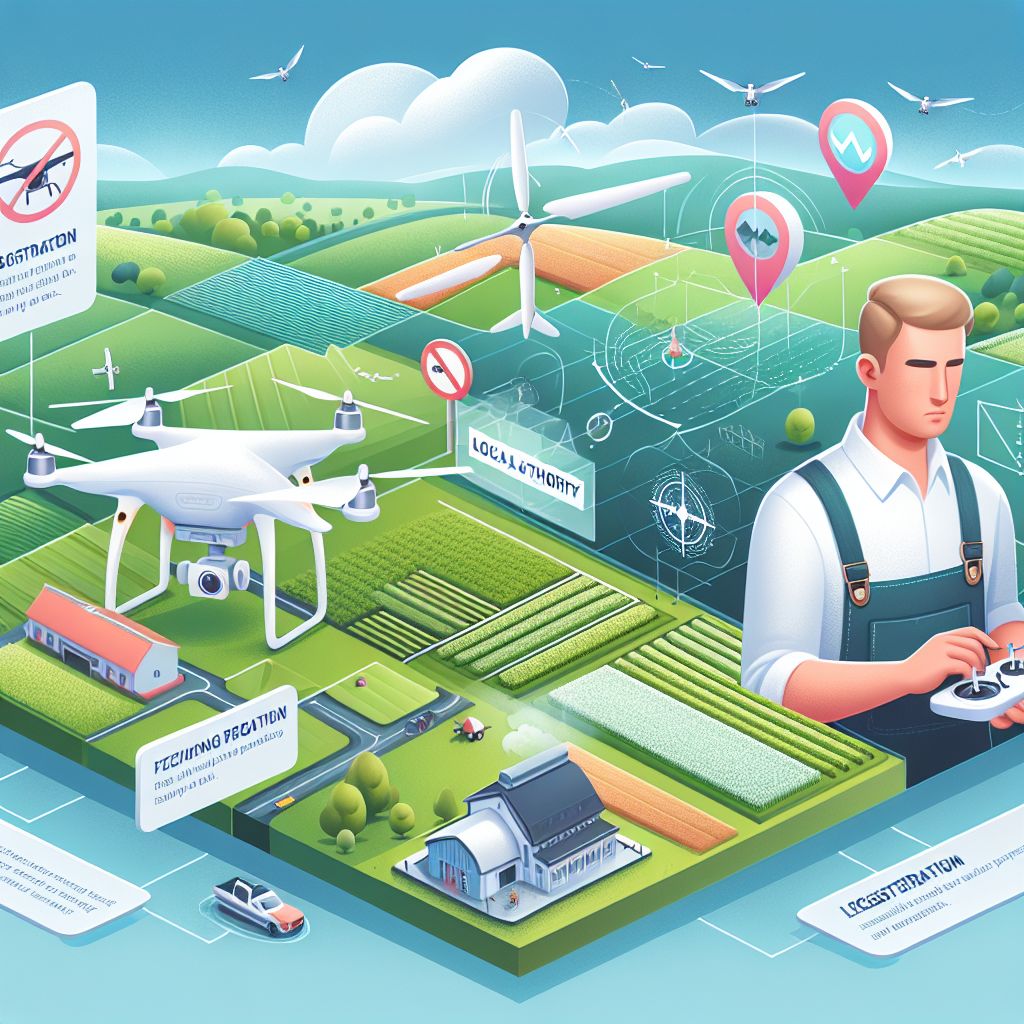
Navigating the Regulatory Skies: Drone Laws for Farmers
As with any technology, there are rules to play by. The use of drones in agriculture is subject to local and national regulations, which can include airspace restrictions, licensing, and privacy concerns.
Understanding Your Local Drone Regulations
Before you launch your drone, it’s crucial to understand the regulations in your area. This might mean registering your drone with the authorities, obtaining a pilot’s license, or adhering to specific flight rules. Staying informed and compliant is key to a successful drone operation.
Keeping Your Drone Operations Legal and Safe
Safety is paramount. When operating a drone, always ensure you’re following best practices to avoid accidents. This includes maintaining line of sight with your drone, avoiding no-fly zones, and being mindful of weather conditions that can affect your drone’s performance.

Readying Your Rotary-Wing Fleet for the Fields
Preparation is essential for any successful mission. And when that mission is to gather data to optimize your farm’s efficiency, you want to make sure your drone fleet is up to the task.
Essential Pre-Flight Checks and Maintenance Tips
Before each flight, perform a thorough check of your drones. Ensure batteries are fully charged, propellers are secure, and all sensors are functioning correctly. Regular maintenance checks will extend the life of your drones and prevent costly breakdowns.
Selecting the Right Drone Model for Your Agricultural Needs
Not all drones are created equal. When choosing a drone for your farm, consider the size of your fields, the type of data you need to collect, and your budget. Some drones are better suited for large areas, while others offer more detailed imaging for smaller plots.
Frequently Asked Questions (FAQ)
What Makes Rotary-Wing Drones Ideal for Agriculture Compared to Fixed-Wing Models?
Rotary-wing drones excel in precision and maneuverability. They can hover over a specific area to collect detailed data, making them perfect for tasks that require a closer look, such as monitoring crop health or irrigation needs.
How Often Should Farmers Analyze Drone-Collected Data to Optimize Crop Yields?
Regular analysis is key. Depending on the crop cycle and the size of your farm, weekly or bi-weekly flights can provide the insights needed to make timely decisions that impact crop health and yields. To further understand the benefits of integrating technology with agriculture, read more about artificial intelligence in solar irrigation systems.
Can Rotary-Wing Drones Be Used in All Types of Weather Conditions?
While rotary-wing drones are versatile, they do have limitations. Adverse weather conditions like strong winds or heavy rain can affect their performance. It’s best to fly in clear, calm weather to ensure the safety of your drone and the accuracy of the data collected.
What Types of Crops Benefit the Most from Drone-Assisted Agriculture?
While most crops can benefit from drone-assisted agriculture, those with large, homogenous fields such as corn, wheat, and soybeans are particularly well-suited to this technology. Drones can cover these vast areas efficiently, providing valuable insights into crop health and irrigation needs.
How Can Farmers Integrate Drone Data with Other Precision Agriculture Tools?
Drone data is most powerful when combined with other tools like soil sensors, weather stations, and farm management software. Integrating these data sources can provide a comprehensive view of your farm’s health and help you make informed decisions.
Conclusion: Is Using Rotary-Wing Drones with a Solar Irrigation System a Good Investment for the Farmer?
In the end, whether or not to invest in rotary-wing drones and solar irrigation systems comes down to your specific farming needs and goals. The benefits of precision agriculture are clear: healthier crops, reduced resource waste, and improved sustainability. But it’s also about being ready to embrace new technology and the changes that come with it. For those willing to take the leap, the sky’s the limit.