Key Takeaways
-
Solar powered drones and fixed-wing drones are both valuable tools for farm irrigation data collection, each with distinct advantages.
-
Solar powered drones are cost-effective in the long run and environmentally friendly, but may have limitations in flight time and payload capacity.
-
Fixed-wing drones cover large areas quickly and have longer flight times, making them ideal for extensive farmland.
-
Understanding the specific needs of your farm is crucial to deciding whether a solar drone or a fixed-wing drone is the better investment.
-
Practical examples and case studies show how these technologies are being used successfully in agriculture today.
Aerial Advantage: Comparing Drone Technologies in Agriculture
Imagine being able to survey your entire farm, gather detailed data on crop health, and optimize your irrigation system—all without stepping a foot in the field. This isn’t a glimpse into the distant future; it’s what today’s drones offer to the agricultural industry. As a farmer, you’re always looking for ways to improve efficiency and yield, and drones are a powerful tool to help you do just that. But with various types available, how do you choose the right one? Let’s delve into the capabilities of solar-powered and fixed-wing drones to aid your decision-making.
Solar Powered Drones: Harnessing the Sun for Farm Surveys
First, let’s talk about solar-powered drones. These are the eco-friendly warriors of the sky, converting sunlight into electricity to power their flights. What does this mean for you? For starters, they’re incredibly cost-effective over time, as they reduce the need for battery replacements or fuel. They’re also champions of sustainability, aligning with environmentally conscious farming practices.
However, there are some points to consider. Solar drones may have shorter flight times compared to their fixed-wing counterparts, especially on cloudy days or during the shorter daylight hours of winter. They also tend to have lower payload capacities, which might limit the type of sensors or cameras you can use for data collection. But if you have smaller fields or are focused on minimizing your carbon footprint, solar drones could be a perfect fit.
Fixed-Wing Drones: Covering More Ground in Less Time
Now, let’s shift our focus to fixed-wing drones. These drones are like the marathon runners of the air, capable of covering vast distances on a single charge or tank of fuel. They have a sleek, aerodynamic design that allows them to glide effortlessly above your fields, capturing data as they go. This makes them particularly well-suited for large-scale farming operations.
Fixed-wing drones can fly for longer periods, often exceeding an hour, which is a significant advantage when you need to survey hundreds of acres. They can also carry heavier and more advanced sensors, giving you richer data to inform your irrigation strategies. The trade-off? They typically require a larger upfront investment and might need more space for takeoff and landing.
Right below is atable comparing solar-powered drones and fixed-wing drones for use with a solar irrigation system on a farm:
| Comparison Factors | Solar-Powered Drones | Fixed-Wing Drones |
|---|---|---|
| Flight Time | Can stay airborne for extended periods as long as there is sunlight, enabling continuous monitoring and data collection. 1, 3, 5 | Have longer flight times compared to multi-rotor drones, but may need to land and recharge more frequently than solar-powered drones. 1, 2 |
| Maneuverability | May have reduced maneuverability compared to battery-powered drones due to the weight of solar panels. 5 | Limited maneuverability, as they can only fly in a straight line and cannot hover. 2 |
| Payload Capacity | Payload capacity may be reduced due to the weight of solar panels. 2, 5 | Can carry a larger payload compared to solar-powered drones. 2 |
| Precision | Can hover and perform targeted tasks like inspecting individual plants or delivering water to specific areas. 1 | Better suited for large-scale monitoring and surveying, but less precise for targeted tasks. 2 |
| Operational Costs | Reduced operational costs due to the use of free solar energy, no need for fuel or frequent battery replacements. 1, 4, 5 | May have higher operational costs compared to solar-powered drones, as they require fuel or battery recharging. 2 |
| Environmental Impact | Emit no greenhouse gases and contribute to the overall sustainability of the farm. 1, 3, 4, 5 | May have a higher environmental impact compared to solar-powered drones, depending on the energy source used to power them. 2 |
| Initial Cost | Higher initial cost due to the inclusion of solar panels and related equipment. 5 | Generally have a lower initial cost compared to solar-powered drones. 2 |
The Sky’s the Limit: Optimizing Irrigation with Drone Data
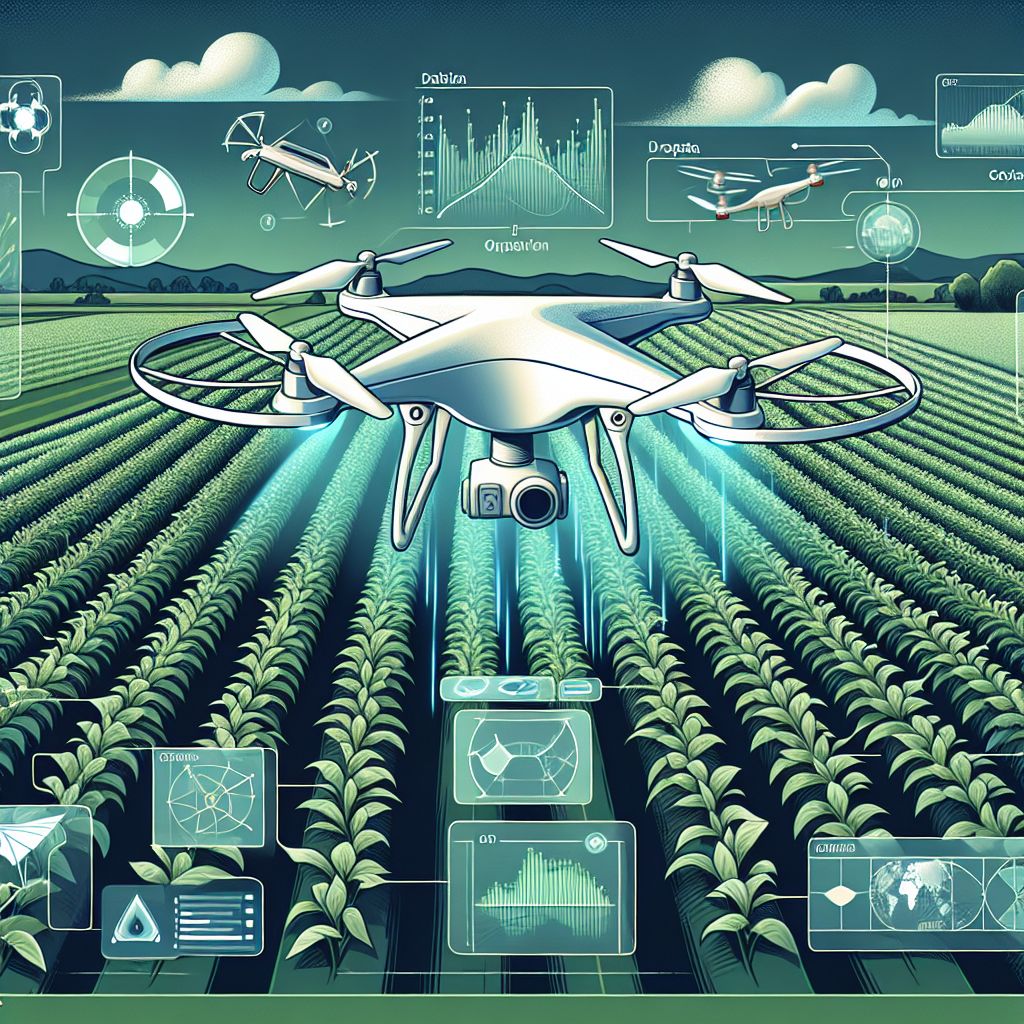
The ultimate goal of using drones in agriculture is to gather actionable data that can optimize your irrigation system. Drones equipped with thermal cameras and multispectral sensors can identify which parts of your field need more or less water, helping you conserve resources and improve crop yield. This precise approach to irrigation not only saves water but also reduces costs and supports the health of your crops.
Plotting the Course: Mapping Your Fields from Above
Whether you choose a solar drone or a fixed-wing drone, the first step is mapping your fields from the sky. This involves planning a flight path that covers all areas of interest. Most drones come with software that makes this process straightforward, allowing you to input the boundaries of your fields and any specific waypoints you want the drone to visit.
After the flight, the data collected can be stitched together to create a comprehensive map of your fields. This map isn’t just a static image; it’s a treasure trove of information, revealing variations in soil moisture, plant health, and more. By regularly mapping your fields, you can track changes over time and adjust your irrigation practices accordingly.
Reading the Signs: Interpreting Data for Water Efficiency
Collecting data is one thing, but making sense of it is where the real magic happens. Interpreting the data correctly can lead to significant improvements in water efficiency. Look for patterns that indicate over- or under-watering, and consider how these correlate with crop performance. This will help you tailor your irrigation schedule to the exact needs of your plants, which is especially critical during periods of drought or water scarcity.
Keep in mind that the type of drone you choose will influence the kind of data you can collect. Solar drones might provide a broad overview, while fixed-wing drones can offer more detailed information over larger areas. Choose the one that aligns with the level of detail you require and the size of your operation.
Up in the Air: Evaluating Drone Performance
Both solar-powered and fixed-wing drones have their advantages and disadvantages when it comes to supporting irrigation systems on farms. Fixed-wing drones offer endurance and efficiency, while solar-powered drones are environmentally friendly and cost-effective. Ultimately, the choice between the two will depend on the specific needs and characteristics of the farm. However, one thing is clear – drones have the potential to revolutionize agriculture and improve crop production in a sustainable and efficient manner.
Fuel versus Sunlight: Power Sources Compared
Let’s get down to brass tacks: power sources. When it comes to drone operations, power is a big deal. Solar drones get their juice from sunlight, which is free and abundant, at least during the day. This makes them incredibly appealing for those of us looking to cut costs and reduce environmental impact. However, their reliance on the sun means that their performance can be hampered by weather conditions and the time of day.
On the flip side, fixed-wing drones are typically powered by batteries or fuel. While this means they’re less dependent on sunny skies, it also means ongoing costs for power. Batteries need to be charged, and fuel costs money. But they do offer the advantage of being able to fly on demand, regardless of whether the sun is shining.
Flight Time and Coverage: Critical Metrics for Decision Making
Flight time and coverage are the bread and butter of drone data collection. Solar drones, while sustainable, may have limited flight times due to their dependence on solar energy. This means they may need to return to base more frequently to recharge, especially on overcast days or during short winter days.
On the other hand, fixed-wing drones have longer flight times. They’re designed to be up in the air for extended periods, often with just one charge or tank of fuel. This allows them to cover larger areas in a single flight, making them more efficient for big farms. The more ground you can cover in one go, the quicker you can get to the all-important task of analyzing the data and putting it to work.
Case by Case: Success Stories in Smart Irrigation
Real-world examples shine a light on the effectiveness of drone technology in agriculture. Farmers across the globe are reaping the benefits of integrating drones into their irrigation practices. These success stories not only inspire but also provide practical insights into how you can apply these technologies to your own farm.
Sun-Powered Crop Circles: A Solar Drone Case Study
Consider the case of a small organic farm in California that adopted solar drones to monitor their fields. They used the drones to identify areas where water stress was affecting their crops. With precise data in hand, they could adjust their drip irrigation system to deliver water exactly where it was needed, reducing water usage by 25% and increasing their crop yield by 20%.
The Efficiency Frontier: A Fixed-Wing Drone Case Study
Another inspiring story comes from a large grain producer in the Midwest. They employed fixed-wing drones to map out their extensive fields and gather detailed data on soil moisture levels. By analyzing this data, they optimized their pivot irrigation systems, resulting in a 15% decrease in water usage while maintaining the same level of crop production.
Benefits and the Drawbacks of Using Solar Powered Drones on a Farm
Let’s weigh the pros and cons of using solar-powered drones in agriculture. There’s a lot to love about these high-flyers, but they’re not without their limitations.
Advantages of Using the Sun to Power Drones on a Farm
Here’s why solar drones can be a bright idea for your farm:
-
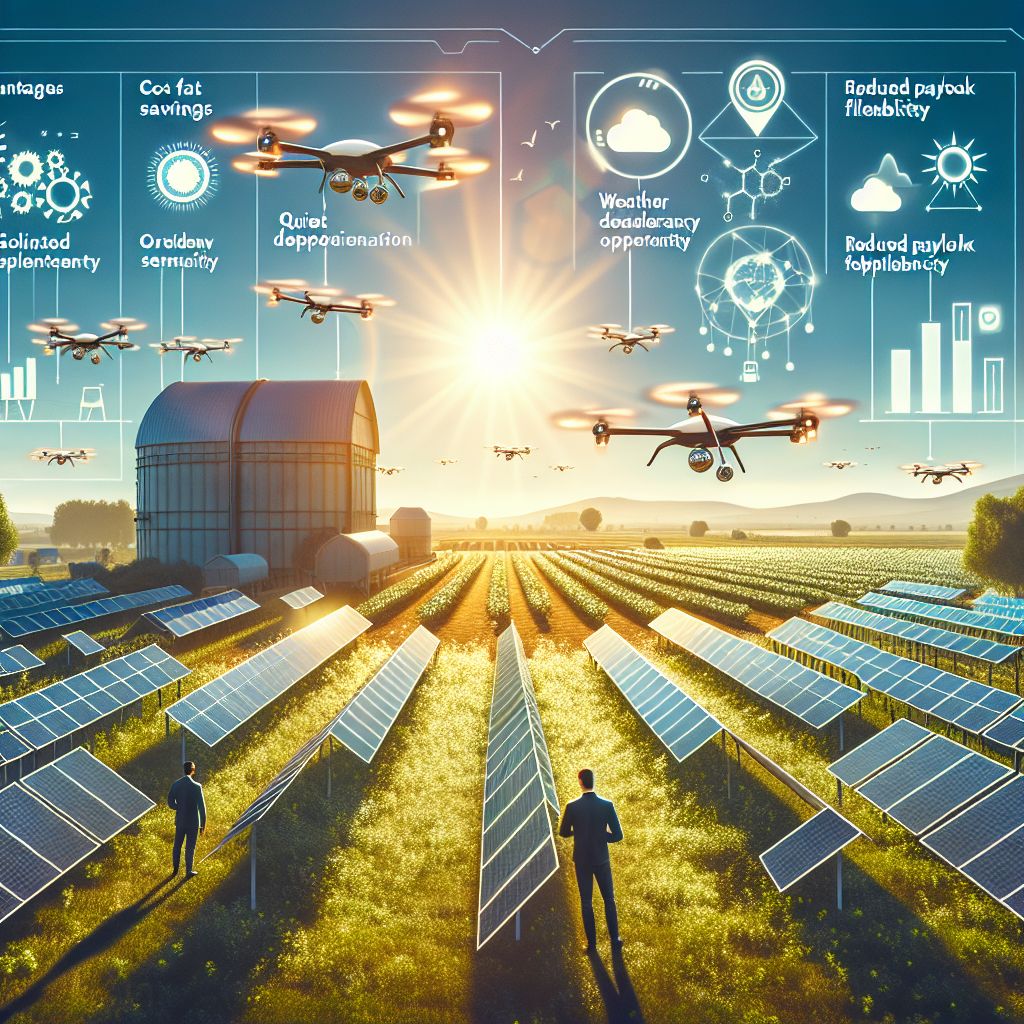
Cost Savings: Once you’ve made the initial investment, the sun doesn’t send you a bill. Solar energy can significantly reduce operational costs over time.
-
Eco-Friendly: Solar drones align with green farming practices, reducing your carbon footprint and appealing to environmentally conscious consumers.
-
Quiet Operation: Solar drones tend to be quieter, which is less disruptive to livestock and wildlife.
The Dark Side of Using the Sun to Power Drones on a Farm
But it’s not all sunshine and rainbows. Here are some challenges you might face with solar drones:
-
Weather Dependent: Their performance is directly tied to the availability of sunlight, which can be unpredictable.
-
Limited Flight Time: Without sunlight, their endurance is limited, potentially requiring multiple flights to cover your fields.
Less Payload Flexibility: They might not be able to carry the heavier, more advanced sensors that provide richer data.
Right below is a table that shows the Benefits and the Drawbacks of using a solar powered Drone on a farm.
| Benefits of Solar-Powered Drones | Drawbacks of Solar-Powered Drones |
|---|---|
| Extended Flight Time 2, 3, 4 – Can stay airborne for extended periods as long as there is sunlight, enabling continuous monitoring and data collection | Limited Power Output 3, 4 – Solar-powered drones must receive a lot of sunshine in order to produce enough power to function, which can be difficult in gloomy or rainy weather |
| Cost-Effective 2, 4, 5 – Reduced operational costs due to the use of free solar energy, no need for fuel or frequent battery replacements | Dependence on Weather 3, 4 – Since solar-powered drones depend on sunshine to produce electricity, the weather has a significant impact on their performance |
| Environmentally Friendly 1, 3, 4, 5 – Emit no greenhouse gases and contribute to the overall sustainability of the farm | Payload Restrictions 3, 4 – Due to their lightweight design, solar-powered drones can only carry a finite amount of freight, which can restrict their functionality |
| Versatility 3 – Can be used for a range of tasks, such as tracking, mapping, and inspecting | Maintenance Requirements 3, 4 – Solar panels must be maintained on a frequent basis to stay clean and clear of debris, which can be difficult in remote areas |
| Precision Monitoring 1, 2 – Can hover and perform targeted tasks like inspecting individual plants or delivering water to specific areas | Higher Initial Cost 2, 4, 5 – Due to the expense of solar panels and other associated equipment, solar-powered drones can be more costly to buy than conventional fuel-powered drones |
In summary, the key benefits of using solar-powered drones on a farm include their extended flight time, cost-effectiveness, environmental friendliness, versatility, and precision monitoring capabilities. However, the main drawbacks are their limited power output, dependence on weather conditions, payload restrictions, maintenance requirements, and higher initial cost compared to some fuel-powered drone models.
Benefits and Disadvantages of using a Fixed-Wing Drone on a Farm
Now, let’s talk about fixed-wing drones. They have their own set of strengths and weaknesses that you’ll need to consider.
Upside of using a Fixed-Wing Drone to collect data on a Farm
Fixed-wing drones are a solid choice for many reasons:
-
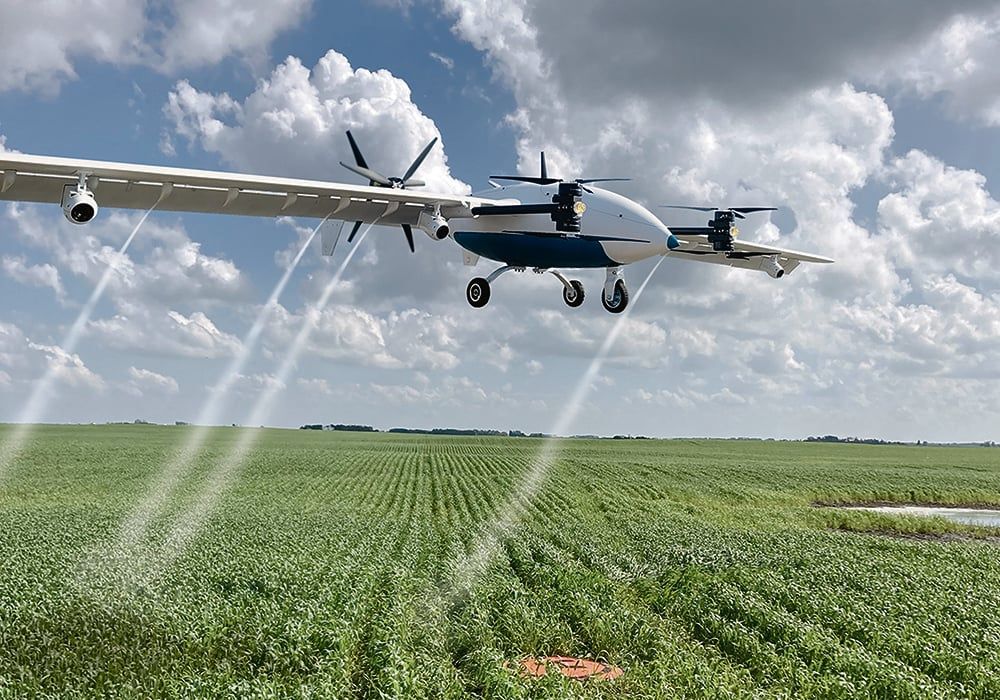
Extended Flight Times: They can stay airborne for longer periods, ideal for large-scale farms.
-
Greater Coverage: Their design allows them to cover vast areas efficiently, reducing the time needed for data collection.
-
Advanced Sensor Capability: They can carry more weight, which means you can equip them with sophisticated sensors for in-depth data analysis.
However, these benefits come with their own trade-offs:
-
Higher Initial Cost: The upfront investment for a fixed-wing drone can be significant, which might be a barrier for smaller farms.
-
Operational Costs: They require batteries or fuel, which means ongoing expenses for power.
-
Space Requirements: They need more room for takeoff and landing, which might not be feasible on smaller properties or in areas with lots of obstacles.
Downside of using a Fixed-Wing Drone to collect data on a Farm.
While fixed-wing drones are a powerhouse in terms of coverage and payload, they do have their drawbacks. The higher initial investment can be a hurdle, particularly for small-scale farmers or those just starting to incorporate technology into their operations. Moreover, these drones require regular maintenance, and the costs for battery replacement or fuel can add up over time.
Additionally, fixed-wing drones need ample space for takeoff and landing, which may not be available in farms with rough terrain or numerous obstacles. They also tend to be less maneuverable than other drone types, making them less suited for farms with irregular field shapes or a lot of obstructions like trees or buildings.
Right below is a table that shows the benefits and the disadvantages of using a Fixed-Wing Drones on a farm.
| Benefits of Fixed-Wing Drones | Disadvantages of Fixed-Wing Drones |
|---|---|
| Efficient Long-Distance Coverage 1, 2, 3 – Can efficiently cover large areas of farmland in a single flight, making them well-suited for surveying and monitoring crops across vast fields | Limited Maneuverability 2 – Have limited maneuverability compared to multi-rotor drones, as they can only fly in a straight line and cannot hover |
| Longer Flight Times 1, 2, 3 – Can fly for longer durations compared to multi-rotor drones, enabling more comprehensive data collection and analysis | Takeoff and Landing Requirements 1, 2 – Require more space for takeoff and landing, which may be less of a concern on open farmland but could be a challenge in some settings |
| Stability in Windy Conditions 3 – More stable and better able to handle windy conditions, ensuring consistent data capture even in adverse weather | Higher Initial Cost 2, 3 – Generally have a higher initial cost compared to some multi-rotor drone models, though the operational cost savings can offset this over time |
| Larger Payload Capacity 3, 5 – Can carry a larger payload compared to multi-rotor drones, allowing for the use of more advanced sensors like multispectral, thermal, or LiDAR cameras |
In summary, the key benefits of using a fixed-wing drone on a farm include its ability to efficiently cover large areas, its longer flight times, its stability in windy conditions, and its larger payload capacity. However, the main disadvantages are its limited maneuverability, the need for more space for takeoff and landing, and the generally higher initial cost compared to some multi-rotor drone models.
Frequently Asked Questions (FAQ)
Farming communities are abuzz with questions about how drones can be integrated into agricultural practices. Let’s address some of the most common queries.
From crop types to weather considerations, understanding how drones can enhance irrigation practices is key to modern farming success. Here are answers to some of the most pressing questions in the field.
What Types of Crops Benefit Most from Drone-Assisted Irrigation?
Drone-assisted irrigation can be a game-changer for a variety of crops, especially those that are sensitive to water stress such as grapes, nuts, and certain types of vegetables. High-value crops, where precision irrigation can lead to a significant increase in quality and yield, often see the most immediate benefits from drone technology.
How Can Farmers Start Integrating Drones into Their Irrigation Practices?
Starting with drones is easier than you might think. Begin by identifying your goals, whether it’s mapping out your fields, monitoring crop health, or optimizing water usage. Then, select a drone that fits your farm’s size and your budget. Many companies offer training and support to help you get up and running. Finally, start with small test areas to see how drone data can inform your irrigation decisions before scaling up.
Are There Special Considerations for Operating Drones in Different Weather Conditions?
“Always check local weather forecasts and drone manufacturer guidelines before flight. High winds, rain, and lightning are conditions to avoid for safe drone operation. Solar drones, in particular, are best used in clear, sunny conditions for optimal performance.”
Remember that extreme temperatures can affect battery life and sensor accuracy. It’s also important to comply with local aviation regulations, which can vary depending on weather conditions.
How Does Drone Data Improve the Precision of Irrigation systems?
Drone data can transform irrigation by providing a detailed view of field conditions. Thermal and multispectral sensors detect moisture levels, plant health, and even soil composition. This information enables farmers to apply water only where it’s needed, at the right time, reducing waste and enhancing crop growth. Learn more about advanced IoT solar irrigation systems and their benefits for smart agriculture.
What is The Cost-Benefit Analysis of Solar vs Fixed-Wing Drones for a Farming Operation?
The cost-benefit analysis between solar and fixed-wing drones depends on several factors including the size of your farm, the type of crops you grow, and your specific irrigation needs. Solar drones may have lower operational costs in the long run, but fixed-wing drones can cover more ground quickly. Consider the initial investment, potential savings on water and inputs, and the value of the data you’ll collect to make the best choice for your farm.
Conclusion: Solar Powered Drone or Fixed-Wing, which one is a better investment for a Farmer?
The decision between a solar-powered drone and a fixed-wing drone comes down to your farm’s specific needs and goals. If you’re managing a smaller operation and are keen on sustainability, a solar drone might be the way to go. However, if you have a larger area to cover and need extensive, detailed data, a fixed-wing drone could be a better fit despite the higher upfront cost.