
Key Takeaways
Solar-powered irrigation systems use energy from the sun to pump water, providing a cost-effective and sustainable solution for farmers.
Key components include solar panels, a pump, controller, and irrigation infrastructure, which together create a reliable water supply.
By reducing reliance on non-renewable energy sources and minimizing water waste, these systems can significantly lower operating costs.
Choosing the right system depends on factors like climate, crop type, and farm size, with professional installation ensuring optimal performance.
While challenges exist, such as initial costs and maintenance, the long-term benefits for productivity and sustainability are substantial.
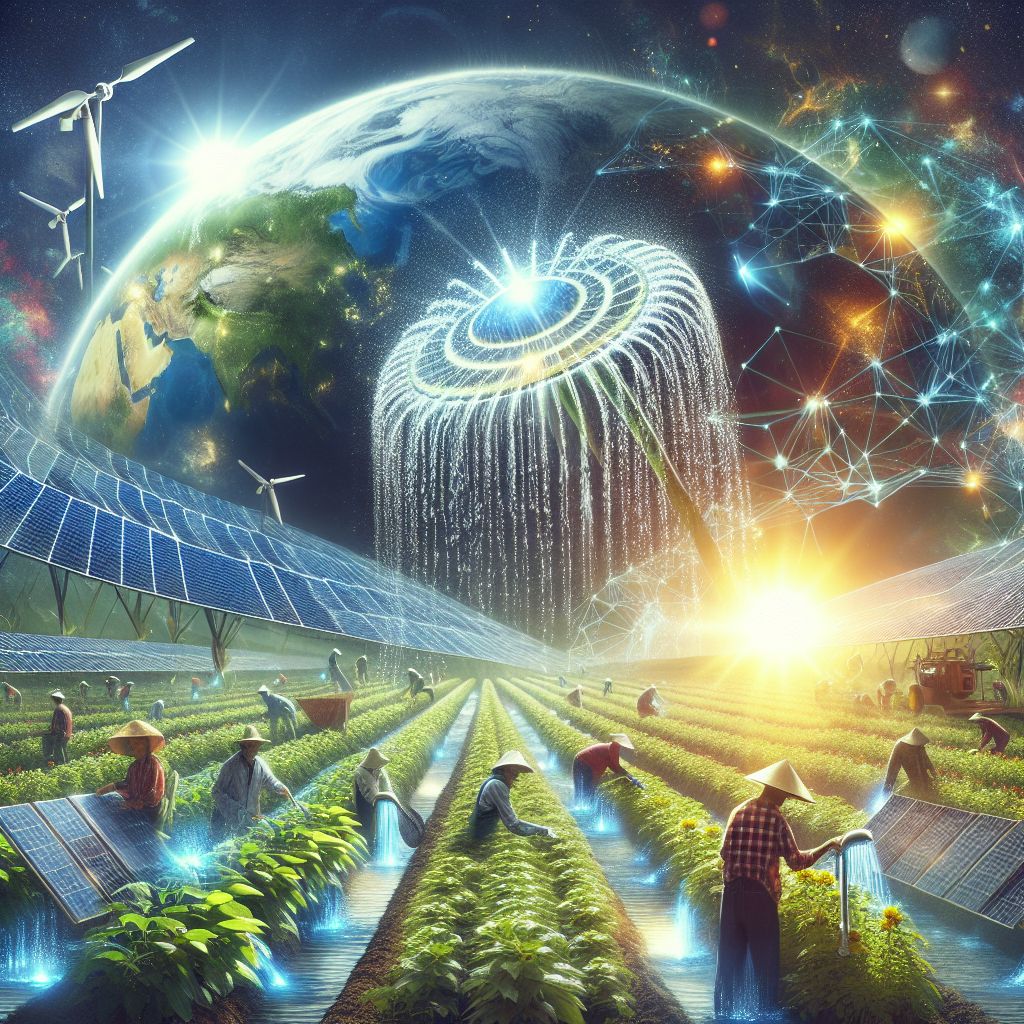
Imagine a world where every drop of water used to nourish crops is delivered with precision, where energy from the sun not only sustains life on the planet but also powers the very systems that feed us. This isn’t a far-fetched dream; it’s the reality of solar-powered irrigation systems, a game-changer for farmers everywhere.

Soaking Up the Sun: The Bright Future of Farming
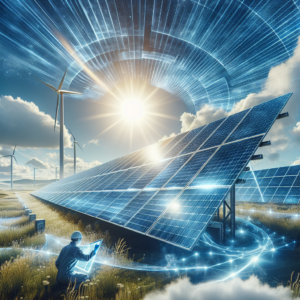
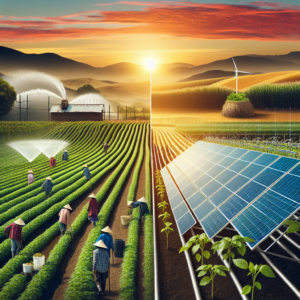
When you think about farming, images of tractors plowing fields or sprinklers watering crops might come to mind. But look up, and you’ll see the most powerful tool farmers have: the sun. Harnessing its energy through solar panels, farmers can now power their irrigation systems, ensuring a consistent water supply even in the most remote or arid regions. This isn’t just smart farming; it’s a revolution in how we grow our food sustainably.
What’s All the Buzz About Solar-Powered Irrigation?
So, what’s the big deal? Well, for starters, solar-powered irrigation systems are incredibly efficient. They use clean energy, which means they’re kind to the planet. But the benefits don’t stop there. These systems can save farmers a lot of money on energy bills in the long run, and they’re pretty low maintenance. Most importantly, they give farmers control over their water supply, which is a big deal when you’re at the mercy of the weather.
How Solar-Powered Irrigation Increases Productivity
Here’s the scoop: with a reliable water supply, farmers can increase crop yields and grow more food. That’s a win for everyone. But it’s not just about quantity; it’s also about quality. Crops get exactly what they need, when they need it, which means healthier, happier plants. And healthier plants mean better food on our tables. It’s a simple equation that adds up to a brighter future for farmers and consumers alike.
This below table shows how solar-powered irrigation can increase productivity on a farm:
|
Benefit |
Description |
|---|---|
|
Reliable Water Access |
Solar-powered irrigation systems provide a steady, predictable water source for crops, enhancing agricultural productivity compared to rain-fed or unreliable grid/diesel-powered irrigation. 1, 2, 4 |
|
Reduced Operational Costs | Solar irrigation systems have no ongoing fuel costs, unlike diesel pumps, leading to lower long-term operating expenses for farmers. 1, 2, 4, 5 |
|
Expanded Irrigation Reach |
Solar power enables irrigation in remote areas without reliable grid electricity, allowing farmers to cultivate more land and grow a wider variety of crops. 2, 4 |
|
Increased Crop Yields |
Consistent irrigation, especially for high-value crops like fruits and vegetables, can significantly boost agricultural yields and production. 2, 3 |
|
Improved Food Security |
Increased crop yields and expanded irrigation help improve food security and nutrition, especially in developing regions. 2, 3 |
|
Reduced Environmental Impact |
Solar irrigation avoids the greenhouse gas emissions and pollution associated with diesel pumps, promoting more sustainable agriculture. 2, 4 |
|
Potential for Surplus Power |
Excess electricity generated by solar irrigation systems can be used to power other farm operations, creating additional value. 3 |
By addressing key constraints like water access, energy costs, and environmental impact, solar-powered irrigation systems can be a transformative technology for enhancing agricultural productivity and sustainability on farms.

Understanding Solar-Powered Irrigation Systems
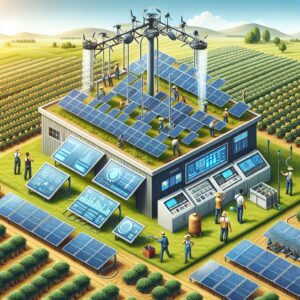
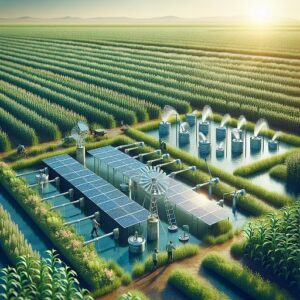
Let’s break it down. A solar-powered irrigation system is like a well-oiled machine, with each part playing a crucial role. The heart of the system is the solar panel, soaking up sunlight and converting it into electricity. Then there’s the pump, the muscle, pushing water through the pipes. The brain? That’s the controller, making sure everything runs smoothly. And finally, the veins—the irrigation infrastructure—delivering water to thirsty crops.
The Basics: Components of a Solar-Powered Irrigation System and What They Do
Now, let’s get into the nitty-gritty. A solar-powered irrigation system typically includes:
Solar Panels: These are the workhorses, capturing sunlight and turning it into electricity.
Pump: Powered by the electricity from the panels, it moves water from the source to the crops.
Controller: This smart device manages the system, ensuring the pump operates optimally and often adjusting to the available sunlight.
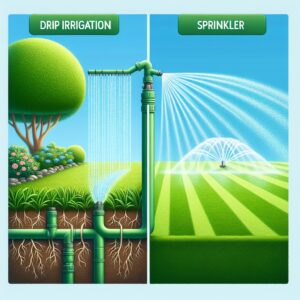
Irrigation Infrastructure: This can be anything from drip lines to sprinklers, getting the water right where it needs to go.
Together, these components create a seamless flow of water, powered entirely by the sun. And because the sun’s energy is free once you’ve got the gear, the cost savings over time are substantial.
From Panels to Plants: The Water Flow
It’s a beautiful thing, really. The sun shines down, the panels soak it up, and that energy powers the pump. The pump then sends water through the pipes, and out it comes, drop by drop or in gentle sprays, right to the roots of the plants. It’s a cycle that repeats day after day, powered by a star 93 million miles away. And the best part? It’s all clean energy, which means it’s good for the earth and good for us.

Why Solar Irrigation Makes Cents
Solar irrigation is a cost-effective and sustainable solution for farmers, helping them save money and overcome the challenges posed by traditional irrigation methods. With the numerous benefits it offers, it is no surprise that more and more farmers are turning to solar irrigation systems. Governments, agricultural organizations, and individuals must continue to promote and invest in this technology to support and empower farmers and create a more sustainable future for all.
Saving Water, Saving Money: The Cost-Effectiveness
Let’s talk numbers, because that’s what really matters at the end of the day. Setting up a solar-powered irrigation system does involve an upfront investment. You’re looking at costs for the solar panels, pump, controller, and irrigation setup. But here’s the kicker: once you’re up and running, the energy from the sun is absolutely free. That means no more hefty electricity bills or diesel for generators to keep the water flowing.
It’s like buying a car that never needs fuel; you pay more at the dealership, but you save heaps in the long run. In fact, after the initial setup, the only real costs are maintenance and the occasional replacement part. And because these systems are designed to be durable, those costs are minimal. So, while the initial investment might be between $1,000 to $20,000 depending on the system size, the long-term savings are substantial.
Basking in Benefits: Better Yields and Reduced Operational Costs
But it’s not just about saving money. It’s about making more of it too. With a consistent and reliable water supply, crops thrive, which means farmers can often harvest more and sell more. And since the water delivery is so precise, there’s less waste and less water use overall. It’s a win-win: farmers save on water bills and make more from their bountiful crops.
And let’s not forget the time saved. Traditional irrigation methods can be labor-intensive, but with solar-powered systems, farmers can focus on other important tasks, knowing their crops are getting exactly what they need. This efficiency boost means less time spent on irrigation and more time for everything else that goes into running a successful farm.

The Nuts and Bolts of Installation
So, you’re sold on the idea and ready to get started. The next step is figuring out the installation. This isn’t like putting together a piece of flat-pack furniture; it requires some planning and know-how. You’ll need to consider the size of your farm, the type of crops you’re growing, and how much sunlight you get throughout the year.
Selecting Your Solar Setup: A Guide
Choosing the right solar system for your farm is crucial. Here’s what you need to think about:
|
Consideration |
Description |
|---|---|
|
Energy Demand |
Determine the power requirements of your irrigation system, including pump flow rate, water lift, and output pressure. This will affect the size and type of solar system needed. 1, 3 |
|
Crop Type |
Different crops have varying water requirements and growing seasons, which impacts the irrigation schedule and solar system sizing. 2 |
|
Crop Value |
Higher value crops may justify a larger investment in a solar irrigation system. 2 |
|
Location |
Factors like elevation, latitude, shading, and slope aspect affect the solar radiation and energy generation potential. 2, 4 |
|
Irrigation System |
The type of irrigation (e.g. drip, sprinkler) impacts the operational pressure and energy requirements. 2, 5 |
|
Incentives & Support |
Look into any financial incentives, tax credits, or other assistance programs that can help offset the initial cost of a solar irrigation system. 1 |
|
Alternative Energy Costs |
Compare the long-term costs of solar power versus grid electricity, diesel, propane, or other energy sources for irrigation. 1, 3 |
|
Multiple Uses |
Consider if the generated solar power can be used for other farm operations beyond just irrigation. 2 |
Once you’ve got a handle on these factors, you can start looking at different systems and get a better idea of what will work best for you and your farm.
DIY or Professional Installation: Making the Right Choice
Now, are you going to roll up your sleeves and do it yourself, or are you going to call in the pros? If you’re handy and have a good understanding of the system, a DIY installation might save you some cash. But, if you’re not 100% confident, it’s worth getting professional help. They’ll make sure everything’s set up correctly, which is essential for getting the most out of your investment.
Remember, a poorly installed system won’t perform as well, and could end up costing you more in the long run. So weigh up the pros and cons, and choose the path that’s right for you and your farm.

Overcoming Challenges with Solar Irrigation
No system is without its challenges, and solar-powered irrigation is no exception. But don’t worry, with a little know-how, these hurdles can be easily cleared.
Common Hurdles: Troubleshooting Tips
Some of the most common issues you might face include:
Dirty Panels: Solar panels need sunlight to work, so keep them clean! Dust and dirt can block the sun and reduce efficiency.
Water Source Issues: Make sure your water source is reliable. If it’s a well, check the water levels regularly to avoid running your pump dry.
Technical Glitches: Sometimes, things just go wrong. Keep an eye on your system and get to know how it works. That way, you can spot and fix issues quickly.
Most problems have simple solutions, and regular maintenance can prevent them from happening in the first place. Stay vigilant and your system will keep running smoothly.
Adapting to Change: Integrating Technologies
Technology is always advancing, and solar-powered irrigation systems are no exception. Keep an eye on new developments and be ready to adapt. For example, smart controllers can now adjust water flow based on weather forecasts, ensuring not a drop is wasted. Embracing these changes can make your system even more efficient and save you more money.
And it’s not just about the tech. As you use your system, you’ll learn what works best for your farm. Maybe you’ll find that adjusting the watering schedule improves crop yield, or that certain crops do better with a different irrigation method. Be open to tweaking and fine-tuning your setup. After all, farming is all about learning and growing.

Looking Ahead: The Impact of Solar Irrigation on Global Agriculture
As we look to the future, the potential impact of solar-powered irrigation on global agriculture is immense. By providing a sustainable and cost-effective solution to water management, solar irrigation has the power to transform farming practices worldwide. It can help address food security by enabling farmers in developing countries to increase crop yields and grow a wider variety of crops. Moreover, it can mitigate the impact of climate change by reducing the carbon footprint associated with traditional irrigation methods.
Case Studies: Success Stories from Around the World
Take, for example, a farmer in sub-Saharan Africa who, after years of struggling with inconsistent rainfall, installed a solar-powered irrigation system. Not only did the system provide a reliable water source, but it also increased crop yields by 50%, allowing the farmer to feed his family and sell the surplus at the local market. This is just one of many success stories emerging as solar irrigation becomes more widespread.
Green and Growing: How Solar Contributes to Sustainable Agriculture
It’s clear that solar-powered irrigation is more than just a technological innovation; it’s a tool for empowering farmers and promoting sustainable agriculture. By using clean, renewable energy to power irrigation systems, we’re taking a big step toward a more sustainable and food-secure future. It’s an investment in the planet, in our health, and in the prosperity of farmers everywhere.
Frequently Asked Questions (FAQ)
When it comes to solar-powered irrigation, there are always questions. Let’s dive into some of the most common ones and shed some light on the answers.
Can Solar-Powered Irrigation Systems Work in Any Climate?
Yes, solar-powered irrigation systems can work in almost any climate. They’re designed to be robust and can operate effectively even in areas with variable sunlight. Of course, the system’s efficiency will depend on the amount of sunlight available, but with the right setup, even areas with less intense sun can benefit from solar irrigation.
What Is the Lifespan of a Solar-Powered Irrigation System?
The lifespan of a solar-powered irrigation system can vary, but generally, you can expect the solar panels to last around 25 to 30 years. Pumps and controllers may have a shorter lifespan, but with proper maintenance, they can also last for many years. It’s an investment that pays off in the long run.
How Does Solar Irrigation Handle Prolonged Periods of Cloudy Weather?
During prolonged periods of cloudy weather, solar-powered irrigation systems can still function effectively. Many systems come with battery storage to hold excess power generated on sunny days, which can be used when the sun isn’t shining. Additionally, some systems are hybrid, meaning they can switch to an alternative power source if necessary.
Are There Government Incentives or Subsidies for Installing Solar Irrigation Systems?
In many regions, there are government incentives or subsidies available to help offset the cost of installing solar irrigation systems. These can take the form of tax credits, rebates, or grants. It’s worth doing some research to see what’s available in your area, as these incentives can make solar irrigation even more affordable.
What Crops Benefit Most from Solar-Powered Irrigation?
Most crops can benefit from solar-powered irrigation, but it’s especially advantageous for high-value crops that require precise water management, such as vegetables, fruits, and nuts. These systems allow for consistent and controlled watering, which can lead to better quality produce and higher yields.
Conclusion:
Solar-powered irrigation is not just a smart choice for today’s farmers; it’s a vital step towards a more sustainable and resilient agricultural sector. By tapping into the power of the sun, farmers can save money, conserve water, and grow healthier crops. It’s a bright solution that promises to revolutionize the way we farm, ensuring that we can feed our growing population without compromising the health of our planet. Embrace the power of solar, and let’s cultivate a greener future together.

Leave a Reply