

Key Takeaways
Switching to solar power for irrigation can cut energy costs by up to 90%.
Monocrystalline solar panels are the most efficient, with an efficiency rate of 15-22%.
Drip irrigation systems can conserve up to 70% of water compared to conventional methods.
While the upfront cost of installing a solar-powered irrigation system can be high, the long-term savings make it a worthwhile investment.
Solar-powered irrigation systems are eco-friendly and help reduce carbon footprints.
Why Solar Panels are a Smart Choice for an Irrigation System for Growing Lentils
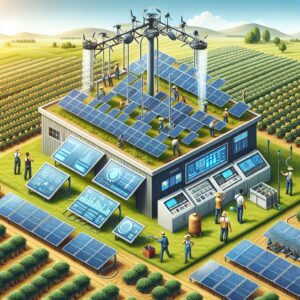
Solar-powered irrigation systems are revolutionizing the agricultural sector, making farming more sustainable and cost-effective. By tapping into the power of the sun, farmers can lessen their dependence on traditional energy sources and decrease operational costs. This is particularly advantageous for growing lentils, which necessitate consistent and efficient watering techniques.
The Eco-Friendly Side of Solar-Powered Irrigation
The biggest benefit of using solar panels for irrigation is the difference it makes to the environment. Most traditional irrigation systems use electricity that comes from fossil fuels, which adds to the greenhouse gas emissions. On the other hand, solar-powered systems use clean, renewable energy from the sun.
“Farmers can decrease their carbon footprint by as much as 80% by using solar-powered irrigation systems.”
Additionally, solar panels are built to last, often more than 25 years, which means they require less maintenance and replacement. This durability further minimizes the environmental impact of agricultural practices.
Long-Term Savings
While solar-powered irrigation systems may require a significant initial investment, the cost savings over time are considerable. Traditional irrigation systems have ongoing costs for electricity or fuel, which can quickly accumulate. Solar-powered systems, on the other hand, have very low operating costs once they are installed.
Let’s take a look at the costs involved:
|
Expense Category |
Conventional System |
Solar-Powered System |
|---|---|---|
|
Initial Installation |
$5,000 – $10,000 |
$10,000 – $20,000 |
|
Yearly Operating Expenses |
$1,000 – $3,000 |
$100 – $500 |
|
Service Costs |
$500 – $1,000 |
$200 – $500 |
As you can see, even though the initial installation for a solar-powered system is more expensive, the yearly operating and service costs are significantly less, leading to considerable savings over time.
Efficient Water Usage
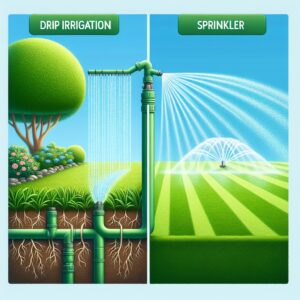
Water management is key when it comes to growing lentils because they need a steady supply of water to grow well. Solar-powered irrigation systems can be used together with modern watering methods like drip irrigation. This method applies water directly to the roots of the plants, which cuts down on water waste.
Compared to conventional watering methods, drip irrigation systems can conserve up to 70% of water. This not only saves a valuable resource but also guarantees that the lentils get the correct amount of water, which encourages healthy growth and increased yields.
Freedom from Conventional Energy Sources
One of the most persuasive arguments for adopting solar-powered irrigation is the freedom it provides from conventional energy sources. Farmers frequently encounter problems with inconsistent electricity supply or exorbitant fuel expenses. Solar-powered systems mitigate these difficulties by offering a steady and dependable source of energy.
Additionally, solar panels can be set up in isolated areas where there’s little to no access to the power grid, allowing for the farming of land that was once deemed unworkable due to water scarcity.

Top Irrigation Techniques Among Lentil Growers
Selecting the appropriate irrigation technique is crucial to fully utilizing solar-powered systems. Here are the most popular irrigation techniques among lentil growers:
Drip Irrigation: A Precise and Efficient Technique
Drip irrigation is a highly efficient way to water lentils. It provides water straight to the plant roots via a system of tubes and emitters, reducing evaporation and runoff. For more detailed techniques, you can explore solar-powered irrigation systems for growing beets.
Water Efficiency: Achieves up to 90% efficiency
Reduced Water Wastage: Provides water directly to the root
Improved Plant Health: Maintains consistent moisture levels for healthy growth
Sprinkler Irrigation for Even Coverage
Sprinkler irrigation systems evenly distribute water throughout the field, simulating natural rainfall. This method is especially beneficial for larger fields and can be easily combined with solar-powered pumps.
Uniform Water Distribution: Makes sure every plant gets water
Flexibility: Works for different field sizes and shapes
Ease of Installation: Quick to put together
Furrow Irrigation: Old-School but Works Well
Furrow irrigation means making small channels in the field to direct the water. It’s not as efficient as drip or sprinkler systems, but it’s still popular because it’s simple and cheap.
Affordable: Initial setup cost is low
Easy to Use: Minimal equipment is required
Adaptable for Different Crops: Method is versatile
The Ideal Irrigation System for Growing Lentils
Choosing the right irrigation system for lentils depends on several factors such as the size of the field, water supply, and your budget. However, drip irrigation is the best choice because of its high water efficiency and its ability to provide a steady level of moisture.
In the upcoming section, we’ll explore some of the best solar panels for your lentil farm’s irrigation system. This will help you make a well-informed decision for a sustainable and efficient system.
Top Solar Panels for Your Lentil Farmers Irrigation System
Solar panels offer a sustainable and cost-effective solution for powering lentil farmers’ irrigation systems. By harnessing the sun’s energy, farmers can reduce their dependence on fossil fuels and lower their operating costs. However, choosing the right solar panels is crucial to optimize performance and maximize savings. For lentil farmers, selecting high-efficiency panels with a long lifespan and reliable warranty is essential.
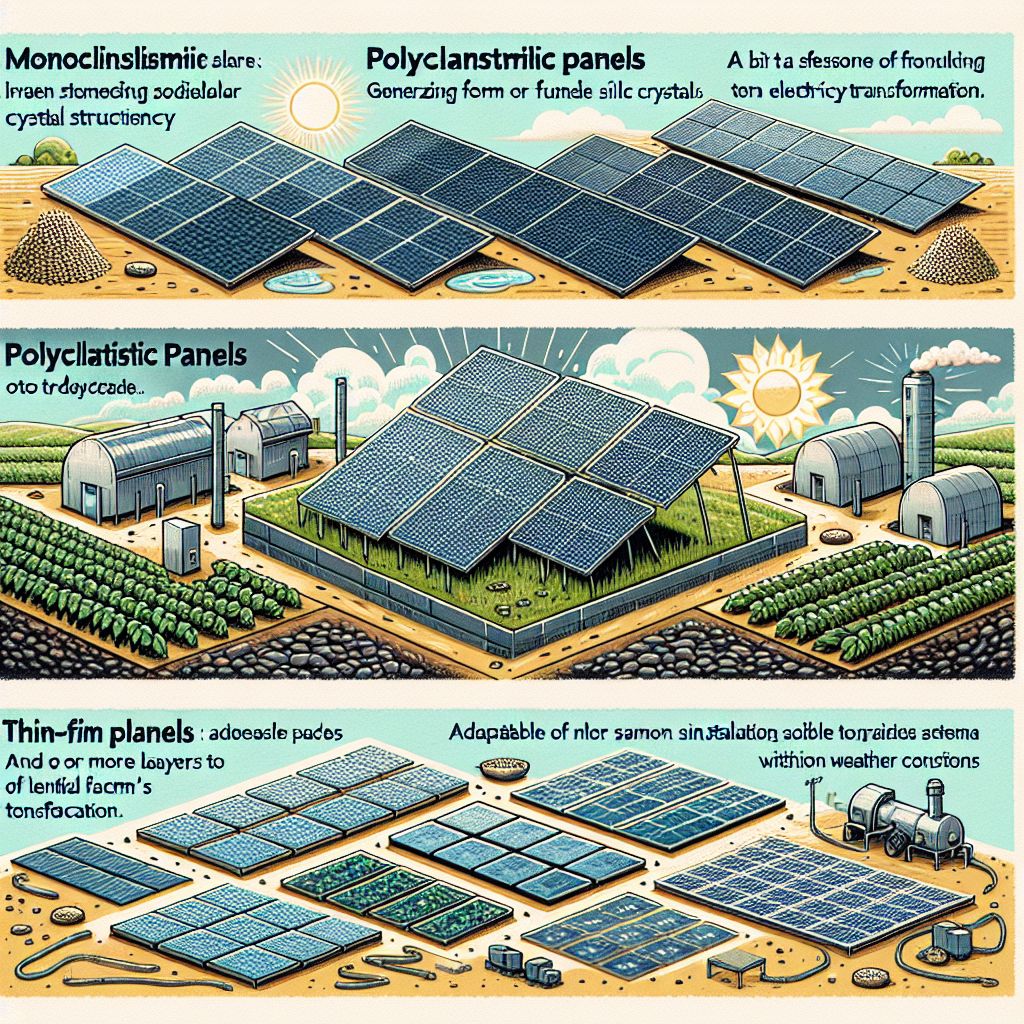
Monocrystalline Solar Panels: High Efficiency in Limited Spaces
Monocrystalline Solar Panels are famous for their superior efficiency and longevity. They are constructed from a singular crystal structure, which helps them to transform sunlight into electricity more efficiently. Even though they have a higher initial cost, their exceptional performance makes them a valuable investment for those lentil farmers
These panels usually have an efficiency rate of 15-22%, which means they can generate more power per square foot than other types. Their durability also ensures they can last for over 25 years with proper maintenance, making them a reliable choice for long-term use. For instance, solar irrigation systems for growing lentils, benefit greatly from such efficient and durable panels.
Polycrystalline Solar Panels: A Budget-Friendly Energy Solution
Polycrystalline solar panels are a favorite among many farmers because they offer a good balance between cost and efficiency. These panels are made from silicon crystals that are melted and fused together, making them cheaper to manufacture than monocrystalline panels.
Even though they are somewhat less efficient, with an efficiency rate of approximately 13-16%, they are nevertheless a feasible option for farms with plenty of space for installation. Polycrystalline panels are sturdy and can function effectively in a variety of weather conditions, making them a dependable option for prolonged use.
Thin-Film Solar Panels: Adaptable and Multifaceted
Thin-film solar panels are an alternative to consider if you require adaptability and multifacetedness. These panels are constructed by applying one or more thin layers of photovoltaic material onto a base. They are less weighty and more adaptable than crystalline panels, which permits a broader array of installation alternatives.
Adaptable: They can be set up on a variety of surfaces, even curved ones
Not heavy: Simpler to manage and set up
More affordable: They are usually less expensive than crystalline panels
On the other hand, thin-film panels are not as efficient, with an efficiency rate of approximately 7-13%. They also have a tendency to degrade more quickly over time, which can have an impact on their long-term performance.
Here is a table showing the pros and cons of using different types of solar panels with an irrigation system on a farm:
|
Panel Type |
Pros |
Cons |
|---|---|---|
|
Monocrystalline Panels |
– High efficiency (15-22%), producing more power per square foot. 1, 2, 4 | |
|
Polycrystalline Panels |
– Lower upfront cost than monocrystalline. 1, 2 |
– Lower efficiency and shorter lifespan than monocrystalline. 2, 4 |
|
Thin-Film Solar Panels |
– Lowest upfront cost. 1, 2 |
– Lowest efficiency (7-13%). 2, 4 |
What Kind of Solar Panels are Best for Growing Lentils?
In determining the ideal solar panels for your lentil farm, take into account factors like efficiency, price, and space availability. Monocrystalline panels are the most efficient and long-lasting, making them perfect for farms with less space but a larger budget. Polycrystalline panels strike a good balance between price and efficiency, whereas thin-film panels offer flexibility and lower initial costs.
In the end, the most suitable option will be based on your unique requirements and situation. Speaking with a solar power professional can assist you in making a knowledgeable choice that will provide the greatest advantages for your farm.
Top Brands and Manufacturers
There are many reliable brands and manufacturers of solar panels that you can use for your irrigation system. Here are some of the best brands:
SunPower: This brand is known for their high-efficiency monocrystalline panels
LG: They offer a range of efficient and durable solar panels
Canadian Solar: They are known for providing cost-effective polycrystalline panels
First Solar: They specialize in thin-film solar panels
It’s important to choose a reliable brand to ensure you get high-quality panels that will perform well and last for many years. Also, make sure to check the warranty and customer support offered by the manufacturer to ensure you have support in case of any issues.
Comparing Costs and Efficiency: Solar Versus Traditional Irrigation Systems for Lentil Growth
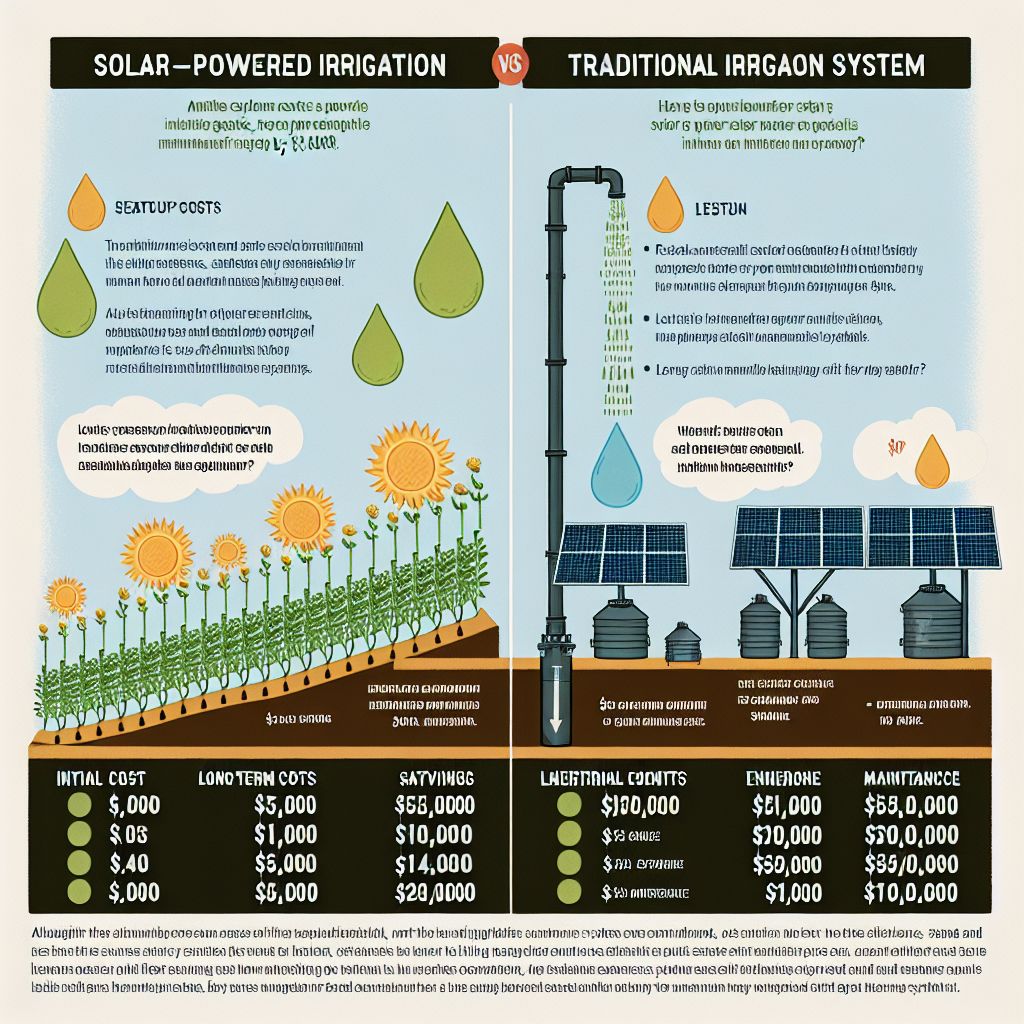
It’s crucial to weigh both the costs and the efficiency of solar-powered irrigation systems versus traditional systems. While solar-powered systems may have higher upfront setup costs, they can provide significant long-term savings and are more environmentally friendly.
Initial Setup Costs for Both Systems
The initial setup cost for a traditional irrigation system typically ranges from $5,000 to $10,000, depending on the size and complexity of the system. In contrast, the setup cost for a solar-powered irrigation system can range from $10,000 to $20,000. This includes the cost of solar panels, pumps, and installation.
The Long Haul: Savings and Return on Investment
Yes, the initial investment in a solar-powered system is higher. But the long-term savings are significant. Traditional systems have ongoing costs for electricity or fuel, and they add up. Solar-powered systems have minimal operating costs once installed. Over time, the savings on energy bills can offset the initial investment. In other words, you get a positive return on investment (ROI).
Comparing the Energy Efficiency and Environmental Impact of Both Systems
Compared to traditional irrigation systems, solar-powered irrigation systems are not only more energy-efficient but also more environmentally friendly. By utilizing the sun’s renewable energy, these systems decrease the need for fossil fuels and reduce greenhouse gas emissions. Therefore, for farmers who want to lessen their environmental footprint, solar-powered irrigation systems are a more sustainable option.
“Farmers can reduce their carbon emissions by up to 80% by using solar-powered irrigation systems, making it a more sustainable choice.”
Comparing the Cost of Maintenance and Operation
The cost of maintaining and operating solar-powered systems is generally lower than traditional systems. Solar panels for farms require little maintenance, mainly just regular cleaning and inspections to ensure they are working properly. Traditional systems may require more maintenance and repairs due to the wear and tear on the mechanical parts.
Solar-Powered Systems: They require less maintenance, mostly cleaning and inspections
Traditional Systems: They require more maintenance and repairs are more frequent
In general, the lower maintenance and operating costs of solar-powered systems make them more cost-effective and reliable in the long run.
Here is a table comparing the cost and efficiency of an irrigation system with and without solar panels:
|
Aspect |
Without Solar Panels |
With Solar Panels |
|---|---|---|
|
Initial Cost | ||
|
Operating Cost |
Very low or zero fuel/electricity costs after installation. 1, 4 | |
|
Efficiency |
Depends on energy source efficiency. 4 |
Depends on solar radiation, temperature, system design. 1, 4 |
|
Environmental Impact |
Higher carbon footprint. 1 |
Lower carbon footprint, renewable energy. 1 |
|
Location Flexibility |
Limited to grid-connected or fuel access areas. 3 |
Can be used in remote off-grid areas. 3 |
|
Maintenance | ||
|
Lifespan |
Shorter for fuel-based systems. 1 | |
|
Long-term Costs |
Higher due to recurring fuel/electricity bills. 1 |
Lower total 20-year costs by 50-60% compared to traditional systems. 1 |
|
Government Incentives |
Generally none |
Many governments provide tax credits, subsidies for solar irrigation. 1 |
Choosing the Best Mix of Solar Panels and Irrigation Systems for Your Lentil Farm
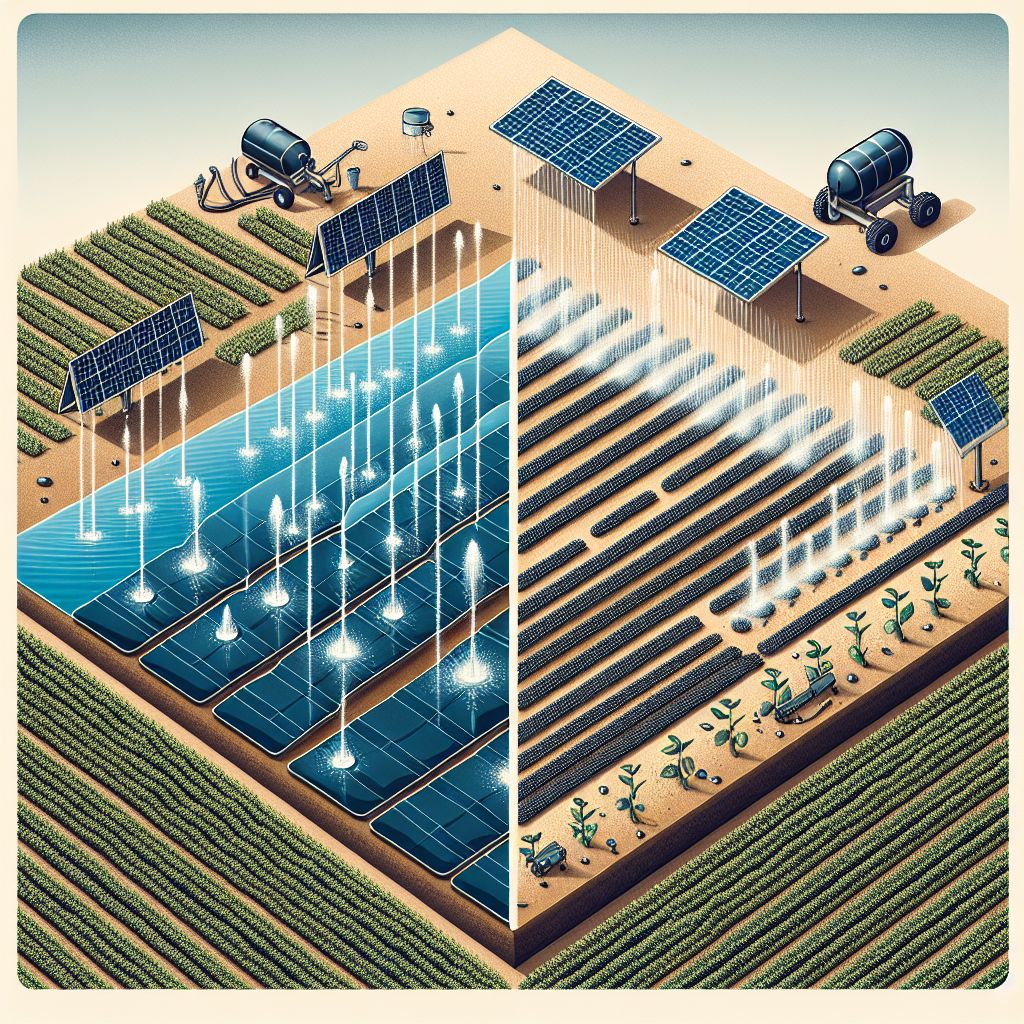
For the most efficient irrigation system for your lentil farm, you need to think about the mix of solar panels and irrigation techniques that work best for you. Customizing the system to your farm’s specific needs can help you get the most out of it and increase your yield. Learn more about irrigation systems you can connect to solar panels for increased efficiency.
Customizing the System to Suit Your Farm’s Requirements
Each farm is distinct, having varying sizes, designs, and water needs. As a result, it’s essential to evaluate your farm’s particular requirements prior to selecting a solar-powered irrigation system. When making your decision, consider aspects like the size of your plot, the availability of water, and your budget.
Perfect Match: Drip Irrigation and Monocrystalline Solar Panels
A highly effective pair for lentil farming is the use of drip irrigation alongside monocrystalline solar panels. Drip irrigation allows water to be delivered straight to the roots of the plants, reducing water waste and maintaining steady moisture levels. Monocrystalline panels are known for their high efficiency and longevity, making them perfect for farms with space constraints.
The following benefits are offered by this combination:
Superior Water Efficiency: Drip irrigation can conserve up to 70% of water
Steady Water Supply: Assures the healthy growth of plants
Excellent Energy Efficiency: Monocrystalline panels offer an efficiency rate between 15-22%
Outstanding Durability: Monocrystalline panels can last for over 25 years
When you combine these two technologies, you can create a sustainable and efficient irrigation system that makes the most of water and energy.
Do Sprinklers and Polycrystalline Solar Panels Work Well Together?
Pairing sprinkler irrigation with polycrystalline solar panels can be an effective solution. Sprinklers can distribute water uniformly over a large area, making them ideal for larger fields. Polycrystalline panels are a cost-effective solution that provides dependable energy to power the irrigation system.
The pairing provides the following advantages: efficient irrigation techniques that ensure optimal water usage and improved crop yield.
Even Water Coverage: Sprinkler systems provide uniform watering
Economical Power: Polycrystalline panels are cheaper than monocrystalline panels
Sturdy and Dependable: Polycrystalline panels hold up well under a range of weather conditions
Selecting the correct mix of irrigation techniques and solar panels can greatly influence the effectiveness and sustainability of your lentil farm. It’s crucial to assess your particular requirements and seek advice from professionals to make the most suitable choice for your farm.
Wrapping Up: Should You Consider Solar-Powered Irrigation for Your Lentil Crop?
Integrating solar-powered irrigation into your lentil crop is a wise move for a variety of reasons. From cost savings to environmental benefits, the perks are undeniable. By making this shift, you’re not only investing in the future of your crop but also helping to create a more sustainable world. For more information on efficient watering techniques, check out our guide on solar-powered irrigation systems for growing beets.
Why Use Solar-Powered Irrigation?
There are many reasons why lentil farmers should consider using solar-powered irrigation systems:
Drastic decrease in energy bills, as much as 90%.
Monocrystalline solar panels are highly efficient and durable.
Drip irrigation saves water, up to 70%.
Long term savings and a positive return on investment.
Less carbon footprint and environmental impact.
Key Factors and Final Words
Though the initial cost of solar-powered irrigation systems can be high, the long-term benefits are worth it. It’s important to carefully consider your farm’s specific needs, such as field size, water needs, and budget, before making a decision.
Furthermore, it’s crucial to select the right mix of solar panels and irrigation techniques to optimize efficiency and sustainability. By consulting with experts and reputable manufacturers, you can make an educated decision that will be advantageous to your farm for many years.
To sum it up, solar-powered irrigation systems are a wise and sustainable option for lentil growers. They provide a variety of benefits, such as saving money, being environmentally friendly, and better managing water. By investing in this technology, you are securing the long-term success and sustainability of your farm.
How to Get Started with Solar-Powered Irrigation
Want to start using solar-powered irrigation? Here’s how you can begin:
Identify the unique needs of your farm, including the size of your fields, the amount of water you need, and your budget.
Do your homework and pick the best type of solar panels (monocrystalline, polycrystalline, or thin-film) for your farm.
Choose the irrigation method (drip, sprinkler, or furrow) that works best for your lentil crops.
Work with solar energy professionals and trusted manufacturers to get the best products and installation services.
Put in the solar panels and irrigation system, making sure everything is set up and integrated correctly.
Keep up with regular maintenance and monitoring of the system to ensure it performs well and lasts a long time.
Frequently Asked Questions (FAQ)
Here are some questions that people often ask about solar-powered irrigation systems:
What savings can I expect from solar-powered irrigation?
Adopting solar-powered irrigation can lead to savings of up to 90% on energy costs. The exact figure will vary depending on factors like the size of your farm, water usage, and the efficiency of the solar panels and irrigation system you select.
Is maintaining a solar irrigation system difficult?
Not at all, solar irrigation systems are quite simple to maintain. Solar panels only need regular cleaning and inspections. The irrigation system might need the occasional check-up and small repairs, but overall, the maintenance is easy and not as frequent as conventional systems.
Do solar panels function in low sunlight conditions?
Yes, solar panels are capable of producing electricity even in low sunlight conditions, although their efficiency might be somewhat diminished. Monocrystalline panels are especially good at functioning in low light, making them an excellent option for regions where sunlight isn’t always guaranteed. Furthermore, battery storage systems can store any extra energy produced during sunny times for use when it’s cloudy.
How long do solar panels last in irrigation systems?
Solar panels usually last for 25 years or longer. Monocrystalline panels are recognized for their robustness and long-lasting performance. Regular upkeep and correct installation can help your solar panels last even longer, ensuring they supply dependable energy for a long time.
Are there any specific permits required to set up solar panels on my farm?
The necessity for permits is subject to your geographical location and local rules. You might need permits for setting up solar panels and irrigation systems in several instances. It’s crucial to consult with your local authorities and adhere to all required processes to guarantee adherence to regulations.
Solar powered irrigation systems are revolutionizing the way we approach farming, especially for crops like lentils. These systems not only conserve water but also reduce energy costs, making them an efficient and sustainable choice for farmers. By harnessing solar energy, farmers can ensure a consistent water supply for their crops, leading to better yields and healthier plants. For more information on how to implement these systems for different crops, check out our guide on solar-powered irrigation for growing peas.

Leave a Reply