

Key Takeaways
Setting up solar panels on farms can lead to considerable savings on electricity bills, often cutting them by up to 75%.
Solar panels offer a dependable and autonomous power supply, essential for farm operations in isolated areas.
Ecological advantages include a significant decrease in carbon emissions and improved sustainability practices.
Financial incentives, like government grants and tax credits, make solar panel installations more affordable for farmers.
Solar energy supports a variety of farm operations, including irrigation systems, livestock needs, and advanced agricultural technologies.
The Role of Solar Panels in Farm Operations: Advantages & Efficiency
Immediate Reduction in Costs
One of the most persuasive arguments for setting up solar panels on farms is the potential for considerable cost savings. Agriculture is an energy-intensive sector, with electricity costs making up a significant part of operating expenses. By generating their own electricity, farmers can decrease their dependence on external energy sources, which can be particularly beneficial in rural areas where power outages are more frequent.
For instance, a standard farm may experience a decrease in electricity bills of up to 75% following the installation of solar panels. This immediate cost savings provides extra money that can be put back into other parts of the farm, like improving equipment or growing the business.
Saving money on electricity
Less dependence on outside energy sources
Immediate financial benefits
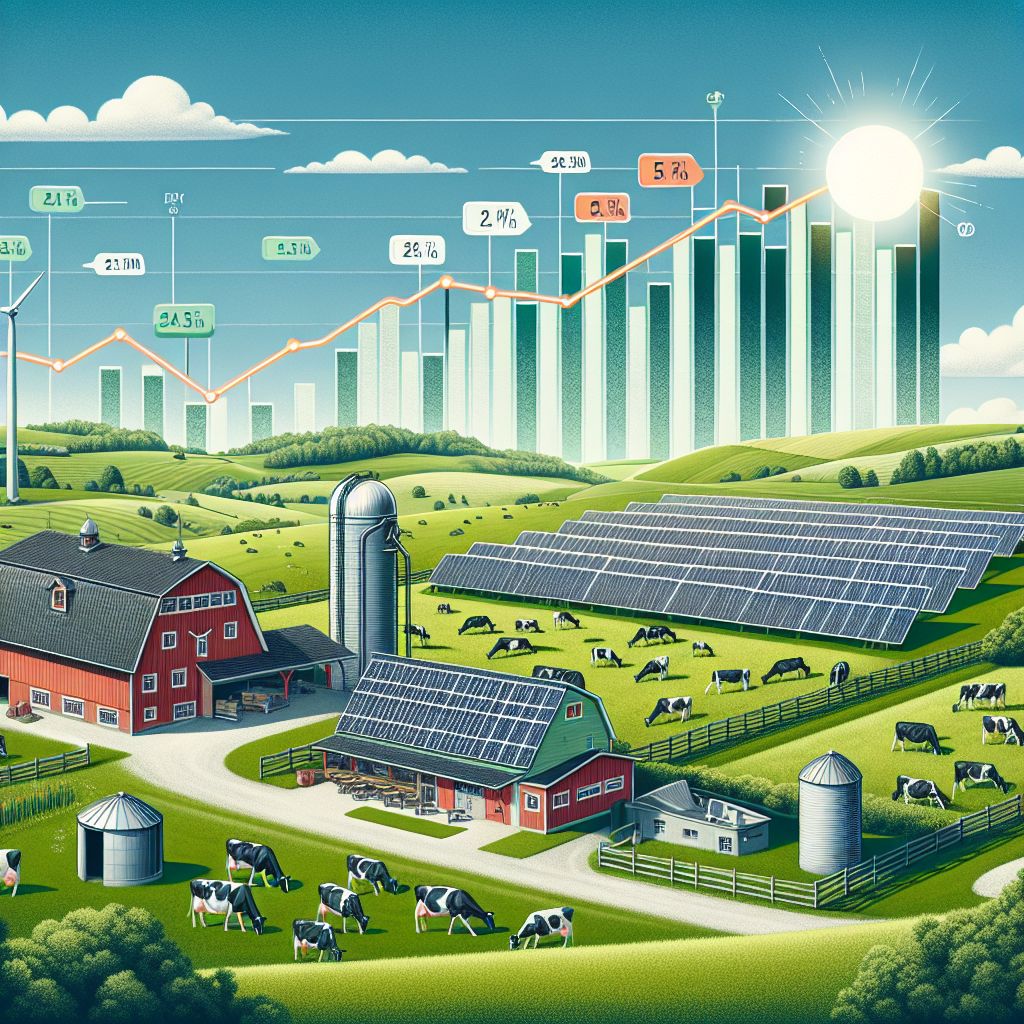
Significant Cost Savings
In addition to the immediate reduction in your electricity bill, solar panels also provide long-term financial benefits. Over time, the money you save from lower energy costs can really add up, giving you a return on your investment that continues to increase year after year.
Reducing Electricity Bills
Electric bills can be volatile and influenced by market trends. By producing your own electricity, you can stabilize these costs and avoid the increases that can happen from increased demand or supply chain problems. Most importantly, the savings add up over time, making solar panels a wise financial investment.
Opportunity for Extra Income
Occasionally, farms may produce more electricity than they can use. This excess energy can be sold back to the power company, providing an extra source of income. Through programs like net metering, farmers can earn credits for the extra energy they generate, which improves the financial benefits of solar panels.
For example, if a farm generates more power than it needs, it can sell the surplus back to the power company. This could bring in several hundred or even several thousand dollars a year. The extra income can help pay for the cost of installing the solar panels, making them an even better investment.
Long-Term Financial Benefits
Solar panels are built to endure for many years, often with guarantees that go beyond 25 years. This durability guarantees that the monetary advantages are not just immediate but continue to provide worth over an extended period. Furthermore, the price of solar technology has been dropping, making it more affordable to farmers of all sizes.
Here is a table showing how solar panels can help save money on a farm:
|
Factor |
Description |
Impact on Savings |
|---|---|---|
|
Electricity Cost Reduction |
Solar panels generate electricity, reducing reliance on grid power. A 10-kilowatt system can save approximately $2,080 annually at $0.19 per kWh. 2 |
Decreases operational costs significantly over time. |
|
Government Incentives |
Programs like the USDA’s Rural Energy for America Program (REAP) offer financial assistance and tax credits, covering up to 30% of installation costs. 1, 5 |
Lowers initial investment and accelerates payback period. |
|
Revenue from Excess Energy |
Surplus energy can be sold back to the grid or used for other farm operations. 1 |
Provides additional income stream. |
|
Reduced Irrigation Costs |
Solar panels can reduce evaporation, lowering water usage and costs. 1, 3 |
Saves money on irrigation, particularly in dry areas. |
|
Maintenance Cost |
Maintenance costs for solar systems are relatively low, averaging $200 annually for a 10-kilowatt system. 2 |
Keeps ongoing expenses minimal. |
|
Improved Crop Yield |
Agrivoltaics allows for dual land use, improving crop yields by providing shade and reducing water needs. 3, 4 |
Enhances profitability through increased agricultural output. |
|
Long-term Savings |
Once the system is paid off, farms can enjoy decades of free electricity. 4 |
Contributes to substantial long-term financial gains. |
Let’s take the case of a dairy farm that put up solar panels five years back. While the upfront cost was high, the farm has since made back the money through energy savings and extra income from selling surplus electricity. Today, the farm gets its electricity almost for free, which has significantly cut down its operating costs.

Energy Independence
One of the major perks of setting up solar panels on farms is the ability to become energy self-sufficient. Farmers can generate their own electricity and lessen their dependence on external power supplies. This is especially beneficial in rural areas where power cuts are more frequent. For more information on the benefits of solar panels on farms, you can explore further details.
Reliable Power Supply
Solar panels offer a dependable energy source that can be crucial during times of high usage or when the power grid is unstable. This guarantees that important farm tasks, like irrigation and cooling, can proceed without disruption.
Decreased Dependence on Grid Power
Farms that rely less on grid power are less likely to be affected by power outages and changes in energy costs. This stability is key in keeping farm operations running smoothly and preventing expensive interruptions.
Low Maintenance and Long-lasting Durability
Solar panels need little upkeep, generally just a bit of cleaning now and then and regular check-ups. Their robustness and long life make them a low-upkeep, high-yield investment.
Take, for instance, a vegetable farm that made the switch to solar panels. They found that the panels required less maintenance than their traditional power systems, which frequently needed to be repaired or replaced. Now, the farm has a steady source of power and barely has to do any maintenance.

Helping the Environment
For farmers who want to minimize their carbon footprint, solar energy is a great option because it’s both renewable and doesn’t pollute.
Decreasing Carbon Emissions
By using solar energy, farms can make a big dent in their carbon emissions. Usual energy sources like coal and natural gas let off a lot of greenhouse gases. Solar energy, however, doesn’t let off any emissions while it’s working.
Decreased emissions of greenhouse gases
Lessened air pollution
Helping to achieve worldwide climate objectives
One farm noted that after changing to solar power, they saw a decrease of over 50 tons of CO2 emissions every year. This drastic reduction in greenhouse gases helps to create a cleaner environment and shows the farm’s dedication to being sustainable.
Shrinking the Carbon Footprint
Decreasing emissions of greenhouse gases
Lessening air pollution
Aiding in worldwide climate objectives
When farms make the switch to solar power, they are able to substantially shrink their carbon footprint. Conventional energy sources like coal and natural gas let off a great deal of greenhouse gases. Solar energy, however, doesn’t produce any emissions while it’s operating.
A farm has reported a decrease in CO2 emissions of more than 50 tons per year after they started using solar energy. This large reduction in greenhouse gases helps the environment and shows the farm’s dedication to being sustainable.
Encouraging Sustainable Operations
Using solar panels on farms encourages sustainable operations by capturing renewable energy. This change not only helps the environment but also sets a positive precedent for the community and other farmers.
For example, a farm that uses solar energy can boast about its commitment to sustainability, which can attract customers who appreciate eco-friendly practices. This can improve the farm’s image and potentially boost product sales.
Enhanced Preservation of Soil and Water
Using solar energy systems can also enhance the preservation of soil and water. By lessening the dependence on fossil fuels, farms can minimize the pollution that deteriorates the quality of soil and water. Furthermore, irrigation systems that are powered by solar energy can be more effective, utilizing less water and lessening runoff.
A vineyard that transitioned to solar-powered irrigation saw a 30% decrease in water usage. This not only saved water but also enhanced the health of the soil and the quality of the grapes they grew.

Enhanced Farm Operations
Solar panels offer a dependable and steady energy source, improving different farming activities. This dependable power source is essential for keeping up productivity and efficiency on the farm.
Powering Irrigation Systems
Irrigation is a critical part of growing crops, and solar panels can offer the energy needed to power these systems. Solar-powered irrigation guarantees that crops get enough water, even in outlying areas where grid power might not be dependable.
Take for instance a farm located in an area that often experiences drought. They set up solar panels to provide energy for their irrigation system. This enabled them to keep their crop yields steady even though they were dealing with tough circumstances, showing how solar power can offer resilience.
Supporting Livestock Needs
Solar panels can also meet the needs of livestock operations by supplying power for heating, cooling, and lighting in barns and animal housing facilities. This ensures that animals have a comfortable and safe environment, which is crucial for their health and productivity.
One dairy farm that installed solar panels noted an increase in milk production. They attributed this to the stable power supply from the solar panels, which allowed the barn’s cooling systems to operate without interruption. This kept the barn at a comfortable temperature for the cows, reducing their stress levels.
Empowering Advanced Farming Technologies
Advanced farming technologies, such as automated systems and precision farming tools, need a dependable source of power. Solar panels can provide this power, allowing farms to use these technologies and enhance their operations.
Take the example of a farm that used solar energy to run its automated feeding system. The result was a 20% boost in efficiency. The system made sure that animals got the correct amount of feed at the right time, which cut down on waste and increased productivity across the board. Learn more about boosting agribusiness with solar energy.
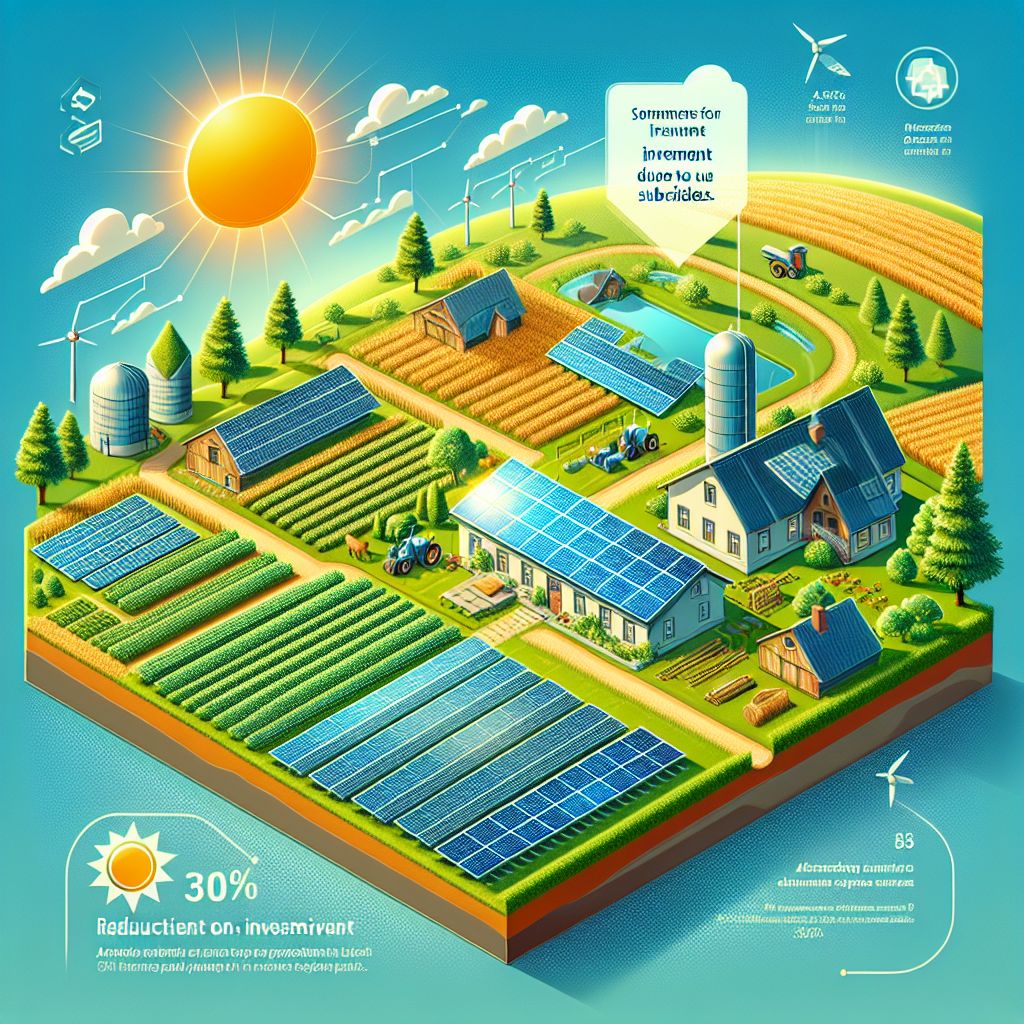
Financial Incentives and Support
There is a multitude of financial incentives and support schemes available to farmers who choose to invest in solar energy. These advantages can considerably reduce the initial installation cost, making solar panels a more feasible option for many farms.
Government Subsidies and Tax Breaks
There are numerous government subsidies and tax breaks available to promote the use of renewable energy. These financial benefits can significantly offset the cost of installing solar panels, making it a more feasible option for farmers.
Take a farm that has installed solar panels, for instance. They received a grant that covered 30% of the installation costs. On top of that, they also benefited from tax credits, which further eased the financial burden and made the investment more feasible.
Affordable Loans and Financing Solutions
Affordable loans and financing solutions are on offer to aid farmers in financing the installation of solar panels. These financial tools give the required funding on agreeable terms, enabling farmers to put money into solar power without putting pressure on their budgets.
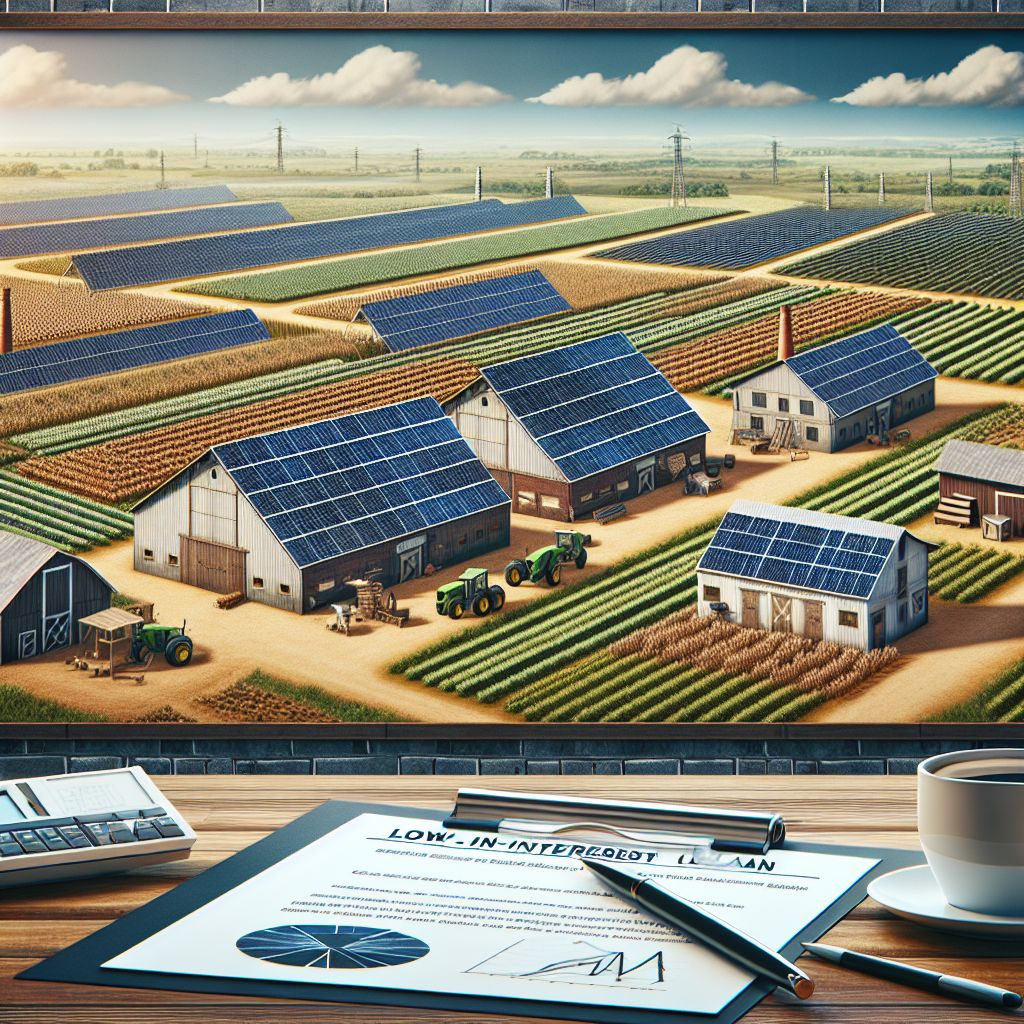
A small farm was able to afford the installation of solar panels thanks to a low-interest loan. The loan’s terms were so good that it made it feasible for the farm to start using renewable energy. This has resulted in the farm saving a lot of money and it’s also much better for the environment. Learn more about the benefits of solar panels on farms.
Subsidies for Renewable Energy Projects
Subsidies for Renewable Energy Projects can help lower the cost of solar panel installation. This aid is usually provided by government departments or environmental groups and can make a big impact on the total cost of the project. For example, a large agricultural business was granted a subsidy that paid for 25% of the costs of installing solar panels. This monetary aid made the project more cost-effective and enabled the agricultural business to reap the long-term financial and environmental benefits of solar power.
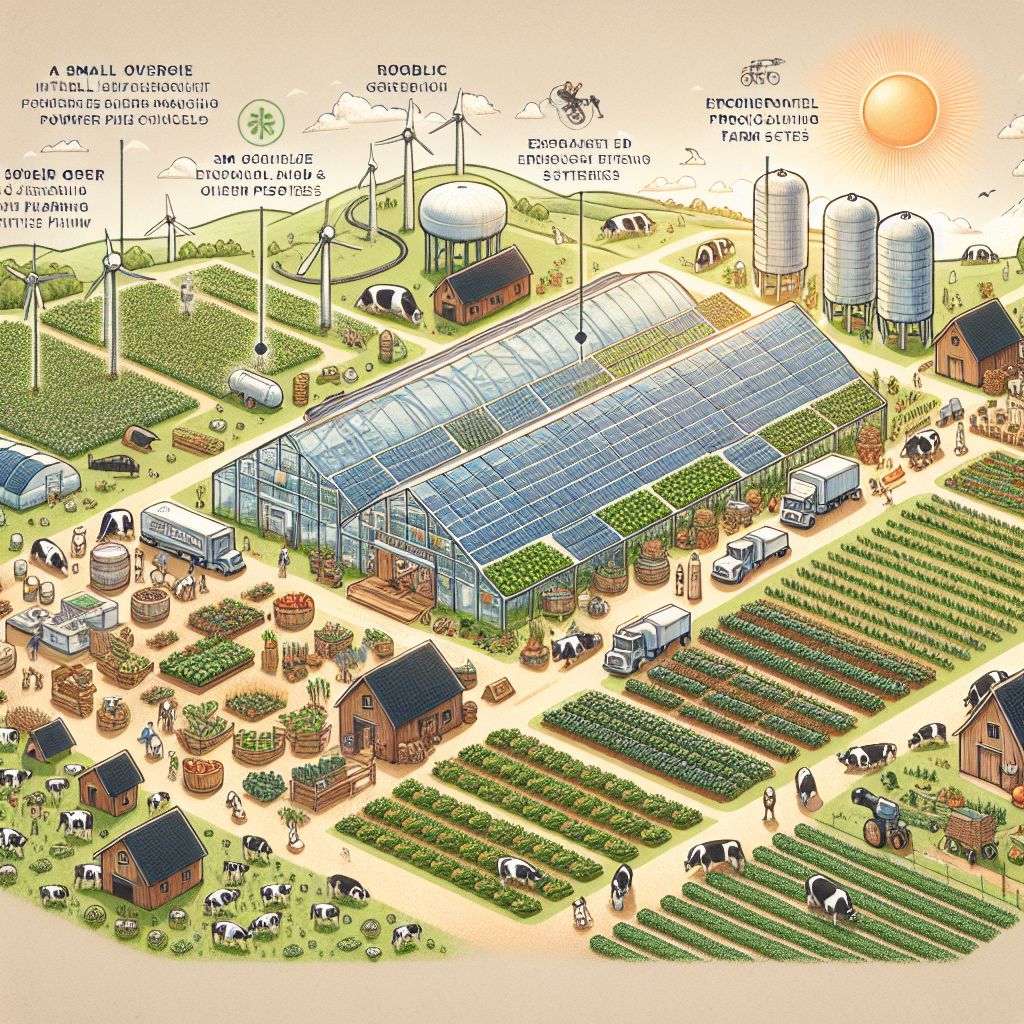
Real-World Examples and Case Studies
Small-Scale Farms
Large-Scale Agribusinesses
Practical demonstrations and field studies offer crucial knowledge about the advantages and difficulties of using solar panels on farms. These demonstrations showcase the real-world uses of solar power and show the beneficial effect it can have on farm operations.
Small-Scale Farms
Small farms can see a significant benefit from solar energy. For instance, a small organic farm installed solar panels to power its greenhouse operations. The farm was able to reduce its energy costs by 40%, which let it invest more in organic farming practices and expand its product offerings.
Another family-owned farm used solar panels to power their refrigeration systems, ensuring that their produce stayed fresh and reducing food waste. The reliable power supply from the solar panels also allowed the farm to participate in local farmers’ markets, increasing their revenue and community presence.
Large-Scale Agribusinesses
Big farming businesses can also benefit from solar energy. For example, a big dairy farm installed solar panels to power its milking machines and cooling systems. The farm reported a 50% reduction in energy costs, which translated to significant savings and increased profitability.
Consider a large-scale crop farm that installed solar panels to run their irrigation and equipment. Not only did this farm see an increase in efficiency and productivity, but their operating costs also went down. Additionally, their use of solar power improved their sustainability rating, which appealed to eco-friendly consumers and businesses.
Challenges and Solutions in Adopting Solar Panels
Despite the obvious advantages of solar power, there are still some hurdles that farmers may encounter when thinking about installing solar panels. Knowing what these obstacles are and how to tackle them is crucial for a smooth transition.
Initial Installation Costs
For many farmers, the initial cost of installing solar panels can be quite steep. That being said, there are grants, tax credits, and financing options available that can help offset this cost. In addition, the money saved on energy bills in the long run often makes up for the upfront investment.
Take for instance a farm that had to deal with steep upfront costs. They were able to offset this through a mix of grants and low-interest loans. As time went on, the farm was able to earn back the money spent on installation through the energy savings they made and the extra income they got from selling off surplus power.
Requirements for Land and Space
Solar panels need a specific amount of land or rooftop space for installation. This can be a challenge for some farms to find the right space. However, innovative solutions like using underused land or setting up panels on the roofs of barns can help solve this problem. For more information, check out the benefits of solar panels on farms.
A farm with space constraints put solar panels on the roofs of its barns and storage facilities. This strategy made the most of the space available without affecting crop production or livestock areas. Learn more about the benefits of solar panels on farms.
Weather Dependence
Since solar panels need sunlight to create electricity, their effectiveness is influenced by the weather. In areas where there is less sunlight, solar panels may not be as effective. However, improvements in solar technology and energy storage can help address this problem.
Take, for example, a farm in a region with lots of cloud cover. They put in high-efficiency solar panels and a system to store the energy. This meant they had a steady supply of power, even when the sun wasn’t shining very much.
Here is a table showing the challenges and solutions in adopting solar panels for farm operations:
|
Challenge |
Description |
Solution |
|---|---|---|
|
Initial Costs |
The upfront cost of purchasing and installing solar systems can be substantial. 4 |
Utilize government incentives, tax breaks, and financing options to reduce initial costs. 3, 4 |
|
Land Use |
Large-scale solar installations require substantial land, which may compete with agricultural use. 4 |
Implement agrivoltaics, allowing dual use of land for both solar energy and agriculture. 5 |
|
Intermittency |
Solar power generation is dependent on sunlight, which varies with weather and time of day. 4 |
Use energy storage systems to store excess energy for use during cloudy periods or at night. 4 |
|
Maintenance and Cleaning |
Dust, bird droppings, and other debris can reduce solar panel efficiency. 1 |
Regular cleaning using sustainable methods and technologies to maintain efficiency. 1 |
|
Technological Obsolescence |
Rapid technological advancements may render existing systems outdated. 4 |
Invest in adaptable and upgradable solar systems to extend longevity. 4 |
|
Grid Integration |
Integrating solar power into existing energy grids can be challenging. 4 |
Implement smart grid technologies and demand response systems for effective integration. 4 |
|
Geographic and Regulatory Barriers |
Not all regions receive the same amount of sunlight, and regulatory barriers can hinder installation. 4 |
Collaborate with governments and industry stakeholders to overcome regulatory challenges and optimize site selection. 4 |
Conclusion
Embracing solar panels on farms is not just a smart money move, but also a strategic investment for the future. Solar power systems offer a reliable and steady source of power, allowing farmers to better control energy expenses, boost efficiency, and promote environmental sustainability.
Solar-Powered Farming: A Look Ahead
The farming industry is moving in a sustainable direction, and solar energy is a key player in this shift. As technology continues to improve and costs drop, more and more farms will be able to tap into the sun’s power, resulting in a greener and more profitable agricultural sector.
Why Farmers Should Consider Solar Panels
If you’re a farmer who wants to cut costs, boost efficiency, and make your operation more sustainable, you should think about investing in solar panels. There are many financial incentives available, and the long-term benefits of being energy independent make solar panels a very attractive solution to the problems faced by today’s farmers.
Begin by exploring possible grants and funding opportunities, and then meet with a reliable solar installer to evaluate your farm’s energy requirements and potential savings. The investment in solar energy will be worthwhile over time, benefiting both your farm and the environment.
Frequently Asked Questions (FAQ)
What is the price of setting up solar panels on a farm?
The price of setting up solar panels on a farm can differ greatly depending on the system’s size and the farm’s particular needs. Typically, the price can vary from $10,000 to $30,000 for small to medium-sized farms. Nonetheless, financial benefits such as grants, tax credits, and low-interest loans can greatly decrease the initial costs.
What are the environmental benefits of solar panels?
Solar panels are beneficial to the environment as they help to decrease emissions of greenhouse gases and air pollutants. As opposed to conventional sources of energy, solar energy does not produce any emissions while in operation, thus making it a green and renewable energy source. By adopting solar energy, farms can drastically cut down their carbon emissions and help meet worldwide climate objectives.
What maintenance do solar panels need?
Not much maintenance is needed for solar panels, usually just a bit of cleaning and checking them from time to time. Keeping the panels clear and making sure they’re working as they should is important. Most solar panels come with warranties that cover maintenance and repairs, making them a low-maintenance, high-return investment.
Overall, solar panels provide a host of advantages for farms, ranging from substantial cost reductions and energy self-sufficiency to environmental protection and improved farm processes. By putting their money into solar power, farmers can cut their operating expenses, boost efficiency, and help make the world a better place.







Leave a Reply