
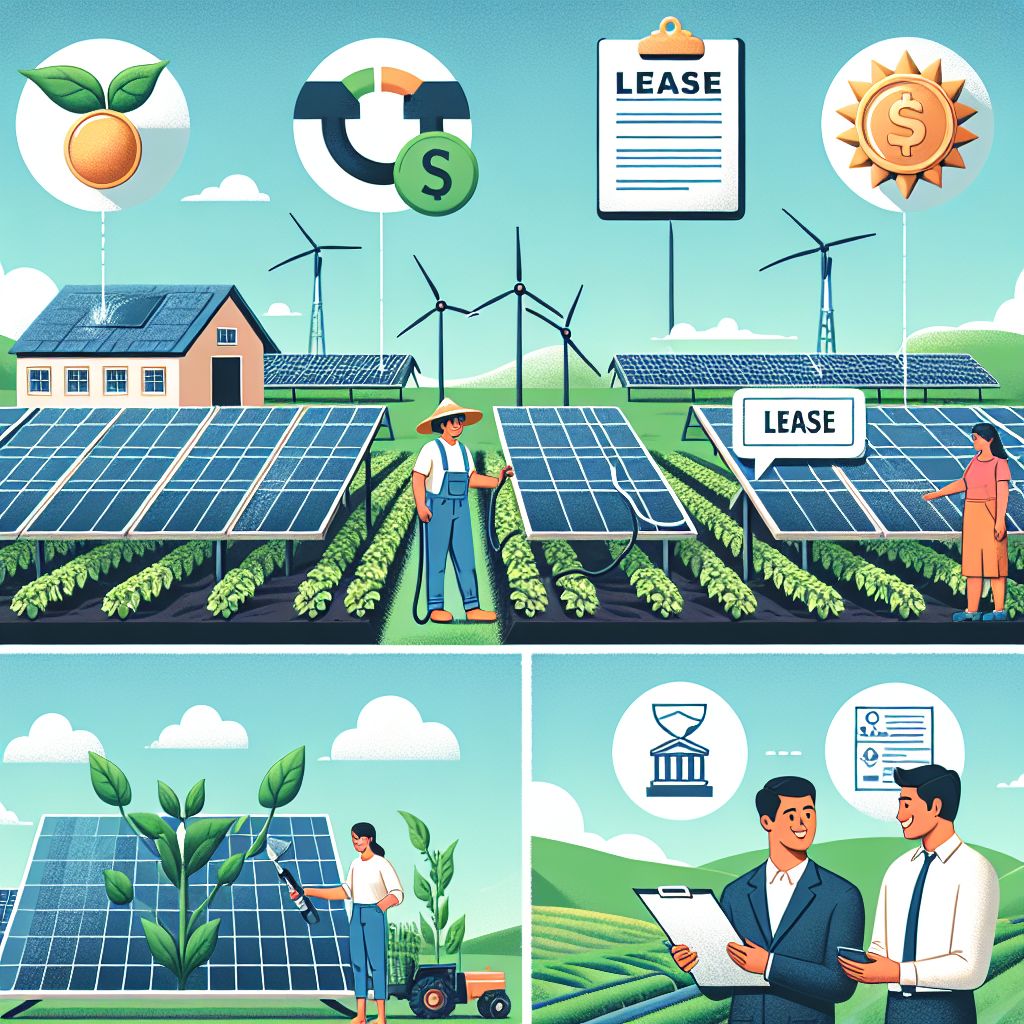
Key Takeaways
Leasing solar panels can be an affordable option for irrigation, reducing initial costs and maintenance worries.
Lease contracts usually cover installation and system maintenance, giving farmers peace of mind.
It’s important to understand the terms of the contract to make sure the lease fits with your farm’s financial and sustainability objectives.
It’s important to weigh long-term savings and environmental benefits when deciding whether to lease or buy solar panels.
Government incentives and tax credits can have a big effect on the overall affordability of leasing solar panels.
Bright Future: Leasing Solar Panels for Farm Irrigation
As we all work towards a more sustainable future, solar energy has emerged as a bright light of hope, particularly in agriculture. Let’s take a look at how leasing solar panels can transform the way farms work, especially when it comes to irrigation – a key part of farming that often comes with high energy bills.
Why Solar is Taking Over the Farming Industry
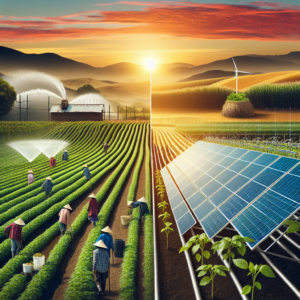
So, why are we bringing up solar energy in the context of farming? Because it’s a total game-changer. Imagine being able to slash your sky-high electricity bills while also doing your bit for the environment. Solar power is renewable, it’s clean, and it’s becoming more and more affordable. And it’s not just for tech geeks living in the city; farmers are now using the power of the sun to run their irrigation systems, and it’s having a huge impact.
Consider the case of a California farm that shifted to solar-powered irrigation and experienced an incredible 75% reduction in energy costs. That’s tangible money that can be funneled back into the farm.
But it’s not just about the savings. Utilizing solar energy also results in less dependence on the grid and a smaller carbon footprint. That’s something we can all take pride in.
Lease or Purchase: What’s the Best Option for Your Agricultural Business?
When considering solar panels for your farm, there are two primary choices: purchase them or lease them. Buying them gives you ownership of the system, but it also means a large initial expense. Leasing, however, usually doesn’t require any money down and includes maintenance. It’s similar to renting – you get the perks without the obligations that come with ownership.
Why Should Farmers Think About Solar for Irrigation?
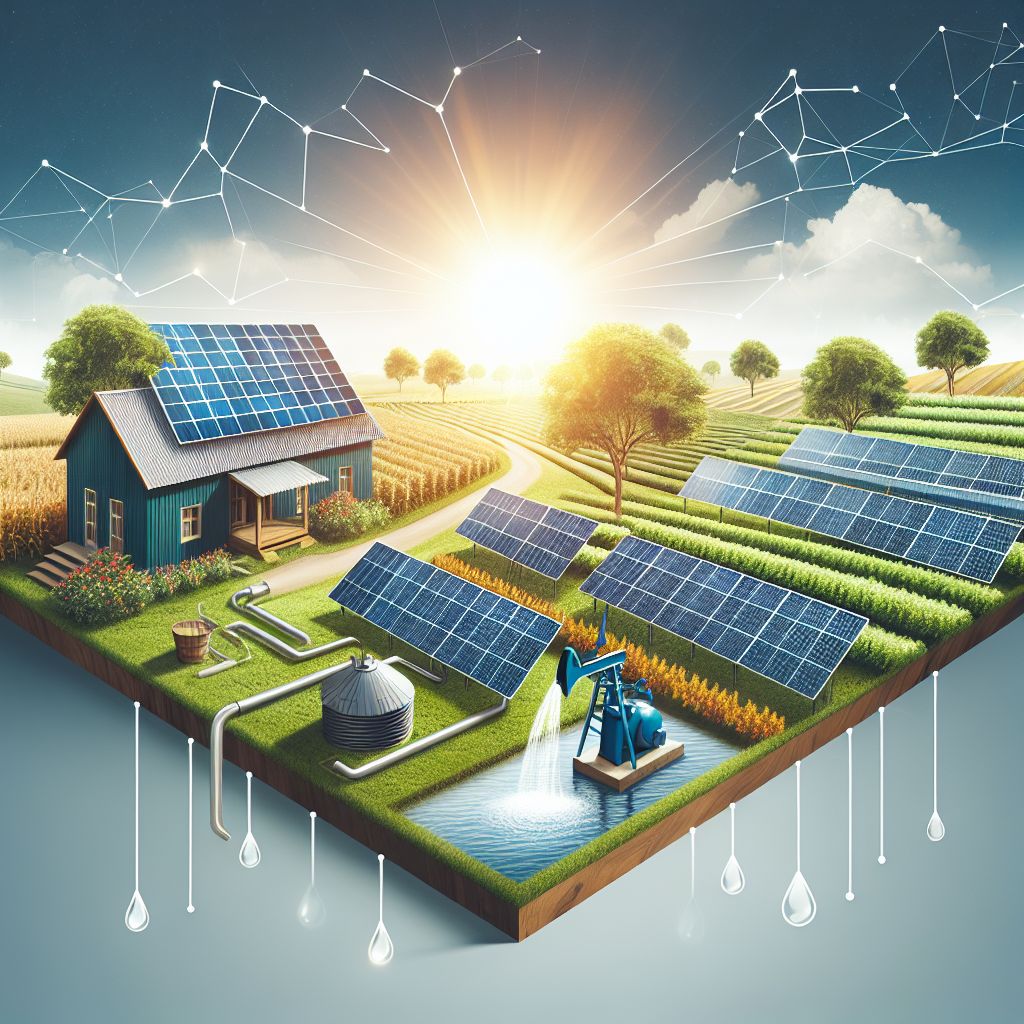
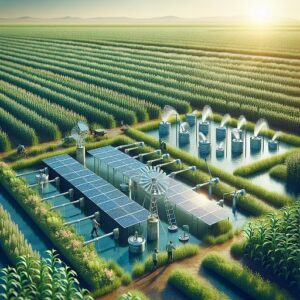
If you’re a farmer, you have crops that need watering. Irrigation is necessary, but it can also be costly. This is where solar energy comes into play. Solar panels allow you to produce your own electricity to run your irrigation system. It’s like having a small power station on your property – without the pollution.
The Price of Hydration: Understanding the Economics of Irrigation
Here’s the deal. Irrigating crops isn’t a walk in the park. To get water to the fields, you need pumps, and these pumps need electricity to run. The more you irrigate, the higher your electricity bill becomes. However, if you have solar panels, they can harness the sun’s energy and convert it into electricity. This means you can power your pumps using solar energy, which, to my knowledge, is free of charge.
However, it’s not only the price of electricity that matters. The cost of the equipment and its maintenance also come into play. Traditional energy sources can have unstable pricing, while solar allows you to have more control over your energy costs.
Why Solar Irrigation is Good for the Environment
It’s not just about the potential cost savings; it’s about doing your part for the planet. Using solar panels for irrigation means less reliance on fossil fuels, which in turn means less greenhouse gas emissions. That’s good news for the environment. And given the growing consumer preference for eco-friendly farming, it’s good news for your business too.
Let’s be honest here. Whether you’re buying or leasing, solar panels do need an upfront investment. But, they can eventually pay for themselves through lower utility bills and possible government incentives.

Getting to Know Solar Panel Leasing
Okay, let’s dive into the details of solar panel leasing. It’s similar to renting your gear – you pay a monthly charge, and in return, you get to utilize the solar panels. This charge is typically less than what you’d spend on the electricity you’re saving, so it can be a great bargain.
The Process of Solar Leasing
When it comes to leasing, you enter into a contract with a solar provider who will then install the panels on your property. They own the equipment, and you get to use the electricity that it generates. The best part is that the leasing company is typically responsible for maintenance. So, if something goes wrong, it’s not your problem to deal with.
Since the panels are not yours, you may not be entitled to all the benefits that come with owning them. However, don’t fret; you will still make savings on your energy bills. As technology continues to advance, leasing provides the opportunity to upgrade to superior equipment once your contract ends.
Understanding Your Lease Agreement: What You Should Know
Before you put pen to paper, it’s crucial that you understand the terms of your lease agreement. How long is the contract? What happens if you want to terminate the contract early? Are there any hidden costs? You need to be aware of these details to ensure that leasing is the right choice for your farm.
Keep in mind, the lease is for a set period, but the savings from solar power can last for many years. When making your decision, consider the long-term benefits.
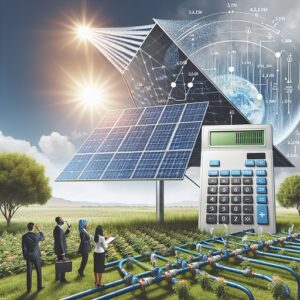
Crunching the Numbers: Is Leasing Really Worth It?
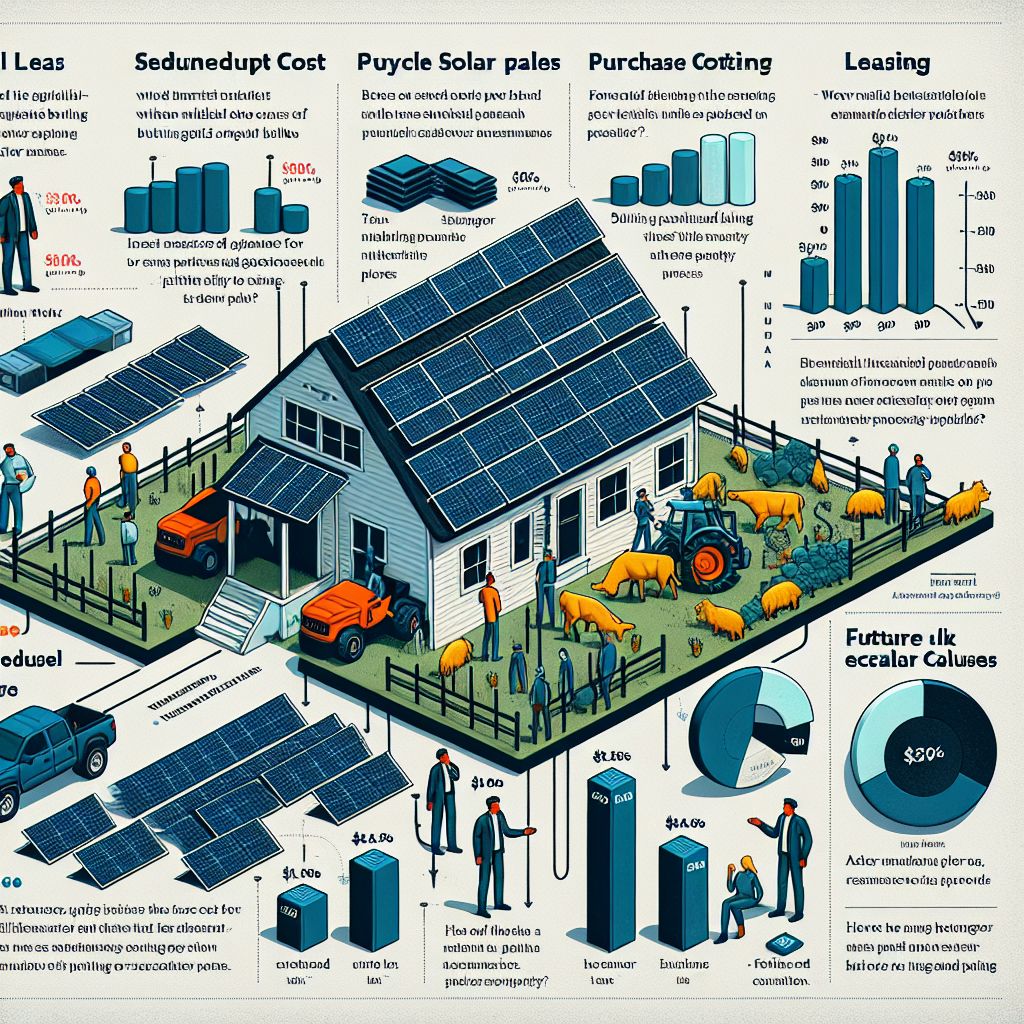
Now, let’s get down to brass tacks—or should I say, let’s talk savings. You’re probably wondering if solar panel leasing really is a good financial move. The short answer is yes, it can be. But like any good farmer knows, you’ve got to consider the long term, not just the initial investment. So, let’s dive into the details.
Initial Expenses: Lease Vs. Purchase
Here’s the deal: purchasing solar panels outright can be expensive. We’re talking about a substantial investment, often in the tens of thousands of dollars. Leasing, on the other hand, often requires little to no money upfront. That’s a huge advantage when you’re running a farm and every penny matters.
Let’s say a medium-sized farm received a quote for $30,000 to buy and install solar panels. By choosing to lease, they were able to start with no down payment and a manageable monthly payment, which allowed them to keep their cash available for other investments.
However, it’s important to keep in mind the long-term costs. When you buy, the panels are yours to keep forever, whereas leasing is more like a long-term rental. Both options have their advantages; it really depends on your financial situation and what you’re looking to achieve.
Long-Term Advantages: Reduced Bills and Tax Benefits
Leasing can result in reduced utility bills, and in some cases, you may qualify for tax credits or incentives, even if you’re leasing. These benefits can greatly counterbalance your monthly payments. Additionally, you’re securing your energy costs, which can be a wise decision when electricity prices are increasing.
Additional Costs of Leasing
However, there are additional factors to consider. Some leases include escalator clauses, which could cause your monthly payment to rise over time. Be sure to read the fine print and include this in your budgeting. Furthermore, because you do not own the panels, you will not benefit from an increase in property value or potential profits if energy prices increase.
Keep in mind that every farm is unique. Do the math and figure out what works best for you. Don’t be afraid to ask for advice from financial advisors or other farmers who have switched to solar. Knowledge is power, and in this case, solar power!
Here is a table showing the key pros and cons of leasing solar panels for an irrigation system on a farm:
|
Pros |
Cons | |
|---|---|---|
|
Reduced Energy Costs: Leasing solar panels can significantly reduce the energy costs associated with powering an irrigation system. 1, 2 |
Ongoing Lease Payments: The monthly lease payments, while potentially lower than utility bills, still represent an ongoing cost that reduces the overall savings. 4 | |
|
Reliable Power Supply: Solar-powered irrigation systems provide a consistent and reliable power supply, avoiding the intermittency of grid electricity or diesel generators. 1, 2 |
Loss of Tax Incentives: As the leasing company owns the solar panels, the farmer cannot claim federal or state tax credits and incentives that would be available with a direct purchase. 4 | |
|
Environmental Benefits: Solar irrigation systems do not produce greenhouse gas emissions or air pollution, making them a clean and sustainable energy source. 1, 2 |
Potential Resale Challenges: A solar lease can make a property less attractive to potential buyers, who may be hesitant to take on the long-term lease obligation. 2, 4 | |
|
Low Maintenance: Solar panel systems require relatively low maintenance compared to other energy sources, reducing the operational burden on the farmer. 1, 2 |
Long-Term Commitment: Solar leases typically span 15-25 years, representing a long-term commitment for the farmer. 3, 4 | |
|
Flexibility: Leasing solar panels allows farmers to scale the system to match their irrigation needs without high upfront costs. 1, 2 |
Potential Loss of Land Use: Depending on the lease terms, the solar installation may limit the farmer’s ability to use the leased land for other purposes. 3 | |
|
Access to Incentives: Government incentives and subsidies can improve the economic viability of leasing solar irrigation systems. 1, 2 |
Payment Uncertainty: Solar lease payments are not guaranteed, as the leasing company could stop operating the system at any time. 3 |
The Practicality of Solar Leasing for Irrigation
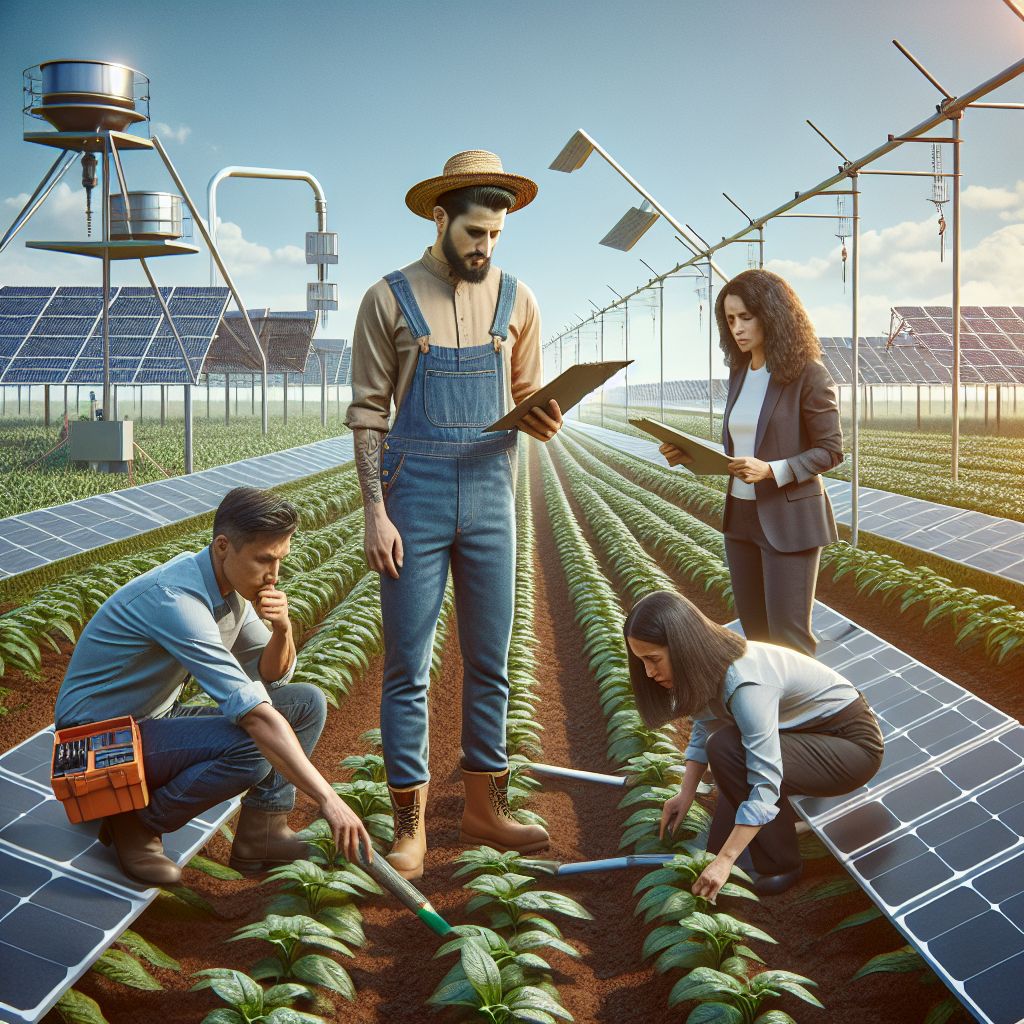
Moving your irrigation system to solar power isn’t only about the financial benefits; it’s also about making your life simpler. Let’s explore how leasing can make things easier from a practical standpoint.
Installation: When you lease, the company typically takes care of installation. This means you don’t have to find a contractor or deal with construction.
Maintenance: This is another task that the leasing company often takes care of, freeing up more of your time.
Upgrades: As technology improves, you may have the option to upgrade to more efficient panels if you’re leasing.
These advantages allow you to concentrate on what you do best: farming. Let the solar company handle the panels while you focus on your crops.
Making Installation Easy: Getting Started with Solar
Leasing means the solar company takes care of the installation. They’ll collaborate with you to find the optimal location for the panels and ensure everything’s properly connected. You’ll have professionals available to make sure your irrigation system is powered and ready to operate with clean, solar energy.
Who Fixes What? Maintenance Matters
If your solar panels have a problem, you won’t have to get your hands dirty and try to fix it. The leasing company is usually in charge of repairs and maintenance, which can save you a lot of trouble and possibly a lot of money as well.
Real-World Impact: Success Stories
Let’s get inspired by some real-life stories. Farmers just like you have made the switch to solar leasing and seen great results.
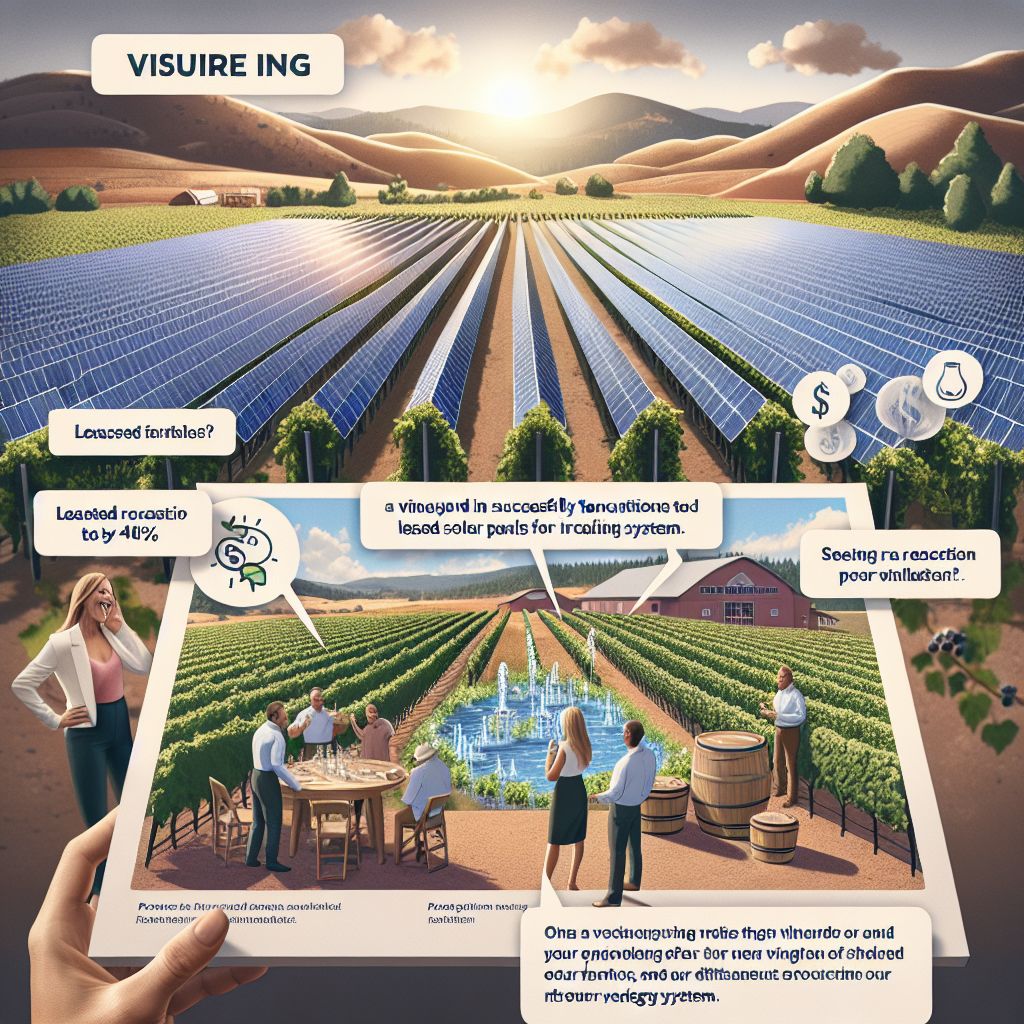
Quick Case Study: Leased Solar Panels Bring Vineyard Success
Imagine a vineyard in Oregon that chose to lease solar panels for their irrigation system. They didn’t just cut their energy costs by 40%, they also gained favor with customers who appreciated their dedication to eco-friendly practices.
“Our patrons love that we’re doing our part to take care of the planet. It’s a win-win for Mother Earth and for our business,” the vineyard proprietor shared.
These aren’t just feel-good anecdotes; they’re evidence that solar panel leasing can be a boon to both the environment and your finances.
What Do Farmers Say About Solar Leasing?
Many farmers who have leased solar panels are pleased with the financial savings and the fact that they don’t have to worry about maintenance. They also like the flexibility of leasing because it allows them to keep up with the latest solar technology without a huge financial commitment.
Addressing Potential Issues
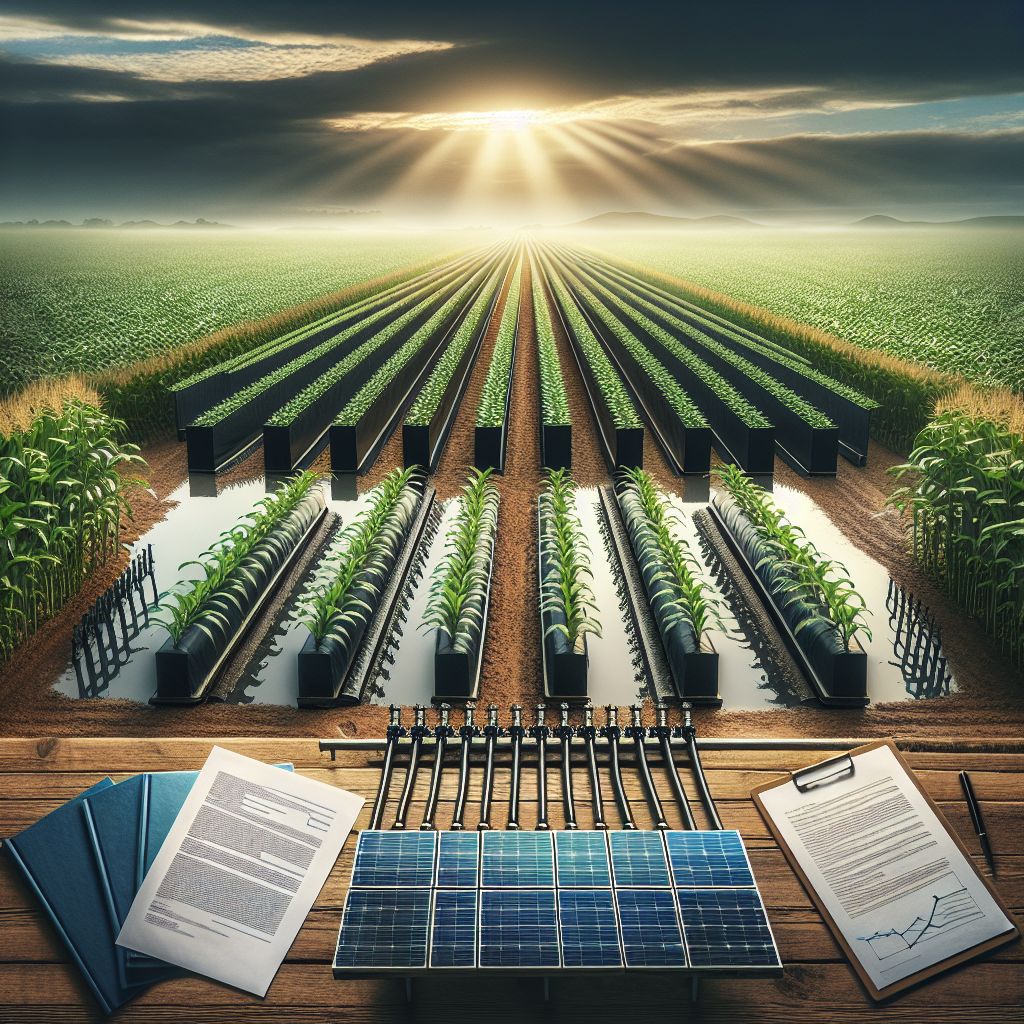
What about when things go wrong? Agriculture is always at the whim of the elements, and solar power is no exception. You may be thinking, what if there isn’t enough sun? What if a storm damages the panels?
What Happens If the Sun Doesn’t Shine?
Solar panels require sunlight to generate electricity, but it doesn’t have to be direct sunlight. Your panels will still produce power on overcast days, albeit less. Most leasing companies take these fluctuations into account in their calculations, so you’re protected. Additionally, if you’re connected to the grid, you can still draw power when necessary, keeping your irrigation system operational.
What Happens When the Lease Ends: Your Options
Once your lease is up, you have options. You can renew the lease, purchase the system at a discounted rate, or have the panels removed. If you choose to terminate the lease early, be aware that there may be termination fees. It’s important to be clear on these terms from the start to avoid any unexpected surprises later on.
Conclusion: Adopting Solar for a Greener Tomorrow
In conclusion, keep in mind that leasing solar panels for irrigation systems is not only about cost savings—it’s about investing in a greener future for your farm. It’s a move towards independence and durability, a pledge to the environment, and perhaps, a wiser financial decision for your farming business.
Take the leap, explore your options, and think about how solar energy can benefit your farm. It’s a smart move that could lead to even brighter days ahead for your fields and your wallet.
Commonly Asked Questions
What Occurs When the Lease Concludes?
When a solar panel lease concludes, you generally have three choices: extend the lease, buy the system, or request its removal. If you opt to acquire the panels, the price will usually be determined by their current market value at that moment.
Is Solar Leasing Compatible with Organic Farming Methods?
Definitely! Solar leasing enhances organic farming by further minimizing your carbon emissions and reliance on non-renewable energy sources. It’s an ideal pairing for the environmentally aware farmer.
What Effect Do Solar Panels Have on Land Use and Crop Positioning?
Solar panels can be set up on rooftops or in locations that aren’t suitable for crops, which reduces the effect on your available land. With some thoughtful planning, they can exist alongside crops and may even offer shade for plants that are sensitive to heat. For more insights on solar energy for irrigated farms, understanding the balance between land use and solar installation is crucial.
Do Government Programs Exist to Aid Farmers in Solar Leasing?
Indeed, a range of government programs and incentives are in place to make solar power more attainable for farmers. These may encompass grants, loans, and tax credits that can assist in counterbalancing the expenses of leasing solar panels.
Does Leasing Solar Panels Increase My Property Value?
Usually, leasing solar panels does not add value to your property because you do not own the system. However, the savings on energy costs and the environmental benefits can be attractive selling points if you decide to lease your land.

Leave a Reply