

Key Takeaways
- Solar batteries provide farms with a reliable power source, reducing dependency on traditional power grids and fossil fuels.
- By integrating solar batteries, farmers can significantly cut down on energy costs and fuel expenses over time.
- Solar battery systems ensure that farm operations continue smoothly during power outages, enhancing overall productivity.
- The environmental benefits include a lower carbon footprint and reduced noise pollution, promoting sustainable agricultural practices.
- Assessing energy needs and selecting the right solar battery systems are crucial steps for successful implementation on farms.
Impact of Solar Batteries on Farm Operations
In today’s rapidly evolving world, the agriculture industry stands at the forefront of innovation, particularly with the integration of renewable energy sources. Solar batteries have emerged as a transformative force, enabling farms to operate more efficiently and sustainably. By harnessing the power of the sun, these batteries provide a consistent and reliable energy source, drastically changing the landscape of farm operations.
Reducing Reliance on the Grid
One of the most significant advantages of solar batteries is their ability to reduce reliance on the traditional power grid. This shift not only provides a more stable energy source but also shields farms from fluctuating energy prices. By generating and storing their own electricity, farmers can ensure a consistent power supply, even in remote areas where grid access may be limited or unreliable.
Consider the story of a mid-sized dairy farm in California. The farm faced frequent power outages, which disrupted milking schedules and affected the overall health of the herd. By installing a solar battery system, the farm was able to maintain uninterrupted operations, resulting in increased milk production and improved animal welfare.
Enhancing Equipment Efficiency
Solar batteries play a crucial role in enhancing the efficiency of farm equipment. Many modern farming tools and machines require a stable and reliable power source to function optimally. With solar batteries, farmers can power a wide range of equipment, from irrigation systems to tractors, without worrying about energy interruptions.
For instance, a vegetable farm in Florida utilized solar batteries to power its irrigation system. This not only ensured a steady water supply but also allowed for precise control over watering schedules, leading to healthier crops and increased yields. The farm’s owner noted, “The solar battery system has been a game-changer for us. We’ve seen a significant boost in crop quality and quantity.”
Maintaining Operations During Power Outages
Power outages can be detrimental to farm operations, causing delays and potential losses. Solar batteries provide a reliable backup power source, ensuring that essential activities continue without interruption. This capability is particularly crucial during extreme weather events or grid failures. For more on how farmers can benefit, explore the advantages of solar-powered irrigation systems.
Take the example of a poultry farm in Texas. During a severe storm, the local power grid went down, threatening the farm’s operations. However, thanks to their solar battery system, the farm was able to maintain temperature controls and lighting in the poultry houses, preventing losses and safeguarding the welfare of the birds.
Here’s a table discussing more Impacts that solar batteries have on farm operations:
|
Aspect |
Impact |
|---|---|
|
Energy Costs |
Reduced operating costs by storing excess solar energy for use during peak hours. 1, 2 |
|
Power Reliability |
Improved grid reliability and resilience, ensuring consistent power supply during outages or low solar generation periods. 1, 2 |
|
Energy Independence |
Increased self-sufficiency by reducing reliance on grid electricity. 2 |
|
Sustainability |
Reduced greenhouse gas emissions and carbon footprint through increased renewable energy usage. 1, 2 |
|
Profitability |
Potential increase in profits by selling stored energy during high electricity price periods. 1 |
|
Grid Support |
Provision of ancillary services like frequency regulation and voltage support, enhancing overall grid stability. 3 |
|
Crop Management |
Potential for integration with controlled environment agriculture systems, supporting year-round crop production4 |
|
Water Conservation |
Reduced water evaporation due to panel shading, with potential for water storage and reuse in irrigation. 4 |
|
Land Use |
Dual use of land for energy production and agriculture (agrivoltaics), potentially increasing overall land productivity. 4 |
|
Environmental Concerns |
Potential soil disturbance during installation and maintenance, requiring careful management. 4, 5 |
This table summarizes the key impacts of solar batteries on farm operations, highlighting both the benefits and potential challenges for agricultural businesses integrating these systems.
Economic Benefits of Using Solar Batteries
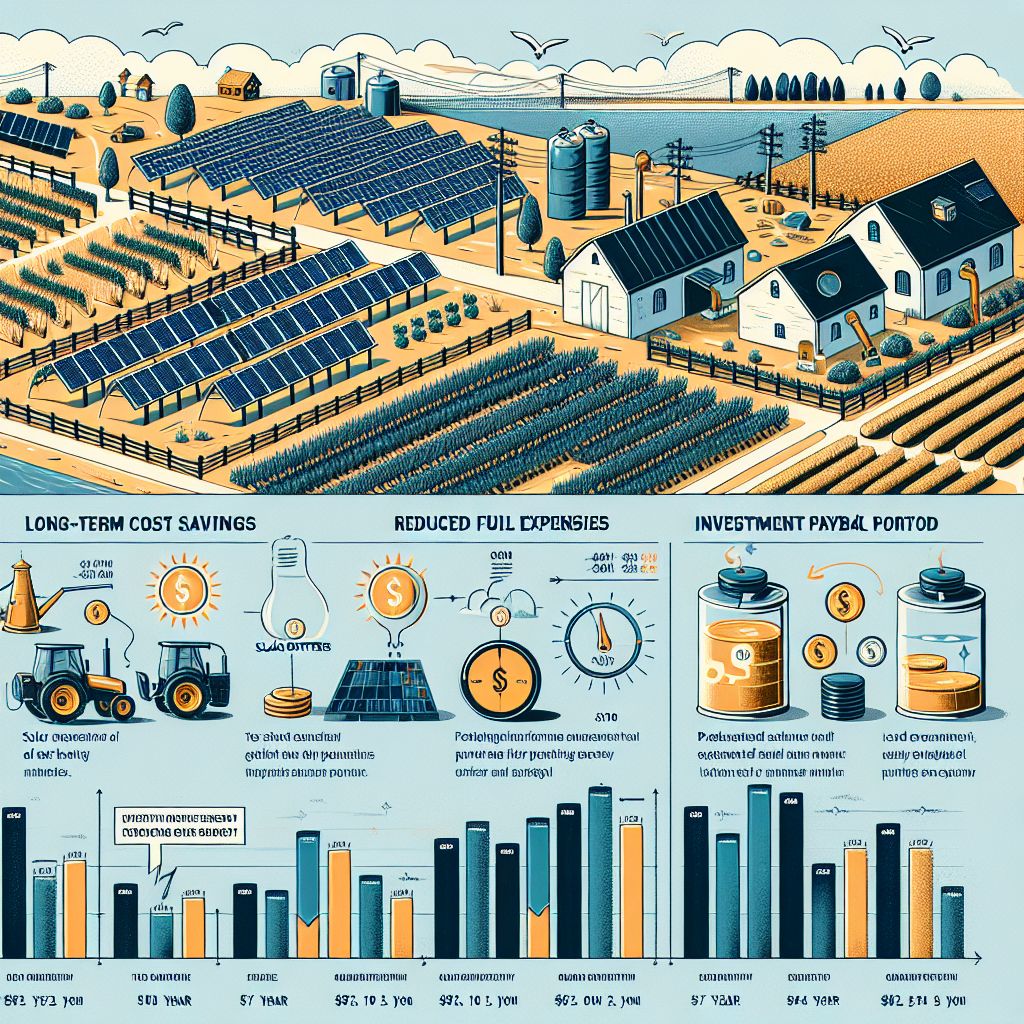
Beyond operational improvements, solar batteries offer substantial economic benefits to farmers. By reducing energy costs and minimizing fuel expenses, these systems provide a financially viable solution for long-term sustainability.
Long-term Cost Savings
One of the most compelling reasons for farmers to invest in solar battery systems is the potential for long-term cost savings. Traditional farming practices often rely on expensive fossil fuels for powering equipment, irrigation systems, and other critical operations. By switching to solar energy, farmers can utilize renewable energy sources that are not only inexhaustible but also more economical in the long run.
Solar batteries enable farms to store energy generated by solar panels during sunny days and use it when the demand for power is highest, such as during the night or on overcast days. This capability helps stabilize energy costs, allowing farmers to avoid the unpredictable spikes in electricity rates associated with conventional energy sources. Over time, the savings on electricity bills can amount to thousands of dollars, allowing farmers to reinvest in their operations.
Reduced Fuel Expenses
Fuel expenses can be a significant burden for farms, especially those heavily reliant on mechanical equipment for planting, harvesting, irrigation and other activities. Many agricultural operations use diesel or gasoline-powered machinery, which not only incurs high costs but also contributes to carbon emissions. By incorporating solar batteries, farmers can decrease their reliance on fossil fuels, leading to reduced overall fuel expenses.
For instance, solar-powered irrigation systems can operate efficiently, reducing the need for diesel-powered pumps. This shift not only saves money at the pump but also helps in complying with environmental regulations and reducing carbon footprints. Additionally, using solar energy for equipment charging minimizes the wear and tear on traditional fuel sources, ensuring machinery and equipment remains in optimum condition for years to come.
Investment and Payback Period
When considering the adoption of solar batteries, understanding the investment and payback period is crucial. The initial cost of installing a solar battery system can be significant, often ranging from $10,000 to $50,000, depending on the size and complexity of the system. However, the long-term savings on energy bills and reduced reliance on fossil fuels can make this investment worthwhile. For more insights, explore how solar power technology enhances energy independence and savings for farmers.
When strategically implemented, solar battery systems can provide an impressive return on investment (ROI). The typical payback period for farms investing in solar energy ranges from 5 to 10 years, depending on geographic location, solar potential, and energy consumption patterns. After this payback period, farmers can enjoy free energy for many years, drastically improving their bottom line while also contributing to a more sustainable future.
Environmental Advantages
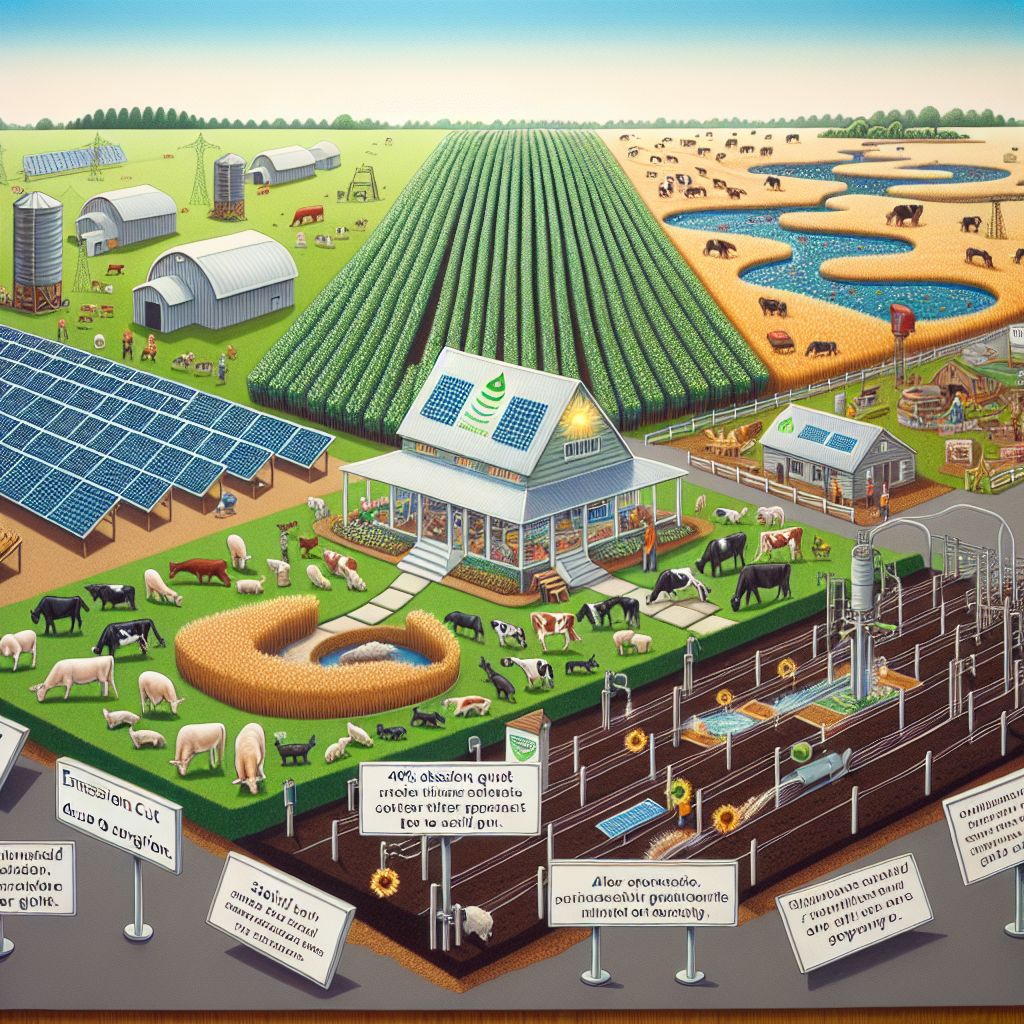
Beyond economic gains, solar batteries offer significant environmental benefits. By reducing dependency on fossil fuels, farms can lower their carbon footprint, contributing to a healthier planet. This shift not only benefits the environment but also enhances the farm’s reputation as a sustainable operation. For more insights on how solar energy impacts agriculture, explore the impact of solar irrigation.
Lowering Carbon Footprint
One of the primary environmental benefits of solar batteries is their ability to lower a farm’s carbon footprint. By using renewable energy, farms can significantly reduce greenhouse gas emissions, which are a major contributor to climate change. Learn more about how solar batteries are changing the agriculture industry.
“Switching to solar batteries has cut our emissions by over 40%. It’s a step forward in our commitment to sustainability,” says the owner of a large-scale grain farm in Iowa.
This reduction is achieved by decreasing the need for diesel generators and other fossil fuel-based energy sources, which are common on many farms.
Decreasing Noise Pollution
Traditional energy sources, such as diesel generators, are not only harmful to the environment but also contribute to noise pollution. This can be disruptive to both farm workers and livestock. Solar batteries, on the other hand, operate silently, creating a more peaceful and conducive environment for farm activities.
After replacing their diesel generators with solar batteries, a family-owned farm in Oregon noted, “The peace and quiet on the farm now is incredible. It’s made a huge difference for both our workers and our animals.”
This transition not only improves the quality of life on the farm but also aligns with broader environmental goals.
Promoting Sustainable Practices
Adopting solar batteries is a step towards more sustainable farming practices. By integrating renewable energy, farms can demonstrate their commitment to environmental stewardship and responsible resource management. This can also open up new opportunities, such as certifications for sustainable agriculture, which can enhance marketability and consumer trust.
Moreover, sustainable practices often lead to healthier soil and crops, creating a virtuous cycle of environmental and economic benefits. For instance, solar-powered irrigation systems can significantly enhance water efficiency and crop yield.

Implementing Solar Battery Systems on Farms
For farmers considering the switch to solar batteries, proper implementation is key to maximizing benefits. This involves a thorough assessment of energy needs, selecting the right battery types, and ensuring proper installation and maintenance.
“Understanding our energy usage was the first step. It helped us choose the right system for our farm,” shares a vineyard owner in California who successfully integrated solar batteries.
Such insights can guide farmers in making informed decisions that align with their operational goals and environmental aspirations.
Assessing Energy Needs
Before investing in solar batteries, it’s essential to assess the farm’s energy needs. This involves analyzing current energy consumption patterns and identifying areas where solar energy can be most effectively utilized. Conducting an energy audit can provide valuable insights into the farm’s power requirements and help in designing a tailored solar battery system. For more information on solar energy applications in agriculture, explore the benefits of solar-powered irrigation systems.
Selecting the Right Battery Types
Choosing the right type of solar battery is crucial for ensuring optimal performance. Options include lithium-ion, lead-acid, and flow batteries, each with its own set of advantages and considerations. Factors such as cost, lifespan, and maintenance requirements should be weighed against the farm’s specific needs and budget constraints. For more insights on how these choices impact agricultural practices, explore the transformation of agricultural practices with solar batteries.
Installation and Maintenance Tips
Proper installation is vital for the efficient functioning of solar battery systems. It’s advisable to work with experienced professionals who can ensure that the system is correctly set up and integrated with existing farm infrastructure. Regular maintenance is also important to keep the system running smoothly and to extend its lifespan.
Simple practices, such as routine inspections and cleaning of solar panels, can go a long way in maintaining system efficiency and reliability. For more insights on how solar energy is transforming agriculture, read about Li-ion solar batteries transforming agricultural practices.
Case Studies: Successful Farm Integrations
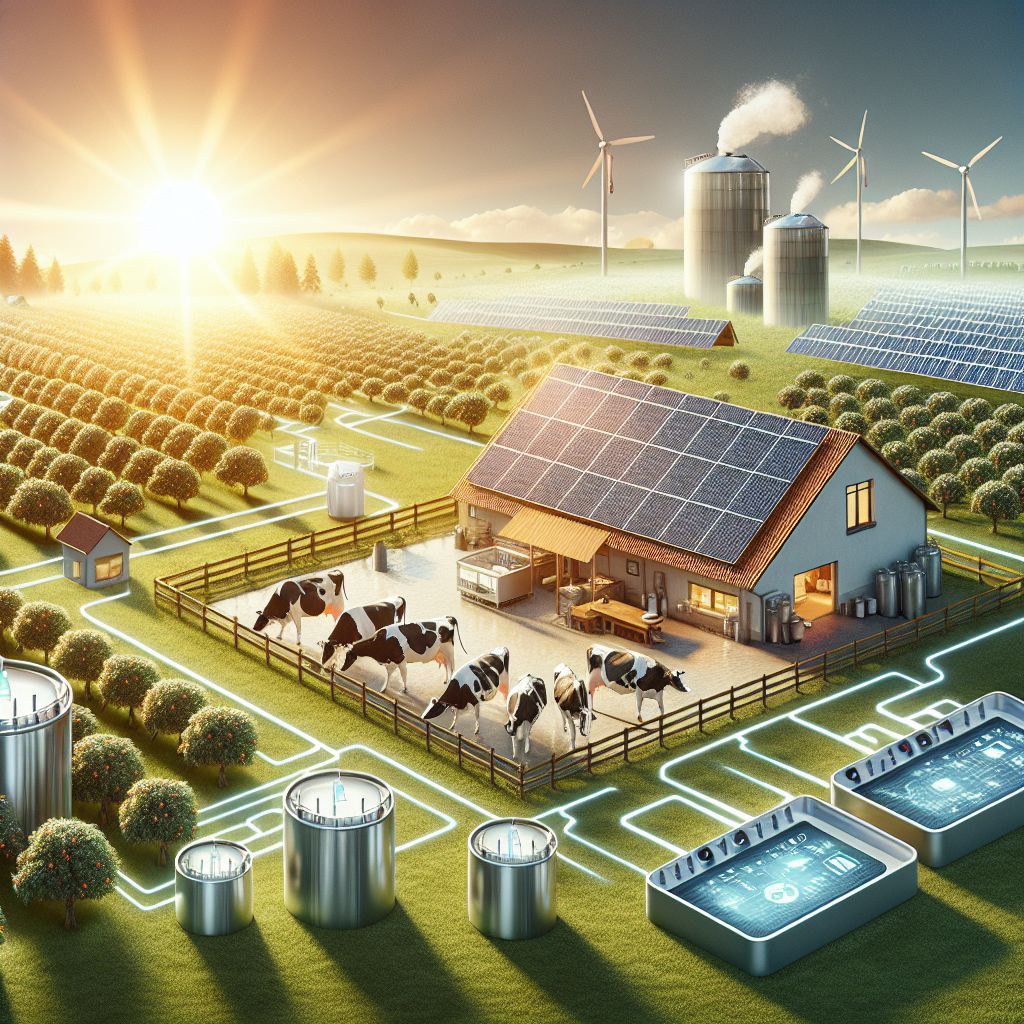
Examining real-world examples of farms that have successfully integrated solar batteries can provide valuable insights and inspiration for others looking to make the transition. These case studies highlight innovative approaches and lessons learned from early adopters.
Innovations in Farm Technology
Several farms have embraced cutting-edge technology to enhance the benefits of solar batteries. For instance, a fruit orchard in Washington implemented a smart energy management system that optimizes battery usage based on weather forecasts and energy demand, maximizing efficiency and cost savings.
Lessons Learned from Early Adopters
Early adopters of solar battery technology have valuable lessons to share. Many emphasize the importance of thorough planning and consultation with experts to ensure a smooth transition. Additionally, understanding the farm’s unique energy profile and aligning it with the right technology can make a significant difference in outcomes.
Measured Increases in Productivity
Solar batteries have shown a measurable impact on farm productivity. By ensuring a consistent power supply, these systems minimize downtime and allow farmers to focus on maximizing output. The reliability of solar batteries means that critical operations, such as irrigation and temperature control, can proceed without interruption, leading to healthier crops and livestock.
In a study conducted on a dairy farm, the integration of solar batteries resulted in a 20% increase in milk production. The uninterrupted power supply ensured that milking machines operated smoothly, reducing stress on the animals and improving overall milk quality.

Future Prospects for Solar Agriculture
The future of solar agriculture is promising, with ongoing advancements in technology and increasing support from government policies. As solar battery systems become more efficient and affordable, their adoption is expected to grow, transforming the agricultural landscape.
“The potential for solar energy in agriculture is immense. We’re only scratching the surface of what’s possible,” says an energy consultant specializing in renewable technologies.
With continued innovation, solar batteries will likely become an integral part of farm operations worldwide, contributing to sustainable and efficient food production.
Technological Advancements
Recent technological advancements have significantly enhanced the capabilities of solar batteries. Improvements in battery chemistry and energy storage capacity have made these systems more efficient and durable. Additionally, smart technology integration allows for better energy management, optimizing battery usage based on real-time data.
For example, some farms are now using AI-driven systems to predict energy demand and adjust battery output accordingly. This not only maximizes efficiency but also extends the lifespan of the battery system.
Potential for Broader Adoption
As solar battery technology continues to evolve, its potential for broader adoption in agriculture becomes more apparent. The declining cost of solar panels and batteries, combined with increasing awareness of environmental issues, makes renewable energy an attractive option for farmers worldwide.
Moreover, the scalability of solar battery systems means they can be tailored to suit farms of all sizes, from small family-run operations to large commercial enterprises. This flexibility is key to driving widespread adoption and realizing the full potential of solar energy in agriculture.
In regions where electricity access is limited, solar batteries offer a viable solution for powering essential farm operations, thereby boosting productivity and supporting local economies.
“Solar batteries have allowed us to expand our operations and increase our yield without the need for costly infrastructure upgrades,” shares a farmer from a remote area in Kenya.
Policy and Incentives for Farmers
Government policies and incentives play a crucial role in encouraging the adoption of solar batteries in agriculture. Many countries offer financial incentives, such as tax credits and grants, to offset the initial costs of solar battery systems.
Additionally, policies that support renewable energy development and provide technical assistance to farmers can further accelerate the transition to solar-powered agriculture. By creating a favorable environment for renewable energy adoption, governments can help farmers achieve greater sustainability and resilience.
Frequently Asked Questions
To help farmers better understand the benefits and implementation of solar batteries, here are some frequently asked questions.
How do solar batteries improve farm productivity?
Solar batteries improve farm productivity by providing a reliable power source that ensures uninterrupted operations. This consistency allows farmers to maintain optimal conditions for crop growth and livestock management, leading to increased yields and better quality produce.
Are solar batteries cost-effective for small farms?
Many small farms have found solar batteries to be cost-effective due to reduced energy bills and minimal maintenance costs. With the availability of government incentives and financing options, the initial investment can be manageable for small-scale operations. For more insights, explore the benefits of solar power technology for farmers.
Small farms can also benefit from the scalability of solar battery systems, allowing them to start small and expand as needed.
What is the lifespan of a typical solar battery?
The lifespan of a solar battery varies depending on the type and quality of the battery. On average, solar batteries can last between 5 to 15 years. Regular maintenance and proper usage can help extend the lifespan and ensure optimal performance.
What are the environmental benefits of solar batteries in agriculture?
Solar batteries offer several environmental benefits, including reduced greenhouse gas emissions and decreased reliance on fossil fuels. By using renewable energy, farms can lower their carbon footprint and contribute to a healthier planet. Learn more about how solar batteries are transforming agricultural practices.
Additionally, solar batteries operate silently, reducing noise pollution and creating a more peaceful environment for both workers and livestock.
How difficult is it to install solar batteries on existing farm systems?
Installing solar batteries on existing farm systems can be straightforward with the help of experienced professionals. The process typically involves assessing the farm’s energy needs, selecting the appropriate battery system, and integrating it with current infrastructure.
Many farms have successfully transitioned to solar power with minimal disruption to their operations, thanks to careful planning and expert guidance.
In conclusion, solar batteries represent a powerful tool for enhancing farm efficiency and productivity. By embracing this technology, farmers can achieve greater sustainability, reduce costs, and contribute to a cleaner, greener future.
Farmers are increasingly turning to solar power technology to achieve energy independence and cost savings. By utilizing renewable energy sources, they can reduce their reliance on traditional power grids and decrease operational expenses. This shift not only benefits the environment but also enhances the economic stability of farming operations. For more information on how solar power is transforming the agricultural sector, check out the advantages of solar power technology for farmers.







Leave a Reply