
Key Takeaways
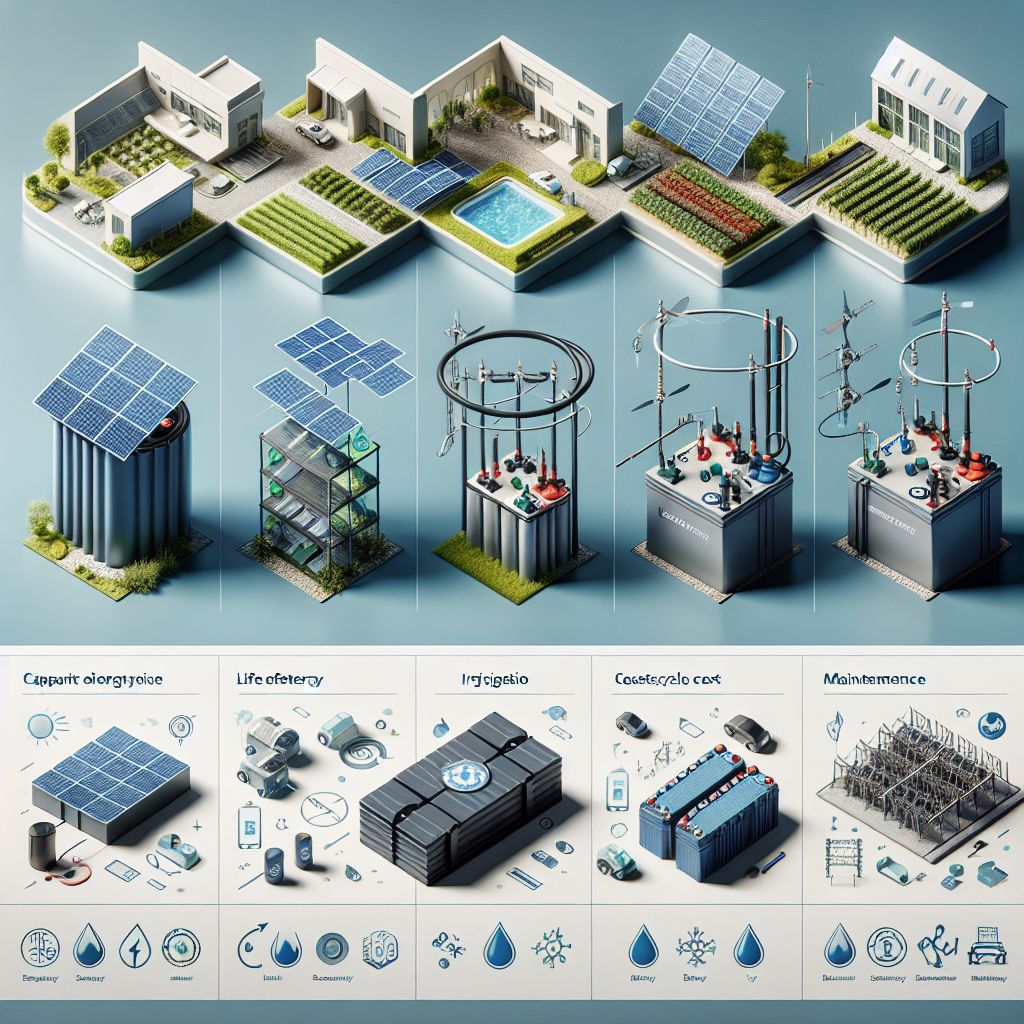
Lithium-ion batteries are energy-efficient and have a high storage capacity, making them ideal for residential solar irrigation systems.
Lead-acid batteries are cost-effective and reliable, suitable for off-grid solar irrigation setups.
Flow batteries, while less common, offer unique benefits for large-scale energy storage needs.
When choosing a battery for your solar irrigation system, consider factors such as capacity, lifecycle cost, and the specific needs of your irrigation requirements.
Proper installation and maintenance are key to maximizing the lifespan and efficiency of your solar irrigation batteries.
Understanding Solar Irrigation Batteries
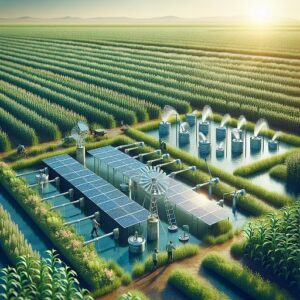
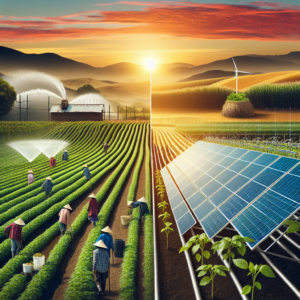
Solar irrigation systems are revolutionizing agriculture by providing a sustainable and cost-effective way to water crops. At the heart of these systems are the batteries, which store the energy collected from the sun and release it when needed. Choosing the right battery is crucial for ensuring the efficiency and reliability of your irrigation system.
There are several types of batteries commonly used in solar irrigation systems, each with its own set of advantages and disadvantages. Understanding these differences can help you make an informed decision that best suits your agricultural needs.
Importance of Selecting the Right Battery for Agriculture
Selecting the right battery for your solar irrigation system is not just about cost; it’s about ensuring that your system runs smoothly and efficiently. The wrong battery can lead to frequent maintenance issues, reduced efficiency, and even system failures. Therefore, it’s essential to consider factors such as battery capacity, lifespan, and environmental impact.
Lithium-Ion Batteries: Efficient and Long-Lasting
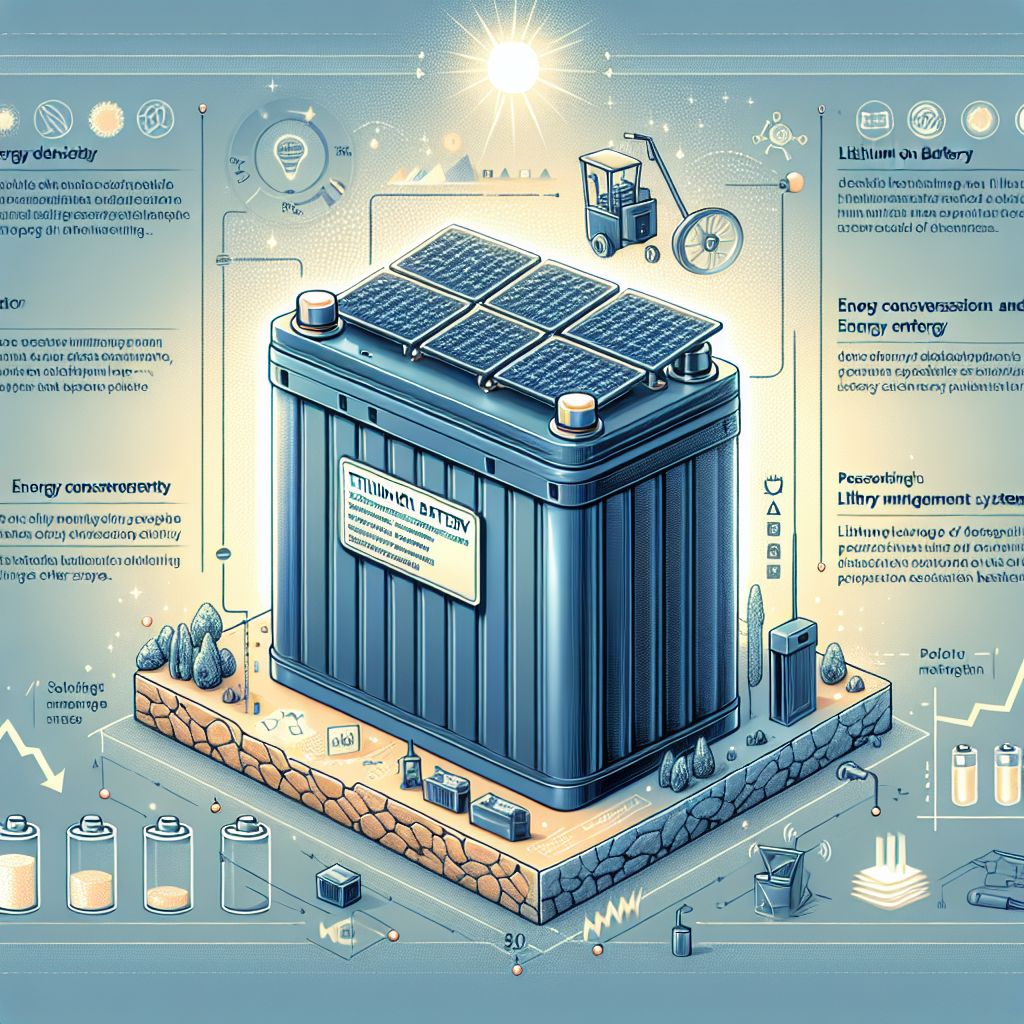
Lithium-ion batteries are often considered the gold standard for solar irrigation systems. They are known for their high energy efficiency and long lifespan, making them a popular choice among farmers looking for reliable and long-term solutions.
Advantages of Lithium-Ion Batteries
One of the biggest advantages of lithium-ion batteries is their high energy density. This means they can store a large amount of energy in a relatively small space. They also have a longer lifespan compared to other types of batteries, which means less frequent replacements and lower long-term costs. For more information on choosing the right solar battery, check out this guide on how to choose the best solar battery.
Besides that, lithium-ion batteries are highly efficient, with energy conversion rates often exceeding 90%. This means more of the energy collected from the sun is stored and available for use, reducing waste and increasing the overall efficiency of your solar irrigation system.
Disadvantages of Lithium-Ion Batteries
Higher initial cost compared to other types of batteries
Requires sophisticated management systems to prevent overcharging and overheating
Environmental concerns related to the mining of lithium and disposal of used batteries
Ideal Use Cases for Agriculture
Lithium-ion batteries are ideal for residential and small to medium-sized farms that require a reliable and efficient energy storage solution. They are particularly useful in areas with inconsistent sunlight, as their high efficiency ensures that even limited solar energy can be effectively stored and used.
Lead-Acid Batteries: Affordable and Reliable
Lead-acid batteries have been a staple in off-grid energy systems for decades. They are known for their affordability and reliability, making them a popular choice for many farmers. Although they may not have the same energy efficiency as lithium-ion batteries, their lower upfront cost can make them an attractive option.
Benefits of Lead-Acid Batteries
One of the main benefits of lead-acid batteries is their cost-effectiveness. They are generally cheaper per unit of storage capacity than lithium-ion batteries, making them a more affordable option for farmers on a budget. Additionally, lead-acid batteries are widely available and have a well-established supply chain, ensuring easy access and replacement.
Drawbacks of Lead-Acid Batteries
Lead-acid batteries have traditionally been a popular choice for solar irrigation systems due to their low initial cost and reliability. However, like any technology, they come with their own set of drawbacks that farmers should consider when planning their solar irrigation systems.
Best Applications in Farming
While lead-acid batteries can be used in various solar irrigation systems, certain farming scenarios particularly benefit from their strengths:
Smallholder Farming
Remote Locations
Seasonal Crop Farming
As agriculture faces increasing challenges related to climate change, water scarcity, and energy costs, the need for sustainable and efficient solutions becomes ever more pressing. Solar irrigation systems powered by lead-acid batteries offer a viable path to achieving these objectives in various farming contexts. While newer battery technologies may be emerging, lead-acid batteries continue to provide farmers with an affordable, reliable, and accessible option for renewable energy storage in their irrigation systems.
Flow Batteries: Scalable and Future-Oriented
Flow batteries, offer a scalable and future-oriented solution for farmers ready to embrace renewable energy. By incorporating these innovative systems, the agricultural sector can continue to grow sustainably while ensuring food security for generations to come. As we look to the future, investing in flow battery technology will not only benefit individual farmers but also contribute to a more sustainable and resilient agricultural ecosystem worldwide.
Pros of Flow Batteries
Flow batteries are gaining attention for their unique advantages, particularly in large-scale agricultural settings. One significant benefit is their scalability. Unlike traditional batteries, flow batteries can easily be scaled up by simply increasing the size of their tanks, making them ideal for large farms.
Another advantage is their long cycle life. Flow batteries can be charged and discharged many more times than traditional batteries without significant degradation. This makes them a durable option for long-term use. Additionally, they offer flexible energy storage, allowing farmers to adjust the energy storage capacity based on seasonal irrigation needs.
Cons of Flow Batteries
Despite their advantages, flow batteries come with some drawbacks. The initial cost of installation is higher compared to other battery types. This can be a barrier for smaller farms or those with limited budgets.
Moreover, flow batteries are relatively complex systems that require specialized knowledge for installation and maintenance. This can make them less accessible for farmers who prefer simpler, more straightforward solutions. Lastly, they are less efficient in terms of energy density compared to lithium-ion batteries, meaning they require more space for the same amount of energy storage.
Flow Battery Use in Large-Scale Agriculture
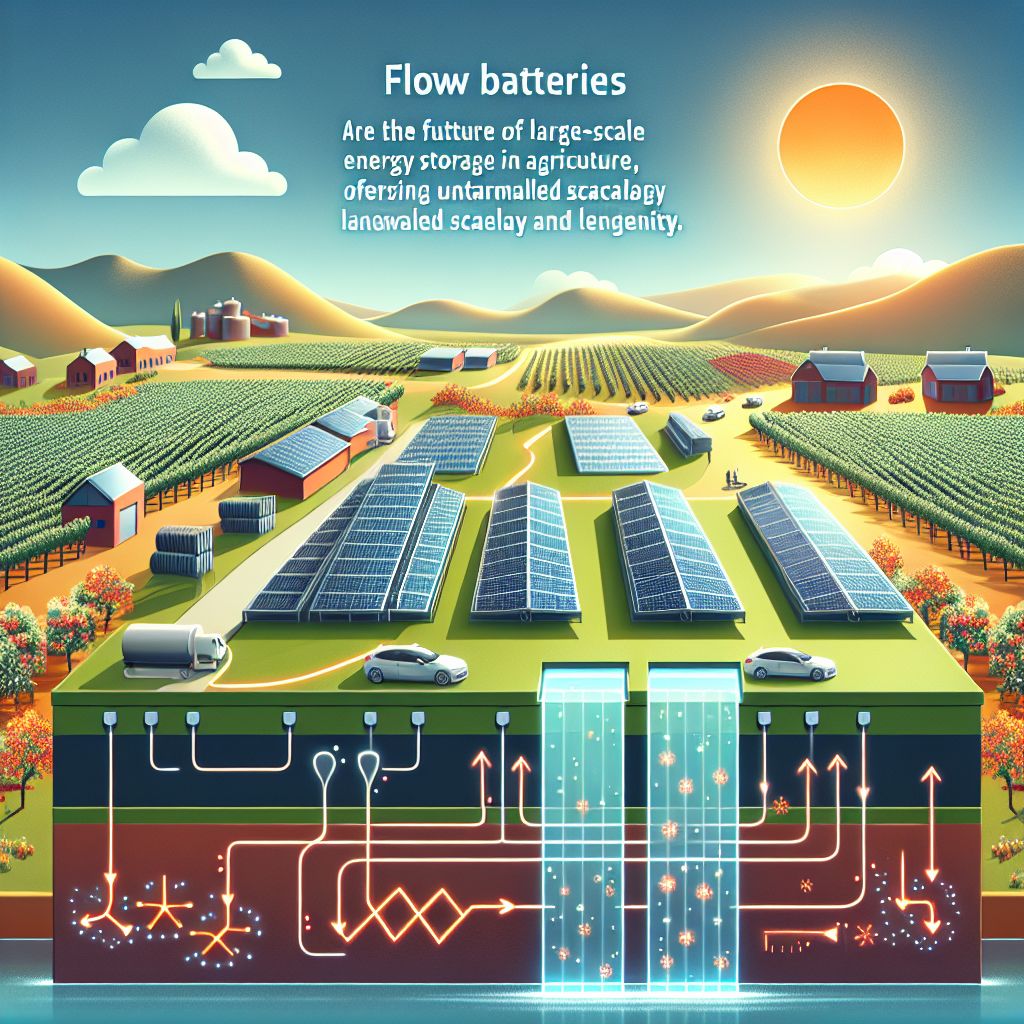
Flow batteries are particularly well-suited for large-scale agricultural operations. Their scalability and long cycle life make them an excellent choice for farms that need to store large amounts of energy over extended periods. For example, a large vineyard could use flow batteries to store energy during the sunny growing season and release it during the less sunny harvest season.
“Flow batteries are the future of large-scale energy storage in agriculture, offering unparalleled scalability and longevity.” – Renewable Energy Expert

Comparing Lithium-Ion, Lead-Acid, and Flow Batteries
When choosing the best battery for your solar irrigation system, it’s essential to compare the key characteristics of lithium-ion, lead-acid, and flow batteries. Each type has its own set of strengths and weaknesses that make it suitable for different agricultural applications.
Energy Density and Efficiency
Energy density and efficiency are crucial factors in determining how much energy a battery can store and how effectively it can convert stored energy into usable power. Here’s a quick comparison:
Lithium-Ion: High energy density and efficiency, often exceeding 90%.
Lead-Acid: Moderate energy density and efficiency, typically around 70-80%.
Flow Batteries: Lower energy density but flexible and scalable.
Lifespan and Maintenance
The lifespan and maintenance requirements of a battery can significantly impact its long-term cost and reliability. Lithium-ion batteries generally have a longer lifespan, often lasting up to 10 years or more with minimal maintenance. Lead-acid batteries, while cheaper initially, require more frequent maintenance and have a shorter lifespan, typically around 3-5 years.
Flow batteries, on the other hand, offer a very long cycle life with low degradation, making them a durable option for long-term use. However, they require specialized maintenance, which can be a drawback for some farmers. For those considering alternative solar-powered irrigation methods, check out our guide on solar-powered linear move irrigation systems.
Costs and Affordability
Cost is always a critical factor in choosing a battery for your solar irrigation system. Here’s a comparison of the costs associated with each type: solar-powered irrigation systems.
Lithium-Ion: Higher initial cost but lower long-term maintenance costs.
Lead-Acid: Lower initial cost but higher long-term maintenance and replacement costs.
Flow Batteries: High initial cost but low long-term maintenance and scalable to reduce future costs.
Suitable Agricultural Applications
Each type of battery has specific applications where it excels. Lithium-ion batteries are ideal for small to medium-sized farms that need a reliable and efficient energy storage solution. Lead-acid batteries are suitable for off-grid systems where cost is a significant concern. Flow batteries are best for large-scale operations that require scalable and durable energy storage solutions.
Factors to Consider When Choosing a Solar Irrigation Battery
When selecting a battery for your solar irrigation system, consider several key factors to ensure you choose the best option for your needs. For a comprehensive understanding, you might want to explore the benefits and setup guide of solar-powered irrigation systems.
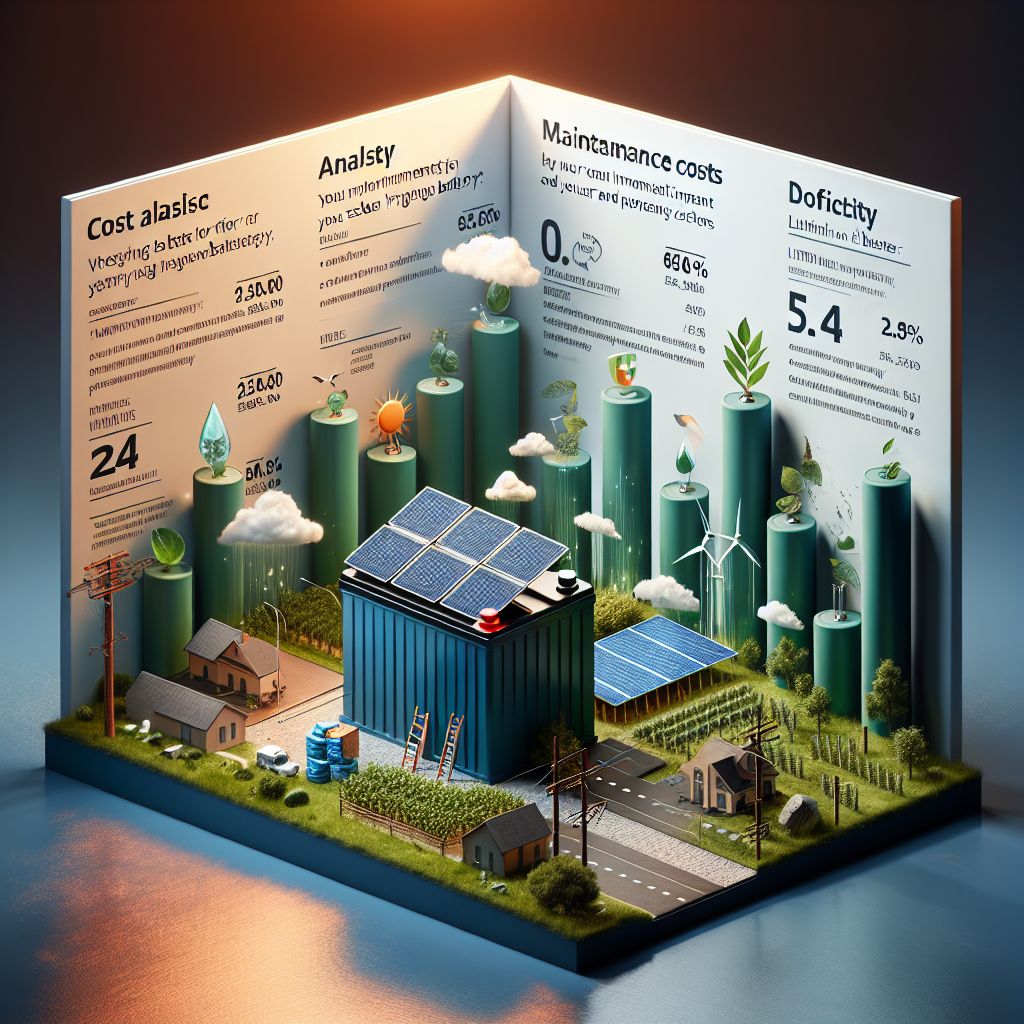
Cost Analysis
Conduct a thorough cost analysis to compare the initial investment, maintenance costs, and long-term replacement costs of different battery types. While lithium-ion batteries have a higher upfront cost, their lower maintenance and longer lifespan can make them more cost-effective in the long run.
Battery Capacity and Irrigation Needs
Assess your irrigation needs and match them with the battery’s capacity. Ensure the battery can store enough energy to meet your irrigation requirements, especially during periods of low sunlight. For instance, a large farm with extensive irrigation needs might require the scalability of flow batteries.
Environmental Impact
Consider the environmental impact of the battery, including the materials used in its production and disposal. Lithium-ion batteries, while efficient, have environmental concerns related to lithium mining. Lead-acid batteries are easier to recycle but have a shorter lifespan, leading to more frequent replacements.
Durability and Weather Resistance
Ensure the battery is durable and can withstand the environmental conditions of your farm. Look for batteries with weather-resistant features, especially if they will be exposed to harsh conditions. For example, lead-acid batteries are known for their robustness, making them suitable for outdoor installations.
“Choosing the right battery for your solar irrigation system is crucial for ensuring efficiency, reliability, and sustainability.” – Agricultural Technology Specialist
Here’s a table outlining key factors for farmers to consider when choosing a solar irrigation battery:
|
Factor |
Description |
|---|---|
|
Capacity |
The amount of energy the battery can store, measured in kilowatt-hours (kWh). Should match daily irrigation energy needs. 1, 2, 3 |
|
Depth of Discharge |
The percentage of battery capacity that can be safely used. Deep-cycle batteries allow for higher discharge rates. 2 |
|
Cycle Life |
Number of charge-discharge cycles the battery can undergo before significant capacity loss. Longer cycle life reduces replacement frequency. 2, 3 |
|
Efficiency |
How effectively the battery converts stored energy into usable power. Higher efficiency means less energy waste. 1, 3 |
|
Charging Rate |
How quickly the battery can be recharged by solar panels. Faster charging allows for more irrigation time. 1, 3 |
|
Temperature Tolerance |
Ability to perform in extreme temperatures. Important for outdoor agricultural settings. 2, 3 |
|
Maintenance Requirements |
Some batteries need regular maintenance, while others are maintenance-free. Consider long-term upkeep costs. 1, 3 |
|
Initial Cost |
Upfront investment required. Balance this with long-term benefits and energy savings. 1, 2 |
|
Compatibility |
Ensure the battery works with existing solar panels and irrigation equipment. 1 |
|
Scalability |
Ability to expand the system in the future as irrigation needs grow. 1, 2 |
Implementing Solar Irrigation Batteries on Your Farm
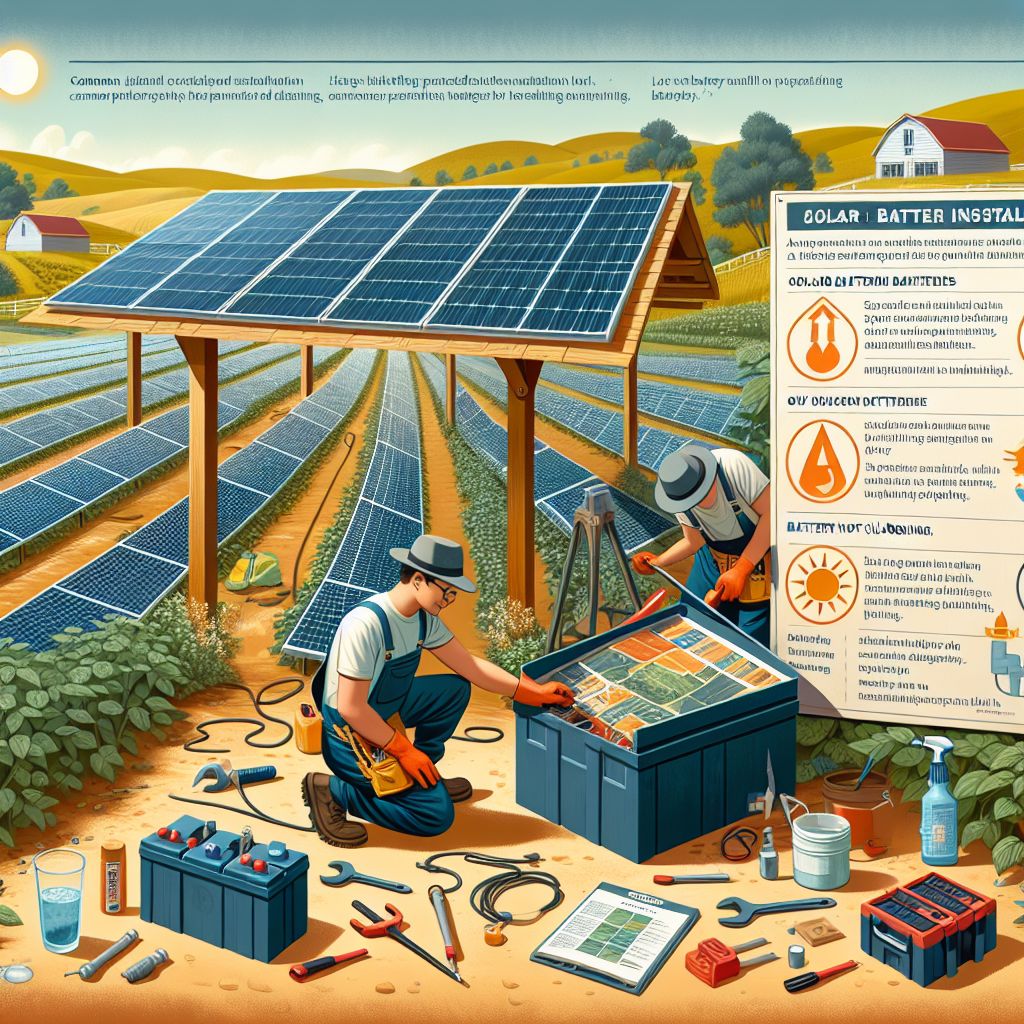
Implementing solar irrigation batteries on your farm involves careful planning, proper installation, and regular maintenance. Here are some tips to help you get started with solar-powered irrigation systems.
Installation Tips
Proper installation is key to maximizing the efficiency and lifespan of your solar irrigation batteries. For more details on battery options, visit this guide on solar irrigation batteries. Here are some tips:
Professional Installation: Consider hiring a professional to install your batteries, especially if you’re using complex systems like flow batteries.
Location: Install the batteries in a shaded, weather-resistant area to protect them from extreme temperatures and weather conditions.
Connections: Ensure all connections are secure and follow the manufacturer’s guidelines for wiring and setup.
Maintenance Best Practices
Proper maintenance is essential to ensure the longevity and efficiency of your solar irrigation batteries. Here are some best practices to keep in mind:
Regular Inspections: Conduct regular inspections to check for signs of wear and tear, corrosion, or any other issues that could affect battery performance.
Clean Connections: Keep the battery terminals and connections clean and free of dirt and corrosion. Use a mixture of baking soda and water to clean the terminals if needed.
Monitor Battery Levels: Regularly monitor the battery charge levels and ensure they are within the recommended range. Avoid deep discharges to extend the battery’s lifespan.
Temperature Control: Ensure the batteries are stored in a temperature-controlled environment to prevent overheating or freezing, which can damage the batteries.
Troubleshooting Common Issues
Even with proper maintenance, you may encounter some common issues with your solar irrigation batteries. Here are some troubleshooting tips:
Low Battery Performance: If your battery is not holding a charge or discharging quickly, check for loose connections or corrosion on the terminals. Ensure the battery is receiving adequate sunlight for charging.
Overheating: If your battery is overheating, ensure it is stored in a shaded, well-ventilated area. Check for any blockages in the ventilation system and clean them if necessary.
Swollen Battery: A swollen battery is a sign of overcharging or internal damage. Stop using the battery immediately and consult a professional for further inspection.
Battery Not Charging: If your battery is not charging, check the solar panels and wiring for any damage or obstructions. Ensure the charge controller is functioning correctly.
Conclusion
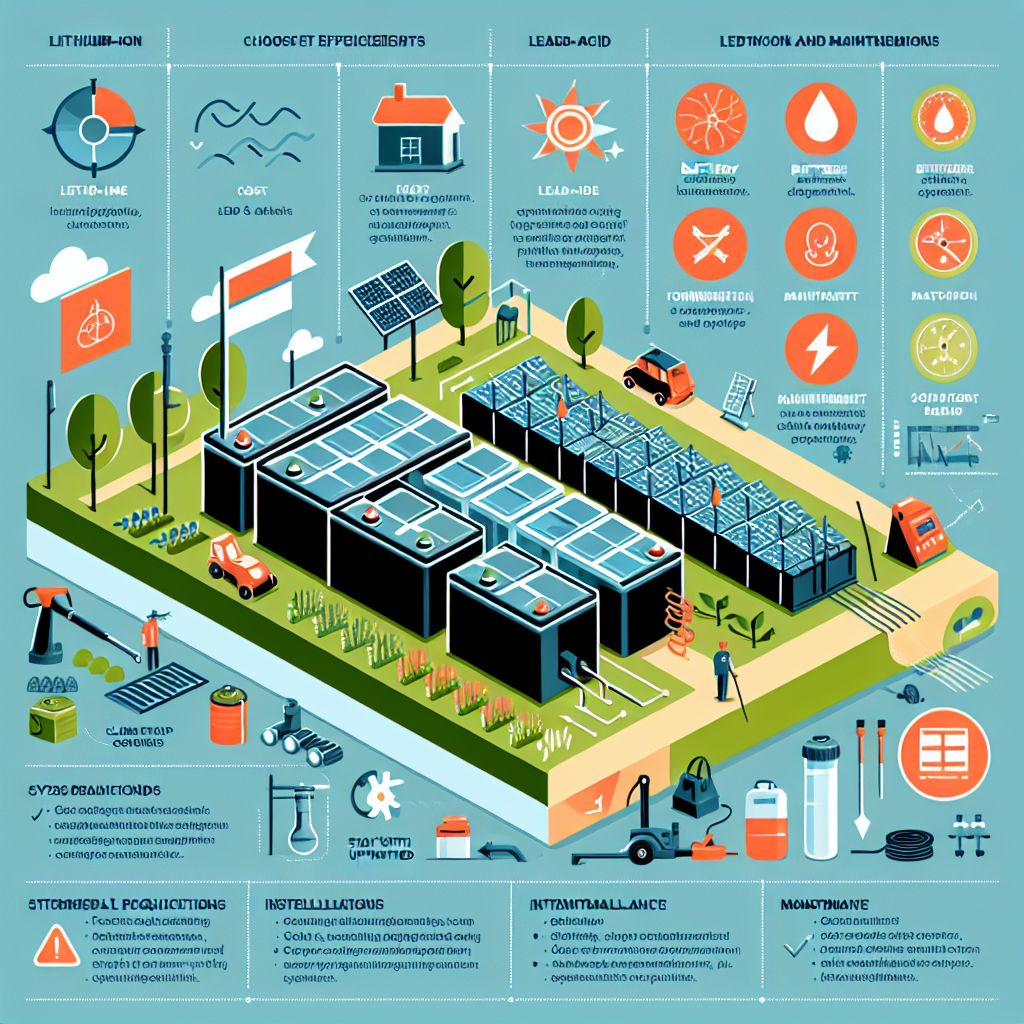
Choosing the right battery for your solar irrigation system is crucial for ensuring the efficiency, reliability, and sustainability of your farming operations. By understanding the advantages and disadvantages of lithium-ion, lead-acid, and flow batteries, you can make an informed decision that best suits your agricultural needs.
Proper installation and maintenance are key to maximizing the lifespan and performance of your solar irrigation batteries. Regular inspections, clean connections, and temperature control are essential practices to keep your batteries in optimal condition.
Summarizing Key Points
Here’s a quick summary of the key points covered in this article:
Lithium-ion batteries offer high energy efficiency and long lifespan but come with a higher initial cost.
Lead-acid batteries are cost-effective and reliable but require more frequent maintenance and have a shorter lifespan.
Flow batteries provide scalability and long cycle life, making them ideal for large-scale agricultural operations.
Consider factors such as cost, battery capacity, environmental impact, and durability when choosing a battery for your solar irrigation system.
Proper installation and maintenance are essential to ensure the efficiency and longevity of your solar irrigation batteries.
Recommendations for Farmers
Choosing the right solar battery involves considering multiple factors, including energy needs, budget, and desired battery life. Here are recommendations tailored for farmers looking to implement solar irrigation systems:
Assess Energy Needs:
Calculate the energy consumption of your irrigation system. Consider how much power you’ll need to operate the pumps and other equipment. A proper assessment will help you determine the battery capacity required to meet your irrigation demands effectively.
Prioritize Battery Life and Maintenance:
If you prefer low-maintenance solutions, consider investing in lithium-ion batteries like LFP. Although the initial cost may be higher, their longevity and efficiency may save costs in the long run. Conversely, if you opt for lead-acid batteries, prepare for regular maintenance and replacement every few years.
Evaluate Temperature Range:
Check the operating temperature range of the battery. Some batteries perform better in extreme climates, which is especially important for farmers in regions with significant temperature fluctuations.
Budget Considerations:
Analyze total costs, including installation and maintenance. While lead-acid batteries have lower upfront costs, their shorter lifespan and higher maintenance can contribute to greater long-term expenses. On the other hand, lithium-ion batteries may present higher initial investments but offer reduced operating costs.
Consider Scalability:
Think forward when selecting batteries. Choose a model that allows for expansion; as your solar irrigation needs grow, you’ll want a system that can accommodate additional batteries seamlessly.
Explore Local Incentives:
Investigate any government grants, subsidies, or incentives for renewable energy investments in your area. These can significantly mitigate initial costs and influence your choice of battery.
Choosing the right solar battery is a critical element of your solar irrigation system. By carefully assessing your energy needs, prioritizing battery longevity, and considering budgetary constraints, you can make an informed decision that best supports your agricultural practices. With the right solar battery, farmers can harness the power of the sun to irrigate their crops efficiently and sustainably, paving the way for a greener agricultural future.
Frequently Asked Questions
Here are some common questions farmers might have about solar irrigation batteries:
How long do lithium-ion batteries last in solar irrigation systems?
Lithium-ion batteries typically last between 8 to 15 years, depending on usage and maintenance. Their long lifespan and high efficiency make them a popular choice for solar irrigation systems.
Are lead-acid batteries still a good option for modern farms?
Yes, lead-acid batteries are still a viable option for modern farms, especially for those looking for a cost-effective solution. While they require more frequent maintenance, their lower initial cost can make them an attractive option for many farmers. For those interested in exploring advanced irrigation solutions, check out the solar-powered center pivot irrigation systems that can complement these batteries.
What makes flow batteries suitable for large-scale agriculture?
Flow batteries are suitable for large-scale agriculture due to their scalability and long cycle life. They can easily be scaled up to meet the energy storage needs of large farms and have a low degradation rate, making them a durable option for long-term use.
Can you connect a solar Battery to an existing solar irrigation system?
Yes, you can connect a solar battery to an existing solar irrigation system. However, it’s essential to ensure compatibility between the battery and the existing components, such as the solar panels and charge controller. Consulting a professional can help ensure a seamless integration.
Can I install solar irrigation batteries myself?
While it’s possible to install solar irrigation batteries yourself, it’s often recommended to hire a professional, especially for complex systems like flow batteries. Professional installation ensures that the system is set up correctly and safely, maximizing efficiency and longevity.
By carefully considering your options and following best practices for installation and maintenance, you can ensure that your solar irrigation system operates efficiently and sustainably, helping you achieve your farming goals.
Solar irrigation systems are becoming increasingly popular in agriculture due to their sustainability and cost-effectiveness. One of the key components of these systems is the battery, which stores energy for use when sunlight is not available. There are several types of batteries used in solar irrigation, including lithium-ion, lead-acid, and flow batteries. Each type has its own advantages and disadvantages, depending on the specific needs of the agricultural operation. For more information on the different types of solar batteries, you can refer to this comprehensive guide.



Leave a Reply