

Key Takeaways
By using solar-powered irrigation systems, you can use renewable energy and lessen your dependence on fossil fuels.
Linear move irrigation systems are ideal for rectangular or square fields because they provide even water distribution.
While the initial setup costs for solar-powered systems may be high, you can make up for it in the long run with savings on energy and labor.
These systems are environmentally friendly because they reduce carbon footprints and help conserve water.
For solar-powered irrigation systems to work at their best, proper planning, installation, and maintenance are necessary.
A Guide to Solar Powered Linear Move Irrigation Systems and Their Benefits
What Exactly is a Linear Move Irrigation System?
A linear move irrigation system is a type of mechanized irrigation where water is delivered to crops in a straight line. Unlike center pivot systems that rotate around a central point, linear move systems travel in a straight path across the field. This makes them a good fit for rectangular or square-shaped fields, as they ensure even water distribution.
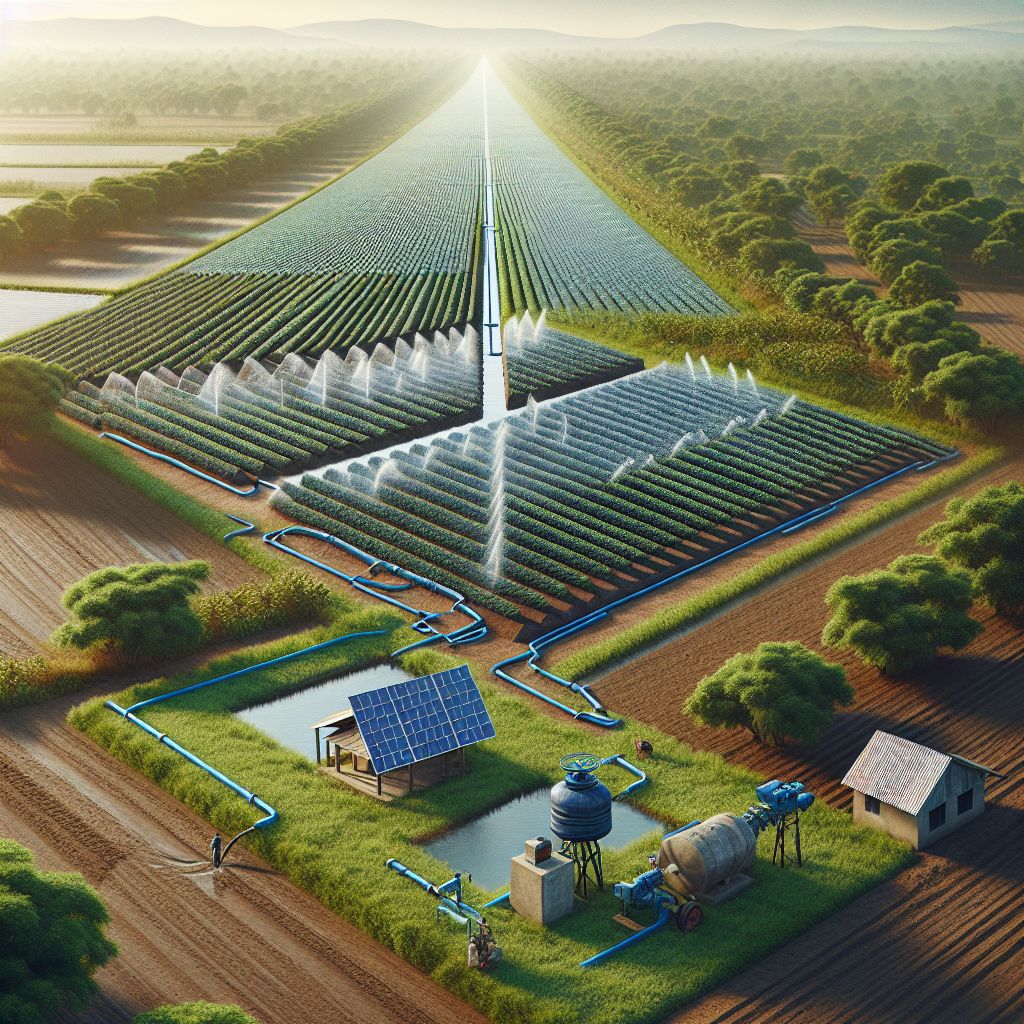
This system is made up of a series of pipe spans, often held up by wheeled towers. Water is pumped through these pipes and distributed through sprinklers or emitters that are attached to the spans. The entire system moves in a straight line, powered by motors or hydraulic systems.
Solar Energy as a Power Source
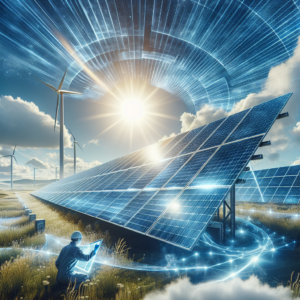
Photovoltaic (PV) panels capture solar energy and turn it into electricity. This electricity can then be used to run the motors and pumps of a linear move irrigation system. Solar-powered systems are especially useful in remote areas where there is little or no access to the electrical grid.
Moreover, the use of solar power lowers reliance on fossil fuels, making the system more sustainable and better for the environment. The initial cost of solar panels can be high, but the long-term savings on energy bills often make up for the cost.

Benefits of Solar-Powered Linear Move Irrigation Systems
Efficiency and Cost Savings
The main benefit of solar-powered linear move irrigation systems is their effectiveness. These systems guarantee accurate water distribution, which can result in improved crop yields and less water waste. As they are automated, they also need less manual work than conventional irrigation methods.
Lowering Energy Bills
Farmers can cut their energy bills significantly by harnessing the power of the sun. Conventional irrigation systems typically use diesel or grid electricity, both of which can be costly and prone to price volatility. In contrast, solar energy is free once the initial installation is done.
Thus, the energy cost savings can be significant over the system’s lifetime. In many instances, these savings can recoup the initial investment in solar panels and other equipment in just a few years.
Lowering Labor Costs
Automated irrigation systems, like linear move systems, demand less physical labor compared to old-fashioned techniques such as flood or hand-move irrigation. This can result in substantial workforce expense savings, particularly for extensive farms.
Crucially, the system’s automation ensures more dependable and regular watering, minimizing the necessity for farm laborers to continuously monitor and modify it.
Reducing Carbon Footprint
By using solar energy instead of fossil fuels, farmers can decrease the carbon emissions of their farming operations. This is a crucial aspect for farmers who want to adopt more eco-friendly practices and help combat global warming.
Moreover, solar-powered systems are a cleaner option than diesel-powered pumps because they do not produce any greenhouse gas emissions while they are operating.
Conserving Water Resources
Linear move irrigation systems are designed to deliver water evenly and efficiently across the field. This helps save water by reducing runoff and evaporation compared to less efficient irrigation methods.
These systems can assist farmers in preserving soil health and mitigating the effects of water shortage on crop production by making the most efficient use of water.
Here’s a table discussing the benefits of using a Solar-Powered Linear Move Irrigation System over a conventional linear move irrigation system:
|
Benefit |
Solar-Powered Linear Move |
Conventional Linear Move |
|---|---|---|
|
Energy Source |
Renewable solar energy, reducing reliance on fossil fuels. 1 |
Typically diesel or electric grid power. 1 |
|
Operating Costs |
Lower long-term operating costs due to free solar energy. 1 |
Higher operating costs due to fuel or electricity expenses. 1 |
|
Environmental Impact |
Reduced carbon footprint and greenhouse gas emissions. 1 |
Higher carbon emissions from fossil fuel use. 1 |
|
Mobility |
Can operate in remote areas without access to power grid. 2 |
Requires access to power grid or fuel delivery. 2 |
|
Maintenance |
Lower maintenance needs for power source (solar panels). 2 |
Regular maintenance required for diesel engines or electric motors. 2 |
|
Noise Pollution |
Quiet operation. 3 |
Noisy operation, especially with diesel engines. 3 |
|
Water Efficiency |
Comparable to conventional systems when properly designed. 4 |
High water efficiency compared to other irrigation methods. 4 |
|
Initial Cost |
Higher upfront investment for solar panels and batteries. 1 |
Lower initial cost, but higher long-term expenses. 1 |
|
Operational Flexibility |
Can operate during daylight hours without additional energy costs. 2 |
Can operate 24/7 if needed, subject to energy availability. 2 |
|
Government Incentives |
May qualify for renewable energy incentives or tax credits. 1 |
Generally not eligible for renewable energy incentives. 1 |

Components of a Solar-Powered Linear Move Irrigation System
There are many parts to a solar-powered linear move irrigation system, and each one is important for the system to work correctly. Knowing what these parts are and how they work can help you set up and take care of your system, so it works as well as possible.
Solar Panels
Solar Panels
At the core of the system are solar panels, taking in the sun’s rays and transforming them into usable electricity. There are several kinds of solar panels available, each with its own set of pros and cons.
- Monocrystalline Solar Panels: High Efficiency in Limited Spaces – Monocrystalline panels are praised for their superior efficiency and longevity. They are created from single-crystal silicon, enabling them to convert sunlight into electricity more efficiently than other panel types. This makes them an excellent option for locations with restricted space.
- Polycrystalline Solar Panels: Cost-Effective Energy Solution: Polycrystalline panels are constructed from numerous silicon crystals and are generally more affordable than monocrystalline panels. Although they are a bit less efficient, they provide a budget-friendly solution for harnessing solar power.
- Thin-Film Solar Panels: Flexibility and Versatility – Thin-film panels are produced by applying layers of photovoltaic material to a base. They are not as efficient as crystalline panels, but they are more adaptable and can be used in a range of settings. They are also lighter and can be installed in places where conventional panels may not work.
Here’s a table describing the three types of solar panels and their advantages and disadvantages for powering a linear move irrigation system on a farm:
|
Solar Panel Type |
Advantages |
Disadvantages |
|---|---|---|
|
Monocrystalline |
– Highest efficiency (15-22%) 2, 3 |
– Most expensive option 2, 3 |
|
Polycrystalline |
– More affordable than monocrystalline 1, 3 |
– Lower efficiency compared to monocrystalline 3 |
|
Thin-Film |
– Cheapest option 1, 4 |
– Lowest efficiency (10-13%) 1, 4 – Shortest lifespan 4 |
Picking the Perfect Panels
There are a few things you should keep in mind when choosing solar panels for your irrigation system. Think about efficiency, cost, and the space you have available for installation. If you need a lot of efficiency and don’t have much space, monocrystalline panels are a good choice. If you’re trying to save money, polycrystalline panels are more cost-effective. Thin-film panels are flexible and can be used in special cases.
Don’t forget to check out the warranty and lifespan of the panels. Top-notch panels usually have a 25-year warranty, guaranteeing long-lasting performance and dependability.
Installing Solar Panels
It is essential to install solar panels correctly to ensure they work efficiently and last as long as possible. Here are some tips to help you install them successfully:
Positioning and Angle: The panels should be facing the equator (south in the northern hemisphere and north in the southern hemisphere) and angled equal to your latitude to get the most sunlight.
Prevent Shading: Make sure the panels are not shaded by trees, buildings, or other obstacles as shading can greatly decrease their efficiency.
Sturdy Mounting: Use strong mounting structures to hold the panels, especially in areas with high winds or harsh weather conditions.
Consistent Cleaning: Keep the panels clean and free of dust, dirt, and debris to keep them working efficiently. Regularly check and clean them as needed.
Pumping System
The water pumping system is what moves the water from the source to the irrigation system. It is a crucial part of the overall efficiency and performance of the irrigation system. For more details on setting up a solar-powered irrigation system, check out this setup guide.
Types of Pumps
For a solar-powered linear move irrigation system, you have several pump options:
Underwater Pumps: These pumps are submerged underwater and are perfect for deep wells or boreholes. They are incredibly efficient and can pump water at high pressures.
Above Ground Pumps: Above ground pumps are placed on top of the water source and are ideal for shallow wells or surface water sources like rivers and ponds. They are simpler to maintain but may not be as efficient as underwater pumps.
Impeller Pumps: These pumps use a spinning impeller to move water and are often used in irrigation systems. They are efficient and can handle large amounts of water.
Flexible Diaphragm Pumps: Flexible diaphragm pumps use a bendable diaphragm to move water and are suitable for low-flow applications. They are durable and can handle water with suspended solids.
Maintenance Tips
Maintenance of the pumping system is vital to ensure its durability and optimal performance. Here are some maintenance recommendations:
Regular Inspections: Inspect the pump and its components regularly for signs of wear and tear, leaks, or damage. Address any issues promptly to prevent further damage.
Clean Filters and Strainers: Keep filters and strainers clean to prevent clogging and ensure smooth water flow. Replace them as needed.
Lubricate Moving Parts: Lubricate the pump’s moving parts according to the manufacturer’s recommendations to reduce friction and wear.
Monitor Performance: Keep an eye on the pump’s performance, including flow rate and pressure. Any significant changes may indicate a problem that needs attention.
Design and Structure
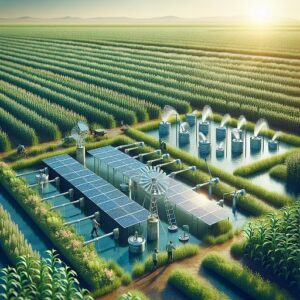
The design and structure of a linear move irrigation system are crucial for its efficiency and effectiveness. The system typically consists of a series of pipe spans supported by wheeled towers. These towers move in a straight line across the field, delivering water evenly to the crops.
The pipe spans come with sprinklers or emitters that evenly distribute water. The whole system is powered by motors or hydraulic systems, which can be run on solar power.
How it Works
There are several key factors that allow a linear move irrigation system to work:
Travel: This system moves in a straight path across the field, allowing for even distribution of water. The direction and speed of travel can be adjusted to meet the needs of the field’s layout and the crops’ water requirements.
Distribution of Water: The system’s emitters or sprinklers are designed to distribute water evenly across the field. The pressure and flow rate can be adjusted to meet the crops’ specific needs.
Automated: Many linear move systems are equipped with automated controls that allow for precise scheduling and monitoring of irrigation. This reduces the need for manual intervention and ensures consistent water application.

Installation and Maintenance Tips
Planning and Site Selection
Proper planning and site selection are critical for the successful installation of a solar-powered linear move irrigation system. Consider the following factors when planning your installation:
To learn more about the potential of linear irrigation systems, check out this article on modern agriculture.
Assessing the Shape of Your Field
Linear move systems work best with square or rectangular fields. You should assess the shape of your field to make sure it is compatible with a linear move system. Fields that are irregularly shaped might need more planning and customization to get the best coverage.
Optimal Sunlight and Placement
Make sure your location gets plenty of sun and that the panels can be adjusted to soak up as much light as possible. Stay clear of shade from trees, buildings, or other barriers. The panels should be set up to face the equator and tilted at an angle equal to your latitude.
Installation Process
There are a few steps you’ll need to follow to set up a solar-powered linear move irrigation system:
Preparation of Site: Make sure the site is clear of any obstacles and level the ground if necessary. Ensure that the area is accessible for equipment and personnel.
Installation of Solar Panels: Install the mounting structures and secure the solar panels in place. Make sure they are oriented and tilted correctly to capture maximum sunlight.
Installation of Pumping System: Set up the pumping system, including the pump, filters, and piping. Connect the pump to the solar panels and ensure all electrical connections are secure.
Assembly of Linear Move System: Assemble the pipe spans, towers, and sprinklers or emitters. Connect the system to the water source and the pumping system.
Testing and Calibration: Test the system to ensure it is operating correctly. Calibrate the flow rate and pressure to match the water requirements of the crops.
Step-by-Step Guide
Here is a step-by-step guide to help you through the installation process:
Designing the Layout: Map out the irrigation system’s layout, including the solar panels, pump, and linear move system’s locations.
Site Preparation: Clean and level the site as necessary. Make sure there is enough access for equipment and personnel.
Mounting Structures Installation: Erect the mounting structures for the solar panels. Make sure they are safe and correctly positioned.
Solar Panels Mounting: Fasten the solar panels to the mounting structures. Make sure they are oriented and tilted to get the most sunlight.
Pumping System Set Up: Set up the pump, filters, and pipes. Connect the pump to the solar panels and make sure all electrical connections are safe.
Linear Move System Assembly: Put together the pipe spans, towers, and sprinklers or emitters. Connect the system to the water source and the pumping system.
System Test: Test the system to make sure it’s working correctly. Adjust the flow rate and pressure to match the crops’ water needs.
Mistakes to Avoid
Here are some mistakes to avoid when installing a solar-powered linear move irrigation system:
Misalignment of Solar Panels: The solar panels must be correctly aligned and angled to receive the maximum amount of sunlight. If they are not properly aligned, their efficiency will be significantly reduced.
Obstruction: Ensure that there are no obstructions such as trees, buildings, or other structures that could cast a shadow over the panels. Even a small amount of shade can significantly reduce the efficiency of the panels.
Poor Preparation of the Site: The site must be clear and level before the system is installed. If the ground is uneven, it can cause problems with the movement and stability of the linear move system.
Lack of Maintenance: Regular maintenance is essential to keep the system running smoothly and efficiently. If maintenance is neglected, it can lead to reduced efficiency and expensive repairs.
Case Studies: Successful Implementation of Solar-Powered Linear Move Irrigation Systems
Case Study: A Farm in Rural Nicaragua
In rural Nicaragua, a farm was struggling to irrigate its crops because it had limited access to reliable electricity. The farm owners decided to install a solar-powered linear move irrigation system to solve these problems. They chose this solution because it is sustainable and cost-effective, and it would ensure a consistent water supply for their crops.
The rectangular shape of the farm’s field made it a perfect fit for a linear move irrigation system. The farm could cut down on its use of diesel generators and reduce operating costs by tapping into solar power. The introduction of this system led to several significant improvements and advantages.
Project Overview
This project required the installation of monocrystalline solar panels, a submersible pump, and a linear move irrigation system. The solar panels were placed on a nearby structure to make the most of the available sunlight. The submersible pump was selected for its effectiveness in drawing water from a deep well, and the linear move system was designed to irrigate the entire field.
“The solar-powered irrigation system has revolutionized our farming operations. We now have a consistent water supply, lower energy costs, and a more environmentally friendly approach to farming.” – Farm Owner
The setup process took about two weeks, which included preparing the site, installing the solar panels, establishing the pumping system, and putting together the linear move irrigation system. Regular upkeep and monitoring were also implemented to guarantee the system’s peak performance.
Results and Benefits
The farm has seen many advantages since the installation of the solar-powered linear move irrigation system. The most noticeable change was the decrease in energy expenses, as the farm was no longer dependent on diesel generators. The money saved was substantial, and was used to improve other parts of the farm. For more details on how solar panels help farm operations, visit our guide.
Moreover, the system ensures a regular and accurate distribution of water, which results in healthier crops and increased yields. The irrigation process’s automation also decreases the requirement for manual labor, freeing up farm workers to concentrate on other important tasks.
Case Study: Farming Project in Arizona
In Arizona, a farming project was launched with the goal of enhancing water efficiency and lowering energy costs by using a solar-powered linear move irrigation system. The project was started to tackle the issues of water shortage and the high energy costs that come with conventional irrigation techniques.
The project was located in Arizona, USA
The field was 100 acres in size
The type of solar panel used was polycrystalline
The pumping system used was a surface pump
The irrigation system was a linear move system
Project Overview
This project consisted of installing polycrystalline solar panels to power a surface pump and a linear move irrigation system. The polycrystalline panels were the chosen type due to their cost-effectiveness and their suitability for the sunny climate of the region. The surface pump was chosen because it is easy to maintain and efficient at delivering water from a nearby river.
The linear move irrigation system was constructed to cover the whole 100-acre field, guaranteeing uniform water distribution. The installation procedure involved preparing the site, installing the solar panels, setting up the pumping system, and putting together the linear move system.
Site Preparation: Making the site clear and level
Solar Panel Installation: Setting up and securing the panels
Pumping System Setup: Putting in the surface pump and linking it to the solar panels
Linear Move System Assembly: Putting together pipe spans, towers, and sprinklers
System Testing: Adjusting flow rate and pressure
Results and Benefits
The use of the solar-powered linear move irrigation system led to several positive results for the agricultural project. The most significant advantage was the considerable decrease in energy costs, as the system was completely solar-powered. This enabled the project to put resources into other crucial areas, like crop research and development.
The system was also more water efficient, making sure that crops got the right amount of water when they needed it. This led to healthier plants and increased yields. The automation of the irrigation process reduced the need for manual labor, freeing up workers to focus on other important tasks.
Reduced energy costs
Improved water efficiency
Increased crop yields
Reduced labor requirements

Conclusion: Is Using a Solar Powered Linear Move Irrigation System a Good Idea for Farmers?
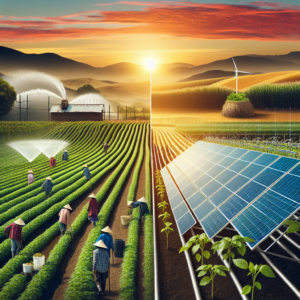
Implementing a solar-powered linear move irrigation system can be a game-changer for farmers. The benefits, including reduced energy costs, improved water efficiency, and lower labor requirements, make it a compelling option for modern agriculture. Additionally, the environmental advantages, such as reducing carbon footprints and conserving water resources, align with sustainable farming practices.
That said, it is crucial to think about the initial cost and to make sure you plan, install, and maintain it correctly to get the most out of the system. With the right planning and execution, a solar-powered linear move irrigation system can greatly improve farming efficiency and help ensure long-term farming success.
Frequently Asked Questions (FAQ)
These are some frequently asked questions about solar-powered linear move irrigation systems:
Understanding Linear Move Irrigation Systems
“Linear move irrigation systems are machines that water crops in a straight line, making them perfect for fields that are rectangular or square in shape.”
These systems are made up of pipes that are held up by towers on wheels, and they move in a straight line across the field. The water is distributed evenly through sprinklers or emitters.
How does solar energy power irrigation systems?
Solar panels transform sunlight into electricity, which then powers the motors and pumps in the irrigation system. The electricity generated by the panels is used to operate the pump, moving water from the source to the irrigation system, thus ensuring a steady supply of water to the crops.
What are the cost considerations for setting up a solar-powered irrigation system?
The initial costs include purchasing and installing solar panels, pumps, and the linear move irrigation system. Monocrystalline panels typically cost more but offer higher efficiency, while polycrystalline panels are more cost-effective. Installation costs can vary based on site preparation and system complexity.
Does the Linear Move Irrigation System offer long-term savings?
Indeed, it does. It’s clear that while the initial investment can be significant, the potential savings in water, energy, and labor costs, combined with improved crop yields and sustainability, provide a compelling case for this technology. As farmers continue to adapt to evolving agricultural challenges, investing in a linear move irrigation system could be a wise decision for those seeking both profitability and sustainability in the long-term.

Leave a Reply