

Key Takeaways
Monocrystalline solar panels are the most efficient, with rates usually between 17-22%.
These panels save space, making them perfect for farms with little roof or land space.
Monocrystalline panels have a higher initial cost, but the long-term savings are considerable.
Government incentives and rebates can greatly lower the upfront cost.
Monocrystalline panels are sturdy and work well in different weather conditions.
Top Solar Panels for Farm Efficiency: Monocrystalline
When it comes to improving farm efficiency, selecting the correct solar panels can make all the difference. Monocrystalline solar panels are generally seen as the best choice for maximizing energy production and saving space. Let’s explore why these panels are perfect for farms.
Why Farms Should Use Monocrystalline Panels
Monocrystalline panels are made from a single crystal structure, which allows them to convert sunlight into electricity more efficiently than other solar panels. This makes them a great choice for farms that want to make the most of their energy use.
In addition, these panels take up less space. Because they produce more power per square foot, you can get the same amount of energy with fewer panels. This is especially helpful for farms with not much roof or land space.

Why Monocrystalline Solar Panels are Great
They’re Super Efficient
Monocrystalline solar panels are a cut above the rest when it comes to efficiency. They usually boast an efficiency rate of 17-22%, beating out other solar panel types like polycrystalline or thin-film.
For example, if you have a small area for solar installation, choosing high-efficiency monocrystalline panels allows you to produce more electricity without requiring additional space. This is essential for farms where every square foot is important.
Compact Design
Monocrystalline panels are not only efficient but also compact. Their design allows them to produce more power per square foot, which means you can save valuable space on your farm. Whether you are installing them on rooftops, barns, or open fields, these panels make the most of every square inch. Learn more about solar-powered irrigation to further enhance your farm’s efficiency.
Here is a table summarizing the pros and cons of using monocrystalline solar panels to power an irrigation system on a farm:
|
Pros |
Cons |
|---|---|
|
High Efficiency: Monocrystalline solar panels have an efficiency range of 17% to 22%, which is higher than other types of solar panels. This means they can generate more electricity from a smaller area, making them ideal for farms with limited space. 1, 2, 3, 5 |
High Initial Cost: These panels are more expensive to produce and purchase, with costs ranging from $1 to $1.50 per watt, which can be a significant investment upfront. 1, 3, 4, 5 |
|
Durability and Longevity: They have a long lifespan, often lasting 25 years or more, and degrade less over time compared to other types of panels. This makes them a reliable long-term solution for powering farm equipment. 1, 2, 4 |
Temperature Sensitivity: Although they perform better in cooler climates, their efficiency can decrease slightly in higher temperatures, though less so than polycrystalline panels. 1, 3, 4 |
|
Space Efficiency: Due to their higher efficiency, fewer panels are needed to generate the same amount of electricity, which is beneficial for farms with limited installation space.1, 2, 5 |
Installation Complexity: While generally easy to install, they still require proper mounting and angling towards the sun, which can add to installation complexity and cost. 2, |
|
Performance in Low Light: Monocrystalline panels perform better in low-light conditions compared to other types of panels, ensuring more consistent energy production throughout the day. 1, 2 |
Energy-Intensive Production: The manufacturing process is energy-intensive and produces a significant amount of silicon waste, making them less environmentally friendly in terms of production. 1, 4 |
|
Aesthetics: They have a sleek black appearance, which might be more visually appealing if aesthetics is a concern on the farm. 3 |
Maintenance Requirements: Although minimal, they still require regular cleaning to maintain optimal performance, which can be an additional task for farm operators. 1, 2 |

Financial Factors
Upfront Expense vs. Future Savings
Yes, it’s accurate to say that monocrystalline panels are more expensive initially than other solar panel options. But, the long-term advantages make the upfront cost worthwhile. These panels are highly efficient and durable, meaning they can greatly decrease your energy bills over time. Learn more about solar-powered irrigation to maximize your farm’s efficiency.
Although monocrystalline panels may be more expensive upfront, they generate more electricity per square foot, so you’ll need fewer panels to satisfy your energy requirements. This could result in significant cost savings over time, especially when used in solar-powered irrigation systems.
Rebates and Incentives from the Government
Several governments provide rebates and incentives to promote the use of renewable energy. These incentives can greatly decrease the initial cost of setting up monocrystalline solar panels. You should check with your local government or energy supplier to see what schemes they offer.
Moreover, there are some programs that provide tax credits or grants that can help to reduce the initial investment. Utilizing these incentives can make the shift to solar energy more cost-effective and financially sustainable.

Uses on the Farm
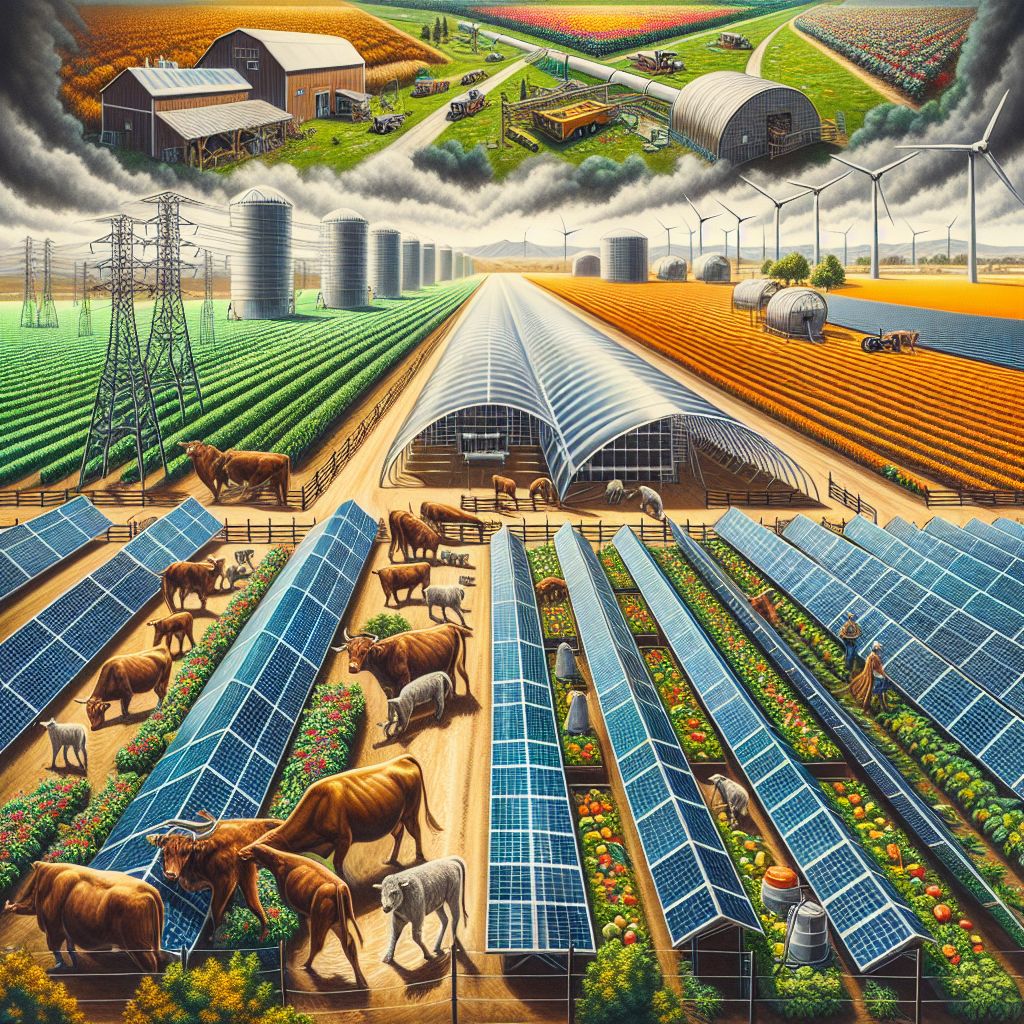
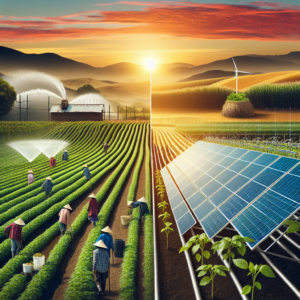
Monocrystalline solar panels are versatile and can be used in a variety of ways on a farm, from providing power for irrigation systems to supporting livestock operations. They are a great choice for a variety of farming needs because they are so efficient.
Solar Energy for Farm Irrigation
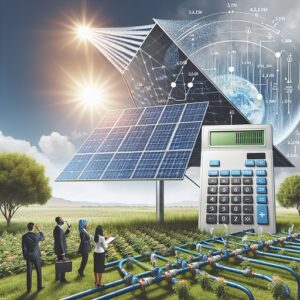
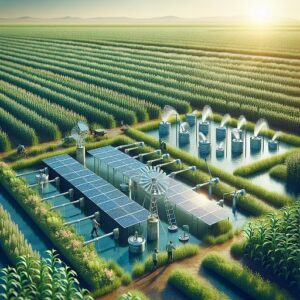
Irrigation is a key component of farming and it needs a dependable source of energy. Monocrystalline solar panels are a great option for providing the energy needed to run irrigation systems effectively. This decreases the dependence on traditional energy sources and also reduces operating costs.
For instance, setting up solar panels to run your irrigation pumps can guarantee a constant water supply for your crops, even in isolated areas where grid access may be restricted. This can result in healthier crops and increased yields.
Moreover, solar energy can be used for irrigation and can help in managing water resources in a more sustainable manner. By automating your irrigation systems to run when the sun is at its peak, you can ensure that water is used optimally and wastage is reduced.
Sustainable Power for Animal Farming
Monocrystalline solar panels can also be used to power animal farming operations. From lighting and ventilation to automated feeding systems, solar power can ensure that your animal farming facilities run smoothly and efficiently.
For example, solar panels can supply the energy needed to keep your animals comfortable, which is important for their health and productivity. This can lead to improved livestock management and better quality products.
Powering Greenhouses
Greenhouses need a steady and dependable energy source to keep the best growing conditions. Monocrystalline solar panels can supply the power needed to operate heating, cooling, and lighting systems in your greenhouses.
Implementing solar power in greenhouses allows you to create a more controlled environment for your crops, which can result in increased production and improved product quality. Plus, it decreases your dependence on conventional energy sources, reducing your operating expenses.
Installation and Maintenance
Ease of Installation
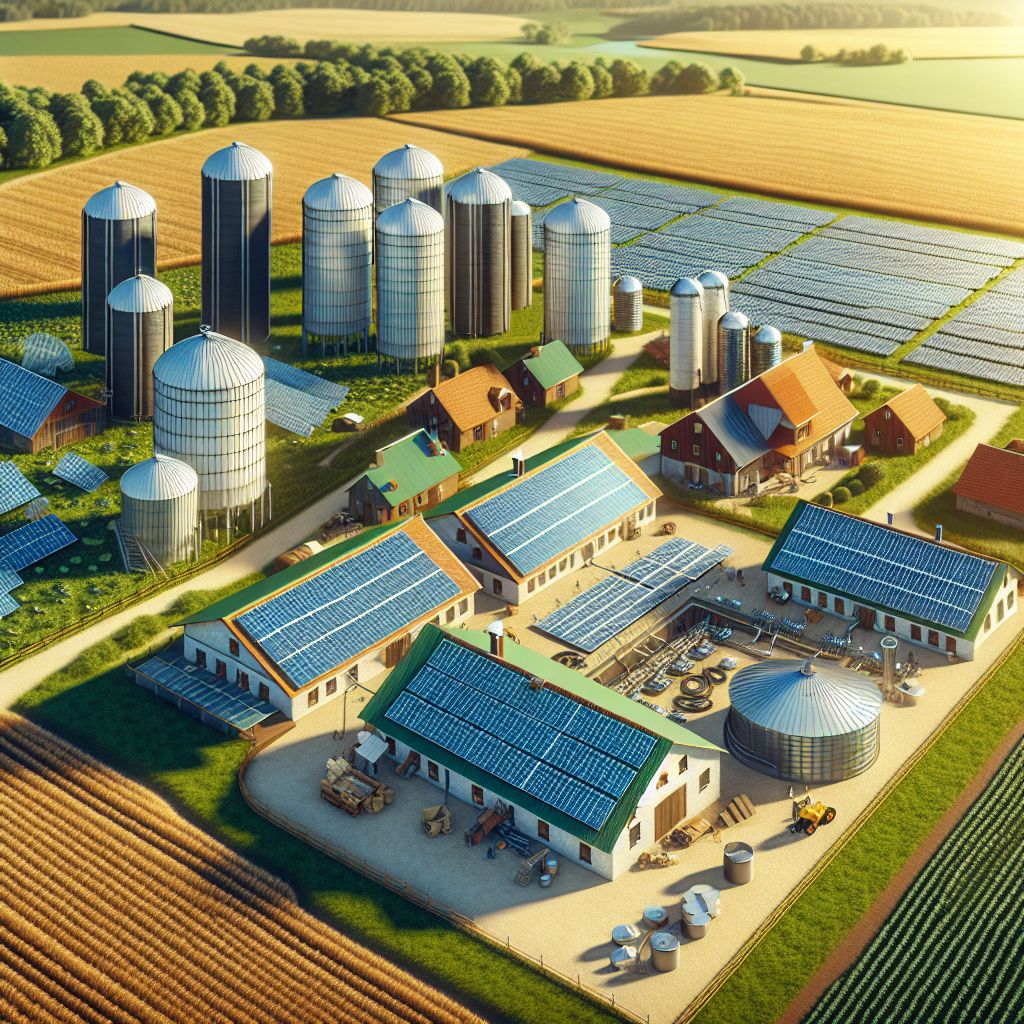
One of the main advantages of monocrystalline solar panels is their relatively straightforward installation process. These panels are designed for versatility and can be mounted in various configurations to suit a farm’s unique layout. Whether it’s a rooftop installation on barns and silos or ground-mounted arrays in open fields, monocrystalline panels can be customized to maximize solar exposure without requiring complex infrastructure adjustments.
The installation process typically involves several steps:
Site Assessment: Evaluating the proposed location for shading, orientation, and structural integrity.
Mounting Selection: Choosing between fixed or adjustable mounts based on the farm’s geography and energy consumption patterns.
Connection Setup: Wiring the panels to a grid-tied or off-grid system, depending on the farmer’s energy needs.
This streamlined installation process means farmers can have their solar systems operational quickly, allowing them to start seeing benefits in energy savings and efficiency sooner.
Minimal Maintenance Requirements
Farmers juggle numerous tasks daily, and managing multiple maintenance schedules can become burdensome. Fortunately, monocrystalline solar panels are known for their low maintenance requirements. Once installed, these panels are designed to operate effectively with minimal intervention.
Key points regarding maintenance include:
Durability: Monocrystalline panels are made from high-purity silicon, providing excellent durability and longevity. Most systems come with warranties of 25 years or more, ensuring reliable performance over time.
Self-Cleaning: In many regions, rain naturally cleans solar panels, removing dust and debris that may accumulate. For farms located in drier climates, occasional manual cleaning using water and a soft cloth may be necessary, but this is generally limited.
System Monitoring: Many solar systems now come with integrated monitoring tools that allow farmers to track performance metrics. This technology enables early detection of potential issues without significant hands-on maintenance.
By reducing the need for routine upkeep and repairs, monocrystalline solar panels free up time and resources for farmers to focus on their core operations.
Performance in Different Weather Conditions
One critical consideration when investing in solar technology is how panels will perform under various weather conditions. Monocrystalline solar panels excel in this area due to their high efficiency and performance in both sunny and cloudy situations.
Sunny Conditions
Monocrystalline panels achieve maximum efficiency when exposed to direct sunlight, converting a higher percentage of sunlight into usable energy compared to other types of panels, such as polycrystalline. This characteristic makes them particularly effective during peak sunny days, generating more energy and allowing farmers to offset their electricity costs significantly.
Cloudy or Overcast Days
Unlike some solar technologies that perform poorly in low-light conditions, monocrystalline panels maintain a higher energy output on cloudy days. This capability can be crucial for farms located in regions with unpredictable weather patterns. It allows for a more consistent energy yield regardless of daily variations in sunlight, ensuring that farms can rely on their solar systems even during inclement weather.
Extreme Conditions
Monocrystalline panels also tend to have greater resilience to temperature fluctuations. They operate efficiently even in higher temperatures, where other panel types might experience a drop in efficiency. This resilience is essential for farms that may face heatwaves or extreme cold, ensuring continuous operation and energy generation.
Here’s a table showing how monocrystalline solar panels perform in different weather conditions:
|
Weather Condition |
Performance |
Efficiency Range |
|---|---|---|
|
Sunny |
Optimal performance | |
|
Cloudy |
Reduced output, but still functional |
10-25% of normal output. 5 |
|
Rainy |
Decreased performance, but still generates electricity |
Similar to cloudy conditions. 5 |
|
Hot |
Slight decrease in efficiency |
Loses 0.3-0.5% efficiency per 1°C increase above 25°C. 1, 3, 4 |
|
Cold |
Improved performance | |
|
Low Light |
Better performance than polycrystalline | |
|
Snowy |
Reduced output, but still functional if panels are clear |
Similar to cloudy conditions if snow is cleared. 5 |
|
Overcast |
Best performance among panel types in these conditions |
Higher efficiency compared to polycrystalline. 5 |
Examples in Practice
To gain a deeper understanding of monocrystalline solar panels’ advantages, we’ll examine some effective farm applications and the insights gained from these endeavors.
A California farm that installed monocrystalline solar panels to run their irrigation and livestock operations saw a substantial decrease in their energy costs and an improvement in their overall efficiency. The panels also provided a dependable source of energy, even during periods of high demand.
A different farm in Texas made use of monocrystalline panels to aid their greenhouse operations. The solar power enabled them to keep the best growing conditions all year, resulting in increased yields and superior quality crops. The farm also took advantage of government incentives, which assisted in balancing the initial investment cost.
A California farm decided to use monocrystalline solar panels to supply power to their irrigation and livestock operations. The farm experienced a drastic decrease in energy costs and a boost in overall efficiency. The panels offered a dependable source of energy, even during times of peak demand.
One Texas farm turned to monocrystalline panels to power its greenhouse. The solar power enabled the farm to keep the perfect growing conditions all year, resulting in more crops and higher quality produce. The farm also took advantage of government incentives, which helped to balance the initial cost of the panels.

In Conclusion
Monocrystalline solar panels can greatly improve the efficiency of your farm. They are highly efficient, compact, and can save you money in the long run. By using the sun’s power, you can lessen your dependence on traditional energy sources, reduce your operating expenses, and help create a more sustainable future.
Key Benefits Overview
Monocrystalline solar panels are top-notch for their superior efficiency, long-lasting durability, and adaptability. They are perfect for a range of farm uses, from providing power to irrigation systems to aiding greenhouse functions. Their space-saving design makes them a great fit for farms with restricted space, and their capacity to function well in varying weather conditions guarantees a dependable energy source all year.
How Farms Can Profit in the Long Run
Choosing monocrystalline solar panels for your farm can be a game-changer. Not only can they help you cut down on energy expenses, but they can also boost the productivity of your farm and make it more environmentally friendly. Plus, with government incentives and rebates, the upfront cost can be offset, making solar energy a more financially sound choice.
Frequently Asked Questions
Why are monocrystalline panels better than other types?
Monocrystalline panels have higher efficiency rates, usually around 17-22%, compared to polycrystalline and thin-film panels. They also take up less space and are more durable, making them perfect for farms with little space and changing weather conditions. Learn more about solar panel irrigation for growing almonds and how it can benefit your farm.
What will my savings be if I use solar panels on my farm?
The savings you will see are contingent on a few factors, such as the size of your solar installation, your energy use, and the local energy rates. Generally, farms can save thousands of dollars each year by switching to solar energy. These savings can be increased even further with government incentives and rebates.
How long do monocrystalline solar panels last?
Monocrystalline solar panels usually last between 25 and 30 years. They are renowned for their robustness and can continue to generate electricity efficiently throughout their life with little maintenance. For more information, you can read about the difference between monocrystalline and polycrystalline solar panels.
Does the government provide any incentives for installing solar panels on farms?
Indeed, several governments provide incentives, rebates, and tax credits to promote the use of renewable energy. These programs can greatly decrease the initial cost of installing monocrystalline solar panels. It’s important to inquire with your local government or energy supplier to find out what programs are available in your region.
What’s the best way to take care of my monocrystalline solar panels?
Taking care of monocrystalline solar panels is a breeze. Just make sure to clean them regularly to get rid of dust and debris so they can perform at their best. It’s also a good idea to have them inspected by a professional once a year to catch and fix any problems early on. All in all, these panels don’t need a lot of upkeep, so they’re a great option for farmers who are always on the go.

Leave a Reply