

Key Takeaways
Almond farmers can greatly reduce their energy expenses by using solar-powered irrigation systems.
Monocrystalline solar panels are the most efficient and are great for small spaces.
Drip irrigation is the most water-saving technique for growing almonds.
Solar irrigation systems may have higher upfront costs, but the long-term savings make them a wise investment.
Pairing solar panels with efficient irrigation techniques can improve the yield and health of almond crops.
The Benefits of Using Solar Panels and an Irrigation System for Almond Farming
Employing solar panels for irrigation in almond farming is a game-changer. It not only makes your farm more sustainable, but it also significantly reduces energy costs. Solar energy is renewable, meaning you’re not just saving money, but you’re also contributing to environmental conservation. Most importantly, solar-powered irrigation systems can result in healthier almond crops by providing regular and efficient watering.
Environmental Benefits
By using solar-powered irrigation systems, we can lessen our dependence on fossil fuels. This results in less greenhouse gas being released into the atmosphere, which helps to keep our planet healthy. Almond farming requires a lot of water, so using solar energy to power your irrigation system can make your farming practices more environmentally friendly.
On top of that, solar panels are known for their durability, usually lasting about 25 years. This durability results in less waste and reduced resource use over time. It’s a green option that pays dividends in the long run.
Cost Savings Over Time
Despite the steep upfront cost of solar panels, the long-term savings are significant. Traditional irrigation systems that run on electricity or diesel can be expensive, particularly as energy costs keep going up. Solar panels for farms allow you to tap into the sun’s free energy, lowering your monthly utility bills.
In the long run, the money saved on energy expenses can compensate for the initial outlay. A lot of farmers have discovered that their solar irrigation systems become cost-neutral in just a few years. So, for those seeking to cut down on operating expenses, it’s a wise financial move.
Energy Independence
A key benefit of solar-powered irrigation is energy independence. You are not reliant on the unpredictability of energy costs or the reliability of the grid. Solar panels offer a dependable energy source, guaranteeing that your irrigation system can function seamlessly even during times of high demand.
Having the freedom to schedule your irrigation without the concern of power failures or costly energy bills provides you with greater control over your farming practices, which can result in improved crop management and yield. For more information on setting up an efficient system, check out this solar panels for farms setup guide.
Improved Crop Yield and Health
Almond crops require regular and effective watering to stay healthy. Solar panel irrigation systems can supply the precise quantity of water required, minimizing the likelihood of over or under-watering. This accuracy aids in enhancing the overall robustness and harvest of your almond trees.
By having healthier crops, you lessen the need for chemicals because they are more resistant to pests and diseases. This results in almonds of higher quality and possibly a higher selling price. In summary, solar panel irrigation can increase the profitability and sustainability of your almond farm.
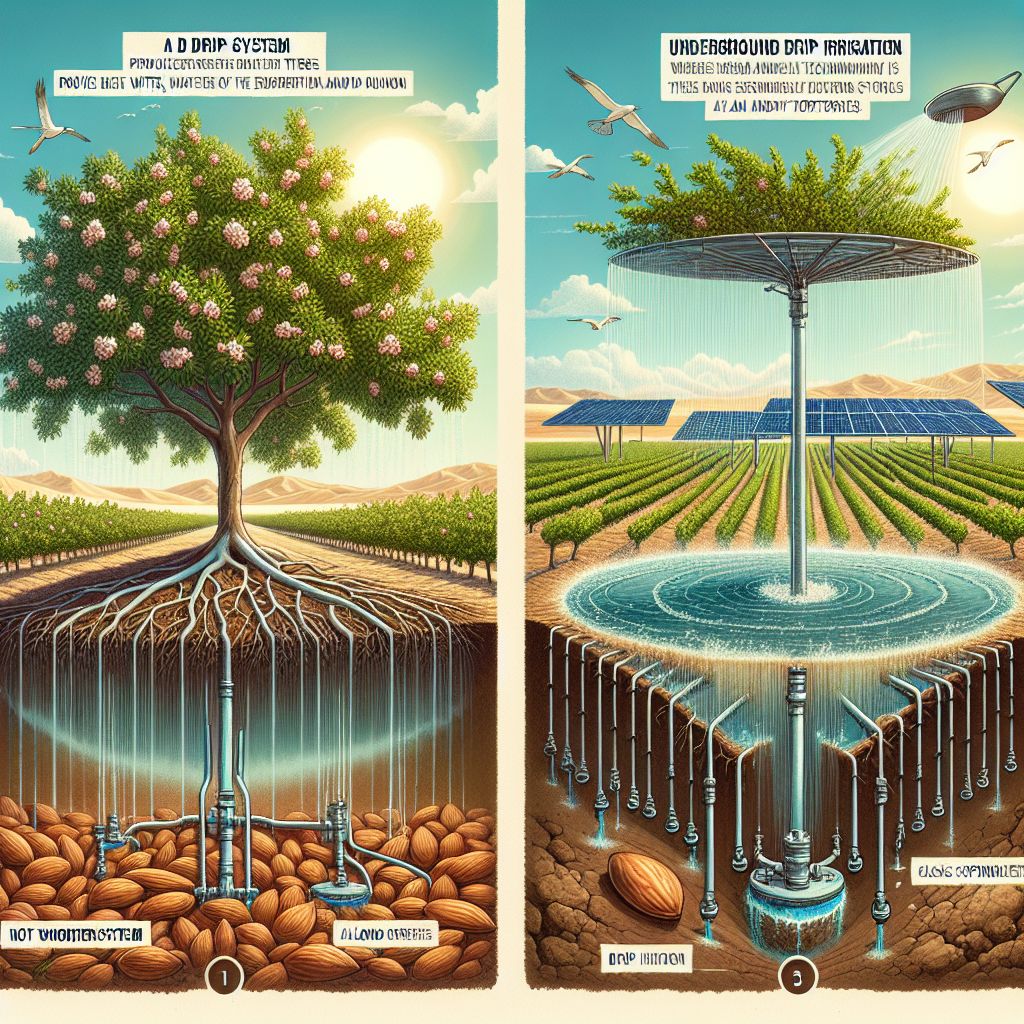
Top Irrigation Techniques Among Almond Growers
Selecting the appropriate irrigation technique is crucial to fully harness the power of solar energy. These are the most popular irrigation techniques among almond growers:
Drip Irrigation
When it comes to almond farming, drip irrigation is the most water-efficient method. It provides water right where the plants need it – at the root zone, reducing evaporation and runoff. This technique ensures each tree gets exactly what it needs, making the most out of every drop of water.
Solar panels are a great source of energy for drip irrigation systems, making them an ideal choice for environmentally-friendly almond farming. They also need less water pressure, which reduces their overall energy use. Learn more about solar irrigation for growing peaches and how it can benefit your farming practices.
Water Sprinkler Systems
Water sprinkler systems are a commonly used irrigation method for almond growers. They are capable of evenly distributing water across the entire field, which makes them a good fit for larger farms. However, they are not as water-efficient as drip irrigation and can result in higher evaporation rates.
Even so, sprinkler systems can be run on solar power. The trick is to select efficient sprinkler heads and tweak the system to minimize water waste. So, they can be a practical choice for those with larger almond groves.
Subsurface Drip Irrigation
Subsurface drip irrigation is a technique where drip lines are buried under the soil. This method lowers the rate of evaporation and makes sure the water goes straight to the root zone. It is especially useful in places with high rates of evaporation or sandy soil.
Just as with surface drip irrigation, subsurface systems can be seamlessly combined with solar panels. They provide the same advantages in terms of water conservation and targeted irrigation, making them a great option for almond growers seeking to optimize sustainability. Learn more about irrigation systems you can connect to solar panels for more efficiency.
Which Irrigation System is Ideal for Almond Farming?
Choosing the right irrigation system for almond farming is dependent on several factors such as the size of the farm, the type of soil, and the prevailing weather conditions. Nonetheless, drip irrigation is often the best choice due to its precision, water conservation, and energy efficiency.
If you’re dealing with a bigger farm, a mixed approach of drip and sprinkler systems might be the best fit. This dual method ensures that all parts of the farm are watered efficiently, making sure every tree gets the right amount of water.
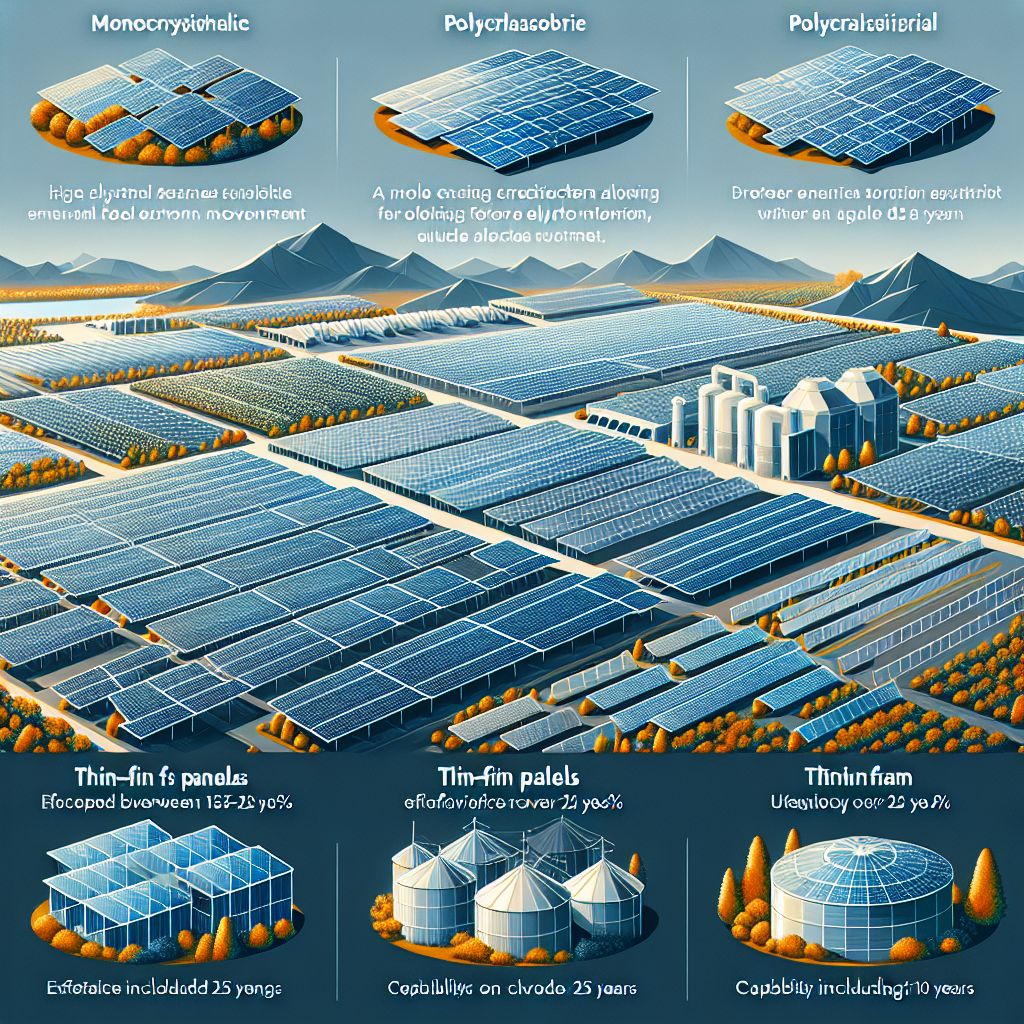
Top Solar Panels for Your Almonds Farmers Irrigation System
Choosing the right solar panels is crucial for the efficiency and success of your irrigation system. The type of solar panel you select will determine the amount of energy generated and, consequently, the performance of your irrigation setup. Let’s explore the different types of solar panels available and their suitability for almonds farming.
Monocrystalline Panels: The Best Choice for Small Spaces
Monocrystalline solar panels are the highest efficiency panels on the market, boasting efficiency rates of 15% to 22%. This makes them the perfect choice for almond farms with limited space, as they generate more power per square foot than any other panel type. For more information on setting up solar panels for farms, you can refer to this efficiency & setup guide.
The panels are created from a single crystal structure, which lets electrons move more freely, increasing efficiency. They also last for over 25 years, making them a sturdy and dependable option for almond growers.
High efficiency (15-22%)
Long lifespan (25+ years)
Better performance in low-light conditions
Polycrystalline Panels: A Budget-Friendly Energy Solution
Polycrystalline solar panels are a cheaper alternative to monocrystalline panels. They are made from multiple silicon crystals, which makes them less efficient but also less expensive to produce. Learn more about solar panels for farms and how they can improve irrigation efficiency.
Even though their efficiency is lower, usually ranging from 13% to 16%, they continue to be a cost-saving option for almond growers wanting to cut down on their energy expenses. Polycrystalline panels are an excellent selection for bigger farms where space is not an issue.
Thin-Film Panels: Adaptable and Multifaceted
Thin-film solar panels are celebrated for their adaptability and multifaceted nature. They are constructed by adding one or more layers of photovoltaic material onto a base, such as glass, plastic, or metal. This makes them light and simple to install on a variety of surfaces.
Despite having a lower efficiency rate, usually around 7% to 13%, their flexibility makes them perfect for non-traditional installations. They can be installed on curved surfaces or incorporated into building materials, providing unique solutions for almond growers.
Here is a table showing the pros and cons of using different types of solar panels with an irrigation system on a farm:
|
Panel Type |
Pros |
Cons |
|---|---|---|
|
Monocrystalline Panels |
– High efficiency (15-22%), producing more power per square foot. 1, 2, 4 | |
|
Polycrystalline Panels |
– Lower upfront cost than monocrystalline. 1, 2 |
– Lower efficiency and shorter lifespan than monocrystalline. 2, 4 |
|
Thin-Film Solar Panels |
– Lowest upfront cost. 1, 2 |
– Lowest efficiency (7-13%). 2, 4 |
Things to Keep in Mind When Selecting Panels
When selecting solar panels for your almond grove, keep the following things in mind:
Efficiency: Panels with a higher efficiency produce more power per square foot. This is important for farms that don’t have a lot of space.
Cost: Think about how much you can spend and how much you could save in the long run with each type of panel.
Durability: Choose panels that will last a long time and come with a good warranty to make sure they are reliable.
Installation: Think about how easy it is to install the panels and whether you can use them with your existing equipment.
What is the best Solar Panel to be Used on an Almond Farm
The best solar panel for an almond farm depends on what the farm needs and what limits it has. Monocrystalline panels are the best choice for farms that don’t have a lot of space because they are very efficient. Polycrystalline panels are a good choice for larger farms because they are cheaper. Thin-film panels are good for farms that need to install panels in unusual ways.
In the end, you should choose your solar panel after thoroughly considering its efficiency, price, longevity, and installation needs. It would be beneficial to seek advice from a solar power specialist to make the most informed decision for your almond farm.
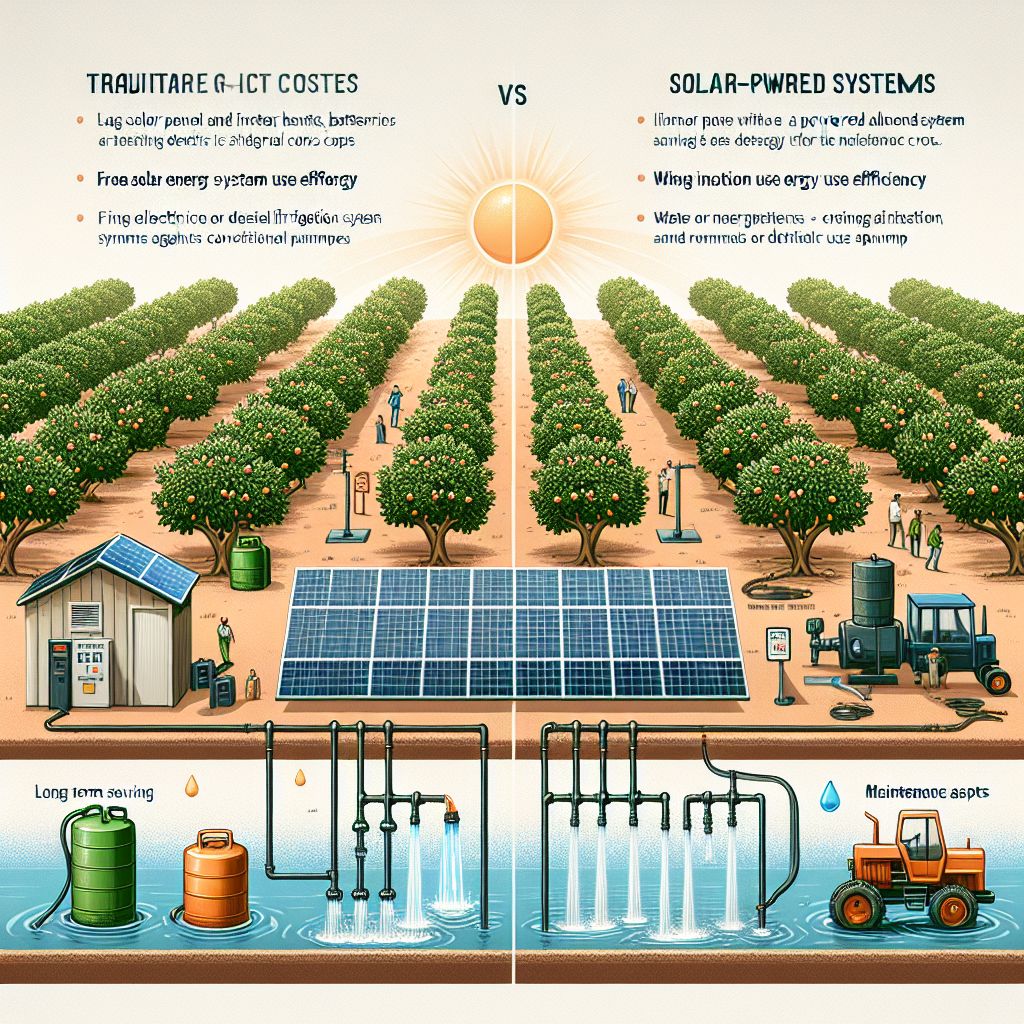
Comparing Costs and Efficiency: Traditional and Solar-Powered Irrigation Systems for Almond Cultivation
“Solar irrigation systems can drastically cut energy expenses for almond growers and encourage sustainable practices.” – Sustainable Farming Journal
When you look at solar irrigation systems versus traditional irrigation systems, there are several things to consider. These include the cost to install and the initial investment, the savings over time and return on investment (ROI), how efficient the system is in terms of water and energy use, and how long the system will last and how much maintenance it will need.
Upfront Costs for Solar and Traditional Irrigation Systems
While the upfront cost of installing a solar-powered irrigation system can be more than a traditional system, due to the cost of solar panels, inverters, batteries (if needed), and installation, there are often government incentives and grants available to help offset these costs.
Conventional watering systems, though, usually have lower initial costs but higher ongoing expenses because of energy use. The price of electricity or diesel can accumulate fast, making conventional systems pricier over time compared to solar irrigation systems.
Long-term Savings and Return on Investment for Both Techniques
Despite the higher upfront costs of solar irrigation systems, they offer significant long-term savings. Solar panels capture free energy from the sun, which can reduce or even eliminate monthly utility costs. Over time, these savings can make up for the initial outlay, resulting in a positive return on investment. Learn more about solar panels for farms and their efficiency.
Conventional irrigation systems, with their perpetual energy expenses, don’t provide the same long-term cost savings. The return on investment for these traditional systems is often lower, particularly as energy costs keep increasing.
“Agricultural Innovations Magazine states that the investment in solar-powered irrigation can be recouped within a few years due to the substantial decrease in energy costs.”
Comparing the Efficiency of Water and Energy Use
Efficient irrigation methods like drip irrigation are commonly used in conjunction with solar-powered irrigation systems to optimize the efficiency of water use. Drip irrigation brings water straight to the root zone, which helps to reduce evaporation and runoff.
Classic watering systems, like sprinklers, might not be the best when it comes to water conservation. They tend to cause more evaporation and waste water. So, using solar energy along with efficient watering techniques can improve the use of water and energy.
Maintenance and Durability
Solar panels are designed to last, often up to 25 years, and need little upkeep. A regular cleaning and infrequent checks are typically all that’s needed to ensure they’re working at their best.
Conventional irrigation systems might need maintenance more often, particularly if they depend on diesel or electric pumps. These parts can deteriorate over time and may require routine maintenance or replacement.
Solar panels: They require less maintenance and have a longer lifespan
Traditional systems: They require more maintenance and may need more frequent repairs
Here is a table comparing the cost and efficiency of an irrigation system with and without solar panels:
|
Aspect |
Without Solar Panels |
With Solar Panels |
|---|---|---|
|
Initial Cost | ||
|
Operating Cost |
Very low or zero fuel/electricity costs after installation. 1, 4 | |
|
Efficiency |
Depends on energy source efficiency. 4 |
Depends on solar radiation, temperature, system design. 1, 4 |
|
Environmental Impact |
Higher carbon footprint. 1 |
Lower carbon footprint, renewable energy. 1 |
|
Location Flexibility |
Limited to grid-connected or fuel access areas. 3 |
Can be used in remote off-grid areas. 3 |
|
Maintenance | ||
|
Lifespan |
Shorter for fuel-based systems. 1 | |
|
Long-term Costs |
Higher due to recurring fuel/electricity bills. 1 |
Lower total 20-year costs by 50-60% compared to traditional systems. 1 |
|
Government Incentives |
Generally none |
Many governments provide tax credits, subsidies for solar irrigation. 1 |
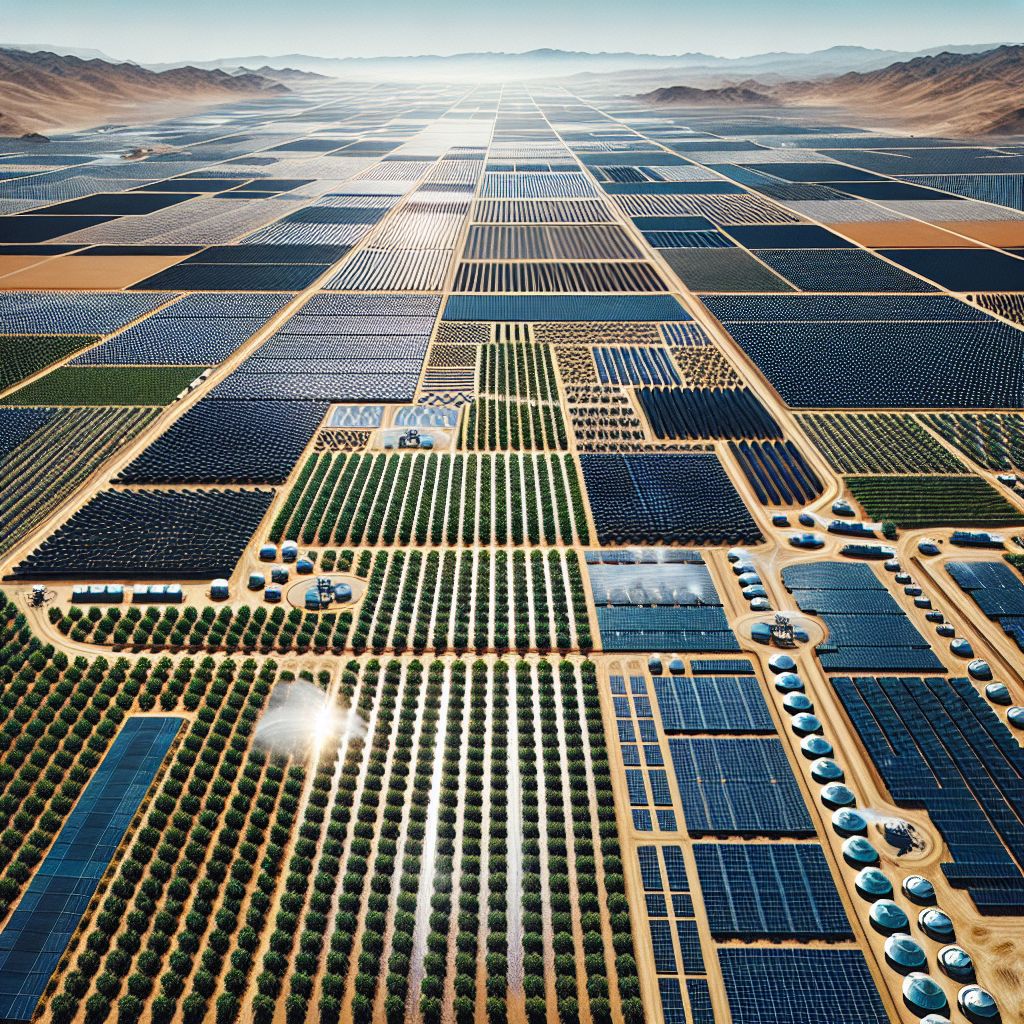
Choosing the Best Combination of Solar Panels and Irrigation Systems for Your Almond Trees
The best system for growing almonds combines solar panels that are highly efficient with irrigation methods that use water efficiently. The best combination of energy and water efficiency is offered by monocrystalline panels paired with drip irrigation.
For big farms, a combination of monocrystalline and polycrystalline panels can be a good strategy. This way, you can generate energy efficiently across different areas of the farm. Also, you can increase the efficiency of your water use by adding subsurface drip irrigation.
Pairing solar panels with effective irrigation techniques can enhance the sustainability and productivity of your almond farm. By selecting the optimal mix of solar panels and irrigation systems, you can optimize energy and water use efficiency, resulting in healthier crops and long-term savings.
We’ll take a look at some of the top choices for almond growers:
Top Choice: Combining Monocrystalline Panels with Drip Irrigation
Monocrystalline panels are a top choice for almond farmers due to their high efficiency and longevity. When these panels are combined with drip irrigation, which provides water directly to the root zone, it results in the most efficient use of water and energy. This system minimizes wasted water and reduces energy use, making it a great choice for sustainable almond farming.
Customizing Systems to Fit Farm Size and Geographic Position
The dimensions and geographic position of your farm are key factors in deciding the optimal combination of solar panel and irrigation system. For larger farms, a hybrid approach that uses both monocrystalline and polycrystalline panels may be beneficial. This allows for efficient energy production across different sections of the farm. Moreover, incorporating subsurface drip irrigation can increase water use efficiency even more, especially in areas with high evaporation rates.
Keep these points in mind when customizing your system:
Farm Size: A mix of panel types and irrigation methods may be more beneficial for larger farms.
Climate: Subsurface drip irrigation can be more effective in areas with high evaporation rates.
Soil Type: Different irrigation methods may be needed for different soil types to ensure optimal water delivery.
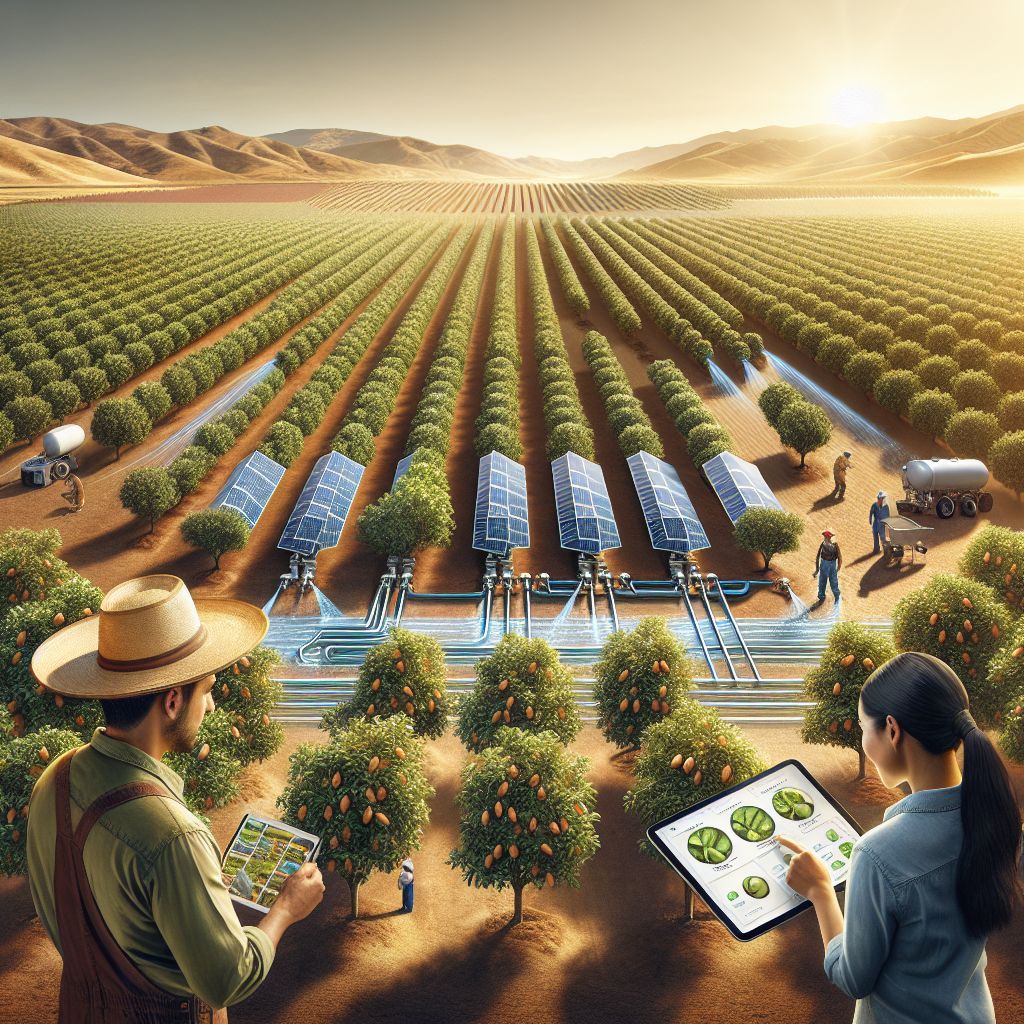
Conclusion: Is it Worth it to Add Solar-Power to an Irrigation System for Your Almonds Farm?
Investing in a solar-powered irrigation system for your almond farm is a wise choice. It offers numerous advantages, including cost savings, energy independence, and improved crop health. The initial investment may be higher, but the long-term savings and sustainability make it a valuable investment. Learn more about solar-powered irrigation for growing lemons and how similar techniques can be applied to your almond farm.
Key Advantages
There are several significant advantages to using solar-powered irrigation systems:
Considerable decrease in energy expenses
Enhanced efficiency in water usage
Increased yields and healthier almond crops
Environmental benefits and sustainability in the long run
Reliability and independence from energy sources
Potential Issues and Factors to Consider
Although the advantages are evident, there are also some potential issues to think about:
More expensive upfront costs
Possible necessity for system changes or enhancements
Existence of government incentives and grants
Continual upkeep and supervision needs
Upcoming Trends in Solar-Powered Irrigation
Solar-powered irrigation has a bright future ahead, with several trends on the horizon, including advancements in irrigation system efficiency.
Progress in solar panel technology has led to increased efficiency and reduced costs
Smart irrigation systems are now being integrated for real-time monitoring and control
Government incentives and grants for sustainable farming have become more available
There is a growing awareness and adoption of sustainable farming practices
These trends suggest that solar-powered irrigation will remain a viable and appealing option for almond farmers in the future.
Wrapping Up
If you’re an almond farmer considering solar-powered irrigation, here are some final thoughts to keep in mind:
Assess the unique needs and limitations of your farm to determine the most effective blend of solar panels and irrigation techniques.
Keep in mind the potential for long-term cost savings and environmental benefits when making your choice.
Utilize any government incentives or grants that may be available to help cover upfront expenses.
Consistently maintain and check your system to ensure it’s operating at its best.
By adhering to these guidelines, you can make a wise investment in solar-powered irrigation that will serve your almond farm well into the future.
Frequently Asked Questions (FAQ)
Below are some questions often asked about using solar energy for watering almond trees:
What is the price range of a solar irrigation system for almond cultivation?
The price of a solar irrigation system can fluctuate significantly based on the size of your orchard, the type of solar panels and irrigation system you choose, and any extra parts required. As a general rule, you should budget between $10,000 and $50,000 for a full system. Government incentives and grants can help reduce these expenses.
How long do solar panels used for agricultural irrigation last?
Solar panels used for agricultural irrigation usually last for about 25 years. Proper maintenance and cleaning can help make sure they continue to work efficiently for their entire lifespan.
Do solar irrigation systems function in cloudy or rainy weather?
Absolutely, solar irrigation systems do function in cloudy or rainy weather, but their effectiveness might be diminished. Solar panels are still able to produce power from scattered sunlight, and batteries can keep surplus power produced on sunny days for use when it’s cloudy.
How frequently do solar irrigation systems require upkeep?
Solar irrigation systems need very little upkeep. Regularly cleaning the solar panels to get rid of dust and debris is typically enough. Additionally, it’s wise to get the system checked out from time to time to make sure everything is working as it should.
Keeping solar panels clean on a regular basis
Carrying out system inspections at regular intervals
Keeping track of energy production and consumption
Does the government provide any incentives for the installation of solar irrigation systems?
Yes, there are usually government incentives and grants that can help to reduce the cost of installing solar irrigation systems. These incentives can differ depending on the location, so it’s recommended to look into the programs available in your area. Furthermore, many utility companies provide rebates for solar installations.
By utilizing these incentives, you can decrease the initial investment cost and make solar-powered irrigation more cost-effective for your almond farm.
Wrapping up, it’s a wise move to invest in solar-powered irrigation for your almond farm, and it comes with a host of benefits. By picking the right blend of solar panels and irrigation techniques, you can boost your farm’s sustainability and productivity, cut down on energy expenses, and foster environmental well-being.







Leave a Reply