

Key Takeaways
Solar irrigation systems can significantly reduce water and energy consumption for cantaloupe farming.
Drip irrigation paired with solar power is the most efficient method for watering cantaloupes.
Monocrystalline solar panels, although more expensive, offer the best efficiency for farm use.
Investing in a solar irrigation system can lead to substantial long-term savings and environmental benefits.
Choosing the right combination of solar panels and irrigation methods depends on your farm’s specific needs and conditions.
Why You Should Use Solar Panels with an Irrigation System for Growing Cantaloupes
Imagine slashing your water bill and reducing your carbon footprint while growing lush, juicy cantaloupes. This isn’t just a dream—it’s a reality with solar irrigation. By harnessing the power of the sun, you can irrigate your cantaloupe fields more efficiently and sustainably. Let’s dive into why solar irrigation systems are game-changers for cantaloupe farmers.
Understanding the Basics of Solar Irrigation
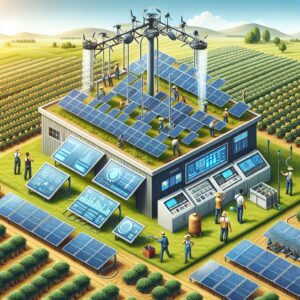
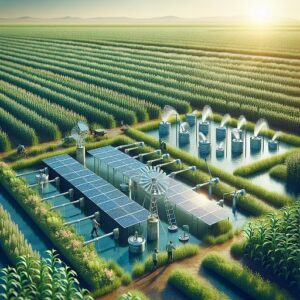
At its core, solar irrigation uses photovoltaic panels to capture sunlight and convert it into electricity. This electricity powers a pump that delivers water to your crops. No need for grid power or fuel-guzzling generators. It’s a self-sufficient system that keeps your cantaloupes hydrated and happy, using the most abundant resource—sunshine.
Benefits for Cantaloupe Yield and Quality
Consistent Water Supply: Solar irrigation provides a reliable water source, ensuring that your cantaloupes receive the hydration they need for optimal growth.
Improved Plant Health: Precise watering reduces the risk of disease and stress on plants, leading to healthier, more robust cantaloupes.
Enhanced Fruit Quality: Adequate and consistent irrigation can improve the sweetness and texture of your cantaloupes, making them a hit in the market.
With these benefits in mind, let’s explore how solar irrigation systems can be a boon to your cantaloupe farm.
Environmental Impact and Sustainability
Choosing solar irrigation isn’t just good for your wallet; it’s a win for the planet. Traditional irrigation methods often rely on non-renewable energy sources that contribute to greenhouse gas emissions. By switching to solar, you’re cutting down on fossil fuel use and investing in a cleaner future. Plus, solar irrigation systems use water more efficiently, which is crucial in areas facing water scarcity.

Top Irrigation Methods Used by Cantaloupe Farmers
Cantaloupes thrive with proper watering, but not all irrigation methods are created equal. Let’s compare the top contenders.
Traditional Sprinkler Systems
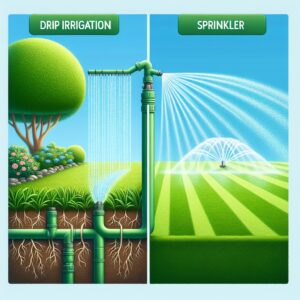
Sprinkler systems are common but can be wasteful. Water is sprayed over the field, much of it evaporating before reaching the roots. When it comes to water efficiency, there’s room for improvement.
Drip Irrigation: The Precise Approach
Drip irrigation is a game-changer for water conservation. Water drips slowly to the roots of each plant, minimizing waste and ensuring that every drop counts. When powered by solar energy, it becomes an eco-friendly powerhouse for your cantaloupe farm.
But what makes drip irrigation stand out?
It targets the root zone directly, reducing evaporation and runoff.
You can adjust the flow to meet the specific needs of your cantaloupes.
It’s easily integrated with solar power to create a fully renewable system.
Micro-sprinkler Systems: A Middle Ground
Micro-sprinkler systems offer a balance between traditional sprinklers and drip irrigation. They provide a more targeted approach than sprinklers, but with greater coverage than drip systems. This can be particularly useful for young cantaloupe plants that benefit from a more humid environment. When connected to a solar power source, micro-sprinklers can deliver water efficiently without the high energy costs of traditional systems.
What is the Best System to Use for Growing Cantaloupe
Considering all factors, drip irrigation stands out as the best system for growing cantaloupes. It’s the most water-efficient, can be easily automated, and pairs seamlessly with solar power. This combination ensures that your cantaloupes receive the right amount of water at the right time, leading to a bountiful and high-quality harvest.
Now that we looked at Irrigation systems, let’s take a look at what could powered them, solar panels.

Top Solar Panels for Your Cantaloupe Farmers Irrigation System
Choosing the right solar panels is crucial for maximizing the efficiency of your irrigation system. Let’s look at the options.
Monocrystalline Panels: High Efficiency, Higher Cost
Monocrystalline solar panels are the go-to choice for farmers who prioritize efficiency. They boast the highest efficiency rates because they’re made from a single, high-quality crystal structure. While they come with a higher price tag, they require less space and can generate more power per square foot, making them ideal for farms with limited land.
Polycrystalline Panels: Affordability Meets Functionality
Polycrystalline panels are a more budget-friendly option. They’re made from multiple silicon crystals, which makes them slightly less efficient than monocrystalline panels. However, they offer a good balance between cost and performance, making them a popular choice for many farmers.
Thin-Film Solar Panels: Flexibility on the Field
Thin-film solar panels are lightweight and flexible, which means they can be installed on a variety of surfaces. They have lower efficiency rates compared to crystalline panels, but their ease of installation and lower costs make them an attractive option for large-scale farms that can accommodate their sprawling layout.
Here is a table showing the pros and cons of using different types of solar panels with an irrigation system on a farm:
|
Panel Type |
Pros |
Cons |
|---|---|---|
|
Monocrystalline Panels |
– High efficiency (15-22%), producing more power per square foot. 1, 2, 4 | |
|
Polycrystalline Panels |
– Lower upfront cost than monocrystalline. 1, 2 |
– Lower efficiency and shorter lifespan than monocrystalline. 2, 4 |
|
Thin-Film Solar Panels |
– Lowest upfront cost. 1, 2 |
– Lowest efficiency (7-13%). 2, 4 |
What is the Best Solar Panel to Use on a Cantaloupe Farm
The best solar panel for your cantaloupe farm depends on your specific needs. If space is limited and you need maximum efficiency, monocrystalline panels are the way to go. If you’re looking for a cost-effective solution and have more space, polycrystalline or thin-film panels could be the better choice. Ultimately, the decision should be based on a balance of efficiency, cost, and available space.

Cost and Efficiency Comparison: Solar Irrigation Systems Versus Traditional Irrigation Systems for Growing Cantaloupes
When weighing the pros and cons of solar versus traditional irrigation systems, cost and efficiency are two of the most important factors.
Difference Initial Setup Costs and Long-Term Savings between the Two Systems
Initial setup costs for solar irrigation systems can be higher than traditional systems due to the price of solar panels and related equipment. However, the long-term savings on energy bills and potential tax incentives can make solar the more economical choice over time. Additionally, solar irrigation systems have lower operating costs and require less maintenance, which translates to further savings.
Water Usage Efficiency for Both Systems
Solar irrigation systems, particularly when paired with drip irrigation, are far more water-efficient than traditional methods. This not only conserves a precious resource but also reduces water bills. Efficient water usage is especially important in regions where water scarcity is a concern.
Energy Consumption Comparison
Traditional irrigation systems often rely on grid power or diesel generators, which can be expensive and environmentally harmful. Solar irrigation systems use renewable energy, cutting down on both energy consumption and greenhouse gas emissions.
Here is a table comparing the cost and efficiency of an irrigation system with and without solar panels:
|
Aspect |
Without Solar Panels |
With Solar Panels |
|---|---|---|
|
Initial Cost | ||
|
Operating Cost |
Very low or zero fuel/electricity costs after installation. 1, 4 | |
|
Efficiency |
Depends on energy source efficiency. 4 |
Depends on solar radiation, temperature, system design. 1, 4 |
|
Environmental Impact |
Higher carbon footprint. 1 |
Lower carbon footprint, renewable energy. 1 |
|
Location Flexibility |
Limited to grid-connected or fuel access areas. 3 |
Can be used in remote off-grid areas. 3 |
|
Maintenance | ||
|
Lifespan |
Shorter for fuel-based systems. 1 | |
|
Long-term Costs |
Higher due to recurring fuel/electricity bills. 1 |
Lower total 20-year costs by 50-60% compared to traditional systems. 1 |
|
Government Incentives |
Generally none |
Many governments provide tax credits, subsidies for solar irrigation. 1 |

Which Combination of Solar Panels and Irrigation Systems make the Most Efficient System for Your Cantaloupe Farm
To determine the most efficient combination for your cantaloupe farm, consider the following:
The size and layout of your farm
Local climate conditions and sunlight availability
Your budget for initial investment and long-term maintenance
The water requirements of your cantaloupe plants
A combination of monocrystalline panels and drip irrigation usually yields the highest efficiency. However, if your farm is in an area with less consistent sunlight, polycrystalline panels may provide better value. In regions with ample space, thin-film panels could be the most cost-effective choice.

Conclusion: Is it a Smart Decision to Add Solar-Power to an Irrigation System for Your Cantaloupe Farm
Adding solar power to your irrigation system is a smart decision for most cantaloupe farms. The benefits of reduced water and energy consumption, along with long-term cost savings, make it a wise investment. Moreover, the positive environmental impact aligns with the growing demand for sustainable farming practices.
Assessing the ROI for Solar-Powered Irrigation Systems
When assessing the return on investment (ROI) for solar-powered irrigation systems, consider the savings on water and energy bills, the lifespan of the system, and any available government incentives. Most solar irrigation systems pay for themselves within a few years and continue to provide cost savings for decades.
Considering Local Climate and Resources
Your local climate is a big deal when it comes to solar irrigation. More sunshine equals more solar power, but even in less sunny places, today’s solar panels are pretty efficient. You’ll also want to consider your water source. Is it a well, a pond, or something else? Make sure your solar pump is up to the task of pulling that water and pushing it through your irrigation system.
Another thing to think about is your soil. Different soils hold water differently, so you’ll want to match your irrigation system to your soil type to avoid water waste. And remember, the layout of your land matters too. Flat fields are easier to irrigate than hilly ones, but with the right setup, solar irrigation can work almost anywhere.
Here’s the bottom line: with a little planning, solar irrigation can work for almost any farm, in any climate. It’s all about finding the right balance for your specific situation.
For example, a cantaloupe farmer in sunny California might opt for a high-efficiency monocrystalline solar panel system to power a drip irrigation system, ensuring that water is used sparingly and effectively. On the other hand, a farmer in a less sunny state might go for polycrystalline panels that are more cost-effective and still provide the necessary power for their irrigation needs.
Future Trends in Sustainable Farming Methods
Looking ahead, we’re likely to see even more farms going green. Technology is always improving, and as it does, solar panels get cheaper and more efficient. In the future, we might see innovations like smart sensors that can tell exactly when and how much to water each plant, all powered by the sun. Sustainable farming isn’t just a trend—it’s the future of agriculture.
Frequently Asked Questions (FAQ)
How Do Solar-Powered Irrigation Systems Work?
Solar-powered irrigation systems use solar panels to collect energy from the sun. This energy powers a pump that pulls water from your source and sends it through your irrigation system to your crops. It’s a clean, green way to keep your plants watered.
Think of it like this: the sun shines on the panels, the panels turn that into electricity, and the electricity runs the pump. It’s a simple cycle that keeps your farm running without relying on the grid or expensive fuel.
What Are the Maintenance Requirements for Solar Irrigation Systems?
Solar irrigation systems are pretty low-maintenance. Keep your solar panels clean and check on your irrigation equipment regularly to make sure everything’s in good shape. That’s about it! No complicated machinery or constant refueling needed.
Can Solar Panels Withstand Extreme Weather Conditions?
Yes, they can! Today’s solar panels are tough. They’re built to handle heavy rain, hail, even high winds. Just make sure they’re installed right—securely anchored and in the best position to catch the sun.
It’s also smart to check with the manufacturer about the specific durability of your panels. Some are designed to withstand heavier loads, which can be important if you live in an area with lots of snow or strong winds.
Are There Government Incentives for Using Solar Irrigation?
Many governments offer incentives for going solar, like tax breaks, rebates, or grants. These can help lower the cost of setting up a solar irrigation system. It’s worth doing some research to see what’s available in your area—you might be surprised at how much you can save.
How to Monitor and Control Solar-Powered Irrigation Systems?
Today’s solar irrigation systems are pretty high-tech. You can often control them with a smartphone or computer, which means you can adjust your watering schedule from anywhere. Some systems even let you monitor things like soil moisture and weather forecasts, so you can water your crops just the right amount at just the right time.



Leave a Reply