

Key Takeaways
Solar irrigation systems can significantly reduce the cost of watering pear orchards.
Monocrystalline, polycrystalline, and thin-film are the three main types of solar panels suitable for farms.
Drip irrigation is the most efficient watering method for pears, conserving water and directing it precisely where needed.
Integrating solar power with irrigation systems is an eco-friendly solution that can increase long-term sustainability.
The initial investment in solar irrigation can be offset by long-term savings and increased pear yields.
Why You Should Use Solar Panels with an Irrigation System for Growing Pears
Let’s talk about pears and the sun. Pears need water, and lots of it, to grow juicy and ripe. But here’s the kicker: getting water to your pears doesn’t have to cost the earth, and I mean that quite literally. Solar panels can power your irrigation system, slashing your energy bills and reducing your carbon footprint. It’s a win-win!
Now, why pears? Well, pear trees are thirsty fellows that thrive on regular watering. Inefficient watering techniques can lead to wasted water and energy, not to mention stressed trees and subpar fruit. By tapping into the power of the sun, we can irrigate our orchards more effectively and sustainably.
Understanding the Role of Solar Energy in Agriculture
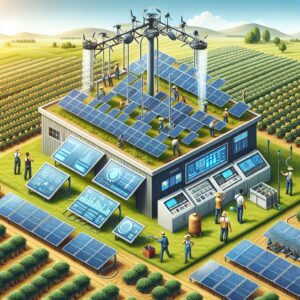
Solar energy isn’t just for powering homes and gadgets. It’s a game-changer for agriculture too. By harnessing the sun’s energy, we can run pumps and other irrigation equipment without relying on the grid. This is especially handy for remote orchards where electricity can be costly or unreliable.
Sun-Powered Savings: Reduced Operational Costs for Pear Farmers
Think about your electricity bill. Now imagine cutting it down, or even better, eliminating it altogether when it comes to watering your pears. That’s what solar irrigation systems can do. The sun’s energy is free once you’ve got your panels set up, so you can keep your trees happy without the hefty energy costs.
Eco-Friendly Farming: The Environmental Benefits
Going green isn’t just a trend; it’s a necessity. By using solar panels for irrigation, you’re reducing reliance on fossil fuels and lowering greenhouse gas emissions. Your pear orchard becomes part of the solution to our planet’s environmental challenges.

Top Irrigation Methods Used by Pear Farmers
Not all irrigation methods are created equal, especially when it comes to pear orchards. You’ve got options, but the goal is always the same: deliver water efficiently to where your trees need it most.
The Efficiency of Drip Irrigation in Pear Orchards
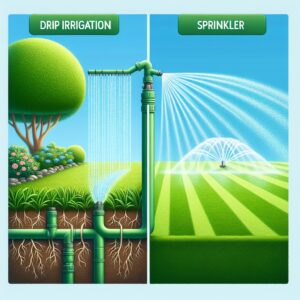
Drip irrigation is like giving your pear trees a personal water bottle. It delivers water directly to the roots, drop by drop, minimizing waste and maximizing growth. It’s efficient, it’s precise, and when powered by solar energy, it’s incredibly cost-effective.
Overhead Sprinkling Systems: Pros and Cons
Overhead sprinklers can give your trees a good shower, but they’re not always the best choice. They can waste water through evaporation and runoff, and in windy conditions, well, let’s just say your trees might not get all the water they need.
Subsurface Irrigation Techniques for Deep Root Feeding
Subsurface irrigation is like a stealth operation for watering. It delivers water directly to the roots, with minimal evaporation. It’s great for deep root feeding and reducing water loss, but it can be more complex to install and manage.
Here is a comparison table of the top irrigation systems for pear farmers:
|
Irrigation System |
Description |
Advantages |
Disadvantages |
Best Use Cases |
|---|---|---|---|---|
|
Drip Irrigation |
Delivers water directly to the root zone through a network of valves, pipes, tubing, and emitters. 1, 4, 6, |
– High water-use efficiency. 1, 6, |
– High initial setup cost. 6 |
– Small orchards. 6 |
|
Sprinkling Systems |
Distributes water through a system of pipes and sprinklers, covering a larger area with a fine mist. 1, 4, 5, 7 |
– Provides uniform water distribution. 5, 7 |
– Higher water loss due to evaporation and wind drift. 1, 7 |
– Frost protection. 1, 5 |
|
Subsurface Irrigation |
Delivers water directly to the root zone through buried pipes or tubes. 2, 3 |
– Reduces evaporation. 2, 3 |
– High installation cost. 2 |
– Areas with sandy soils. 2, 3 |
So, which method should you choose? It depends on your orchard’s needs, but most importantly, consider how each system can integrate with solar power for the best results. Let’s now take a look at solar panels.

Top Solar Panels for Your Pear Farm’s Irrigation System
Choosing the right solar panels is crucial. You want panels that will stand up to the demands of farm life and provide plenty of power for your irrigation needs.
Monocrystalline Solar Panels: High Efficiency in Limited Spaces
Monocrystalline panels are the A-listers of the solar panel world. They’re sleek, they’re efficient, and they’re perfect if you’ve got limited space. They might cost more upfront, but they’ll give you more power per square foot than other types.
Polycrystalline Solar Panels: Cost-Effective Energy Solution
On the other hand, polycrystalline solar panels are the workhorses of solar irrigation. They don’t have the same high efficiency as monocrystalline panels, but they make up for it in cost-effectiveness. If you’re budget-conscious and have more space to spare, these panels can be a great choice for keeping your pear orchard irrigated without breaking the bank.
Polycrystalline panels are also robust and have a decent lifespan, making them a solid investment for the long haul. While they may produce less power per square foot, their lower price point can allow you to buy more panels and cover a larger area if needed.
One thing to keep in mind is that polycrystalline panels might not perform as well in extremely hot conditions. However, for most pear-growing regions, they’re a reliable and cost-effective option for solar-powered irrigation systems.
Lower upfront costs compared to monocrystalline panels
Good option for farms with more available space
Durable with a decent lifespan
Less efficient in high-temperature environments
Thin-Film Solar Panels: Flexibility and Versatility
Thin-film solar panels are the mavericks of the solar world. They’re lightweight, flexible, and can be applied to a variety of surfaces. This makes them ideal for pear orchards with unconventional layouts or for farmers who want to get creative with their solar setups.
They’re not as efficient as their monocrystalline or polycrystalline cousins, but they have their own advantages. Thin-film panels can perform better in low-light conditions and are less affected by high temperatures. Plus, they’re often easier to install, which can save you time and labor costs.
While they might not be the first choice for everyone, thin-film solar panels offer a versatile and potentially more aesthetically pleasing option for integrating solar power into your pear farm’s irrigation system.
Here is a table showing the pros and cons of using different types of solar panels with an irrigation system on a farm:
|
Panel Type |
Pros |
Cons |
|---|---|---|
|
Monocrystalline Panels |
– High efficiency (15-22%), producing more power per square foot. 1, 2, 4 | |
|
Polycrystalline Panels |
– Lower upfront cost than monocrystalline. 1, 2 |
– Lower efficiency and shorter lifespan than monocrystalline. 2, 4 |
|
Thin-Film Solar Panels |
– Lowest upfront cost. 1, 2 |
– Lowest efficiency (7-13%). 2, 4 |
Innovative Solar Technologies: Beyond Traditional Panels
As we look to the future, solar technology is only getting smarter. Innovations like bi-facial solar panels, which can absorb light from both sides, and solar tracking systems that follow the sun, are pushing the boundaries of what’s possible. These technologies can boost efficiency and yield even more power from the same amount of space.
While these cutting-edge solutions might come with a higher price tag, they represent the pinnacle of solar efficiency. For pear farmers looking to invest in the best and most advanced systems, keeping an eye on these innovations is a must.
Most importantly, as these technologies become more mainstream, their costs are likely to decrease, making them more accessible to farmers everywhere. It’s an exciting time to be in the business of growing pears with solar power.
Bi-facial solar panels capture light from both sides
Solar trackers maximize energy capture by following the sun’s path
Emerging technologies could offer higher efficiency rates
Costs are expected to decrease as technologies become more widespread
Which Solar Panel is the Best Choice for a Pear Farmer
Choosing the right solar panel for your pear orchard comes down to a few key factors: budget, space, and efficiency needs. Monocrystalline panels are top-of-the-line and will give you the most bang for your buck in terms of power output. Polycrystalline panels are a solid middle ground, offering a balance between cost and efficiency. Thin-film panels, while less efficient overall, offer unique advantages in flexibility and installation. For more detailed information on the benefits of solar power in agriculture, consider reading about irrigation systems you can connect to solar panels for more efficiency for the farmer.
Therefore, the best choice for a pear farmer depends on their specific situation. If you have limited space and want the highest efficiency, go for monocrystalline. If you’re budget-conscious with more land, polycrystalline is a great pick. And if you need a flexible, easy-to-install option, consider thin-film panels.

Which Combination of Solar Panels and Irrigation Systems make the Most Efficient System for Your Pear Orchard
Pairing Monocrystalline Solar Panels with Drip Irrigation for Optimal Efficiency
If you’re aiming for the top, then pairing monocrystalline solar panels with a drip irrigation system is your best bet. This combo is the gold standard for pear orchards looking to maximize water and energy efficiency. Monocrystalline panels will capture more sunlight and convert it into energy, while drip irrigation will ensure that every drop of water is delivered right to your pear trees’ roots, where it’s needed most.
Mix and Match: Custom Solutions for Unique Orchard Needs
But let’s not forget that every pear orchard is different. You might have a hilly terrain, a mix of young and old trees, or varying soil conditions. That’s why it’s essential to mix and match your solar panels and irrigation methods to suit your specific needs. Maybe thin-film solar panels are better for your layout, or perhaps a combination of drip and subsurface irrigation will serve your trees best. Customize your setup for optimal growth and fruit production.

Conclusion: Is it a Smart Decision to Add Solar-Power to an Irrigation System for Your Pear Orchard?
Now for the million-dollar question: is it worth it? Absolutely. Integrating solar power into your pear orchard’s irrigation system is a smart move that can save you money, boost your efficiency, and help protect the environment. It’s an investment in the future of your farm and the planet.
Assessing the Benefits: Increased Yield vs. Initial Investment
Let’s break it down. Yes, the initial investment for a solar irrigation system can be significant. But what you’re looking at is a system that can potentially increase your pear yield, cut down on water usage, and virtually eliminate your energy costs for irrigation. Over time, those savings add up, and you could see a return on your investment much sooner than you think.
Future-Proof Farming: Sustainability as a Long-Term Goal
Besides that, there’s the bigger picture. Investing in solar irrigation is a step towards future-proof farming. It’s about ensuring that your pear orchard can thrive for generations to come, with a sustainable, resilient water supply that’s not at the mercy of rising energy costs or a changing climate.
Frequently Asked Questions (FAQ)
For more information on how solar irrigation can enhance your farming efficiency, visit our guide on solar panels for farm irrigation.
How Do Solar-Powered Irrigation Systems Work?
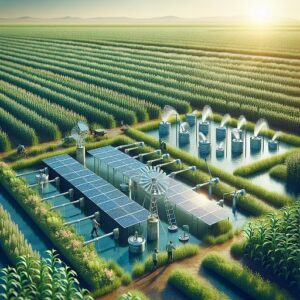
Solar-powered irrigation systems use solar panels to capture energy from the sun. This energy is then used to power a pump that delivers water to your orchard. It’s a clean, renewable way to keep your pear trees watered without relying on the grid.
Can I Retrofit My Current Irrigation System to Solar Power?
Many farmers and gardeners are asking whether they can retrofit their existing irrigation systems to solar power, as a way to increase efficiency and sustainability in their agricultural practices.
Yes, you can often retrofit your existing irrigation system to run on solar power. It typically involves installing solar panels and connecting them to your irrigation pump, but the specifics can vary. A professional can help you figure out the best way to make the switch.
What Is the Maintenance Like for Solar-Powered Irrigation Systems?
Maintenance for solar-powered irrigation systems is generally minimal. You’ll need to keep the solar panels clean and check the batteries if you have them. The irrigation system itself will need the usual maintenance, like checking for leaks and clogs.
Are There Government Incentives or Rebates for Using Solar Irrigation?
Many governments offer incentives or rebates for installing solar energy systems, including those used for irrigation. These can help offset the initial cost, making solar irrigation an even more attractive option for pear farmers.
What Should I Consider When Switching to a Solar Irrigation System?
When considering a switch to a solar irrigation system, it’s important to understand the various aspects that can influence its success. This includes evaluating your specific crop needs, the local climate, and the scalability of the system. For instance, if you are interested in irrigation systems you can connect to solar panels for more efficiency, it’s crucial to consider the initial investment and the potential long-term benefits for your farm’s productivity and sustainability.
When considering the switch to solar irrigation, think about the size of your orchard, the amount of sunlight you get, your water needs, and your budget. You’ll also want to research the best type of solar panels and irrigation system for your specific conditions. Lastly, don’t forget to look into local incentives that could help with the cost.


Leave a Reply