

Key Takeaways
Solar-powered irrigation systems reduce water and energy costs while promoting sustainable farming.
Monocrystalline solar panels offer high efficiency but are more expensive, whereas polycrystalline panels are cost-effective.
Drip irrigation is the most efficient method for pecan farming, minimizing water waste.
Initial investment in solar-powered systems can be high, but long-term savings and environmental benefits are substantial.
Combining the right solar panels with an appropriate irrigation method can significantly enhance crop yield and quality.
Why You Should Use Solar Panels with an Irrigation System for Growing Pecans
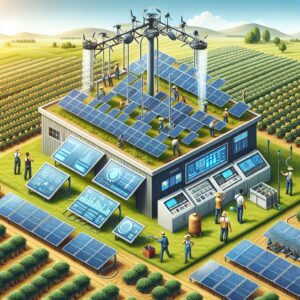
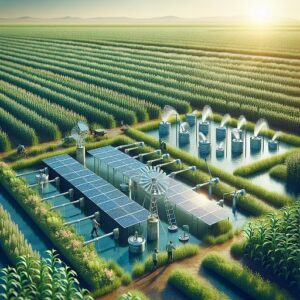
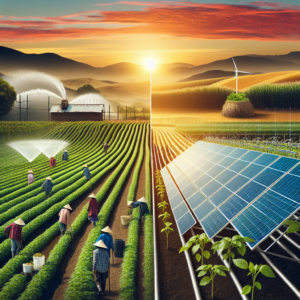
Solar-powered irrigation systems are transforming how we grow pecans. By harnessing the sun’s energy, farmers can ensure a reliable and sustainable water supply for their orchards. This not only helps in cutting down electricity costs but also promotes eco-friendly farming practices.
Environmental Benefits of Solar-Powered Irrigation
Solar-powered irrigation systems offer numerous environmental benefits. Firstly, they reduce reliance on fossil fuels, thereby cutting down greenhouse gas emissions. This is crucial for combating climate change and ensuring a healthier planet for future generations.
Besides that, solar energy is renewable and abundant. By using solar panels, farmers can tap into this limitless resource, reducing their carbon footprint. Moreover, solar-powered systems often come with fewer moving parts, meaning less wear and tear and a lower environmental impact from manufacturing and maintenance.
Long-Term Cost Savings
Although the initial investment for solar-powered irrigation systems can be high, the long-term savings are significant. Traditional irrigation systems rely heavily on electricity or diesel, both of which can be costly. Solar energy, on the other hand, is free once the panels are installed.
Over time, the savings on energy bills can offset the initial costs, making solar-powered irrigation a financially sound investment. Additionally, many governments offer incentives and subsidies for installing solar panels, further reducing the financial burden on farmers.
Energy Independence and Reliability
One of the most compelling reasons to switch to solar-powered irrigation is energy independence. By generating their own power, farmers are less vulnerable to electricity price hikes and power outages. This is especially important in remote areas where grid access is limited or unreliable.
Moreover, solar-powered systems can be easily scaled to meet the specific needs of a farm. Whether you have a small orchard or a large-scale operation, you can customize your solar setup to ensure a consistent and reliable water supply. Learn more about irrigation systems you can connect to solar panels for more efficiency.
Enhanced Crop Yield and Quality
Efficient irrigation is key to growing healthy and high-yield pecan trees. Solar-powered systems can provide a steady and controlled water supply, ensuring that the trees get the right amount of water at the right time. This can lead to improved crop yield and quality.
Furthermore, solar-powered irrigation systems can be integrated with advanced technologies like soil moisture sensors and automated controls. These technologies help optimize water usage, prevent over-irrigation, and reduce water waste, resulting in healthier trees and better pecan production.

Top Irrigation Methods Used by Pecan Farmers
Choosing the right irrigation method is crucial for the success of your pecan orchard. Different methods offer various benefits and challenges, so it’s essential to understand each one to make an informed decision.
Drip Irrigation
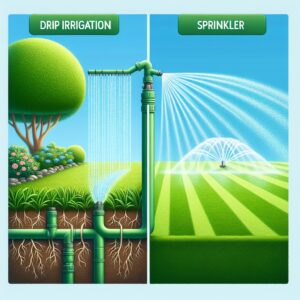
Drip irrigation is one of the most efficient methods for watering pecan trees. It delivers water directly to the root zone through a network of tubes and emitters. This minimizes water waste and ensures that the trees get the exact amount of water they need. For more information on enhancing efficiency, check out our guide on solar panels for farms.
Drip irrigation systems can be easily integrated with solar-powered pumps, making them an excellent choice for sustainable farming. Additionally, they reduce the risk of soil erosion and nutrient leaching, promoting healthier soil and better tree growth.
Microspray Irrigation
Microspray irrigation uses small sprinklers to distribute water over a larger area. This method is suitable for pecan orchards with sandy soils that require more frequent watering. Microspray systems can also be powered by solar energy, providing a sustainable and efficient solution for your irrigation needs.
Flood Irrigation
Flood irrigation involves flooding the entire orchard with water. While this method is less efficient than drip or microspray irrigation, it can be useful in certain situations, such as when you need to leach salts from the soil. However, flood irrigation typically requires more water and can lead to higher evaporation rates and water waste.
Comparison of Irrigation Methods
Here’s a quick comparison of the different irrigation methods used in pecan farming:
|
Irrigation Method |
Efficiency |
Water Usage |
Integration with Solar |
|---|---|---|---|
|
Drip Irrigation |
High |
Low |
Excellent |
|
Microspray Irrigation |
Moderate |
Moderate |
Good |
|
Flood Irrigation |
Low |
High |
Fair |
Now that we looked at irrigation systems, let’s take a look at the solar panels that will power them.

Top Solar Panels for Your Pecan Farmers Irrigation System
Choosing the right solar panels is crucial for the efficiency and success of your irrigation system. The type of solar panel you select will determine the amount of energy generated and, consequently, the performance of your irrigation setup. Let’s explore the different types of solar panels available and their suitability for Pecans farming.
Monocrystalline Solar Panels: High Efficiency in Limited Spaces
Monocrystalline solar panels are known for their high efficiency and durability. They are made from a single crystal structure, which allows them to convert more sunlight into electricity compared to other types of panels. This makes them ideal for farms where space is limited but high energy output is needed. For more information on setting up solar panels for farms, check out this setup guide.
These panels also have a longer lifespan, often exceeding 25 years, which means they can provide a reliable energy source for your irrigation system over the long term. However, they come with a higher initial cost, which can be a consideration for budget-conscious farmers.
Polycrystalline Solar Panels: Cost-Effective Energy Solution
Polycrystalline solar panels are a popular choice for many farmers due to their cost-effectiveness. These panels are made from multiple silicon crystals, which makes them cheaper to produce than monocrystalline panels. While they are slightly less efficient, they offer a good balance between cost and performance. For more information, you can check out this solar panels for farms guide.
Polycrystalline panels are ideal for farmers who have ample space for installation. They may require more panels to produce the same amount of energy as monocrystalline panels, but their lower cost makes them an attractive option. Additionally, they perform well in various lighting conditions, making them suitable for different climates.
Thin-Film Solar Panels: Flexibility and Versatility
Thin-film solar panels are known for their flexibility and lightweight design. These panels are made by depositing thin layers of photovoltaic material onto a substrate, such as glass, plastic, or metal. This makes them more versatile in terms of installation options, as they can be mounted on curved surfaces or integrated into building materials.
Although thin-film panels have a lower efficiency compared to monocrystalline and polycrystalline panels, their unique properties make them suitable for specific applications. For instance, they can be used in portable solar solutions or integrated into structures where traditional panels might not fit.
Here is a table showing the pros and cons of using different types of solar panels with an irrigation system on a farm:
|
Panel Type |
Pros |
Cons |
|---|---|---|
|
Monocrystalline Panels |
– High efficiency (15-22%), producing more power per square foot. 1, 2, 4 | |
|
Polycrystalline Panels |
– Lower upfront cost than monocrystalline. 1, 2 |
– Lower efficiency and shorter lifespan than monocrystalline. 2, 4 |
|
Thin-Film Solar Panels |
– Lowest upfront cost. 1, 2 |
– Lowest efficiency (7-13%). 2, 4 |
The choice depends on factors like budget, space constraints, climate, and expected lifespan. Monocrystalline panels offer the best long-term performance but at a higher upfront cost. 1, 2, 4
Choosing the Best Solar Panel for Your Needs
Selecting the right solar panel for your pecan orchard depends on several factors, including your budget, available space, and energy requirements. Here’s a quick guide to help you decide:
Monocrystalline Panels: Choose these if you have a higher budget and limited space but need high efficiency.
Polycrystalline Panels: Opt for these if you want a cost-effective solution and have ample space for installation.
Thin-Film Panels: Consider these if you need flexibility in installation or have specific structural requirements.
By carefully evaluating your needs and considering the pros and cons of each type of panel, you can make an informed decision that will benefit your pecan orchard in the long run.

Cost and Efficiency Comparison: Solar Irrigation Systems Versus Traditional Irrigation Systems for Growing Pecans
When deciding between solar-powered and traditional irrigation systems, it’s essential to consider both cost and efficiency. Let’s break down the key factors to help you make the best choice for your pecan orchard.
Initial Investment and Installation Costs for Both Systems
Solar-powered irrigation systems typically have a higher initial investment due to the cost of solar panels, inverters, and installation. However, this upfront cost can be mitigated by government incentives and subsidies. Traditional systems, on the other hand, may have lower initial costs but can incur higher long-term expenses due to energy consumption.
Maintenance and Operating Costs for Both Systems
Solar-powered systems generally have lower maintenance and operating costs. Solar panels require minimal upkeep, and the energy they produce is free once installed. Traditional systems, however, rely on electricity or diesel, leading to ongoing expenses and potential price fluctuations.
Efficiency and Performance Over Time for Both Systems
Solar-powered irrigation systems offer consistent performance and efficiency over time. As long as the sun shines, they can provide a reliable water supply. Traditional systems may experience efficiency losses due to mechanical wear and tear, energy price increases, and potential power outages.
Return on Investment (ROI) Comparison
The ROI for solar-powered systems can be significant over the long term. While the initial investment is higher, the savings on energy bills and potential government incentives can lead to a faster payback period. Traditional systems may have a lower initial investment, but the ongoing costs can reduce their overall ROI.
By comparing these factors, it’s clear that solar-powered irrigation systems offer long-term benefits that can outweigh the initial investment. These systems not only provide cost savings but also contribute to a more sustainable and environmentally friendly farming practice. For more information, check out solar-powered irrigation for growing zucchini.
Here is a table comparing the cost and efficiency of an irrigation system with and without solar panels:
|
Aspect |
Without Solar Panels |
With Solar Panels |
|---|---|---|
|
Initial Cost | ||
|
Operating Cost |
Very low or zero fuel/electricity costs after installation. 1, 4 | |
|
Efficiency |
Depends on energy source efficiency. 4 |
Depends on solar radiation, temperature, system design. 1, 4 |
|
Environmental Impact |
Higher carbon footprint. 1 |
Lower carbon footprint, renewable energy. 1 |
|
Location Flexibility |
Limited to grid-connected or fuel access areas. 3 |
Can be used in remote off-grid areas. 3 |
|
Maintenance | ||
|
Lifespan |
Shorter for fuel-based systems. 1 | |
|
Long-term Costs |
Higher due to recurring fuel/electricity bills. 1 |
Lower total 20-year costs by 50-60% compared to traditional systems. 1 |
|
Government Incentives |
Generally none |
Many governments provide tax credits, subsidies for solar irrigation. 1 |

Which Combination of Solar Panels and Irrigation Systems make the Most Efficient System for Your Pecan Orchards
Combining the right solar panels with an appropriate irrigation method can significantly enhance the efficiency and productivity of your pecan orchard. Let’s explore the ideal pairings to help you make the best choice.
Ideal Pairing: Drip Irrigation with Monocrystalline Panels
Drip irrigation paired with monocrystalline panels is an excellent choice for pecan orchards. Drip irrigation delivers water directly to the root zone, minimizing waste and ensuring efficient water usage. Monocrystalline panels provide high efficiency and are perfect for farms with limited space.
This combination offers the best of both worlds: efficient water delivery and maximum energy production. By using monocrystalline panels, you can generate more power per square foot, making it easier to meet the energy demands of your irrigation system.
“Drip irrigation with monocrystalline panels has transformed our pecan orchard. We’ve seen a significant reduction in water waste and energy costs, leading to healthier trees and better yields.” – John, a pecan farmer from Texas
Optimal Combination: Microspray Irrigation with Polycrystalline Panels
Microspray irrigation combined with polycrystalline panels is another effective solution. Microspray systems distribute water over a larger area, making them suitable for orchards with sandy soils. Microspray irrigation systems offer a cost-effective energy solution, making this combination ideal for farmers with budget constraints.
This pairing ensures that your pecan trees receive adequate water while keeping energy costs low. Polycrystalline panels perform well in various lighting conditions, providing a reliable power source for your irrigation system.
Cost-Effective Choice: Flood Irrigation with Thin-Film Panels
Flood irrigation with thin-film panels is a cost-effective choice for certain situations. While flood irrigation is less efficient, it can be useful for leaching salts from the soil. Thin-film panels offer flexibility and can be installed on various surfaces, making them suitable for farms with unique structural requirements.
Drip Irrigation with Monocrystalline Panels: Best for high efficiency and limited space.
Microspray Irrigation with Polycrystalline Panels: Ideal for sandy soils and budget-conscious farmers.
Flood Irrigation with Thin-Film Panels: Suitable for specific situations requiring flexibility and cost-effectiveness.
By understanding the strengths and weaknesses of each combination, you can choose the best system for your pecan orchard. This will help you maximize efficiency, reduce costs, and promote sustainable farming practices.
By understanding the strengths and weaknesses of each combination, you can choose the best system for your pecan orchard. This will help you maximize efficiency, reduce costs, and promote sustainable farming practices.

Conclusion: Is it a Smart Decision to Add Solar-Power to an Irrigation System for Your Pecan Orchards
Deciding to integrate solar power into your irrigation system is a significant step towards sustainable farming. The benefits, both environmental and financial, make it a compelling choice for pecan farmers looking to enhance their operations.
Summarizing the Benefits
Solar-powered irrigation systems offer numerous advantages. They reduce energy costs, promote sustainable farming, and provide a reliable water supply. By harnessing the sun’s energy, farmers can achieve energy independence and contribute to a healthier planet.
Weighing the Costs and Benefits
While the initial investment for solar-powered systems can be high, the long-term savings and environmental benefits are substantial. Traditional systems may have lower upfront costs, but their ongoing expenses and environmental impact can outweigh these initial savings. For more information on setting up efficient systems, check out our guide on irrigation systems you can connect to solar panels.
By carefully considering your budget, available space, and energy needs, you can determine whether a solar-powered irrigation system is the right choice for your pecan orchard. The potential for government incentives and subsidies can further reduce the financial burden, making solar power a viable option for many farmers.
Final Recommendations
In conclusion, adding solar power to your irrigation system is a smart decision for pecan farmers. The combination of reduced energy costs, environmental benefits, and reliable water supply makes it a worthwhile investment. By selecting the right solar panels and irrigation method, you can optimize your farm’s efficiency and contribute to a more sustainable future.
Frequently Asked Questions (FAQ)
How do solar-powered irrigation systems work?
Solar-powered irrigation systems use solar panels to convert sunlight into electricity. This electricity powers a water pump, which draws water from a source (such as a well or reservoir) and delivers it to the irrigation system. The system can be automated to control water flow and ensure efficient irrigation.
What is the lifespan of a solar panel?
Solar panels typically have a lifespan of 25-30 years. Over time, their efficiency may decrease slightly, but they can continue to produce electricity for many years with proper maintenance. Regular cleaning and inspection can help extend the lifespan of your solar panels.
It’s important to note that most solar panels come with a warranty that guarantees a certain level of performance for a specific period. This warranty can provide peace of mind and ensure that your investment is protected.
Regular cleaning to remove dust and debris.
Inspection for any damage or wear.
Monitoring system performance to ensure optimal efficiency.
Can solar irrigation systems work in cloudy weather?
Yes, solar irrigation systems can work in cloudy weather, although their efficiency may be reduced. Solar panels can still generate electricity on cloudy days, but the output will be lower compared to sunny days. To ensure a consistent water supply, it’s essential to size your solar system appropriately and consider using battery storage to store excess energy generated on sunny days.
By planning for varying weather conditions, you can maintain a reliable irrigation system that meets your farm’s needs throughout the year.
Are there any government incentives for solar irrigation?
Many governments offer incentives and subsidies to encourage the adoption of solar energy. These incentives can help offset the initial investment costs and make solar-powered irrigation systems more affordable. Incentives may include tax credits, grants, and rebates.
To find out what incentives are available in your area, you can consult local government websites, agricultural extension services, or solar energy providers. Taking advantage of these incentives can significantly reduce the financial burden of transitioning to solar power.
What type of maintenance do solar panels require?
Solar panels require minimal maintenance, but regular upkeep is essential to ensure optimal performance. Here are some maintenance tips:
Clean the panels regularly to remove dust, dirt, and debris.
Inspect the panels for any signs of damage or wear.
Check the electrical connections and mounting hardware to ensure they are secure.
Monitor the system’s performance to detect any issues early.
By following these maintenance practices, you can ensure that your solar panels continue to operate efficiently and provide reliable power for your irrigation system.

Leave a Reply