
Key Takeaways
Solar powered micro-sprinkler systems can reduce water usage by up to 50% compared to traditional methods.
These systems harness renewable energy, cutting down on electricity costs and promoting sustainability.
Micro-sprinklers deliver water directly to the plant roots, improving crop health and yields.
Once installed, these systems require minimal maintenance and can operate autonomously.
Financial incentives and rebates are often available for installing water-efficient irrigation systems.
Solar Powered Micro-Sprinkler Irrigation Systems: Benefits & Installation Guide
Introduction: Why Choose Solar Powered Micro-Sprinkler Systems?
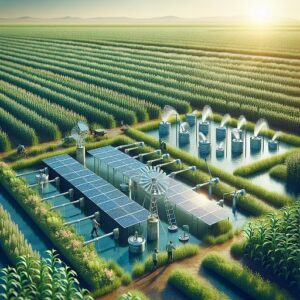
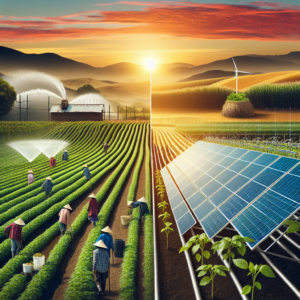
In a world increasingly conscious of environmental impact, solar powered micro-sprinkler irrigation systems offer a sustainable and efficient solution for gardeners and farmers alike. These systems utilize solar energy to power micro-sprinklers, which deliver water directly to the base of plants. This targeted approach not only conserves water but also enhances plant health.
Imagine a garden that waters itself using nothing but the power of the sun. Sounds futuristic, right? But it’s very much a reality today. Let’s dive into the myriad benefits and understand how you can set up your own solar powered micro-sprinkler system.

Benefits of Solar Powered Micro-Sprinkler Irrigation Systems
Water Conservation and Efficiency
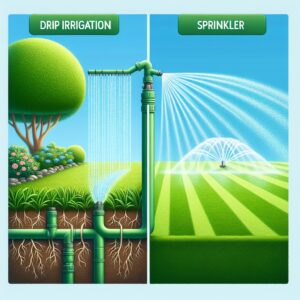
One of the standout benefits of using micro-sprinklers is their water efficiency. Traditional sprinkler systems often waste water due to evaporation and runoff. In contrast, micro-sprinklers deliver water slowly and directly to the plant roots, significantly reducing water waste.
This precise watering method can cut water usage by up to 50%. For eco-conscious gardeners, this means a more sustainable garden and lower water bills. By conserving water, you’re also doing your part to protect this precious resource.
Energy Savings and Sustainability
Solar powered systems harness energy from the sun, eliminating the need for electricity or fossil fuels. This not only reduces your energy bills but also minimizes your carbon footprint. Solar panels convert sunlight into electrical energy, which powers the micro-sprinkler system.
Besides that, solar energy is renewable and abundant, making it a reliable source for your irrigation needs. By choosing a solar powered system, you’re contributing to a more sustainable future.
Enhanced Crop Health and Yields
Micro-sprinklers provide a gentle, consistent supply of water, which is crucial for plant health. Unlike traditional sprinklers that can cause waterlogging or leave dry spots, micro-sprinklers ensure even water distribution. This results in healthier plants with stronger root systems. For more information on the benefits of different systems, check out this guide on solar irrigation systems.
Healthy plants are more resistant to diseases and pests, leading to better yields. For farmers, this means higher productivity and potentially more profit. For gardeners, it means a lush, thriving garden. Learn more about the benefits of a micro-sprinkler irrigation system.
Reduction in Labor and Maintenance Costs
Once installed, solar powered micro-sprinkler systems require minimal maintenance. The lack of moving parts means fewer breakdowns and repairs. Solar panels, too, are low-maintenance, needing only occasional cleaning to remove dust and debris.
Furthermore, these systems can be automated to operate without manual intervention. This frees up your time and reduces labor costs, making it an efficient choice for large-scale farming operations.
Additional Environmental Benefits
Besides conserving water and energy, these systems have other environmental advantages. They reduce soil erosion by delivering water gently, which is particularly beneficial for sloped or fragile terrains.
Moreover, by minimizing water runoff, they prevent the leaching of nutrients and chemicals into nearby water bodies. This helps maintain the ecological balance and protects aquatic life.
“By distributing a light spray of water directly to the base of the plants, micro sprinklers can help you maximize the impact of every drop.” – Green Valley Irrigation
Financial Benefits over the Long Haul
While the initial investment in a solar powered micro-sprinkler system can be higher than traditional systems, the long-term savings are substantial. Reduced water and energy bills, lower maintenance costs, and potential rebates make it a cost-effective choice. For more details on the benefits and setup, check out this solar panels system power benefits guide.
Many regions offer financial incentives for installing water-efficient and renewable energy systems. These incentives can significantly offset the initial costs, making it easier to switch to a sustainable irrigation solution.
Here’s a table comparing the advantages and disadvantages of using Solar Powered Micro-Sprinkler Irrigation Systems instead of conventional Micro-Sprinkler Irrigation Systems:
|
Aspect |
Solar Powered Micro-Sprinkler Irrigation Systems |
Conventional Micro-Sprinkler Irrigation Systems |
|---|---|---|
|
Energy Source |
Grid electricity or fossil fuels | |
|
Operating Costs |
Lower long-term costs due to free solar energy 4 |
Higher ongoing electricity or fuel costs |
|
Initial Investment |
Lower initial setup costs | |
|
Environmental Impact |
Higher carbon footprint if using non-renewable energy | |
|
Reliability |
Dependent on weather conditions and sunlight 2 |
Consistent power supply (grid-dependent) |
|
Maintenance |
Minimal maintenance for solar panels, may require specialized knowledge 4 |
Regular maintenance for pumps and power sources |
|
Remote Area Usage |
Requires access to electricity grid or fuel supply | |
|
Water Management |
Risk of over-abstraction due to low operating costs 2 |
Easier to control water usage based on energy costs |
|
Scalability |
Modular and easily expandable 4 |
May require significant infrastructure changes to scale up |
|
Energy Independence |
Provides energy autonomy for farmers 1 |
Reliant on external energy suppliers |

How Solar Powered Micro-Sprinkler Irrigation Systems Work
Solar Panels a Farmer can Use with a Micro-Sprinkler Irrigation System
Choosing the right type of solar panel is crucial for the efficiency and longevity of your micro-sprinkler irrigation system. Different types of solar panels offer various benefits, and the best choice depends on your specific needs and conditions.
Here are three common types of solar panels you can consider:
1) Monocrystalline Solar Panels: High Efficiency in Limited Spaces
Monocrystalline panels are made from a single crystal structure, which allows them to achieve higher efficiency rates. They are ideal for areas with limited space because they generate more power per square foot than other types. These panels also perform well in low-light conditions, making them a reliable choice for regions with variable weather. Learn more about the benefits of micro-irrigation systems.
Although monocrystalline panels tend to be more expensive upfront, their efficiency and durability often make them a cost-effective option in the long run. For more information on how solar panels help farm operations, check out this detailed guide.
2) Polycrystalline Solar Panels: Cost-Effective Energy Solution
Polycrystalline panels are made from multiple silicon crystals, which makes them less efficient than monocrystalline panels but also more affordable. They are a good choice for larger areas where space is not a constraint. These panels offer a balance between cost and performance, making them a popular choice for many farmers and gardeners.
While they may not perform as well in low-light conditions, polycrystalline panels are still a reliable and economical option for many applications.
3) Thin-Film Solar Panels: Flexibility and Versatility
Thin-film panels are made by depositing one or more layers of photovoltaic material onto a substrate. They are lightweight, flexible, and can be used in a variety of applications. Thin-film panels are less efficient than crystalline panels, but they perform better in high temperatures and shaded conditions.
These panels are ideal for unconventional spaces or applications where flexibility is essential. However, their lower efficiency means that you will need more surface area to generate the same amount of power as crystalline panels.
Here’s a table describing the three types of solar panels and their advantages and disadvantages for powering a micro-sprinkler irrigation system on a farm:
|
Solar Panel Type |
Advantages |
Disadvantages |
|---|---|---|
|
Monocrystalline |
– Highest efficiency (15-22%) 2, 3 |
– Most expensive option 2, 3 |
|
Polycrystalline |
– More affordable than monocrystalline 1, 3 |
– Lower efficiency compared to monocrystalline 3 |
|
Thin-Film |
– Cheapest option 1, 4 |
– Lowest efficiency (10-13%) 1, 4 – Shortest lifespan 4 |
Components of the System
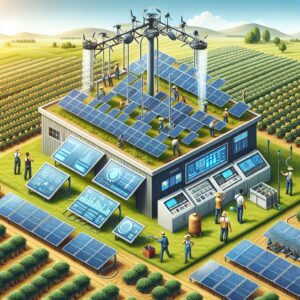
A solar powered micro-sprinkler irrigation system consists of several key components that work together to deliver water efficiently and sustainably. Understanding these components will help you make informed decisions during the planning and installation process.
Solar Panels: Capture sunlight and convert it into electrical energy.
Battery Storage: Stores excess energy generated by the solar panels for use during cloudy days or at night.
Controller: Manages the flow of electricity between the solar panels, battery storage, and the micro-sprinkler system.
Water Pump: Powered by the solar energy, it pumps water from the source to the micro-sprinklers.
Piping Network: Distributes water from the pump to the micro-sprinklers.
Micro-Sprinklers: Deliver water directly to the plant roots in a controlled manner.
The Role of Solar Panels and Energy Storage
Solar panels are the heart of the system, capturing sunlight and converting it into electrical energy. This energy powers the water pump, which is responsible for distributing water through the micro-sprinklers. However, solar panels alone cannot provide a continuous supply of power, especially during cloudy days or at night.
That’s where energy storage comes in. Batteries store excess energy generated during sunny periods, ensuring a reliable power supply even when sunlight is not available. This combination of solar panels and energy storage makes the system robust and dependable.
Water Distribution Mechanism
The water distribution mechanism in a solar powered micro-sprinkler system is designed for precision and efficiency. The water pump, powered by solar energy, draws water from a source such as a well, pond, or rainwater harvesting system. The water is then distributed through a network of pipes to the micro-sprinklers.
Micro-sprinklers deliver water directly to the plant roots in a controlled manner, reducing water waste and ensuring that each plant receives the right amount of water. This targeted approach helps maintain optimal soil moisture levels, promoting healthy plant growth.
Automation and Control Options
Automation is a key feature of modern micro-sprinkler systems, allowing for precise control over watering schedules and durations. Automated systems can be programmed to water plants at specific times, ensuring consistent and efficient irrigation.
Advanced control options include soil moisture sensors, weather-based controllers, and remote monitoring via smartphone apps. These technologies enable you to adjust the system based on real-time conditions, further enhancing water efficiency and plant health. For more information on integrating these technologies, check out this guide on solar irrigation systems.

Installation Guide for Solar Powered Micro-Sprinkler Irrigation Systems
Installing a solar powered micro-sprinkler irrigation system may seem daunting, but with careful planning and the right components, it can be a straightforward process. Follow this step-by-step guide to ensure a successful installation.
Planning and System Design
The first step in installing a solar powered micro-sprinkler system is planning and design. Start by assessing your garden or farm’s layout, identifying the water source, and determining the areas that need irrigation. Consider factors such as plant types, soil conditions, and sunlight availability.
Next, calculate the water requirements for your plants and determine the number of micro-sprinklers needed. Design the piping network to ensure even water distribution and minimize pressure loss. Finally, select the appropriate solar panels and battery storage based on your energy needs.
Choosing the Right Components
Choosing the right components is crucial for the efficiency and reliability of your system. Here are some tips to help you make the right choices:
Solar Panels: Choose panels based on efficiency, cost, and available space. Monocrystalline panels are ideal for limited spaces, while polycrystalline panels offer a cost-effective solution for larger areas.
Battery Storage: Select batteries with sufficient capacity to store excess energy and provide power during low sunlight periods.
Water Pump: Choose a pump that matches your water source and pressure requirements. Solar-powered pumps are available in various capacities to suit different needs.
Micro-Sprinklers: Select sprinklers based on flow rate, spray pattern, and coverage area. Ensure they are compatible with your piping network and water pressure.
Step-by-Step Installation
Follow these steps to install your solar powered micro-sprinkler system:
Install the Solar Panels: Mount the solar panels in a location with maximum sunlight exposure. Ensure they are securely fixed and angled correctly to capture the most sunlight.
Set Up the Battery Storage: Connect the solar panels to the battery storage system. Ensure all connections are secure and follow the manufacturer’s instructions for proper installation.
Install the Water Pump: Place the water pump near the water source and connect it to the battery storage system. Ensure the pump is properly primed and functioning correctly.
Lay the Piping Network: Design and lay out the piping network, ensuring even water distribution. Use connectors and fittings to join the pipes and create a leak-free system.
Install the Micro-Sprinklers: Attach the micro-sprinklers to the piping network at the desired locations. Ensure they are securely fixed and positioned to deliver water directly to the plant roots.
Connect the Controller: Install the controller and connect it to the battery storage system and water pump. Program the controller to automate the watering schedule based on your plants’ needs.
Testing and Calibration
Once the installation is complete, it’s essential to test and calibrate the system to ensure optimal performance. Follow these steps:
For further insights on optimizing your solar-powered irrigation, check out this article on best solar irrigation systems.
Check for Leaks: Turn on the system and inspect all connections for leaks. Tighten any loose fittings and repair any leaks immediately.
Adjust Water Pressure: Ensure the water pressure is sufficient to reach all micro-sprinklers. Adjust the pump settings if necessary to achieve even water distribution.
Calibrate the Controller: Program the controller based on your plants’ water requirements and local weather conditions. Fine-tune the settings to ensure efficient and consistent irrigation.
Monitor Performance: Regularly check the system’s performance and make any necessary adjustments. Monitor soil moisture levels and plant health to ensure the system is meeting your irrigation needs.

Maintenance and Best Practices
Regular System Checks
Maintaining your solar powered micro-sprinkler system involves regular checks to ensure everything is functioning correctly. Start by inspecting the solar panels for any dirt or debris that might block sunlight. Clean them regularly to maintain their efficiency.
Additionally, check the battery storage for any signs of wear or damage. Ensure all connections are secure and free from corrosion. Regularly test the water pump to ensure it’s operating smoothly and delivering the right pressure to the micro-sprinklers.
Cleaning and Replacing Components
Over time, components of your system may require cleaning or replacement. Micro-sprinklers can become clogged with dirt or mineral deposits, affecting their performance. Regularly clean the sprinkler heads to ensure they deliver water efficiently.
Replace any damaged or worn-out parts promptly to prevent system failures. This includes pipes, connectors, and sprinkler heads. Keeping spare parts on hand can save time and ensure your system remains operational. For more information on maintenance and performance, check out our article on solar irrigation systems in bad weather.
Seasonal Adjustments
Seasonal changes can affect the performance of your solar powered micro-sprinkler system. During the growing season, you may need to adjust the watering schedule to meet the increased water demands of your plants. Conversely, reduce watering during dormant periods to conserve water.
Monitor weather conditions and adjust the system settings accordingly. For example, during rainy periods, you can reduce or temporarily turn off the irrigation to prevent overwatering. Automated systems with weather-based controllers can make these adjustments easier.
“Keeping your landscaping lush while maximizing your water management. Micro sprinklers can help you save money and ensure the health of your lawn and garden by delivering the right amount of water precisely where you need it.” – Green Valley Irrigation

Conclusion: Is Using Solar Powered Micro-Sprinkler Irrigation Systems a Good Idea for Farmers
In conclusion, solar powered micro-sprinkler irrigation systems offer numerous benefits for both gardeners and farmers. They provide an efficient and sustainable way to irrigate plants, conserve water, and reduce energy costs. The initial investment may be higher, but the long-term savings and environmental benefits make it a worthwhile choice.
By harnessing renewable solar energy and delivering water directly to the plant roots, these systems promote healthier plants and higher yields. They also require minimal maintenance and can operate autonomously, freeing up your time and reducing labor costs. For more information on the benefits and setup, check out this solar panels system power benefits & setup guide.
For eco-conscious gardeners and farmers, investing in a solar powered micro-sprinkler system is a smart and responsible decision. It not only supports sustainable agriculture but also contributes to a greener future.
Frequently Asked Questions (FAQ)
What are the initial costs of a solar powered micro-sprinkler system?
The initial costs of a solar powered micro-sprinkler system can vary depending on the size and complexity of the system. On average, you can expect to spend between $500 and $2,000 for a complete setup, including solar panels, battery storage, water pump, piping, and micro-sprinklers. Financial incentives and rebates may be available to help offset these costs.
How do I know if my area gets enough sunlight?
To determine if your area gets enough sunlight for a solar powered system, check the average daily sunlight hours for your region. Most solar panels require at least 4-6 hours of direct sunlight per day to operate efficiently. You can use online solar calculators or consult with a local solar provider to assess your area’s solar potential.
Can these systems be used in larger agricultural fields?
Yes, solar powered micro-sprinkler systems can be scaled up for use in larger agricultural fields. By using more solar panels and higher-capacity water pumps, you can extend the system to cover larger areas. Proper planning and design are crucial to ensure even water distribution and efficient operation in larger fields. For more information on the benefits of a micro-sprinkler irrigation system, visit this detailed guide.
What is the lifespan of the components?
The components of a solar powered micro-sprinkler system have varying lifespans. Solar panels typically last 20-25 years, while battery storage systems can last 5-15 years depending on the type and usage. Water pumps and micro-sprinklers may need replacement every 5-10 years. Regular maintenance and timely replacement of worn-out parts can extend the overall lifespan of the system.
“Micro sprinklers have no moving parts, so they are less prone to clogs or damage. They rarely need repairs or replacement. They can easily install them due to their small size and they often incorporate them into existing sprinkler systems.” – Green Valley Irrigation
Are there any government incentives for installing these systems?
Yes, many governments offer incentives and rebates for installing water-efficient and renewable energy systems like solar powered micro-sprinklers. These incentives can significantly reduce the initial costs and make the transition to sustainable irrigation more affordable. Check with your local government or utility provider for available programs and eligibility requirements.
Solar powered micro-sprinkler irrigation systems offer numerous benefits for modern agriculture. These systems are environmentally friendly, reducing the carbon footprint by utilizing renewable energy sources. Additionally, they provide cost savings over time as they eliminate the need for electricity or fuel to power the irrigation system. The installation process is relatively straightforward, making it accessible for farmers of all sizes. For those interested in learning more about how solar panels can enhance farm operations, check out this article on solar panels benefits and efficiency.

Leave a Reply