

Key Takeaways
Solar panels for farm lighting significantly reduce electricity costs, often by 50% or more.
Monocrystalline solar panels offer the highest efficiency, ideal for limited spaces on farms.
Regular maintenance and optimal placement can maximize the efficiency of solar panels.
Hybrid systems combine solar power with grid electricity, ensuring consistent energy supply.
Government incentives and technological advancements make solar investments increasingly attractive.
Why Solar Panels for Farm Lighting?
Solar panels are transforming how farms manage their energy needs. By leveraging sunlight, farms can power their operations more sustainably and cost-effectively. Let’s dive into why solar panels are a game-changer for farm lighting.
Environmental Impact
Solar panels provide a clean energy solution, drastically reducing the carbon footprint of farm operations. Traditional energy sources, like coal and natural gas, emit significant amounts of greenhouse gases. In contrast, solar panels generate electricity without producing harmful emissions.
“Switching to solar energy on our farm reduced our carbon emissions by 60%. It’s a win for us and the planet.” – John, a farmer from Iowa
Besides that, solar energy helps preserve natural resources. By tapping into an abundant and renewable source—sunlight—farms can operate more sustainably and contribute to global efforts to combat climate change.
Financial Savings
One of the most compelling reasons to switch to solar energy is the potential for significant financial savings. Solar panels can drastically cut down electricity bills, often by 50% or more. This reduction translates to more funds available for other essential farm operations.
Initial costs might seem high, but the return on investment (ROI) is worth it. Many farms see a payback period of just a few years, thanks to lower energy bills and available government incentives.
“Our upfront investment in solar panels was quickly offset by the savings on our energy bills. Within five years, we recouped our costs and started seeing real financial benefits.” – Sarah, a dairy farmer from Wisconsin
Energy Independence
Energy independence is another significant benefit of solar panels. By generating your own electricity, you reduce reliance on external power sources. This independence shields farms from fluctuating energy prices and supply disruptions. Learn more about the best solar panels for a farm and how they can enhance efficiency.
Moreover, energy independence can provide peace of mind. Knowing that your farm can continue to operate even during power outages or energy crises is invaluable.
Long-Term Sustainability
Solar panels are a long-term solution for sustainable energy. They have a lifespan of 25-30 years, offering reliable power generation for decades. This longevity ensures that farms can maintain consistent energy production without frequent replacements or upgrades.
Additionally, solar technology continues to advance, promising even greater efficiency and cost-effectiveness in the future. By investing in solar panels now, farms position themselves to benefit from these technological improvements.

Benefits of Solar Panels for Farm Lights
Cost Efficiency
Solar panels are incredibly cost-efficient for farm lighting. They eliminate the need for expensive grid electricity, resulting in substantial savings. The initial investment is quickly offset by the reduction in monthly energy bills.
Furthermore, many regions offer financial incentives for solar installations, including tax credits, rebates, and grants. These incentives can significantly lower the initial costs, making solar panels an even more attractive option.
Low Maintenance
Solar panels require minimal maintenance, making them ideal for busy farmers. Once installed, they need occasional cleaning and periodic inspections to ensure optimal performance. This low-maintenance nature allows farmers to focus on their core activities without worrying about constant upkeep.
Scalability
Solar panels are highly scalable, meaning they can be tailored to meet the specific energy needs of any farm. Whether you have a small family farm or a large commercial operation, solar panels can be configured to provide the necessary power.
This scalability ensures that farms can start with a smaller setup and expand as needed, providing flexibility and room for growth. For more information on the benefits of solar power for farms, check out solar power usage applications.
Security and Safety
Solar-powered lights enhance security and safety on farms. Well-lit areas deter potential intruders and reduce the risk of accidents. Solar lights are particularly useful in remote or off-grid locations where traditional lighting may not be feasible. For more information, check out this guide on solar-powered lights for farmers.
Here’s a table showing the benefits of using solar panels for lighting up a farm:
|
Benefit |
Description |
Source |
|---|---|---|
|
Cost Savings |
Solar panels significantly reduce energy costs for farms. Once installed, they generate electricity at no cost, leading to substantial savings on utility bills over time. | |
|
Energy Independence |
Farms gain greater control over their energy supply, reducing vulnerability to power outages and fluctuations in energy prices. This is particularly beneficial in rural areas with unreliable grid access. | |
|
Sustainable Energy Source |
Solar panels provide clean, renewable energy, reducing reliance on fossil fuels and minimizing the farm’s carbon footprint. This aligns with environmental stewardship goals. | |
|
Long-Term Investment |
Solar panels have a long lifespan (often 25 years or more) and require minimal maintenance, making them a reliable long-term investment that can yield financial returns over time. | |
|
Tax Incentives |
Farmers can benefit from tax credits and incentives for solar installations, such as the Solar Investment Tax Credit (ITC), which can significantly offset initial costs. | |
|
Diversification of Income |
Farms can sell excess electricity generated by solar panels back to the grid through net metering programs, creating additional revenue streams. | |
|
Improved Farm Operations |
Solar panels can power various farm equipment and systems, including lighting, ventilation, and irrigation, improving overall farm efficiency and productivity. | |
|
Environmental Benefits |
Using solar energy reduces greenhouse gas emissions and promotes sustainable agricultural practices, contributing to a healthier ecosystem. | |
|
Energy Storage Options |
Solar systems can be paired with battery storage, ensuring a continuous power supply for critical farm operations, even during non-sunlight hours or grid outages. |
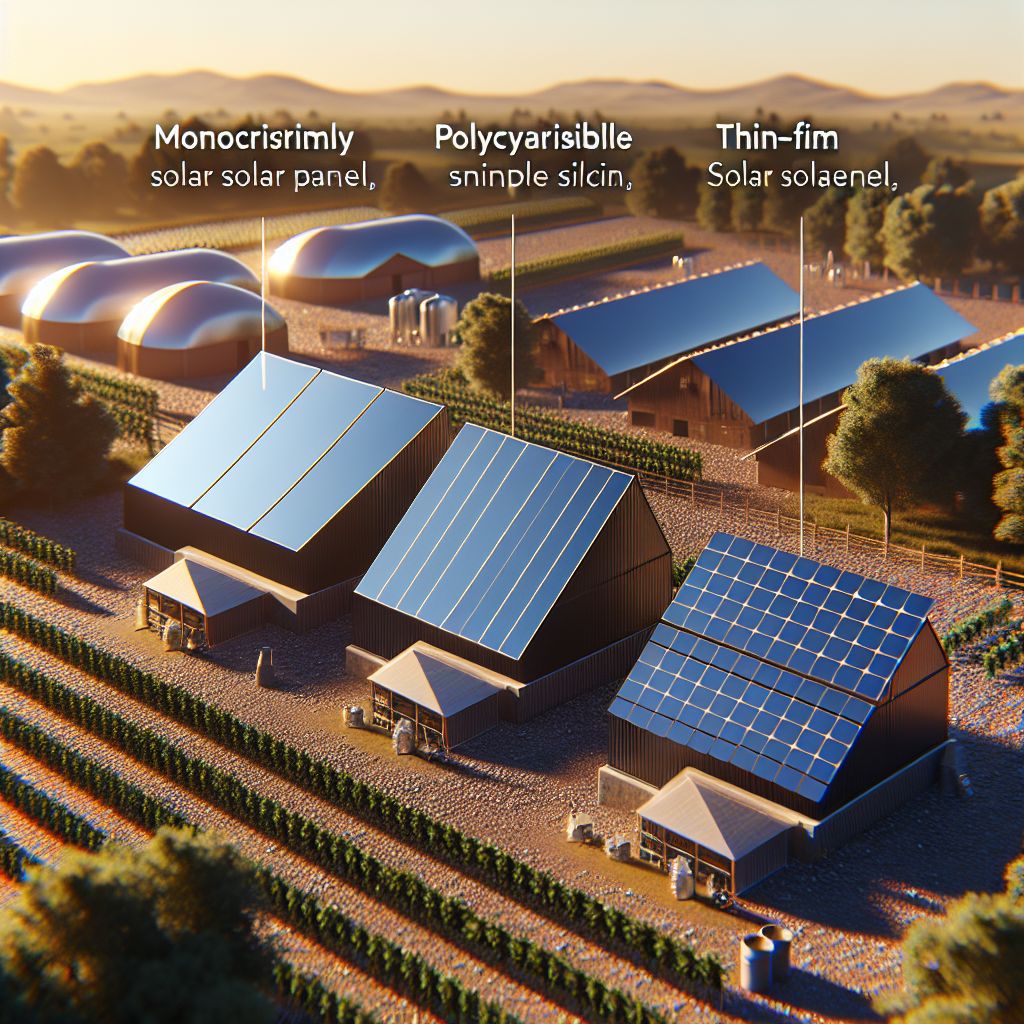
Different Solar Panels You Can Use to Power Your Lights on a Farm
Choosing the right type of solar panel is crucial for maximizing efficiency and cost-effectiveness. Let’s explore the different options available.
Monocrystalline Solar Panels: High Efficiency in Limited Spaces
Monocrystalline solar panels are known for their high efficiency and long lifespan. They are made from single-crystal silicon, which allows for a higher energy conversion rate compared to other types of panels. For those interested in more information on these panels, check out the best solar panels for a farm.
These panels are ideal for farms with limited space because they produce more electricity per square foot. Although they are typically more expensive, their efficiency and durability make them a worthwhile investment. The efficiency rate of these panels is 15-22%, which means they can generate more power per square foot. This is important for maximizing energy production, particularly in smaller fields or places where space is a premium.
Polycrystalline Solar Panels: Cost-Effective Energy Solution
Polycrystalline solar panels are created from several silicon crystals that have been melted together. They usually aren’t as efficient as monocrystalline panels, with an efficiency rate of 13-16%. However, they are also cheaper, making them a budget-friendly choice for many farmers.
Although they need more room to generate the same amount of power as monocrystalline panels, they can still be a good choice for larger canola farms where space isn’t an issue.
Thin-Film Solar Panels: Flexibility and Versatility
Thin-film solar panels are known for their flexibility and lightweight properties. These panels are made by depositing one or more layers of photovoltaic material onto a substrate. This process makes them versatile and suitable for a variety of applications, including curved surfaces and portable solar solutions. These panels are not as efficient as monocrystalline and polycrystalline panels, having an efficiency rate of about 7-13%.
One of the primary advantages of thin-film panels is their performance in low-light conditions. They can generate electricity even on cloudy days, making them a reliable choice for farms located in regions with variable weather. Learn more about the benefits of solar energy in agriculture.
Here is a table showing the pros and cons of using different types of solar panels with an irrigation system on a farm:
|
Panel Type |
Pros |
Cons |
|---|---|---|
|
Monocrystalline Panels |
– High efficiency (15-22%), producing more power per square foot. 1, 2, 4 | |
|
Polycrystalline Panels |
– Lower upfront cost than monocrystalline. 1, 2 |
– Lower efficiency and shorter lifespan than monocrystalline. 2, 4 |
|
Thin-Film Solar Panels |
– Lowest upfront cost. 1, 2 |
– Lowest efficiency (7-13%). 2, 4 |
What is the Best Solar Panel You Can Use to Power the Lights on Your Farm
The best solar panel for your farm will depend on your specific needs and constraints. Monocrystalline panels are ideal for those who have limited space but require high efficiency. Polycrystalline panels offer a cost-effective solution with decent efficiency, suitable for larger areas where space is not a constraint. Thin-film panels provide flexibility and are excellent for unique installations or areas with less consistent sunlight. Learn more about solar power usage applications on farms.
To make an informed decision, consider the following factors:
Space availability
Budget constraints
Local weather conditions
Energy requirements
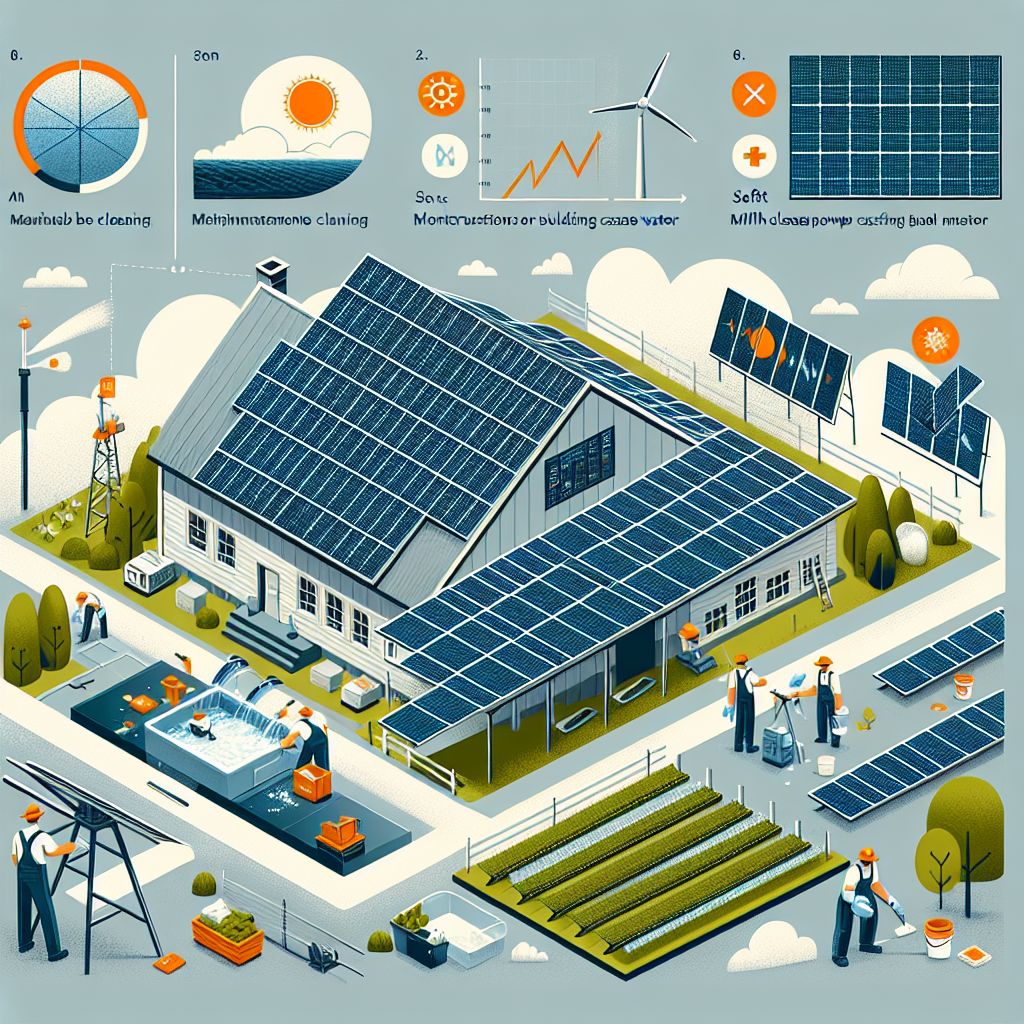
Tips for Maximizing Solar Panels Efficiency on Farms
Maximizing the efficiency of your solar panels is crucial for getting the most out of your investment. Here are some tips to help you achieve optimal performance. including choosing the best solar panels for a farm.
Optimal Panel Placement
Placement is key to maximizing solar panel efficiency. Panels should be installed at an angle that allows them to capture the maximum amount of sunlight throughout the day. In the Northern Hemisphere, this typically means facing the panels south.
Besides that, ensure that there are no obstructions, such as trees or buildings, casting shadows on the panels. Even partial shading can significantly reduce the efficiency of your solar system.
Regular Maintenance Routine
Regular maintenance is essential for keeping your solar panels in top condition. This includes checking for any physical damage, ensuring all connections are secure, and monitoring the system’s overall performance.
It’s also a good idea to schedule professional inspections at least once a year. A qualified technician can identify and address any issues that might not be apparent to the untrained eye.
Proper Panel Cleaning
Dust, dirt, and debris can accumulate on the surface of solar panels, reducing their efficiency. Therefore, regular cleaning is necessary to maintain optimal performance. Use a soft brush or cloth and mild soapy water to clean the panels. Avoid using abrasive materials or harsh chemicals that could damage the surface.
In areas with heavy snowfall, it’s important to clear the panels of snow to ensure they continue to receive sunlight.
Monitoring Energy Output
Monitoring your solar panel system’s energy output is crucial for identifying any potential issues early on. Most modern solar systems come with monitoring software that allows you to track the performance of your panels in real-time.
If you notice a significant drop in energy production, it could indicate a problem that needs addressing, such as shading, dirt accumulation, or a technical fault.

Power Solutions for Solar Panels Farm Lights
There are several power solutions available for integrating solar panels into your farm lighting system. Each option has its own set of advantages and considerations.
Standalone Solar Systems
Standalone solar systems, also known as off-grid systems, operate independently of the main electrical grid. They are ideal for remote areas where grid access is limited or unavailable. These systems typically include solar panels, a battery storage system, and an inverter to convert the solar energy into usable electricity.
Standalone systems offer complete energy independence, but they require a well-sized battery system to store energy for use during nighttime or cloudy days.
Hybrid Systems
Combines solar power with grid electricity
Ensures a consistent energy supply
Reduces dependency on the grid
Can sell excess power back to the grid
Hybrid systems provide the best of both worlds by combining solar power with grid electricity. This setup ensures that you always have a consistent energy supply, even during periods of low solar production. Learn more about solar energy in agriculture.
Additionally, many hybrid systems allow you to sell excess power back to the grid, potentially generating additional income for your farm. For more information on the benefits, check out solar power usage applications.
Solar Battery Storage
Solar battery storage systems store the excess energy generated by your solar panels for later use. This stored energy can be used during nighttime or cloudy days when solar production is low.
Battery storage systems are essential for standalone solar systems and can also enhance hybrid systems by providing backup power during grid outages.
Integration with the Grid
Integrating your solar panel system with the grid offers several benefits. Grid-tied systems allow you to draw electricity from the grid when solar production is insufficient and feed excess solar energy back into the grid. Learn more about solar energy in agriculture.
This integration provides a reliable energy supply and can reduce your overall energy costs. Many utility companies offer net metering programs, which compensate you for the excess energy your system produces.

Case Studies and Real-World Applications
To illustrate the effectiveness of solar panels for farm lighting, let’s explore some real-world examples and case studies. These stories highlight the practical benefits and lessons learned from pioneering farms.
Successful Examples from Around the World
Several farms worldwide have successfully integrated solar panels into their operations, achieving remarkable results.
“In Spain, a large-scale farm installed a 500 kW solar system, reducing their annual energy costs by 70%. The system powers irrigation pumps, lighting, and other essential equipment, demonstrating the scalability and efficiency of solar energy in agriculture.”
Another example comes from Australia, where a dairy farm installed solar panels to power their milking machines and refrigeration units. The farm now saves thousands of dollars annually on energy costs and has significantly reduced its carbon footprint.
Lessons Learned from Pioneering Farms
Pioneering farms have shared valuable insights and lessons learned from their solar panel installations. These lessons can help other farmers avoid common pitfalls and maximize the benefits of solar energy.
For instance, many farmers emphasize the importance of thorough planning and site assessment before installation. Understanding your farm’s energy needs and the local solar potential is crucial for designing an efficient system.
Additionally, ongoing monitoring and maintenance are essential for ensuring long-term performance. Regularly cleaning the panels, inspecting the system, and addressing any issues promptly can help maintain optimal efficiency. For more information on efficient solar panel usage, check out farms solar power usage applications and benefits.
The Future of Solar Panel Farm Lights
The future of solar panel farm lights looks promising, with ongoing technological advancements and increasing support from governments and policymakers. Let’s explore some key trends and projections for the future.
Technological Advancements
Solar technology is continuously evolving, with new innovations promising even greater efficiency and cost-effectiveness. Advances in materials, such as perovskite solar cells, are expected to significantly boost energy conversion rates.
Moreover, improvements in energy storage technology will enhance the reliability and scalability of solar systems. As battery storage becomes more efficient and affordable, farms will have greater flexibility in managing their energy needs, including solar power usage applications.
Government Incentives and Policy Support
Governments worldwide are increasingly recognizing the importance of renewable energy and are offering various incentives to promote solar adoption. These incentives include tax credits, rebates, grants, and favorable net metering policies.
Farmers can take advantage of these incentives to reduce the initial costs of solar installations and improve the return on investment. Staying informed about available programs and policies can help maximize the financial benefits of going solar.
Long-term Projections
In the long term, the adoption of solar panels for farm lighting is expected to continue growing. As the cost of solar technology decreases and efficiency improves, more farms will recognize the benefits of transitioning to renewable energy.
Besides that, the increasing focus on sustainability and environmental responsibility will drive further adoption. Farms that invest in solar energy will not only reduce their operating costs but also contribute to a greener and more sustainable future.
Conclusion
Recap of Key Benefits
Solar panels offer numerous benefits for farm lighting, including significant cost savings, low maintenance, scalability, and enhanced security. By generating clean and renewable energy, farms can reduce their carbon footprint and contribute to global sustainability efforts. Learn more about the advantages of solar-powered lights for farmers.
Final Recommendations
For farmers considering solar panels, the key is to thoroughly assess your energy needs, budget, and site conditions. Choose the right type of solar panel for your specific requirements and ensure proper installation and maintenance to maximize efficiency.
Call to Action for Farmers
If you’re ready to take the next step towards energy independence and sustainability, consider investing in solar panels for your farm lighting. The benefits are clear, and the future looks bright for those who embrace renewable energy.
Frequently Asked Questions (FAQ)
How much can farmers save by switching to solar panel lights?
Farmers can save up to 50% or more on their energy bills by switching to solar panel lights. The exact savings will depend on factors such as the size of the installation, local energy costs, and available incentives.
What are the maintenance requirements for solar panel farm lights?
Solar panel farm lights require minimal maintenance. Regular cleaning, periodic inspections, and monitoring the system’s performance are usually sufficient to ensure optimal efficiency. Professional inspections are recommended at least once a year.
Can solar panels provide enough power for large-scale farms?
Yes, solar panels can provide sufficient power for large-scale farms. The key is to design a system that meets the farm’s energy needs and to consider factors such as space availability and local solar potential.
How do weather conditions affect solar panels’ efficiency?
Weather conditions can impact solar panels’ efficiency. While panels perform best in direct sunlight, they can still generate electricity on cloudy days. Regular maintenance, such as cleaning off snow or debris, can help maintain efficiency. For more information, you can read about solar energy in agriculture.
What incentives are available for farmers to install solar panels?
Various incentives are available for farmers to install solar panels, including tax credits, rebates, grants, and net metering programs. These incentives can significantly reduce the initial costs and improve the return on investment.
Besides that, solar energy helps preserve natural resources. By tapping into an abundant and renewable source—sunlight—farms can operate more sustainably and contribute to global efforts to combat climate change.







Leave a Reply