

Key Takeaways
By providing free, renewable energy, solar power can greatly decrease energy expenses for farms.
Employing solar energy allows farms to be more environmentally friendly and shrink their carbon footprint.
Solar power systems boost energy independence, causing farms to be less dependent on external power sources.
To stimulate the use of solar power in agriculture, many governments give incentives and subsidies.
Solar power can be utilized in various agricultural operations, such as irrigation, greenhouses, and livestock management.
Utilization of Solar Power on Farms: Applications & Benefits
Why Solar Power is Revolutionizing Farms
Solar power is revolutionizing the agricultural sector by providing a reliable and sustainable energy source. Traditional farming is heavily dependent on electricity, which can be expensive and harmful to the environment. Transitioning to solar power not only lowers energy costs but also encourages environmental sustainability.
Economic and Ecological Benefits
A major incentive for farmers to switch to solar power is the considerable reduction in energy costs. Conventional power sources can be costly, particularly for big agricultural businesses. Solar energy, however, is derived from the sun, which is a free and plentiful resource.
Moreover, the use of solar power significantly decreases the emission of greenhouse gases. This aids in the fight against climate change and contributes to a healthier environment. Solar panels also have a long life expectancy, often over 25 years, making them a good investment for long-term savings.
“Solar power for farming is clean and green. It doesn’t harm the environment and is a sustainable source of energy.”

Advantages of Solar Power on Farms
Lower Energy Expenses
By converting to solar power, farms can significantly reduce their energy expenses. The upfront cost of solar panels and installation may appear high, but the long-term savings are considerable. Over time, the expense of solar energy can be much less than conventional electricity.
Environmental Sustainability
Solar power is a renewable energy source that does not use up natural resources or produce harmful pollutants. This makes it a great option for farmers who want to decrease their environmental footprint. Using solar energy helps farms contribute to a healthier planet.
Boosting Energy Self-Sufficiency
Solar power systems enable farms to produce their own power, lessening their reliance on outside power supplies. This can be especially helpful in outlying areas where power grid access is restricted or inconsistent.
Dependability and Longevity
Solar panels are recognized for their longevity and dependability. They can endure extreme weather conditions and need little upkeep. This guarantees a steady and dependable power source for a variety of agricultural activities.
Subsidies and Incentives from the Government
There are numerous government incentives and subsidies available to farmers to promote the use of solar power in agriculture. These often come in the form of tax breaks, grants, and rebates, which help to reduce the initial cost of investment for farmers.
This below chart shows you the advantages of using solar on a farm:
|
Advantages of Using Solar Power on a Farm |
Description |
|---|---|
|
Reduces Operating Costs |
Solar power can significantly lower electricity expenses by providing free energy for operations such as running equipment and facilities, resulting in potential long-term savings. 4 |
|
Tax Incentives |
Farmers can benefit from tax credits like the Solar Investment Tax Credit (ITC), which allows them to recover a portion of installation costs, and bonus depreciation options that enhance savings. 4 |
|
Sustainable Energy Source |
Solar energy is renewable and abundant, providing a reliable energy source that can help farms reduce reliance on fossil fuels and improve sustainability practices. 5 |
|
Increases Property Value |
Installing solar panels can enhance the overall value of the farm property, making it more attractive to potential buyers or investors. 4, 5 |
|
Energy Independence |
By generating their own electricity, farms can become less vulnerable to fluctuating energy prices and supply disruptions, ensuring a more stable operational environment. 2, 3 |
|
Low Maintenance Requirements |
Solar systems generally require minimal maintenance, mainly needing occasional cleaning, which can lead to reduced operational hassle and costs over time. 1, 4 |
|
Future-Proofing |
Solar installations can provide long-term benefits for future generations, as they mitigate the impact of rising electricity costs and contribute to a more sustainable farming approach. 4 |
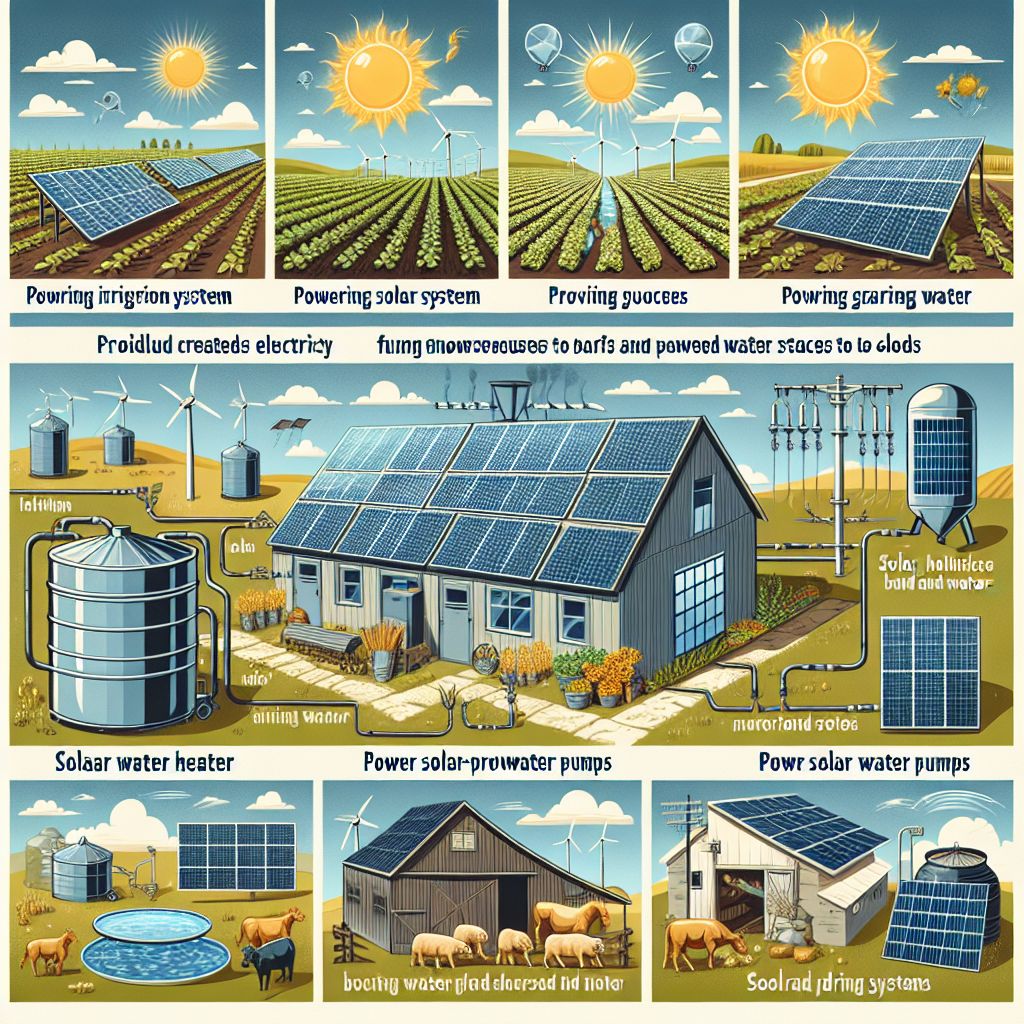
Uses of Solar Power in Farming
Powering Irrigation Systems
Watering crops is a key part of farming that uses a lot of power. Solar-powered irrigation systems use solar panels to make electricity, which is then used to pump water to crops. This reduces energy costs and makes sure crops get a reliable water supply.
Using Solar Power in Greenhouses
Greenhouses need a controlled environment for crops to grow effectively. Solar panels can power the heating, cooling, and lighting systems inside greenhouses. This helps keep the best growing conditions and lowers energy costs.
Solar Energy for Barns and Livestock Operations
Livestock operations often need a lot of energy for things like lighting, heating, and cooling. Solar power can be used to meet these energy needs, providing a reliable and cost-effective solution. Barns powered by solar energy can help farmers save money and reduce their environmental impact.
Heating Spaces and Water
Farms can use solar power to heat both spaces and water. Solar water heaters harness the power of the sun to heat water, which can then be used in different farming processes. This reduces the dependence on traditional heating methods, which can be expensive and harmful to the environment.
Solar-Powered Water Pumps
Managing water resources is key to successful farming. Solar-powered water pumps use the power of the sun to pump water from wells, rivers, or reservoirs to the fields. This guarantees a steady supply of water and cuts down on energy costs.
These pumps are especially beneficial in outlying areas where electricity is hard to come by. They can function well even in conditions with little sunlight, guaranteeing that crops get the water they need all year round.
Advantages for Water Management
There are several advantages to using solar water pumps for water management on farms:
Lower energy bills: By eliminating the need for electricity or fuel, solar pumps can help save a significant amount of money.
Dependability: Solar pumps can provide a steady supply of water, even in remote locations.
Green farming: Solar pumps can help reduce the carbon footprint of farming activities.
Easy upkeep: Solar pumps require very little maintenance, making them a cost-effective option in the long run.
Solar Drying Systems for Harvests
Solar drying systems utilize solar power to dry harvests, helping maintain their quality and prolong their shelf life. These systems are particularly helpful for drying fruits, vegetables, and grains.
Old-school drying methods can take a lot of time and depend on the weather. Solar drying systems, however, offer a controlled environment for drying crops, ensuring steady and efficient outcomes.
Farm Lighting
For many farming tasks, such as those in barns, greenhouses, and fields, lighting is crucial. Solar-powered lights are a sustainable and affordable way to meet the lighting needs of a farm.
Solar lights can be used to light up walkways, barns, and other areas, providing a safe and well-lit environment for farm workers. They are also useful for deterring pests and predators, protecting crops and livestock. Learn more about solar-powered irrigation techniques to further enhance your farm’s efficiency.
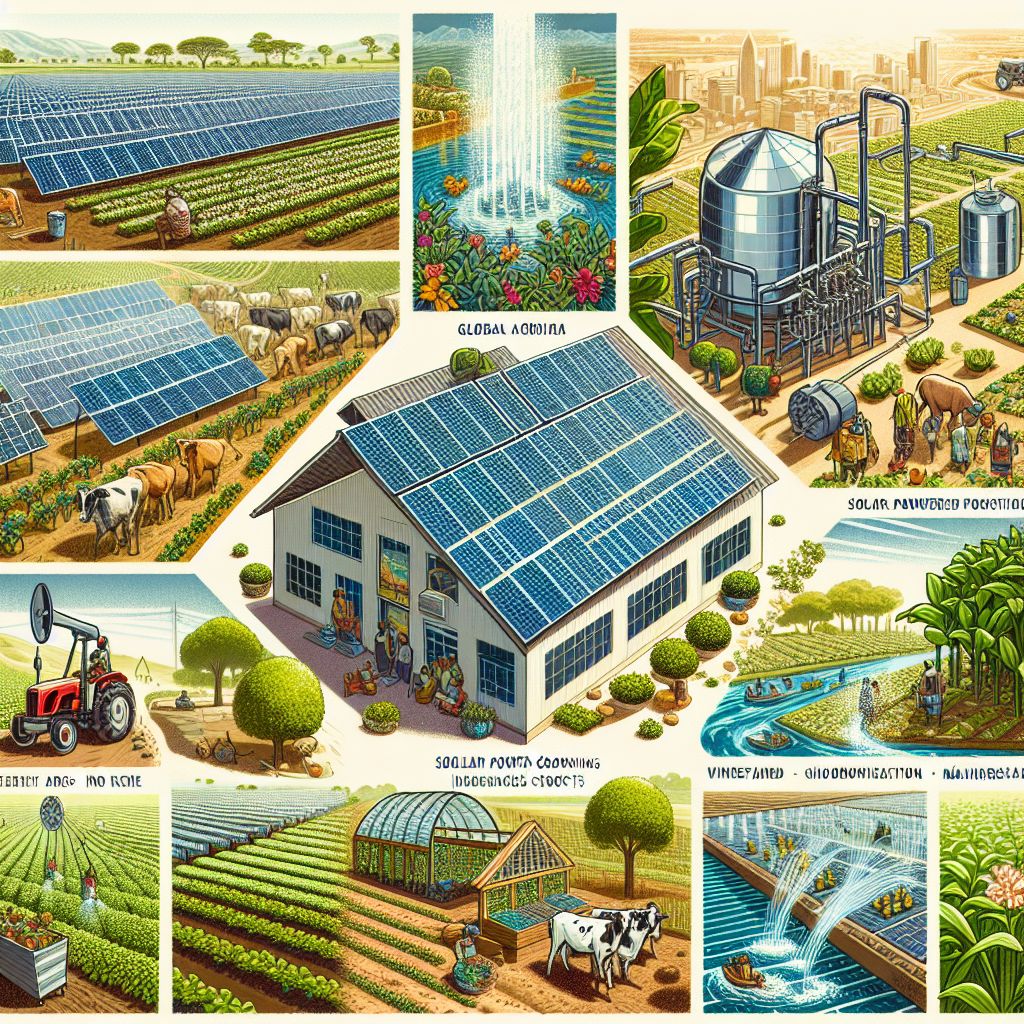
Examples from the Real World
Let’s examine a few real-world examples and case studies to better comprehend the effect of solar power on farms.
Worldwide Success Stories
Farms all over the globe have been able to successfully use solar power, showcasing its adaptability and efficiency. One farm in California, for instance, installed solar panels to power its irrigation system, cutting its energy costs by 60% and guaranteeing a steady supply of water. Learn more about the application of solar energy in agriculture and how it benefits farms worldwide.
In Kenya, small-scale farmers have seen a significant increase in their crop yields and an improvement in their standard of living thanks to a solar-powered irrigation project. This project has given farmers an affordable and sustainable source of water, leading to an increase in agricultural productivity.
Case Studies from India
India has witnessed a notable rise in the use of solar power in farming. In Gujarat, a program using solar-powered water pumps has been beneficial to farmers by lowering their energy expenses and enhancing water management. The program has also aided the state’s push for renewable energy and its fight against greenhouse gas emissions.
A solar-powered greenhouse project in Maharashtra is another example. This project has allowed farmers to cultivate high-value crops all year round. It has not only boosted the farmers’ earnings but also lessened their dependence on conventional energy sources.
U.S. Case Studies
Solar power is making a big difference in the agricultural sector in the United States. Take a dairy farm in Vermont, for example. They installed solar panels to run their milking and refrigeration equipment. This has saved them a lot of money and cut down on their carbon emissions.
Just the same, a California vineyard uses solar energy to power its irrigation system and winery operations. The use of solar panels has allowed the vineyard to cut down on energy expenses and operate in a more eco-friendly manner.
Financial and Ecological Results
“The farming solar system offers a steady stream of power that never fails in many circumstances. It allows farmers to depend on green energy and cut back on their use of fossil fuels.”
Solar power has financial and ecological advantages for farms. From a financial standpoint, it lowers energy expenses and boosts profitability. From an ecological standpoint, it decreases greenhouse gas emissions and encourages sustainability. For example, using the best solar panels for a farm can significantly enhance energy efficiency.
These advantages make solar power a compelling choice for farmers who want to enhance their operations and help make the planet greener.
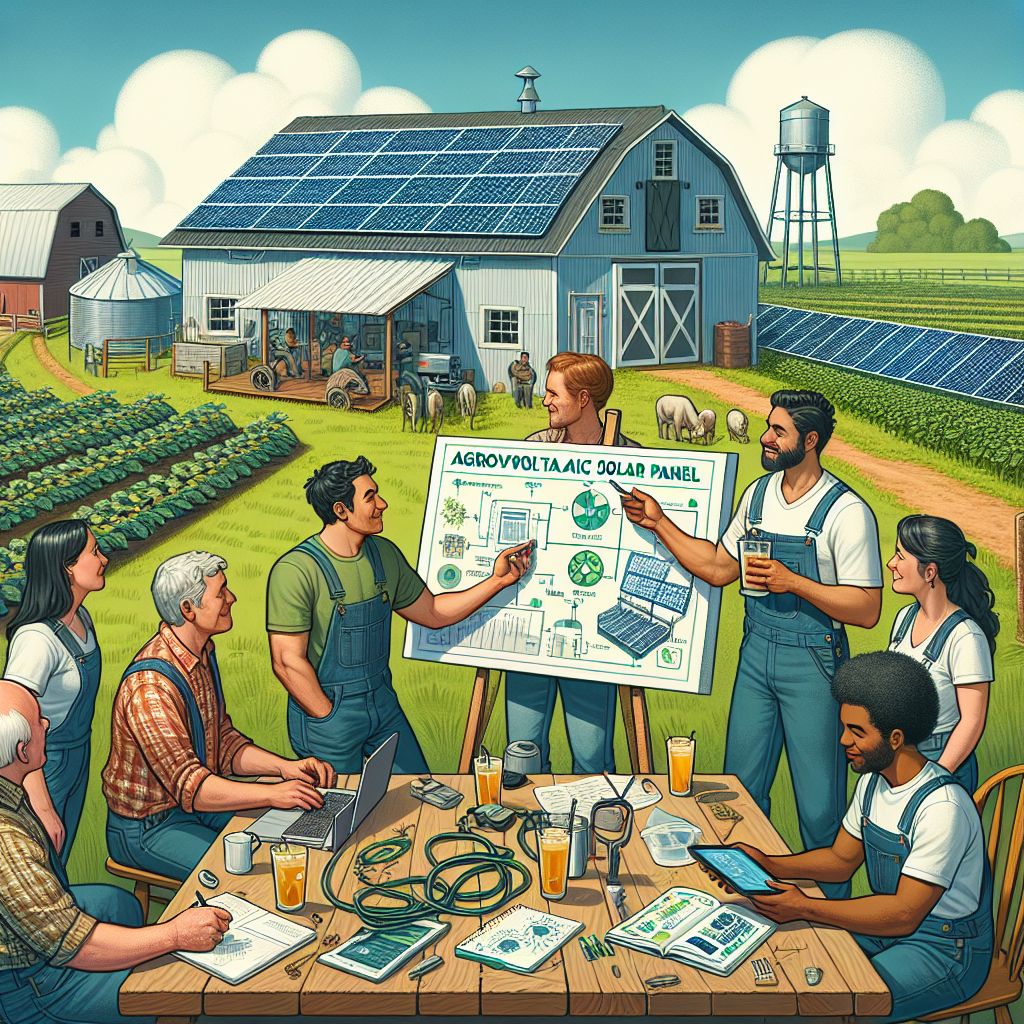
Problems and Answers
Even though solar power comes with a lot of advantages, there are also problems that need to be taken into account. Knowing what these problems are and figuring out answers to them can assist farmers in making educated choices about using solar power.
Upfront Installation Expenses
The upfront expenses of setting up solar panels might be significant, potentially discouraging some farmers from transitioning. However, there are multiple methods to counterbalance these expenses:
Government incentives and subsidies: Many governments provide financial incentives to encourage the use of solar power.
Financing options: There are various financing options, such as loans and leases, that can make the initial investment more manageable.
Long-term savings: The long-term savings from lower energy bills can offset the initial investment.
“While the initial cost of solar electricity can be high, farmers will benefit in the long run.”
Space Requirements
Solar panels require a lot of space, which can be a problem for farms with limited land. To address this issue, farmers can:
Take advantage of rooftops: By setting up solar panels on the rooftops of barns and other structures, you can conserve precious land space.
Choose dual-use systems: Dual-use systems like agrovoltaics allow for the combination of solar panels and crop production, thus maximizing the efficiency of land use.
Dealing with Maintenance and Durability Issues
Even though solar panels are generally low-maintenance, they still need some care to ensure they perform at their best. Here’s how farmers can deal with maintenance and durability issues:
Maintenance: Regularly cleaning solar panels helps them to operate at peak efficiency.
Regular check-ups: Regular inspections can help to identify and fix any potential issues before they become big problems.
Dependence on Weather
The production of solar power depends on sunlight, which can be a problem in areas that have a lot of cloud cover or long winters. To help with this problem, farmers can:
Store in batteries: Excess energy can be stored in batteries, ensuring a reliable power supply during periods of low sunlight.
Mix with other renewable sources: Combining solar power with other renewable energy sources like wind or biomass can ensure a steady energy supply.
Solar power generation is dependent on sunlight, which can be a challenge in areas with frequent cloud cover or long winters. Farmers can mitigate this issue by:
Utilize battery storage: Batteries can store surplus energy to ensure a dependable power supply during times of low sunlight.
Mix with other renewable sources: Combining solar power with other renewable energy sources, like wind or biomass, can guarantee a steady energy supply.
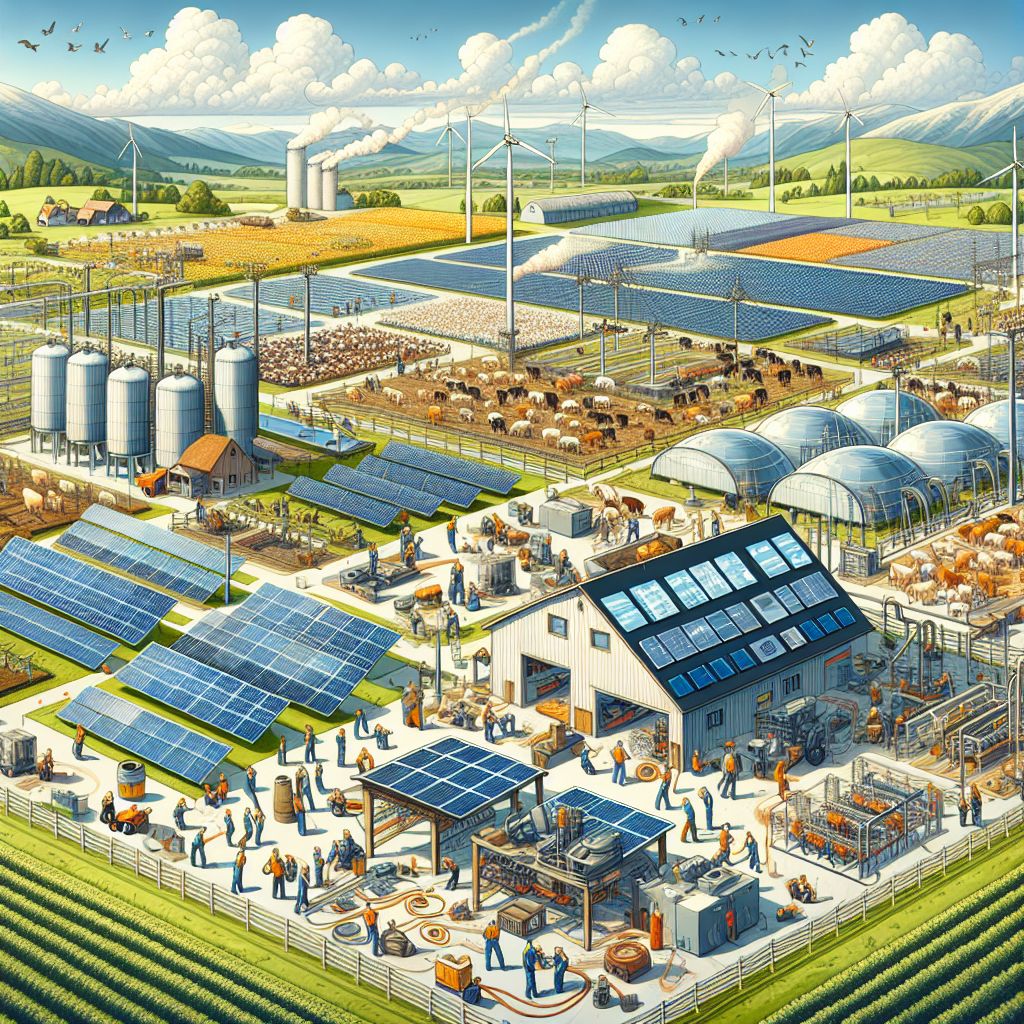
Selecting the Appropriate Solar Solutions for Your Farm
Evaluating Your Farm’s Energy Requirements
Prior to investing in solar power, it’s important to evaluate your farm’s energy requirements. This includes understanding your current energy usage and pinpointing areas where solar power can be most useful.
Think about the steps below:
Assess your current energy usage: Look over your energy bills and figure out which operations on your farm use the most energy.
Find potential solar applications: Decide which parts of your farm would benefit the most from solar power, such as irrigation, lighting, or heating.
Get expert advice: Collaborate with solar energy professionals to evaluate your farm’s energy needs and design a personalized solar solution.
Solar Panel Options
There are a variety of solar panels available, each with its own pros and cons. Knowing these choices can help you select the most suitable solar panels for your farm:
Monocrystalline panels: These are the most efficient solar panels available, and they last for a long time. They are perfect for farms with limited space.
Polycrystalline panels: These panels are not as efficient as monocrystalline panels, but they are more affordable. They are a good choice for farms with plenty of space.
Thin-film panels: These panels are light and flexible, making them easy to install. However, they are not as efficient and do not last as long.
Here is a table showing the pros and cons of using different types of solar panels with an irrigation system on a farm:
|
Panel Type |
Pros |
Cons |
|---|---|---|
|
Monocrystalline Panels |
– High efficiency (15-22%), producing more power per square foot. 1, 2, 4 | |
|
Polycrystalline Panels |
– Lower upfront cost than monocrystalline. 1, 2 |
– Lower efficiency and shorter lifespan than monocrystalline. 2, 4 |
|
Thin-Film Solar Panels |
– Lowest upfront cost. 1, 2 |
– Lowest efficiency (7-13%). 2, 4 |
Working with Professional Installers
It’s important to choose the right solar installer to make sure your solar power system is successful. Professional installers will make sure your system is designed and installed correctly, which will maximize its efficiency and lifespan.
Keep these factors in mind when choosing a solar installer:
Experience: Search for installers who have experience in farm solar installations.
Reputation: Ensure the installer has a solid reputation by checking reviews and references.
Certifications: Opt for installers who have relevant certifications, like NABCEP (North American Board of Certified Energy Practitioners) certification.
What the Future Holds for Solar Power in Agriculture
Upcoming Technologies
The future of solar power in agriculture is bright, with several upcoming technologies set to transform the industry. These include:
One such technology is monocrystalline solar panels, which offer higher efficiency and durability compared to traditional panels.
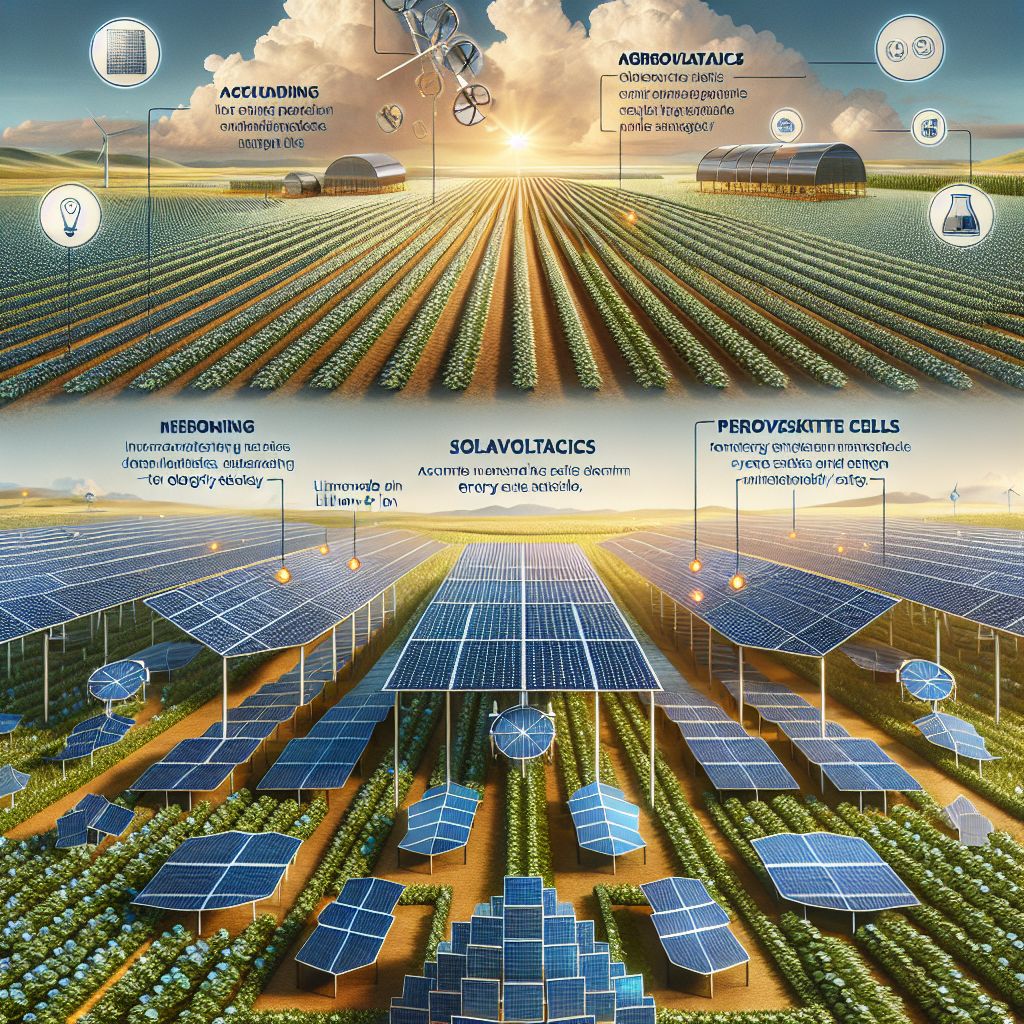
Agrovoltaics: This is a technology that combines solar power generation with farming. It allows farmers to grow crops and generate electricity at the same time.
Solar tracking systems: These systems track the sun’s movement throughout the day, adjusting the position of the solar panels to maximize their exposure to sunlight. This increases the amount of energy they produce.
Perovskite solar cells: These are a new type of solar cell that are more efficient and cheaper to produce than traditional silicon-based cells.
Advances in Solar Energy Storage
Energy storage is a crucial part of any solar power system. It ensures that power is available even when the sun isn’t shining. Advances in energy storage technology are making solar power a more viable option for farms, including the use of efficient monocrystalline solar panels:
Upgraded batteries: Modern battery technologies like lithium-ion and flow batteries offer increased storage capacity and longer lifespans.
Hybrid systems: Pairing solar power with other renewable energy sources like wind or biomass can offer a more dependable and steady energy supply.
Combination with Smart Farming Practices
Smart farming practices such as precision agriculture and IoT (Internet of Things) technologies can improve the efficiency and effectiveness of solar power systems. By combining solar power with smart farming technologies, farmers can optimize their operations and lower energy costs:
Automated irrigation: By integrating solar-powered irrigation systems with sensors and IoT devices, farmers can manage their water usage more precisely and efficiently.
Energy monitoring: Farmers can use smart meters and monitoring systems to keep track of their energy consumption and identify opportunities for improvement.
Data analytics: Farmers can use data from their solar power systems and other operations to make better-informed decisions and use their energy more efficiently.
Frequently Asked Questions (FAQ)
How Much Can Farmers Save Using Solar Power?
The amount of money that farmers can save by using solar power depends on a variety of factors, including the size of their solar system, their energy consumption, and the local energy rates. However, on average, farmers can expect to save between 20% and 50% on their energy bills by switching to solar power.
Which Types of Farms Gain the Most from Solar Power?
Every type of farm can gain from solar power, but some might see more substantial benefits. Farms with high energy usage, like dairy farms, greenhouses, and large-scale crop operations, can see significant cost reductions and increased energy independence.
Is there government support for solar power on farms?
Indeed, numerous governments provide subsidies, grants, and tax benefits to promote the use of solar energy in farming. These incentives can greatly decrease the upfront cost of solar panel installation, making it more economically feasible for farmers.
What Maintenance is Required Over Time?
Solar panels need little maintenance, but it is important to keep them clean and check regularly for damage to ensure they are working at their best. You also need to monitor how much electricity they produce. Most solar panels come with a warranty to cover maintenance and any repairs needed for a certain length of time.
Is it possible to use solar panels with other renewable technologies?
Absolutely, solar panels can be combined with other renewable energy technologies like wind turbines and biomass systems to create a hybrid energy system. This method can provide a more dependable and steady energy supply, particularly in areas with changing weather conditions.
In the end, solar power provides a variety of advantages for farms, such as lower energy costs, improved environmental sustainability, and greater energy independence. By learning about the different uses and benefits of solar power, farmers can make educated choices and use this renewable energy source to improve their operations.
The use of solar power in farming has a promising future, with new technologies and innovations poised to transform the sector. Farmers who adopt solar power and combine it with intelligent farming techniques can improve their operations, minimize their environmental footprint, and help make the world a greener place.







Leave a Reply