
Key Takeaways
-
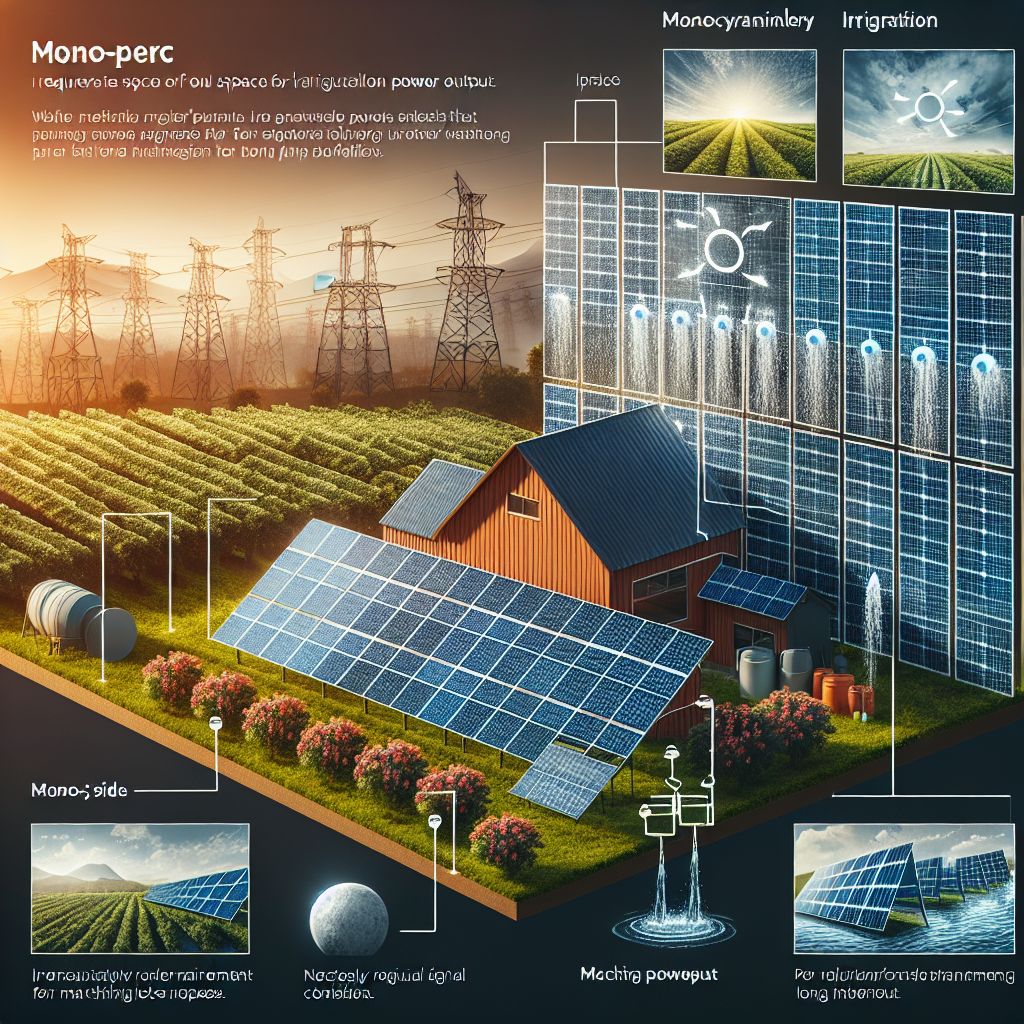
Mono-PERC solar panels are more efficient than traditional monocrystalline panels, especially in low-light conditions.
-
Opting for Mono-PERC can lead to better water management and energy savings on the farm.
-
Monocrystalline panels are a cost-effective option, but may require more space to match the power output of Mono-PERC panels.
-
It’s essential to assess your farm’s specific energy needs to choose the right type of solar panel for irrigation.
-
Regular maintenance and proper installation are key to maximizing the long-term benefits of solar panels for farm irrigation.
Why Solar Panels Matter for Farm Irrigation
Let’s dive right in. Irrigation is the lifeblood of farming, and the heart that keeps it pumping is energy. With the sun above us, we’ve got a powerhouse of clean, renewable energy that’s just waiting to be tapped. That’s where solar panels come in. They’re not just good for the environment; they’re great for your wallet in the long run, too. Now, let’s talk about how they specifically benefit irrigation on farms.
The Role of Solar Energy in Irrigation
Solar energy is like a secret weapon for farmers. By harnessing the power of the sun, you can run irrigation systems without relying on the grid or fuel-guzzling generators. This means you can water your crops even in remote areas or during power outages. And the best part? The sun’s energy is free once you’ve got your solar panels up and running.
Challenges of Traditional Irrigation Methods
Traditional irrigation can be a bit of a hassle, to be honest. Fuel costs, maintenance of generators, and the unpredictability of electricity supply can all throw a wrench in your farming operations. Plus, let’s not forget the environmental impact. But there’s a better way, and it’s shining right above us.

Decoding Solar Panel Technology
Now, let’s get to the nitty-gritty of solar panels. There are a few types out there, but we’ll focus on the two that are really making waves in the farming world: Mono-PERC and Monocrystalline panels.
The Science Behind Mono-PERC Panels
Mono-PERC panels are like the high achievers of the solar panel world. They’ve got this nifty technology called Passivated Emitter and Rear Cell (PERC) that makes them more efficient than their peers. This means they can convert more sunlight into electricity, which is exactly what you need for a robust irrigation system.
Example: Think of Mono-PERC panels as the workers who show up early and stay late. They start generating power early in the morning and keep at it even when the sun’s not at its peak. This translates to more consistent power for your irrigation pumps throughout the day.
Understanding Monocrystalline Panels
Monocrystalline panels are the veterans of the solar world. They’re made from single-crystal silicon, making them pretty efficient and reliable. While they might not be the new kids on the block, they’re time-tested and can still give you a decent bang for your buck.
Optimizing Water Use with Mono-PERC
When it comes to irrigation, Mono-PERC solar panels are a game-changer. They’re not just about generating electricity; they’re about using that electricity in the smartest way possible. With higher efficiency, Mono-PERC panels ensure that every drop of water is pumped using the least amount of energy. This means you can irrigate more land or run your systems for longer without increasing your power usage.
Efficiency on the Farm: Mono-PERC
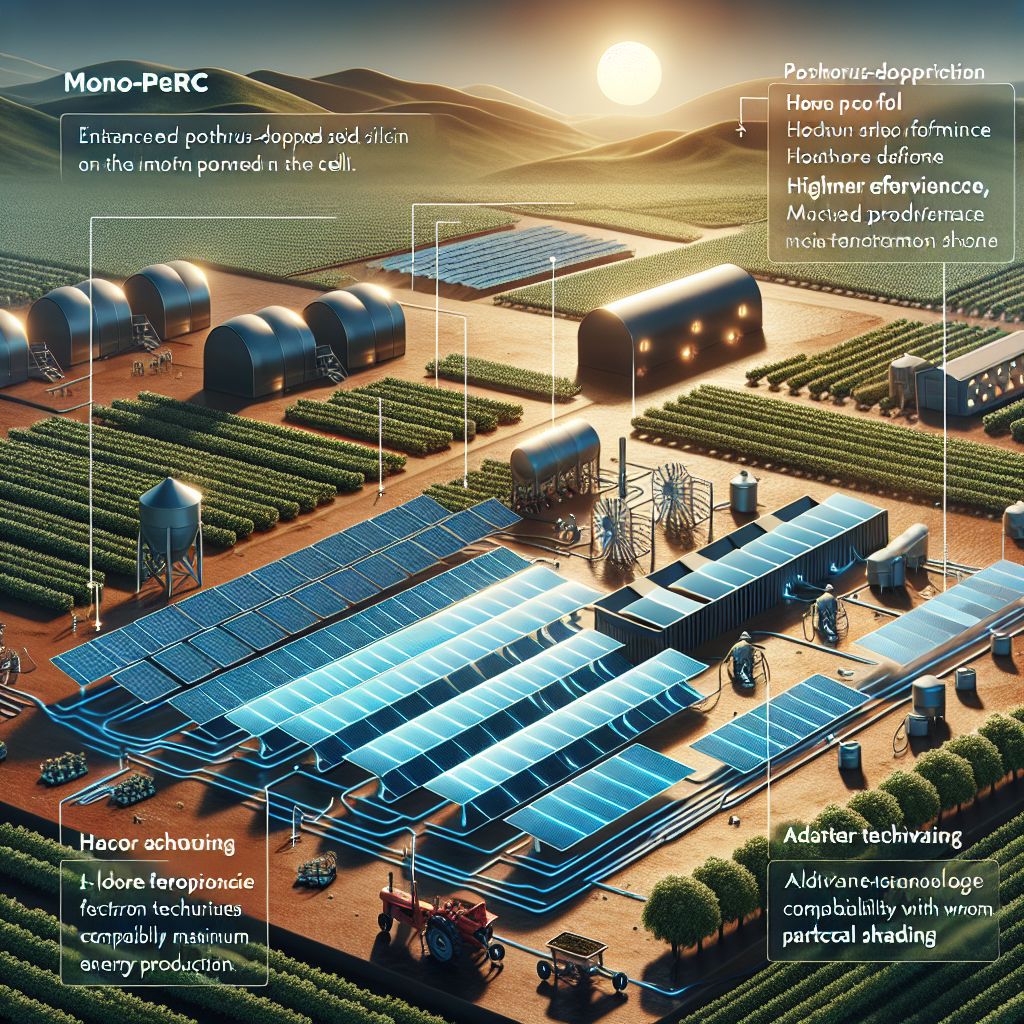
Mono-PERC panels work by using a layer of phosphorus-doped silicon on the front side of the cell and a layer of boron-doped silicon on the backside. This creates an electric field within the cell, allowing for the collection of solar energy from both sides of the panel. The rear-side cell also has a reflective layer, which ensures that any light that is not absorbed by the front side is reflected back to the cell for maximum energy production.
Advantages of Mono-PERC for Agriculture
Mono-PERC solar panels offer numerous benefits for the farming industry, from increased energy production to cost savings and durability. As the world looks towards more sustainable and efficient farming practices, these panels are a valuable tool for farmers to reduce their carbon footprint and save on energy costs. With their unique design and improved performance, Mono-PERC panels are paving the way for a greener and more efficient future for agriculture.
This below table will show you the advantages for using Mono-PERC solar panels over Monocrystalline Solar Panels for an irrigation system on a farm.
|
Advantages of Mono-PERC over Monocrystalline Solar Panels for Farm Irrigation System |
|---|
|
Enhanced Low-Light Performance: Mono-PERC solar panels typically exhibit improved performance in low light conditions compared to monocrystalline panels. This ensures more consistent energy production for irrigation systems, even during cloudy or overcast days, maximizing reliability. |
|
Potential for Cost Savings: Although Mono-PERC panels may have slightly lower efficiency compared to monocrystalline panels, they often offer cost advantages. With lower upfront costs, farmers can achieve a faster return on investment, making them an attractive option for powering irrigation systems on farms. |
|
Improved Space Utilization: Mono-PERC panels can provide comparable energy output to monocrystalline panels with a smaller footprint. This allows for more efficient use of available land on the farm, potentially freeing up space for other agricultural activities while still meeting energy needs for irrigation. |
|
Advanced Technology: Mono-PERC technology incorporates advanced passivation techniques, which can enhance panel performance and durability. With reduced degradation over time, Mono-PERC panels may offer longer-term reliability and lower maintenance requirements for farm irrigation systems. |
|
Compatibility with Partial Shading: Mono-PERC panels are often more tolerant of partial shading compared to monocrystalline panels. This is beneficial for farms with vegetation or structures that may cause shading, ensuring consistent energy production and reliable operation of irrigation systems. |
Efficiency on the Farm: Monocrystalline
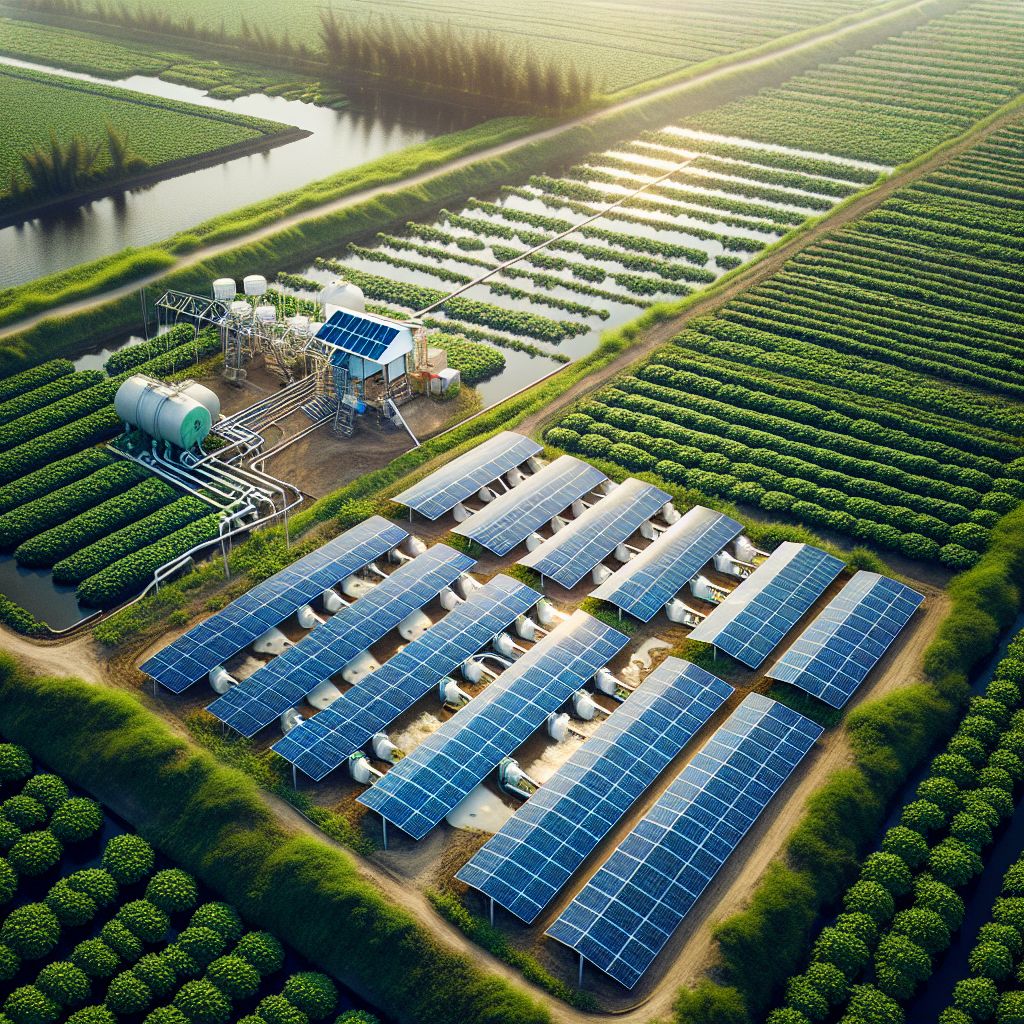
Monocrystalline panels have a solid track record for efficiency. They’re reliable, and because they’ve been around for a while, a lot of farmers trust them. They get the job done by converting sunlight into energy for your irrigation systems, helping to keep your crops watered and your farm thriving.
|
Advantages of Monocrystalline over Mono-PERC Solar Panels for Farm Irrigation System |
|---|
|
Higher Efficiency: Monocrystalline solar panels generally exhibit higher efficiency compared to Mono-PERC panels. This means they can generate more electricity per unit area, making them suitable for farms where space is limited and maximizing energy output for irrigation needs. |
|
Longer Lifespan: Monocrystalline panels typically have a longer lifespan than Mono-PERC panels. With proper maintenance, monocrystalline panels can last 25 years or more, providing farmers with a reliable and consistent source of energy for their irrigation systems over an extended period. |
|
Proven Technology: Monocrystalline solar panels have been in use for a longer time and have a proven track record of reliability and performance. Farmers may have more confidence in the technology’s durability and effectiveness for powering irrigation systems on their farms. |
|
Less Susceptible to Degradation: Monocrystalline panels are less susceptible to degradation over time compared to Mono-PERC panels. This ensures consistent performance and reduced maintenance requirements, leading to potentially lower long-term costs for farmers. |
|
Consistent Performance in Various Conditions: Monocrystalline panels maintain consistent performance even in low light conditions, ensuring continuous energy production for irrigation systems regardless of weather fluctuations. This reliability is crucial for maintaining farm operations and maximizing crop yield. |
Benefits of Monocrystalline in Farming
Monocrystalline panels offer stability and efficiency, making them a dependable choice for farmers. They’re durable, have a long lifespan, and perform well in a variety of weather conditions. Plus, they’re getting more affordable as technology advances, which is always a bonus.
Most importantly, these panels are versatile. They can be installed on a variety of farm structures, not just on the ground. This means you can utilize the space you have more effectively, whether that’s on the roof of a barn or the canopy over your machinery.
Comparing Space and Output for Irrigation Needs
Space is a precious commodity on a farm. Mono-PERC panels, being more efficient, can generate the same amount of power as monocrystalline panels in a smaller area. This is a big deal for irrigation because it means you can get more water to your crops without needing to dedicate more land to your solar setup.
What is the Downside for Each of These Types of Solar Panels
While solar panels are a fantastic resource, they’re not without their drawbacks. Let’s break it down so you can make an informed decision.
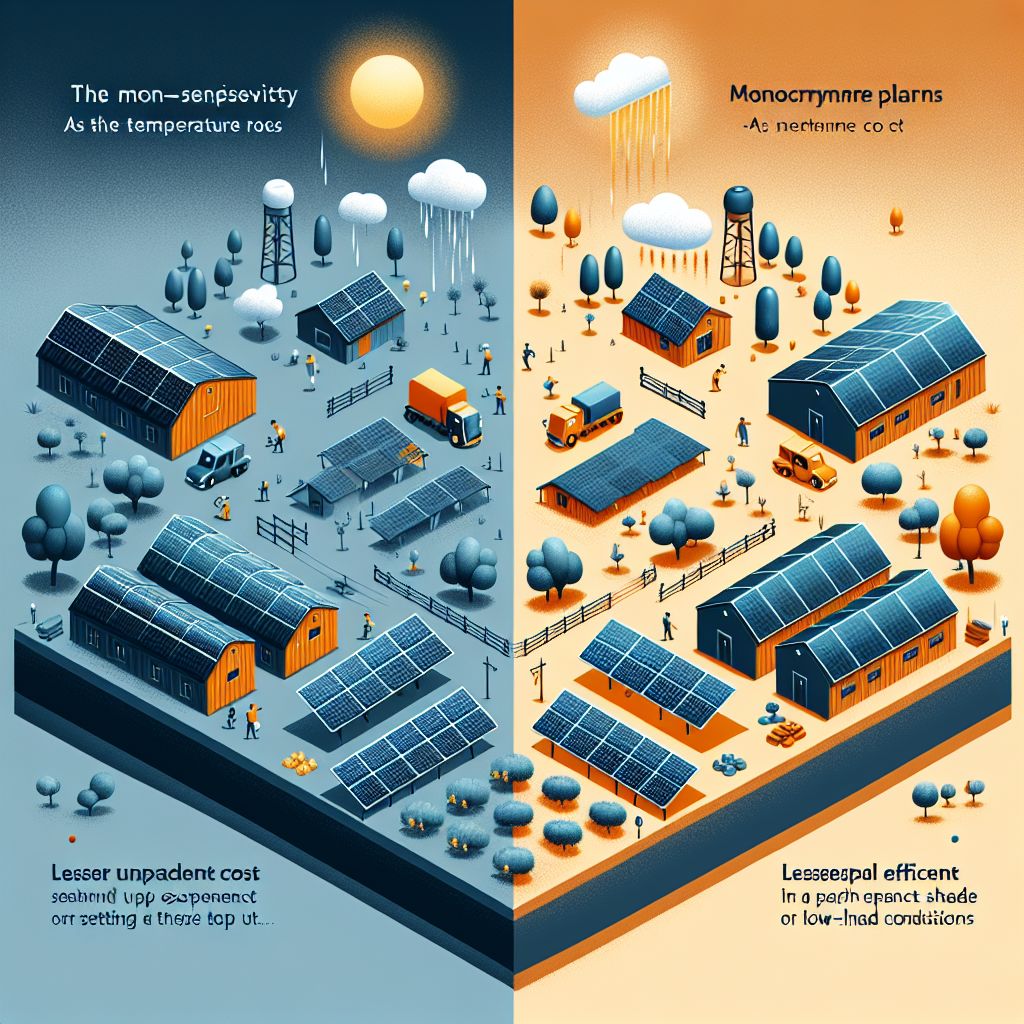
For Mono-PERC panels, the main downside is cost. They’re generally more expensive upfront than monocrystalline panels. However, their increased efficiency means they could save you money in the long run.
Monocrystalline panels, on the other hand, are less efficient than Mono-PERC panels. This means you might need more of them to meet your energy needs, which could require more space or a larger initial investment.
The Disadvantages for Using Mono-PERC Solar Panels with an Irrigation System on a Farm
While Mono-PERC panels are efficient, they can be sensitive to heat. As the temperature rises, their efficiency can drop. This is something to consider if your farm is in a particularly hot climate. Additionally, the higher upfront cost can be a barrier for some farmers.
-
Heat sensitivity: Efficiency decreases in very hot climates.
-
Higher upfront costs: Initial investment may be steep for some budgets.
Besides that, there’s the consideration of technology evolution in solar panels. As solar tech improves, you might find yourself wanting to upgrade sooner than you’d like, which could mean more costs down the line.
What are the Dark Secrets of using Monocrystalline Solar Panels on a farm
Monocrystalline panels are tried and true, but they have their secrets. They’re not as efficient as Mono-PERC panels, so you might find yourself needing more panels to get the same power output. This can eat into your farm’s usable space and potentially affect your crop layout.
They also tend to be less effective in partial shade or low-light conditions. So, if your farm experiences frequent cloudy days or has areas shaded by trees or buildings, you might not get the optimal performance you’re looking for.
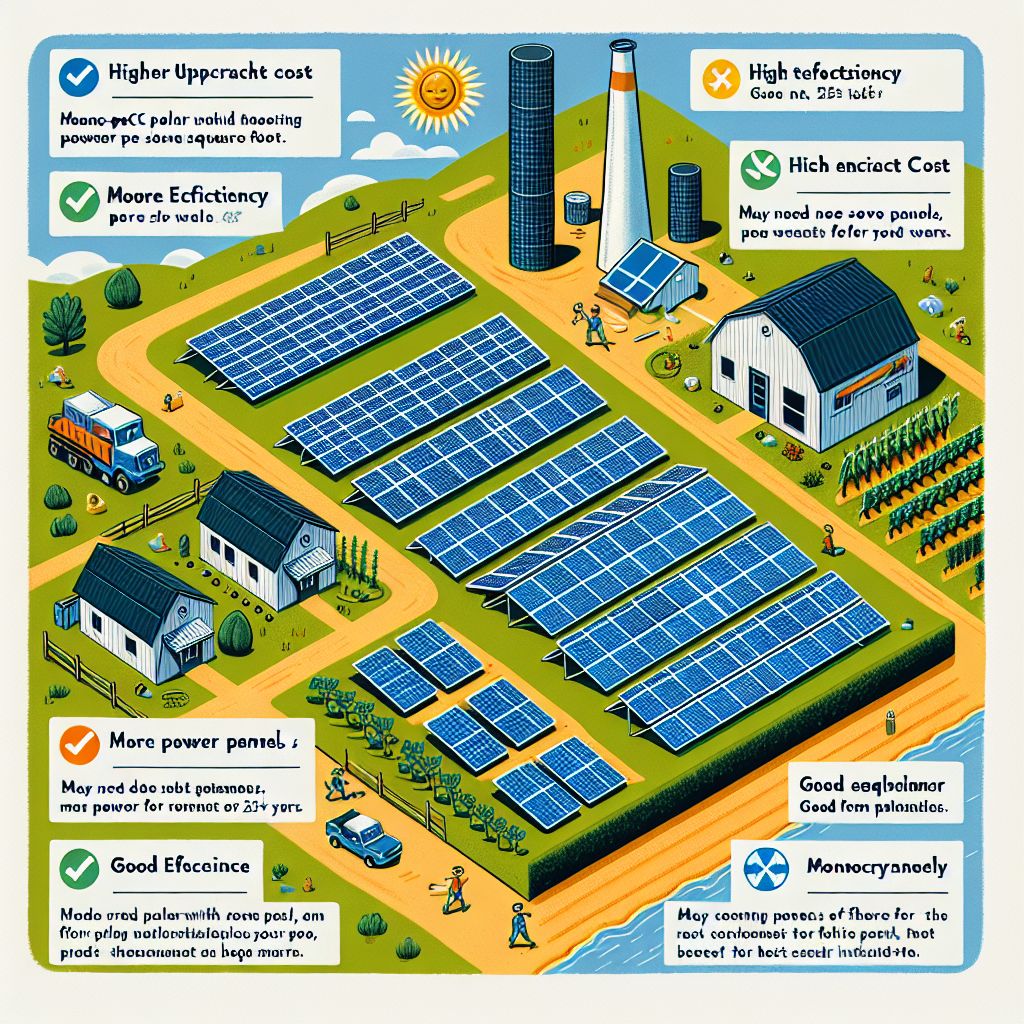
Choosing the Right Panel for Your Farm
Choosing the right solar panel for your farm’s irrigation needs isn’t a decision to be taken lightly. You need to weigh the pros and cons of each type of panel against your farm’s unique circumstances.
Consider your climate, the layout of your land, and how much power you actually need to keep your irrigation systems running smoothly. Think about the long-term, too – not just the upfront costs, but how much you’ll save on energy bills over time.
Evaluating Your Farm’s Energy Needs
Before you make a decision, take a good look at your energy needs. How much power do your pumps require? How often do you need to run them? Answering these questions will help you figure out how many panels you’ll need and what kind of output you should be looking for.
Then, think about the space you have available. If you’ve got plenty of room, monocrystalline panels might be a viable option. But if space is tight, Mono-PERC’s efficiency could be the way to go.
For example, if you have a pump that requires 3kW of power and you run it for 5 hours a day, you’ll need a solar panel system that can produce at least 15kWh of energy daily. Depending on your location and the amount of sunlight you get, this could affect the type and number of panels you need.
Cost vs. Performance: Making the Best Investment
|
Panel Type |
Cost |
Efficiency |
Lifespan |
|---|---|---|---|
|
Mono-PERC |
Higher upfront |
High efficiency, more power per square foot |
25+ years |
|
Monocrystalline |
Lower upfront |
Good efficiency, may need more panels for same output |
20+ years |
When it comes to cost versus performance, think about the long-term benefits of each panel type. Mono-PERC panels might cost more upfront, but their higher efficiency could lead to greater savings on your energy bill. On the other hand, monocrystalline panels are less expensive to start with, but you might need more of them, which could mean higher costs over time.
Remember, the right choice is the one that aligns with your farm’s needs and goals. So take your time, do your research, and make the decision that’s best for you and your land.
Ensuring Long-Term Efficiency and ROI
Ensuring the longevity and efficiency of your solar panel investment is critical. Regular maintenance, such as cleaning the panels and checking for any damage, can help maximize their performance over time. It’s also wise to monitor your system’s output to ensure it’s meeting your irrigation needs.
Most importantly, choosing high-quality panels from reputable manufacturers with solid warranties can safeguard your investment. High-efficiency panels like Mono-PERC can offer better returns over time, despite their higher initial cost, because they generate more power and can lead to significant energy savings.
FAQs on Solar Panels and Farm Irrigation
When it comes to integrating solar panels with farm irrigation, there are common questions that need answering. These FAQs will help clear up any confusion and provide you with the knowledge to make the best decision for your farm.
Example: A farmer in California switched to Mono-PERC panels and saw a 20% reduction in irrigation energy costs within the first year, despite the region’s frequent cloudy weather.
Understanding the practical impact of solar panel technology on irrigation is essential. Real-world examples demonstrate how switching to efficient solar panels like Mono-PERC can lead to significant cost savings and improved water management.
Can Mono-PERC panels work under low-light conditions?
Yes, Mono-PERC panels are designed to perform better than traditional panels in low-light conditions. Their advanced technology allows them to capture more sunlight and convert it into energy, which means they can still power your irrigation systems even on cloudy days.
This is particularly beneficial for regions with less consistent sunshine, ensuring that your irrigation doesn’t have to stop when the weather isn’t perfect.
How does panel efficiency translate to water savings?
Panel efficiency directly impacts water savings because the more efficient your panels are at converting sunlight to energy, the less time and energy you need to power your irrigation system. This means you can pump the necessary water using less power, which conserves both water and energy. For a deeper understanding, consider reading this in-depth comparison of Mono PERC vs Monocrystalline solar panels.
Are Monocrystalline panels suitable for all farm sizes?
Monocrystalline panels are versatile and can be suitable for farms of various sizes. However, because they are less efficient per square foot than Mono-PERC panels, larger farms might require more space to install enough panels to meet their energy needs.
For smaller farms or those with limited space, Mono-PERC panels might be a better option due to their higher efficiency and the ability to generate more power in a smaller area.
Ultimately, the choice depends on your farm’s specific energy requirements and available space for panel installation.
-
Monocrystalline panels: Good for farms with ample space for installation.
-
Mono-PERC panels: Ideal for maximizing energy production in limited spaces.
What’s the average lifespan of solar panels for irrigation?
The average lifespan of solar panels used for irrigation is typically around 25 to 30 years. Both Mono-PERC and Monocrystalline panels are designed to withstand the elements and provide long-term performance. Regular maintenance can help extend their lifespan even further.
Where can I find reliable case studies or testimonials?
Reliable case studies and testimonials can be found through solar panel manufacturers, agricultural extension services, and renewable energy forums. Additionally, speaking with other farmers who have already made the switch to solar can provide valuable insights into the benefits and challenges they’ve experienced.
Research institutions and government agencies may also offer studies and reports on the effectiveness of solar irrigation systems, which can be a helpful resource when considering the switch.
Conclusion: Which is the Better Investment for a Farmer, Mono-PERC or Monocrystalline?
Deciding between Mono-PERC and Monocrystalline solar panels for farm irrigation boils down to your farm’s specific needs. Mono-PERC panels offer higher efficiency and better performance in various light conditions, making them an excellent choice for maximizing energy and water savings. However, they come with a higher initial cost.
Monocrystalline panels, while less efficient per square foot, are a tried-and-true technology that can still provide the energy needed for irrigation at a lower upfront cost. They may require more space to achieve the same power output as Mono-PERC panels, so they’re better suited for farms with more available land.






