

Key Takeaways
Thin film solar panels are created using materials like cadmium telluride (CdTe) and copper indium gallium selenide (CIGS).
These panels are lightweight and flexible, making them ideal for diverse applications such as rooftops, vehicles, and portable devices.
They are less efficient than traditional silicon panels but have lower production costs and can be used in low-light conditions.
Building-Integrated Photovoltaics (BIPV) is a popular application, integrating solar panels into building materials.
Recent advancements in thin film technology promise increased efficiency and broader adoption in the renewable energy market.
Thin Film Solar Panels Science & Technology Insights
When it comes to solar energy, most people think about traditional crystalline silicon panels. However, thin film solar panels offer a promising alternative with unique advantages. These panels are made by depositing thin layers of photovoltaic materials onto a substrate, which can be glass, plastic, or metal. This method allows for a more flexible and lightweight product compared to conventional panels.
Fast Facts About Thin Film Solar Panels
Thin film solar panels stand out in the renewable energy market for several reasons:
They use less material and energy in production compared to silicon-based panels.
They can be manufactured in various shapes and sizes, offering versatility in application.
These panels perform better in low-light and high-temperature conditions.
Why Thin Film Solar Panels Matter
Thin film solar panels are crucial for advancing solar technology and expanding its applications. Their unique properties make them suitable for environments where traditional panels might not be practical. For instance, their flexibility allows them to be integrated into building materials, creating seamless and aesthetically pleasing solar solutions. Moreover, they can be used in portable devices and vehicles, broadening the scope of solar energy utilization.

Technology Behind Thin Film Solar Panels
The technology behind thin film solar panels is fascinating and multifaceted. These panels are produced using a variety of materials and methods, each with its own set of advantages and challenges. Understanding these technologies is key to appreciating the potential and limitations of thin film solar panels.
How They Are Made: Materials and Methods
Thin film solar panels are typically made using one of three primary materials:
Cadmium Telluride (CdTe): This is the most common material used in thin film solar panels. CdTe panels are known for their efficiency and low production costs.
Copper Indium Gallium Selenide (CIGS): CIGS panels offer higher efficiency rates and can be deposited on flexible substrates, making them versatile.
Amorphous Silicon (a-Si): While less efficient than CdTe and CIGS, a-Si panels are easier to produce and can be used in various applications.
Here’s a table comparing the three primary materials used in thin-film solar panels, discussing their advantages and disadvantages:
|
Material |
Advantages |
Disadvantages |
|---|---|---|
|
Amorphous Silicon (a-Si) |
– Lowest production cost. 1, 2 |
– Lowest efficiency among thin-film types. 1, 2 |
|
Cadmium Telluride (CdTe) |
– Second most used solar cell type after crystalline silicon. 1 |
– Tellurium is rare, making mass production difficult. 1 |
|
Copper Indium Gallium Selenide (CIGS) |
– Higher efficiency compared to a-Si and CdTe. 4 |
– More complex manufacturing process. 4 |
Understanding Different Thin Film Technologies
Each type of thin film technology has its own strengths and weaknesses. For example, CdTe panels are cost-effective and efficient but involve the use of cadmium, a toxic material. CIGS panels, on the other hand, offer higher efficiency but are more complex to manufacture. Amorphous silicon panels are less efficient but offer flexibility in production and application.
Efficiency and Performance Compared to Traditional Solar Panels
When comparing thin film solar panels to traditional crystalline silicon panels, several factors come into play. While thin film panels are generally less efficient in converting sunlight to electricity, they perform better in low-light conditions and at higher temperatures. This makes them a viable option for certain applications where traditional panels might not be as effective.
Furthermore, the lower production costs of thin film panels can make them a more affordable option for large-scale installations. However, their lower efficiency means that more surface area is required to produce the same amount of energy as silicon panels.
Applications and Benefits of Thin Film Solar Panels
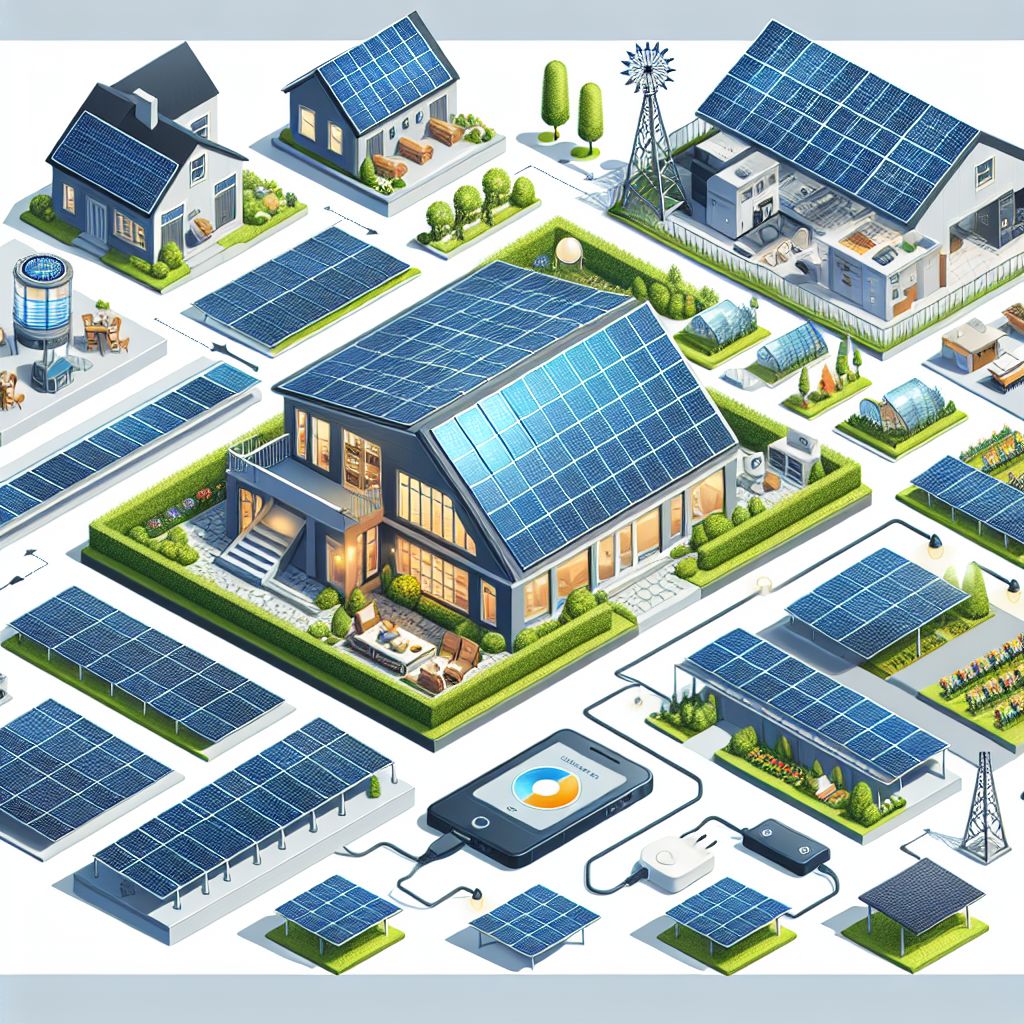
The versatility of thin film solar panels opens up a wide range of applications. From residential to commercial and industrial uses, these panels offer unique benefits that make them an attractive option for various projects. For example, solar panels help farm operations by providing cost-effective and efficient energy solutions.
Residential Use: Integrating Thin Film Panels at Home
Integrating thin film solar panels into residential settings can provide homeowners with an efficient and aesthetically pleasing way to harness solar energy. These panels can be incorporated into roofing materials, windows, and even exterior walls, offering a seamless and unobtrusive solar solution.
Commercial and Industrial Applications
Thin film solar panels are also well-suited for commercial and industrial applications. Their lightweight and flexible nature makes them ideal for large-scale installations on rooftops, facades, and other structures. Additionally, their ability to perform well in low-light conditions can be advantageous in urban environments where shading might be an issue.
Residential Use: Integrating Thin Film Panels at Home
Integrating thin film solar panels into residential settings can provide homeowners with an efficient and aesthetically pleasing way to harness solar energy. These panels can be incorporated into roofing materials, windows, and even exterior walls, offering a seamless and unobtrusive solar solution. For instance, thin film panels can be installed on metal roofs without adding significant weight, making them an excellent choice for both new constructions and retrofits.
Besides that, thin film solar panels can be used for smaller, portable applications around the home. For example, solar-powered garden lights and portable chargers for electronic devices can benefit from the lightweight and flexible nature of thin film technology. These applications not only help reduce electricity costs but also promote a more sustainable lifestyle.
Commercial and Industrial Applications
Thin film solar panels are also well-suited for commercial and industrial applications. Their lightweight and flexible nature makes them ideal for large-scale installations on rooftops, facades, and other structures. Additionally, their ability to perform well in low-light conditions can be advantageous in urban environments where shading might be an issue.
One notable example is the use of thin film panels on the rooftops of warehouses and factories. These large, flat surfaces provide ample space for solar installations, and the lightweight nature of thin film panels means that structural reinforcements are often unnecessary. This can significantly reduce installation costs and make solar energy more accessible for businesses.
Building-Integrated Photovoltaics (BIPV)
Building-Integrated Photovoltaics (BIPV) is a growing trend that involves integrating solar panels directly into building materials. Thin film solar panels are particularly well-suited for BIPV applications due to their flexibility and lightweight nature. They can be incorporated into roofing shingles, windows, facades, and even skylights, allowing buildings to generate their own electricity without compromising aesthetics.
For example, thin film solar panels can be laminated onto glass windows, providing both energy generation and shading. This dual functionality can enhance the energy efficiency of buildings while maintaining a modern and sleek appearance. As the demand for sustainable building solutions continues to grow, BIPV is expected to play a significant role in the future of architecture and construction.
Emerging Trends and Future Applications
The versatility of thin film solar panels opens up numerous possibilities for future applications. One emerging trend is the use of thin film panels in the transportation sector. For instance, solar panels can be integrated into the roofs of electric vehicles, providing a supplementary power source and extending the driving range. Similarly, thin film panels can be used on boats and RVs, offering a reliable and renewable energy source for off-grid adventures.
Another exciting application is the development of solar-powered wearable devices. Researchers are exploring ways to integrate thin film solar cells into clothing and accessories, allowing users to charge their electronic devices on the go. These innovations highlight the potential of thin film technology to revolutionize the way we generate and use solar energy in our daily lives.
Recent Advancements and Innovations
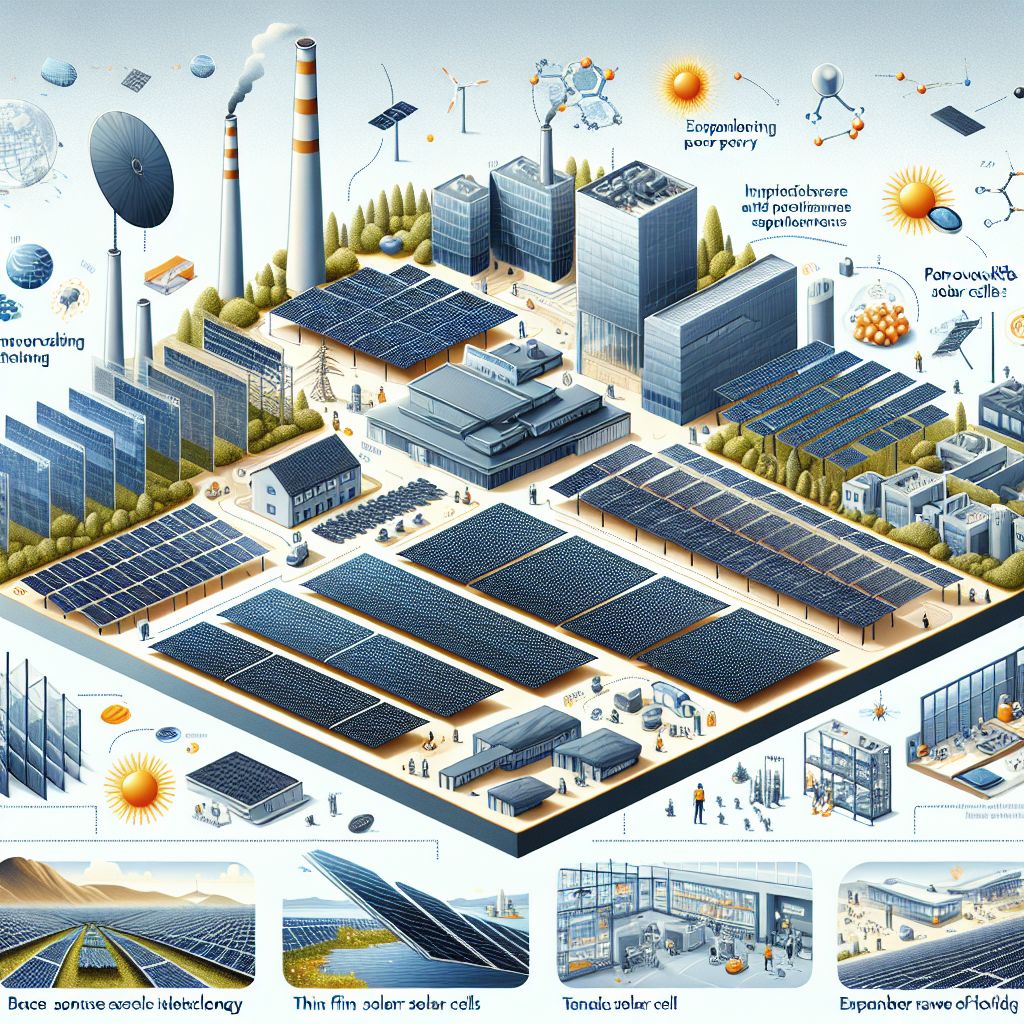
Recent advancements in thin film solar technology have focused on improving efficiency, reducing costs, and expanding the range of applications. Researchers and manufacturers are continually exploring new materials and production methods to enhance the performance of thin film panels.
New Developments in Thin Film Solar Technology
One notable development is the use of perovskite materials in thin film solar cells. Perovskite solar cells have shown remarkable efficiency improvements in recent years, with some laboratory prototypes achieving efficiency rates comparable to traditional silicon panels. These materials are also easier and cheaper to produce, making them a promising option for future thin film solar panels. For more on how solar technology can benefit different applications, check out how solar panels help farm operations.
Another innovation is the development of tandem solar cells, which combine multiple layers of photovoltaic materials to capture a broader spectrum of sunlight. By stacking different materials with complementary absorption properties, tandem cells can achieve higher efficiency rates than single-layer thin film panels. This approach has the potential to significantly boost the performance of thin film solar technology.
Case Studies: Successful Implementation
Several successful case studies demonstrate the potential of thin film solar panels in real-world applications. One notable example is the Solar Frontier project in Japan, where CIGS thin film panels were used to create a large-scale solar power plant. The project has been highly successful, generating significant amounts of clean energy and showcasing the viability of thin film technology for utility-scale installations. For more insights, check out how solar panels help farm operations with their benefits and efficiency.
Another example is the integration of thin film solar panels into the facade of the Copenhagen International School in Denmark. The building features over 12,000 custom-designed solar panels, which provide both energy generation and an eye-catching architectural feature. This project highlights the potential of thin film technology for innovative and sustainable building designs, similar to the benefits of furrow irrigation solar panels in agricultural settings.
Challenges and Opportunities for Improvement
While thin film solar panels offer numerous advantages, they also face several challenges. One of the main issues is the lower efficiency compared to traditional silicon panels. Researchers are continually working to improve the efficiency of thin film technology, but there is still a gap to be bridged.
Another challenge is the use of toxic materials, such as cadmium in CdTe panels. The environmental impact of these materials needs to be carefully managed, and alternative, less harmful materials are being explored. Despite these challenges, the potential for thin film solar panels to revolutionize the renewable energy market remains significant.

Future Outlook and Impact on Renewable Energy
The future of thin film solar panels looks promising, with ongoing advancements and increasing adoption across various sectors. As technology continues to improve, thin film panels are expected to play a more prominent role in the global transition to renewable energy.
Potential Market Growth and Expansion
The market for thin film solar panels is projected to grow significantly in the coming years. Factors driving this growth include:
Advancements in efficiency and production methods
Increasing demand for flexible and lightweight solar solutions
Growing interest in sustainable building materials and BIPV applications
Expansion of solar energy in emerging markets
As these trends continue, thin film solar panels are likely to capture a larger share of the solar energy market, contributing to the broader adoption of renewable energy technologies.
Moreover, the environmental benefits of thin film solar panels cannot be overstated. By reducing reliance on fossil fuels and lowering greenhouse gas emissions, thin film technology can play a crucial role in mitigating climate change and promoting a sustainable future.
Contribution to Sustainability and Environmental Goals
Thin film solar panels significantly contribute to sustainability and environmental goals by offering a renewable energy source that reduces dependence on fossil fuels. Their production process requires less raw material and energy compared to traditional silicon panels, which helps lower the overall carbon footprint. Additionally, the versatility of thin film panels allows for their integration into various applications, promoting the widespread adoption of clean energy.
For instance, the ability to incorporate thin film panels into building materials through BIPV applications can lead to more energy-efficient buildings, reducing the overall energy demand. This not only lowers greenhouse gas emissions but also contributes to the development of sustainable cities and communities. As the technology continues to improve, thin film solar panels will play an increasingly important role in achieving global sustainability targets.
What’s Next: Predictions for the Next Decade
The next decade promises exciting advancements and increased adoption of thin film solar panels. Researchers are focused on improving the efficiency and durability of these panels, making them more competitive with traditional silicon-based technology. Innovations such as perovskite materials and tandem solar cells are expected to drive significant improvements in performance and cost-effectiveness.
Moreover, the growing interest in sustainable building practices and renewable energy solutions will likely spur further investment in thin film technology. Governments and businesses are increasingly recognizing the importance of transitioning to clean energy sources, and thin film solar panels are well-positioned to play a key role in this transition. As a result, we can expect to see a broader range of applications and increased market penetration for thin film solar panels in the coming years.

Conclusion: Are Thin Film Solar Panels Worth the Investment?
In conclusion, thin film solar panels offer a compelling alternative to traditional silicon-based panels, with unique advantages that make them suitable for a wide range of applications. Their lightweight, flexible nature, lower production costs, and ability to perform well in low-light conditions make them an attractive option for both residential and commercial installations. For more information on how solar technology can benefit various applications, check out how solar panels help farm operations.
While they currently have lower efficiency rates compared to silicon panels, ongoing research and development efforts are expected to close this gap, making thin film technology even more competitive. For those looking to invest in renewable energy solutions, thin film solar panels represent a promising and versatile option that can contribute to sustainability goals and reduce energy costs over time.
Frequently Asked Questions
What are the main materials used in thin film solar panels?
Thin film solar panels are primarily made using cadmium telluride (CdTe), copper indium gallium selenide (CIGS), and amorphous silicon (a-Si). Each of these materials offers unique advantages and challenges, with CdTe being the most common due to its efficiency and cost-effectiveness.
How do thin film solar panels compare to traditional silicon panels in terms of cost?
Thin film solar panels generally have lower production costs compared to traditional silicon panels. This is because they require less raw material and energy to manufacture. However, their lower efficiency means that more surface area is needed to generate the same amount of electricity, which can affect the overall cost-effectiveness depending on the application. For instance, when considering solar panels for furrow irrigation, the efficiency and cost-effectiveness of the panels play a crucial role.
Can thin film panels be used in places with low sunlight?
Yes, thin film solar panels can perform well in low-light conditions, making them suitable for regions with less sunlight. Their ability to generate electricity even in diffuse light conditions is one of the key advantages of thin film technology.
What are the environmental impacts of producing thin film solar panels?
While thin film solar panels have a lower environmental impact during production compared to traditional silicon panels, some materials used, such as cadmium in CdTe panels, are toxic and require careful handling and disposal. Ongoing research is focused on finding alternative materials that are less harmful to the environment while maintaining the benefits of thin film technology.







Leave a Reply