
Key Takeaways
Solar Power Purchase Agreements (PPAs) offer a cost-effective way for farmers to implement solar irrigation systems with no upfront costs.
PPAs can lock in lower energy rates for farmers, providing long-term savings and price stability.
By choosing solar PPAs, farms can reduce their carbon footprint and contribute to a more sustainable future.
Understanding the structure and state eligibility for PPAs is crucial for farmers considering this option.
Real-world examples show how PPAs have successfully empowered farmers to transition to solar-powered irrigation.
Harvesting the Sun: How Solar Power Purchase Agreements Energize Farms
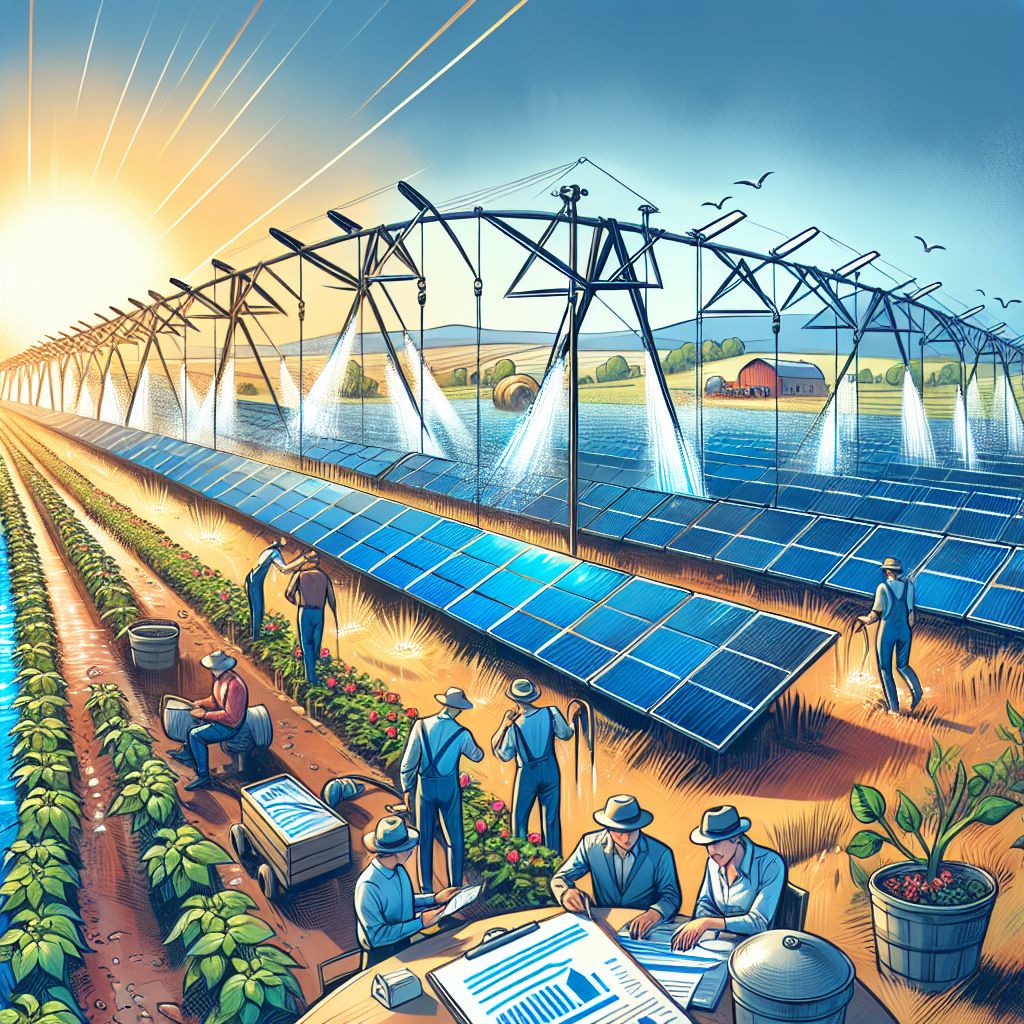
Imagine a farm where the crops are nourished by the most sustainable resource available – the sun. This isn’t a distant dream; it’s a reality made possible through Solar Power Purchase Agreements (PPAs). These agreements are transforming the agricultural landscape, allowing farmers to harness solar energy for irrigation without the burden of significant upfront investment. Let’s delve into how this innovative approach is fueling farms with clean energy and why it might just be the brightest choice for the future of agriculture.
Fueling Farms with Clean Energy
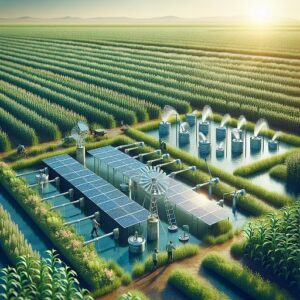
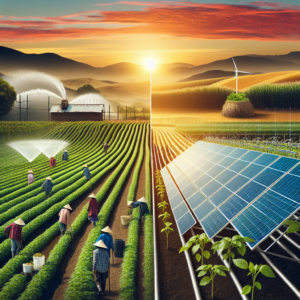
At the core of sustainable farming lies the commitment to using resources that do not deplete the earth. Solar irrigation systems epitomize this ethos. They use photovoltaic panels to capture the sun’s energy, converting it into electricity to power irrigation systems. This means farmers can water their crops using a clean, inexhaustible energy source. And with solar PPAs, accessing this technology has never been easier or more affordable.
Solar PPAs: A Bright Choice for Agriculture
Solar PPAs are a beacon of hope for farmers who want to modernize their operations without the financial strain. A PPA is an agreement where a solar provider installs a solar system on your property at no upfront cost. In return, you purchase the electricity generated at a rate typically lower than the local utility’s price. This arrangement can lead to substantial savings, especially when you consider the rising cost of traditional energy sources.

Understanding Solar Power Purchase Agreements (PPAs)
Solar power is becoming an increasingly attractive option for farmers looking to reduce their energy costs and environmental footprint. Solar Power Purchase Agreements (PPAs) are a popular way for farmers to finance solar installations without having to pay for the upfront costs.
What is a PPA and How Does it Work?
A PPA is a contract between a solar service provider and a customer – in this case, a farmer. The provider installs solar panels on the farm, usually on unused land or rooftops, and maintains the system. As a farmer, you don’t own the solar panels. Instead, you agree to buy the electricity they produce at a set price for a fixed period. This price is often lower than what you would pay your utility company, leading to immediate and long-term cost savings.
Here’s the catch – not all states have the same regulations for PPAs. It’s important to check if your state supports these agreements and under what terms. If it does, you’re in a great position to benefit from this solar opportunity.
All States Do Not Allow PPA: What States Allow PPA
Currently, not every state in the U.S. allows PPAs due to regulatory restrictions. However, many states have recognized the benefits of solar PPAs and have passed legislation to permit them. These states include California, Colorado, and New Jersey, among others. It’s essential to research or consult with a solar provider to understand if your state is PPA-friendly and what that means for your farm.
This below table is showing which U.S. states currently allow and don’t Power Purchase Agreements
|
States Allowing PPAs |
States Not Allowing PPAs |
States Not Allowing PPAs |
|---|---|---|
|
Arkansas 1 |
Alabama |
Minnesota |
|
Alaska |
Mississippi | |
|
Arizona |
Missouri | |
|
California |
Nevada | |
|
Florida |
New Mexico | |
|
Iowa 1 |
Georgia |
New York |
|
Idaho |
North Carolina | |
|
Montana 1 |
Illinois |
North Dakota |
|
Nebraska 1 |
Indiana |
Ohio |
|
New Hampshire 1 |
Kansas |
Oklahoma |
|
Kentucky |
Pennsylvania | |
|
Oregon 1 |
Louisiana |
Puerto Rico |
|
Maine |
South Carolina | |
|
Virginia 1 |
Maryland |
Tennessee |
|
Washington 1 |
Massachusetts |
Texas |
|
Texas |
West Virginia | |
|
Vermont |
Wisconsin | |
|
West Virginia |
Wyoming | |
|
Nevada |
The Structure of a Solar PPA Deal
The structure of a solar PPA is straightforward but requires careful consideration of the terms. Typically, a PPA will outline:
The length of the agreement, which can range from 10 to 25 years.
The rate at which you will buy the electricity, which may include an escalator clause that allows for a small percentage increase annually.
Terms for maintenance and operation of the solar system, which are usually the provider’s responsibility.
Options at the end of the agreement term, such as renewing the PPA, buying the system at fair market value, or having it removed.
Understanding these components will equip you to make an informed decision about whether a PPA aligns with your farm’s financial and sustainability goals.

Advantages of PPAs for Irrigation
Power Purchase Agreements (PPAs) offer numerous advantages for farmers considering solar panels with irrigation systems. By reducing energy costs, increasing crop yield, conserving water, promoting sustainability, and enhancing property value, PPAs can empower farmers to operate more efficiently, profitably, and sustainably in the years to come.
Reducing Water Costs with Solar Energy
Water is the lifeblood of agriculture, but it’s also a significant expense. With solar irrigation systems powered by PPAs, you can cut down on one of the most substantial costs on your farm. By using the sun’s energy to power your irrigation pumps, you’re essentially drawing water at a fraction of the usual cost. Over time, these savings can add up, making a substantial impact on your farm’s bottom line.
Reliable Irrigation in Sun-Soaked Regions
In regions blessed with abundant sunlight, solar irrigation systems are particularly effective. They provide a reliable source of power for irrigation, ensuring that your crops get the water they need, when they need it. This reliability can be a game-changer during peak growing seasons or times of drought when traditional power sources might falter or become too costly.
this below table is outlining the key benefits of using Power Purchase Agreements (PPAs) for solar panels used with irrigation systems on farms:
|
Benefit |
Description |
|---|---|
|
Reduced Energy Costs |
Farmers can significantly reduce their energy costs for irrigation by generating their own solar electricity through a PPA. 2 |
|
Increased Energy Independence |
PPAs provide farmers with greater energy independence by allowing them to generate their own reliable, renewable power on-site ( 2 ). This is especially important for ensuring critical irrigation systems remain operational during power outages. |
|
Diversified Income |
PPAs enable farmers to earn additional income by leasing a portion of their land for solar projects or selling excess energy generated back to the grid (1, 2 ). This diversifies their revenue streams. |
|
Environmental Benefits |
Solar energy from PPAs reduces greenhouse gas emissions and reliance on fossil fuels, aligning with sustainable farming practices ( 2 ). Solar installations can also promote biodiversity by preserving natural habitat and reducing soil erosion. 2 |
|
Tax Incentives |
Farmers can take advantage of tax breaks and rebates like the Federal Investment Tax Credit (ITC) and USDA Rural Energy for America Program (REAP) grants to help finance their solar PPA projects. 2 |
|
Compensation for Grid Outages |
Some PPA contracts include compensation clauses if the grid is unavailable for reasons outside the farmer’s control, providing additional financial protection 3 |

Financial Incentives and Savings with Using PPA
The financial perks of solar PPAs go beyond just lower utility bills. By entering into a PPA, you’re also opening the door to a variety of financial incentives that can further reduce your costs and increase your savings.
Locking in Lower Energy Rates
One of the most appealing aspects of a solar PPA is the ability to lock in lower energy rates. Because you agree to a fixed rate for the electricity produced by the solar panels, you’re shielded from the volatility of energy prices. This predictability is invaluable for budgeting and forecasting, as it provides a clear picture of your energy costs for years to come.
Tax Benefits and Credits
Additionally, you may be eligible for tax benefits and credits. While you’re not the owner of the solar system in a PPA, and therefore don’t directly qualify for tax credits, the savings are often passed on to you through the reduced rate you pay for solar electricity. This indirect benefit can make solar PPAs even more financially attractive.
Real-World Success Stories
Farmers across the globe are reaping the rewards of solar PPAs. From small family-run operations to large-scale agribusinesses, the shift to solar irrigation is proving to be a wise investment.
“After switching to a solar PPA, our farm’s energy bills dropped by 30% in the first year alone. The system has been running smoothly, and we’ve had consistent irrigation even during the hottest months.” – A farmer from California
Case Study: Transitioning to Solar PPA-driven Irrigation
Consider the case of a vineyard in sunny Napa Valley that transitioned to a solar PPA. The vineyard faced high energy costs for irrigation and sought a sustainable solution. By partnering with a solar provider, they installed a state-of-the-art solar irrigation system that reduced their water-related energy costs by over 40%. The vineyard now enjoys a more predictable energy bill and contributes less to greenhouse gas emissions.
“Our vineyard’s move to solar irrigation was not just about cost savings; it was about our commitment to sustainability. The solar PPA made it possible without upfront investment, and we’ve been thrilled with the results.” – Vineyard Owner, Napa Valley
Profiles of Farms Flourishing with PPAs
From dairy farms in Wisconsin to citrus groves in Florida, stories of successful PPA implementations are numerous. These farms are not only seeing reduced energy expenses but are also gaining recognition for their environmental stewardship, which in turn can open doors to new markets and customers who value sustainability.
Getting Started with a Solar PPA on Your Farm
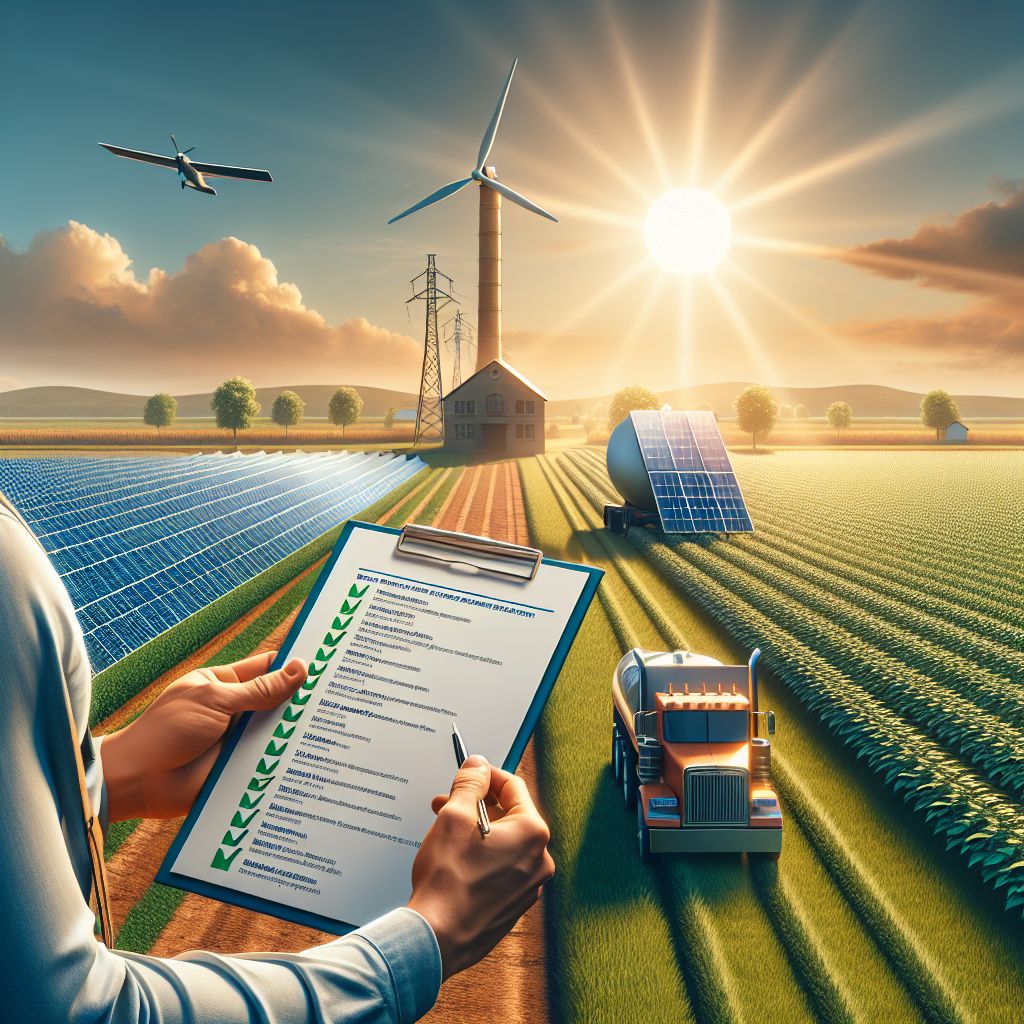
Ready to explore solar PPAs for your farm? The first step is evaluating your farm’s suitability for solar irrigation. This involves assessing factors like land availability, sunlight exposure, and current energy costs. Once you’ve determined that solar is a viable option, the next step is to find a trusted solar PPA provider.
Evaluating Your Farm’s Suitability for Solar Irrigation
To determine if your farm is a good candidate for a solar PPA, consider the following:
Do you have land or rooftops that receive plenty of sunlight throughout the year?
Are your current energy costs for irrigation high?
Is there a solar PPA provider that operates in your state and understands the needs of the agricultural sector?
Answering these questions will give you a clearer idea of whether solar irrigation powered by a PPA is right for your farm.
Conclusion: Is PPA a Good Option for Farmers Looking at Solar Irrigation System
So, should you consider a Solar Power Purchase Agreement for your farm’s irrigation system? The answer largely depends on your specific circumstances, but for many farmers, the benefits are clear. PPAs can provide access to solar energy with no upfront costs, fixed lower energy rates, and minimal maintenance concerns. They can make your farm more sustainable and may even improve your bottom line. However, it’s important to do your homework, understand the terms of the agreement, and ensure it’s a good fit for your farm’s needs and goals.
FAQs
Let’s address some common questions you might have about Solar PPAs.
Can a Solar PPA be Transferred if I Sell My Farm?
Yes, typically a Solar PPA can be transferred to the new owner if you sell your farm. However, this will be subject to approval by the solar provider, and the new owner must agree to the terms of the PPA. It’s essential to include this possibility in your planning and discuss it with potential buyers.
Check the PPA contract for specific transfer terms and conditions.
Inform the solar provider of the potential sale in advance.
Ensure the new owner understands the benefits and obligations of the PPA.
Transferring a PPA can be a smooth process when handled correctly, and it can even be an attractive selling point for your farm.
How Does a Solar PPA Affect My Farm’s Operating Costs?
A Solar PPA can significantly reduce your farm’s operating costs related to irrigation. By locking in lower electricity rates, you’ll save money on what you would otherwise pay to your utility company. Additionally, because the solar provider is responsible for maintenance, you won’t have to worry about unexpected repair costs for the solar equipment.
Most importantly, with a PPA, you can forecast your energy costs more accurately, which is a huge advantage for budgeting and financial planning on your farm.
What Happens at the End of a Solar PPA Contract?
At the end of a Solar PPA contract, you generally have a few options:
Extend the PPA agreement for continued savings on electricity.
Purchase the solar system at fair market value and become the owner.
Have the solar provider remove the system, which is rarely chosen due to the benefits of keeping the system in place.
The choice will depend on the specific terms of your contract and your farm’s needs at that time. It’s important to review these options well before the contract ends so you can make the best decision for your farm’s future.
Are There Any Hidden Costs in a Solar PPA?
While Solar PPAs are designed to be transparent, it’s crucial to read the contract thoroughly and understand all the terms. Some potential costs to be aware of might include:
– Possible escalator clauses that increase the electricity rate annually by a small percentage.
– Any fees related to the transfer of the PPA if you sell your farm.
– Potential costs at the end of the agreement if you choose to purchase the system or have it removed.
Understanding these terms upfront will help you avoid any surprises down the line.
Do Solar PPAs Require Maintenance Costs from the Farmer?
Generally, the solar provider is responsible for the maintenance of the solar system under a PPA. This includes repairs, monitoring, and any necessary upgrades. This maintenance arrangement is one of the significant advantages of a PPA, as it reduces the responsibility and potential costs for the farmer.
However, it’s still important to ensure that these terms are clearly outlined in your PPA contract to avoid any misunderstandings.



Leave a Reply