

Key Takeaways
Solar-powered water pumps can significantly reduce energy costs for farmers, making them a cost-effective solution.
These pumps are environmentally friendly, utilizing renewable energy and reducing carbon footprints.
Solar water pumps are low maintenance, requiring fewer repairs compared to traditional fuel-powered pumps.
There are different types of solar panels suitable for farms, each with its own pros and cons.
Government incentives and grants are available to help offset the initial investment costs.
Using Solar Panels to Power a Water Pump on a Farm
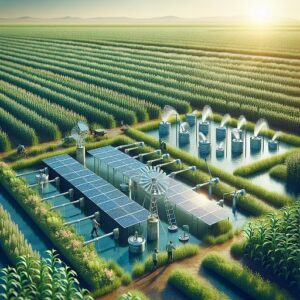
Imagine a farm where water flows effortlessly to the crops without the high costs of electricity or fuel. That’s the promise of solar-powered water pumps. They harness the sun’s energy to deliver water efficiently, making farming more sustainable and cost-effective.
Quick Overview of Solar Water Pump Benefits
Cost Savings: Reduces electricity and fuel costs.
Eco-Friendly: Uses renewable energy, reducing carbon emissions.
Low Maintenance: Fewer moving parts mean less wear and tear.
Remote Access: Ideal for farms far from the power grid.
Government Support: Grants and incentives can lower initial costs.
Let’s dive deeper into how these benefits translate into real-world advantages for farmers.
Potential Cost Savings for Farmers
One of the most compelling reasons to switch to solar-powered water pumps is the potential for significant cost savings. Traditional pumps rely on electricity or fuel, both of which can be expensive and subject to price fluctuations. In contrast, solar energy is free once you’ve installed the panels.
For example, a farmer in North Dakota found that switching to a solar-powered pump reduced their annual energy costs by nearly 50%. This kind of saving can make a big difference, especially for small farms operating on tight margins.
Environmental Impact and Sustainability
Besides cost savings, solar-powered water pumps offer substantial environmental benefits. They use renewable energy, which means they don’t produce greenhouse gases or other pollutants. This makes them an excellent choice for farmers looking to reduce their carbon footprint and contribute to a more sustainable future.
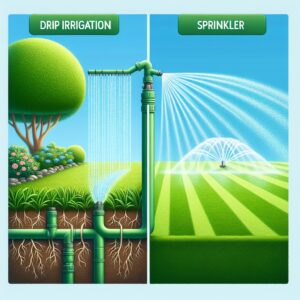
Additionally, these pumps help conserve water. Traditional irrigation systems can be wasteful, but solar-powered systems often come with advanced monitoring and control features that optimize water usage based on real-time data. This ensures that crops get the right amount of water without any waste.

Why Choose Solar Powered Water Pumps?
Understanding Solar Energy and its Efficiency
Solar energy is one of the most abundant and sustainable energy sources available. Solar panels convert sunlight into electricity, which can then be used to power water pumps. The efficiency of solar panels has improved significantly over the years, making them a viable option for various applications, including farming.
“PV systems are very cost-effective for remote livestock water supply, small irrigation systems, and pond aeration.” – USDA Report, 2011
This means that even in areas without access to the power grid, farmers can still benefit from reliable and efficient water pumping solutions.
Cost Comparison: Solar vs. Fuel-Powered Pumps
When considering the switch to solar-powered water pumps, it’s essential to compare the costs with traditional fuel-powered pumps. Here’s a quick comparison:
|
Aspect |
Solar-Powered Pump |
Fuel-Powered Pump |
|---|---|---|
|
Initial Cost |
Higher |
Lower |
|
Operating Cost |
Low (free sunlight) |
High (fuel costs) |
|
Maintenance |
Low |
High |
|
Environmental Impact |
Low (renewable energy) |
High (emissions) |
While the initial cost of a solar-powered pump can be higher, the long-term savings on operating and maintenance costs make it a more economical choice over time.
Environmental Benefits of Solar Power
Solar power is not just about saving money; it’s also about protecting the environment. Traditional fuel-powered pumps emit carbon dioxide and other pollutants, contributing to climate change. In contrast, solar-powered pumps produce clean energy, helping to reduce your farm’s overall carbon footprint.
Here is a table summarizing the benefits of using solar panels to power a water pump on a farm:
|
Benefit |
Description |
Source |
|---|---|---|
|
Cost Savings |
Solar pumps use free solar energy, reducing electricity and fuel costs significantly. | |
|
Minimal Maintenance |
Solar pumps have fewer mechanical parts and require less maintenance compared to traditional pumps. | |
|
Easy Installation |
Installation is straightforward and does not require extensive wiring or digging for power lines. | |
|
Environmental Sustainability |
Solar pumps produce no emissions, reducing the carbon footprint and environmental impact. | |
|
Reliability |
They provide a consistent water supply, even in remote areas without access to the electrical grid. | |
|
Versatility |
Solar pumps can be used for various tasks such as irrigation, livestock watering, and aquaculture. |
3, |
|
Long-Term Investment |
Solar panels have a long lifespan (25-30 years), ensuring long-term reliability and cost-effectiveness. | |
|
Portability |
Solar pump systems can be easily relocated based on seasonal needs or crop rotation. | |
|
High Efficiency |
Advances in solar technology have increased the efficiency of solar pump systems. |
Moreover, using solar power aligns with global efforts to transition to renewable energy sources. By adopting solar-powered water pumps, farmers can play a crucial role in this transition, promoting a more sustainable and eco-friendly agricultural industry.
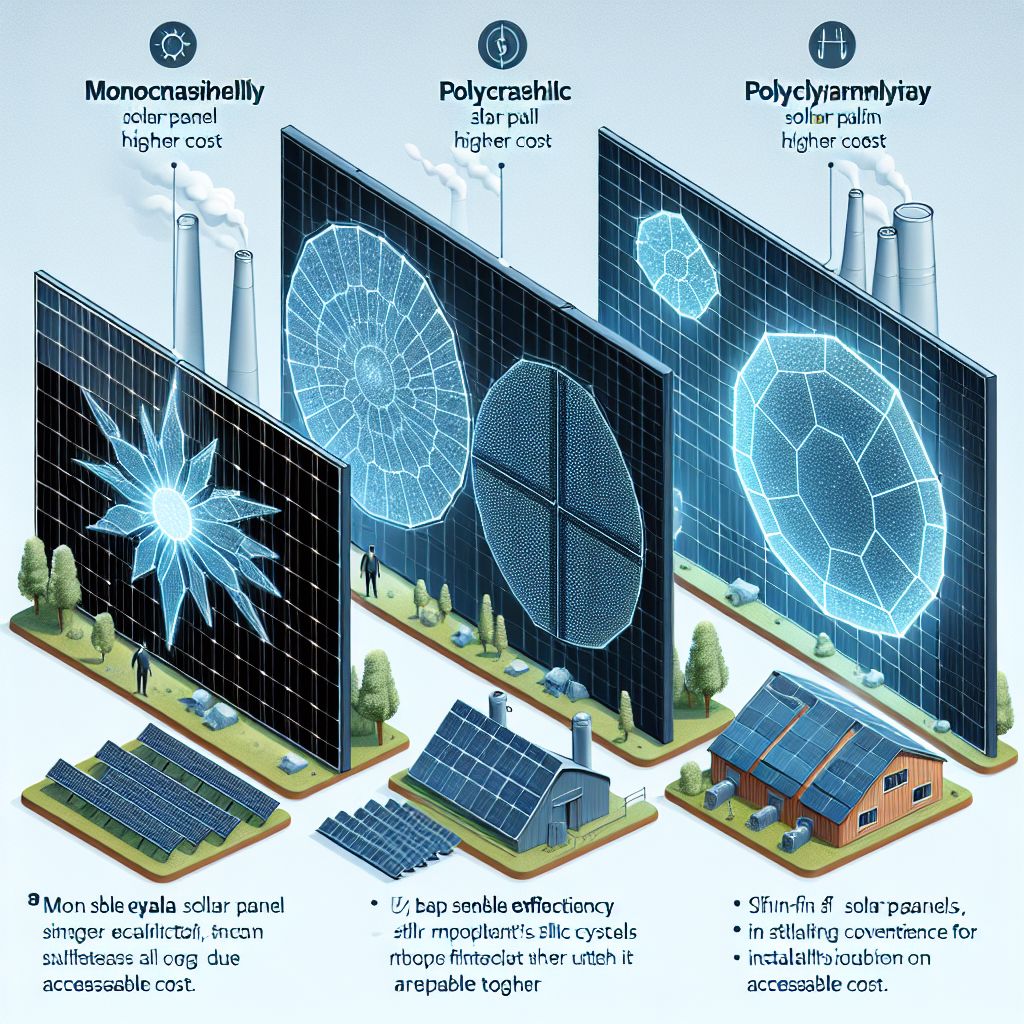
Types of Solar Panels Suitable for Farms
Not all solar panels are created equal. There are different types of solar panels, each with its own set of advantages and disadvantages. Understanding these differences can help you choose the best option for your farm.
Monocrystalline Solar Panels
Monocrystalline panels are known for their high efficiency and long lifespan. They are made from a single crystal structure, which allows them to convert sunlight into electricity more effectively. However, they tend to be more expensive than other types of panels.
Polycrystalline Solar Panels
Polycrystalline solar panels are made from silicon crystals that have been melted together. They are slightly less efficient than monocrystalline panels but are more affordable, making them a popular choice for many farmers. These panels have a bluish hue and tend to have a shorter lifespan compared to monocrystalline panels.
Polycrystalline panels are a good option if you’re looking for a balance between cost and efficiency. They are particularly useful for farms that have ample space to install a larger array of panels to meet their energy needs. For more information, check out this guide on solar powered water pumps.
Thin-Film Solar Panels
Thin-film solar panels are made by depositing one or more layers of photovoltaic material onto a substrate. They are the least efficient type of solar panels but are also the most flexible and lightweight. This makes them ideal for applications where traditional panels might be too bulky or heavy.
These panels can be installed on various surfaces, including curved or irregularly shaped areas, making them versatile. However, their lower efficiency means you’ll need more panels to generate the same amount of power as you would with monocrystalline or polycrystalline panels.
Here is a table showing the pros and cons of using different types of solar panels with an irrigation system on a farm:
|
Panel Type |
Pros |
Cons |
|---|---|---|
|
Monocrystalline Panels |
– High efficiency (15-22%), producing more power per square foot. 1, 2, 4 | |
|
Polycrystalline Panels |
– Lower upfront cost than monocrystalline. 1, 2 |
– Lower efficiency and shorter lifespan than monocrystalline. 2, 4 |
|
Thin-Film Solar Panels |
– Lowest upfront cost. 1, 2 |
– Lowest efficiency (7-13%). 2, 4 |
Which Type Is Best for Your Farm?
Choosing the right type of solar panel for your farm depends on several factors, including your budget, space availability, and energy needs.
Ultimately, the best choice will depend on your specific circumstances. Consider your energy requirements, available space, and budget when making your decision. For more information, check out the best solar panels for a farm.

Installation and Maintenance
Installing a solar water pump system on your farm involves several steps, from selecting the right equipment to ensuring proper maintenance. Here’s a guide to help you through the process, including tips on efficient solar-powered irrigation systems.
Steps to Install a Solar Water Pump System
Installing a solar water pump system might seem daunting, but breaking it down into manageable steps can make the process easier. For example, you can start by researching efficient solar-powered irrigation systems to understand the best practices and technologies available. Here’s what you need to do:
Assess Your Water Needs: Determine the amount of water your farm requires and the flow rate needed.
Choose the Right Pump: Select a solar water pump that meets your water needs and is compatible with your chosen solar panels.
Design the System: Plan the layout of your solar panels and water pump system, considering factors like sunlight exposure and water source location.
Install the Solar Panels: Set up the solar panels in a location with maximum sunlight exposure. Ensure they are securely mounted and angled correctly.
Connect the Pump: Connect the solar panels to the water pump using appropriate wiring and controllers.
Test the System: Once everything is connected, test the system to ensure it operates correctly and efficiently.
Maintenance Requirements and Tips
Solar water pump systems are relatively low maintenance, but regular checks can help ensure they operate efficiently. Here are some tips:
For more detailed information on solar-powered irrigation, you can refer to solar-powered irrigation systems for growing pecans.
Clean the Solar Panels: Dust and debris can reduce the efficiency of your solar panels. Clean them regularly with water and a soft cloth.
Inspect Connections: Check the wiring and connections periodically to ensure they are secure and free from damage.
Monitor Performance: Keep an eye on the system’s performance to detect any issues early. Many systems come with monitoring software to help with this.
Service the Pump: Follow the manufacturer’s guidelines for servicing the water pump to keep it in good working condition.
Troubleshooting Common Issues
Even with regular maintenance, you may encounter some issues with your solar water pump system. Here are some common problems and how to fix them:
Low Water Flow: Check for blockages in the pump or pipes. Ensure the solar panels are clean and receiving adequate sunlight.
System Not Working: Verify all connections are secure and the solar panels are generating electricity. Check the controller for any error messages.
Intermittent Operation: This could be due to shading on the solar panels or a weak battery (if used). Ensure the panels are in full sunlight and the battery is charged.

Integrating Solar Panels into Existing Irrigation Systems
If you already have an irrigation system in place, integrating solar panels can enhance its efficiency and sustainability. Here’s how to make the transition smoothly.
Compatibility and Adaptation
First, assess whether your existing irrigation system is compatible with a solar-powered water pump. Most systems can be adapted, but you may need to make some modifications. Consult with a solar energy expert to evaluate your setup and recommend the best approach.
Remote Monitoring and Control
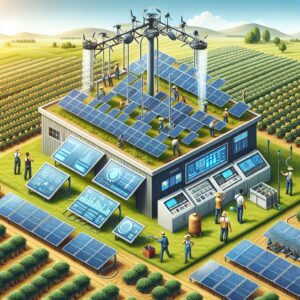
Modern solar water pump systems often come with remote monitoring and control features. These allow you to manage and optimize water delivery based on real-time data, weather conditions, and crop needs. Remote monitoring can help you detect issues early and make adjustments without being on-site. Learn more about solar panels for a farm to enhance your irrigation system.
Cost and Installation Time
Integrating solar panels into an existing irrigation system can be cost-effective, especially if you take advantage of government incentives. The installation time will vary depending on the complexity of your system and the modifications needed. On average, it can take a few days to a couple of weeks to complete the installation.

Case Studies
Real-world examples can provide valuable insights into the benefits and challenges of using solar-powered water pumps. Let’s look at a few case studies to see how farmers have successfully implemented these systems.
Verendrye Electric Cooperative, North Dakota
The Verendrye Electric Cooperative in North Dakota has been a pioneer in promoting solar energy for agricultural use. They have helped several farmers switch to solar-powered water pumps, leading to significant cost savings and improved sustainability.
An Example of Efficient Watering for Cattle
One farmer, in particular, found that using a solar-powered water pump for cattle watering made a substantial difference. The system provided a reliable water supply even in remote pastures, reducing the need for manual water hauling.
Reduced Labor: The farmer no longer had to transport water manually, saving time and effort.
Consistent Water Supply: The solar-powered pump ensured a steady water supply, improving the health and productivity of the cattle.
Cost Savings: Lower energy costs resulted in significant financial savings over time.
These case studies highlight the practical benefits of solar-powered water pumps and demonstrate how they can be a game-changer for farmers.
Lessons Learned and Best Practices
Through various case studies and real-world applications, it’s clear that solar-powered water pumps offer numerous benefits. However, there are some best practices to keep in mind to maximize these benefits. First, ensure you choose the right type of solar panel for your specific needs. Monocrystalline panels are efficient but more expensive, while polycrystalline panels offer a good balance between cost and efficiency. Thin-film panels are versatile but less efficient.
Second, regular maintenance is crucial. Clean your solar panels regularly to maintain their efficiency, and inspect all connections to ensure everything is working correctly. Monitoring the system’s performance can help you detect issues early and make necessary adjustments. For more tips, check out this guide on best solar panels for a farm.
Lastly, take advantage of government incentives and grants to offset the initial costs. Many regions offer financial support for renewable energy projects, making solar-powered water pumps more affordable.

Government Support and Incentives
Government support can significantly reduce the financial burden of installing a solar-powered water pump system. Many countries and regions offer incentives, grants, and subsidies to encourage the adoption of renewable energy technologies. These programs can cover a substantial portion of the installation costs, making it easier for farmers to make the switch.
It’s essential to research the available programs in your area and understand the application process. Some programs may require specific documentation or compliance with certain standards, so being well-prepared can increase your chances of receiving support.
Incentives and Grants for Solar Projects
Incentives and grants for solar projects can come from various sources, including federal, state, and local governments. These programs aim to promote renewable energy adoption by reducing the upfront costs associated with solar installations.
For example, in the United States, the USDA offers grants and loans through the Rural Energy for America Program (REAP) to support renewable energy systems for agricultural producers. Similarly, many states have their own incentive programs that provide rebates or tax credits for solar installations.
Steps to Apply for Government Programs
Applying for government programs can be straightforward if you follow these steps:
Research Available Programs: Identify the incentives and grants available in your area.
Gather Documentation: Prepare necessary documents, such as proof of ownership, energy usage data, and project plans.
Submit Application: Complete and submit the application forms, ensuring all required information is included.
Follow Up: Keep track of your application status and respond promptly to any requests for additional information.
Maximizing Financial Support
To maximize financial support, consider combining multiple incentives and grants. For example, you might be eligible for federal, state, and local programs simultaneously. Additionally, some utility companies offer rebates for solar installations, providing another potential source of funding.
Consult with a solar energy expert or financial advisor to explore all available options and develop a strategy to maximize your financial support. This can help reduce the overall cost of your solar-powered water pump system and improve your return on investment.

Conclusion:
Switching to a solar-powered water pump on your farm can be a game-changer. It offers significant cost savings, reduces your environmental impact, and provides a reliable water supply even in remote areas. By understanding the different types of solar panels, following best practices for installation and maintenance, and taking advantage of government incentives, you can make the transition smoothly and enjoy the long-term benefits.
Is Using Solar Panels to Power a Water Pump on a Farm a Good Idea
Yes, using solar panels to power a water pump on a farm is a good idea. The long-term cost savings, environmental benefits, and reliability make it a smart investment for any farmer. By choosing the right equipment and following best practices, you can create a sustainable and efficient irrigation system that will benefit your farm for years to come.
Frequently Asked Questions (FAQ)
Here are some common questions about using solar panels to power a water pump on a farm:
How Much Does a Solar Water Pump System Cost?
The cost of a solar water pump system can vary depending on the size and complexity of the system. On average, a basic system can cost between $2,000 and $5,000. However, larger systems with higher capacity can cost upwards of $10,000. It’s important to factor in the potential savings on energy costs and the availability of government incentives when considering the overall cost.
What Are the Main Benefits of Using Solar for Irrigation?
Using solar for irrigation offers several benefits, including: saving big for remote farm uses.
Reduced energy costs
Environmental sustainability
Reliable water supply in remote areas
Low maintenance requirements
Government incentives and financial support
How Long Does It Take to Install?
The installation time for a solar water pump system can vary depending on the complexity of the project. On average, it can take a few days to a couple of weeks to complete the installation. Factors such as the size of the system, site preparation, and weather conditions can affect the installation timeline.
Are There Maintenance Costs Involved?
Yes, there are maintenance costs involved, but they are generally low compared to traditional fuel-powered pumps. Regular cleaning of the solar panels, inspection of connections, and periodic servicing of the water pump are necessary to ensure optimal performance. These maintenance tasks are relatively simple and can often be done by the farmer.



Leave a Reply