
Key Takeaways
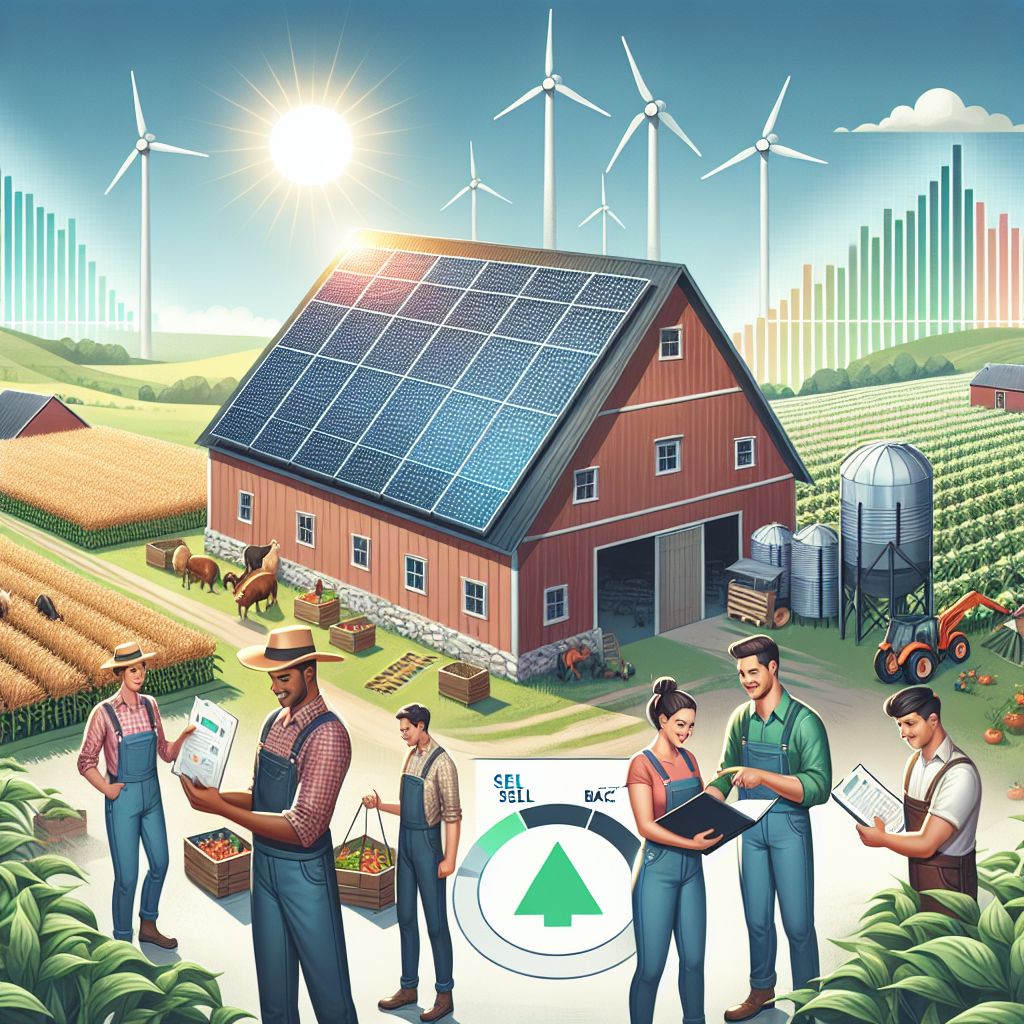
- Farmers can save 50% or more on energy bills by switching to solar power.
- Solar systems can be installed for as little as $15,000 with available incentives.
- Many governments offer tax credits covering up to 30% of solar installation costs.
- Solar energy reduces carbon emissions, promoting sustainable farming.
- Farmers can earn additional income by selling excess solar energy back to the grid.
Introduction to Solar Power for Farmers: Achieving Energy Independence and Savings
Imagine a world where farmers can generate their own electricity, drastically reduce their energy bills, and contribute to a healthier planet. This is not just a dream—it’s a reality with solar power. Solar energy is transforming the agricultural landscape, offering farmers a sustainable, cost-effective solution to their energy needs.
Solar power is more than just an alternative energy source; it’s a tool for achieving energy independence and financial savings. By harnessing the sun’s energy, farmers can power their operations, reduce their reliance on fossil fuels, and significantly lower their environmental impact.
Why Solar Power is Ideal for Farmers
Farms are often located in areas with abundant sunlight, making them perfect candidates for solar energy. Solar panels can be installed on rooftops, open fields, or even on specialized structures designed to provide shade for crops and livestock while generating electricity.
Moreover, the energy needs of farms are substantial. From running irrigation systems to powering machinery, the demand for reliable and affordable energy is ever-present. Solar power provides a dependable solution that can meet these needs without the volatility of traditional energy sources.
Quick Benefits of Solar in Agriculture
Switching to solar power offers numerous advantages for farmers, including cost savings and efficiency. Learn more about the benefits of solar-powered drip irrigation systems for agricultural use.
- Cost Savings: Solar energy can dramatically reduce electricity bills, freeing up resources for other critical areas.
- Energy Independence: By generating their own power, farmers are less susceptible to market fluctuations and energy price hikes.
- Environmental Impact: Solar power reduces reliance on fossil fuels, cutting greenhouse gas emissions and promoting sustainable farming practices.
- Increased Property Value: Farms with solar installations are often valued higher due to the potential for lower operational costs.
Energy Independence with Solar Technology
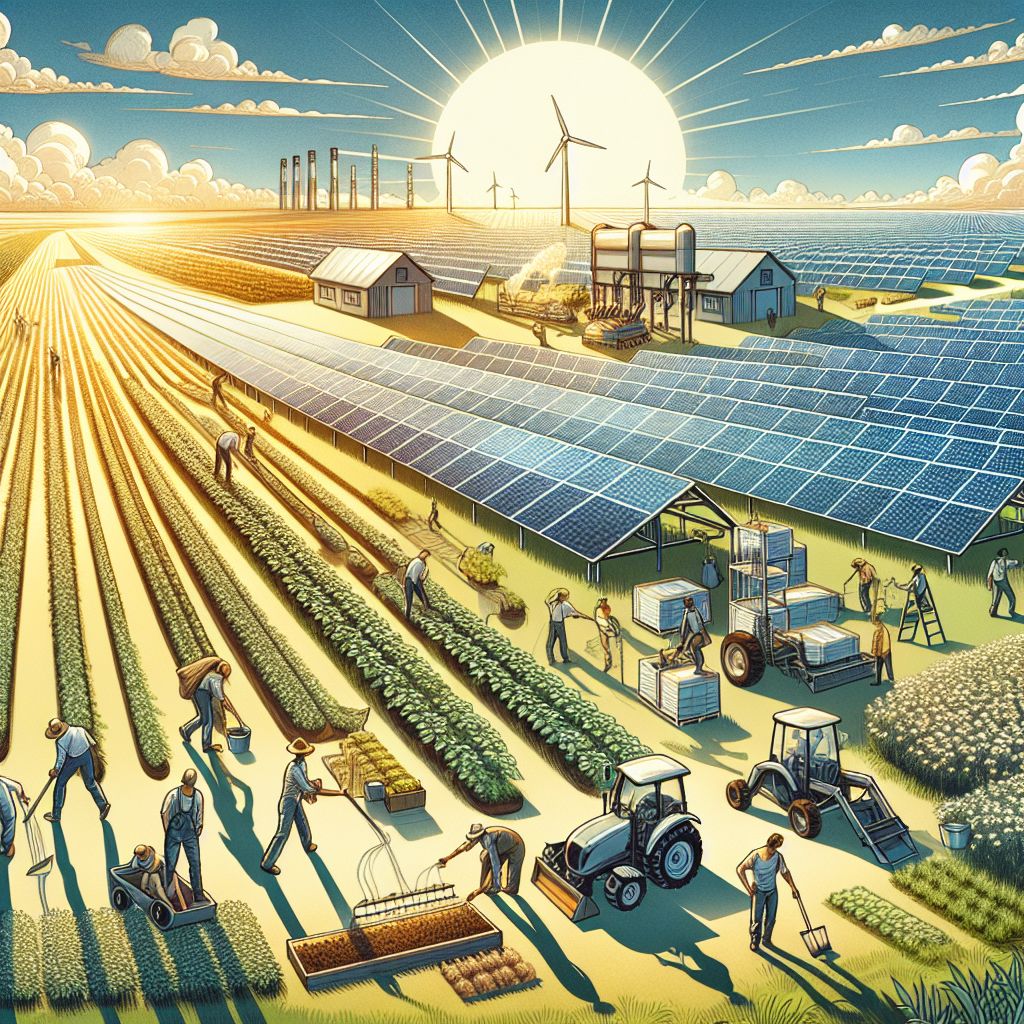
Energy independence is a powerful concept, particularly for farmers who rely heavily on consistent and affordable energy. Solar technology provides a pathway to achieve this independence by allowing farmers to produce their own electricity.
Generating On-Site Electricity
One of the most significant advantages of solar power is the ability to generate electricity on-site. This means farmers can produce the energy they need directly from their land, without depending on external power sources. On-site generation reduces the risk of power outages and provides a reliable energy supply year-round.
Reducing Dependence on Fossil Fuels
Fossil fuels have long been the backbone of agricultural energy, but their environmental impact and price volatility pose significant challenges. By transitioning to solar power, farmers can reduce their dependence on these non-renewable resources. This shift not only benefits the environment but also enhances the stability and predictability of energy costs.
Benefits of Energy Resilience
- Consistent Power Supply: Solar systems can provide a steady source of electricity, even during grid disruptions.
- Climate Adaptability: Solar power is less susceptible to climate-related disruptions compared to traditional energy sources.
- Long-term Sustainability: With solar, farmers invest in a future-proof energy solution that supports sustainable agricultural practices.
By embracing solar technology, farmers not only gain energy independence but also contribute to a more sustainable and resilient agricultural sector.
Here’s a table discussing the benefits of being Energy Independent with Solar Technology:
|
Benefit |
Description |
|---|---|
|
Reduced Energy Bills |
Solar panels can significantly lower monthly utility costs by generating your own electricity. 1, 4 |
|
Protection Against Rising Costs |
Solar energy shields you from fluctuating utility rates and inflation-driven price increases. 1 |
|
Environmental Impact |
Solar power reduces carbon footprint and air pollution, contributing to a cleaner environment. 2 |
|
Energy Security |
Generating your own power decreases reliance on the grid, providing protection against outages. 1, 3 |
|
Financial Incentives |
Government tax credits, rebates, and other incentives can offset initial installation costs. 2 |
|
Increased Property Value |
Solar installations can boost home value, offering a return on investment. 2 |
|
Grid Independence |
With battery storage, you can operate off-grid during outages or in remote locations. 3, 4 |
|
Technological Advancements |
Ongoing innovations in solar and battery technology continue to improve efficiency and affordability. 3 |
|
Economic Growth |
Supporting the solar industry contributes to job creation and local economic development. 2, 3 |
|
Sustainable Resource Use |
Solar energy reduces dependence on finite fossil fuels, conserving natural resources. 2 |
|
Energy Price Stability |
By generating your own power, you’re less affected by market fluctuations in energy prices. 4 |
This table summarizes the key benefits of achieving energy independence through solar technology, encompassing financial, environmental, and societal advantages.

Cost Savings for Achieving Solar Power Energy Independence for Farmers
In an era where sustainability and economic efficiency are paramount, farmers are exploring innovative ways to reduce costs while ensuring the longevity of their operations. One of the most impactful solutions gaining traction is solar power. Achieving energy independence through solar energy not only contributes to environmental sustainability but also offers significant financial advantages.
The transition to solar power represents an exciting opportunity for farmers seeking cost savings and energy independence. While the journey may involve initial investments, the long-term financial, environmental, and operational benefits are undeniable. By embracing solar technology, farmers can not only enhance the sustainability of their operations but also secure their economic future in an ever-changing agricultural landscape. Investing in solar power is not just a smart financial decision; it’s a step toward a sustainable future for farmers and the communities they serve.
Initial Investment vs Long-term Savings
The decision to invest in solar energy is multifaceted and should be tailored to each individual farm’s circumstances. While the initial investment might feel substantial, the long-term savings and benefits can far outweigh the costs. Given the decreasing prices of solar technology, the increasing cost of traditional energy, and the numerous incentives available, now is an opportune time for farmers to consider solar power as a viable pathway to energy independence.
Transitioning to solar not only represents a significant step towards sustainability but can also lay the groundwork for a more financially secure future. By evaluating their unique energy needs and understanding both upfront costs and long-term savings, farmers can make informed decisions and reap the numerous benefits that solar energy has to offer. With the right planning, solar power could very well become the golden sunbeam of financial and operational independence for farmers looking to thrive in a changing world.
Incentives and Government Support
Switching to solar power can be a significant investment, but thankfully, there are numerous incentives and government programs designed to ease the financial burden for farmers. These incentives can make solar installations more accessible and affordable, ultimately leading to substantial long-term savings. For more on how solar technology can reduce fossil fuel dependency, explore sustainable farming with solar technology.
Many governments offer tax credits, grants, and low-interest loans specifically for renewable energy projects. For example, in the United States, the federal Investment Tax Credit (ITC) allows farmers to deduct 30% of the cost of installing a solar energy system from their federal taxes. Additionally, state and local programs often provide further financial assistance. For those interested in sustainable farming, using solar technology can significantly reduce fossil fuel dependency.
Monetizing Excess Energy
Besides reducing energy bills, solar power offers farmers the opportunity to generate additional income through net metering and feed-in tariff programs. These programs allow farmers to sell excess electricity generated by their solar systems back to the grid.
Net metering is a billing mechanism that credits solar energy system owners for the electricity they add to the grid. If a farm’s solar panels produce more electricity than the farm uses, the excess energy is sent to the grid, and the farmer receives a credit on their utility bill. In some regions, feed-in tariffs provide fixed payments for the electricity generated by renewable energy sources, ensuring a steady income stream.
Environmental Benefits of Solar Power
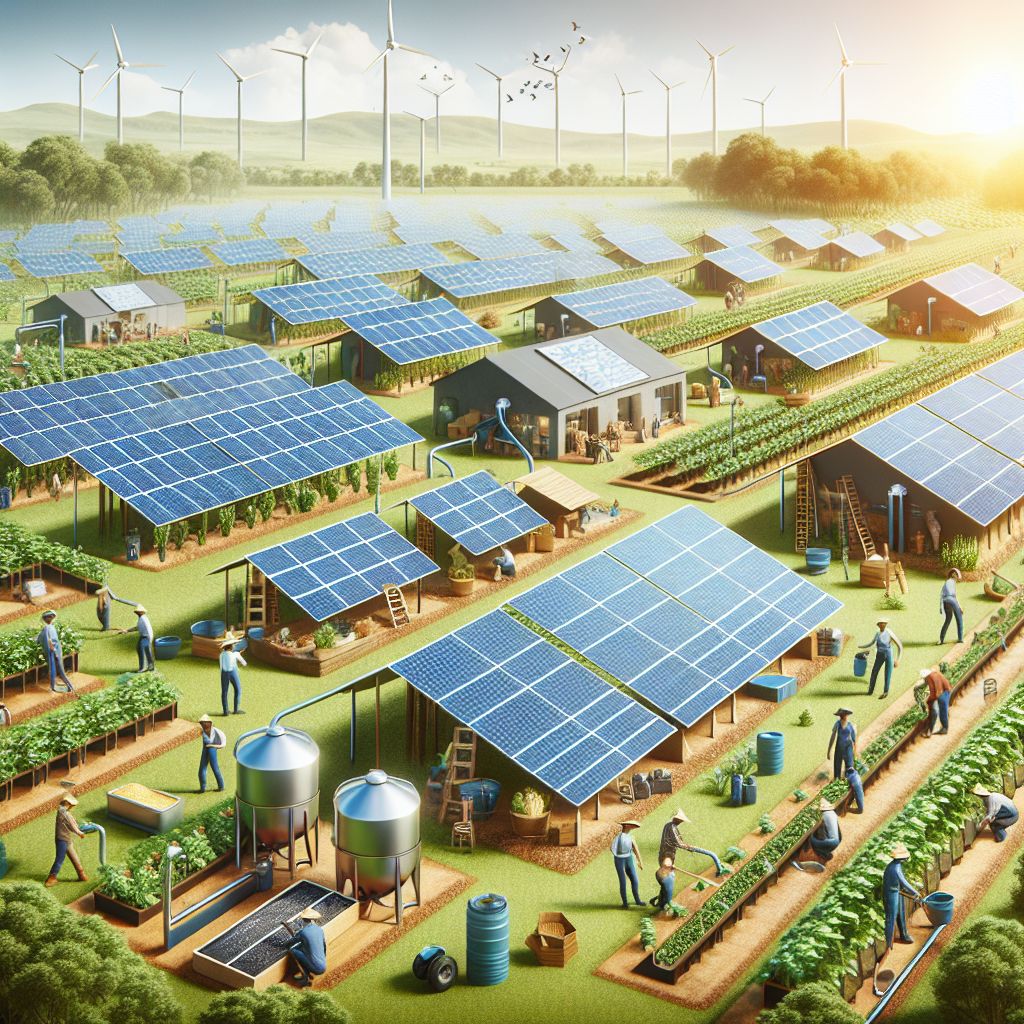
Embracing solar power goes beyond financial and energy independence benefits; it also significantly contributes to environmental sustainability. By reducing reliance on fossil fuels, solar energy helps mitigate climate change and promotes healthier ecosystems.
Lowering Carbon Footprint
Solar energy is a clean, renewable resource that generates electricity without emitting greenhouse gases. By adopting solar technology, farmers can significantly lower their carbon footprint, contributing to global efforts to combat climate change. This reduction in emissions is crucial for preserving natural resources and ensuring a sustainable future for agriculture.
In addition to reducing carbon emissions, solar power minimizes other environmental impacts associated with fossil fuel extraction and combustion, such as air and water pollution. This makes solar energy an environmentally friendly choice for forward-thinking farmers.
Contributing to Sustainable Farming
Sustainable farming practices aim to balance productivity with environmental stewardship. Solar power aligns perfectly with these goals by providing a renewable energy source that supports efficient, eco-friendly agricultural operations.
Solar energy systems can power various farm activities, from irrigation to grain drying, without depleting natural resources. By integrating solar technology into their operations, farmers can enhance their sustainability credentials and appeal to environmentally conscious consumers.
Implementing Solar Technology on Farms to Help Achieve Energy Independence
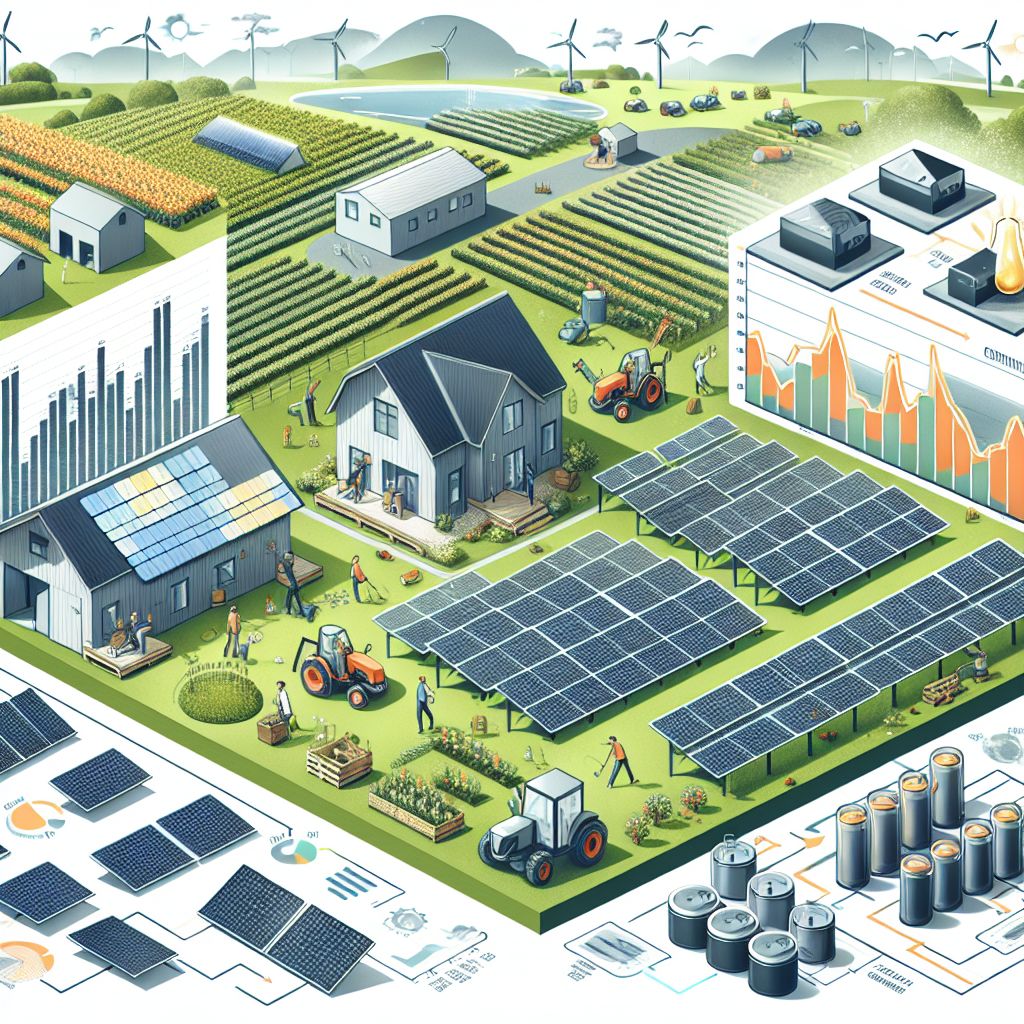
Transitioning to solar power requires careful planning and consideration. Farmers must assess their energy needs, choose appropriate technology, and navigate the installation process to maximize the benefits of solar energy.
Conducting a Comprehensive Energy Audit
- Evaluate current energy consumption patterns and identify areas for improvement.
- Determine the farm’s total energy demand and potential solar capacity.
- Assess the feasibility of solar installations on available land or structures.
An energy audit is a critical first step in implementing solar technology on a farm. By understanding current energy usage, farmers can make informed decisions about the size and type of solar system needed to meet their specific requirements.
This process involves analyzing energy bills, identifying peak usage times, and evaluating the efficiency of existing equipment. With this information, farmers can pinpoint opportunities for energy savings and determine the optimal solar system configuration.
Choosing the Right Solar System
Once the energy audit is complete, farmers must select a solar system that aligns with their needs and budget. There are various types of solar panels and configurations available, each with its own advantages and considerations.
Integrating Energy Storage Systems
To enhance the reliability and efficiency of solar power, many farmers choose to integrate energy storage systems, such as batteries, into their solar installations. These systems store excess energy generated during sunny periods for use during cloudy days or at night.
Energy storage systems ensure a consistent power supply, reducing reliance on the grid and further enhancing energy independence. By storing surplus energy, farmers can maximize the value of their solar investment and maintain uninterrupted operations, regardless of weather conditions. For more information on optimizing solar energy in agriculture, consider exploring the benefits of different solar panel types for agriculture.
Final Thoughts on Achieving Energy Independence with Solar Power in Farming
Solar power offers a transformative opportunity for farmers seeking energy independence and cost savings. By harnessing the sun’s energy, farmers can reduce their reliance on traditional energy sources, cut operational costs, and contribute to a more sustainable agricultural future. The journey to solar adoption may require initial investment and planning, but the long-term benefits make it a worthwhile endeavor. Learn more about how sustainable farming with solar technology can reduce fossil fuel dependency.
Summary of Key Points
Solar power provides farmers with a reliable, renewable energy source that supports energy independence and financial savings. By conducting energy audits, choosing appropriate solar systems, and leveraging government incentives, farmers can effectively integrate solar technology into their operations. Additionally, solar energy contributes to environmental sustainability by reducing carbon emissions and promoting eco-friendly farming practices.
Call to Action for Farmers
If you’re a farmer looking to enhance your energy independence and reduce costs, consider exploring solar power options. Start by conducting an energy audit to understand your current consumption and identify opportunities for improvement. Research available solar technologies and consult with experts to determine the best fit for your farm.
- Investigate government incentives and financial programs that can offset installation costs.
- Consider integrating energy storage systems to maximize the benefits of your solar investment.
- Reach out to other farmers who have successfully implemented solar technology for insights and advice.
By taking these steps, you can position your farm for a more sustainable and resilient future powered by the sun.
Frequently Asked Questions (FAQ)
Farmers often have questions about the logistics and benefits of adopting solar power. Here are some common inquiries and their answers to help guide your decision-making process. For more detailed insights, you can explore the benefits of implementing solar systems in agriculture.
What are the initial costs of installing solar panels on a farm?
The initial cost of installing solar panels can vary widely based on the size of the system and specific site conditions. Generally, farmers can expect to invest anywhere from $15,000 to $50,000 for a solar installation. However, this cost can be significantly reduced through government incentives and tax credits.
How long does it take for solar systems to pay for themselves?
The payback period for solar systems typically ranges from 5 to 10 years, depending on factors such as energy savings, installation costs, and available incentives. After this period, farmers can enjoy free electricity for the remainder of the system’s lifespan, which often exceeds 25 years.
What types of incentives are available for farmers installing solar?
Farmers can access various incentives to offset the cost of solar installations. These include federal tax credits, state-specific programs, grants, and low-interest loans. For example, the federal Investment Tax Credit (ITC) allows farmers to deduct 30% of their solar installation costs from their taxes. It’s essential to research and apply for these incentives to maximize savings. Additionally, sustainable farming with solar technology can significantly reduce dependency on fossil fuels.
- Federal Investment Tax Credit (ITC)
- State and local grants and rebates
- USDA Rural Energy for America Program (REAP) grants
Can solar power be used for all types of farming equipment?
Yes, solar power can be used to operate a wide range of farming equipment, from irrigation systems to electric vehicles and machinery. Solar technology is versatile and can be tailored to meet the specific energy needs of various agricultural operations.
What are the environmental impacts of using solar energy on farms?
Solar energy significantly reduces the environmental impact of farming by lowering carbon emissions and decreasing reliance on fossil fuels. It also reduces air and water pollution associated with traditional energy sources, contributing to healthier ecosystems and sustainable agricultural practices.
By adopting solar power, farmers not only enhance their operations but also contribute to global efforts to combat climate change and preserve natural resources for future generations. Learn more about sustainable farming with solar technology.
Ultimately, solar power empowers farmers to take control of their energy future, ensuring a sustainable and prosperous path forward. To learn more about the benefits of implementing solar systems in agriculture, explore our resources.







Leave a Reply