
Key Takeaways
Lithium-ion batteries have high energy efficiency, making them ideal for agricultural applications.
These batteries offer a longer lifespan compared to traditional batteries, reducing replacement costs.
Solar lithium-ion batteries significantly cut operational costs for farmers.
Using these batteries helps reduce the environmental footprint of farming practices.
Solar lithium-ion batteries are versatile and can be used for various agricultural needs, from irrigation to powering farm buildings.
Science Behind Solar Lithium-Ion Batteries: Benefits in Agriculture
Why Solar Lithium-Ion Batteries Matter for Farms
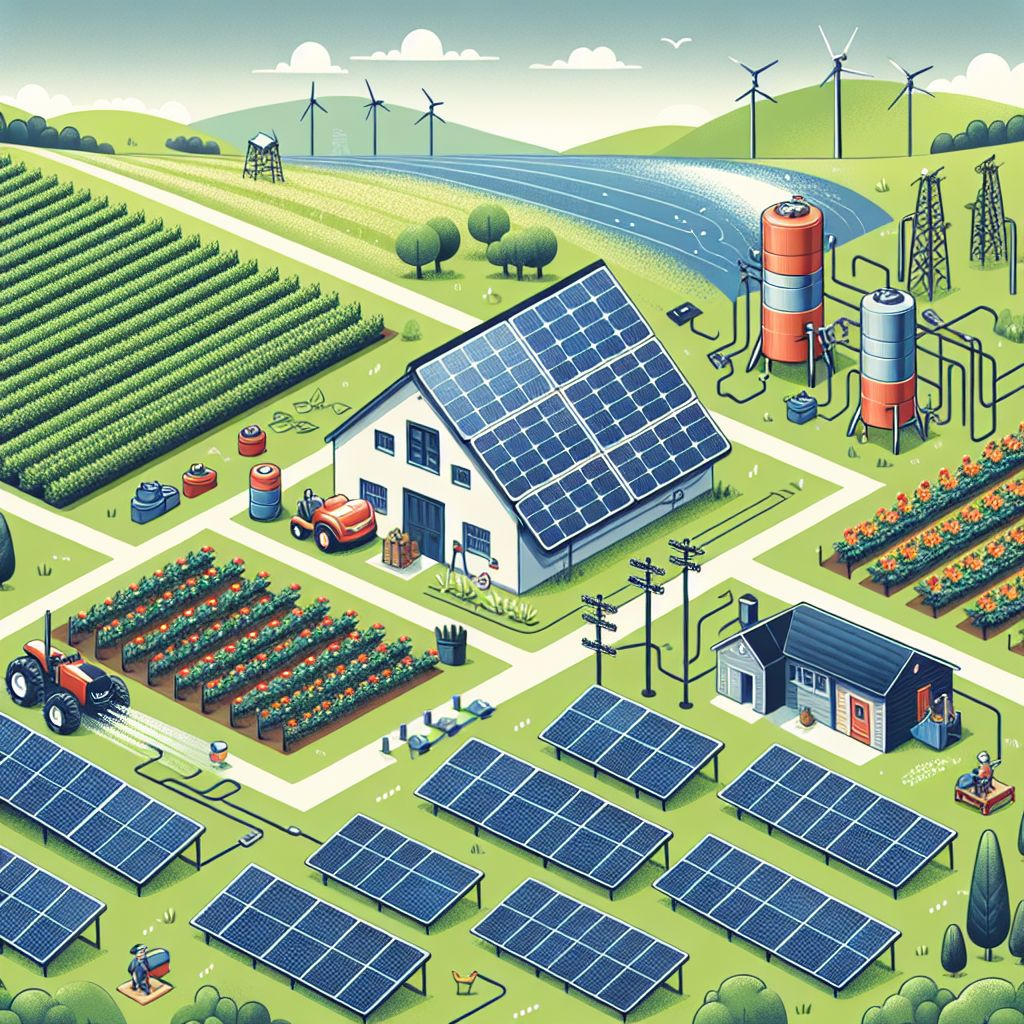
Farming is evolving, and with it, the tools we use to make it more efficient and sustainable. One of these tools is the solar lithium-ion battery. These batteries store energy captured from the sun, making it available for use even when the sun isn’t shining. This is crucial for farms, which often need reliable power around the clock.
Most importantly, solar lithium-ion batteries provide a sustainable energy solution. They help reduce reliance on fossil fuels and lower greenhouse gas emissions. This is not just good for the environment but also for the farmer’s bottom line, as it can lead to significant cost savings.
What’s Inside a Lithium-Ion Battery?
At the heart of a lithium-ion battery is a complex yet fascinating structure. These batteries consist of several components, including an anode, cathode, electrolyte, and separator. Each part plays a critical role in how the battery stores and releases energy.
The anode and cathode are the battery’s positive and negative sides. When the battery charges, lithium ions move from the cathode to the anode through the electrolyte. During discharge, the ions move back to the cathode, creating an electric current that powers devices. For a deeper understanding of this process, you can read about how solar panels work.
Besides that, the separator keeps the anode and cathode apart to prevent short circuits while allowing the ions to pass through. This intricate dance of ions is what makes lithium-ion batteries so efficient and powerful.
How Solar Panels and Batteries Work Together
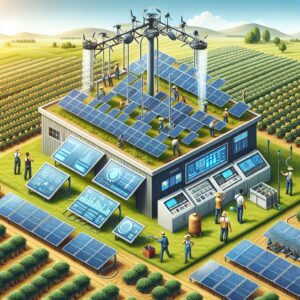
Solar panels and lithium-ion batteries are a match made in heaven. Solar panels capture energy from the sun and convert it into electricity. However, the sun doesn’t shine all the time, and that’s where batteries come in.
During sunny periods, solar panels generate more electricity than is immediately needed. This excess energy is stored in lithium-ion batteries. When the sun goes down or on cloudy days, the stored energy can be used to power farm operations. This ensures a steady and reliable power supply.
Moreover, integrating smart technology with these systems can optimize energy use. Sensors and software can monitor energy production and consumption, ensuring that the stored energy is used efficiently.
Making Farms Greener with Solar Power
Transitioning to solar power is a significant step towards making farms more sustainable. Solar lithium-ion batteries play a crucial role in this transition by providing a reliable and efficient energy storage solution.
Using solar power reduces the need for diesel generators and other fossil fuel-based energy sources. This not only cuts down on emissions but also reduces noise and air pollution. Additionally, solar power systems require less maintenance than traditional power sources, saving farmers time and money.
Therefore, by adopting solar lithium-ion batteries, farmers can make their operations greener and more cost-effective, contributing to a more sustainable future for agriculture.

Advantages of Solar Lithium-Ion Batteries for Agriculture
Increased Energy Efficiency
Lithium-ion batteries are known for their high energy efficiency. They can store and release energy with minimal loss, making them ideal for agricultural applications where efficiency is paramount. This efficiency translates to more power being available when it’s needed, ensuring that farm operations run smoothly.
Longer Battery Life
One of the standout benefits of lithium-ion batteries is their long lifespan. These batteries can last several years, significantly longer than traditional lead-acid batteries. This longevity means fewer replacements and lower long-term costs for farmers.
For example, a typical lithium-ion battery can last up to 10 years, whereas lead-acid batteries might need replacing every 2-3 years. This extended lifespan makes lithium-ion batteries a more cost-effective choice in the long run.
Reduced Operational Costs
Because of their efficiency and longevity, lithium-ion batteries help reduce operational costs. Farmers can save on energy costs by using stored solar power instead of relying on grid electricity or diesel generators.
Additionally, the lower maintenance requirements of lithium-ion batteries mean less downtime and fewer expenses on repairs and replacements. This allows farmers to focus more on their core activities rather than worrying about power issues, especially when using solar-powered linear move irrigation systems.
Environmental Benefits
Using solar lithium-ion batteries has significant environmental benefits. These batteries help reduce the reliance on fossil fuels, leading to lower greenhouse gas emissions. This is crucial in the fight against climate change.
Moreover, solar power is a renewable energy source, meaning it doesn’t deplete natural resources. By harnessing the power of the sun, farmers can contribute to a more sustainable and environmentally-friendly agricultural industry.
Here’s a table comparing the benefits and drawbacks of using solar lithium-Ion batteries in agriculture:
|
Benefits |
Drawbacks |
|---|---|
|
Environmental impacts from lithium mining and extraction. 2, 7 | |
|
Greater power output at lower operating speeds. 1 | |
|
Enables electrification of agricultural equipment. 1 |
Initial higher costs compared to traditional batteries. 6 |
|
Potential fire hazards if damaged or improperly managed. 4, 7 | |
|
Can be paired with renewable energy sources for sustainability. 1, 6 |
Limited operating time compared to fossil fuel equipment |
|
Potential for on-board charging to extend operating time. 1 |
May require significant infrastructure changes on farms. 6 |
Practical Applications in Agriculture
Powering Irrigation Systems
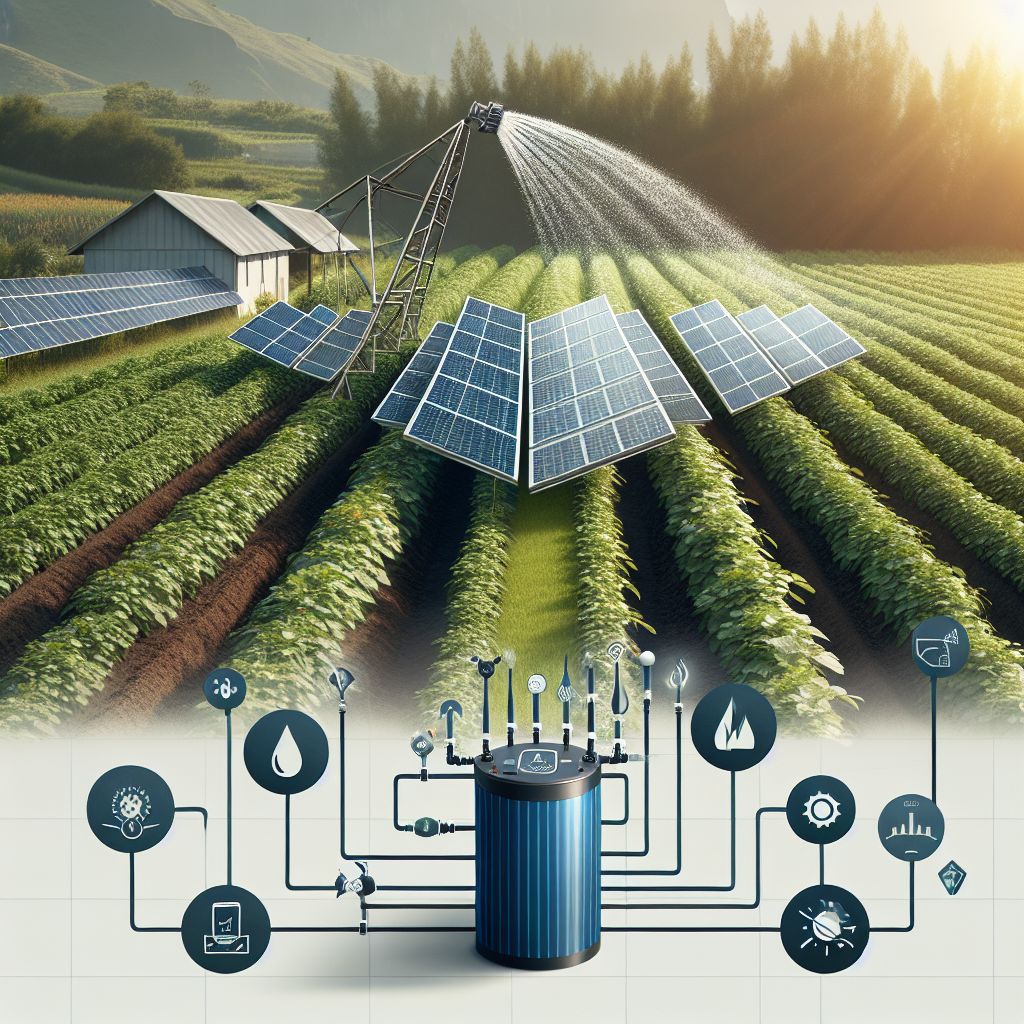
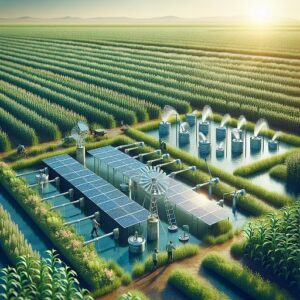
One of the most common uses of solar lithium-ion batteries on farms is powering irrigation systems. Reliable and efficient irrigation is essential for healthy crops, and solar batteries ensure that these systems can operate even when the sun isn’t shining.
For instance, during the day, solar panels can power the irrigation system directly while also charging the batteries. At night or during cloudy periods, the stored energy in the batteries can keep the irrigation system running smoothly.
Energy for Farm Buildings
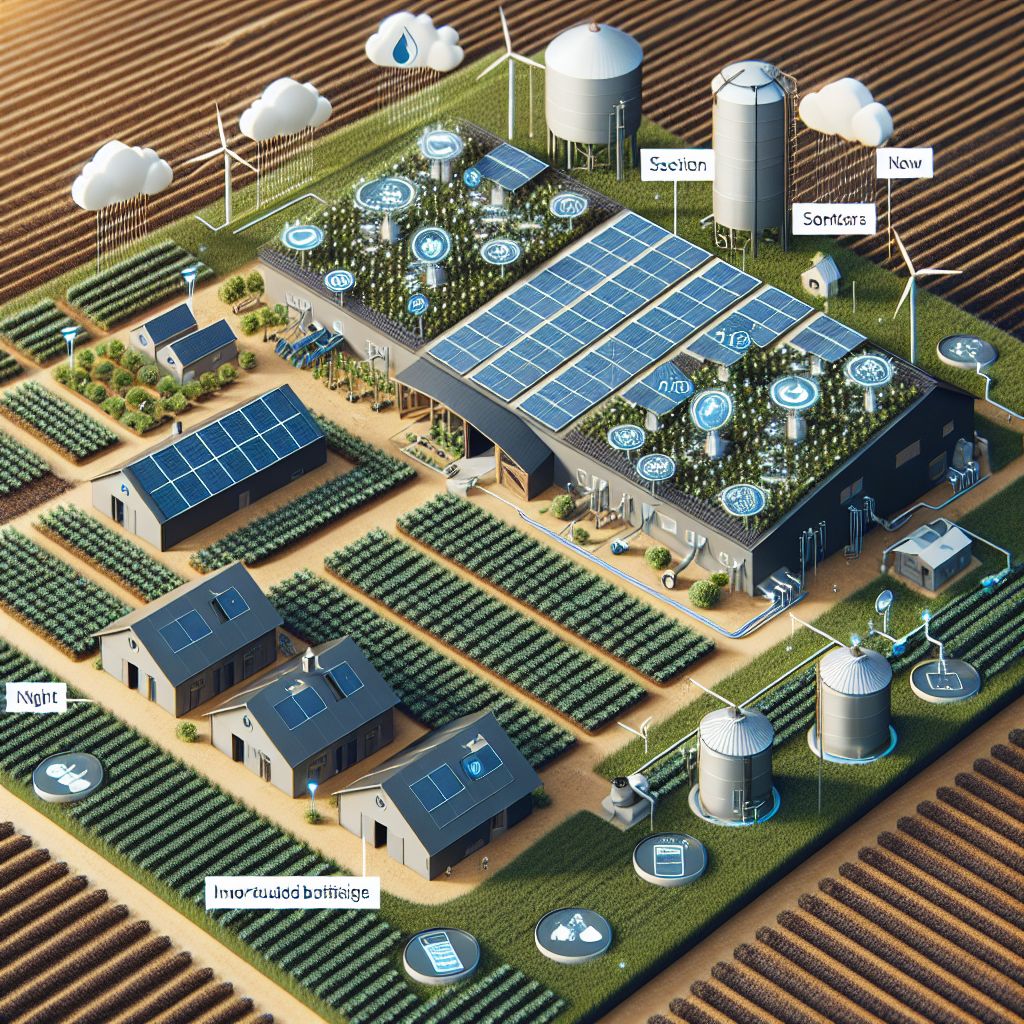
Beyond irrigation, solar lithium-ion batteries can power various farm buildings, such as barns, greenhouses, and storage facilities. This ensures that essential operations, like lighting, ventilation, and heating, can continue uninterrupted, regardless of weather conditions.
For example, during the day, solar panels can generate electricity to power these buildings directly while also charging the batteries. At night or during periods of low sunlight, the stored energy in the batteries can keep these buildings operational. This seamless transition between solar power and stored energy ensures that farm operations remain efficient and reliable.
Smart Technology Integration
Integrating smart technology with solar lithium-ion batteries can further enhance their benefits for agriculture. Smart sensors and monitoring systems can track energy production and consumption in real-time, allowing farmers to optimize their energy use.
For instance, smart irrigation systems can adjust water usage based on soil moisture levels and weather forecasts, ensuring that crops receive the right amount of water at the right time. This not only conserves water but also maximizes crop yields. By combining solar power with smart technology, farmers can create more efficient and sustainable farming practices.

Selecting the Right Battery for Your Farm
Choosing the right solar lithium-ion battery for your farm is crucial to ensure that your energy needs are met effectively. Here are some key factors to consider when selecting a battery:
Assessing Energy Needs
First, you need to assess your farm’s energy needs. This involves calculating the total energy consumption of your farm operations, including irrigation systems, farm buildings, and any other equipment that requires power. Understanding your energy needs will help you determine the capacity and size of the battery required.
To do this, you can start by listing all the electrical devices and their power ratings. Then, estimate the daily usage of each device to calculate the total energy consumption in kilowatt-hours (kWh). This will give you a clear picture of your farm’s energy requirements.
Choosing Battery Capacity
Once you have assessed your energy needs, you can choose a battery with the appropriate capacity. Battery capacity is measured in kilowatt-hours (kWh) and indicates how much energy the battery can store.
For example, if your farm’s daily energy consumption is 20 kWh, you should select a battery with a capacity of at least 20 kWh to ensure that you have enough stored energy to meet your needs. It’s also a good idea to choose a battery with slightly higher capacity to account for any unexpected increases in energy consumption. To understand more about how these batteries work, you can read about the science behind lithium-ion batteries.
Considering Environmental Factors
Environmental factors, such as temperature and humidity, can affect the performance and lifespan of solar lithium-ion batteries. Therefore, it’s important to consider these factors when selecting a battery for your farm. For more insights on how solar technology can benefit agriculture, check out this guide on solar-powered linear move irrigation systems.
For instance, lithium-ion batteries perform best in moderate temperatures. Extreme heat or cold can reduce their efficiency and lifespan. To mitigate this, you can install the batteries in a temperature-controlled environment or use battery management systems that regulate temperature.
Best Practices for Installation and Maintenance
Proper installation and maintenance of your solar lithium-ion batteries are essential to ensure their optimal performance and longevity. Here are some best practices to follow:
Setting Up Your Solar-Irrigation System
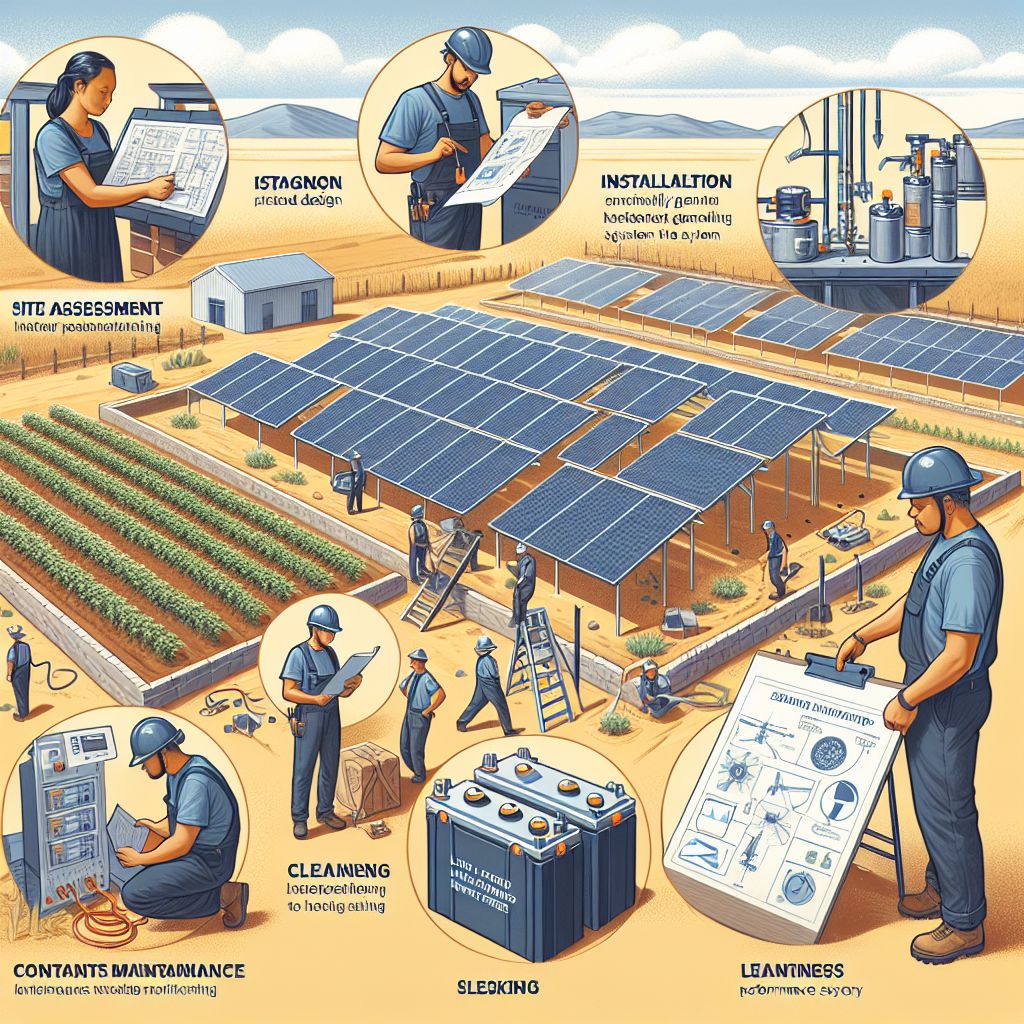
When setting up your solar-irrigation system, it’s important to follow a step-by-step process to ensure that everything is installed correctly. Here are the key steps to follow:
Site Assessment: Conduct a thorough site assessment to determine the best location for your solar panels and batteries. Ensure that the site receives ample sunlight and is free from obstructions.
System Design: Design your solar-irrigation system based on your energy needs and site conditions. This includes selecting the appropriate solar panels, batteries, and other components.
Installation: Install the solar panels, batteries, and other components according to the manufacturer’s instructions. Ensure that all connections are secure, and that the system is properly grounded.
Testing: After installation, test the system to ensure that it is working correctly. Check for any issues or malfunctions and address them promptly.
Regular Maintenance Tips
Regular maintenance is crucial to keep your solar lithium-ion batteries in good condition. Here are some maintenance tips to follow:
Regularly inspect the batteries for any signs of damage or wear.
Keep the batteries clean and free from dust and debris.
Check the battery connections and ensure that they are secure.
Monitor the battery performance and address any issues promptly.
Avoiding Common Pitfalls
There are some common pitfalls to avoid when using solar lithium-ion batteries on your farm. Here are a few tips to help you avoid these pitfalls:
Overloading the System: Ensure that your solar-irrigation system is not overloaded. This can lead to reduced efficiency and potential damage to the batteries.
Ignoring Maintenance: Regular maintenance is essential to keep your batteries in good condition. Ignoring maintenance can lead to reduced performance and a shorter lifespan.
Poor Installation: Proper installation is crucial to ensure that your system works correctly. Poor installation can lead to issues such as poor performance and safety hazards.
Not Monitoring Performance: Regularly monitor the performance of your solar-irrigation system to identify any issues early and address them promptly.

Real-World Examples
One example comes from a farm in California that switched to solar lithium-ion batteries to power its irrigation system. Before the switch, the farm relied on diesel generators, which were costly and environmentally unfriendly. After installing the solar system, the farm saw a significant reduction in energy costs and a decrease in greenhouse gas emissions.
“Switching to solar lithium-ion batteries has been a game-changer for our farm. We’ve cut our energy costs by half and significantly reduced our carbon footprint.” – Farmer John, California
Lessons Learned from Farmers
Farmers who have successfully implemented solar lithium-ion batteries on their farms have learned valuable lessons along the way. Here are some key takeaways from their experiences:
Plan Ahead: Proper planning is crucial to ensure a smooth transition to solar power. Assess your energy needs, choose the right equipment, and plan for installation and maintenance.
Invest in Quality: Investing in high-quality solar panels and batteries can lead to better performance and longevity. Don’t skimp on quality to save money upfront, as it can cost you more in the long run.
Monitor Performance: Regularly monitor the performance of your solar system to identify any issues early and address them promptly. This can help maintain efficiency and prevent costly repairs.
Seek Expert Advice: Consult with experts in solar energy and battery technology to ensure that you make informed decisions and get the most out of your investment.
Future Prospects for Solar Lithium-Ion Batteries
The future of solar lithium-ion batteries in agriculture looks promising. As technology continues to advance, we can expect even more efficient and cost-effective solutions for farmers. Innovations in battery technology, such as improved energy density and faster charging times, will further enhance the benefits of solar power for agriculture.
Moreover, as the adoption of renewable energy sources grows, the cost of solar panels and batteries is likely to decrease, making them more accessible to farmers worldwide. This will contribute to a more sustainable and environmentally-friendly agricultural industry.
Conclusion: Is Connecting a Lithium-Ion Battery to a Solar Irrigation System a Smart Investment for a Farmer?
In conclusion, connecting a lithium-ion battery to a solar irrigation system is a smart investment for farmers. The benefits are clear: increased energy efficiency, longer battery life, reduced operational costs, and significant environmental advantages. By adopting solar lithium-ion batteries, farmers can enhance their operations, reduce their carbon footprint, and contribute to a more sustainable future for agriculture.
Frequently Asked Questions
Here are some frequently asked questions about solar lithium-ion batteries in agriculture:
How do solar lithium-ion batteries help save money?
Solar lithium-ion batteries help save money by reducing the reliance on grid electricity and diesel generators. By storing solar energy, farmers can use it during periods of low sunlight, cutting down on energy costs. Additionally, the long lifespan and low maintenance requirements of lithium-ion batteries contribute to cost savings over time.
Can these batteries store enough power for large farms?
Yes, solar lithium-ion batteries can store enough power for large farms. The key is to assess the farm’s energy needs and choose a battery with the appropriate capacity. By selecting the right battery size and capacity, large farms can ensure a reliable and efficient power supply for their operations.
What is the expected lifespan of a lithium-ion battery in irrigation?
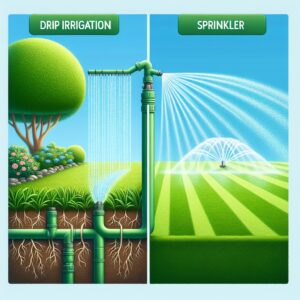
The expected lifespan of a lithium-ion battery in irrigation can vary depending on factors such as usage, maintenance, and environmental conditions. However, on average, lithium-ion batteries can last up to 10 years, significantly longer than traditional lead-acid batteries. For more information, you can explore the types and uses of solar-powered sprinkler irrigation systems.
Can solar irrigation systems with lithium-ion batteries work in cloudy climates or during stormy weather?
Yes, solar irrigation systems with lithium-ion batteries can work in cloudy climates or during stormy weather. The batteries store excess energy generated during sunny periods, which can be used when sunlight is limited. This ensures a reliable power supply even in less-than-ideal weather conditions.
In summary, solar lithium-ion batteries offer numerous benefits for agriculture, from increased energy efficiency to reduced operational costs and environmental advantages. By understanding their potential and implementing best practices for installation and maintenance, farmers can harness the power of solar energy to create more sustainable and efficient farming operations.



Leave a Reply