
Key Takeaways
- Installing solar panels on farms can reduce electricity bills by up to 75%, providing significant savings.
- Solar energy offers a reliable power source, especially important in remote areas where power cuts are frequent.
- Excess energy generated from solar panels can be sold back to the grid, creating an additional income stream.
- Government subsidies and tax incentives are available to offset the initial costs of solar panel installation.
- Solar panels contribute to environmental sustainability by significantly reducing carbon emissions.
Introduction to Solar Panel Benefits in Agriculture
In the ever-evolving world of agriculture, reducing operational costs is a priority for farmers. One of the most effective ways to achieve this is by harnessing the power of solar energy. Solar panels not only cut costs but also offer numerous other benefits, making them an excellent investment for the agricultural sector.
Farmers face increasing pressure to produce more while spending less. Solar panels provide a practical solution by offering a sustainable energy source that is both cost-effective and environmentally friendly. In this article, we’ll explore the various advantages of using solar panels in agriculture and how they can lead to substantial savings.
Why Use Solar Panels in Agriculture
Solar panels are becoming a popular choice for farmers due to their ability to generate clean, renewable energy. By installing solar panels, farmers can significantly reduce their reliance on traditional energy sources, which are often expensive and subject to price fluctuations.
Moreover, solar energy is abundant and free. Once the initial installation is complete, the ongoing costs are minimal, allowing farmers to allocate their resources more efficiently. This energy independence is crucial, especially in rural areas where access to the power grid can be limited or unreliable.
Energy Independence for Farmers
Energy independence is a major advantage of solar panels. Farmers no longer need to worry about rising electricity prices or power outages disrupting their operations. Solar panels provide a consistent and reliable energy source, ensuring that critical farm activities can continue without interruption.
Besides that, solar panels can power various farm operations, from irrigation systems to livestock shelters. This versatility makes them a valuable asset for any farm, regardless of its size or focus.
Immediate Cost Reductions
One of the most compelling reasons to invest in solar panels is the immediate cost reductions they offer. By generating their electricity, farmers can significantly lower their utility bills. In some cases, farmers have reported savings of up to 75% on their energy costs.
These savings can be reinvested into other areas of the farm, such as upgrading equipment or expanding operations. The financial relief provided by solar panels allows farmers to focus on what they do best: producing high-quality agricultural products.
How Solar Panels Cut Operational Costs
Solar panels are not just a means to reduce electricity bills; they also offer several other cost-saving opportunities. By understanding how solar panels work, farmers can maximize their benefits and achieve greater financial stability.
Reduction of Electricity Bills
The most immediate impact of solar panels is the reduction in electricity bills. By generating their power, farmers can avoid the high costs associated with traditional energy sources. This reduction in expenses can have a significant impact on the overall profitability of the farm.
Opportunities to Sell Excess Energy
In addition to saving money on electricity, farmers can also earn money by selling excess energy back to the grid. This process, known as net metering, allows farmers to receive credit for the surplus energy their solar panels produce. These credits can offset future energy costs, further enhancing the financial benefits of solar energy.
Imagine a sunny day when your farm produces more energy than it needs. Instead of letting that energy go to waste, you can sell it back to the power company and earn some extra income. It’s a win-win situation that makes solar panels an even more attractive investment.
Decreasing Irrigation Costs
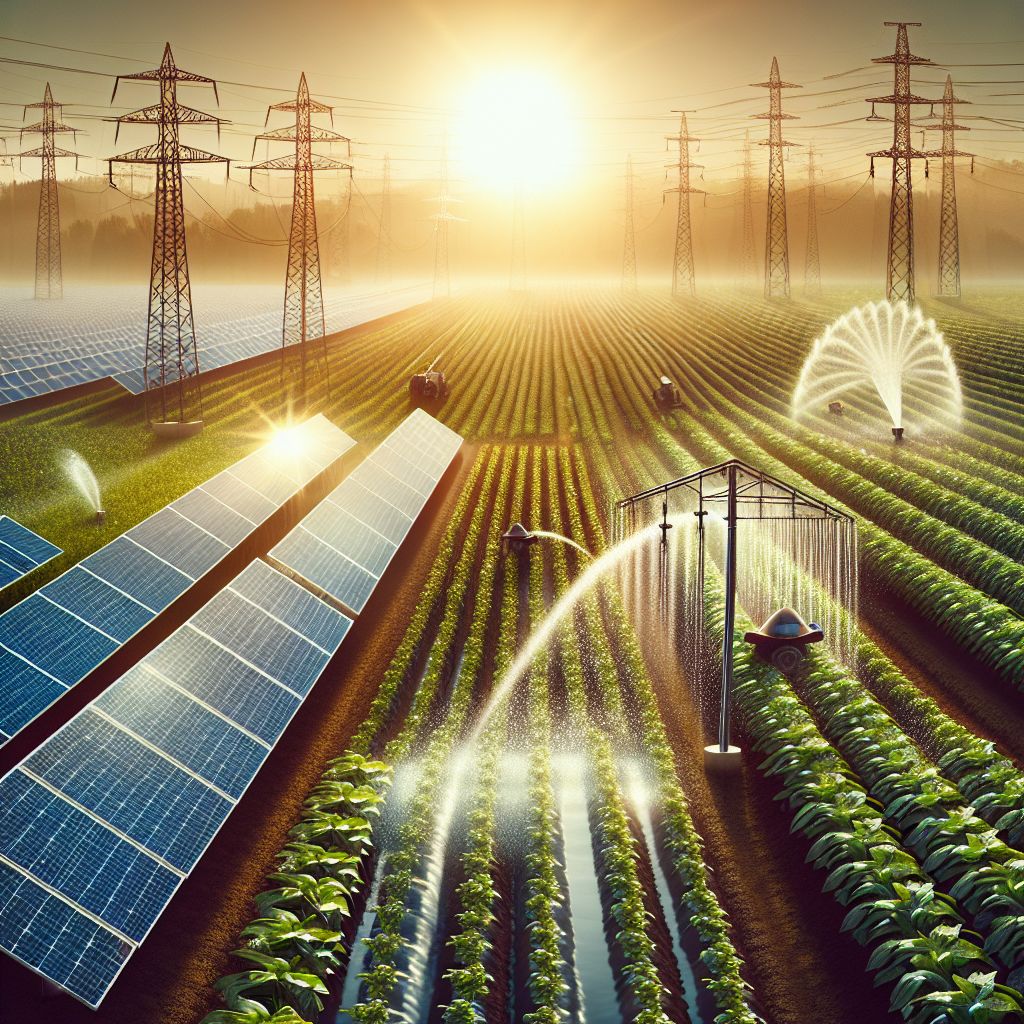
For farmers, irrigation is a critical component of maintaining healthy crops. However, traditional irrigation systems can be costly to operate, especially during dry seasons when water needs are higher. Solar panels offer a cost-effective solution by powering irrigation systems with renewable energy.
By integrating solar panels with irrigation systems, farmers can reduce their dependency on expensive electricity or diesel-powered pumps. This not only cuts costs but also ensures that irrigation can continue uninterrupted, even in remote areas without access to the power grid. As a result, farmers can maintain optimal crop conditions without worrying about escalating energy expenses.
Environmental and Financial Incentives
Switching to solar energy is not just about saving money; it also comes with numerous environmental and financial incentives. Governments worldwide recognize the benefits of renewable energy and offer various programs to support farmers in making the transition.
Government Subsidies and Grants
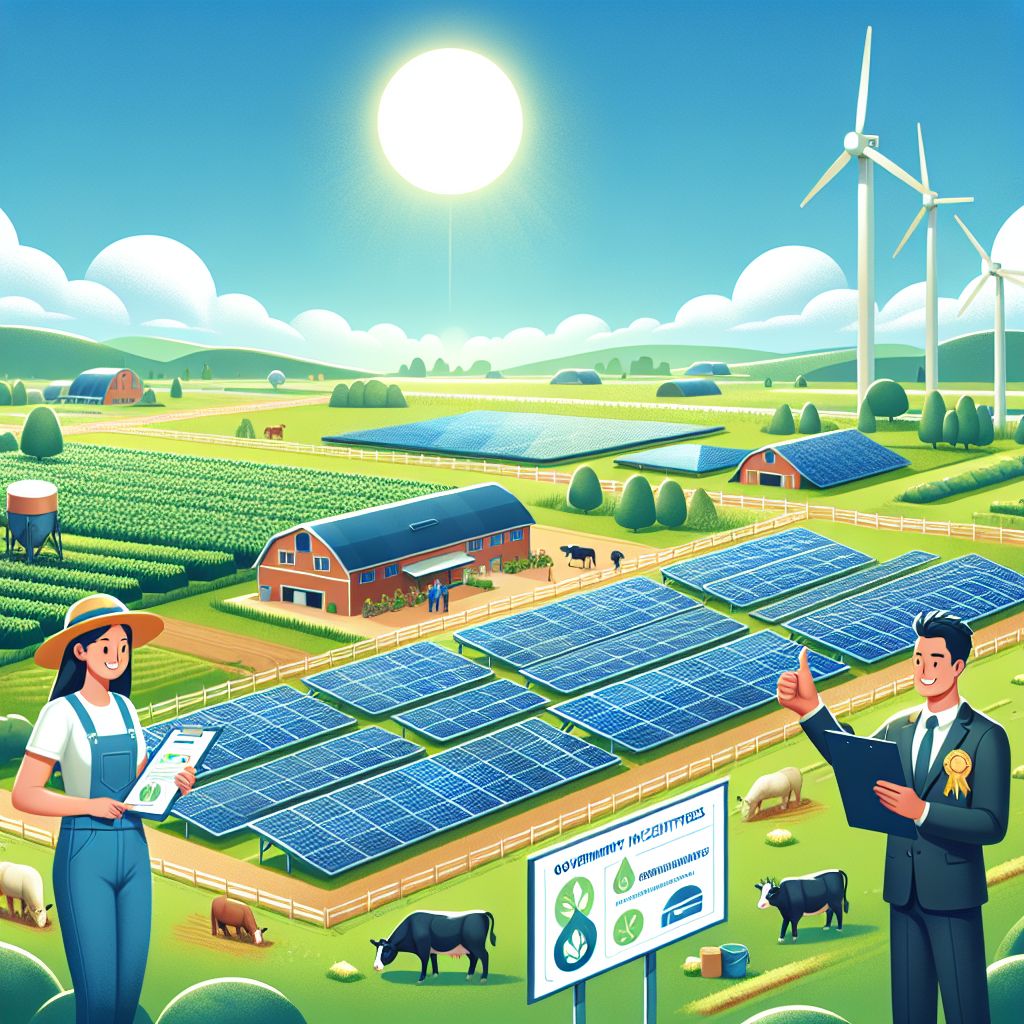
Many governments provide subsidies and grants to encourage the adoption of solar energy in agriculture. These financial incentives can significantly reduce the upfront costs of solar panel installation, making it more accessible for farmers. By taking advantage of these programs, farmers can lower their initial investment and start reaping the benefits of solar energy sooner.
For example, the USDA’s Rural Energy for America Program (REAP) offers grants and loans to agricultural producers for the installation of renewable energy systems, including solar panels.
Tax Incentives for Solar Installation
Besides grants, tax incentives are another way governments support solar energy adoption. Farmers can benefit from tax credits that offset a portion of the installation costs, further reducing their financial burden. These credits can be substantial, sometimes covering up to 30% of the installation costs, which can make a significant difference for budget-conscious farmers.
Contributing to Lower Carbon Footprints
Solar panels play a crucial role in reducing a farm’s carbon footprint. By switching to solar energy, farmers can decrease their reliance on fossil fuels, which are a major source of greenhouse gas emissions. This transition contributes to a cleaner environment and aligns with global efforts to combat climate change.
Moreover, adopting solar energy demonstrates a commitment to sustainability, which can enhance a farm’s reputation and appeal to environmentally conscious consumers. This can lead to increased demand for products, further boosting the farm’s profitability.

Adopting Solar Power on Farms
Transitioning to solar power requires careful planning and consideration. However, the process can be straightforward with the right guidance and support. Here, we’ll outline the steps to successfully integrate solar energy into your farm operations.
Consider this example: A small vegetable farm in California installed solar panels to power its refrigeration systems. By doing so, the farm reduced its energy costs by 50% and improved the shelf life of its produce.
Before installation, assess your farm’s energy needs to determine the appropriate size and capacity of the solar system. This assessment ensures that the solar panels can meet your farm’s energy demands efficiently.
Steps to Install Solar Panels
- Conduct an energy audit to assess current energy usage and identify areas for improvement.
- Research available solar panel systems and select one that meets your farm’s energy needs.
- Apply for government grants and tax incentives to offset installation costs.
- Hire a reputable solar installer to ensure proper installation and maintenance of the system.
- Monitor the system’s performance regularly to maximize efficiency and savings.
Here’s a table comparing the different solar panel you can use to power a farm:
|
Solar Panel Type |
Efficiency |
Cost per Watt |
Pros |
Cons |
|---|---|---|---|---|
|
Monocrystalline |
17-22% |
$1.00 – $1.50 |
– Highest efficiency. 1, 3 |
– Most expensive option. 1, 3 |
|
Polycrystalline |
13-17% |
$0.90 – $1.20 |
– Lower cost than monocrystalline. 1, 3 |
– Slightly lower efficiency. 1, 3 |
|
Thin-Film |
10-13% |
$0.70 – $1.00 |
– Lowest cost. 1, 3 |
– Lowest efficiency. 1, 3 |
Monocrystalline panels are highly efficient and durable, making them ideal for high-performance irrigation systems that require consistent power output. Their higher cost is often offset by their superior performance in the long run 3.
Polycrystalline panels offer a good balance between cost and efficiency, making them suitable for medium-scale irrigation projects. They perform well in most conditions and are a popular choice for many agricultural applications 3.
Thin-film panels, while less efficient, are more affordable and flexible. They can be a good option for portable irrigation systems or installations where weight is a concern. Their lower efficiency means you may need more panels to achieve the same power output as crystalline options 3.
Choosing the Right Solar Installer
Selecting a qualified solar installer is crucial for the success of your solar project. Look for installers with experience in agricultural settings, as they will have the expertise to address the unique challenges farms face. Additionally, check for certifications and reviews to ensure the installer is reputable and reliable.
Aligning Energy Needs with Solar Solutions
To maximize the benefits of solar energy, align your farm’s energy needs with the capabilities of the solar system. This involves choosing the right type and size of solar panels, as well as integrating them with existing farm operations. By doing so, you can ensure that the solar panels provide the necessary energy to power your farm efficiently and effectively.
Significant Benefits of Solar Integration
Integrating solar energy into your farm operations offers a range of benefits that extend beyond cost savings. From improved efficiency to enhanced resilience, solar panels can transform the way farms operate and thrive.
Improved Efficiency in Farm Operations
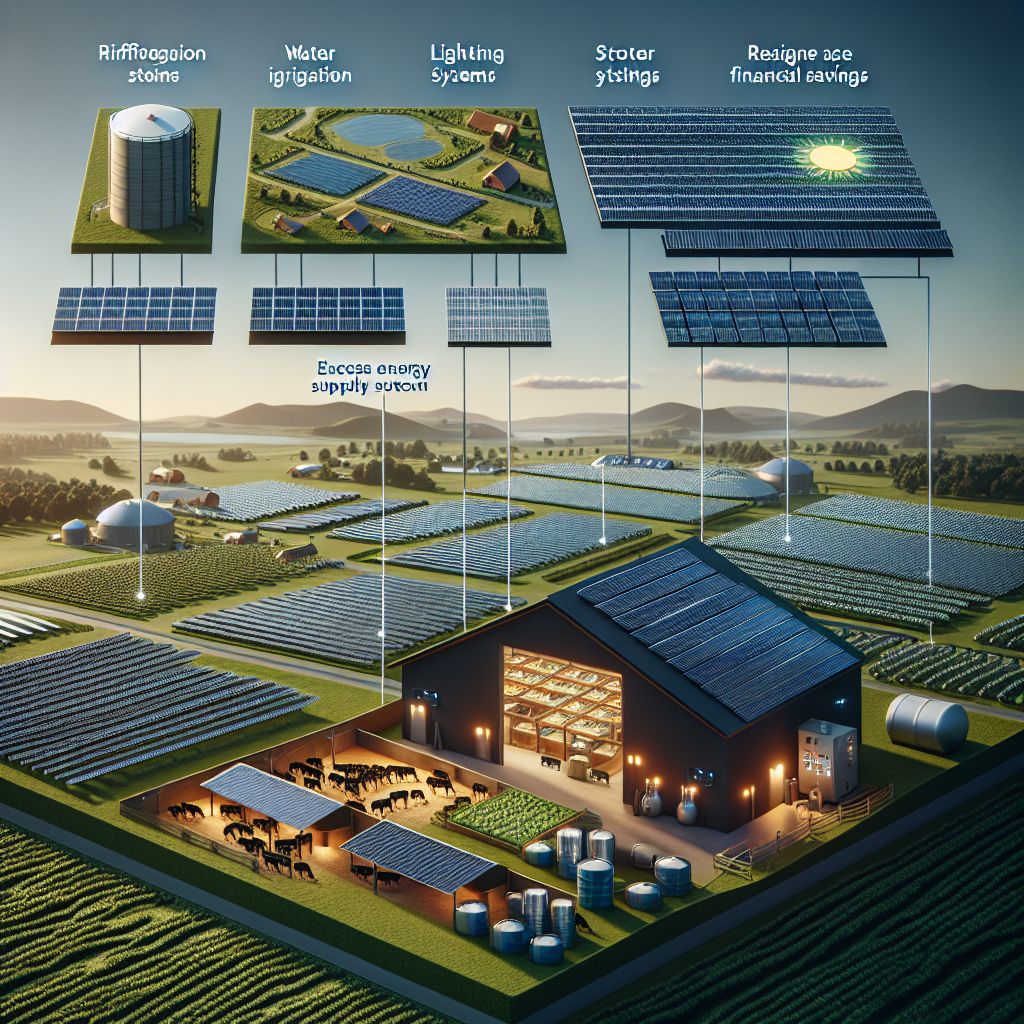
Solar panels provide a reliable and consistent energy source, which is essential for maintaining efficient farm operations. With solar energy, farmers can power essential equipment and systems without worrying about power outages or fluctuations in energy supply.
This reliability ensures that critical tasks, such as irrigation, refrigeration, and lighting, can continue without interruption, leading to increased productivity and reduced downtime.
Long-Term Financial Savings
While the initial investment in solar panels can be significant, the long-term financial savings are substantial. Over time, the reduction in energy costs can outweigh the initial installation expenses, leading to increased profitability for the farm.
Furthermore, solar panels have a long lifespan, often lasting 25 years or more. This longevity means that farmers can continue to enjoy savings and benefits for decades, making solar energy a wise investment for the future.
Resilience Against Energy Supply Interruptions
In regions prone to power outages or energy supply disruptions, solar panels offer a valuable solution. By generating their energy, farmers can maintain operations even when the grid is down. This resilience ensures that essential farm activities can continue without interruption, protecting crops and livestock from potential harm.
Moreover, solar panels can be paired with battery storage systems to store excess energy for use during times of low sunlight or increased demand. This capability further enhances a farm’s energy independence and security.
Examples and Success Stories
Real-life examples and success stories highlight the transformative impact of solar panels on farms. These stories demonstrate the practical benefits and potential savings that solar energy can provide.
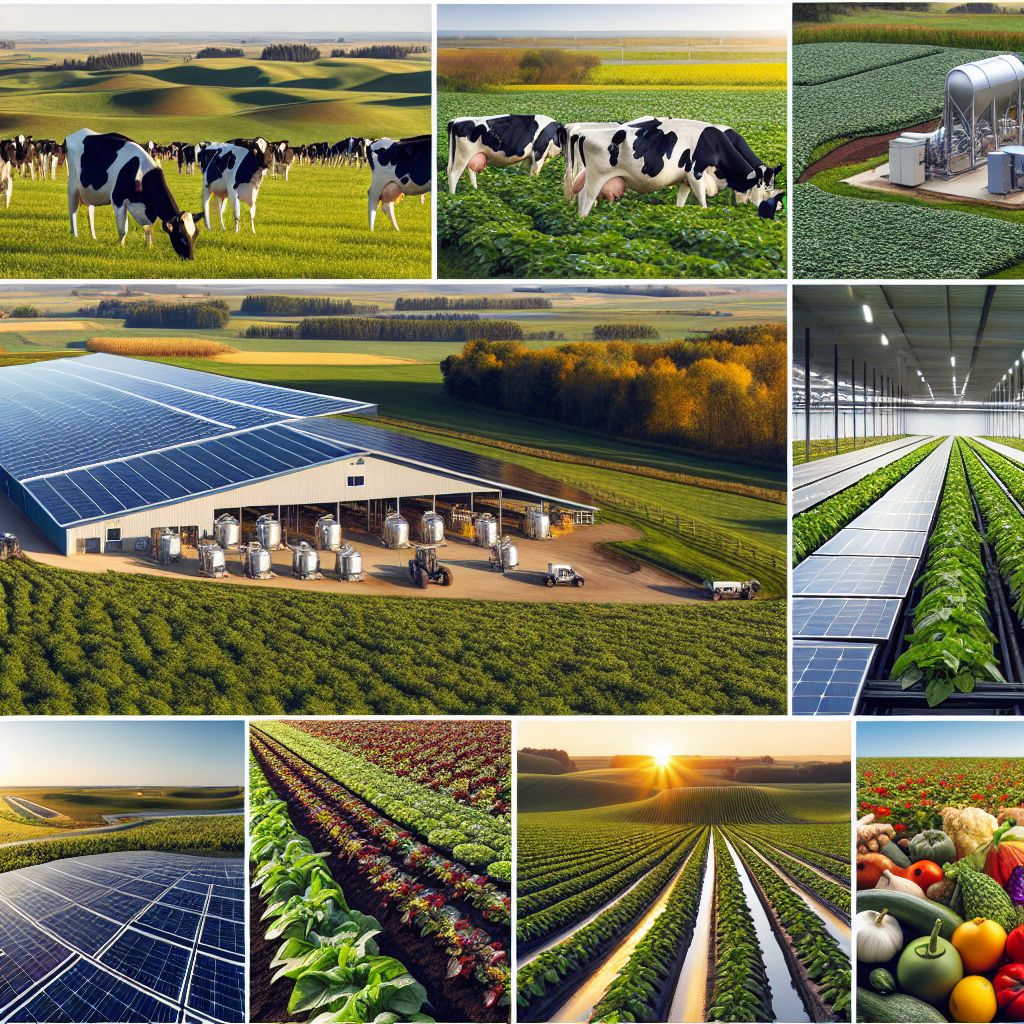
For instance, a dairy farm in Wisconsin installed solar panels to power its milking machines and cooling systems. As a result, the farm reduced its energy costs by 50%, leading to significant savings and increased profitability.
Dairy Farms Utilizing Solar for Milking Machines
Dairy farms require a substantial amount of energy to operate milking machines and maintain proper cooling for milk storage. By adopting solar energy, these farms can significantly reduce their energy costs while ensuring a reliable power supply.
One dairy farm reported a 50% reduction in energy costs after installing solar panels, allowing them to invest more in animal welfare and facility improvements. This example illustrates how solar energy can enhance both financial and operational aspects of a farm.
Vegetable Farms and Refrigeration Systems
Vegetable farms often rely on refrigeration systems to keep their produce fresh and extend shelf life. However, these systems can consume a lot of energy, leading to high electricity bills. By installing solar panels, vegetable farms can power their refrigeration units using renewable energy, significantly reducing their operational costs.
One vegetable farm in California serves as a prime example. By investing in solar panels, the farm was able to cut its energy costs by 50%, which translated into substantial savings. This allowed the farm to invest more in sustainable farming practices and improve the quality of its produce.
Large Crop Farms and Solar-Powered Irrigation
Large crop farms often face the challenge of managing extensive irrigation systems, which are crucial for maintaining healthy crops. Solar-powered irrigation systems provide an efficient and cost-effective solution, allowing farmers to water their fields without relying on expensive diesel or grid electricity.
A large crop farm in the Midwest successfully integrated solar panels with its irrigation system. This transition not only reduced energy costs but also ensured a reliable water supply during peak growing seasons. As a result, the farm experienced improved crop yields and greater financial stability.
Exploring Financial Incentives and Support
Financial incentives play a significant role in making solar energy more accessible and affordable for farmers. By understanding and leveraging these incentives, farmers can reduce the initial costs of solar panel installation and maximize their savings.
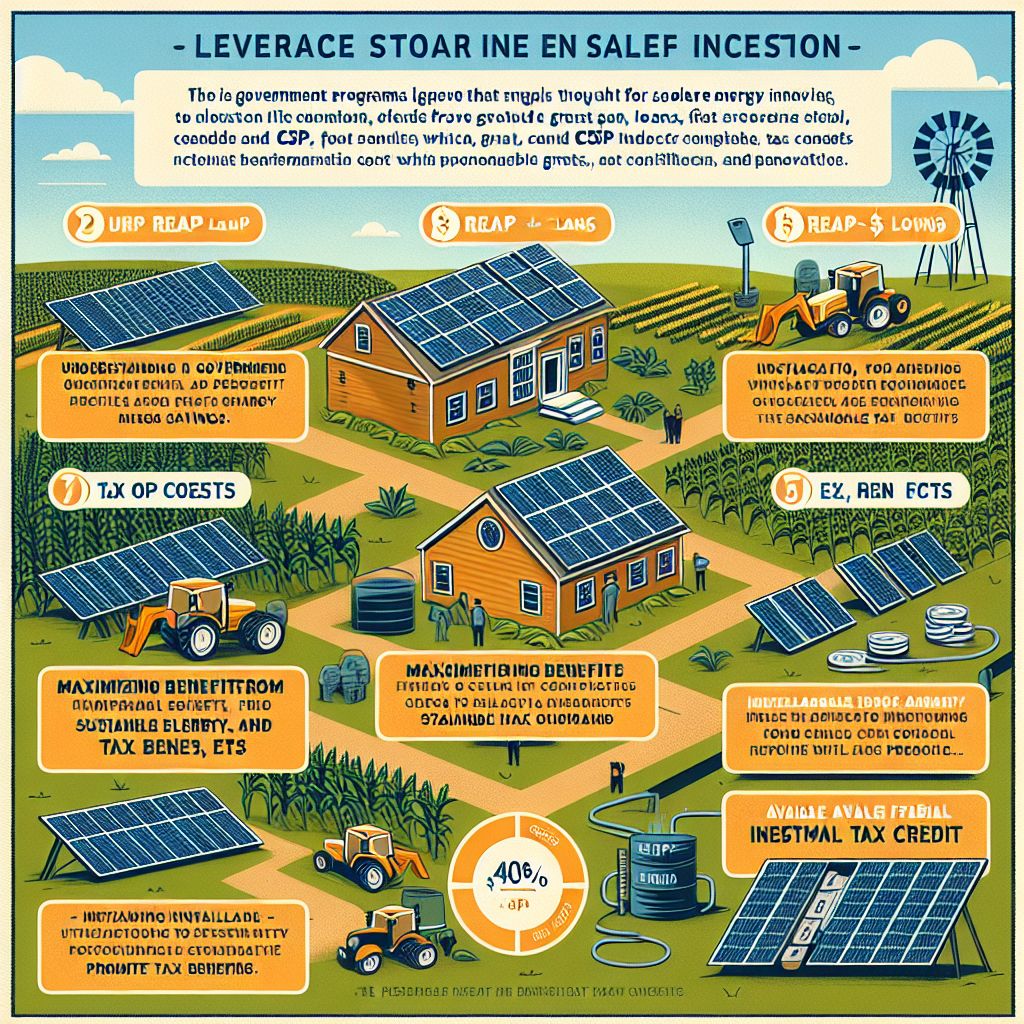
Many government programs are designed to support renewable energy adoption in agriculture. These programs offer grants, loans, and tax incentives that can significantly offset the costs of solar panel systems. By taking advantage of these opportunities, farmers can make a smart investment in their future.
Understanding USDA Programs
- Rural Energy for America Program (REAP) – Provides grants and loans for renewable energy systems.
- Environmental Quality Incentives Program (EQIP) – Offers financial assistance for conservation practices, including solar energy.
- Conservation Stewardship Program (CSP) – Encourages sustainable farming practices with financial incentives.
These programs not only provide financial support but also promote sustainable agricultural practices, helping farmers reduce their environmental impact while improving their bottom line.
By exploring these programs and understanding their eligibility requirements, farmers can take full advantage of the financial support available to them.
Maximizing Benefits from Tax Credits
Tax credits are another powerful tool for reducing the cost of solar panel installation. The federal Investment Tax Credit (ITC) allows farmers to deduct a significant portion of their solar installation costs from their federal taxes. This credit can cover up to 30% of the installation costs, providing substantial savings.
In addition to federal tax credits, many states offer their tax incentives for renewable energy systems. By combining these benefits, farmers can significantly reduce their financial burden and accelerate their return on investment.
Evaluating Return on Investment
- Calculate initial installation costs, including equipment and labor.
- Assess potential energy savings based on current electricity usage.
- Factor in available grants, loans, and tax incentives to reduce costs.
- Estimate the payback period and long-term financial benefits.
By carefully evaluating the return on investment, farmers can make informed decisions about adopting solar energy. This analysis helps ensure that the benefits of solar panels outweigh the costs, leading to greater financial security and sustainability.

Conclusion
Solar panels offer a transformative opportunity for farmers to reduce operational costs and enhance their sustainability. By harnessing the power of the sun, farmers can achieve energy independence, lower their carbon footprint, and improve their bottom line.
The benefits of solar energy extend beyond cost savings. Solar panels provide a reliable and consistent power source, enabling farmers to maintain efficient operations and protect their crops and livestock. With the support of government programs and tax incentives, the transition to solar energy is more accessible and affordable than ever.
Summarizing the Financial and Environmental Impact
Solar panels offer significant financial benefits, including reduced electricity bills, potential income from selling excess energy, and access to government incentives. These advantages contribute to long-term savings and increased profitability for farms.
Environmentally, solar panels play a crucial role in reducing carbon emissions and promoting sustainable farming practices. By transitioning to renewable energy, farmers can contribute to a cleaner and healthier planet.
Future Prospects for Solar in Agriculture
The future of solar energy in agriculture is bright. As technology advances and costs continue to decrease, more farmers will have the opportunity to adopt solar energy and reap its benefits. This transition will lead to a more sustainable and resilient agricultural sector, capable of meeting the challenges of a changing world.
Farmers who invest in solar energy today will be well-positioned to thrive in the future, enjoying greater financial stability and environmental stewardship.
Frequently Asked Questions
How much can farmers potentially save with solar panels?
Farmers can save up to 75% on their electricity bills by installing solar panels. These savings depend on factors such as the size of the solar system, local electricity rates, and available incentives.
Are there tax benefits for installing solar panels on farms?
Yes, farmers can benefit from federal and state tax incentives for solar panel installation. The federal Investment Tax Credit (ITC) allows for a deduction of up to 30% of installation costs, while many states offer additional credits and incentives.
How does solar power contribute to reducing a farm’s carbon footprint?
Solar power reduces a farm’s carbon footprint by decreasing reliance on fossil fuels and lowering greenhouse gas emissions. By generating clean, renewable energy, solar panels help create a more sustainable agricultural sector.
What are the maintenance requirements for solar panels on a farm?
Solar panels require minimal maintenance, primarily involving periodic cleaning and inspections. Regular maintenance ensures optimal performance and extends the lifespan of the system.
Example: A farm in Texas reported that its solar panels required only annual cleaning and occasional inspections to maintain efficiency.
Can solar panels fully replace traditional energy sources on a farm?
In many cases, solar panels can provide sufficient energy to meet a farm’s needs, especially when combined with energy storage solutions. However, some farms may still require supplemental energy sources during periods of low sunlight or high demand.







Leave a Reply