
Key Takeaways
Monocrystalline solar panels are the most efficient but also the most expensive.
Polycrystalline solar panels are more affordable but offer lower efficiency.
Thin-film solar panels are flexible and lightweight, ideal for unconventional installations.
Solar panels can significantly reduce energy costs for farm irrigation systems.
Choosing the right type of solar panel depends on budget, space, and power needs.
Best Type of Solar Panels for Farms Irrigation System: Monocrystalline vs Polycrystalline vs Thin-Film Panels
When it comes to enhancing irrigation solutions on farms, solar panels are a game-changer. They provide a sustainable and cost-effective way to power irrigation systems, reducing reliance on traditional energy sources. But with various types of solar panels available, which one is the best for farmers?
Why Solar Panels are Crucial for Farm Irrigation
Solar panels offer several benefits for farm irrigation systems. They provide a reliable source of energy, especially in remote areas where access to electricity might be limited. Moreover, solar energy is renewable and environmentally friendly, helping farmers reduce their carbon footprint.
Besides that, using solar panels can lead to significant cost savings in the long run. Although the initial setup might be expensive, the reduction in energy bills over time makes it a worthwhile investment. Therefore, understanding the different types of solar panels and their suitability for farm irrigation is essential.
Overview of Solar Panel Types
There are three main types of solar panels: monocrystalline, polycrystalline, and thin-film. Each type has its own set of advantages and disadvantages, making them suitable for different applications. For example, solar panels for furrow irrigation can be a great choice for farmers looking to optimize their water usage.
Monocrystalline Solar Panels
Monocrystalline solar panels are known for their high efficiency and sleek design. They are made from a single crystal structure, which allows them to convert more sunlight into electricity compared to other types of panels.
Highest efficiency rates, typically around 17-22%
Long lifespan, often exceeding 25 years
Perform well in low-light conditions
However, these panels come at a higher price point, making them a more significant initial investment. They are ideal for farmers who have limited space but need high power output. For more information, check out the benefits of solar-powered center pivot irrigation systems.
Polycrystalline Solar Panels
Polycrystalline solar panels are made from multiple silicon crystals, which makes them less efficient than monocrystalline panels. However, they are more affordable and still offer a reasonable efficiency rate.
They are a good option for farmers who have more space available and are looking to save on initial costs. Polycrystalline panels are also easier to manufacture, which contributes to their lower price.
Thin-Film Solar Panels
Thin-film solar panels are made by depositing one or more layers of photovoltaic material onto a substrate. They are the least efficient among the three types but offer unique advantages. For example, they can be an excellent choice for solar irrigation systems on farms.
These panels are lightweight, flexible, and can be installed on a variety of surfaces, making them suitable for unconventional installations. They are also less affected by high temperatures, which can be beneficial in hot climates. For more information, check out this article on solar panels for furrow irrigation.
Here’s a table comparing the deferent types of solar panels for farmers’ irrigation systems, including sources:
|
Feature |
Monocrystalline |
Polycrystalline |
Thin-Film |
|---|---|---|---|
|
Efficiency |
Medium (13-17%) 5 | ||
|
Cost |
Medium 1 |
Lowest 1 | |
|
Space Efficiency | |||
|
Performance in Heat |
Best 6 | ||
|
Durability |
Good 1 | ||
|
Lifespan | |||
|
Ideal Use | |||
|
Weight |
Heaviest 1 |
Heavy 1 | |
|
Aesthetics |
Sleek, flexible design 1 | ||
|
Suitability for Irrigation |

Monocrystalline Solar Panels for Farm Irrigation Systems
Monocrystalline solar panels are often considered the best choice for farm irrigation systems due to their high efficiency and durability. Let’s dive deeper into their benefits and considerations by exploring the types of solar panels.
Efficiency and Cost-Effectiveness
Monocrystalline panels have the highest efficiency rates, which means they can generate more electricity from the same amount of sunlight compared to other types. This makes them ideal for farms with limited space for solar panel installation. For more on this, check out our guide on solar panels’ benefits and cost-efficiency for farms.
Although the initial cost is higher, the long-term savings in energy bills can offset this expense. Investing in high-efficiency panels can be particularly beneficial for large-scale irrigation systems that require a substantial amount of power.
Durability and Lifespan
These panels are built to last, often coming with warranties of 25 years or more. Their robust design ensures they can withstand harsh weather conditions, making them a reliable choice for farms.
The long lifespan of monocrystalline panels means farmers can enjoy consistent power generation for decades, reducing the need for frequent replacements or repairs.
Installation Requirements
Installing monocrystalline panels can be more complex due to their size and weight. It’s essential to ensure the installation site can support the panels and that they are positioned to maximize sunlight exposure. For more information on the different types of solar panels, you can visit this EnergySage guide.
Working with a professional installer can help ensure the system is set up correctly, optimizing its performance and longevity.
Longevity and Performance
Monocrystalline solar panels are designed to last. Their longevity is one of the key reasons they are a popular choice among farmers. With warranties often extending beyond 25 years, these panels ensure a long-term solution for irrigation needs. Additionally, they maintain high performance levels throughout their lifespan, providing consistent energy output.
Farmers can rely on these panels to power their irrigation systems efficiently, even after many years of use. This reliability is crucial for maintaining crop health and ensuring a steady water supply.
Best Use Scenarios
Monocrystalline panels are best suited for farms with limited space but high power requirements. They are also ideal for regions with varied weather conditions, as they perform well in both high and low-light environments. For example, a small farm with limited roof space but a high demand for irrigation power would benefit significantly from these panels.

Polycrystalline Solar Panels for Farm Irrigation Systems
Polycrystalline solar panels offer a balance between cost and efficiency, making them a popular choice for many farmers. While they may not be as efficient as monocrystalline panels, they are more affordable and still provide a reliable source of energy.
Efficiency and Affordability
Polycrystalline panels typically have an efficiency rate of around 13-17%, which is slightly lower than monocrystalline panels. However, they are more cost-effective, making them a good option for farmers who need to balance initial investment with long-term savings.
These panels are also easier to produce, which contributes to their lower cost. This affordability makes them accessible to a wider range of farmers, including those with larger farms that require more panels.
Installation and Maintenance
Installing polycrystalline panels is generally straightforward, and they can be mounted on various surfaces, including roofs and ground mounts. Maintenance is minimal, typically involving regular cleaning and occasional inspections to ensure optimal performance.
Farmers can often handle the installation and maintenance themselves, further reducing costs. However, professional installation is recommended to ensure the system is set up correctly and safely.
Longevity and Performance
Polycrystalline panels have a lifespan of around 20-25 years, similar to monocrystalline panels. They are durable and can withstand various weather conditions, making them a reliable choice for long-term use.
While their efficiency may decrease slightly over time, they still provide a consistent and dependable source of energy for irrigation systems. This longevity ensures that farmers can rely on them for many years without needing frequent replacements.
Best Use Scenarios
Polycrystalline panels are ideal for farms with more available space and moderate power needs. They are also suitable for farmers looking to minimize initial costs while still benefiting from solar energy. For instance, a medium-sized farm with ample roof or ground space and a moderate irrigation system would find these panels to be a cost-effective solution.
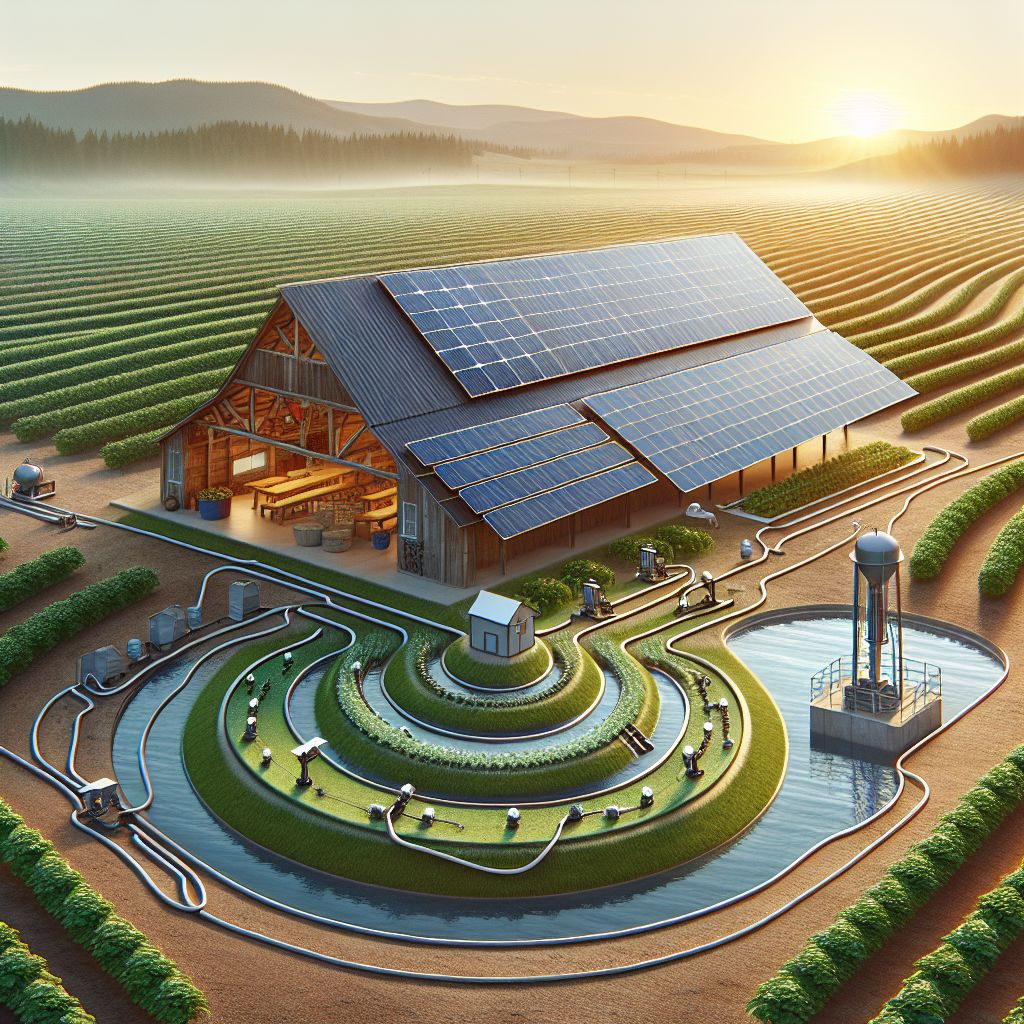
Thin-Film Solar Panels for Farm Irrigation Systems
Thin-film solar panels offer unique advantages that make them suitable for specific farm irrigation scenarios. Their flexibility and lightweight design allow for versatile installations, making them an excellent choice for unconventional setups.
“Thin-film solar panels are best for RVs or other unconventional roof styles. They’re the most resilient.” – EnergySage
Efficiency and Flexibility
Thin-film panels typically have lower efficiency rates, around 10-13%, compared to monocrystalline and polycrystalline panels. However, their flexibility allows them to be installed on a variety of surfaces, including curved or uneven structures. For more details, you can read about the types of solar panels.
This flexibility makes them ideal for farms with unique installation needs or where traditional panels may not fit. For example, they can be installed on the sides of barns or other structures that have non-standard shapes.
Weight and Installation
One of the standout features of thin-film panels is their lightweight design. This makes them easier to handle and install, reducing the labor and time required for setup. They can also be integrated into existing structures, such as greenhouses, without adding significant weight.
The installation process for thin-film panels is generally simpler, and they can be attached using adhesives or other non-invasive methods. This versatility makes them a practical choice for various farm applications.
Suitability for Various Irrigation Needs
Thin-film panels are particularly suitable for farms with smaller or less intensive irrigation systems. They can be used to power auxiliary systems, such as small pumps or monitoring equipment, providing a supplementary energy source. For a more comprehensive understanding, you can explore the best solar irrigation systems and their benefits for farms.
Additionally, their ability to perform well in high temperatures makes them a good choice for farms in hot climates. They are less affected by heat, ensuring consistent performance even in extreme weather conditions.
Best Use Scenarios
Thin-film panels are best suited for farms with unconventional structures or specific installation needs. They are also ideal for smaller irrigation systems or auxiliary power requirements. For instance, a farm with a greenhouse or a unique barn structure would benefit from the flexibility and lightweight nature of thin-film panels. For more details on the different types and benefits of solar irrigation systems, check out this comprehensive guide.
Flexibility allows installation on curved or uneven surfaces
Lightweight design reduces installation complexity
Suitable for smaller or auxiliary irrigation systems
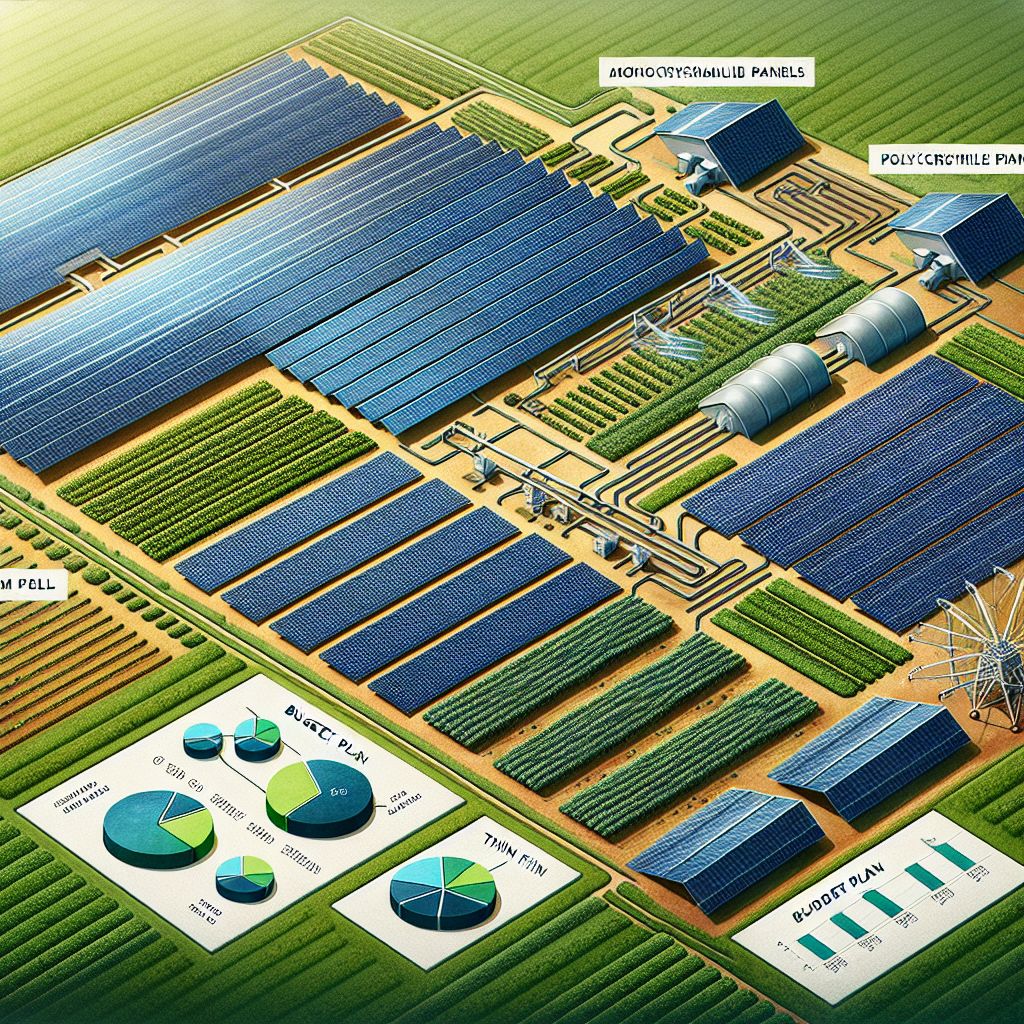
Key Factors to Consider When Choosing Solar Panels for Your Farm
Choosing the right type of solar panel for your farm involves considering several key factors. These factors will help determine which panel type best meets your specific needs and constraints.
Space Availability
The amount of available space on your farm is a crucial factor. Monocrystalline panels are ideal for limited spaces due to their high efficiency, while polycrystalline panels are suitable for larger areas where more panels can be installed.
Thin-film panels offer flexibility in installation, making them a good choice for unconventional spaces. Assess your farm’s layout and identify the best locations for panel installation to maximize sunlight exposure.
Budget Constraints
Your budget will significantly influence your choice of solar panels. Monocrystalline panels have the highest upfront cost but offer the best efficiency and long-term savings. Polycrystalline panels are more affordable and provide a balance between cost and performance.
Thin-film panels are generally less expensive and offer flexibility in installation, making them a cost-effective option for specific scenarios. Consider the initial investment and long-term savings when making your decision. For more information on choosing the best solar options, check out this guide on solar irrigation systems.
Power Requirements and Scalability
The power requirements of your irrigation system will determine the type and number of panels needed. Monocrystalline panels are ideal for high-power needs due to their efficiency, while polycrystalline panels are suitable for moderate power requirements. For more information on different types of solar-powered irrigation systems, check out this guide.
Thin-film panels can be used for smaller systems or as supplementary power sources. Additionally, consider the scalability of your system. If you plan to expand your irrigation setup in the future, ensure the chosen panel type can accommodate this growth. For more information, check out this guide on types of solar panels.
Making the Final Decision
Choosing the best solar panels for your farm’s irrigation system involves assessing your specific needs and comparing the long-term costs and benefits. Consider factors such as space availability, budget, and power requirements to make an informed decision.
By understanding the advantages and limitations of each panel type, you can select the best option to enhance your farm’s irrigation solutions. Remember, the right choice will provide reliable and sustainable energy, ensuring the health and productivity of your crops. For more information on how to integrate solar panels with your irrigation system, check out this smart combination for farmers.
Assessing Your Farm’s Specific Needs
First, evaluate your farm’s unique characteristics. Do you have ample space for panel installation, or is space limited? What is your budget for the initial setup and ongoing maintenance? How much power does your irrigation system require, and do you anticipate any future expansions? For more details, you can explore solar irrigation systems types and benefits.
Answering these questions will help you determine which type of solar panel best meets your needs. For example, if space is limited but power requirements are high, monocrystalline panels might be the best option. If you have more space and a tighter budget, polycrystalline panels could be more suitable.
Comparing Long-Term Costs and Benefits
While the initial cost of solar panels can be significant, it’s essential to consider the long-term savings and benefits. Monocrystalline panels offer the highest efficiency and longest lifespan, which can result in substantial energy savings over time. Polycrystalline panels provide a good balance of cost and performance, making them a cost-effective option for many farmers.
Thin-film panels, while less efficient, offer flexibility in installation and can be a practical choice for specific scenarios. Consider the total cost of ownership, including installation, maintenance, and energy savings, to determine the best option for your farm.
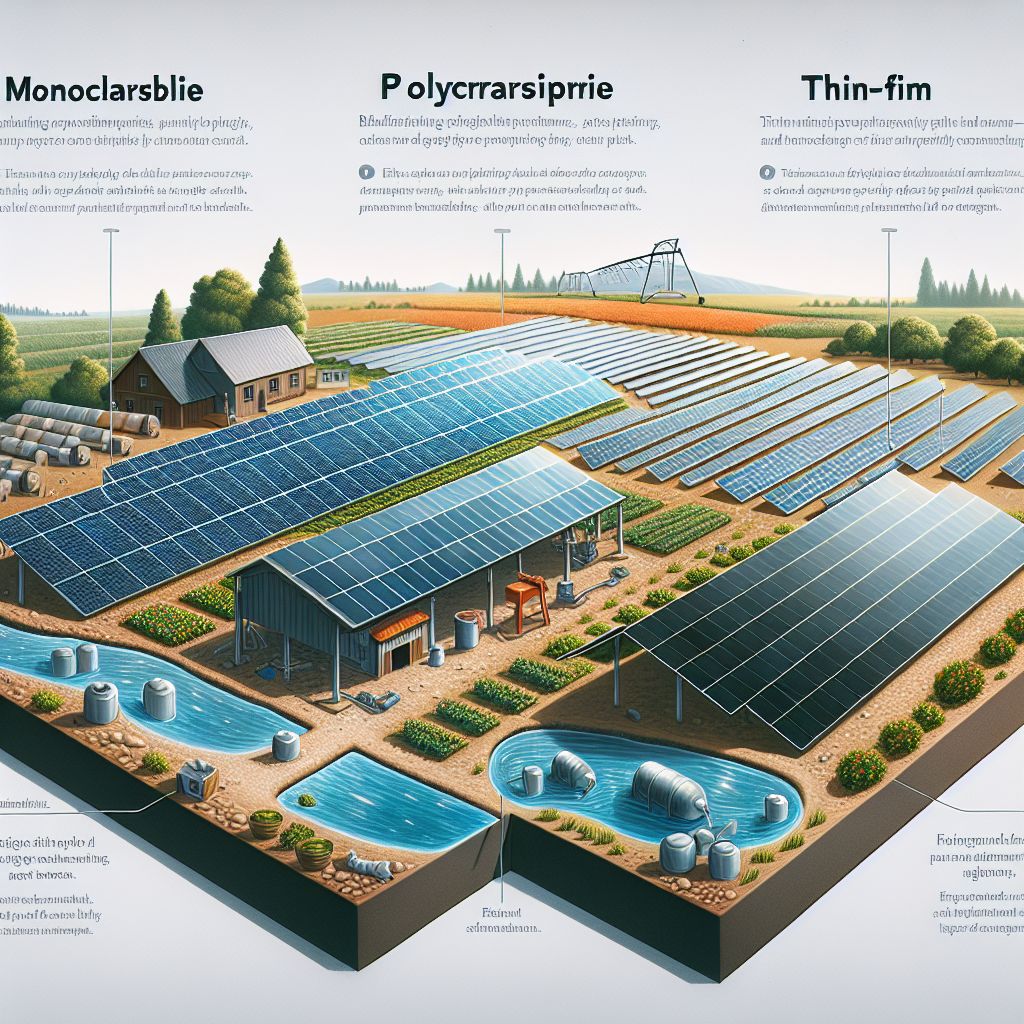
Conclusion:
Choosing the right solar panels for your farm’s irrigation system is crucial for ensuring reliable and sustainable energy. By understanding the different types of panels and their advantages and limitations, you can make an informed decision that meets your specific needs and constraints.
Monocrystalline panels offer the highest efficiency and durability, making them ideal for farms with limited space and high power requirements. Polycrystalline panels provide a balance of cost and performance, suitable for farms with more available space and moderate power needs. Thin-film panels offer flexibility and lightweight design, making them a practical choice for unconventional installations and smaller irrigation systems.
“Thin-film solar panels are best for RVs or other unconventional roof styles. They’re the most resilient.” – EnergySage
By considering factors such as space availability, budget constraints, and power requirements, you can select the best solar panel type to enhance your farm’s irrigation solutions. This investment will provide reliable and sustainable energy, ensuring the health and productivity of your crops for years to come.
Quick Overview of Each Solar Panel
Here’s a quick overview of each type of solar panel to help you make an informed decision:
Monocrystalline: Highest efficiency (17-22%), long lifespan (25+ years), high initial cost, ideal for limited space and high power needs.
Polycrystalline: Moderate efficiency (13-17%), lifespan of 20-25 years, more affordable, suitable for larger spaces and moderate power needs.
Thin-Film: Lower efficiency (10-13%), flexible and lightweight, less expensive, ideal for unconventional installations and smaller systems.
Which One is the Correct Solar Panel for a Farmer to Use with His Irrigation System
|
Type |
Efficiency |
Lifespan |
Cost |
Best For |
|---|---|---|---|---|
|
Monocrystalline | 17-22% |
25+ years |
High |
Limited space, high power needs |
|
Polycrystalline | 13-17% |
20-25 years |
Moderate |
Larger spaces, moderate power needs |
|
Thin-Film |
10-13% |
10-20 years |
Low |
Unconventional installations, smaller systems |
Frequently Asked Questions (FAQ)
What is the lifespan of monocrystalline solar panels?
Monocrystalline solar panels typically have a lifespan of 25 years or more. They are built to last and often come with warranties that guarantee performance over this period.
Are polycrystalline panels good for small farms?
Yes, polycrystalline panels can be a good option for small farms, especially if there is ample space for installation. They offer a balance of cost and efficiency, making them suitable for farms with moderate power needs.
Can thin-film panels handle extreme weather conditions?
Thin-film panels are less affected by high temperatures compared to other types of panels. They can perform well in hot climates, but their overall durability in extreme weather conditions may vary depending on the specific material used.
How do I maintain solar panels on my farm?
Maintaining solar panels involves regular cleaning to remove dust and debris, as well as periodic inspections to ensure they are functioning correctly. It’s also essential to monitor the system’s performance and address any issues promptly.
What are the initial setup costs for a solar-powered irrigation system?
The initial setup costs for a solar-powered irrigation system can vary widely depending on the type and number of panels, installation complexity, and additional equipment required. Generally, monocrystalline panels are the most expensive, followed by polycrystalline and thin-film panels. It’s essential to get quotes from multiple installers to find the best deal.







Leave a Reply