

Key Takeaways
Solar panels are highly efficient in sunny weather but can still function on cloudy days, although at reduced capacity.
Temperature variations can impact solar panel efficiency, with extreme heat reducing performance.
Snow can obstruct sunlight, but modern panels are designed to shed snow quickly.
Regular maintenance is crucial to ensure optimal performance, especially in areas with harsh weather conditions.
Battery storage systems and hybrid solutions can help mitigate the effects of variable weather on solar power generation.
Introduction to Solar Irrigation Systems
Solar irrigation systems are transforming how farmers water their crops, especially in remote areas with limited access to electricity. These systems harness the sun’s power to run water pumps, making them a sustainable and eco-friendly option. But like all technologies, they have their challenges, particularly when it comes to weather conditions.
What is Solar Irrigation?
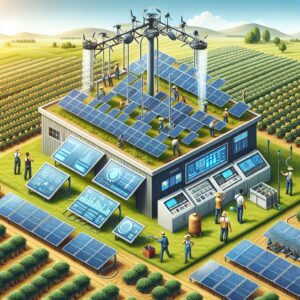
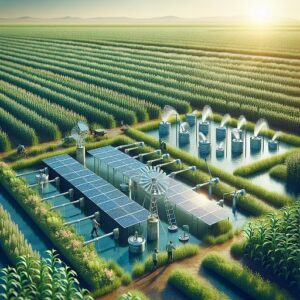
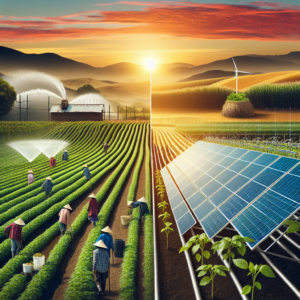
Solar irrigation uses solar panels to convert sunlight into electricity, which then powers water pumps for irrigation. This method is not only cost-effective but also reduces reliance on fossil fuels, making it a greener choice.
How Solar Irrigation Systems Work
Solar panels capture sunlight and convert it into direct current (DC) electricity. This electricity is then passed through an inverter to convert it to alternating current (AC), which powers the water pump. Some systems also include battery storage to store excess energy for use during cloudy days or at night.
Benefits of Solar Irrigation Systems
The benefits of solar irrigation systems are numerous:
Cost savings on electricity and fuel
Reduced carbon footprint
Independence from grid electricity
Low maintenance requirements

Importance of Weather Conditions in Solar Irrigation Systems
Weather conditions play a significant role in the performance of solar irrigation systems. Understanding how different weather elements affect these systems can help you make informed decisions and optimize their use.
Role of Sunlight in Solar Power Generation
Sunlight is the primary source of energy for solar panels. The more sunlight that hits the panels, the more electricity they generate. This is why solar panels are most effective in regions with abundant sunlight.
“Solar panels perform best in clear, sunny conditions. However, they can still generate electricity on cloudy days, albeit at a reduced efficiency.”
Impact of Cloud Cover on Solar Panels
Cloud cover can significantly reduce the amount of sunlight reaching the solar panels. On a heavily overcast day, solar panels may operate at only 10-25% of their capacity. This reduction can affect the overall efficiency of solar irrigation systems, making it crucial to have a backup plan, such as battery storage or hybrid systems.
Seasonal Variations
Seasonal changes can also impact solar panel performance. During winter, the angle of the sun is lower, and days are shorter, resulting in less sunlight. Snow can further obstruct sunlight, although most modern panels are designed to shed snow quickly. In contrast, summer offers longer days and more direct sunlight, boosting the efficiency of solar panels.
Day-Night Cycle
The day-night cycle is another factor to consider. Solar panels generate electricity only during the day. Therefore, having a battery storage system can be beneficial to store excess energy generated during the day for use at night.
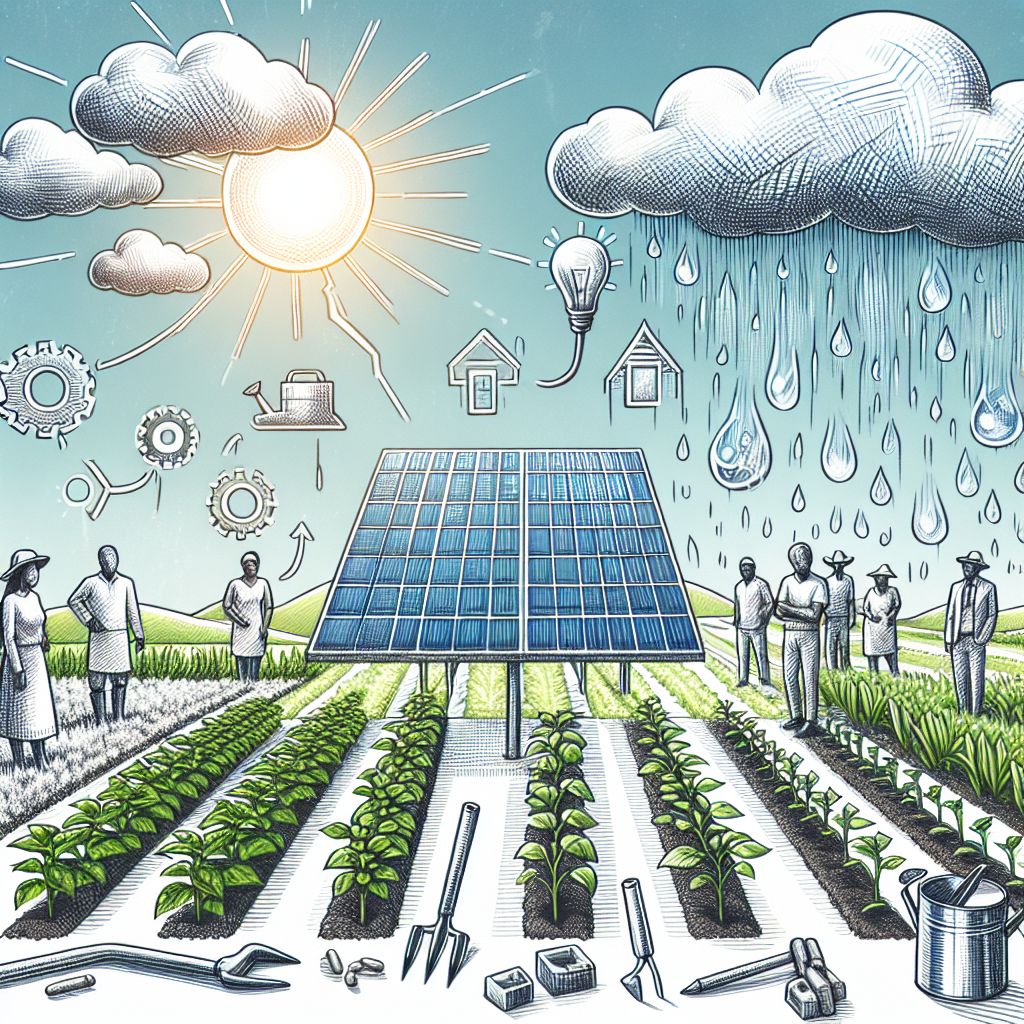
Here is a table summarizing how different weather conditions impact the performance of solar panels on a farm:
|
Weather Condition |
Impact on Solar Panel Performance |
|---|---|
|
Temperature |
Solar panels operate more efficiently in cooler temperatures. High temperatures can reduce efficiency due to increased resistance within the photovoltaic cells, leading to decreased voltage and power output. 1, 2, 3, 4 |
|
Cloud Cover |
Cloudy weather reduces solar panel efficiency as less sunlight reaches the panels. Production can drop by 10% to 30% on overcast days, depending on cloud density. 1, 2, 3, 5 |
|
Rain |
While rain can decrease solar production due to cloud cover, it helps clean panels by removing dust and debris, which can improve efficiency once the skies clear. 2, 3, 5 |
|
Snow |
Snow can block sunlight from reaching the panels, significantly reducing electricity production. However, snow often melts quickly due to the panels’ positioning and slight warmth from sunlight. 1, 3, 5 |
|
Wind |
Moderate wind can improve efficiency by cooling the panels, while strong winds may pose a risk of physical damage. 3 |
|
Humidity |
High humidity can reduce efficiency by increasing cloud cover and atmospheric water vapor, which scatters sunlight. However, it can also help cool panels through evaporation, potentially mitigating some heat effects. 4 |
|
Air Pollution |
Air pollutants scatter and reflect sunlight, increasing diffused light and reducing the amount of direct sunlight reaching the panels, thereby decreasing efficiency. 2, 5 |
Factors Affecting the Reliability of Solar Irrigation Systems
While solar irrigation systems represent a sustainable and innovative solution for modern agriculture, their reliability is influenced by various factors such as weather fluctuations, temperature impacts, and maintenance challenges. Understanding these elements is critical for farmers and stakeholders looking to maximize the benefits of solar technology for irrigation. By addressing these challenges through improved designs, strategic planning, and community support, we can enhance the effectiveness of solar irrigation systems, paving the way for a more sustainable agricultural future.
Effect of Weather Fluctuations on Water Supply
Weather fluctuations can have a direct impact on the water supply managed by solar irrigation systems. For instance, during prolonged cloudy periods, the reduced efficiency of solar panels can lead to insufficient power for the water pumps. This can be particularly problematic during dry spells when crops need consistent irrigation.
“In regions where weather patterns are unpredictable, farmers have reported a 30% decrease in irrigation efficiency during prolonged cloudy periods.”
Besides that, heavy rains can cause waterlogging, affecting both the solar panels and the crops. Flooded fields can make it difficult for solar panels to receive adequate sunlight, further reducing their efficiency. Additionally, waterlogged soil can damage crops, compounding the challenges faced by farmers. For more information, check out the downsides of solar irrigation systems for farms.
Therefore, it’s crucial to have a robust water management strategy that takes into account these weather fluctuations. This might include installing drainage systems to handle excess water or using water storage tanks to collect and store rainwater for future use.
Temperature Impacts on Solar Efficiency
Temperature plays a significant role in the efficiency of solar panels. Contrary to popular belief, solar panels do not perform better in extreme heat. In fact, high temperatures can reduce their efficiency. Most solar panels are rated to perform optimally at 25°C (77°F). For every degree above this temperature, their efficiency can drop by 0.5%.
This reduction might seem small, but over time and across large installations, it can add up to significant losses in power generation. For example, on a 35°C (95°F) day, the efficiency of solar panels could drop by 5%, affecting the overall performance of the solar irrigation system.
To mitigate this, consider the following strategies for solar irrigation systems:
Installing solar panels in well-ventilated areas to allow for natural cooling
Using solar panels with better temperature coefficients, which are designed to perform well in high temperatures
Implementing active cooling systems, such as water sprays, to lower the temperature of the panels
Maintenance and Technical Challenges
Regular maintenance is crucial to ensure the optimal performance of solar irrigation systems, especially in areas with harsh weather conditions. Dust, dirt, and debris can accumulate on the surface of solar panels, blocking sunlight and reducing efficiency. Regular cleaning can help maintain their performance.
The reliability of solar irrigation systems is also contingent upon the maintenance and technical challenges that can arise during their operation.
Regular Maintenance: Like any technology, solar irrigation systems require regular upkeep to ensure optimal performance. Dust accumulation on panels can significantly reduce their efficiency, particularly in arid environments. Regular cleaning schedules and inspections are necessary to maintain their operational capacity.
Technical Issues: Components of solar irrigation systems, such as pumps, inverters, and control systems, can experience failures due to wear and tear or external impacts. However, technical expertise in rural areas may be limited, making it challenging to address these issues promptly.
Integration with Existing Infrastructure: Many farmers have existing irrigation infrastructure that they wish to upgrade to solar-powered systems. Integrating new technology with old systems can present both logistical and technical challenges that impact reliability.
Financial Constraints: The initial investment for installing a solar irrigation system can be a barrier for many farmers, especially in developing countries. Securing funding or financial support for maintenance and upgrades may be essential to ensure the long-term reliability of these systems.
Case Studies on the Impact of Weather on Solar Irrigation Systems
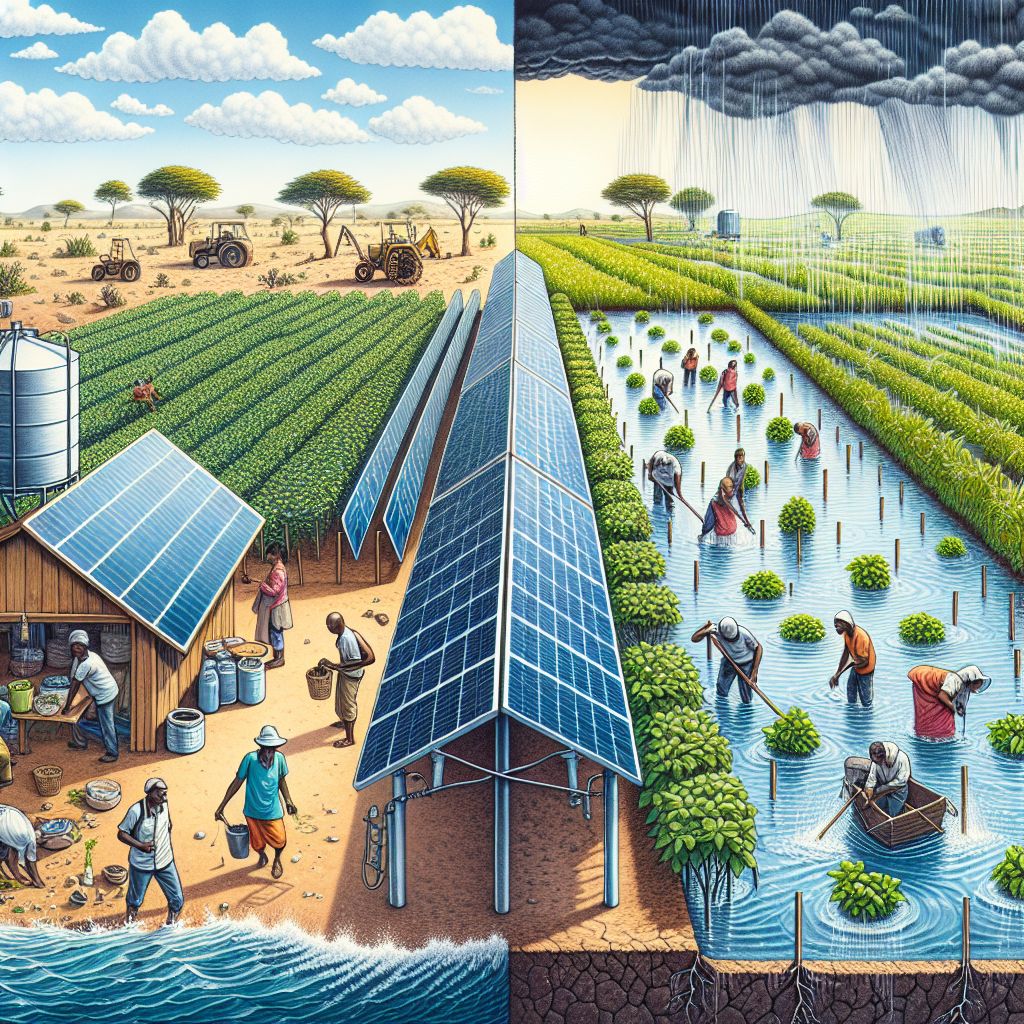
Real-world examples provide valuable insights into how solar irrigation systems perform under different weather conditions. These case studies highlight both the successes and challenges faced by farmers using these systems.
Real-World Examples of Success
In a rural area of Kenya, a community of farmers implemented a solar irrigation system to combat frequent droughts. Despite occasional cloudy days, the system provided a reliable water supply, boosting crop yields by 40%. The farmers also installed water storage tanks to collect rainwater, ensuring a steady water supply even during dry spells.
Lessons Learned from Weather-Related Failures
In contrast, a farming cooperative in India faced challenges with their solar irrigation system due to the monsoon season. Heavy rains and flooding disrupted the system’s efficiency, leading to waterlogged fields and damaged crops. The cooperative learned the importance of integrating drainage systems and elevating solar panels to prevent future issues.
These examples demonstrate the importance of planning and adapting to local weather conditions to ensure the reliability of solar irrigation systems.
Solutions and Strategies to Enhance Reliability in Variable Weather Conditions
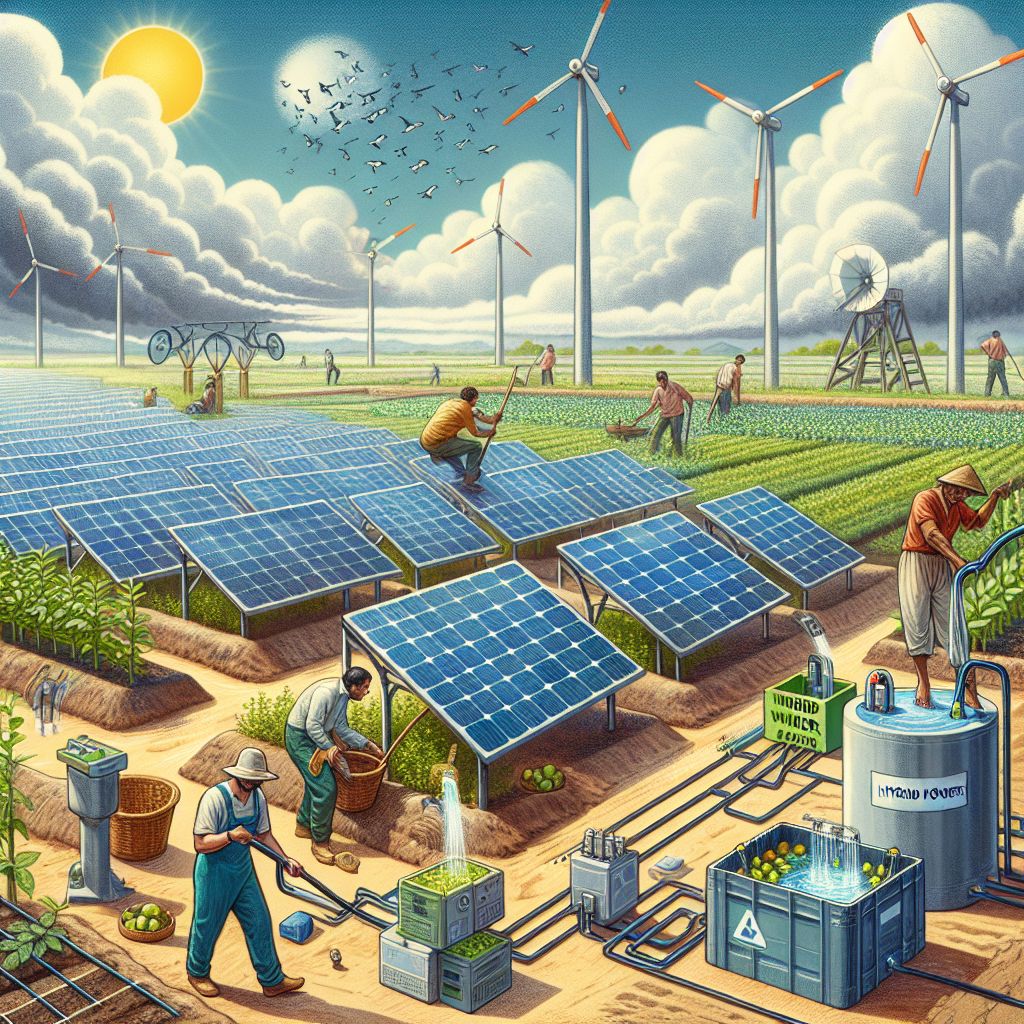
Adapting solar irrigation systems to variable weather conditions requires a combination of technological advancements and strategic planning. Here are some effective solutions to enhance their reliability:
Implementing Battery Storage Systems
Battery storage systems can store excess energy generated during sunny days for use during cloudy periods or at night. This ensures a continuous power supply for the irrigation system, regardless of weather conditions. Modern lithium-ion batteries are efficient and have a long lifespan, making them a viable option for solar irrigation systems.
Using Hybrid Power Solutions
Hybrid power solutions combine solar power with other renewable energy sources, such as wind or hydro power. This diversification ensures a more reliable energy supply, especially in regions with variable weather conditions. For instance, wind turbines can generate electricity during windy periods when solar panels might be less effective.
By integrating these strategies, farmers can enhance the reliability and efficiency of their solar irrigation systems, ensuring a consistent water supply for their crops, regardless of weather conditions.
Adapting solar irrigation systems to variable weather conditions requires a combination of technological advancements and strategic planning. Here are some effective solutions to enhance their reliability:
Implementing Battery Storage Systems
Battery storage systems can store excess energy generated during sunny days for use during cloudy periods or at night. This ensures a continuous power supply for the irrigation system, regardless of weather conditions. Modern lithium-ion batteries are efficient and have a long lifespan, making them a viable option for solar irrigation systems.
Using Hybrid Power Solutions
Hybrid power solutions combine solar power with other renewable energy sources, such as wind or hydro power. This diversification ensures a more reliable energy supply, especially in regions with variable weather conditions. For instance, wind turbines can generate electricity during windy periods when solar panels might be less effective.
Regular Maintenance and Upgrades
Regular maintenance is essential to keep solar irrigation systems running efficiently. This includes cleaning the panels to remove dust and debris, inspecting for physical damage, and ensuring all electrical connections are secure. Upgrading to more advanced technologies, such as weather-resistant solar panels and smart irrigation controllers, can further enhance system reliability.
Government and NGO Support
Government and non-governmental organizations (NGOs) can play a significant role in promoting and supporting solar irrigation systems. This includes providing financial incentives, technical assistance, and training programs for farmers. Such support can help overcome initial barriers and ensure the long-term success of solar irrigation projects.
Conclusion
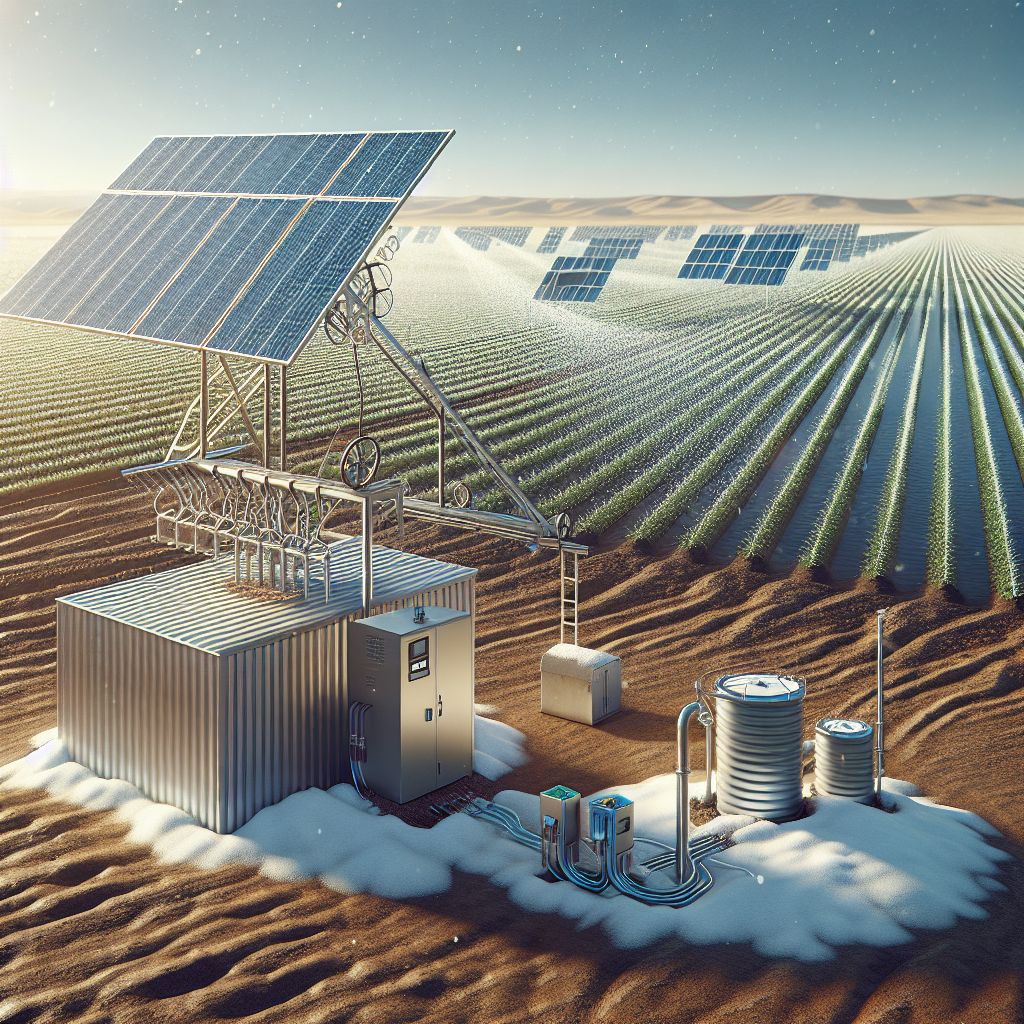
Solar irrigation systems offer a sustainable and cost-effective solution for farmers, particularly in remote areas with limited access to electricity. However, weather conditions can significantly impact their performance. By understanding these effects and implementing strategies such as battery storage, hybrid solutions, and regular maintenance, farmers can enhance the reliability and efficiency of their solar irrigation systems.
Key Points Summary
Understanding the impact of weather conditions on solar irrigation systems is crucial for optimizing their performance and reliability:
Solar panels are most efficient in sunny conditions but can still function on cloudy days at reduced capacity.
Temperature variations, especially extreme heat, can impact the efficiency of solar panels.
Snow can obstruct sunlight, but modern panels are designed to shed snow quickly.
Regular maintenance is essential to ensure optimal performance, particularly in harsh weather conditions.
Battery storage systems and hybrid power solutions can mitigate the effects of variable weather on solar power generation.
Future Prospects
The future of solar irrigation systems looks promising, with ongoing advancements in technology and increasing support from governments and NGOs. Innovations in weather-resistant designs, integrated sensors, and smart irrigation technologies will further enhance the reliability and efficiency of these systems. As more farmers adopt solar irrigation, the cumulative impact on sustainability and environmental protection will be significant.
Final Recommendations: Is it a Good Idea for a Farmer to Use Solar Panels in an Area that has a Lot of Bad Weather?
While weather conditions can affect the performance of solar panels, the benefits of solar irrigation systems often outweigh the challenges. Farmers in areas with variable weather can still successfully implement these systems by incorporating strategies such as battery storage, hybrid solutions, and regular maintenance. With proper planning and support, solar irrigation can be a reliable and sustainable option for farmers, even in regions with challenging weather conditions.
FAQ
Can solar irrigation systems work in cloudy weather?
Yes, solar irrigation systems can work in cloudy weather, although at reduced efficiency. On heavily overcast days, solar panels may operate at only 10-25% of their capacity. To mitigate this, consider using battery storage systems to store excess energy generated on sunny days for use during cloudy periods.
What are the maintenance requirements for solar irrigation systems?
Regular maintenance is crucial for the optimal performance of solar irrigation systems. This includes cleaning the solar panels to remove dust and debris, inspecting for physical damage, and ensuring all electrical connections are secure. Regularly checking and maintaining the water pumps and other system components is also essential.
How has solar panel technology become more weather resistant?
Advancements in solar panel technology have made them more weather resistant. Modern panels are designed to withstand extreme temperatures, heavy snowfall, and strong winds. Additionally, integrated sensors and smart technologies help optimize performance based on real-time weather conditions.
How can I safeguard my solar panels against hail damage?
To protect your solar panels from hail damage, consider installing protective covers or shields. Regularly inspecting the panels for any signs of damage and addressing issues promptly can also help prevent more significant problems. Some modern solar panels are designed with durable materials that can withstand hail impact.
Solar panels have become increasingly popular for agricultural operations due to their efficiency and sustainability. Farmers are now able to use solar energy to power various systems on their farms, including irrigation systems and water pumps. This shift not only reduces energy costs but also minimizes the environmental impact of farming practices. With the right setup, solar panels can provide a reliable source of energy, even in remote locations where traditional power sources are unavailable. For more information on how solar panels can power various farm operations, visit this detailed guide.

Leave a Reply