
Key Takeaways
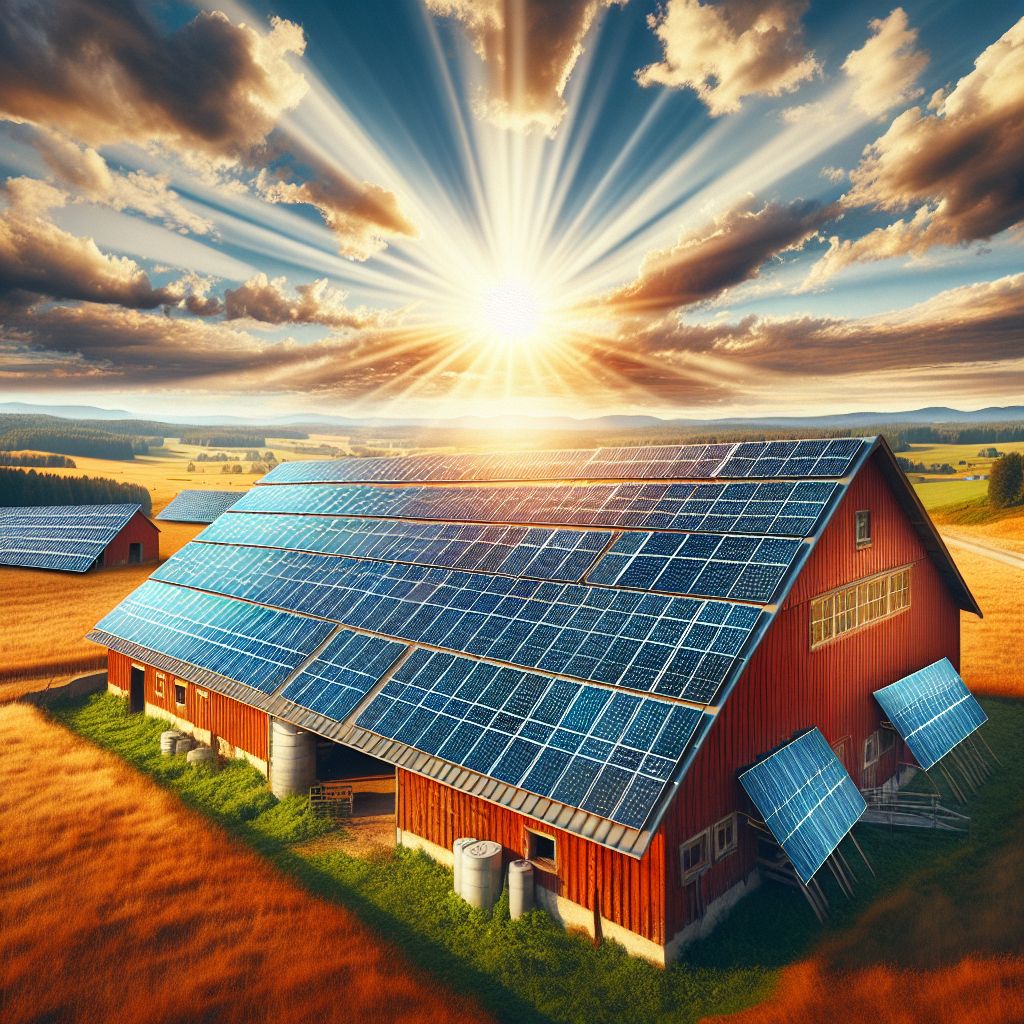
Solar panels can drastically cut down on your barn’s energy costs, saving you hundreds of dollars each year.
By installing solar panels on your barn, you can decrease your carbon footprint and help create a more sustainable environment.
Monocrystalline, polycrystalline, and thin-film solar panels all have different benefits; the best type for you depends on your specific needs.
It’s essential to properly assess your site, including checking sunlight exposure and roof condition, for effective solar panel installation.
There are various financing options, such as tax credits and rebates, that can make solar panel installation more affordable.
Best Solar Panels for Barns: Benefits & Installation Advice
Why Barns Are Perfect for Solar Panels
There are several reasons why installing solar panels on your barn is a wise choice. Barns usually have large, unobstructed roof spaces that are ideal for solar panels. In addition, many barns are in rural areas where there’s plenty of sunlight and energy costs are high.
First and foremost, making the switch to solar energy in your barn can turn it into a space of great usefulness. Regardless of whether your barn is used for keeping equipment, sheltering animals, or even serving as a location for events, solar panels can offer a dependable and eco-friendly source of power.

Benefits of Solar Panels for Barns
Solar panels for barns are more than just an eco-friendly trend; they represent a practical solution to the energy challenges many agricultural and recreational operations face. By investing in solar energy, barn owners can enjoy significant savings on energy costs, increased property values, and an enhanced commitment to sustainability. Furthermore, the financial incentives and versatile installation options available in the market today make solar energy an attractive proposition for barn operators looking to embrace the future.
Significant Cost Savings
One of the main advantages of installing solar panels on your barn is the considerable expense reduction. Traditional energy sources can be costly, particularly in rural areas. Solar panels can significantly decrease or even get rid of your electricity bills.
For instance, using solar-powered irrigation for growing pecans can significantly improve water efficiency and crop yield.
“An Iowa farmer installed solar panels on his barn and watched his electricity bill plummet from $200 per month to a mere $20. Over the course of a year, he pocketed $2,160 in savings, which he was able to pour back into his farm.”
Reduction in Carbon Footprint
Switching to solar energy can drastically reduce your carbon footprint. Solar panels generate clean, renewable energy that doesn’t spew harmful greenhouse gases. This makes them a top-notch option for anyone wanting to green up their barn. Learn more about solar panel irrigation for growing almonds and how it can benefit your farm.
Reliable Energy Source
Solar panels offer a reliable power supply, particularly in isolated areas where power interruptions frequently occur. Once they’re set up, solar panels can produce electricity even on overcast days, guaranteeing your barn is always powered.
Easy Maintenance
Solar panels are easy to maintain, which is perfect for the busy farmer. An annual check and a quick clean every now and then is usually all you need to keep your solar panels working properly. For more information on choosing the best solar panels, check out best solar panels for a farm.
Here’s a table summarizing the benefits and drawbacks of using solar panels to power a barn:
|
Benefits |
Drawbacks |
|---|---|
|
Initial installation costs can be high 3 | |
|
Requires sufficient sunlight exposure 2 | |
|
May need structural reinforcement for roof 2 | |
|
Long-term reliability (30+ years lifespan) 2 |
Not ideal for barns with heavy shade 2 |
|
Effectiveness varies with weather conditions 6 | |
|
Potential for excess energy production 3 |
May require battery storage for nighttime use 7 |
|
Avoids costs of extending utility lines 3 |
Finding qualified installers can be challenging 5 |
|
Quieter than generator alternatives 3 |
Performance may decrease over time 8 |
|
Panels may contain some toxic materials 5 | |
|
Not cost-effective for very short-term use 5 |
Types of Solar Panels Suited for Barns
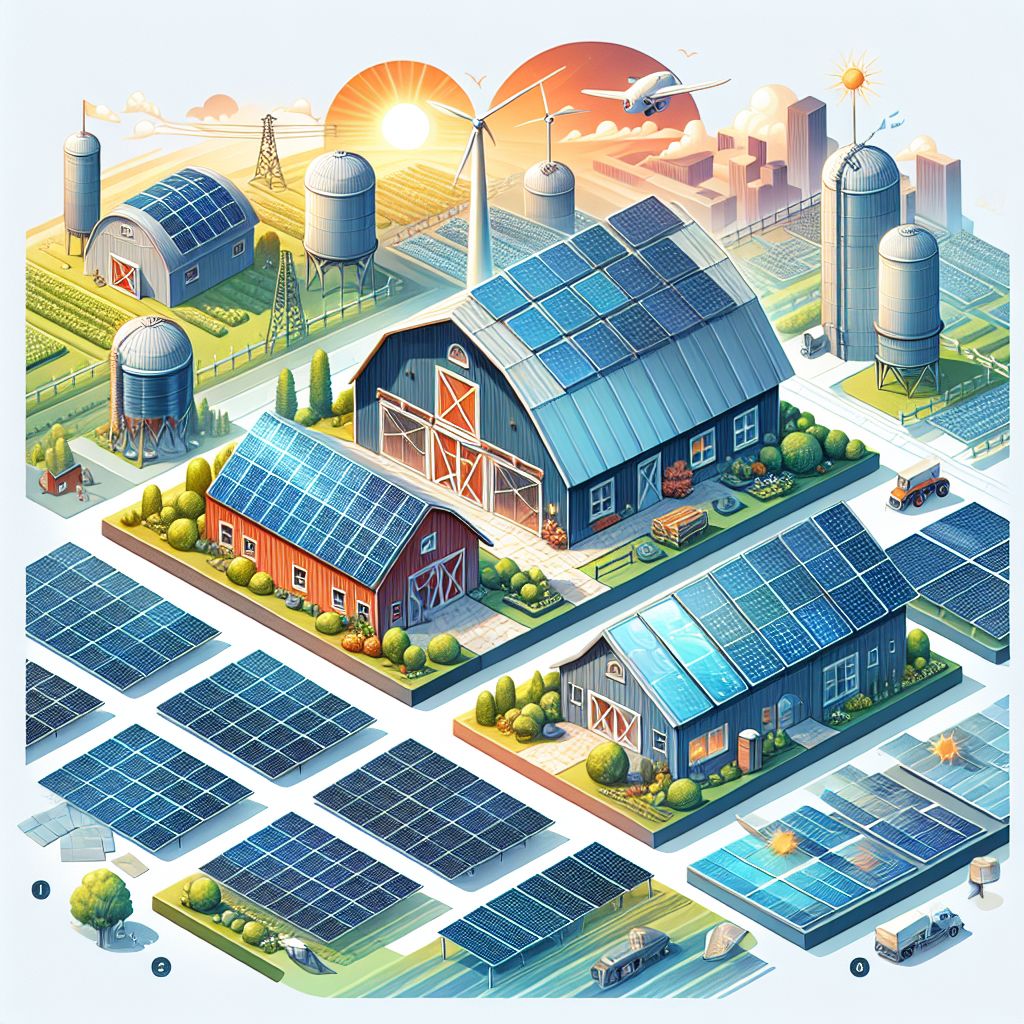
When it comes to solar panels for your barn, you have three main options: monocrystalline, polycrystalline, and thin-film. Each type has its own benefits, so it’s important to pick the one that’s right for you.
Monocrystalline Solar Panels: High Efficiency in Limited Spaces
Monocrystalline solar panels are renowned for their superior efficiency and long lifespan. They are created from a single crystal structure, which enables them to transform sunlight into electricity more effectively than other panel varieties. For more information, check out the best solar panels for a farm.
Monocrystalline panels, due to their high efficiency, are a fantastic option if your barn has a small roof. They might have a higher initial cost, but the long-term advantages often make up for the upfront investment.
Polycrystalline Solar Panels: A Budget-Friendly Energy Solution
Polycrystalline solar panels are composed of multiple silicon crystals, which makes them less efficient than monocrystalline panels but more budget-friendly. They are a cost-effective choice for those who want to strike a balance between efficiency and budget.
Thin-Film Solar Panels: The Perfect Fit for Unique Structures
Thin-film solar panels are light and bendable, so they’re perfect for roofs that are oddly shaped or buildings that can’t hold up under the weight of heavier panels. Even though they’re not as efficient as crystalline panels, their ability to adapt to different situations makes them a great choice in certain circumstances. For more on how solar technology can be adapted for various agricultural needs, check out this article on solar-powered irrigation for growing sesame.
Here is a table showing the pros and cons of using different types of solar panels with an irrigation system on a farm:
|
Panel Type |
Pros |
Cons |
|---|---|---|
|
Monocrystalline Panels |
– High efficiency (15-22%), producing more power per square foot. 1, 2, 4 | |
|
Polycrystalline Panels |
– Lower upfront cost than monocrystalline. 1, 2 |
– Lower efficiency and shorter lifespan than monocrystalline. 2, 4 |
|
Thin-Film Solar Panels |
– Lowest upfront cost. 1, 2 |
– Lowest efficiency (7-13%). 2, 4 |
Top Solar Panels to Po
The choice depends on factors like budget, space constraints, climate, and expected lifespan. Monocrystalline panels offer the best long-term performance but at a higher upfront cost. 1, 2, 4
Top Solar Panels to Power a Barn
When selecting the top solar panels for your barn, take into account your budget, the space on your roof, and your energy requirements. Monocrystalline panels are the most efficient in small spaces, while polycrystalline panels offer a good balance between cost and performance. Thin-film panels offer flexibility for unique installations.
Calculating Energy Needs and System Size
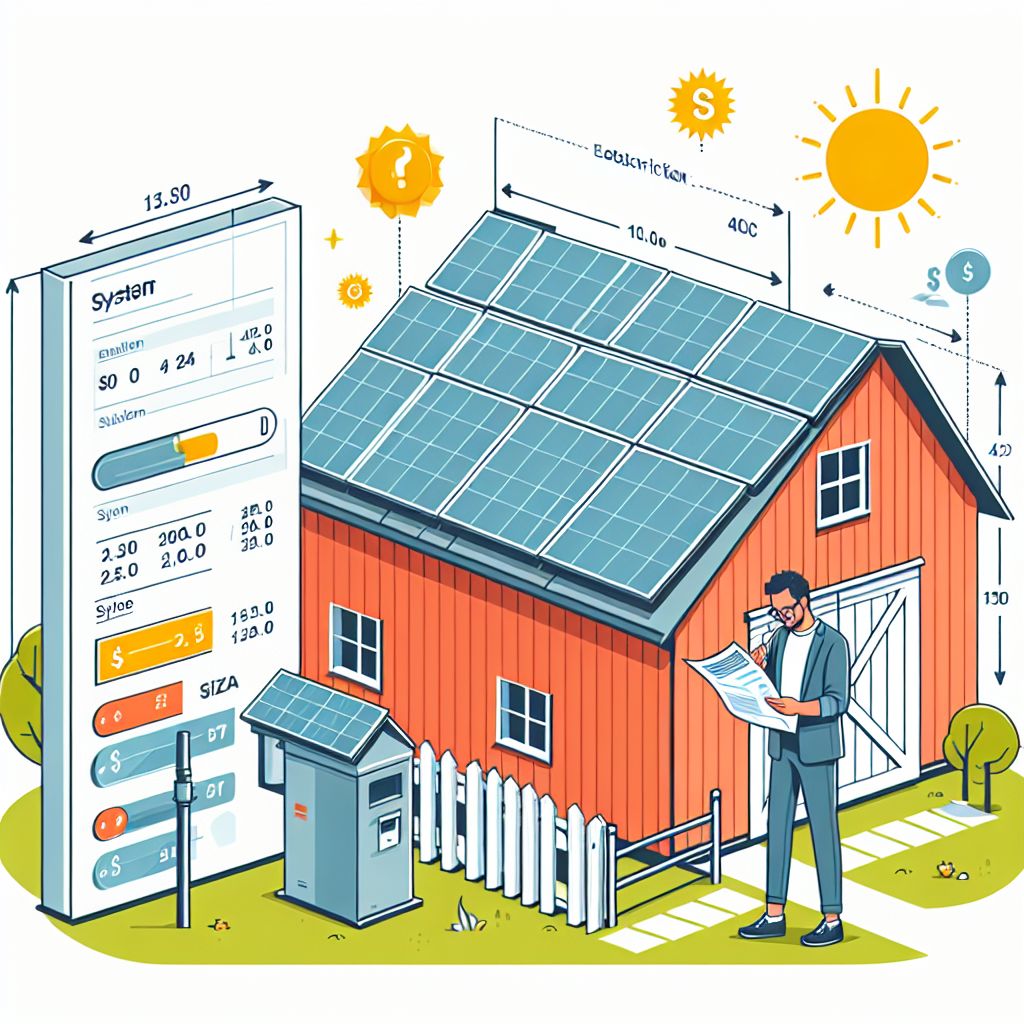
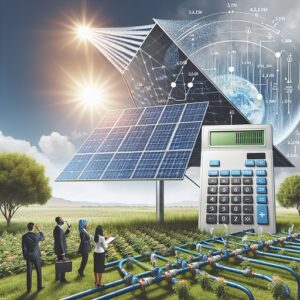
Prior to setting up solar panels, it’s important to figure out the energy requirements of your barn and decide on the right size for your system. This guarantees that you set up a system that can handle your energy needs without you having to pay more for extra capacity.
Assessing Your Barn’s Energy Consumption
Begin by reviewing your barn’s current power usage. You can do this by examining your electricity bills to see what your average monthly usage is. This will give you a good idea of how much power your solar panel system needs to produce.
Determining the Appropriate System Size
After you’ve figured out how much energy you use, you can then figure out the size of the system you’ll need. Most companies that make solar panels provide calculators or guidelines to help you figure out how many panels you’ll need based on how much energy you use and the amount of sunlight in your area.

Site Assessment and Preparation
Investing in solar panels for your barn can be a transformative project that not only reduces electricity costs but also adds value to your property and supports environmental sustainability. Through careful site assessment and preparation, you can ensure a successful installation that meets your energy needs and stands the test of time. If you’re considering solar, take the time to evaluate your site thoroughly, consult with professionals, and prepare adequately for a successful installation. By doing so, you’ll be taking a meaningful step towards a greener future for your barn and beyond.
Assessing Sunlight Exposure
Prior to setting up solar panels, it’s important to assess how much sunlight your barn gets. Solar panels require direct sunlight to produce electricity effectively. As such, select a location on your barn’s roof that receives the most sunlight during the day. For more detailed guidance, check out this article on best solar panels for a farm.
Make use of resources such as solar pathfinders or web-based solar maps to evaluate how much sun your barn gets. These tools will assist you in spotting any potential shading problems from trees or other buildings, making sure you choose the best spot for your panels.
Roof Condition and Structural Integrity
The roof of your barn needs to be in a good state to hold solar panels. Look over the roof for any damage like leaks, cracks, or weak spots. These problems need to be fixed before installation to make sure the panels have a strong base.
You may want to bring in an expert to evaluate the sturdiness of your roof. A roof that’s been kept up well can hold up the weight of solar panels, which usually weigh about 50 pounds each. If your roof isn’t in good shape, you might need to strengthen it or make needed repairs. Learn more about solar panels for barns.
“An Ohio farmer had to replace the roof of his barn before he could install solar panels. The old roof wasn’t strong enough to hold the extra weight, but once he replaced it, he was able to install the solar panels without any problems.”
Positioning for Maximum Efficiency
The placement of your solar panels is key to getting the most energy production. Ideally, you want your panels to face south if you’re in the northern hemisphere so they can get the most sunlight. If you can’t face them south, southeast or southwest can also work.
Moreover, for the panels to absorb sunlight optimally, the tilt angle should be the same as your latitude. For instance, if your latitude is 30 degrees, then the panels should be tilted at a 30-degree angle. You can use adjustable mounts to get the perfect tilt. Learn more about solar panels for barns.

Installation Process: A Step-by-Step Guide
There are a number of steps involved when installing solar panels on your barn, from selecting a professional installer to hooking up the system to your barn’s electrical grid. For more details, you can refer to our guide on best solar panels for a farm. Here’s a step-by-step guide to assist you with the process:
Choosing a Professional Installer
Even though some people prefer to install solar panels themselves, it is usually a good idea to hire a professional installer to make sure everything is set up safely and correctly. When you’re looking for an installer, try to find one with experience in agricultural or barn solar installations. Look at their reviews, ask them for references, and make sure they are certified.
By getting a variety of quotes, you can ensure you’re getting the best price. Additionally, a professional installer will take care of any required permits and inspections, making sure your system is up to code. For more information on choosing the right solar panels, check out best solar panels for a farm.
Installing Mounting Systems
Once you’ve decided to install solar panels on your barn, the first step is to set up the mounting systems. These are the structures that will hold your solar panels in place on your barn’s roof. Depending on what you need, you can choose between fixed or adjustable mounting systems.
Fixed Mounts: Fixed mounts are simple and inexpensive, but they don’t allow for much flexibility. The panels remain in one position and can’t be adjusted to capture more sunlight.
Adjustable Mounts: Adjustable mounts are more expensive, but they allow you to change the angle of the panels. This can increase the efficiency of your system by allowing it to capture more sunlight throughout the year.
Installing and Connecting the Panels
The solar panels are installed after the mounting systems are in place. They are secured to the mounts and connected in a series to form a solar array. The wiring needs to be done correctly for safety and efficiency, so it’s best to leave this task to professionals.
Once the panels are set up, they’re hooked up to an inverter. This inverter changes the direct current (DC) electricity that the panels produce into alternating current (AC) electricity that your barn can utilize. For more details on solar panel efficiency, check out best solar panels for a farm.
Setting Up the Inverter and Battery Storage
The inverter is an essential part of your solar panel system. It changes the DC electricity from the panels into AC electricity that your barn can use. There are various types of inverters, such as string inverters, microinverters, and power optimizers. Select the one that is most suitable for your system’s requirements.
For those looking to save surplus energy for future use, think about setting up a battery storage system. Batteries can offer backup power during overcast days or nighttime, making sure your barn always has a dependable source of energy.
Linking Up with Your Electric Grid
The last step in the process is to hook your solar panel system up to your barn’s electrical grid. This step involves connecting the inverter to the electrical panel in your barn and setting up a system to monitor how much energy is being produced and used.
After all the parts are hooked up, your installer will do a final check to make sure everything is running smoothly. They’ll also show you how to keep an eye on your new solar panel system and keep it in good shape.
Financing and Incentives
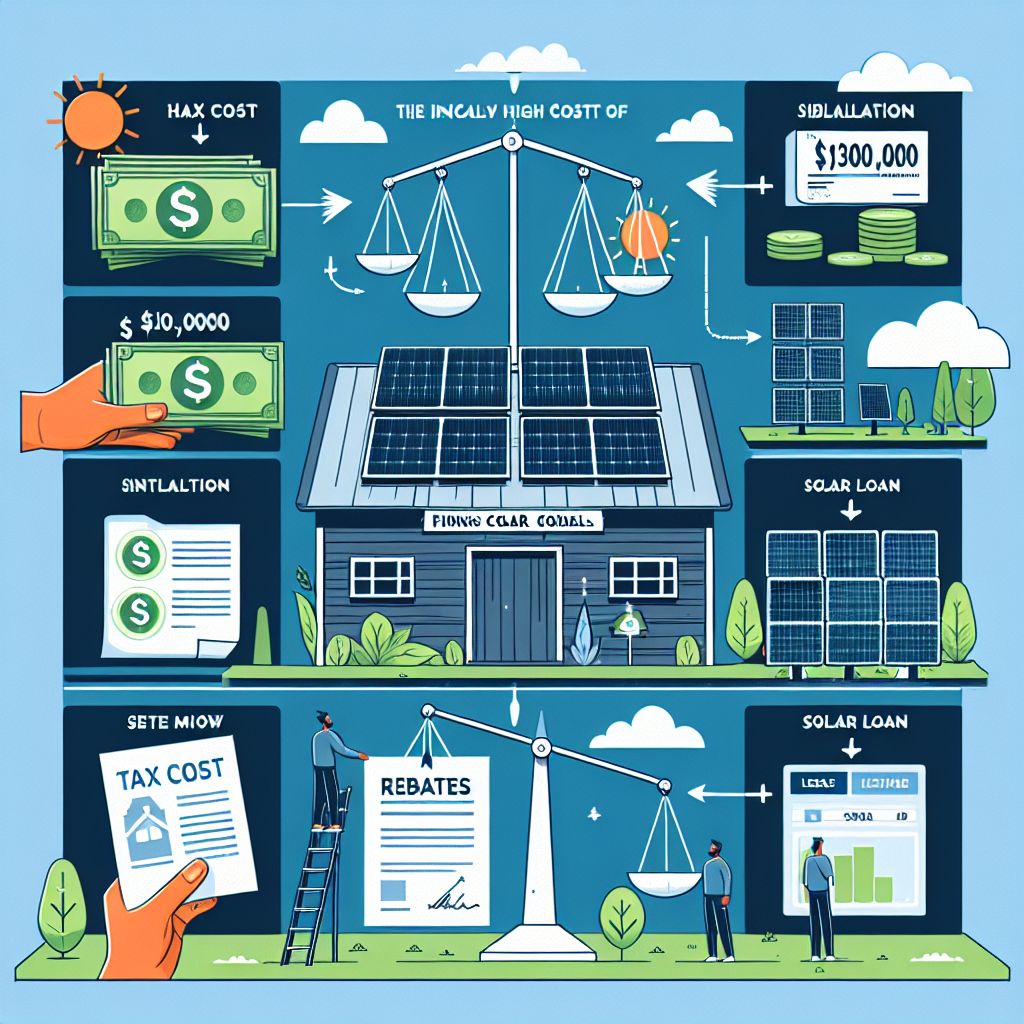
While the initial cost of setting up solar panels can be steep, there are numerous funding options and perks that can make it more budget-friendly. Being aware of these can help you make a well-informed choice and get the most bang for your buck.
Understanding the Initial Costs
The upfront cost of mounting solar panels on your barn can differ based on the system size, panel type, and complexity of installation. On average, a full solar panel system will likely cost you somewhere between $10,000 and $30,000.
But there are many incentives and financing options that can help to offset this cost. Many states offer rebates, tax credits, and other incentives to encourage people to go solar. Plus, solar loans and leases can help to spread out the cost over time.
Exploring Tax Credits and Rebates
A huge incentive for installing solar panels is the federal solar tax credit, also known as the Investment Tax Credit (ITC). This credit lets you deduct a portion of your solar installation costs from your federal taxes.
There are numerous state and local governments that provide rebates and incentives for installing solar panels. You can find out what programs are available in your area by contacting your state energy office or local utility company.
Thinking About Solar Loans and Leases
If you don’t have the money to pay for a solar panel system right away, you might want to think about solar loans or leases. Solar loans let you borrow money to pay for the system and then pay it back over time, like a home mortgage. Leases let you rent the system from a solar company, usually for little to no money up front.
Solar Loans: These loans may be secured or unsecured, with different interest rates and terms. They enable you to have ownership of the system and enjoy the benefits of tax credits and incentives.
Solar Leases: With a solar lease, you pay a set monthly fee to use the system. The solar company has ownership and maintains the system, and you enjoy the energy savings.
Maintenance and Troubleshooting
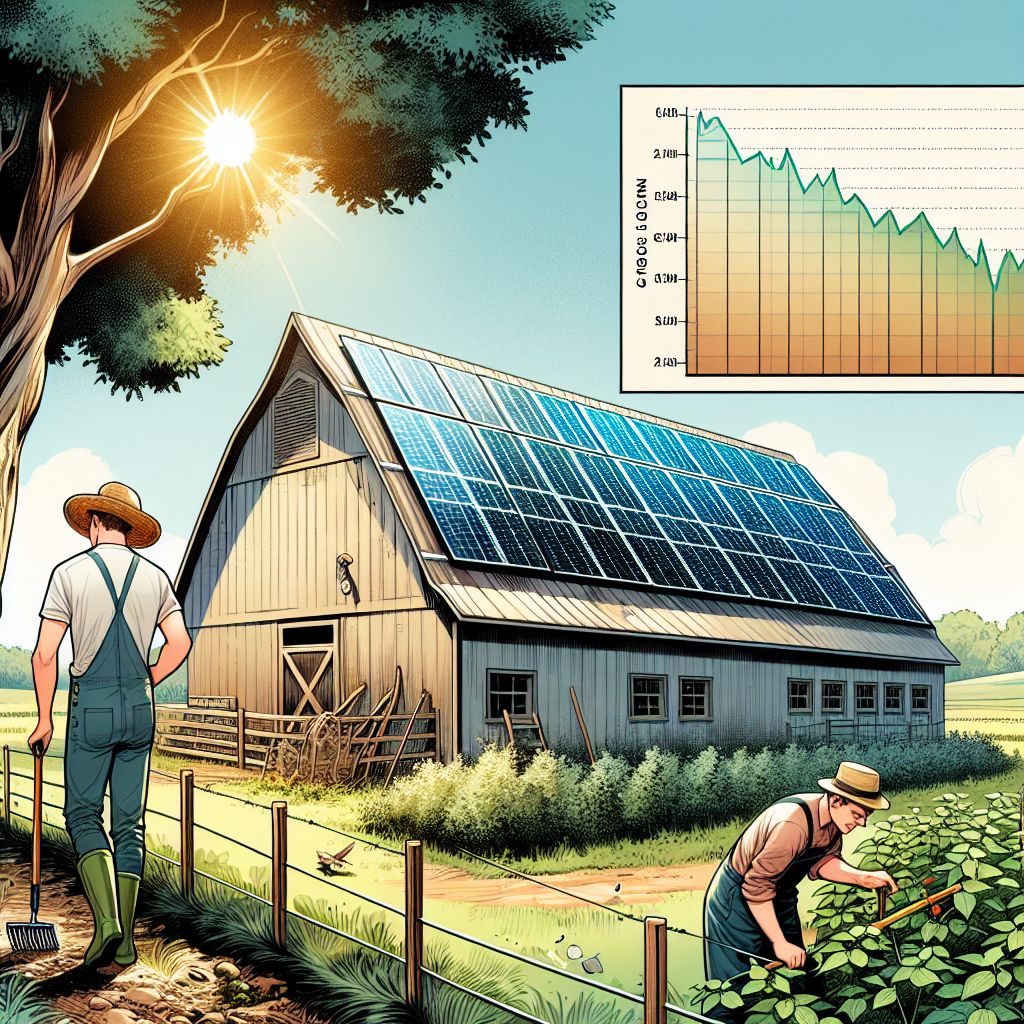
Incorporating solar panels into your barn can lead to increased efficiency, cost savings, and sustainability. However, like any mechanical system, they require maintenance and occasional troubleshooting to stay at peak performance. By implementing a routine maintenance schedule, keeping an eye on performance metrics, and knowing how to troubleshoot common issues, you can maximize the benefits of your solar energy system.
Whether you run a small farm or a large agricultural operation, the investment in solar panels can yield substantial long-term rewards when properly maintained. Let the sun work for you, empowering your barn to reach new heights of efficiency and sustainability!
Routine Cleaning and Upkeep
Maintaining your solar panels is relatively simple. Regular cleaning is vital to ensure the panels can absorb as much sunlight as possible. Dust, dirt, and debris can build up on the panels, reducing their efficiency. For more information, check out is your barn a good candidate for solar panels.
When it comes to cleaning your solar panels, you should use a soft brush or a hose with a gentle spray to get rid of any dirt. Make sure not to use any abrasive materials or harsh chemicals because they can harm the panels. The best time to clean your panels is early in the morning or late in the evening when they are cool to prevent thermal shock.
Identifying and Fixing Common Issues
Although solar panels don’t require much maintenance, it’s still vital to spot and resolve any problems quickly. Usual problems can be shading from new tree growth, bird droppings, or damage from harsh weather.
“A Texan farmer saw his energy production dip and found out that a tree had grown tall enough to shade his panels. After cutting the tree back, the system went back to working at its best.”
If you see a big drop in energy production, check your panels and the area around them. Look for any damage you can see or things blocking the panels. If you can’t figure out what’s wrong, get in touch with a pro to look over everything and fix it.
Real-Life Applications and Case Studies
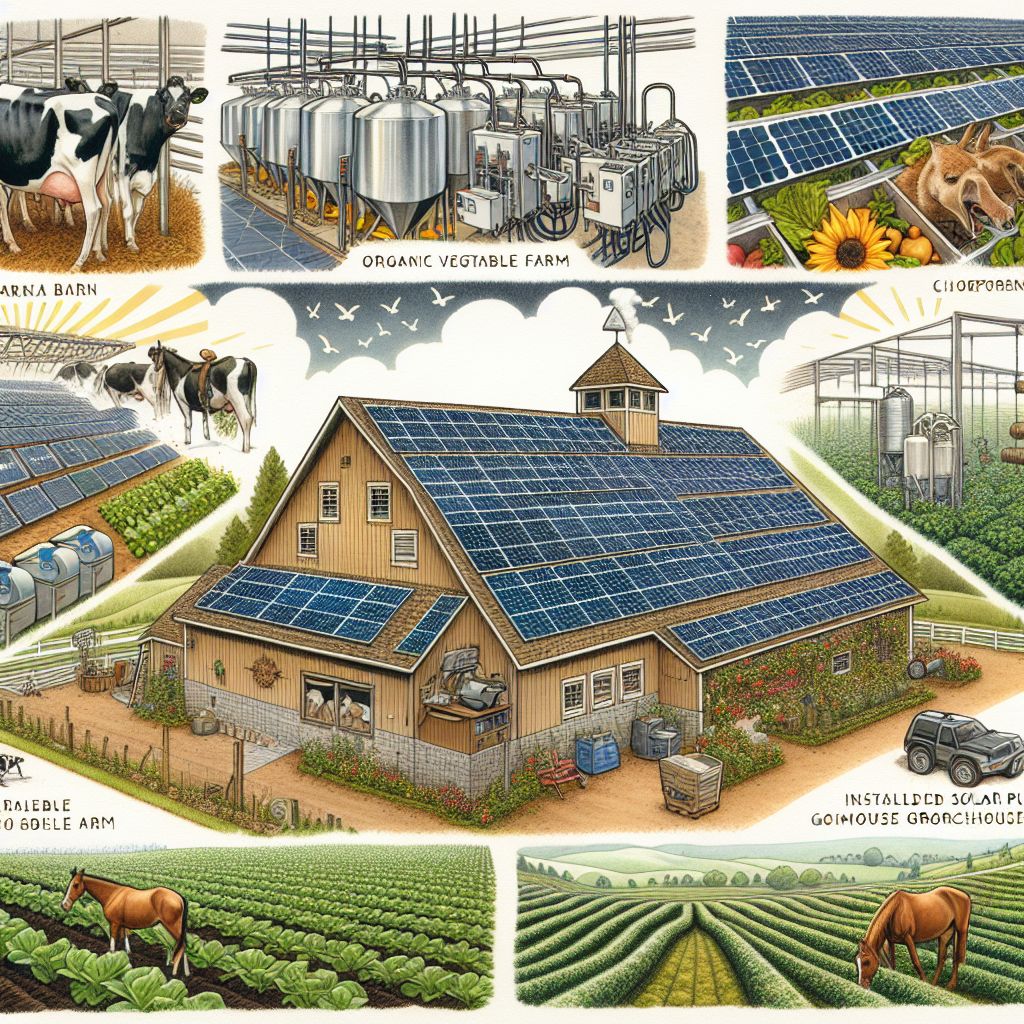
There are many farmers and barn owners who have made the switch to solar energy and are enjoying the perks of lower costs and a more sustainable lifestyle. Here are some of their stories:
Real-life Examples of Solar-Powered barns
John, a dairy farmer in Wisconsin, decided to put solar panels on his barn to help cut down his electricity bill. Now, his milking machines, coolers, and lights all run on solar power, which saves him over $3,000 every year.
Just like Sarah, a California-based organic vegetable farmer who uses solar panels to power her irrigation system and greenhouse fans. The change to solar has helped her reduce her energy costs and has also helped her maintain her dedication to sustainable farming methods.
Saving Energy and Getting a Return on Your Investment
When you invest in solar panels, you can expect a significant return on investment (ROI). The average solar panel system will pay for itself in 5 to 10 years through energy savings and incentives. After that, the energy they produce is essentially free, which means you continue to save. Learn more about efficient watering techniques for your solar-powered irrigation systems.
“The National Renewable Energy Laboratory conducted a study that found that the average return on investment for solar panel systems is about 20%, making it a financially wise investment for barn owners.”
Stories of Environmental Impact
Switching to solar energy has a beneficial effect on the environment. For example, a horse stable in Colorado installed solar panels to decrease its dependence on fossil fuels. The stable now produces enough clean energy to power its operations and decrease its carbon emissions by more than 10 tons each year.
Conclusion:
Choosing to put solar panels on your barn is a smart choice that comes with many advantages, from saving money to helping the environment. By picking the right panels, knowing your energy needs, and installing and maintaining them correctly, you can make your barn a useful and green space. For more information on selecting the best panels, check out best solar panels for a farm.
If you’re a farmer trying to cut down on operating expenses or a barn owner who wants to use a more eco-friendly power source, solar panels are a great option. Harness the sun’s energy and reap the rewards it provides for your barn and the planet over time.
Frequently Asked Questions (FAQ)
What is the price of putting solar panels on a barn?
The price of putting solar panels on a barn can be quite different, usually between $10,000 and $30,000. The price is influenced by factors such as the system size, panel type, and complexity of the installation. However, there are various incentives and financing options that can help to reduce these costs.
How much upkeep do solar panels need?
Solar panels need very little upkeep. Regular cleanings to get rid of dust and debris, and an annual checkup to look for any damage or problems, are typically all that’s needed. Most solar panels include warranties that take care of maintenance and fixes for a certain amount of time.
What is the lifespan of solar panels on a barn?
Solar panels are built to last, and most have a lifespan of between 25 and 30 years. While their efficiency may drop a bit over time, they’ll continue to generate power long after their warranty has expired.
Can I use solar panels to provide all the electricity my barn needs?
“Definitely! You can use solar panels to provide all the electricity your barn needs. The size of the system and your energy consumption will determine this. By calculating your barn’s energy usage and installing a system that fits, you can be energy independent.”
What about when it’s cloudy or during the winter?
Even when it’s cloudy or during the winter, solar panels can still generate electricity, although they may not be as efficient. You can install a battery storage system to store the extra energy generated during sunny periods. This way, you’ll have a reliable power supply even when there’s not much sunlight.
Moreover, the majority of solar panel systems are still grid-connected, which means you can pull power from the grid when you need it and put any extra energy back into it. This often leads to credits or payments from your utility company.

Leave a Reply