
Key Takeaways
- Solar-powered irrigation systems can cut electricity costs by up to 30%, making them a cost-effective choice for farmers.
- Government incentives, such as tax credits and rebates, are available to help offset the initial investment costs of solar systems.
- Solar panels reduce a farm’s carbon footprint by minimizing reliance on fossil fuels.
- Precision water delivery through solar irrigation can increase water efficiency by up to 20%.
- Though initial investment costs can be high, most farmers see a return on investment within 7 years.
The Role of Solar Panels in Enhancing Farm Irrigation Efficiency
In today’s world, where sustainability is key, solar panels have emerged as a pivotal tool in transforming traditional farming practices. They offer an efficient, eco-friendly alternative to conventional energy sources, particularly in irrigation systems. By harnessing the power of the sun, farmers can ensure a reliable water supply while reducing their operational costs significantly.
The Need for Efficient Irrigation Systems
Water is the lifeblood of any farm. Without an efficient irrigation system, crops can suffer, leading to reduced yields and financial losses. Traditional irrigation methods often rely heavily on electricity or diesel, both of which can be costly and environmentally damaging. As energy prices rise, farmers are seeking more sustainable solutions.
Efficient irrigation systems not only help conserve water but also ensure that crops receive the right amount at the right time. This precision in water delivery can enhance crop health, leading to better yields and higher profits. With the world facing increasing water scarcity, adopting efficient irrigation practices is more critical than ever.
How Solar Panels Transform Irrigation
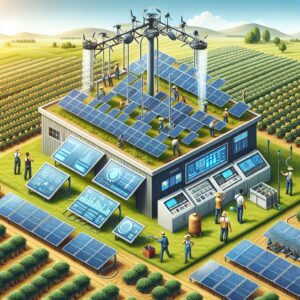
Solar panels convert sunlight into electricity, which can be used to power irrigation systems. This transformation allows farmers to tap into a renewable energy source, reducing their dependence on non-renewable resources. Solar-powered systems can operate independently of the grid, providing a reliable water supply even in remote areas.
By integrating solar panels with modern irrigation technology, farmers can achieve precision in water delivery. Sensors and smart technology can monitor soil moisture and weather conditions, adjusting water output as needed. This not only conserves water but also ensures crops receive optimal hydration.
Here’s a table discussing the benefits of adding solar panels to an irrigation system for a farmer:
|
Benefit |
Description |
|---|---|
|
Cost Savings |
Significantly reduces operational costs by lowering electricity bills associated with traditional pumps. 1, 6 |
|
Environmental Impact |
Reduces greenhouse gas emissions and promotes sustainable farming practices by using clean, renewable energy. 1, 2 |
|
Energy Independence |
Farmers become less reliant on external energy sources, ensuring consistent water supply even during power outages. 3 |
|
Increased Efficiency |
Allows for irrigation at optimal times for plant health, improving crop yields. 1 |
|
Remote Area Access |
Enables irrigation in remote locations with limited or no access to electricity grids. 3 |
|
Water Conservation |
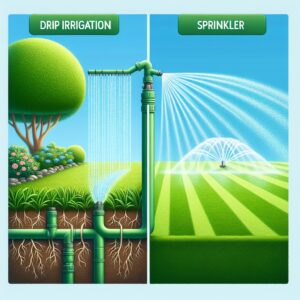
Integrates with efficient water management techniques like drip irrigation, reducing water waste. 3 |
|
Low Maintenance |
Requires minimal upkeep compared to traditional systems, with solar panels typically lasting 25 years or more. 6 |
|
Scalability |
Can be easily scaled up or down based on the size of the agricultural operation and specific crop needs. 3 |
|
Smart Farming Integration |
Powers automated irrigation control systems with sensors for soil moisture, weather conditions, and crop health monitoring. 7 |
|
Government Incentives |
Farmers may benefit from tax credits and rebates for adopting solar-powered systems. 1 |
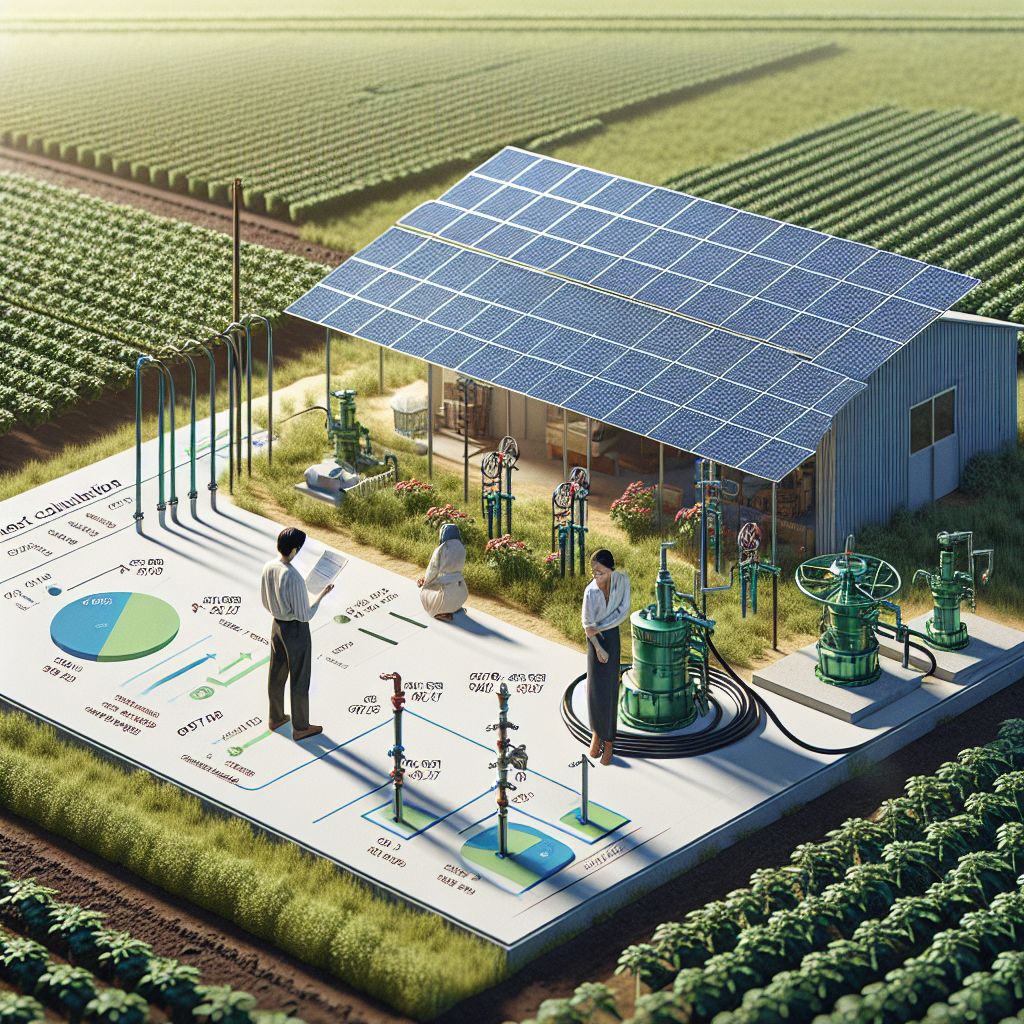
“Small Farms Solar Irrigation System …” from growingsolarmist.com and used with no modifications.
Cutting Energy Costs with Solar-Powered Irrigation
One of the most compelling reasons for adopting solar-powered irrigation is the potential for significant cost savings. Energy costs can be a substantial portion of a farm’s operating expenses, especially for those relying on traditional electricity or diesel generators. By switching to solar, farmers can drastically reduce these costs.
Reduction in Electricity Expenses
Solar panels offer a free and abundant source of energy. Once installed, they can significantly lower or even eliminate electricity bills associated with irrigation. This reduction in expenses can free up capital for other essential farm operations, such as purchasing seeds or fertilizers.
Moreover, solar panels require minimal maintenance, further reducing long-term costs. Farmers can expect to see a reduction in their overall energy expenses, leading to increased profitability.
Overview of Available Government Incentives
Recognizing the benefits of renewable energy, many governments offer incentives to encourage farmers to adopt solar technology. These incentives can take various forms, including tax credits, rebates, and grants. By taking advantage of these programs, farmers can offset the initial costs of installing solar panels, making the transition more financially feasible.
“Government incentives play a vital role in promoting solar-powered irrigation. These incentives help farmers offset costs associated with installing solar systems.”
It’s essential for farmers to research available programs in their region and understand the application process. By leveraging these incentives, the journey towards sustainable farming becomes more accessible.

“Solar-Powered Irrigation Systems …” from growingsolarmist.com and used with no modifications.
Environmental Benefits of Solar Irrigation
Beyond the financial advantages, solar-powered irrigation systems offer significant environmental benefits. By reducing reliance on fossil fuels, these systems help lower greenhouse gas emissions, contributing to a healthier planet.
Moreover, solar panels operate silently and without emissions, minimizing the environmental impact of farming operations. This shift towards cleaner energy sources aligns with global efforts to combat climate change and promote sustainability in agriculture.
Minimizing Reliance on Fossil Fuels
Switching to solar-powered irrigation systems drastically reduces the need for fossil fuels on farms. Traditional irrigation often depends on electricity generated from coal or diesel generators, both of which contribute to carbon emissions. Solar panels, on the other hand, provide a clean and renewable energy source.
This shift not only helps in reducing the environmental impact but also insulates farmers from fluctuating fuel prices. By relying less on fossil fuels, farms can maintain more stable operating costs and contribute positively to the environment. For those interested in making this transition, understanding the components of an off-grid solar irrigation system can be beneficial.
Reducing the Farm’s Carbon Footprint
Every farm has a carbon footprint, which is the total amount of greenhouse gases it produces. By adopting solar panels, farms can significantly cut down on these emissions. This is because solar energy is a zero-emission power source, meaning it doesn’t release harmful gases into the atmosphere.
Besides benefiting the environment, reducing a farm’s carbon footprint can also improve its marketability. Consumers are increasingly looking for sustainably produced goods, and farms that demonstrate environmental responsibility can gain a competitive edge.

“AI & IoT Sensors Boost Solar Irrigation …” from growingsolarmist.com and used with no modifications.
Enhancing Water Efficiency and Crop Yield with Solar Irrigation
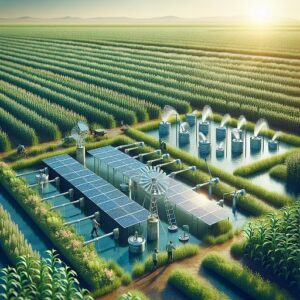
Water efficiency is crucial for any successful farming operation. With the integration of solar panels, farms can optimize their water usage, ensuring that crops receive the necessary hydration without wastage. This precision in water management not only conserves resources but also promotes healthier plant growth.
As a result, farms can expect improved crop yields, which translates into higher profits. By utilizing solar-powered systems, farmers can achieve a balance between sustainability and productivity.
Moreover, solar irrigation systems can be tailored to meet the specific needs of different crops, further enhancing their effectiveness. This adaptability makes them a valuable asset for diverse agricultural operations.
Precision Water Delivery Techniques
One of the standout features of solar-powered irrigation is its ability to deliver water with precision. Using sensors and smart technology, these systems can monitor soil moisture levels and weather conditions, adjusting water output accordingly. This ensures that crops receive the right amount of water at the right time.
By preventing over-watering or under-watering, precision water delivery helps maintain optimal soil health and promotes robust crop growth. This technology-driven approach is particularly beneficial in regions prone to drought or unpredictable weather patterns.
Impact on Crop Health and Yield
Healthy crops are the foundation of any profitable farm. By ensuring precise water delivery, solar irrigation systems contribute to better crop health. Consistent hydration helps prevent stress in plants, leading to stronger growth and higher yields.
Additionally, the reduction in water wastage means that more resources are available for expanding agricultural operations or investing in other areas of the farm. As a result, farmers can maximize their returns while maintaining sustainable practices.

“Farms Irrigation Solar Panels System …” from growingsolarmist.com and used with no modifications.
Understanding the Initial Investment in Solar Irrigation
While the benefits of solar-powered irrigation are clear, it’s essential to understand the initial investment involved. Installing solar panels requires upfront costs, which can be a barrier for some farmers. However, these costs are often offset by long-term savings and government incentives.
Cost of Installation and Equipment
The cost of installing solar panels can vary depending on the size of the farm and the specific needs of its irrigation system. On average, farmers can expect to spend between $10,000 and $30,000 for a complete setup. This includes the panels, mounting hardware, and any additional technology required for integration. For a detailed guide on setting up solar panels, check out this step-by-step guide.
While this may seem like a significant investment, it’s important to consider the long-term savings on energy costs. Over time, the reduction in electricity expenses can more than make up for the initial outlay.
Average Payback Period
The payback period for solar irrigation systems is typically between 5 to 7 years. This means that within this timeframe, farmers can expect to recover their initial investment through savings on energy costs. Once the system is paid off, all further savings contribute directly to the farm’s profitability.
- Initial investment: $10,000 to $30,000
- Estimated payback period: 5 to 7 years
- Potential energy savings: Up to 30%
These figures highlight the financial viability of solar irrigation systems. By planning strategically and taking advantage of available incentives, farmers can make a sound investment in their future.
Reliable Long-Term Solutions with Minimal Maintenance
Solar panels are known for their durability and longevity. Once installed, they require minimal maintenance, making them an ideal solution for farmers seeking reliable and hassle-free energy sources. With proper care, solar panels can last 25 years or more.
Typical Maintenance Requirements
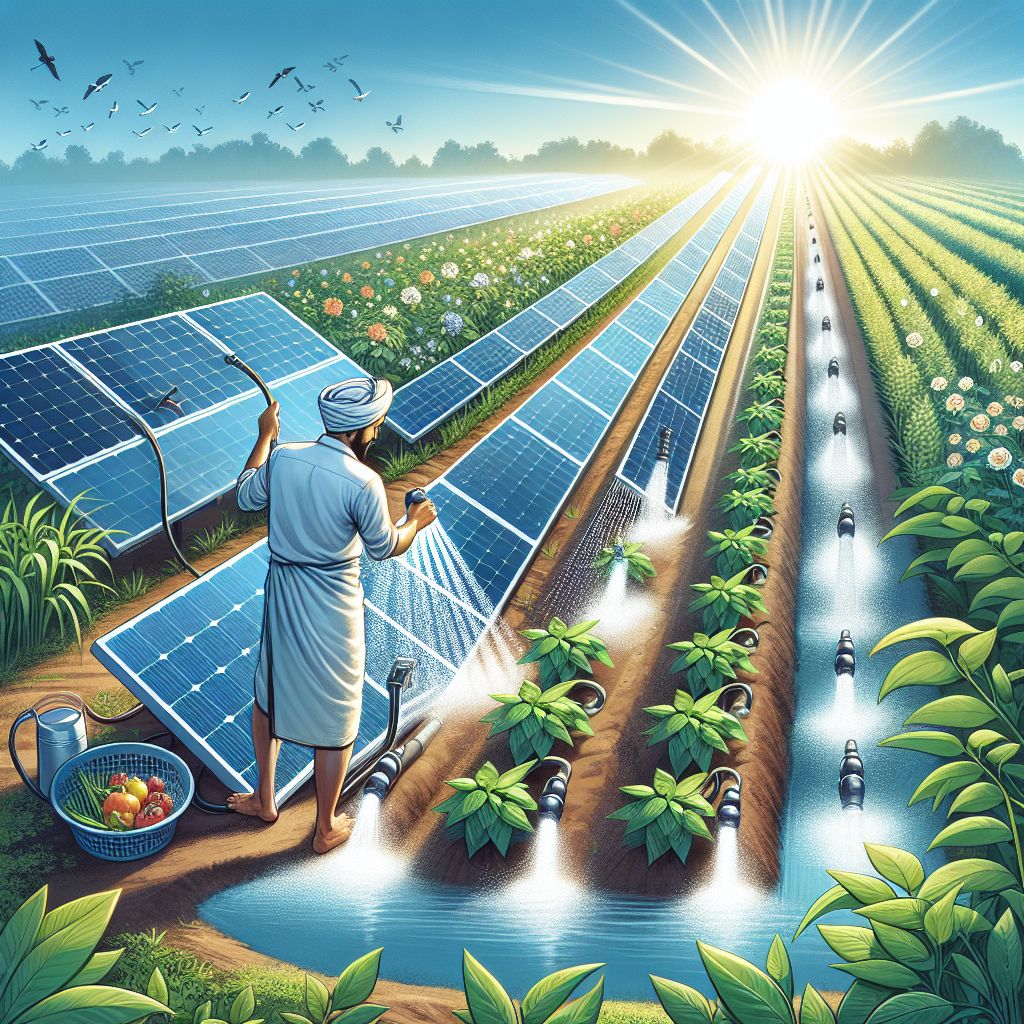
Maintaining a solar-powered irrigation system is relatively straightforward. Regular cleaning of the panels to remove dust and debris ensures optimal performance. Farmers should also periodically inspect the system for any signs of wear or damage.
Beyond these basic tasks, solar systems are designed to operate with minimal intervention. This low-maintenance aspect allows farmers to focus more on their crops and less on energy management.
Long-Term Reliability and Performance
The reliability of solar panels makes them a worthwhile investment for any farm. Unlike traditional energy sources, which can be subject to price fluctuations and supply issues, solar energy remains constant and dependable.
Moreover, advancements in technology continue to improve the efficiency and performance of solar systems. This means that over time, farmers can expect even greater returns on their investment as technology evolves.
By embracing solar-powered irrigation, farmers not only enhance their sustainability but also position themselves for long-term success in an ever-changing agricultural landscape.
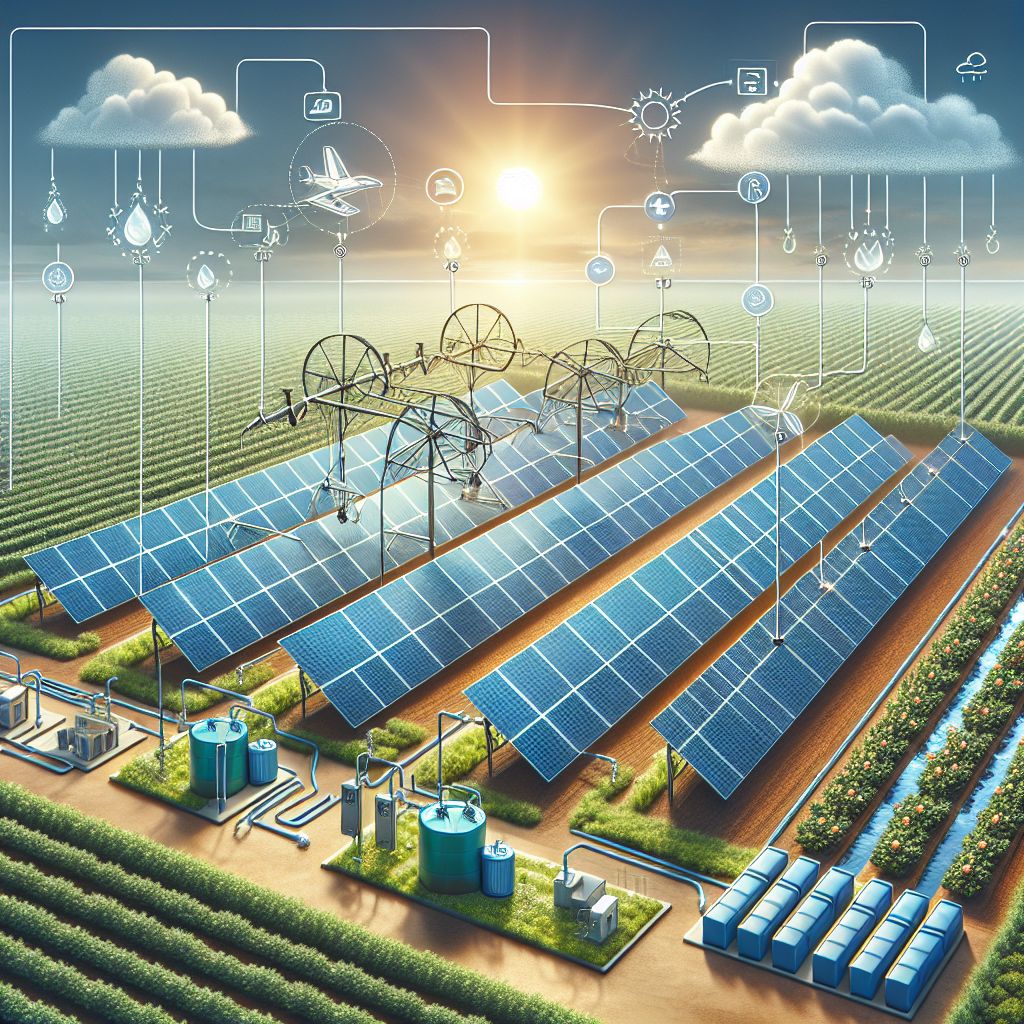
“Solar Panels for Farmers …” from growingsolarmist.com and used with no modifications.
Challenges and Considerations for Solar Adoption
Adopting solar-powered irrigation systems is a promising step towards sustainable farming, but it’s not without its challenges. Farmers need to weigh several factors before making the transition. Understanding these challenges can help in making informed decisions and devising strategies to overcome them.
Overcoming Initial Investment Hurdles
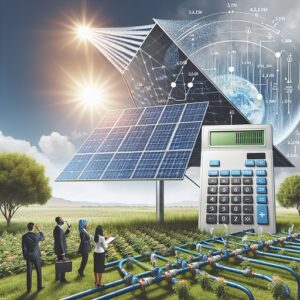
The initial cost of installing solar panels can be daunting for many farmers. However, it’s crucial to view this expense as an investment rather than a cost. By calculating the long-term savings on energy expenses, farmers can better appreciate the financial benefits of solar adoption.
Besides that, exploring financing options can alleviate the burden of upfront costs. Many banks and financial institutions offer loans specifically for renewable energy projects, making it easier for farmers to afford solar systems. Moreover, government incentives can further reduce the financial load.
Addressing Climate and Geographic Limitations
Solar panels rely on sunlight to generate energy, which means their effectiveness can vary based on geographic location and climate. Regions with less sunlight may not experience the same level of efficiency as sunnier areas. Therefore, farmers need to assess their local climate conditions before investing in solar technology.
To counteract these limitations, farmers can explore hybrid systems that combine solar with other renewable energy sources, such as wind or bioenergy. This approach ensures a consistent energy supply, regardless of weather conditions. For a comprehensive understanding of how these systems work, explore this guide on solar irrigation systems.
Learning the New Tech
Integrating solar technology into farming operations requires a certain level of technical understanding. Farmers need to familiarize themselves with the workings of solar systems to maximize their benefits. This might involve learning how to monitor energy output, maintain the system, and troubleshoot any issues that arise.
Fortunately, many solar providers offer training and support services to help farmers get started. By taking advantage of these resources, farmers can build the confidence and skills needed to manage their solar-powered irrigation systems effectively.
Here’s a table discussing the challenges and considerations for adopting solar-powered irrigation systems in farming:
|
Challenge |
Description |
|---|---|
|
High Initial Cost |
Solar irrigation systems require substantial upfront investment, ranging from $10,000 to $50,000, which can be prohibitive for small-scale farmers. 1, 2 |
|
Weather Dependency |
System efficiency fluctuates based on weather conditions, with cloudy days and seasonal changes reducing power generation. 1 |
|
Space Requirements |
Solar panels need significant land area, potentially competing with available space for crop cultivation. 1 |
|
Maintenance Expertise |
While generally low-maintenance, repairs often require specialized knowledge that may be scarce in rural areas. 1, 2 |
|
Energy Storage Costs |
Storing energy for use during non-sunlight hours requires expensive battery systems. 1 |
|
Water Resource Management |
Without proper regulation, the low recurring energy costs may lead to overexploitation of groundwater resources. 1, 4 |
|
Technical Knowledge Gap |
Farmers and local technicians may lack the expertise to properly install, operate, and maintain these systems. 1, 5 |
|
System Design Challenges |
Optimal performance requires expert consultation for proper sizing and design of the system. 1 |
|
Limited Awareness |
Many farmers are unaware of the potential benefits and cost savings of solar irrigation systems. 2 |
|
Geographical Limitations |
Regions with low solar radiation may not be suitable for effective solar irrigation. 1 |
|
Grid Integration |
Solar-generated electricity may not always be well-suited for grid connection, especially during off-seasons. 6 |
|
Seasonal Variations |
Reduced sunlight hours during winter or rainy seasons can limit energy production. 1 |
These challenges highlight the need for careful planning, education, and support systems when implementing solar-powered irrigation. Farmers must consider their specific circumstances, including farm size, local climate, and financial resources, when evaluating the feasibility of adopting this technology (1, 2, 8).

“Artificial Intelligence in Solar …” from growingsolarmist.com and used with no modifications.
Conclusion: The Future of Solar-Powered Farming
The future of agriculture lies in sustainable practices, and solar-powered irrigation systems play a vital role in this transition. By harnessing renewable energy, farmers can reduce their environmental impact, cut costs, and improve crop yields. This shift towards solar not only benefits individual farms but also contributes to a healthier planet.
As technology continues to advance, the potential for solar-powered farming will only grow. Innovations in solar efficiency and integration with smart technology will further enhance the capabilities of these systems, making them an even more attractive option for farmers worldwide.
What This Means for Sustainable Agriculture
Embracing solar-powered irrigation systems is a step towards a more sustainable agricultural industry. It aligns with global efforts to reduce carbon emissions and conserve natural resources. By adopting solar technology, farmers can lead the way in creating a more environmentally responsible food production system.
Moreover, this shift can inspire other sectors to explore renewable energy solutions, driving broader change across industries. The impact of sustainable farming practices extends beyond individual farms, influencing communities and economies on a larger scale.
Should Farm Owners Consider Solar
For farm owners considering solar adoption, the decision should be based on a thorough evaluation of their specific needs and circumstances. Factors such as location, crop type, and available resources all play a role in determining the feasibility and benefits of solar irrigation.
Ultimately, the advantages of reduced energy costs, environmental benefits, and improved crop yields make solar a compelling choice for many farmers. With careful planning and support, solar-powered irrigation systems can be a valuable asset in achieving sustainable farming goals.
Frequently Asked Questions
- How much can farmers save on energy with solar panels?
- Are there any government incentives available for solar irrigation systems?
- What are the main maintenance tasks for solar-powered systems?
- How do solar panels improve water efficiency?
- What should a farmer consider before investing in solar irrigation?
How much can farmers save on energy with solar panels?
Farmers can save significantly on energy costs by switching to solar-powered irrigation systems. On average, solar panels can reduce electricity expenses by up to 30%, depending on the size of the system and the farm’s energy needs.
These savings can be reinvested into the farm, allowing for improvements in other areas such as infrastructure or crop production. By reducing reliance on traditional energy sources, farmers can stabilize their operating costs and increase profitability.
Moreover, as energy prices continue to rise, the savings from solar systems will become even more pronounced, further enhancing their financial benefits.
Are there any government incentives available for solar irrigation systems?
Yes, many governments offer incentives to promote the adoption of solar technology in agriculture. These incentives can include tax credits, rebates, and grants, all designed to offset the initial costs of installing solar panels.
Farmers should research the specific programs available in their region and understand the eligibility requirements. By taking advantage of these incentives, the financial burden of transitioning to solar-powered irrigation can be significantly reduced.
What are the main maintenance tasks for solar-powered systems?
Maintaining a solar-powered irrigation system involves a few simple tasks. Regular cleaning of the panels is essential to ensure they operate at peak efficiency. Dust and debris can accumulate on the surface, reducing their ability to capture sunlight.
Farmers should also periodically inspect the system for any signs of wear or damage. This includes checking the wiring and connections to ensure everything is functioning correctly. Fortunately, solar systems are designed for durability and require minimal intervention beyond these routine checks.
How do solar panels improve water efficiency?
Solar panels enhance water efficiency by powering irrigation systems that use precision technology. Sensors and smart controls can monitor soil moisture levels and weather conditions, adjusting water output to match the needs of the crops.
“Precision water delivery through solar irrigation can increase water efficiency by up to 20%.”
This targeted approach minimizes water wastage and ensures that crops receive the optimal amount of hydration. As a result, farms can achieve better yields while conserving valuable water resources.
What should a farmer consider before investing in solar irrigation?
Before investing in solar irrigation, farmers should conduct a comprehensive assessment of their farm’s energy needs and potential savings. This includes evaluating the farm’s location, climate conditions, and available resources.
It’s also essential to explore financing options and government incentives that can help offset the initial investment costs. By understanding the financial implications and benefits, farmers can make an informed decision about whether solar irrigation is the right choice for their operation.
Solar panels have become an essential component in modern agriculture, significantly enhancing the efficiency of farms’ irrigation systems. By harnessing solar energy, farmers can reduce their reliance on traditional power sources, leading to cost savings and environmental benefits. If you’re interested in understanding more about how these systems function, check out our guide on solar irrigation systems and how they benefit farmers.


Leave a Reply