
Key Takeaways
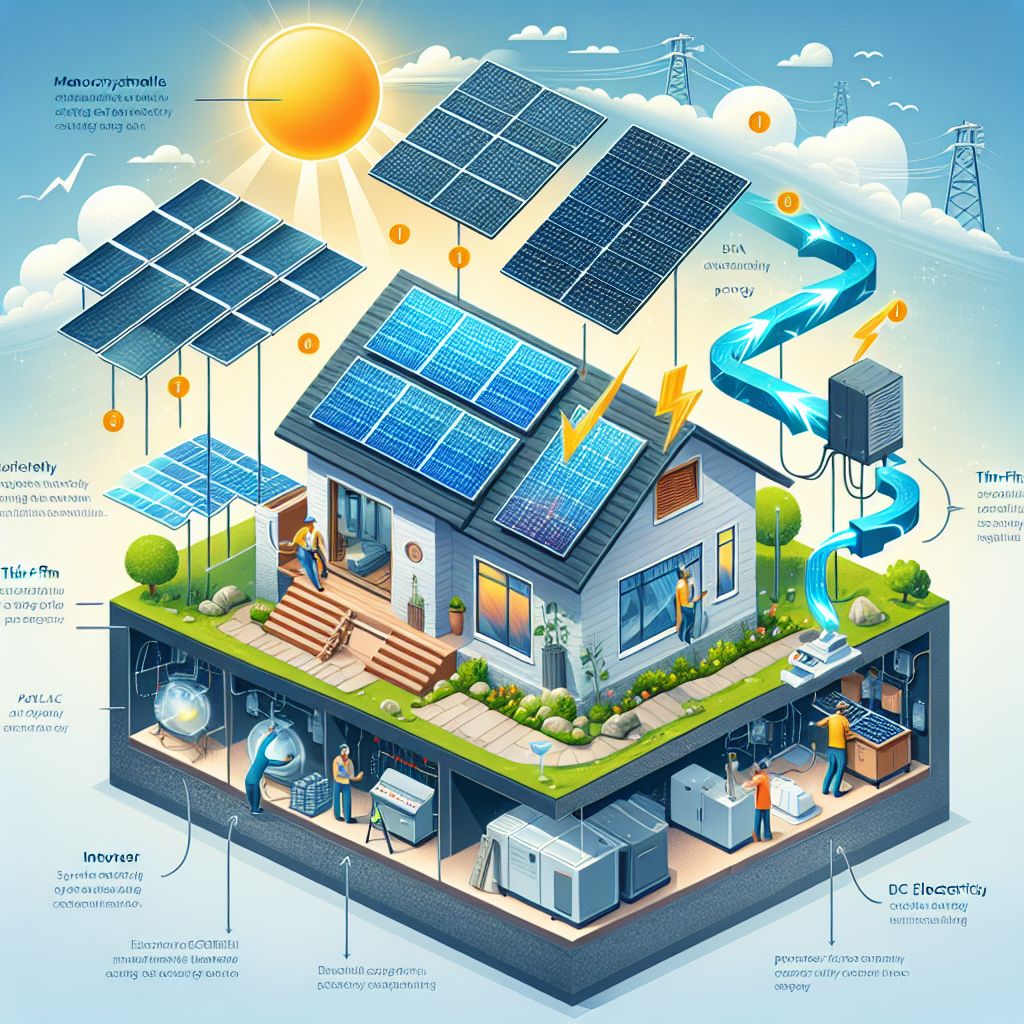
- Solar panels convert sunlight into electricity using the photovoltaic effect.
- Inverters play a crucial role in converting DC electricity from solar panels into AC electricity for home use.
- There are three main types of solar panels: monocrystalline, polycrystalline, and thin-film, each with unique benefits.
- Proper installation and regular maintenance are key to maximizing the efficiency and lifespan of solar panels.
- Solar panels offer environmental benefits, financial savings, and contribute to energy independence.
Transforming Sunlight into Usable Power
Have you ever wondered how solar panels transform sunlight into electricity? It’s a fascinating process that starts with the sun’s rays and ends with powering your home. Let’s break it down into simple steps.
The Photovoltaic Effect and Energy Creation
At the heart of solar panels is the photovoltaic effect, a process that converts sunlight directly into electricity. This effect occurs when photons, the particles of light, hit the surface of a solar panel. These photons carry energy that excites electrons in the solar cells, causing them to move and generate an electric current.
The solar cells are made of semiconductor materials, usually silicon. When the electrons in these materials are excited by sunlight, they create an electric field across the layers of the cell. This field pushes the electrons in one direction, creating a flow of electric current. This is the basic principle behind how solar panels work.
“The photovoltaic effect is like a dance between light and electrons, where sunlight gives the electrons the energy to move and generate electricity.”
The Role of Inverters in Energy Conversion
Once the solar panels generate direct current (DC) electricity, it needs to be converted into alternating current (AC) electricity for use in your home. This is where inverters come into play. Inverters are essential components of a solar power system because most household appliances and the electrical grid use AC power.
Current Flow from Panels to Farm Systems
After the DC electricity is converted to AC by the inverter, it flows through your farm’s electrical panel, distributing power to where it’s needed. If your solar panels generate more electricity than your home uses, the excess can be sent back to the grid, depending on your system setup and local regulations. This not only reduces your electricity bill but also contributes to a more sustainable energy system.

Types of Solar Panels Available
When considering solar panels for your Farm, it’s important to know the different types available. Each type has its own advantages and is suited for different needs and budgets.
Monocrystalline Solar Panels: Efficiency and Cost
Monocrystalline solar panels are known for their high efficiency and sleek appearance. They are made from a single, pure crystal structure, which allows electrons to move more freely and generate more electricity. Because of their efficiency, they require less space to produce the same amount of energy as other types of panels. For more details on how these panels work, check out this comprehensive guide.
However, this efficiency comes at a cost. Monocrystalline panels are generally more expensive than other types. But if you have limited roof space and want to maximize energy production, they are an excellent choice.
Polycrystalline Solar Panels: Balance and Affordability
Polycrystalline panels, on the other hand, are made from multiple silicon crystals. They are slightly less efficient than monocrystalline panels but offer a more affordable option. Their manufacturing process is simpler, which lowers their cost. For a deeper understanding of how solar panels work, you can explore Unbound Solar’s guide.
These panels are a great choice for homeowners looking for a balance between cost and efficiency. While they may require more space to produce the same energy as monocrystalline panels, they still provide a reliable and cost-effective solution for solar energy.
“If you’re looking for a budget-friendly option that still delivers solid performance, polycrystalline panels are worth considering.”
Thin-Film Solar Panels: Flexibility and Applications
Thin-film solar panels are unique in their flexibility and lightweight design. Made by depositing a thin layer of photovoltaic material onto a substrate, these panels can be used in a variety of applications, including curved surfaces and portable solar solutions.
While thin-film panels are generally less efficient than crystalline panels, their versatility makes them ideal for specific projects where traditional panels might not fit. They are also easier to install, making them a good choice for those who prioritize flexibility over maximum efficiency.
Here’s a table comparing the different solar panel you can use in with on a farm:
|
Solar Panel Type |
Efficiency |
Cost per Watt |
Pros |
Cons |
|---|---|---|---|---|
|
Monocrystalline |
17-22% |
$1.00 – $1.50 |
– Highest efficiency. 1, 3 |
– Most expensive option. 1, 3 |
|
Polycrystalline |
13-17% |
$0.90 – $1.20 |
– Lower cost than monocrystalline. 1, 3 |
– Slightly lower efficiency. 1, 3 |
|
Thin-Film |
10-13% |
$0.70 – $1.00 |
– Lowest cost. 1, 3 |
– Lowest efficiency. 1, 3 |
Monocrystalline panels are highly efficient and durable, making them ideal for high-performance irrigation systems that require consistent power output. Their higher cost is often offset by their superior performance in the long run 3.
Polycrystalline panels offer a good balance between cost and efficiency, making them suitable for medium-scale irrigation projects. They perform well in most conditions and are a popular choice for many agricultural applications 3.
Thin-film panels, while less efficient, are more affordable and flexible. They can be a good option for portable irrigation systems or installations where weight is a concern. Their lower efficiency means you may need more panels to achieve the same power output as crystalline options 3.

Installation and Maintenance Insights
Installing solar panels is a significant investment in your home’s energy future. It’s crucial to get the installation right to ensure maximum efficiency and longevity. Let’s explore what you need to know about the installation and maintenance of solar panels.
Installation Process for Optimal Solar Capture
Proper installation is key to harnessing the full potential of solar energy. The process begins with a site assessment to evaluate your roof’s suitability for solar panels. Factors like roof orientation, angle, and shading from nearby structures or trees are considered to determine the best placement for your panels.
Once the assessment is complete, a professional installer will mount the panels securely to your roof. They will also connect the panels to an inverter, which converts the DC electricity generated by the panels into AC electricity for home use. It’s important to choose a reputable installer to ensure a safe and efficient setup.
Importance of Maintenance for Longevity
Regular maintenance is essential to keep your solar panels operating at peak performance. Fortunately, solar panels require minimal maintenance compared to other home systems. The most common maintenance task is cleaning the panels to remove dust, dirt, and debris that can reduce their efficiency. For more on maximizing efficiency, explore methods to increase farm efficiency with solar panels.
It’s also important to have your system inspected periodically by a professional to check for any issues, such as loose connections or damaged components. By keeping your panels clean and well-maintained, you can extend their lifespan and maximize your energy savings. For more on how solar panels can enhance agricultural practices, explore the role of solar panels in smart farming.
Ensuring Safety and Maximizing Efficiency
Safety should always be a priority when dealing with solar panels. Ensure that your installation complies with local building codes and safety standards. This includes using proper grounding techniques and installing protective devices to prevent electrical hazards. For more information on how to safely install and maintain solar panels, check out this comprehensive guide.
Besides safety, maximizing efficiency is crucial for getting the most out of your solar panels. This means optimizing their placement to capture the most sunlight throughout the day and ensuring that your inverter and other system components are functioning correctly.
Impact and Benefits of Using Solar Panels
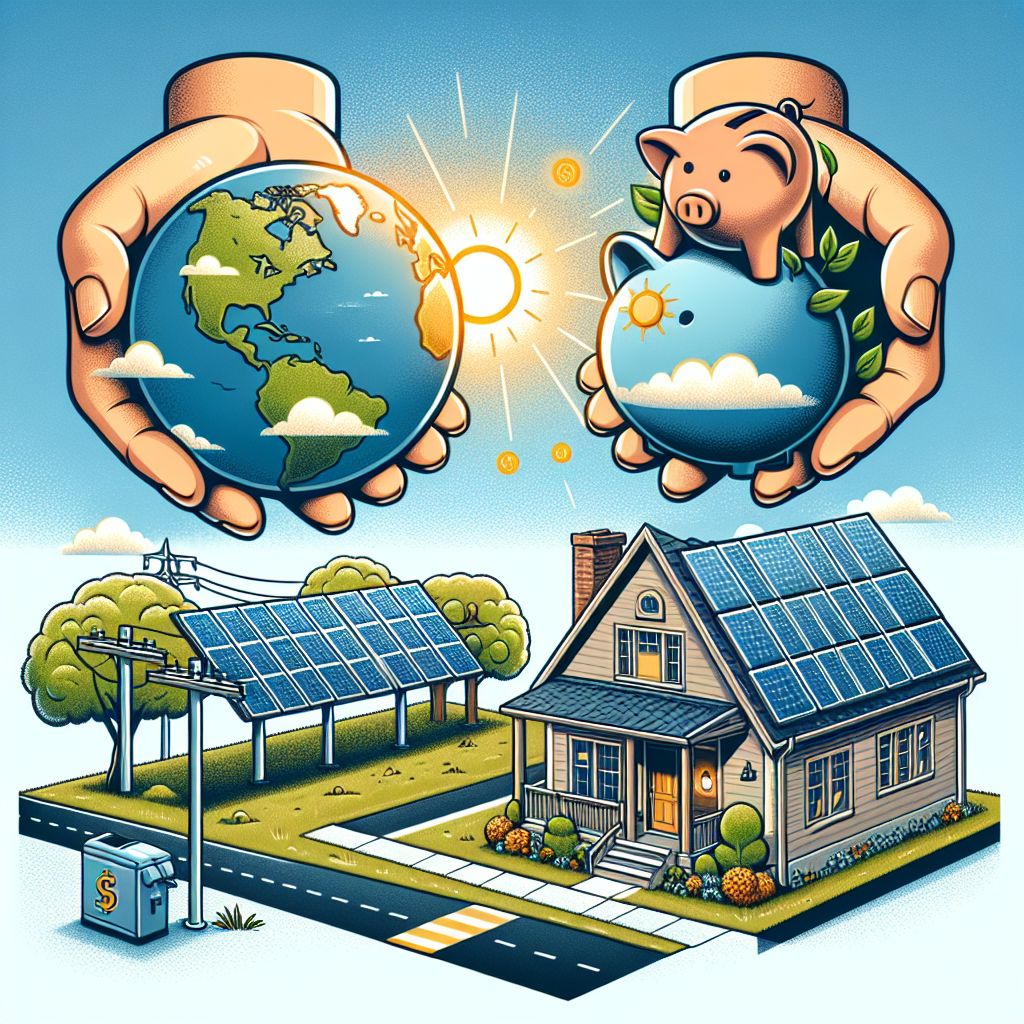
Switching to solar energy offers numerous benefits, from reducing your carbon footprint to saving money on energy bills. Let’s delve into the positive impact solar panels can have on your life and the environment.
One of the most compelling reasons to invest in solar panels is their environmental benefits. By generating clean, renewable energy, you reduce your reliance on fossil fuels and help combat climate change. Solar panels produce electricity without emitting harmful greenhouse gases, making them a sustainable choice for powering your home. Learn more about solar panels’ benefits and cost savings for a comprehensive understanding of their impact.
Financial savings are another major advantage of solar panels. Although the initial investment can be significant, the long-term savings on your electricity bills can be substantial. Many homeowners find that their solar panels pay for themselves within a few years, thanks to reduced energy costs and potential government incentives.
Solar panels also contribute to energy independence by reducing your reliance on the grid. This can be particularly beneficial during power outages or times of high energy demand. With solar panels, you can generate your own electricity and become less dependent on external energy sources.
|
Benefit |
Description |
|---|---|
|
Environmental Impact |
Reduces carbon emissions and reliance on fossil fuels. |
|
Financial Savings |
Lower energy bills and potential tax incentives. |
|
Energy Independence |
Less reliance on the grid and external energy sources. |
Environmental Advantages: Reducing Carbon Footprint
Solar panels play a crucial role in reducing your carbon footprint. By generating clean energy, you decrease your home’s carbon emissions and contribute to a healthier planet. This is especially important as the world seeks to transition to more sustainable energy sources.
Financial Savings and Return on Investment
The financial benefits of solar panels are significant. Although the upfront cost can be high, the savings on your electricity bills can quickly offset this investment. Additionally, many regions offer tax incentives and rebates to encourage the adoption of solar energy, further enhancing your return on investment.
Contribution to Energy Independence
By generating your own electricity, you gain greater control over your energy usage and costs. This independence can be particularly valuable during times of high energy demand or when electricity prices rise. With solar panels, you have a reliable source of power that isn’t subject to the fluctuations of the energy market.
Choosing the Right Solar Panel System
When selecting a solar panel system, it’s important to consider your energy needs, budget, and available space. Each farm is unique, and the right system for you will depend on several factors.
Start by assessing your energy needs. Consider your current electricity usage and whether you expect it to increase in the future. This will help you determine the size and capacity of the solar panel system you need.
Next, evaluate your budget and explore financing options. Solar panels are a significant investment, but there are many ways to make them more affordable. Look into loans, leases, and power purchase agreements to find the best option for your financial situation.
- Assess your current and future energy needs.
- Evaluate your budget and explore financing options.
- Consult with a solar energy expert to find the best system for your farm.
- Consider the available space on your roof or property for solar panels.
- Research local regulations and incentives for solar energy.
Assessing Energy Needs and Space Availability
When it comes to solar panels, understanding your energy needs and the space available is crucial. Start by reviewing your electricity bills to determine your average monthly energy consumption. This will give you a baseline for the size of the solar panel system you’ll need.
Next, consider the space you have available for installing solar panels. The ideal location is a south-facing roof with minimal shading. However, east or west-facing roofs can also work, though they may be slightly less efficient. If your roof space is limited, you might explore ground-mounted systems as an alternative.
- Check your average monthly energy consumption from your electricity bills.
- Evaluate the orientation and shading of your roof space.
- Consider ground-mounted systems if roof space is limited.
Once you have a clear understanding of your energy needs and space availability, you’ll be better prepared to choose a solar panel system that fits your home and lifestyle.
Evaluating Costs and Incentives
Cost is a major consideration when investing in solar panels. The price of a solar panel system can vary widely based on factors like the type of panels, system size, and installation complexity. On average, solar panels cost between $15,000 to $25,000 for a typical residential installation before incentives.
Fortunately, there are several incentives available to help offset these costs. Federal tax credits can cover up to 26% of the installation cost, and many states offer additional rebates and incentives. It’s important to research these options and factor them into your budget.
Consulting with Experts for Best Fit Solutions
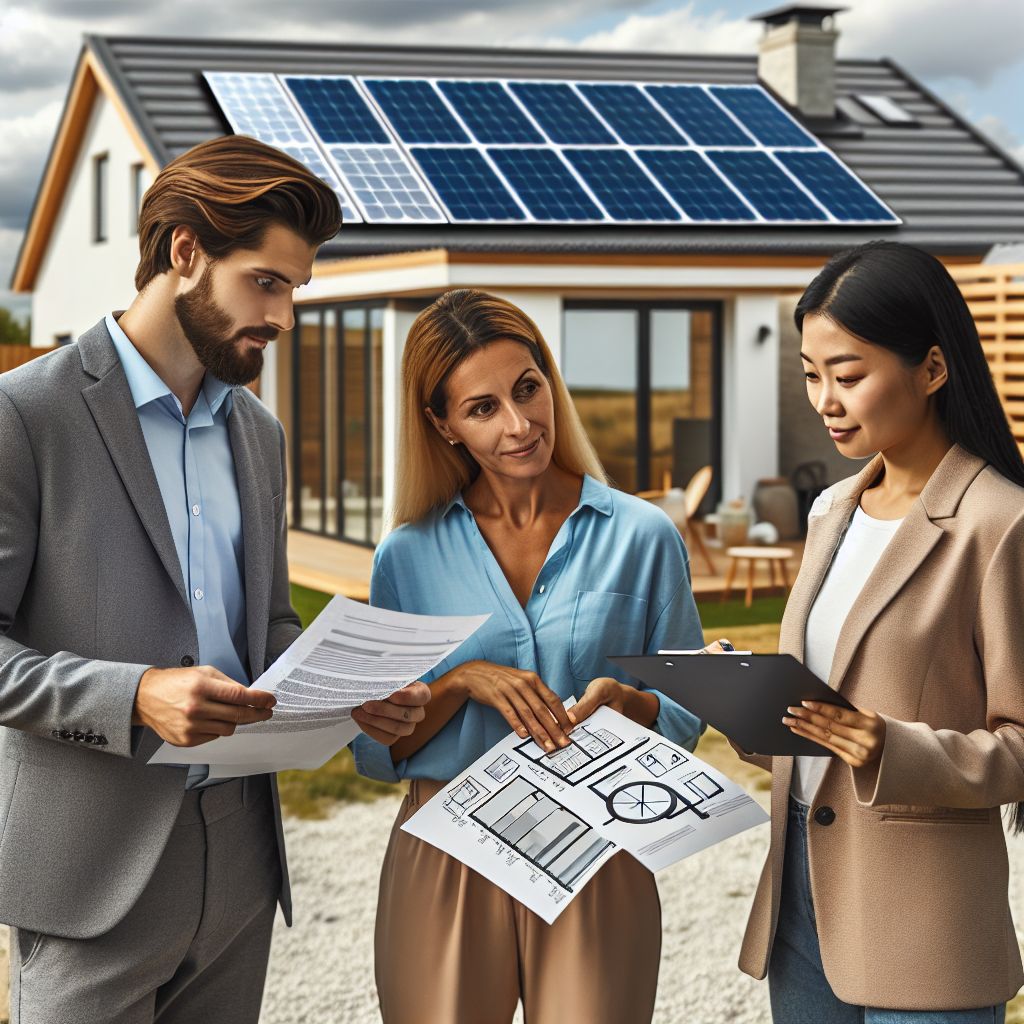
Choosing the right solar panel system can be complex, and consulting with a solar energy expert can make the process smoother. These professionals can assess your home, recommend the best system for your needs, and provide a detailed cost analysis.
When selecting an installer, look for reputable companies with positive reviews and a track record of successful installations. A good installer will guide you through the entire process, from design and permitting to installation and maintenance.
What Lies Ahead for Solar Technology
The future of solar technology is bright, with ongoing innovations and increasing adoption rates. As technology advances, solar panels are becoming more efficient, affordable, and accessible to homeowners worldwide.
Innovations in Solar Technology
Recent innovations in solar technology include the development of more efficient solar cells, such as bifacial panels that capture sunlight from both sides. Additionally, advancements in energy storage solutions, like improved battery systems, are enhancing the capabilities of solar power systems.
Predictions for Solar Energy Adoption
As solar technology continues to improve, it’s expected that adoption rates will rise significantly. Governments around the world are setting ambitious renewable energy targets, and solar power is a key component of these plans. This trend is likely to drive down costs further and make solar energy more accessible to homeowners.
Potential Challenges and Overcoming Barriers
Despite the positive outlook, there are challenges to widespread solar adoption. These include regulatory hurdles, financing barriers, and the need for better grid integration. However, with continued innovation and supportive policies, these challenges can be overcome, paving the way for a cleaner, more sustainable energy future.
Frequently Asked Questions
As you consider solar panels for your farm, you may have several questions. Here are some common queries and their answers to help guide you in your decision-making process.
How long do solar panels last?
Solar panels are designed to be durable and typically last 25 to 30 years. Over time, their efficiency may decrease slightly, but they will continue to generate electricity for decades with proper maintenance.
What is the average cost of installing solar panels?
The average cost of installing solar panels ranges from $15,000 to $25,000 before incentives. This cost can vary based on factors like the size of the system, type of panels, and installation complexity. For more information on the benefits and cost savings of solar panels, check out this detailed guide.
Do solar panels work on cloudy days?
Yes, solar panels can still generate electricity on cloudy days, although their efficiency will be reduced. They work best in direct sunlight but can still produce power in diffused light conditions. For more information on how solar panels operate, check out this comprehensive guide.
How do I maintain my solar panels?
Maintaining solar panels is relatively simple. Regularly clean them to remove dust and debris, and have them inspected periodically by a professional to ensure they are functioning optimally.
What is the difference between off-grid and grid-tied systems?
Off-grid systems are completely independent of the electrical grid and require battery storage to provide power when the sun isn’t shining. Grid-tied systems are connected to the grid, allowing homeowners to use electricity from the grid when needed and send excess solar power back to the grid.

Leave a Reply