
Key Takeaways
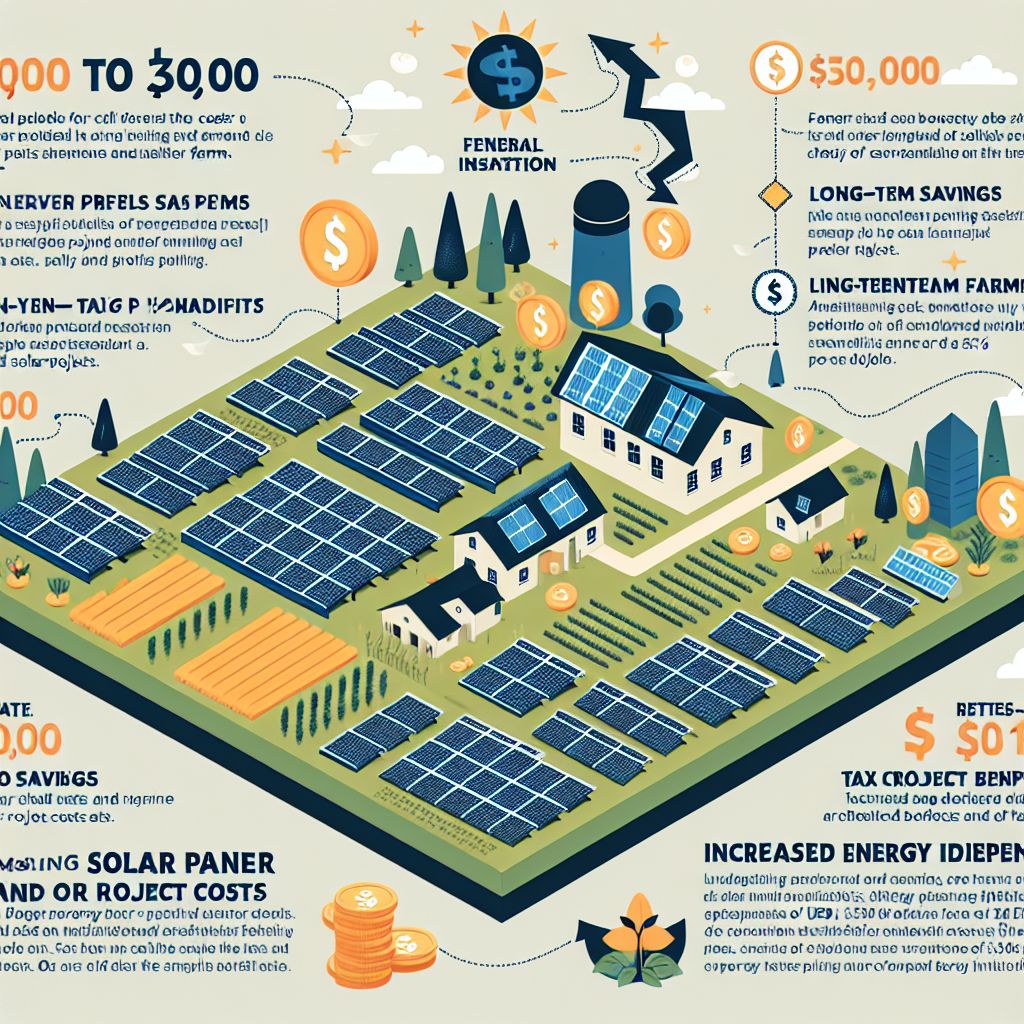
- Solar panels can cost between $10,000 to $30,000 for small to medium-sized farms.
- Federal incentives, like the USDA’s REAP, can cover up to 25% of solar project costs.
- State-specific programs vary, but many offer rebates and tax credits to reduce installation expenses.
- Farmers can benefit from tax credits and accelerated depreciation to further lower costs.
- Investing in solar panels can lead to long-term savings and increased energy independence for farms.
Understanding Solar Panel Costs and Incentives for Farmers
Solar energy is a powerful tool for farmers looking to reduce costs and improve sustainability. The initial investment might seem daunting, but understanding the full financial picture can make it more approachable. Solar panel costs can vary significantly based on the size of the farm and the energy needs. On average, the installation can range from $10,000 to $30,000 for a small to medium-sized farm.
However, the upfront cost is only part of the story. There are numerous incentives available that can help reduce these costs significantly. By tapping into federal and state programs, farmers can make solar energy a viable and financially smart choice for their operations.
Overview of Current Solar Panel Costs
When considering solar panels, it’s essential to understand the different components that contribute to the overall cost. These include the price of the panels themselves, installation fees, and any necessary maintenance or equipment upgrades. Most importantly, the size of the solar array needed to meet your farm’s energy requirements will be a significant cost factor.
Here’s a basic breakdown of potential costs, including considerations for thin-film solar panels which are popular among farmers for their flexibility and cost-effectiveness.
|
Item |
Estimated Cost |
|---|---|
|
Solar Panels |
$5,000 – $15,000 |
|
Installation |
$3,000 – $10,000 |
|
Additional Equipment |
$2,000 – $5,000 |
Factors Contributing to Cost Reductions
Several factors can contribute to reducing the cost of solar panels for farmers. Technological advancements have made solar panels more efficient and less expensive over time. Additionally, increased competition among solar providers has driven prices down, making solar energy more accessible than ever before.
“The cost of solar panels has dropped by more than 70% over the past decade, making it an increasingly attractive option for farmers looking to reduce energy costs.”
Furthermore, many states offer incentives that can significantly offset the initial investment. These incentives can come in the form of rebates, tax credits, or grants specifically designed to support renewable energy projects in agriculture.
By carefully planning and taking advantage of available programs, farmers can make solar energy an affordable and practical solution for their energy needs. Therefore, it’s crucial to stay informed about both federal and state-specific programs that can aid in reducing these costs.

Government Incentives Available for Farmers
Government incentives are a crucial component in making solar panel installations financially feasible for farmers. These incentives aim to promote the adoption of renewable energy, providing both environmental benefits and cost savings. By understanding and utilizing these programs, farmers can significantly reduce their solar installation expenses.
Exploring Federal Incentives
At the federal level, one of the most significant programs available to farmers is the USDA’s Rural Energy for America Program (REAP). This program provides grants and loans to help cover the cost of renewable energy systems, including solar panels. REAP grants can cover up to 25% of the total project costs, making a substantial difference in the initial financial outlay.
Besides REAP, the federal government offers tax incentives like the Investment Tax Credit (ITC), which allows farmers to deduct a percentage of their solar installation costs from their federal taxes. Currently, the ITC covers 26% of the installation cost, but this percentage is set to decrease over the coming years, so it’s wise to act promptly.
State-Specific Incentives and Programs
State-specific incentives can vary widely, but many states offer additional programs to encourage solar energy adoption. These can include rebates, tax credits, and performance-based incentives. For example, some states provide cash rebates based on the size of the solar system installed, while others offer credits against state taxes. For those interested in the integration of solar energy with agriculture, agrivoltaics offers unique benefits and opportunities.
It’s essential for farmers to research the specific programs available in their state, as these can significantly impact the overall cost of a solar installation. By combining state incentives with federal programs, farmers can maximize their savings and reduce the financial burden of transitioning to solar energy.
Tax Credits and Depreciation Benefits
Tax credits and depreciation benefits are additional financial tools that can help offset the cost of solar installations. The Modified Accelerated Cost Recovery System (MACRS) allows farmers to depreciate the cost of their solar energy system over five years, providing a substantial tax benefit.
- Investment Tax Credit (ITC) – 26% deduction from federal taxes.
- Modified Accelerated Cost Recovery System (MACRS) – Accelerated depreciation over five years.
- State-specific tax credits – Vary by state, offering additional deductions.
By utilizing these tax benefits, farmers can lower their taxable income and improve their overall financial position. It’s advisable to consult with a tax professional to ensure they are maximizing all available benefits.
Here’s a table discussing the benefits of using solar energy in agriculture for farmers:
|
Benefit |
Description |
|---|---|
|
Cost Savings |
Solar energy significantly reduces operational costs by providing free electricity after the initial investment, leading to substantial long-term savings. 3, 7 |
|
Environmental Sustainability |
Solar power reduces carbon footprint and greenhouse gas emissions, contributing to climate change mitigation and environmental conservation. 1, 3 |
|
Energy Independence |
Farmers can achieve greater energy independence by generating electricity on-site, reducing reliance on external power sources and volatile energy markets. 1, 3 |
|
Improved Crop Yield |
Agrivoltaic systems can increase crop productivity by 100% to 300%, depending on the species, by providing shade and reducing water consumption. 4 |
|
Water Conservation |
Solar panels can help reduce irrigation water use by up to 15%, contributing to more efficient water management in agriculture. 4 |
|
Reliable Power Supply |
Solar energy provides a consistent and reliable power source, especially beneficial for farms in rural or remote areas with limited access to grid electricity. 3 |
|
Diversification of Income |
Farmers can generate additional revenue by selling excess electricity back to the grid through net metering programs. 1 |
|
Tax Benefits |
Solar installations often qualify for tax incentives and subsidies, further improving the economic viability of solar adoption. 7 |
|
Land Optimization |
Agrivoltaic systems allow for dual land use, combining energy production with crop cultivation or livestock grazing. 5 |
|
Climate Resilience |
Solar-powered irrigation and water pumping systems help farmers adapt to climate change challenges like droughts and floods. 3 |
|
Reduced Fossil Fuel Dependency | Solar energy decreases reliance on fossil fuels for farm operations, leading to more sustainable agricultural practices. 3 |
|
Long-Term Investment |
With a lifespan of 25-30 years and minimal maintenance, solar systems offer a substantial return on investment over time. 3, 7 |
Benefits of Solar Energy in Agriculture
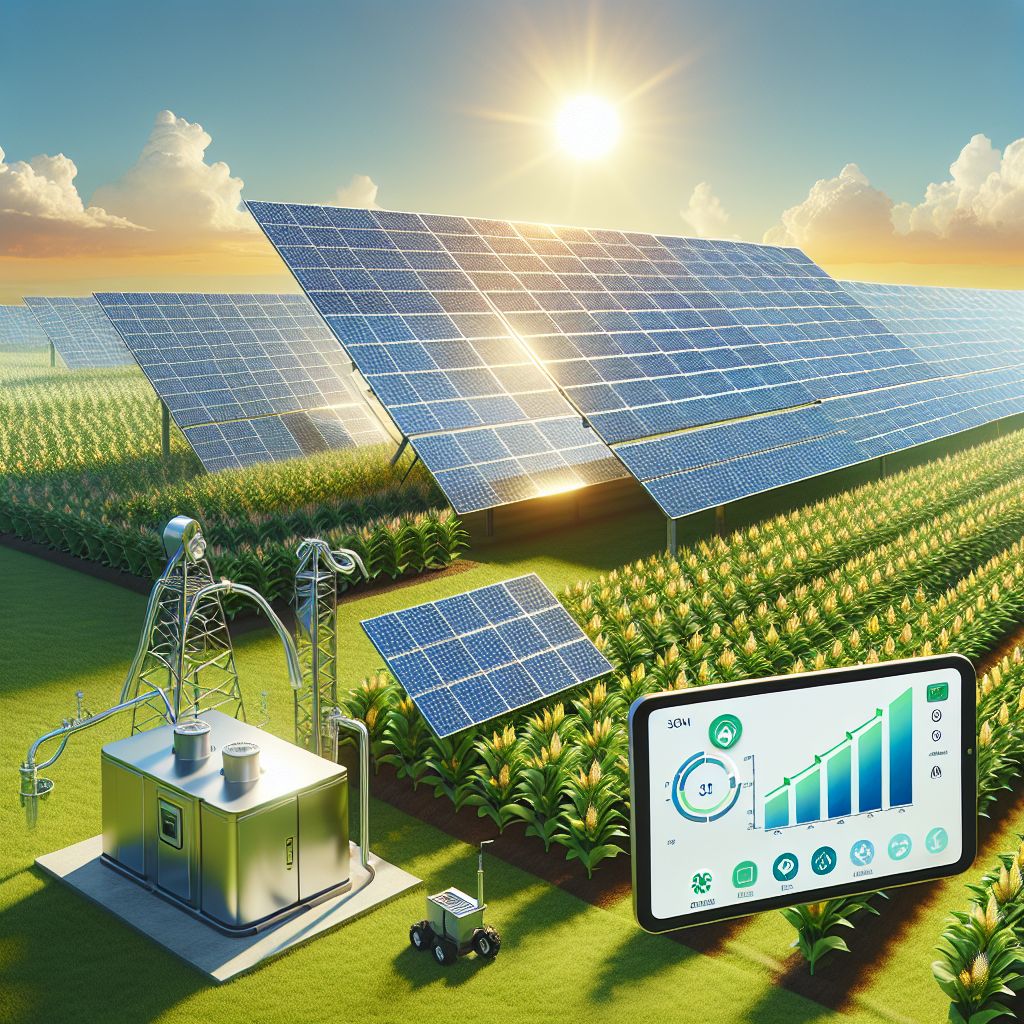
Investing in solar energy provides numerous advantages for farmers beyond cost savings. From enhancing energy independence to promoting environmental sustainability, solar power can transform agricultural operations.
Financial Savings and Energy Independence
One of the most significant benefits of solar energy is the potential for substantial cost savings. By generating their own electricity, farmers can reduce or even eliminate their reliance on traditional energy sources. This not only lowers energy bills but also provides protection against fluctuating energy prices.
Moreover, solar panels offer a long-term solution for energy needs. Once installed, they require minimal maintenance and can produce electricity for decades, providing ongoing financial benefits.
Environmental Impact and Sustainability
Solar energy is a clean, renewable resource that significantly reduces a farm’s carbon footprint. By switching to solar power, farmers can decrease their reliance on fossil fuels and contribute to environmental conservation. This shift not only benefits the planet but also aligns with consumer demand for sustainable agricultural practices.
Enhancing Farm Operations with Renewable Energy
Beyond financial and environmental benefits, solar energy can enhance farm operations in several ways. It can power irrigation systems, refrigeration units, and other essential equipment, ensuring that farms operate efficiently and effectively.
Furthermore, solar energy can provide opportunities for innovation, such as integrating solar-powered technologies into everyday farming practices. This can lead to increased productivity and a competitive edge in the agricultural market.
“By harnessing the power of the sun, farmers can not only reduce their operational costs but also contribute to a more sustainable future for agriculture.”
Steps to Secure Funding and Install Solar Panels
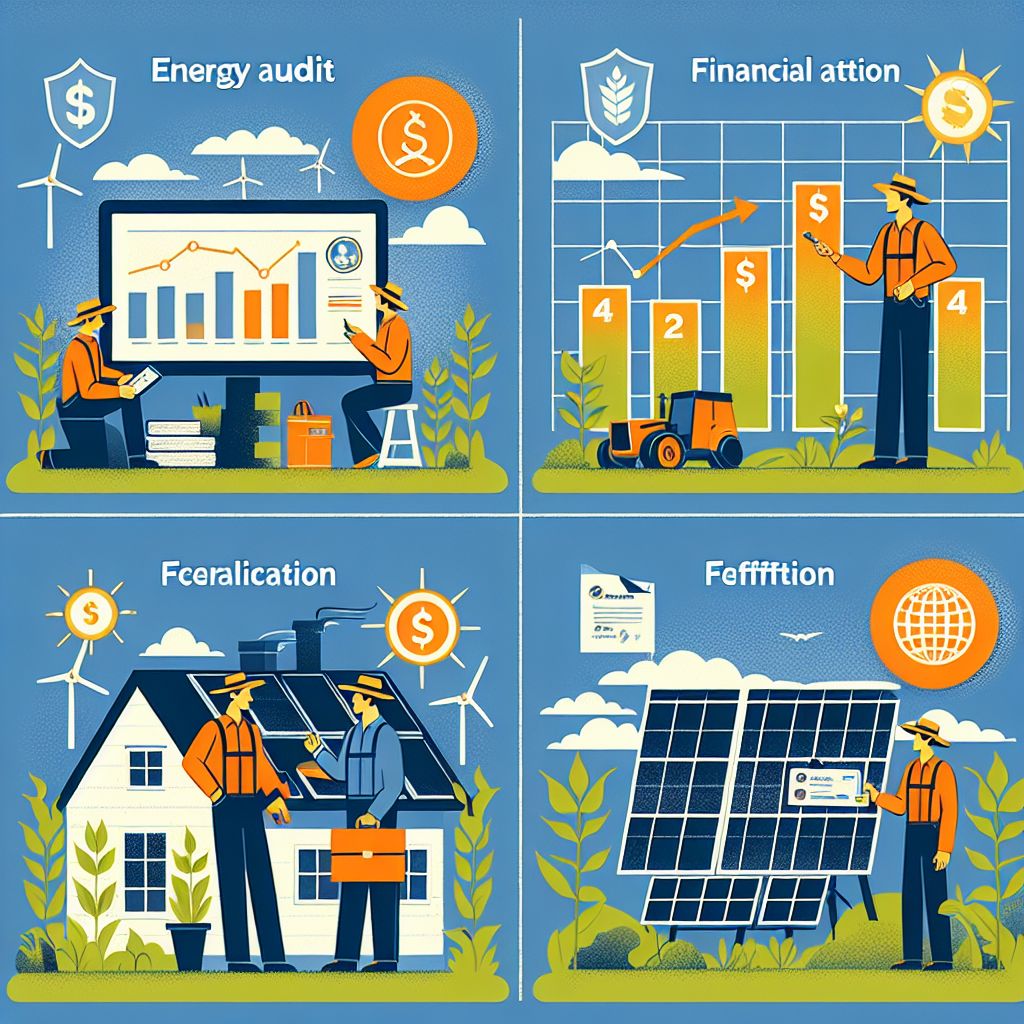
For farmers considering solar energy, securing funding and navigating the installation process can seem overwhelming. However, by following a few key steps, farmers can successfully implement solar power on their farms.
Conducting an Energy Audit
The first step in transitioning to solar energy is conducting an energy audit. This process involves evaluating the farm’s current energy usage and identifying areas where solar power can be most beneficial. An energy audit can help determine the size and scope of the solar installation needed to meet the farm’s energy needs.
Applying for Grants and Financial Assistance
Once the energy audit is complete, farmers should explore available grants and financial assistance programs. This includes applying for federal programs like REAP and researching state-specific incentives. It’s essential to gather all necessary documentation and submit applications promptly to secure funding.
Additionally, many solar providers offer assistance with the grant application process, helping farmers navigate the requirements and maximize their chances of receiving financial support. For those interested in integrating solar technology with agriculture, agrivoltaics presents an innovative solution that combines solar energy production with agricultural activities.
Choosing a Reputable Solar Installation Company
When it comes to installing solar panels on your farm, selecting the right installation company is crucial. A reputable company will ensure that the installation is done correctly and efficiently, maximizing the system’s performance and lifespan.
Start by researching local solar providers with experience in agricultural installations. Look for companies with positive customer reviews and a track record of successful projects. It’s also important to verify their certifications and ensure they comply with industry standards.
“Choosing a company that understands the unique energy needs of farms can make all the difference in the success of your solar project.”
Once you’ve narrowed down your options, request quotes from multiple companies to compare pricing and services. Don’t hesitate to ask for references and speak with other farmers who have worked with the company to gain insight into their experiences.

Long-Term Benefits and Considerations
Investing in solar energy offers numerous long-term benefits for farmers. Beyond immediate cost savings, solar panels provide a reliable and sustainable energy source that can support farm operations for decades.
Additionally, solar energy aligns with the growing consumer demand for environmentally responsible agricultural practices, enhancing your farm’s reputation and marketability.
Stabilizing Farm Energy Costs
Solar panels offer a stable energy source, protecting farms from fluctuating electricity prices. By generating their own power, farmers can maintain consistent energy costs, making budgeting and financial planning more predictable.
Increasing Property Value Through Solar Investments
Solar installations can significantly increase the value of your farm property. Buyers often view solar panels as a valuable asset, as they provide ongoing energy savings and contribute to sustainability efforts.
“A farm equipped with solar energy not only reduces operational costs but also becomes more attractive to potential buyers, increasing its market value.”
Moreover, solar energy systems can enhance the farm’s appeal to environmentally conscious consumers and business partners, creating new opportunities for growth and collaboration.
Investing in solar energy is a forward-thinking decision that can pay dividends in both financial and environmental terms, ensuring the long-term success of your agricultural operations.
Opportunities to Sell Excess Energy
One of the exciting prospects of solar energy is the ability to sell excess power back to the grid. Many regions offer net metering programs that allow farmers to earn credits for the surplus energy their solar panels produce.
This not only provides an additional revenue stream but also enhances the financial viability of solar energy investments. By participating in these programs, farmers can further offset their initial installation costs and improve their overall return on investment.
Frequently Asked Questions
Understanding solar energy can raise many questions. Here are some common inquiries and answers to help guide farmers considering solar panel installations.
How much can I save with solar panels on my farm?
The savings from solar panels can vary based on several factors, including the size of the installation, energy consumption, and available incentives. On average, farmers can reduce their energy bills by 50% or more, leading to significant long-term savings. For more insights on solar agriculture, explore the benefits of solar agriculture integration.
What types of government incentives are available for farmers?
Farmers can benefit from federal incentives like the USDA’s REAP and the Investment Tax Credit (ITC), as well as state-specific programs that offer rebates, tax credits, and grants to support solar energy projects.
How long does it take to see a return on investment?
The return on investment for solar panels typically ranges from 5 to 10 years. This timeline depends on the initial installation costs, energy savings, and the availability of financial incentives.
What are the environmental benefits of solar energy on farms?
Solar energy is a clean, renewable resource that reduces reliance on fossil fuels and decreases greenhouse gas emissions. By adopting solar power, farmers can contribute to environmental conservation and promote sustainable agricultural practices. For more information on how solar panels can benefit farmers, check out this guide on agriculture funding options & grants.
How do I find the best solar panel installer for my farm?
To find the best installer, research local companies with experience in agricultural solar projects. Look for positive reviews, verify certifications, and request quotes from multiple providers. Speaking with other farmers who have installed solar panels can also provide valuable insights.







Leave a Reply