

Key Takeaways
- Agrivoltaics combines solar panels and agriculture to optimize land use and increase productivity.
- This system can improve crop yield and quality by providing shade and reducing water evaporation.
- Agrivoltaics promotes biodiversity by creating a more diverse habitat for various species.
- Farmers can benefit economically through energy production and reduced operational costs.
- Implementing agrivoltaics requires overcoming technical, financial, and regulatory challenges.
Highlights of Agrivoltaics Integration
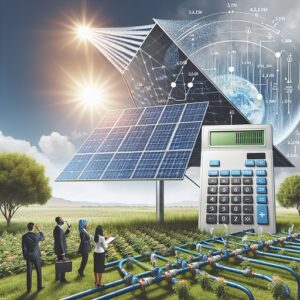
Imagine a world where the sun not only powers our homes but also nurtures our crops. This is the promise of agrivoltaics, a system that integrates solar energy production with agricultural activities. By placing solar panels above crops, we can harness the sun’s energy while simultaneously improving agricultural productivity. This innovative approach addresses two of our most pressing needs: renewable energy and sustainable food production.
“Agrivoltaics is the marriage of agriculture and solar energy, aiming to optimize land use and provide dual benefits.”
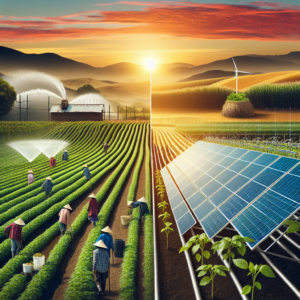
Besides that, agrivoltaics is not just a theoretical concept. Around the globe, successful projects demonstrate its potential. From vineyards in France to vegetable farms in Japan, agrivoltaics is proving to be a viable solution for sustainable agriculture.
Agrivoltaics: Merging Solar Energy and Farming
As we delve into the world of agrivoltaics, it’s essential to understand how this system works. By strategically placing solar panels above agricultural fields, we can create a symbiotic relationship between energy production and crop growth. This approach maximizes the use of available land, which is particularly important in areas where land resources are limited.
Defining Agrivoltaics
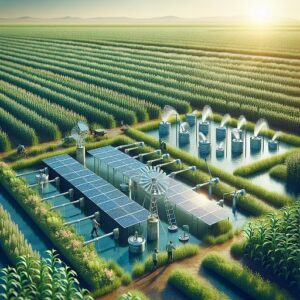
In simple terms, agrivoltaics is a method of dual land use that combines photovoltaic (solar) energy generation with agricultural activities. The solar panels are typically elevated to allow crops to grow underneath, creating a microclimate that can be beneficial for plant growth. This system not only generates clean energy but also provides shade and reduces water evaporation, which can be particularly beneficial in arid regions.
One might wonder, how does this system affect the crops? The answer lies in the careful design and placement of solar panels. By adjusting the height, angle, and spacing of the panels, we can control the amount of sunlight that reaches the crops, thereby optimizing growth conditions.
How Agrivoltaics Works
Agrivoltaics operates on the principle of sharing sunlight between solar panels and crops. The panels capture solar energy, converting it into electricity, while the crops receive the remaining sunlight for photosynthesis. This setup requires careful planning to ensure that both components receive adequate sunlight. For more information on solar technology in agriculture, explore our guide on thin-film solar panels.
Most importantly, agrivoltaics systems are designed to be flexible. By adjusting panel configurations, we can cater to the specific needs of different crops. For instance, leafy greens may require more shade, while root vegetables might thrive with more direct sunlight. This adaptability makes agrivoltaics a versatile solution for various agricultural contexts.
Here’s a table comparing the different solar panel you can use with agrivoltaics:
|
Solar Panel Type |
Efficiency |
Cost per Watt |
Pros |
Cons |
|---|---|---|---|---|
|
Monocrystalline |
17-22% |
$1.00 – $1.50 |
– Highest efficiency. 1, 3 |
– Most expensive option. 1, 3 |
|
Polycrystalline |
13-17% |
$0.90 – $1.20 |
– Lower cost than monocrystalline. 1, 3 |
– Slightly lower efficiency. 1, 3 |
|
Thin-Film |
10-13% |
$0.70 – $1.00 |
– Lowest cost. 1, 3 |
– Lowest efficiency. 1, 3 |

Benefits of Agrivoltaics
The integration of solar energy and agriculture offers numerous benefits, making agrivoltaics an attractive option for farmers and energy producers alike. Let’s explore some of these advantages in detail.
Increased Land Use Efficiency
Agrivoltaics allows us to make the most of available land by combining two essential functions: food production and energy generation. This dual use of land can be particularly beneficial in densely populated regions where space is at a premium.
By optimizing land use, agrivoltaics contributes to sustainable development goals, ensuring that we can meet the growing demand for both energy and food without exhausting natural resources.
Improved Crop Yield and Quality
When we talk about improved crop yield and quality through agrivoltaics, we’re essentially looking at how the microclimate under solar panels can benefit plant growth. By providing partial shade, solar panels help regulate temperature extremes, which can be particularly beneficial during hot summer months. This can lead to healthier plants that produce more fruit or vegetables.
Additionally, the panels help reduce water evaporation from the soil. This means that plants have access to more consistent moisture levels, which is critical for maintaining growth and preventing stress. With less water evaporating, farmers can also reduce irrigation needs, saving water and reducing costs.
Moreover, the shade from the panels can prevent sunburn on delicate crops like lettuce and spinach, which are prone to damage from intense sunlight. This protection ensures that the crops are not only plentiful but also of high quality, fetching better prices in the market.
- Regulates temperature to prevent heat stress in plants.
- Reduces water evaporation, conserving moisture and saving water.
- Protects crops from sunburn, improving their market value.
Therefore, agrivoltaics can lead to more resilient agricultural systems, capable of withstanding the challenges posed by climate change.
Enhanced Biodiversity
Agrivoltaics can also play a significant role in enhancing biodiversity. By creating a diverse microhabitat under the solar panels, we can encourage the presence of beneficial insects and other wildlife. The shaded areas provide shelter and breeding grounds for various species, promoting a balanced ecosystem.
Renewable Energy Generation
The primary function of solar panels in agrivoltaics is to generate renewable energy. This clean energy can be used to power farm operations, reducing dependency on fossil fuels and lowering greenhouse gas emissions. Additionally, excess energy can be sold back to the grid, providing an additional revenue stream for farmers.
Economic Advantages for Farmers
Besides environmental benefits, agrivoltaics offers significant economic advantages. By producing both food and energy, farmers can diversify their income sources, making them less vulnerable to market fluctuations. The savings on water and energy costs further enhance profitability, providing a more stable financial outlook.
Here is a table that looks into what are the benefits of agrivoltaics for a farmer:
|
Benefit |
Description |
Examples/Impacts |
|---|---|---|
|
Increased Land Efficiency |
Enables dual use of land for both agriculture and solar energy production, optimizing space utilization. |
The Frauenhofer Institute’s APV-RESOLA project demonstrated land efficiency of up to 186% in Germany. 1 |
|
Enhanced Crop Yields |
Partial shading from solar panels reduces heat stress and evaporation, improving crop health and yield. |
Crop yields under solar panels have increased by 20-60% depending on the crop. 1, 2 |
|
Reduced Water Consumption |
Shading decreases evaporation, retaining soil moisture and reducing irrigation needs. |
Water-use efficiency improved by 65% in an Oregon agrivoltaic system growing cherry tomatoes. 3 |
|
Environmental Sustainability |
Minimizes land-use changes, supports biodiversity, and reduces the carbon footprint of energy and farming. |
Helps achieve EU sustainability goals by integrating renewable energy with agriculture. 1, 4 |
|
Improved Solar Panel Efficiency |
Cooler microclimates created by vegetation enhance solar panel performance by preventing overheating. |
Research in Arizona showed better panel performance due to co-located crops3. |
|
Additional Farmer Income |
Farmers can lease land for solar installations or sell surplus energy, diversifying income sources. |
Provides financial resilience for farmers while reinvesting in agricultural operations. 2, 4 |
|
Reduced Maintenance Costs |
Grazing animals or native plants under panels reduce mowing and pesticide needs. |
Sheep grazing under arrays eliminates vegetation management costs. 3 |
|
Improved Rural Infrastructure |
Solar installations enhance electricity access and support electric vehicles in rural areas. |
Agrivoltaics improves rural energy systems, enabling field-based charging for equipment. 3 |
Agrivoltaics offers a sustainable solution to address food security, renewable energy needs, and environmental challenges simultaneously.

Case Studies and Real-World Applications
Agrivoltaics is not just a theoretical concept; it’s being implemented successfully around the world. These case studies provide valuable insights into the practical benefits and challenges of integrating solar panels with agriculture.
In France, vineyards have adopted agrivoltaics to protect grapevines from excessive heat while generating solar energy. This dual-use approach has helped improve grape quality and yield, showcasing the potential of agrivoltaics in viticulture.
Successful Agrivoltaics Projects Worldwide
Several countries have embraced agrivoltaics, each tailoring the system to their specific needs and climates. In Japan, vegetable farms have integrated solar panels to optimize land use and increase crop production. Similarly, in the United States, agrivoltaics projects are being tested in various climates, from arid deserts to temperate regions.
These projects highlight the versatility of agrivoltaics and its ability to adapt to different agricultural contexts. By learning from these successful implementations, we can refine and expand the use of agrivoltaics globally.
One remarkable project in Germany combines solar panels with sheep grazing. The panels provide shade for the sheep, while the animals help maintain the vegetation around the panels, preventing overgrowth and reducing maintenance costs.
- France: Vineyards using agrivoltaics to improve grape quality.
- Japan: Vegetable farms integrating solar panels for better land use.
- Germany: Combining solar panels with sheep grazing for mutual benefits.
Crops That Thrive Under Solar Panels
Not all crops are equally suited to agrivoltaics, but many can thrive under solar panels. Leafy greens, such as lettuce and spinach, benefit from the shade, which reduces the risk of sunburn and bolting. Root vegetables, like carrots and beets, can also perform well, as they require less direct sunlight.
Besides vegetables, certain fruit crops like berries can prosper under agrivoltaics. The panels provide a cooler environment, which can enhance fruit quality and extend the growing season.
Collaborations Between Solar Companies and Farmers
Successful agrivoltaics projects often result from collaborations between solar companies and farmers. These partnerships allow for the sharing of expertise and resources, ensuring that both parties benefit from the system. Solar companies can provide the necessary technology and installation services, while farmers contribute their agricultural knowledge to optimize crop growth under the panels.
Challenges in Agrivoltaics Adoption
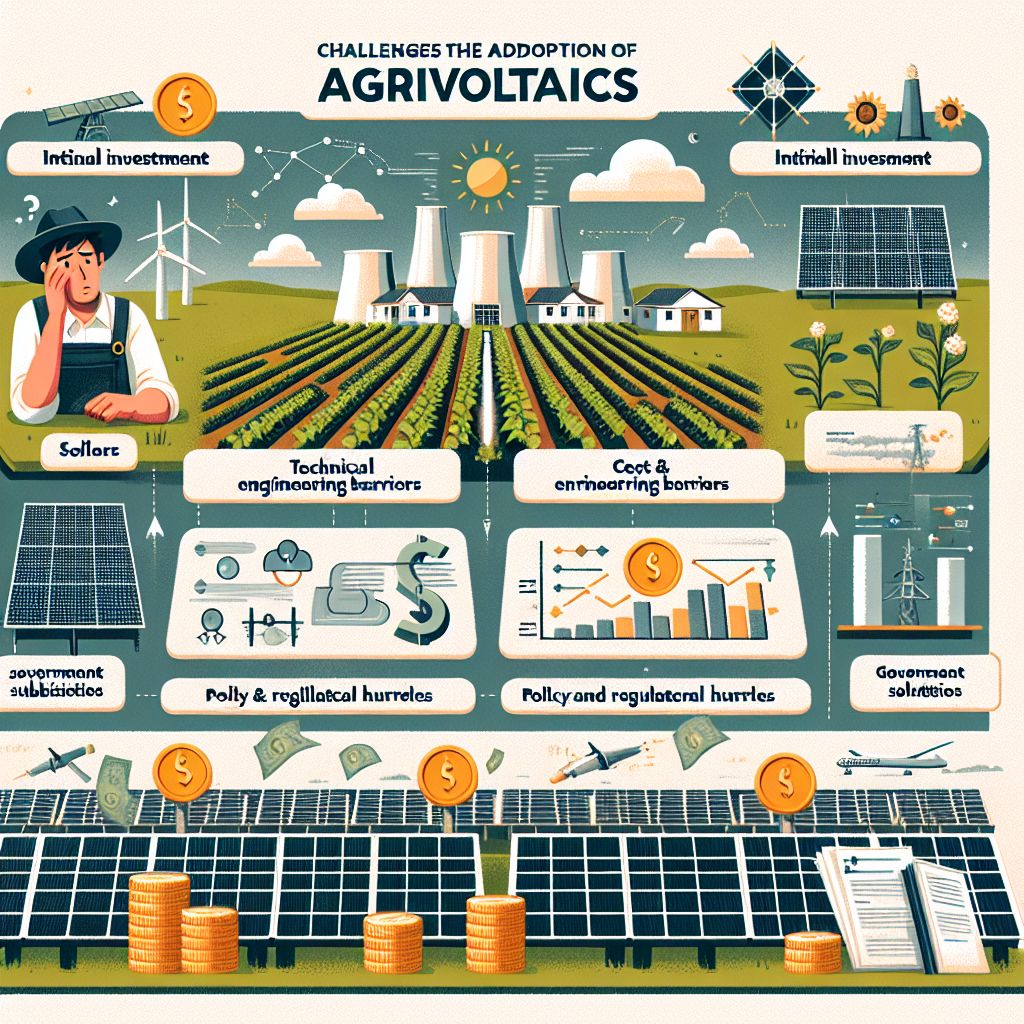
Despite its many benefits, adopting agrivoltaics is not without challenges. These obstacles must be addressed to ensure widespread implementation and success.
One of the main challenges is the initial investment required for solar panel installation. While the long-term benefits are significant, the upfront costs can be a barrier for many farmers.
Technical and Engineering Barriers
The technical aspects of agrivoltaics can be complex. Designing a system that optimally balances energy production with agricultural needs requires careful planning and engineering expertise. Factors such as panel height, angle, and spacing must be tailored to the specific crops and climate conditions.
Moreover, the integration of solar panels with existing farm infrastructure can pose logistical challenges. Ensuring that the panels do not interfere with farm machinery or operations is crucial for seamless adoption.
Cost and Investment Considerations
The cost of implementing agrivoltaics can be substantial, particularly for small-scale farmers. Financing options and incentives are essential to make this system accessible to a wider audience. Government subsidies and grants can play a crucial role in offsetting the initial costs.
Additionally, the return on investment may take several years to materialize, which can deter farmers from adopting agrivoltaics. Clear communication about the long-term benefits and potential savings is necessary to encourage investment.
Despite these challenges, the potnential of agrivoltaics to revolutionize sustainable agriculture is undeniable. By addressing these obstacles, we ca pave the way for a more resilient and productive agricultural future. For instance, understanding how solar panels work can help optimize their integration into farming practices.
Policy and Regulatory Hurdles
One of the significant barriers to agrivoltaics adoption is navigating the complex web of policies and regulations. In many regions, land-use policies may not yet recognize or accommodate dual-use systems like agrivoltaics. This lack of regulatory clarity can create uncertainty for farmers and investors, slowing down the adoption process.
Moreover, permitting processes for solar installations can be lengthy and complicated, adding additional hurdles for farmers who wish to integrate solar panels with their agricultural operations. Streamlining these processes and providing clear guidelines for agrivoltaics can help facilitate broader adoption.
Future of Agrivoltaics
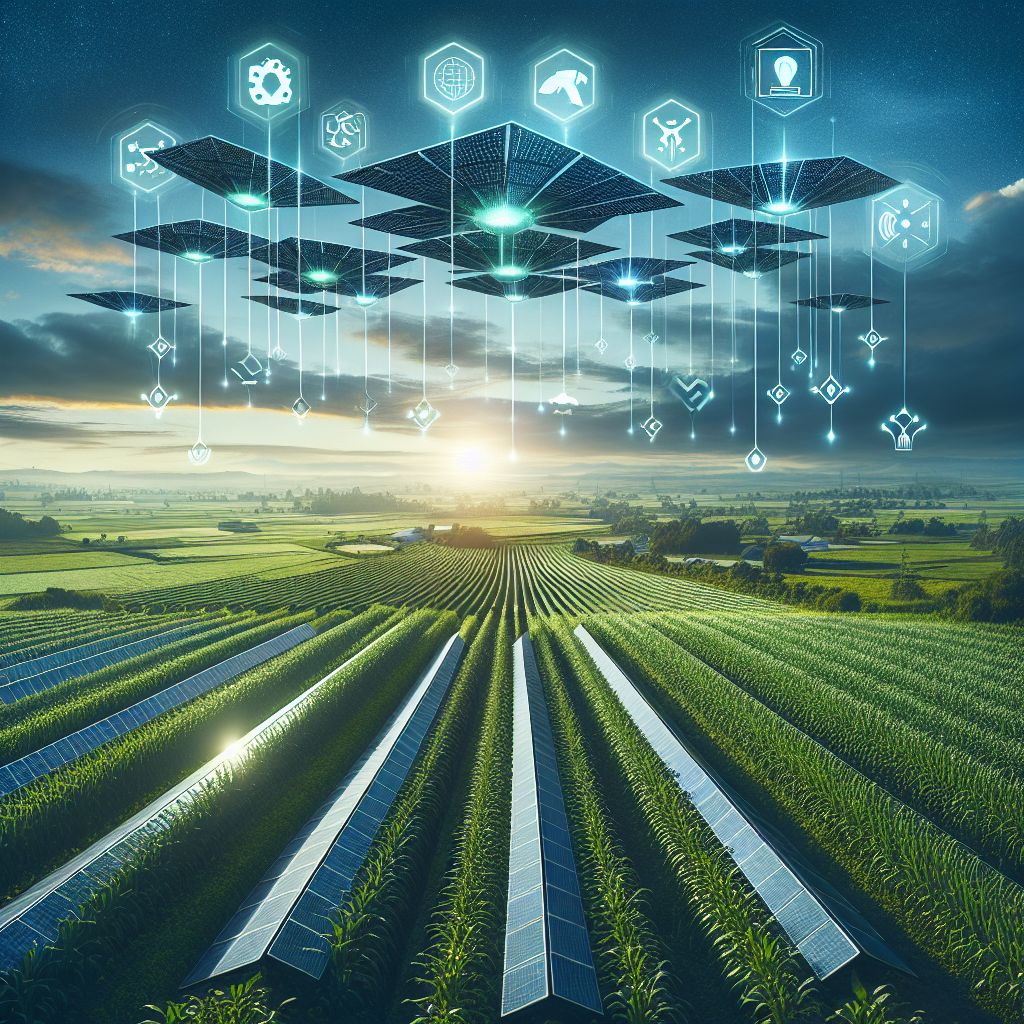
The future of agrivoltaics looks promising as more countries and regions recognize its potential to address both energy and food security challenges. With ongoing advancements in technology and increasing awareness of the benefits, agrivoltaics is poised to become a key component of sustainable agriculture worldwide.
Pioneering Technologies in Agrivoltaics
Technological innovations are driving the evolution of agrivoltaics. For instance, the development of bifacial solar panels, which can capture sunlight from both sides, enhances energy production without compromising agricultural productivity. These panels can be particularly beneficial in agrivoltaics systems, where sunlight reflection from the ground can be harnessed.
Additionally, smart technologies, such as sensors and IoT devices, can optimize agrivoltaics systems by monitoring environmental conditions and adjusting panel configurations in real-time. These technologies ensure that both energy and crop production are maximized, offering a more efficient and adaptive solution.
Potential Policy Changes to Support Growth
To support the growth of agrivoltaics, policymakers must consider implementing incentives and subsidies that encourage adoption. Tax credits for solar installations, grants for research and development, and subsidies for farmers can make agrivoltaics more accessible and appealing.
Furthermore, updating land-use policies to explicitly include agrivoltaics as a recognized and supported practice will provide the regulatory clarity needed for widespread implementation. Encouraging collaboration between agricultural and energy sectors can also drive innovation and investment in this promising field. For instance, exploring thin-film solar panels can offer unique advantages for farmers integrating solar energy into their agricultural practices.
Predicted Environmental Impact
The environmental impact of agrivoltaics is largely positive, as it promotes renewable energy generation and sustainable agricultural practices. By reducing reliance on fossil fuels, agrivoltaics contributes to lowering greenhouse gas emissions, a critical step in combating climate change.
Moreover, the enhanced biodiversity and improved land use efficiency associated with agrivoltaics can lead to healthier ecosystems. The system’s ability to conserve water and improve soil quality further supports environmental sustainability, making agrivoltaics a vital tool in the fight against environmental degradation.
“Agrivoltaics not only addresses energy and food needs but also contributes to environmental conservation and climate change mitigation.”
FAQ
As we explore the potential of agrivoltaics, several common questions arise. Here, we address some of the most frequently asked questions to provide clarity and understanding, including the benefits of thin-film solar panels for farmers.
What is the main purpose of agrivoltaics?
The primary purpose of agrivoltaics is to optimize land use by combining solar energy production with agricultural activities. This dual-use approach aims to meet the growing demands for both renewable energy and food production, while promoting environmental sustainability.
Agrivoltaics achieves this by strategically placing solar panels above crops, allowing both energy and agricultural outputs to coexist and thrive on the same piece of land.
“By merging solar energy and farming, agrivoltaics maximizes land productivity and addresses multiple sustainability goals.”
Can all crops benefit from agrivoltaics?
While not all crops are ideally suited for agrivoltaics, many can benefit from the system. Crops that thrive in partial shade, such as leafy greens, root vegetables, and certain fruits, are particularly well-suited for agrivoltaics.
The system’s adaptability allows for adjustments to panel configurations to meet the specific light and climate needs of different crops, making it a versatile solution for diverse agricultural contexts.
Are there specific climates where agrivoltaics is more effective?
Agrivoltaics can be effective in a variety of climates, but it is particularly beneficial in regions with high solar irradiance and arid conditions. In these areas, the shade provided by solar panels can protect crops from excessive heat and reduce water evaporation, improving agricultural productivity.
That said, with appropriate design and technology, agrivoltaics can be adapted to different climates, making it a viable option for sustainable agriculture worldwide.
How does agrivoltaics contribute to sustainability?
Agrivoltaics contributes to sustainability by promoting renewable energy generation, improving land use efficiency, and supporting biodiversity. By reducing dependence on fossil fuels, it helps lower greenhouse gas emissions and combat climate change. For more information on how solar technology benefits agriculture, check out this guide for farmers.
Additionally, the system’s ability to conserve water and enhance soil quality supports sustainable agricultural practices, making agrivoltaics a holistic solution for environmental conservation.
What are the economic implications for farmers using agrivoltaics?
For farmers, agrivoltaics offers significant economic benefits. By diversifying income sources through both food and energy production, farmers can achieve greater financial stability and resilience against market fluctuations.
The system also reduces operational costs by conserving water and energy, further enhancing profitability. With the potential for additional revenue from selling excess energy back to the grid, agrivoltaics presents a compelling economic opportunity for farmers.


Leave a Reply