

Key Takeaways
- Solar panels convert sunlight into electricity, providing a renewable energy source for farmers.
- Installing solar panels can significantly reduce a farm’s operational costs by lowering electricity bills.
- Solar energy systems can be customized to fit the specific needs and layout of a farm.
- Government incentives and tax credits can help offset the initial investment costs for solar panels.
- Solar panels require minimal maintenance and can last 25-30 years, providing long-term energy savings.
Introduction to Solar Panels for Farmers
Farmers have always relied on the sun to grow their crops. Now, they can harness its power in a new way—through solar panels. By converting sunlight into electricity, solar panels provide a renewable energy source that can significantly cut down on operational costs. This technology is not just for big cities or tech companies; it’s a perfect fit for farms of all sizes.
Harnessing the Power of the Sun
Imagine being able to power your entire farm with the energy that shines down on it every day. That’s the promise of solar panels. They capture sunlight and convert it into electricity, which can then be used to run equipment, heat water, or even sell back to the grid for a profit. The sun is a powerful ally, and farmers can tap into its potential with the right setup.
Solar Panels and Farming: A Perfect Match
Farming and solar panels go hand in hand. Farms often have large expanses of open land, perfect for setting up solar panels without disrupting daily operations. Moreover, rural areas often have fewer obstacles like tall buildings that could block sunlight. By using solar panels, farmers can become more energy independent, reducing their reliance on traditional power sources that are subject to price fluctuations and availability issues.
The 3 Main Types of Solar Panels
When it comes to solar panels, there are three main types to consider: monocrystalline, polycrystalline, and thin-film. Each type has its own advantages and drawbacks.
- Monocrystalline: Known for their high efficiency and long lifespan, monocrystalline panels are made from a single crystal structure. They are typically more expensive but offer the best performance.
- Polycrystalline: These panels are made from multiple crystal structures and are usually less expensive than monocrystalline panels. They are slightly less efficient but still a popular choice for many farmers.
- Thin-film: These panels are lightweight and flexible, making them easier to install in unconventional spaces. However, they are less efficient and generally have a shorter lifespan.
Here’s a table comparing the different solar panel you can use with an irrigation system on a farm:
|
Solar Panel Type |
Efficiency |
Cost per Watt |
Pros |
Cons |
|---|---|---|---|---|
|
Monocrystalline |
17-22% |
$1.00 – $1.50 |
– Highest efficiency. 1, 3 |
– Most expensive option. 1, 3 |
|
Polycrystalline |
13-17% |
$0.90 – $1.20 |
– Lower cost than monocrystalline. 1, 3 |
– Slightly lower efficiency. 1, 3 |
|
Thin-Film |
10-13% |
$0.70 – $1.00 |
– Lowest cost. 1, 3 |
– Lowest efficiency. 1, 3 |
Monocrystalline panels are highly efficient and durable, making them ideal for high-performance irrigation systems that require consistent power output. Their higher cost is often offset by their superior performance in the long run 3.
Polycrystalline panels offer a good balance between cost and efficiency, making them suitable for medium-scale irrigation projects. They perform well in most conditions and are a popular choice for many agricultural applications 3.
Thin-film panels, while less efficient, are more affordable and flexible. They can be a good option for portable irrigation systems or installations where weight is a concern. Their lower efficiency means you may need more panels to achieve the same power output as crystalline options 3.

How Solar Panels Function
Understanding how solar panels work can help farmers make informed decisions about investing in this technology. At the heart of every solar panel is the photovoltaic cell, which is responsible for converting sunlight into electricity.
Photovoltaic Cell Basics
Photovoltaic (PV) cells are the building blocks of solar panels. These cells are made from semiconductor materials, usually silicon, which absorbs sunlight and releases electrons. This process creates an electric current, which can then be harnessed for use on the farm.
Energy Conversion Process: Sunlight to Electricity
The conversion process begins when sunlight hits the PV cells. The energy from the light knocks electrons loose from their atoms, allowing them to flow through the cell and generate electricity. This flow of electrons is captured by wires and directed into an inverter, which converts the direct current (DC) electricity into alternating current (AC) electricity—the type used by most household appliances and farm equipment.
Components of a Solar Panel System
A solar panel system is more than just the panels themselves. It includes several key components that work together to capture, convert, and store solar energy.
- Inverter: Converts DC electricity from the panels into AC electricity.
- Mounting system: Secures the panels in place, usually on rooftops or open fields.
- Battery storage: Stores excess energy for use when the sun isn’t shining, ensuring a consistent power supply.
- Monitoring system: Tracks the system’s performance, alerting farmers to any issues that may need attention.
These components work in harmony to ensure that the farm can make the most of the sun’s energy, reducing costs and increasing sustainability.
Efficiency Factors of Solar Panels
Understanding what affects the efficiency of solar panels can help farmers optimize their energy systems. Efficiency determines how much sunlight the panels can convert into usable electricity, and several factors can influence this.
Impact of Panel Design
The design of a solar panel plays a crucial role in its efficiency. For instance, monocrystalline panels, with their single crystal structure, tend to be more efficient because they allow electrons to move more freely. Polycrystalline panels, while less efficient, are often more affordable. The design choice will depend on balancing efficiency needs with budget constraints.
Importance of Correct Panel Tilt
The angle at which solar panels are installed—known as the tilt—can significantly impact their performance. Ideally, panels should be tilted to capture the maximum amount of sunlight throughout the day. This tilt can vary depending on the farm’s geographic location. In general, a tilt angle equal to the latitude of the location is a good starting point. Adjusting the tilt seasonally can further optimize energy capture. For more information on solar panel efficiency, visit Enel X’s guide on solar panel energy efficiency.
Effect of Temperature and Weather Conditions
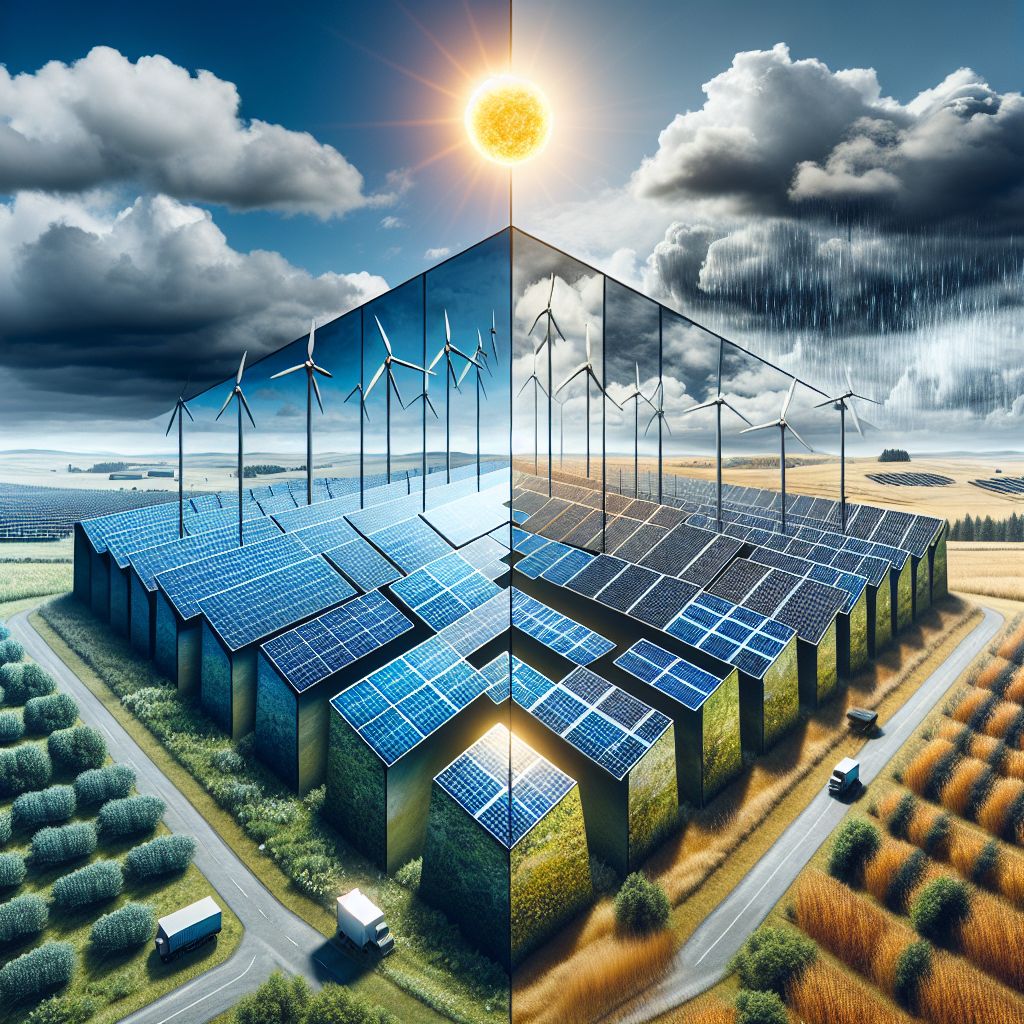
Temperature and weather conditions can also affect solar panel efficiency. While solar panels are designed to withstand various weather conditions, extreme temperatures can impact their performance. Interestingly, solar panels are less efficient in very high temperatures. Therefore, adequate ventilation and cooling can help maintain optimal efficiency. Additionally, cloudy or rainy weather reduces the amount of sunlight reaching the panels, but modern panels can still generate electricity under these conditions, albeit at a reduced rate.
Benefits of Solar Panels for Farmers
Investing in solar panels offers numerous benefits for farmers, both economically and environmentally. Let’s explore some of these advantages in detail.
Reducing Operational Costs
- Lower electricity bills by generating your own power.
- Potential to sell excess electricity back to the grid.
- Reduced reliance on fluctuating energy prices.
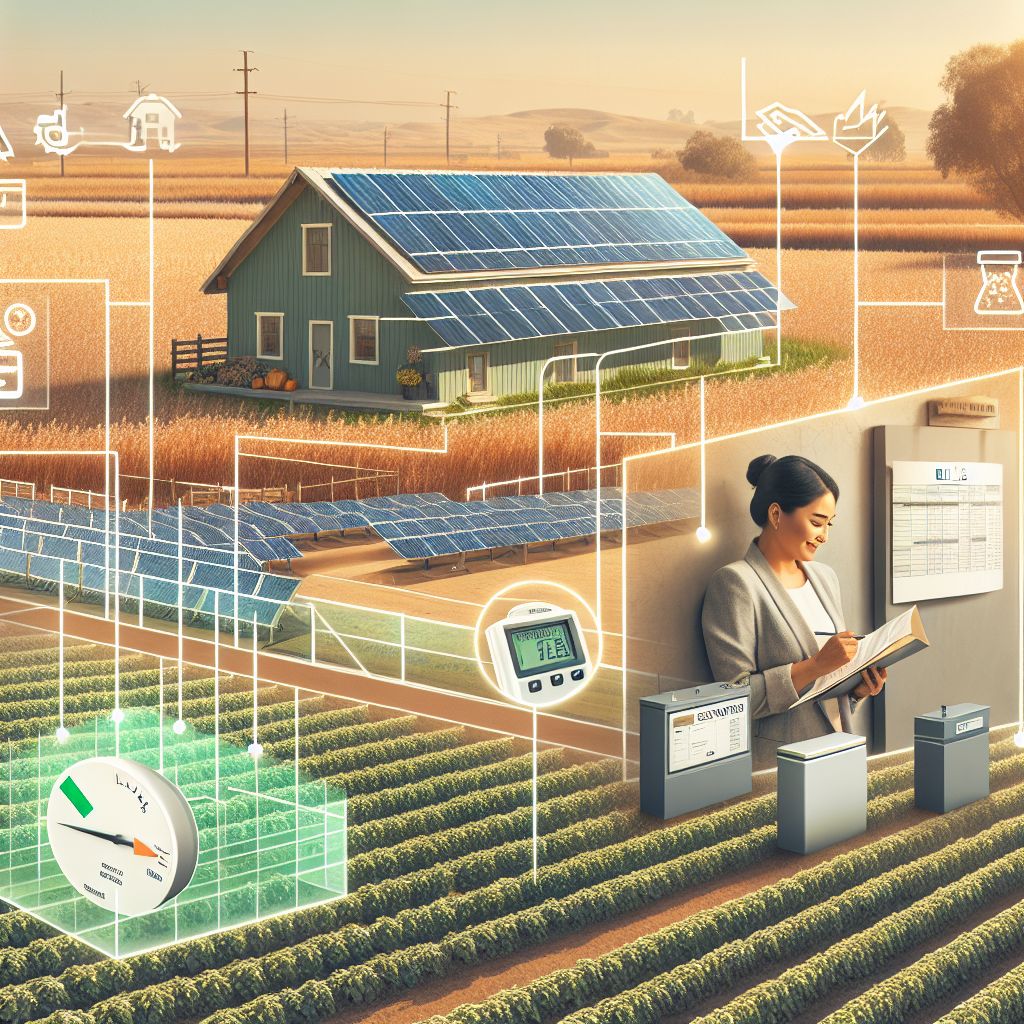
By generating their own electricity, farmers can drastically reduce their operational costs. This is especially beneficial for farms with high energy demands, such as those running irrigation systems or refrigerated storage. Additionally, many regions offer net metering, allowing farmers to sell any excess electricity back to the grid, creating an additional income stream.
Energy Independence and Storage Solutions
Solar panels provide a pathway to energy independence. By producing their own electricity, farmers are less vulnerable to power outages and price hikes from utility companies. Incorporating battery storage solutions can further enhance this independence, allowing farms to store excess energy for use during cloudy days or at night.
Environmental Advantages
Besides the economic benefits, solar panels offer significant environmental advantages. They produce clean, renewable energy, reducing the farm’s carbon footprint and reliance on fossil fuels. This shift contributes to a more sustainable agricultural practice and helps combat climate change. Learn more about solar panels used in agriculture.
“Switching to solar energy is not just a financial decision; it’s a commitment to sustainability and environmental stewardship.”
For example, a farm in California installed solar panels and reported a reduction of over 50% in their carbon emissions within the first year. This demonstrates the tangible environmental benefits that come with transitioning to solar energy.
Implementation and Considerations
While the benefits are clear, implementing a solar panel system requires careful planning and consideration. The initial investment can be substantial, but various incentives and financing options can alleviate these costs. It’s crucial to assess the farm’s energy needs, available space, and budget to design an effective solar solution. Regular maintenance is also essential to ensure the system operates efficiently over its lifespan. With the right approach, solar panels can be a transformative addition to any farm.
Initial Investment and Long-term Savings
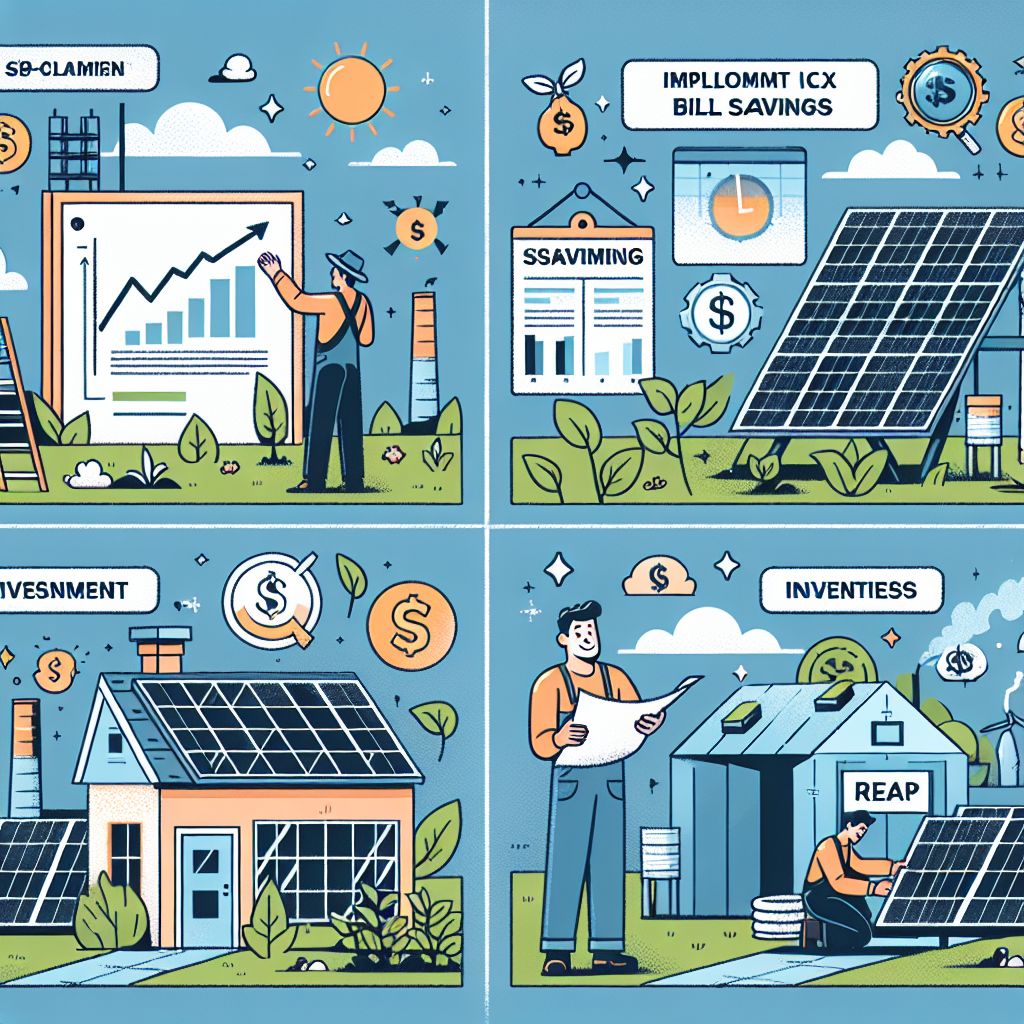
Investing in solar panels requires a significant upfront cost, but the long-term savings can be substantial. The cost of solar panel installation can range from $15,000 to $30,000, depending on the size and complexity of the system. However, these costs can be offset by the reduction in electricity bills over time, making solar panel investment a worthwhile consideration for many.
Farmers can expect to see a return on investment within 5 to 10 years, after which the savings on energy bills effectively translate into profit. Moreover, solar panels typically last 25 to 30 years, ensuring that the farm benefits from reduced energy costs for decades.
Available Incentives and Support
Numerous incentives are available to help farmers mitigate the initial costs of solar panel installation. Federal tax credits can cover up to 26% of the installation costs. Additionally, many states offer rebates and incentives to encourage renewable energy adoption.
It’s important for farmers to research the specific incentives available in their region. Programs such as the USDA’s Rural Energy for America Program (REAP) provide grants and loans to support renewable energy projects in rural areas.
Maintenance Tips for Longevity
Solar panels require minimal maintenance, but regular upkeep can ensure they operate at peak efficiency. Here are some tips to keep your solar system in top shape:
- Clean panels regularly to remove dust and debris.
- Inspect for damage after severe weather events.
- Check inverter readings to ensure the system is functioning correctly.
- Schedule professional inspections every few years.

Conclusion and Call to Action
Solar panels present a compelling opportunity for farmers to reduce costs, increase energy independence, and contribute to environmental sustainability. While the initial investment may seem daunting, the long-term benefits make it a worthwhile consideration. By taking advantage of available incentives and implementing a well-maintained solar system, farmers can transform their energy consumption and enhance their operations.
Final Recommendations for Farmers Considering Solar: Is it worth the investment?
- Assess your farm’s energy needs and potential for solar energy capture.
- Research local incentives and financial support options.
- Consult with a solar energy expert to design a customized system.
- Consider the long-term financial and environmental benefits.
- Plan for regular maintenance to maximize efficiency and lifespan.
In conclusion, solar panels are a strategic investment for farmers looking to reduce energy costs and enhance sustainability. By carefully planning and utilizing available resources, the transition to solar energy can be both financially rewarding and environmentally responsible. For more insights, explore the worth of solar panel investment for farmers.
Farmers should take proactive steps to explore solar energy options, ensuring they remain competitive and resilient in an ever-evolving agricultural landscape.
Frequently Asked Questions (FAQ)
Many farmers have questions about integrating solar panels into their operations. Here are some of the most common inquiries:
How do solar panels impact a farm’s electricity bills?
Solar panels can significantly reduce a farm’s electricity bills by generating power on-site. This reduces reliance on grid electricity, which can be subject to price fluctuations.
- Reduced electricity costs lead to lower operational expenses.
- Potential for selling excess electricity back to the grid.
Overall, solar panels offer a stable and predictable energy cost, shielding farmers from market volatility. For more information on the benefits of solar panels, check out this guide on bifacial solar panels.
Are there government incentives available for farmers to install solar panels?
Yes, there are several government incentives designed to encourage the adoption of solar energy among farmers. These incentives can significantly offset the initial installation costs. For more information on how solar energy can be utilized in agriculture, explore the use of solar panels in agriculture.
- Federal tax credits cover up to 26% of installation costs.
- State-specific rebates and incentives may be available.
- USDA programs like REAP offer grants and loans for renewable energy projects.
Farmers should explore these options to maximize their financial savings.
What maintenance is required for solar panels on farms?
“Regular cleaning and inspections are key to maintaining solar panel efficiency. Farmers should schedule professional inspections every few years and monitor system performance regularly.”
Maintenance involves simple tasks like cleaning and checking for physical damage, ensuring the system operates efficiently over its lifespan. For more information on innovations in solar technology, check out new solar panel technology for farmers.
Can solar energy be stored for use at night?
Yes, solar energy can be stored using battery systems. These systems store excess energy generated during the day for use at night or during cloudy periods.
Do solar panels have an impact on crop yield or soil health?
Properly installed solar panels should not negatively impact crop yield or soil health. In fact, they can provide shade and reduce water evaporation, which may benefit certain crops.
How do seasonal changes impact solar panel efficiency?
Seasonal changes can affect the amount of sunlight available, impacting solar panel efficiency. However, solar panels are designed to capture sunlight even in cloudy conditions, and the overall annual output remains substantial.
Farmers can optimize efficiency by adjusting panel tilt seasonally and ensuring panels are free from obstructions like snow or debris. To understand more about how these adjustments impact solar panel performance, you can explore solar panel energy efficiency.
In conclusion, solar panels offer a robust solution for farmers looking to harness renewable energy, reduce costs, and promote sustainability. By understanding the technology, exploring financial incentives, and implementing effective maintenance practices, farmers can maximize the benefits of solar energy on their farms.

Leave a Reply