

Key Takeaways
- Solar panel technology can significantly reduce energy costs for farmers, saving up to 75% on electricity bills.
- Innovative solar solutions, such as flexible and lightweight panels, are ideal for agricultural applications.
- Solar energy enhances farm sustainability by reducing reliance on fossil fuels and lowering carbon emissions.
- Implementing solar technology can increase crop yields by optimizing energy use for irrigation and temperature control.
- Farmers can benefit from government incentives and grants for adopting renewable energy solutions.
The Role of Solar Panel Technology in Modern Farming
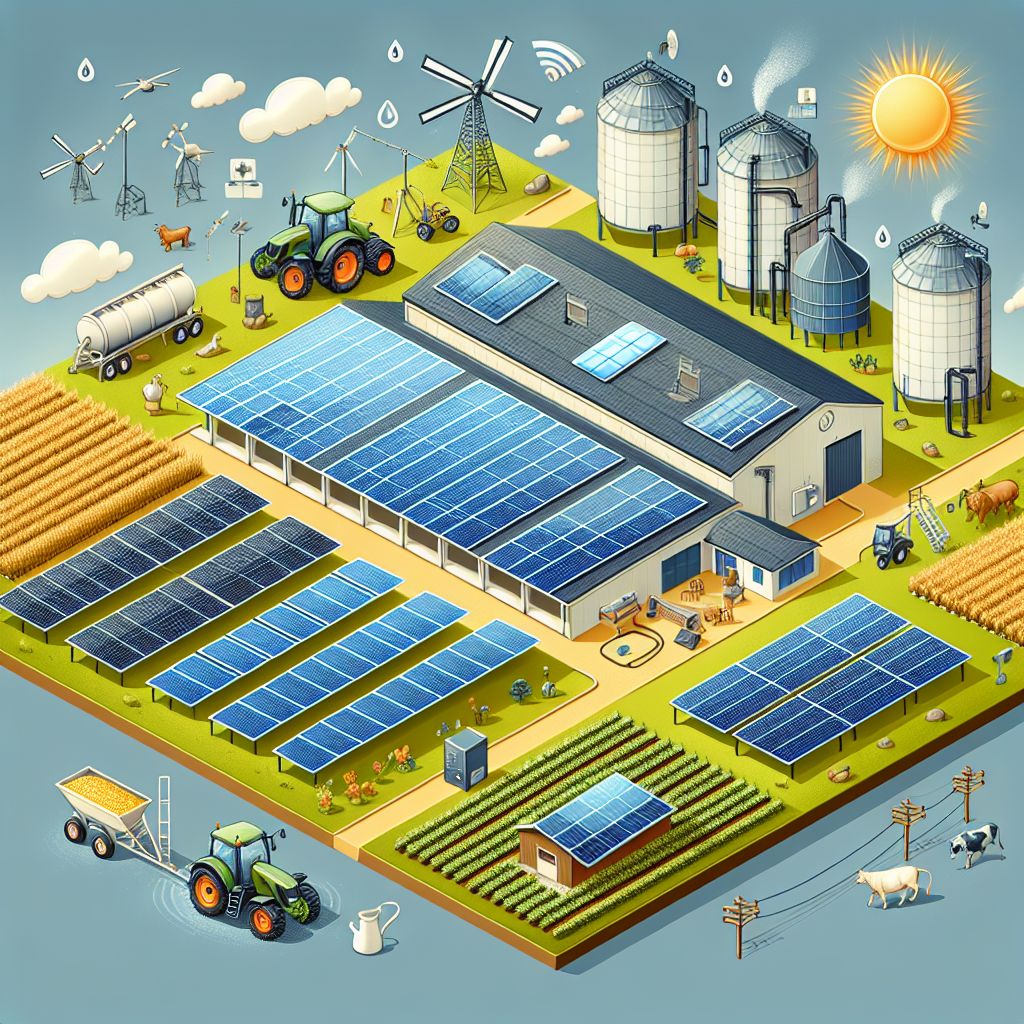
In today’s rapidly evolving agricultural landscape, solar panel technology plays a pivotal role. The integration of solar energy into farming operations not only reduces costs but also boosts productivity and sustainability. By harnessing the power of the sun, farmers can generate their own electricity, which can be used to power irrigation systems, machinery, and even lighting for greenhouses. This shift towards renewable energy is more than just a trend; it’s a necessity for future-proofing farms against rising energy costs and environmental challenges.
Farmers face increasing pressure to produce more with less, and solar technology offers a viable solution. It’s not just about saving money; it’s about enhancing the entire agricultural ecosystem. Solar panels can be installed on unused land, rooftops, or even floating on water bodies to maximize space and efficiency. This flexibility makes solar energy accessible to farms of all sizes, from small family-run operations to large industrial farms.
Why Farmers Need Innovative Solar Solutions
Farmers need innovative solar solutions to tackle the unique challenges they face. Energy costs are a significant expense in agriculture, and traditional power sources are not always reliable or sustainable. Solar panels offer a consistent and renewable energy source, reducing dependency on grid electricity and diesel generators.
Moreover, solar technology can be tailored to meet the specific needs of a farm. For example, flexible solar panels can be used on uneven surfaces or structures that cannot support heavy loads. This adaptability ensures that every farm can benefit from solar energy, regardless of its layout or infrastructure.
Impact of Solar Energy on Agricultural Sustainability
The impact of solar energy on agricultural sustainability is profound. By shifting to solar power, farmers can significantly reduce their carbon footprint. This transition not only helps combat climate change but also aligns with consumer demand for environmentally friendly products. As more consumers prioritize sustainability, farms that adopt green practices gain a competitive edge.
Additionally, solar energy supports sustainable farming practices by providing a reliable energy source for essential operations. This reliability is crucial for tasks like irrigation, which can directly affect crop yields. With solar power, farmers can maintain optimal growing conditions, leading to healthier crops and increased productivity.

Advancements in Solar Panel Technology for Farmers
Recent advancements in solar panel technology have opened new opportunities for farmers. Innovations such as flexible, lightweight, and high-efficiency panels are transforming how farms utilize solar energy. These advancements make solar solutions more accessible and effective, ensuring that farmers can maximize the benefits of renewable energy.
Let’s explore some of these cutting-edge technologies and how they are revolutionizing agriculture.
Flexible Solar Panels: Advantages for Agriculture
Flexible solar panels offer several advantages for agriculture. Their lightweight design makes them easy to install on a variety of surfaces, including curved or irregular structures. This flexibility allows farmers to utilize previously unusable spaces, increasing the overall efficiency of their solar installations.
Moreover, flexible panels are durable and can withstand harsh weather conditions, making them ideal for outdoor agricultural environments. This durability ensures a long lifespan, providing farmers with a reliable energy source for years to come.
Lightweight Panels: Ease of Installation and Use
Lightweight solar panels are another game-changer for farmers. Their reduced weight simplifies installation, reducing labor costs and time. This ease of use makes solar technology more accessible to farmers who may lack the resources for complex installations.
These panels can be installed on rooftops, greenhouses, or even mounted on mobile structures like tractors or trailers. This versatility allows farmers to deploy solar energy where it’s needed most, optimizing energy use across their operations.
Efficiency Improvements: Maximizing Energy Output
Efficiency improvements in solar panel technology have made it possible to generate more energy from the same amount of sunlight. Modern panels can convert a higher percentage of sunlight into electricity, maximizing energy output and increasing cost savings for farmers.
This increase in efficiency is particularly beneficial for farms with limited space for solar installations. By producing more energy from fewer panels, farmers can achieve their energy goals without sacrificing valuable land for crop production.
Perovskite Solar Cells: The Future of Solar Technology
Perovskite solar cells are at the forefront of solar technology innovation. These cells are made from a unique material that offers high efficiency and low production costs. Unlike traditional silicon panels, perovskite cells can be manufactured using simpler processes, which reduces their overall cost. For those interested in the broader implications, you can explore how solar panels play a role in irrigation system design.
The potential of perovskite solar cells lies in their flexibility and adaptability. They can be applied to a variety of surfaces, including flexible substrates, which opens up new possibilities for their use in agriculture. For instance, they can be integrated into greenhouse structures to provide power without obstructing sunlight for the plants. To explore further, learn about solar panels’ role in irrigation system design.
Bifacial Solar Panels: Harnessing More Sunlight
Bifacial solar panels are designed to capture sunlight from both sides, significantly increasing their energy output. This technology is particularly beneficial for agricultural applications where space is limited. By installing bifacial panels, farmers can generate more electricity from the same area, maximizing their energy production. Learn more about new solar panel technologies that are shaping the future of energy production.
These panels are especially effective in open field settings where sunlight can reflect off the ground. By utilizing both direct and reflected sunlight, bifacial panels offer a more efficient solution for farms looking to boost their renewable energy capacity.
Recent advancements in solar panel technology have significantly benefited farmers, offering improved efficiency, durability, and versatility for agricultural applications. Here’s a table discussing key advancements in solar panel technology for farmers:
|
Advancement |
Description |
Benefits for Farmers |
|---|---|---|
|
High-Efficiency Panels |
Solar panels with increased energy conversion efficiency, up to 50% in laboratory tests. 2 |
More electricity generated from limited space, higher returns on investment |
|
Flexible and Lightweight Modules |
Solar modules that can be integrated into existing farm structures. 1 |
Easy integration with greenhouses, irrigation systems, and livestock shelters; suitable for mobile and off-grid applications |
|
Agrivoltaic Systems |
Maximized land use, increased crop yields, reduced water evaporation, enhanced animal welfare | |
|
Bifacial Solar Panels |
Panels with photovoltaic cells on both sides. 2 |
Up to 20% more power generation, ideal for high-albedo environments like snowy or sandy areas |
|
Solar Tracking Technology |
Systems that allow panels to follow the sun’s path. 2 |
Up to 25% increase in energy production compared to stationary installations |
|
High-Powered Microinverters |
Advanced inverters optimizing performance of individual panels. 4 |
Improved overall system efficiency, minimized impact of shading or dirt on individual panels |
|
Perovskite Solar Cells |
Emerging technology with high efficiency and potential for semi-transparency. 6, 7, 8 |
Suitable for greenhouse applications, allowing customized light transmission for crop growth while generating electricity; low-cost production and high energy conversion efficiency |
These advancements have made solar energy more efficient, cost-effective, and versatile for agricultural applications, enabling farmers to enhance sustainability, reduce operational costs, and improve productivity. 1,3
Practical Applications of Solar Panels in Farming
Solar panels have a wide range of practical applications in farming, each contributing to the efficiency and sustainability of agricultural operations. By integrating solar technology, farmers can enhance their productivity while reducing their environmental impact.
Irrigation Systems Powered by Solar Energy
One of the most impactful applications of solar technology in farming is powering irrigation systems. Solar-powered pumps can draw water from wells or reservoirs, providing a reliable and cost-effective solution for watering crops. This method reduces the need for diesel or electric pumps, cutting down on energy costs and emissions. For more insights, explore the comparison between solar and conventional irrigation systems.
Solar-Powered Machinery and Equipment
Beyond irrigation, solar energy can also power various types of machinery and equipment on the farm. From tractors to grain dryers, solar panels can provide the necessary electricity to keep these machines running efficiently.
- Tractors equipped with solar panels can reduce fuel consumption.
- Solar-powered grain dryers help in reducing post-harvest losses.
- Electric fences can be charged using solar energy, providing a sustainable solution for livestock management.
By leveraging solar energy, farmers can decrease their reliance on traditional fuels, lowering operational costs and enhancing sustainability. For a basic understanding of the benefits, check out solar panels in agriculture.
Enhancing Temperature Control in Greenhouses
Greenhouses benefit greatly from solar technology, particularly in terms of temperature control. Solar panels can power fans and cooling systems, maintaining optimal growing conditions for plants. This not only improves crop yields but also extends the growing season, allowing farmers to produce more throughout the year.
Additionally, integrating solar panels into greenhouse structures can provide shade during the hottest parts of the day, preventing heat stress on plants and reducing the need for artificial cooling.
Benefits of Solar Energy for Farmers
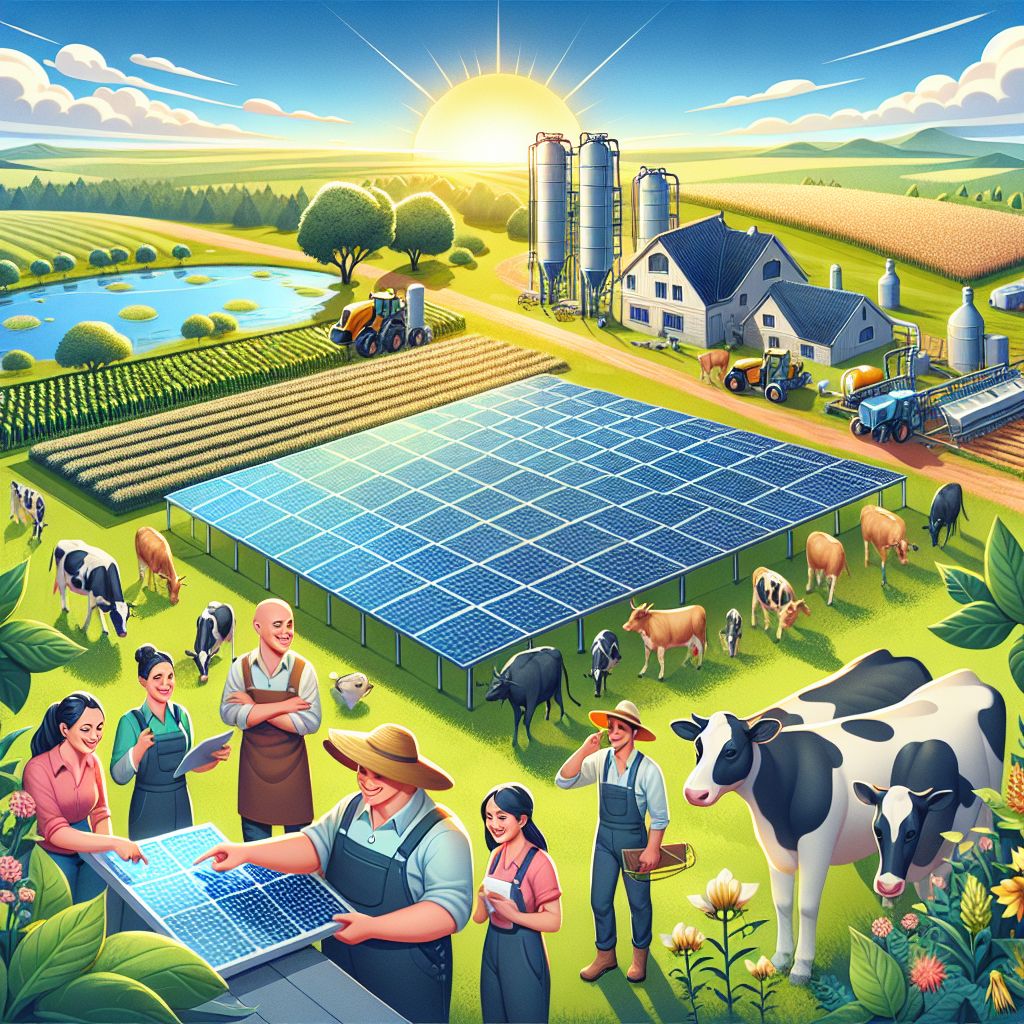
Adopting solar energy offers numerous benefits for farmers, ranging from cost savings to environmental advantages. By transitioning to solar power, farms can become more resilient and efficient, ensuring their long-term viability. For more insights on how solar technology is evolving, check out these solar panel technology trends.
Cost Reduction and Energy Savings
One of the most immediate benefits of solar energy is the reduction in energy costs. By generating their own electricity, farmers can significantly lower their utility bills. This is especially important for energy-intensive operations, such as dairy farms or large-scale crop production.
Renewable Energy: Enhancing Farm Sustainability
Solar energy is a renewable resource, meaning it can be replenished naturally and sustainably. By adopting solar technology, farmers contribute to a more sustainable agricultural system, reducing their reliance on non-renewable energy sources like coal or natural gas.
This transition not only benefits the environment but also aligns with consumer preferences for sustainable and eco-friendly products, providing a market advantage for farms that prioritize green practices.
Reducing Carbon Footprint and Environmental Impact
By shifting to solar energy, farms can significantly reduce their carbon footprint. This reduction in emissions helps combat climate change and preserves the environment for future generations. Furthermore, solar technology can minimize soil erosion and water pollution, as it does not require extensive infrastructure like traditional power sources.
Incorporating solar panels into farming operations is a crucial step towards a more sustainable and resilient agricultural industry, ensuring that farms can thrive in the face of environmental challenges.
Here’s a table discussing the benefits of new solar technology for farmers:
|
Technology |
Benefits for Farmers |
|---|---|
|
Agrivoltaic Systems |
– Increased land use efficiency (up to 60% more productive). 2 |
|
High-Efficiency Solar Panels |
– More electricity generated from limited space. 5 |
|
Solar-Powered Irrigation |
– Reduced dependence on grid power or fuel-driven pumps. 5 |
|
Solar-Powered Ventilation |
– Reduced temperature in greenhouses and barns. 5 |
|
Smart Farming Integration |
– Optimized panel orientation based on crop needs. 8 |
|
Dual-Use Structures |
– Allows access for agricultural machinery. 8 |
These new solar technologies offer farmers numerous benefits, including increased productivity, reduced operational costs, and improved sustainability. By integrating solar energy into their operations, farmers can diversify their income streams, adapt to climate change, and contribute to renewable energy production while maintaining or even enhancing their agricultural output.

Steps to Implementing Solar Technology on Farms
Implementing solar technology on farms requires careful planning and consideration. By following a structured approach, farmers can ensure a smooth transition to renewable energy, maximizing the benefits while minimizing potential challenges.
Assessing Energy Needs and Site Suitability
The first step in implementing solar technology is assessing the farm’s energy needs. This involves analyzing current energy consumption patterns and identifying areas where solar energy can be most beneficial. Understanding these needs will guide the selection of appropriate solar solutions.
Site suitability is another crucial factor. Farmers must evaluate potential installation sites, considering factors such as sunlight exposure, shading, and available space. A thorough assessment ensures that the solar panels are positioned to capture maximum sunlight, optimizing energy production.
Selecting the Right Solar Technology for Your Farm
Choosing the right solar technology is essential for successful implementation. Farmers should consider the specific needs of their operations, such as the type of equipment used and the available budget. Options include flexible panels for uneven surfaces, bifacial panels for increased energy output, and perovskite cells for cost-effective solutions.
Partnering with Solar Providers and Installers
Partnering with experienced solar providers and installers can streamline the implementation process. These professionals can offer valuable insights and support, ensuring that the solar system is designed and installed correctly.
It’s important to select providers with a proven track record and expertise in agricultural applications. This partnership can also assist in navigating any regulatory requirements or incentives available for solar energy adoption.
Understanding Maintenance and Upkeep Requirements
Maintaining solar panels is crucial for ensuring their longevity and efficiency. Regular cleaning and inspections can prevent dust and debris from affecting performance. Farmers should establish a maintenance schedule and work with their providers to address any technical issues promptly. For more insights on solar panels in agriculture, check out this basic understanding and benefits guide.

Looking Ahead: Future Trends and Innovations in Solar Farming
The future of solar farming is bright, with ongoing innovations and trends shaping the industry. As technology advances, farmers can expect even more efficient and versatile solar solutions, enhancing their operations and sustainability efforts.
New developments in solar technology are continually emerging, offering exciting possibilities for agricultural applications. From autonomous farm operations to smart technology integration, the future holds immense potential for solar farming.
Autonomous Solar-Powered Farm Operations
Autonomous solar-powered farm operations represent a significant advancement in agricultural technology. By integrating solar energy with automation systems, farmers can streamline tasks such as planting, harvesting, and monitoring crop health.
Integration of Smart Technology in Solar Solutions
Smart technology integration is transforming solar solutions, enabling real-time monitoring and control of energy use. This innovation allows farmers to optimize their energy consumption, reducing waste and enhancing efficiency.
Smart systems can also provide valuable data insights, helping farmers make informed decisions about their operations and energy management.
Potential for Larger-Scale Solar Farming Projects
As solar technology becomes more affordable and efficient, the potential for larger-scale solar farming projects increases. These projects can significantly enhance energy production, supporting the growth of renewable energy in agriculture.
Large-scale solar farms can provide power not only for individual farms but also for surrounding communities, contributing to regional sustainability efforts.
Frequently Asked Questions (FAQ)
Many farmers have questions about adopting solar technology. Here are some common inquiries and their answers to help guide your decision-making process.
What are the upfront costs of installing solar panels on a farm?
Upfront costs for solar panel installation can vary widely based on the size of the system and specific technology used. On average, farmers can expect to invest between $15,000 and $30,000 for a small to medium-sized system. For those interested in understanding the benefits of solar panels in agriculture, you can explore this basic understanding of solar panels.
However, various incentives and financing options are available to offset these costs, making solar energy more accessible.
Can solar technology be integrated with existing farm infrastructure?
Yes, solar technology can often be integrated with existing farm infrastructure. Flexible and lightweight panels are particularly suitable for retrofitting, allowing farmers to utilize current structures like rooftops and barn walls. For more information on the latest solar panel technology trends, you can explore various resources available online.
What is the lifespan of current solar panel technology?
Modern solar panels typically have a lifespan of 25 to 30 years, with warranties covering performance for most of this period. Proper maintenance can extend their operational life, ensuring continued energy production. For those interested in choosing the right solar panels, understanding their longevity is crucial.
How do solar panels impact land use on farms?
Solar panels can be strategically placed to minimize impact on productive land. Options like rooftop installations or dual-use systems (agrivoltaics) allow farmers to maintain crop production while generating solar energy.
By optimizing space, farmers can balance energy generation with agricultural output, ensuring efficient land use.
- Rooftop installations maximize space efficiency.
- Agrivoltaics combine solar panels with crop production.
- Floating solar panels utilize water bodies without affecting farmland.
These approaches help farmers make the most of their available resources, enhancing sustainability and productivity.
Are there government incentives for farmers to adopt solar technology?
Many governments offer incentives to encourage the adoption of solar technology, including tax credits, grants, and low-interest loans. These incentives can significantly reduce the financial burden of installing solar panels, making them a viable option for more farmers.
Farmers should explore available programs in their region and work with solar providers to maximize these opportunities.


Leave a Reply