

Key Takeaways
- Solar-powered irrigation systems significantly reduce carbon emissions, making them an eco-friendly choice for farmers.
- These systems can save up to 90% on energy costs compared to traditional diesel-powered irrigation.
- By using solar energy, farmers can enhance water efficiency, conserving up to 50% more water.
- Initial setup costs are higher, but government incentives and long-term savings make them a viable investment.
- Solar-powered irrigation systems are particularly beneficial in remote areas where electricity access is limited.
Importance of Solar Power Irrigation Systems
In today’s world, sustainable farming is not just an option; it’s a necessity. One of the most effective ways to achieve this is through solar-powered irrigation systems. These systems harness the sun’s energy to power water pumps, reducing reliance on fossil fuels and lowering carbon footprints. By switching to solar power, farmers can not only cut costs but also contribute to a healthier planet.
Environmental Benefits and Carbon Footprint
Solar-powered irrigation systems offer significant environmental benefits. Most importantly, they reduce carbon emissions by eliminating the need for diesel or gasoline-powered pumps. A typical diesel pump can emit approximately 3.5 kg of CO2 per liter of fuel used. In contrast, solar-powered systems produce no direct emissions, making them an eco-friendly alternative.
Besides that, using solar energy helps reduce air pollution, a common byproduct of fossil fuel consumption. This shift not only improves air quality but also helps combat climate change by lowering greenhouse gas emissions.
Water Conservation and Efficiency
Water is a precious resource, and solar-powered irrigation systems can help conserve it. These systems often incorporate smart technology, such as soil moisture sensors and weather data, to optimize water usage. By delivering the right amount of water at the right time, farmers can reduce water wastage and improve crop yields.
For example, a solar-powered drip irrigation system can save up to 50% more water compared to traditional flood irrigation methods. This efficiency is crucial in arid regions where water scarcity is a major concern.
Economic Advantages for Farmers
While the initial investment for solar-powered irrigation systems can be higher than traditional systems, the long-term economic benefits are substantial. Farmers can save up to 90% on energy costs, as solar power is free once the system is installed. Additionally, many governments offer incentives, such as tax credits and rebates, to offset installation costs.
Furthermore, these systems require less maintenance than diesel pumps, reducing operational costs. Over time, the savings can outweigh the initial investment, making solar-powered irrigation a smart financial choice for farmers.

What is the Carbon Footprint of Solar Panels
Solar panels are often lauded for their environmental benefits, but it’s important to consider their carbon footprint as well. The manufacturing process for solar panels does produce some emissions, mainly from the energy used to produce the panels and the raw materials required. However, these emissions are significantly lower than those associated with fossil fuel energy sources.
Most importantly, once solar panels are installed, they produce clean energy for decades with minimal maintenance. Over their lifetime, the carbon emissions from solar panels are a fraction of those from traditional energy sources. This makes solar power a key component in reducing a farm’s overall carbon footprint.
Besides that, the technology behind solar panels is continually improving. New advancements are making panels more efficient and less resource-intensive to produce, further decreasing their environmental impact. As these innovations continue, the carbon footprint of solar panels will likely continue to shrink, making them an even more attractive option for sustainable farming.
Does Going Solar Reduce Your Carbon Footprint
Yes, going solar can significantly reduce your carbon footprint. The energy generated by solar panels is clean and renewable, meaning it doesn’t produce harmful emissions. Over the lifespan of a solar panel system, the reduction in carbon emissions can be substantial.
To put it into perspective, a typical residential solar panel system can offset about 100 tons of CO2 over 25 years. This is equivalent to planting over 2,500 trees or not driving a car for over 250,000 miles.
Carbon Footprint of Solar vs Coal vs Natural Gas
When comparing the carbon footprints of solar, coal, and natural gas, solar comes out on top as the most environmentally friendly option. Coal-fired power plants are notorious for their high carbon emissions, averaging around 820 grams of CO2 per kilowatt-hour (kWh) of electricity produced. Natural gas is slightly better, at about 490 grams of CO2 per kWh.
In contrast, the lifecycle emissions of solar panels are significantly lower, averaging around 40 grams of CO2 per kWh. This stark difference highlights the environmental advantages of transitioning to solar energy.
Here’s a table comparing the carbon footprint of solar, coal, and natural gas:
|
Energy Source |
CO2 Emissions (gCO2e/kWh) |
Comparison to Solar |
|---|---|---|
|
Solar |
40-48 |
Baseline |
|
Natural Gas |
490 |
~10-12 times higher |
|
Coal |
820 |
~17-20 times higher |
Solar panels have significantly lower carbon emissions compared to fossil fuels (4, 1). The lifecycle emissions of rooftop solar are approximately 12 times less than electricity generated by natural gas plants and 20 times less than electricity generated by coal (4). It’s worth noting that most of solar’s lifecycle emissions are tied to the manufacturing process and are offset within the first three years of operation (4).
How to Lower the Carbon Footprint of Solar Panels Even More
Although solar panels are already a low-carbon option, there are ways to reduce their carbon footprint even further. One approach is to source panels from manufacturers that use renewable energy in their production processes. Additionally, recycling solar panels at the end of their lifespan can help minimize waste and recover valuable materials.
Choosing high-efficiency panels can also reduce the number of panels needed for a given energy output, thereby lowering the overall environmental impact. As technology advances, we can expect even more innovations to make solar energy an even greener choice.

How Solar Irrigation Works
Solar irrigation works by using solar panels to convert sunlight into electricity, which then powers water pumps. This process begins with solar panels capturing sunlight and converting it into direct current (DC) electricity. An inverter then transforms this DC electricity into alternating current (AC), which can be used to power irrigation pumps and other farm equipment.
The beauty of solar irrigation lies in its simplicity and efficiency. The system can be set up to work independently of the grid, making it an excellent choice for remote areas where electricity access is limited or unreliable. This independence from traditional power sources not only cuts costs but also ensures a consistent water supply for crops.
Components of a Solar Irrigation System
A solar irrigation system comprises several key components, each playing a crucial role in its operation. These include:
- Solar Panels: These are the primary source of energy, capturing sunlight and converting it into electricity.
- Inverter: Converts the DC electricity produced by the solar panels into AC electricity.
- Water Pump: Uses the generated electricity to draw water from a source and distribute it to the fields.
- Controllers and Sensors: Manage and monitor the system to ensure optimal performance and water use efficiency.
Here’s a table comparing the different solar panel you can use in with an Irrigation system:
|
Solar Panel Type |
Efficiency |
Cost per Watt |
Pros |
Cons |
|---|---|---|---|---|
|
Monocrystalline |
17-22% |
$1.00 – $1.50 |
– Highest efficiency. 1, 3 |
– Most expensive option. 1, 3 |
|
Polycrystalline |
13-17% |
$0.90 – $1.20 |
– Lower cost than monocrystalline. 1, 3 |
– Slightly lower efficiency. 1, 3 |
|
Thin-Film |
10-13% |
$0.70 – $1.00 |
– Lowest cost. 1, 3 |
– Lowest efficiency. 1, 3 |
Monocrystalline panels are highly efficient and durable, making them ideal for high-performance irrigation systems that require consistent power output. Their higher cost is often offset by their superior performance in the long run 3.
Polycrystalline panels offer a good balance between cost and efficiency, making them suitable for medium-scale irrigation projects. They perform well in most conditions and are a popular choice for many agricultural applications 3.
Thin-film panels, while less efficient, are more affordable and flexible. They can be a good option for portable irrigation systems or installations where weight is a concern. Their lower efficiency means you may need more panels to achieve the same power output as crystalline options 3.
Solar Panels and Energy Collection
Solar panels are the heart of any solar-powered irrigation system. They are made up of photovoltaic (PV) cells that absorb sunlight and convert it into electricity. The amount of electricity produced depends on the size and efficiency of the panels, as well as the amount of sunlight available.
In regions with high solar radiation, such as the southwestern United States or parts of Africa, solar panels can generate significant amounts of electricity, making them ideal for powering irrigation systems. However, even in less sunny areas, modern solar panels are efficient enough to provide sufficient power for irrigation needs.
Water Pumps and Irrigation Methods
The water pump is another critical component of the solar irrigation system. It uses the electricity generated by the solar panels to draw water from a well, river, or reservoir and deliver it to the crops. The type of pump used can vary depending on the water source and the irrigation method employed.
Common irrigation methods include drip irrigation, which delivers water directly to the plant roots, and sprinkler systems, which distribute water over a larger area. Both methods can be powered by solar energy, offering flexibility and efficiency for different types of crops and farming practices.

Economic and Environmental Impact
The shift to solar-powered irrigation systems can have profound economic and environmental impacts. By reducing reliance on fossil fuels, these systems help lower carbon emissions and promote cleaner air and water. They also offer significant cost savings over time, making them an attractive option for farmers worldwide.
Reduction of Carbon Emissions
Solar-powered irrigation systems play a pivotal role in reducing carbon emissions. Traditional diesel-powered pumps can emit significant amounts of CO2, contributing to climate change and air pollution. By replacing these pumps with solar-powered alternatives, farmers can drastically cut their carbon footprint.
For example, a farm using a diesel pump that consumes 10 liters of fuel per hour can reduce its CO2 emissions by approximately 35 kg per hour by switching to solar power. Over a growing season, this reduction can amount to several tons of CO2, making a substantial difference in environmental impact.
Cost Savings Compared to Traditional Systems
One of the most compelling reasons to switch to solar-powered irrigation is the potential for cost savings. While the initial investment can be higher, the long-term savings are significant. Solar energy is free, meaning that once the system is installed, the cost of operating the irrigation system drops dramatically.
Moreover, many regions offer financial incentives, such as grants, tax credits, and low-interest loans, to encourage the adoption of solar technology. These incentives can help offset the initial costs, making solar irrigation more accessible to farmers of all sizes.
Impact on Local Ecosystems
Beyond economic and carbon reduction benefits, solar-powered irrigation systems can also positively impact local ecosystems. By optimizing water use, these systems help maintain healthy soil and plant conditions, reducing runoff and soil erosion. This efficiency supports biodiversity and promotes the health of surrounding natural habitats.
Furthermore, the reduction in fossil fuel use decreases pollution and minimizes the risk of oil spills and leaks, which can harm local wildlife and water sources. Overall, solar-powered irrigation contributes to a more sustainable and environmentally friendly farming practice.
Case Studies: Global Success Stories
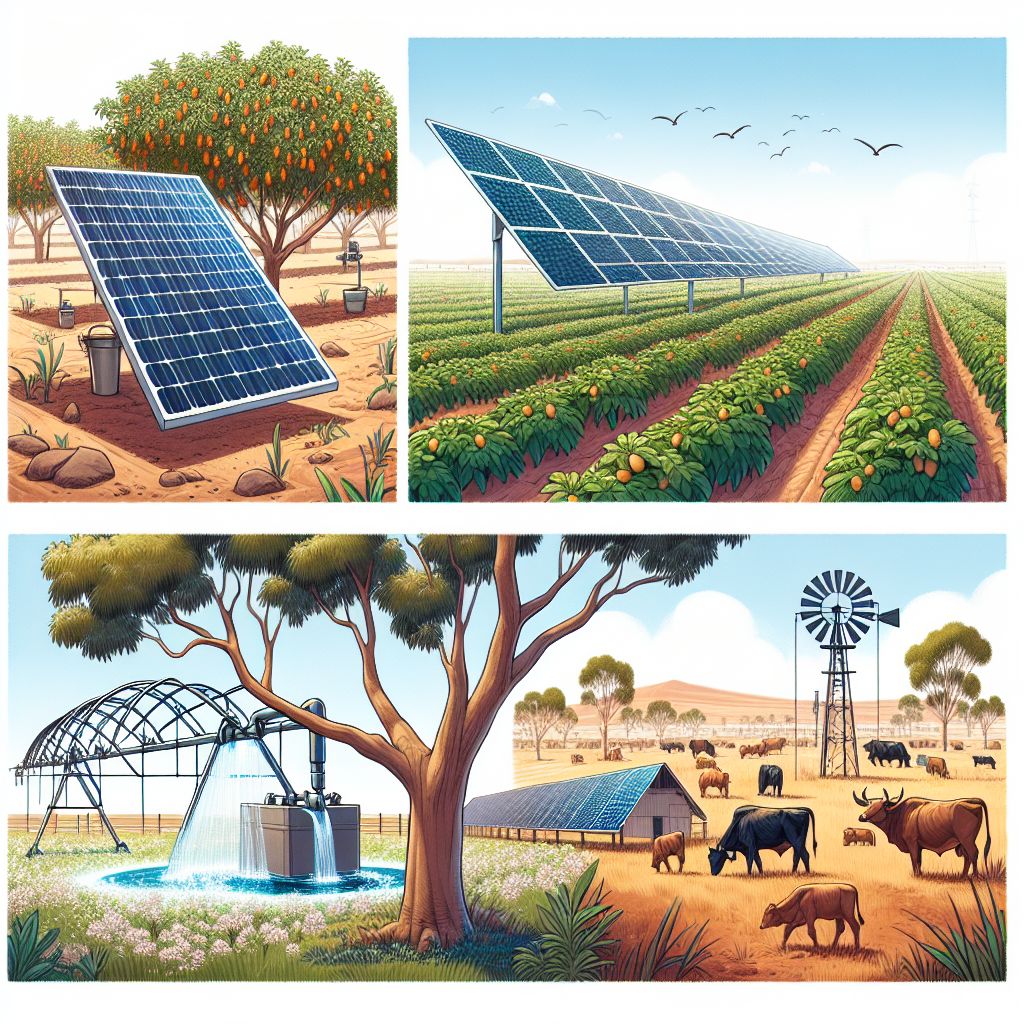
Across the globe, solar-powered irrigation systems have transformed farming practices, leading to increased productivity and sustainability. Here are some inspiring examples of how this technology is making a difference:
California Almond Orchards
In California, almond farmers have embraced solar-powered irrigation to combat rising energy costs and water scarcity. By installing solar panels and smart irrigation systems, these farmers have reduced their energy bills by up to 70% while improving water efficiency. This transition has not only helped their bottom line but also contributed to the state’s renewable energy goals.
Smallholder Farmers in India
In India, smallholder farmers face challenges such as unreliable electricity and limited water resources. Solar-powered irrigation has emerged as a game-changer, providing a reliable and affordable solution. With government support, many farmers have adopted solar pumps, leading to increased crop yields and improved livelihoods.
- Increased crop yields by 30% on average.
- Reduced water consumption by 40%.
- Decreased dependency on expensive diesel fuel.
This shift has empowered farmers to become more self-sufficient and sustainable, ensuring food security for their communities. For more insights, explore the benefits of solar-powered irrigation systems.
Cattle Stations in Australia
In the vast outback of Australia, cattle stations have turned to solar-powered irrigation to provide water for livestock. One station, spanning over 1,000 square kilometers, installed a solar-powered system to pump water from remote wells to troughs across the property. This innovation reduced fuel costs by 80% and ensured a consistent water supply during drought conditions.
Such examples demonstrate the versatility and effectiveness of solar-powered irrigation systems in diverse environments. By adapting this technology, farmers worldwide can achieve greater resilience and sustainability in their operations.
Challenges in Implementation
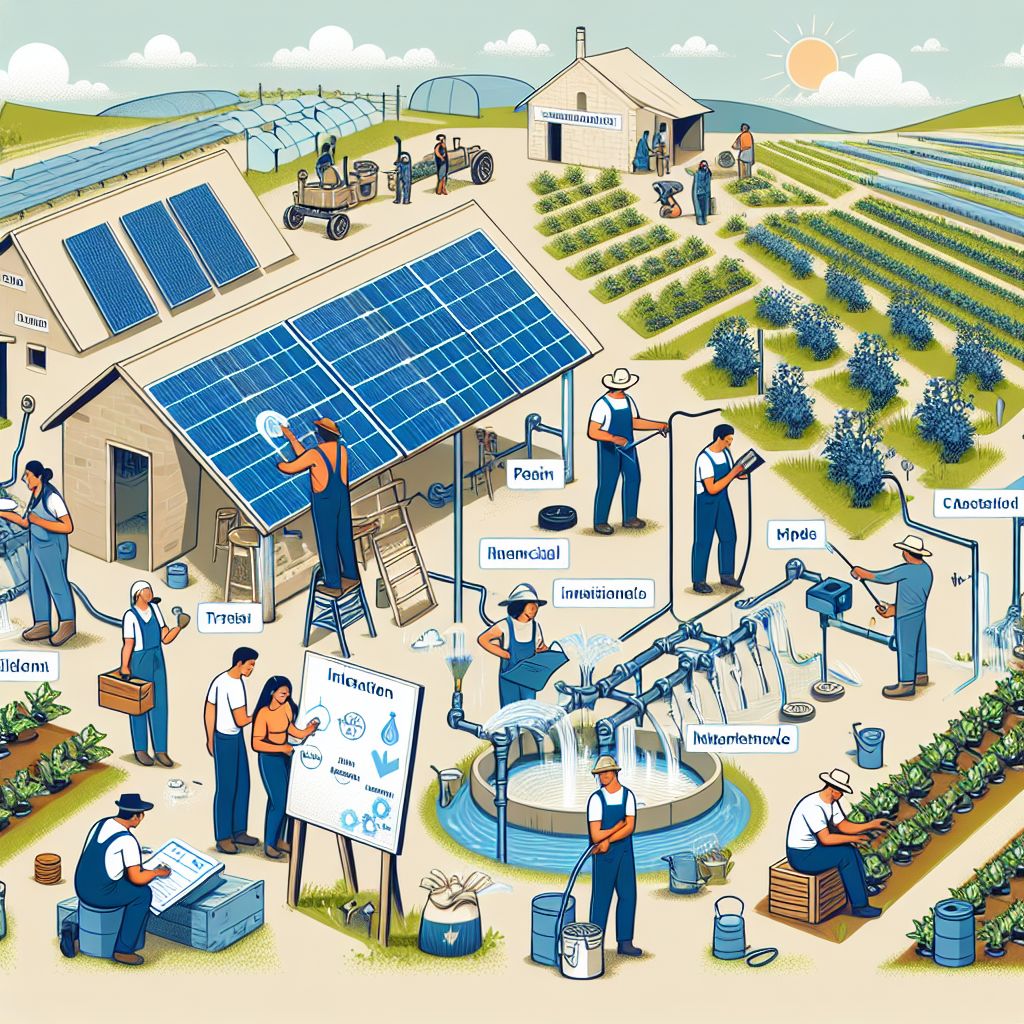
While the benefits of solar-powered irrigation are clear, implementing these systems is not without challenges. Farmers must navigate technical, financial, and logistical hurdles to make the transition successful.
Technical barriers include ensuring the system is properly sized and installed to meet the farm’s specific needs. This requires careful planning and expert guidance. Additionally, the initial cost can be prohibitive for some farmers, despite the availability of financial incentives.
Maintenance and support are also critical factors. Solar-powered systems require regular upkeep to ensure optimal performance. Farmers need access to trained technicians and reliable supply chains for replacement parts and repairs.
By addressing these challenges, farmers can successfully implement solar-powered irrigation systems and reap the long-term benefits of sustainable agriculture.
Technical and Infrastructure Barriers
Implementing solar-powered irrigation systems comes with its own set of technical and infrastructure challenges. One of the primary barriers is ensuring the system is correctly sized and tailored to the specific needs of the farm. This requires a thorough assessment of the farm’s energy and water needs, as well as the local climate and geographical conditions. Farmers often need expert guidance to navigate these complexities, which can be daunting for those new to solar technology.
Infrastructure issues, such as the availability of quality solar panels and pumps, can also pose challenges. In some regions, access to these components may be limited, making it difficult for farmers to obtain the necessary equipment. Additionally, installing solar panels requires suitable space and orientation to maximize sunlight exposure, which may not be feasible for all farms.
Cost and Scalability Issues
The cost of installing a solar-powered irrigation system can be a significant barrier for many farmers. Although the long-term savings are substantial, the upfront investment can be prohibitive, especially for small-scale farmers. The cost of solar panels, inverters, pumps, and installation can add up quickly, and not all farmers have access to financing options.
Scalability is another concern. While solar-powered irrigation is an excellent solution for small to medium-sized farms, scaling up to larger operations can present challenges. The energy demands of large farms may require extensive solar arrays and more complex systems, increasing costs and logistical complexity.
Maintenance and Support Needs
Maintaining a solar-powered irrigation system is crucial to ensure its longevity and efficiency. Regular maintenance includes cleaning solar panels, checking connections, and servicing pumps and controllers. This can be a challenge for farmers who lack technical expertise or access to trained technicians.
Support from manufacturers and service providers is essential to address maintenance needs and provide timely repairs. Farmers must have reliable access to replacement parts and technical support to minimize downtime and maintain productivity.
Future Innovations in Solar Irrigation Technology
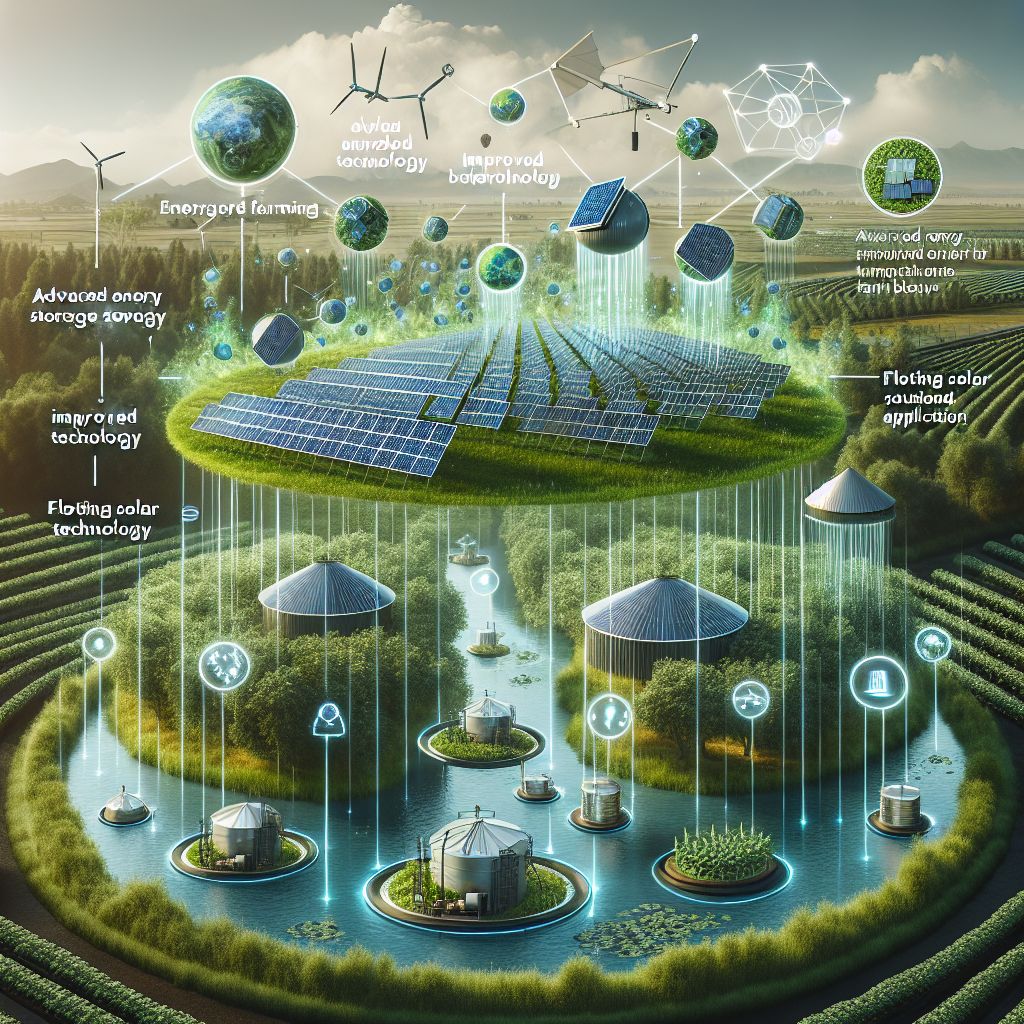
As technology advances, the future of solar-powered irrigation looks promising. Innovations in energy storage, smart farming, and AI are set to enhance the efficiency and effectiveness of these systems. Let’s explore some of these exciting developments:
- Advanced Energy Storage: Improved battery technology allows for better energy storage, ensuring a reliable power supply even during cloudy days or nighttime.
- Floating Solar Solutions: Placing solar panels on water bodies can save land space and increase energy efficiency by keeping panels cool.
- Smart Farming and AI: Integrating AI and IoT devices can optimize water usage, monitor crop health, and improve overall farm management.
These innovations hold the potential to make solar-powered irrigation more accessible and efficient, paving the way for a sustainable agricultural future.
Advancements in Energy Storage
Energy storage is a critical component of solar-powered irrigation systems. Recent advancements in battery technology have made it possible to store more energy for longer periods, providing a reliable power source even when sunlight is not available. This is particularly beneficial for farms in regions with variable weather conditions.
- Improved battery capacity and efficiency.
- Reduced costs and longer lifespan of batteries.
- Integration with smart grid systems for optimal energy management.
These advancements ensure that solar-powered irrigation systems remain operational and efficient, regardless of weather conditions or time of day.
Floating Solar Solutions
Floating solar solutions involve installing solar panels on water bodies, such as ponds or reservoirs. This innovative approach offers several benefits, including saving valuable land space and increasing energy efficiency. The water helps keep the panels cool, enhancing their performance and lifespan.
Floating solar systems are particularly useful for farms with limited land availability, providing a practical solution for integrating solar power into their operations. For a deeper understanding of how solar power can be effectively utilized in farming, explore the benefits of solar-powered irrigation systems.
The Role of Smart Farming and AI
Smart farming and AI technologies are revolutionizing agriculture by enhancing efficiency and productivity. In solar-powered irrigation systems, these technologies can optimize water usage by analyzing data from sensors and weather forecasts. AI algorithms can adjust irrigation schedules based on soil moisture levels, crop needs, and environmental conditions.
This level of precision ensures that crops receive the right amount of water, reducing waste and improving yields. As these technologies continue to evolve, they will play an increasingly important role in sustainable farming practices.

Final Thoughts on Embracing Solar Powered Irrigation
Solar-powered irrigation systems offer a compelling solution for sustainable agriculture. By reducing carbon emissions, conserving water, and providing economic benefits, these systems empower farmers to meet the challenges of modern farming while protecting the environment.
Long-Term Benefits for Sustainable Farming
The long-term benefits of adopting solar-powered irrigation systems are undeniable. Farmers can achieve significant cost savings, reduce their environmental impact, and enhance their resilience to climate change. These systems also promote sustainable water management, ensuring that future generations have access to this vital resource.
By investing in solar-powered irrigation, farmers are not only securing their livelihoods but also contributing to a more sustainable and equitable global food system.
Is the Investment for a Solar Irrigations System Worth it Economical and Environmentally
While the initial investment for a solar-powered irrigation system can be substantial, the long-term economic and environmental benefits make it a worthwhile endeavor. The cost savings on energy bills, combined with government incentives, can offset the initial costs over time. Environmentally, the reduction in carbon emissions and water conservation make these systems an essential tool for sustainable farming.
Ultimately, the decision to invest in solar-powered irrigation should consider both the immediate financial implications and the broader impact on the farm’s sustainability and resilience.
Frequently Asked Questions (FAQ)
To help you better understand solar-powered irrigation systems, here are answers to some common questions:
How much does it cost to install a solar-powered irrigation system?
The cost of installing a solar-powered irrigation system varies depending on the size and complexity of the system. On average, prices range from $10,000 to $30,000. However, government incentives and financing options can help reduce these costs.
Can solar-powered systems work in cloudy regions?
Yes, solar-powered systems can work in cloudy regions. While they may produce less energy on overcast days, advancements in solar technology and energy storage ensure a reliable power supply. It’s essential to design the system to meet the specific needs of the farm, considering local weather patterns.
What maintenance is required for solar-powered systems?
Regular maintenance of solar-powered systems includes cleaning the solar panels, checking electrical connections, and servicing pumps and controllers. It’s crucial to have access to trained technicians and replacement parts to ensure the system’s longevity and efficiency.
How do solar-powered irrigation systems impact water conservation?
Solar-powered irrigation systems often incorporate smart technology to optimize water usage. By delivering water based on soil moisture levels and crop needs, these systems can reduce water wastage and improve crop yields, contributing to sustainable water management.
Are there government incentives for switching over to solar-powered systems?
Many governments offer incentives to encourage the adoption of solar-powered systems. These incentives may include tax credits, grants, and low-interest loans, helping to offset the initial installation costs and making solar irrigation more accessible to farmers.
By taking advantage of these incentives, farmers can reduce the financial burden of transitioning to solar power and enjoy the long-term benefits of sustainable farming.







Leave a Reply