

Key Points
- Solar-powered irrigation systems use solar panels to power water pumps, reducing electricity costs.
- These systems are particularly beneficial in remote areas with limited access to electricity.
- Modern solar-powered systems can include smart technology for efficient water use.
- Initial costs can be high, but long-term savings and environmental benefits are significant.
- Farmers can customize systems based on their specific water and crop needs.
The Basics of Irrigation Systems
Watering crops is one of the oldest and most essential farming practices. Irrigation systems have evolved over centuries, from simple ditches to advanced automated systems. They ensure that crops receive the right amount of water at the right time, which is crucial for growth and yield. Let’s explore the basics of these systems.
What is an Irrigation System
At its core, an irrigation system is a method to supply water to plants when natural rainfall is insufficient. It involves a network of pumps, pipes, and sprinklers or drippers that deliver water directly to the plant roots. The goal is to optimize water use, ensuring that crops thrive even in dry conditions.
Types of Irrigation Systems
Surface Irrigation
Surface irrigation is one of the oldest methods, where water flows over the soil by gravity. It’s simple and inexpensive but can lead to water wastage if not managed properly. It’s best suited for flat terrains and crops that can withstand occasional waterlogging.
In surface irrigation, water is distributed over the soil surface by gravity flow. This method includes basin, border, and furrow irrigation. While it’s cost-effective, it requires careful management to prevent water wastage and soil erosion.
Sprinkler Irrigation
Sprinkler irrigation mimics natural rainfall by spraying water through a system of pipes and nozzles. It’s versatile and can be used on uneven land. However, it requires energy to pump water and can be less efficient in windy conditions.
This system uses a network of pipes connected to sprinklers that spray water over the crops. It’s efficient for a variety of terrains and is ideal for crops that are sensitive to water stress. However, it can be more expensive due to the need for pumps and energy.
Drip Irrigation
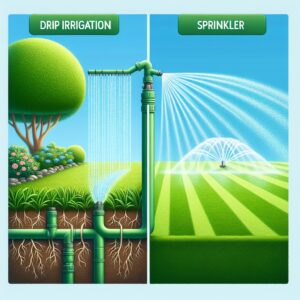
Drip irrigation is highly efficient, delivering water directly to the plant’s root zone through a network of tubes and emitters. This method minimizes evaporation and runoff, making it ideal for water-scarce regions.
- Reduces water wastage by 30-50% compared to other methods.
- Improves crop yield by ensuring consistent moisture levels.
- Can be automated for precise water delivery.
Benefits of Modern Irrigation Systems
Modern irrigation systems offer numerous benefits that go beyond just watering crops. They enhance farm productivity, conserve water, and improve crop health. By providing precise control over water distribution, farmers can optimize growth conditions and reduce labor costs.
How Does Adding Solar Panels to an Irrigation System Affect it
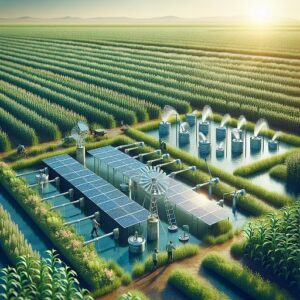
Integrating solar panels with irrigation systems is a game-changer. It allows farmers to harness renewable energy, reducing dependence on traditional power sources. This not only cuts costs but also makes irrigation possible in off-grid areas. Solar power can drive pumps and power automated control systems, enhancing efficiency and sustainability.
Solar panels convert sunlight into electricity, which powers the irrigation pumps. This means farmers can irrigate their fields even in remote locations without access to the electrical grid. The result is a more sustainable and cost-effective farming operation.

How Solar-Powered Irrigation Systems Work
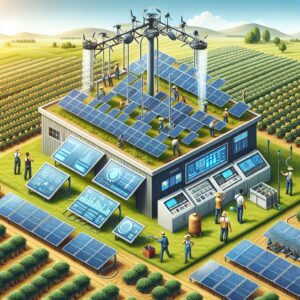
Understanding how solar-powered irrigation systems work can empower farmers to make informed decisions about adopting solar technology. They consist of several key components that work together to deliver water to crops efficiently and sustainably.
- Solar Panels: Capture sunlight and convert it into electricity.
- Solar Pump: Uses electricity to draw and distribute water.
- Water Distribution Network: Includes pipes, sprinklers, or drippers.
- Automation Systems: Monitor and control water delivery.
The integration of these components creates a seamless and efficient irrigation process, reducing reliance on non-renewable energy sources.
Components of the System
Each component of a solar-powered irrigation system plays a crucial role in its overall functionality. The solar panels generate electricity, the pump moves the water, and the distribution network ensures even delivery to the crops. Automation systems enhance efficiency by providing precise control over water use.
Solar Panels and How They Generate Power
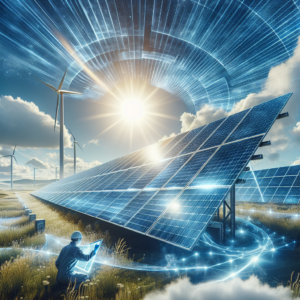
Solar panels are the heart of any solar-powered system. They consist of many solar cells made from silicon, a semiconductor material. When sunlight hits these cells, it excites electrons, creating an electric current. This process, known as the photovoltaic effect, converts solar energy into electricity. The electricity generated is direct current (DC), which can be used immediately or stored in batteries for later use.
They are usually installed in locations with maximum sun exposure, such as open fields or rooftops. The panels’ efficiency depends on factors like location, tilt angle, and shading. Proper installation and maintenance can significantly impact the system’s performance.
Here’s a table comparing the different solar panel you can use in with an Irrigation system:
|
Solar Panel Type |
Efficiency |
Cost per Watt |
Pros |
Cons |
|---|---|---|---|---|
|
Monocrystalline |
17-22% |
$1.00 – $1.50 |
– Highest efficiency. 1, 3 |
– Most expensive option. 1, 3 |
|
Polycrystalline |
13-17% |
$0.90 – $1.20 |
– Lower cost than monocrystalline. 1, 3 |
– Slightly lower efficiency. 1, 3 |
|
Thin-Film |
10-13% |
$0.70 – $1.00 |
– Lowest cost. 1, 3 |
– Lowest efficiency. 1, 3 |
Monocrystalline panels are highly efficient and durable, making them ideal for high-performance irrigation systems that require consistent power output. Their higher cost is often offset by their superior performance in the long run. 3
Polycrystalline panels offer a good balance between cost and efficiency, making them suitable for medium-scale irrigation projects. They perform well in most conditions and are a popular choice for many agricultural applications. 3
Thin-film panels, while less efficient, are more affordable and flexible. They can be a good option for portable irrigation systems or installations where weight is a concern. Their lower efficiency means you may need more panels to achieve the same power output as crystalline options. 3
Irrigation Pumps Powered by Solar Energy
The electricity generated by solar panels powers the irrigation pumps. These pumps are crucial for drawing water from sources such as wells, rivers, or reservoirs and delivering it to the fields. Solar-powered pumps can vary in size and capacity, catering to different farm sizes and water requirements. They offer a reliable and sustainable alternative to diesel or electric pumps, especially in remote areas where access to the grid is limited.
Solar-powered pumps come in various types, including submersible and surface pumps. Submersible pumps are placed underwater and are ideal for deep wells, while surface pumps are used for shallow water sources. Choosing the right pump depends on the water source’s depth and the farm’s water requirements.
Automation and Smart Technology Integration
Modern solar-powered irrigation systems often include automation and smart technology. Sensors can monitor soil moisture levels, weather conditions, and crop health. This data helps in making informed decisions about when and how much to water the crops. Automated systems can adjust water delivery based on real-time data, optimizing water use and improving crop yields. This integration makes farming more efficient and less labor-intensive.
Example: In a pilot project in Rajasthan, India, farmers used solar-powered drip irrigation systems integrated with soil moisture sensors. This setup reduced water usage by 40% and increased crop yield by 30%, showcasing the potential of smart solar irrigation technology.

Implementing Solar-Powered Irrigation on Your Farm
Transitioning to solar-powered irrigation requires careful planning and consideration. Here’s how you can implement this sustainable technology on your farm.
Choosing the Right Solar Array Size
The size of your solar array depends on your farm’s energy needs. Calculate your current energy consumption for irrigation and consider future expansion plans. Consult with solar experts to design a system that meets your specific requirements. Remember, larger arrays generate more power but also require more space and investment.
Site Assessment and Planning
Conduct a thorough site assessment to determine the best location for your solar panels. Factors to consider include sunlight exposure, shading, and proximity to water sources. Proper planning ensures maximum efficiency and longevity of your solar-powered irrigation system.
Budgeting for Installation and Maintenance
While solar-powered irrigation systems can lead to long-term savings, the initial investment can be significant. Consider the costs of solar panels, pumps, and installation. Research available incentives and financing options to ease the financial burden. Regular maintenance is crucial to ensure the system operates efficiently and lasts for years.

Advantages of Solar-Powered Systems
Solar-powered irrigation systems offer numerous benefits that make them an attractive option for farmers looking to enhance sustainability and efficiency.
Cost Savings and Efficiency Boost
By using solar energy, farmers can significantly reduce or eliminate electricity costs. The system’s efficiency ensures that water is used optimally, reducing waste and enhancing crop yields.
Environmental Advantages and Sustainability
Solar-powered systems reduce carbon emissions and reliance on fossil fuels, contributing to a cleaner environment. They promote sustainable farming practices that benefit both the farmer and the planet.
Besides reducing greenhouse gas emissions, these systems help conserve water, a precious resource in agriculture. By optimizing water use, they contribute to the long-term sustainability of farming operations.
Water Efficiency and Crop Health
Efficient water use leads to healthier crops and better yields. Solar-powered systems provide precise control over water delivery, ensuring that crops receive the right amount of water at the right time.
Moreover, the integration of smart technology allows farmers to monitor and adjust water use based on real-time data, further enhancing efficiency and crop health.
Remote Accessibility and Reliability
One of the standout features of solar-powered irrigation systems is their ability to function in remote areas. Since they don’t rely on grid electricity, farmers in isolated regions can irrigate their crops without worrying about power availability. This reliability is crucial, especially during critical growing periods when timely irrigation can make a significant difference in crop yield.
This below table is comparing a solar Irrigation system to a traditional Irrigation system
|
Feature |
Solar Irrigation System |
Traditional Irrigation System |
|---|---|---|
|
Energy Source |
Powered by renewable solar energy, reducing carbon emissions. 1, 2 |
Relies on grid electricity or fossil fuels, increasing greenhouse gases. 1, 2 |
|
Cost Efficiency |
Higher initial cost but lower operating costs due to free solar energy. 1, 3 |
Lower upfront cost but higher ongoing costs for electricity or fuel. 2, 3 |
|
Maintenance | ||
|
Environmental Impact |
Sustainable with no harmful emissions or over-irrigation risks. 1, 4 |
Solar irrigation systems are more sustainable and cost-effective in the long term, while traditional systems are initially cheaper but have higher operational costs and environmental impact.
Case Studies: Success Stories
To truly understand the impact of solar-powered irrigation systems, let’s look at some real-world examples. These case studies highlight how farmers worldwide have benefited from adopting this sustainable technology.
California Almond Orchard’s Water Efficiency
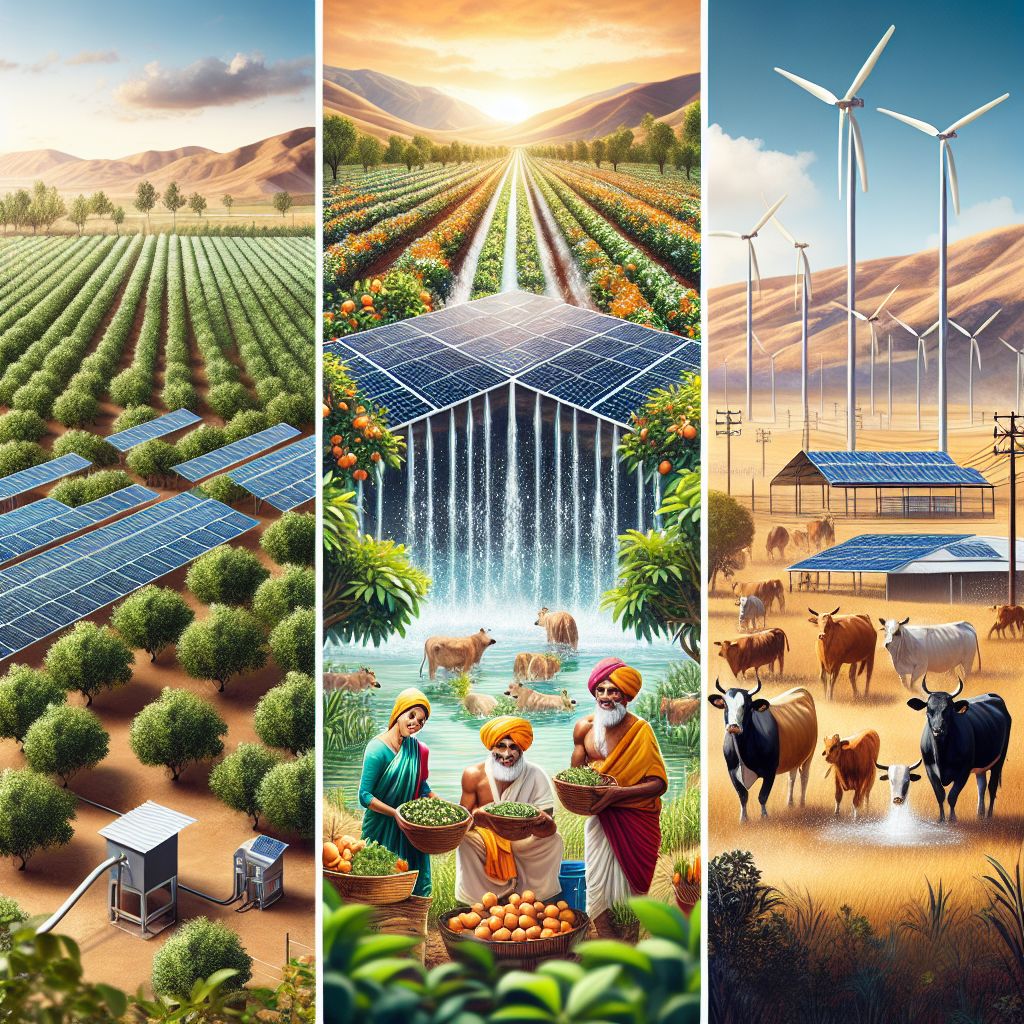
In California, an almond orchard faced challenges with water availability and high electricity costs. By installing a solar-powered drip irrigation system, the orchard improved its water efficiency by 30%. The system’s automation allowed for precise water delivery, reducing waste and enhancing crop health.
The solar panels provided a reliable energy source, even during peak irrigation periods. The farmer reported a significant reduction in operational costs, making the investment worthwhile. This example demonstrates the potential for solar-powered systems to revolutionize water management in agriculture.
Example: “Since switching to solar-powered irrigation, our almond yield has increased by 20%, and we’ve cut water usage by a third. It’s been a game-changer for our farm.” – California Almond Farmer
Gujarat, India: Boosting Smallholder Yields
In Gujarat, India, smallholder farmers struggled with inconsistent water supply and rising fuel costs for diesel pumps. A community initiative introduced solar-powered irrigation systems, transforming the agricultural landscape. Farmers experienced a 25% increase in crop yields and reduced their dependency on costly diesel fuel.
This success story illustrates how solar technology can empower small-scale farmers, providing them with the tools needed to improve productivity and sustainability. The community’s collaborative approach also highlights the potential for collective action in promoting renewable energy solutions.
Queensland Cattle Station’s Solar Savings
In Queensland, Australia, a cattle station faced high energy costs for pumping water to remote pastures. By adopting a solar-powered water pumping system, the station significantly reduced its electricity expenses. The solar panels provided a steady power supply, ensuring that livestock had consistent access to water.
This case study underscores the versatility of solar-powered systems, demonstrating their applicability beyond crop irrigation. By harnessing solar energy, the cattle station achieved cost savings and enhanced its operational efficiency.

Conclusion: Solar-Powered Irrigation Systems
“Solar-powered irrigation is not just a trend; it’s a necessity for sustainable agriculture. By embracing this technology, farmers can secure their future while preserving our planet’s resources.” – Agricultural Expert
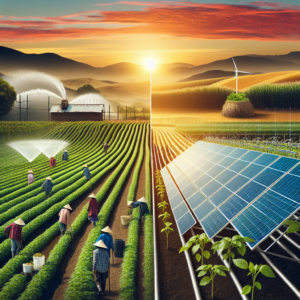
Solar-powered irrigation systems represent a pivotal shift towards sustainable farming practices. They offer a viable solution to the challenges of water scarcity, rising energy costs, and environmental degradation. By harnessing the sun’s energy, farmers can irrigate their crops efficiently and sustainably, regardless of location.
While the initial investment may seem daunting, the long-term benefits in cost savings, increased yields, and environmental impact make it a worthwhile endeavor. As technology continues to advance, solar-powered systems will become even more accessible and effective, paving the way for a brighter future in agriculture.
What is Solar-Powered Irrigation Systems
Solar-powered irrigation systems use solar panels to convert sunlight into electricity, which powers water pumps for crop irrigation. These systems offer a sustainable alternative to traditional irrigation methods, reducing reliance on fossil fuels and grid electricity.
They are particularly beneficial in remote areas where access to electricity is limited, providing farmers with a reliable and cost-effective way to irrigate their fields.
Is a Solar Irrigation System Worth the Investment for a Farmer
Deciding whether to invest in a solar-powered irrigation system depends on several factors. Here are some considerations to help make an informed decision, including the impact of solar irrigation on farm efficiency and productivity.
- Initial Costs: Evaluate the upfront investment and potential financing options.
- Energy Savings: Calculate potential savings on electricity or diesel fuel costs.
- Water Needs: Assess your farm’s water requirements and potential efficiency gains.
- Environmental Impact: Consider the benefits of reducing carbon emissions and conserving water.
Overall, the long-term benefits of solar-powered irrigation often outweigh the initial costs, making it a sound investment for many farmers.
Frequently Asked Questions (FAQ)
As solar-powered irrigation systems gain popularity, farmers may have questions about their implementation and benefits. For more detailed information, you can explore the key components of solar irrigation systems. Here are some common queries and their answers.
How do I determine the solar potential of my farm?
To assess your farm’s solar potential, consider factors such as sunlight exposure, shading, and available space for solar panels. Conduct a site assessment with a solar expert to determine the best setup for your location.
Example: “By conducting a thorough site assessment, we identified the optimal location for our solar panels, maximizing energy generation and efficiency.” – Solar Installation Specialist
What are the main benefits of solar-powered irrigation?
Solar-powered irrigation offers several advantages, including cost savings, environmental sustainability, water efficiency, and reliability in remote areas. These systems empower farmers to improve productivity while reducing their carbon footprint.
Are there any financial incentives for adopting solar-powered irrigation?
Many governments and organizations offer financial incentives, such as grants, tax credits, or low-interest loans, to encourage the adoption of solar technology in agriculture. Research available programs in your region to take advantage of these opportunities.
How do solar-powered pumps manage water supply at night?
Solar-powered systems can include battery storage to store excess energy generated during the day for use at night. Alternatively, water can be pumped into storage tanks during daylight hours, ensuring a continuous supply when needed.
What is the lifespan of a typical solar array for irrigation?
Solar panels typically have a lifespan of 25-30 years, with minimal maintenance required. Regular cleaning and inspections can help ensure optimal performance and longevity. To learn more about the key components of solar irrigation systems, visit our detailed guide.
Investing in quality components and professional installation can further extend the system’s lifespan, providing reliable energy for decades.
How does a solar-powered system handle unexpected weather changes?
Modern solar-powered systems often include smart technology that can adjust operations based on weather conditions. For example, automated systems can reduce water delivery during rainy periods, conserving resources and preventing over-irrigation. To optimize your system, consider the factors to consider when selecting solar panels for agriculture.
Additionally, battery storage or water tanks can provide a buffer during cloudy days, ensuring consistent irrigation despite weather fluctuations. For more insights on this topic, consider reading about solar irrigation system efficiency under various weather conditions.
What should I consider before switching to solar-powered irrigation?
Before making the switch, consider the following:
- Site Assessment: Evaluate your farm’s solar potential and water needs.
- System Design: Work with experts to design a system that meets your specific requirements.
- Financial Planning: Research available incentives and financing options.
- Maintenance: Plan for regular maintenance to ensure long-term efficiency.
By carefully considering these factors, you can make an informed decision about adopting solar-powered irrigation on your farm.
Example: “After thorough research and planning, we successfully transitioned to solar-powered irrigation, reducing our energy costs and enhancing our farm’s sustainability.” – Sustainable Farming Advocate

Leave a Reply